Middle-earth™: Shadow of War™ similar games & best alternatives
Middle-earth™: Shadow of War™
2017
Related articles
Quick resume
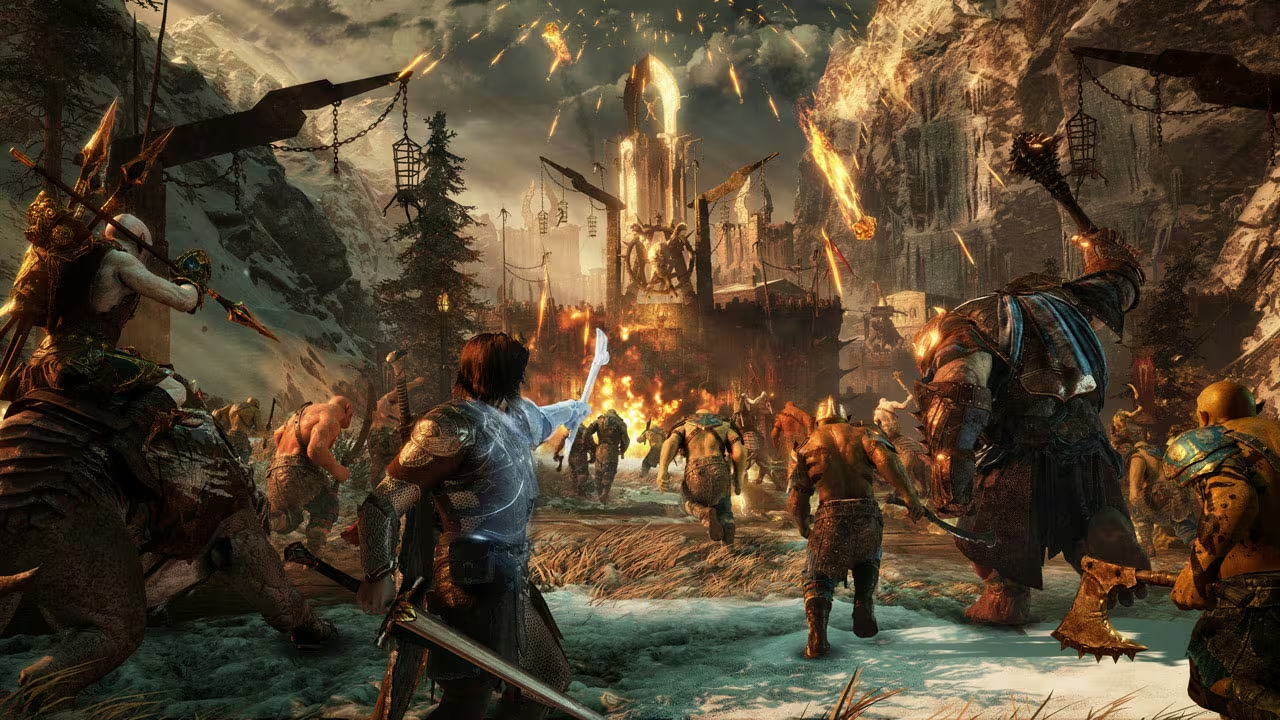
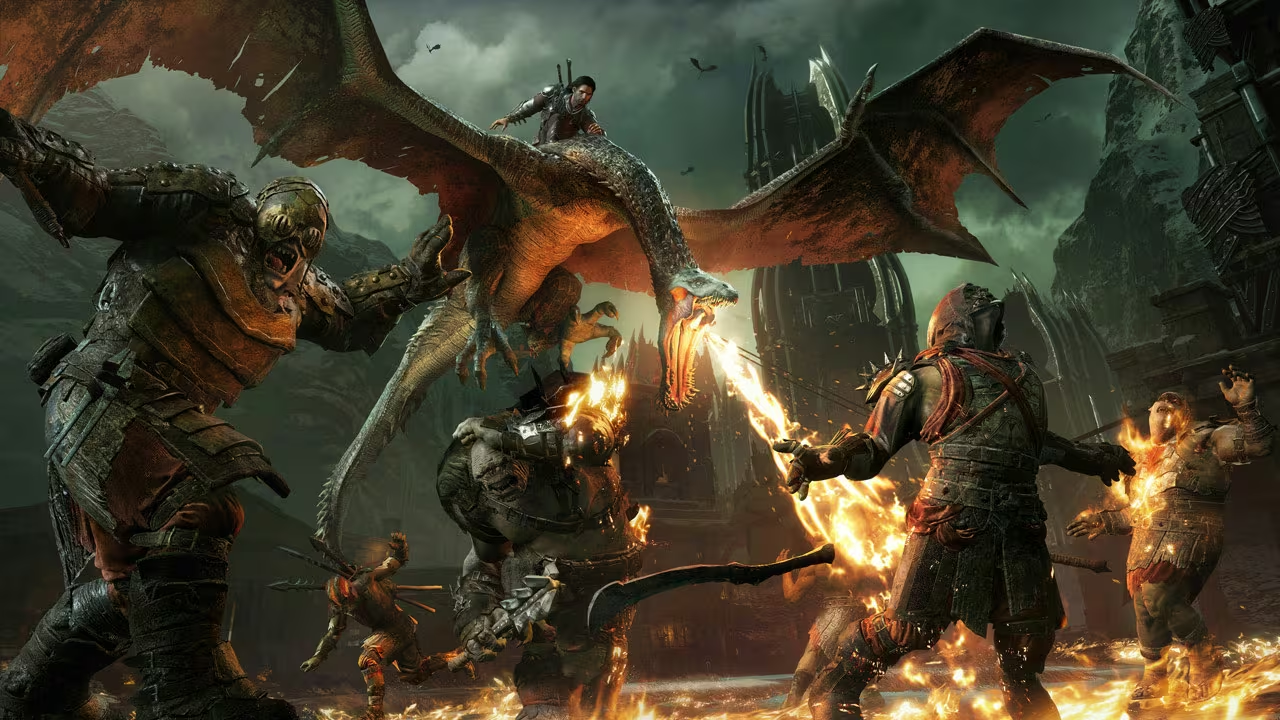
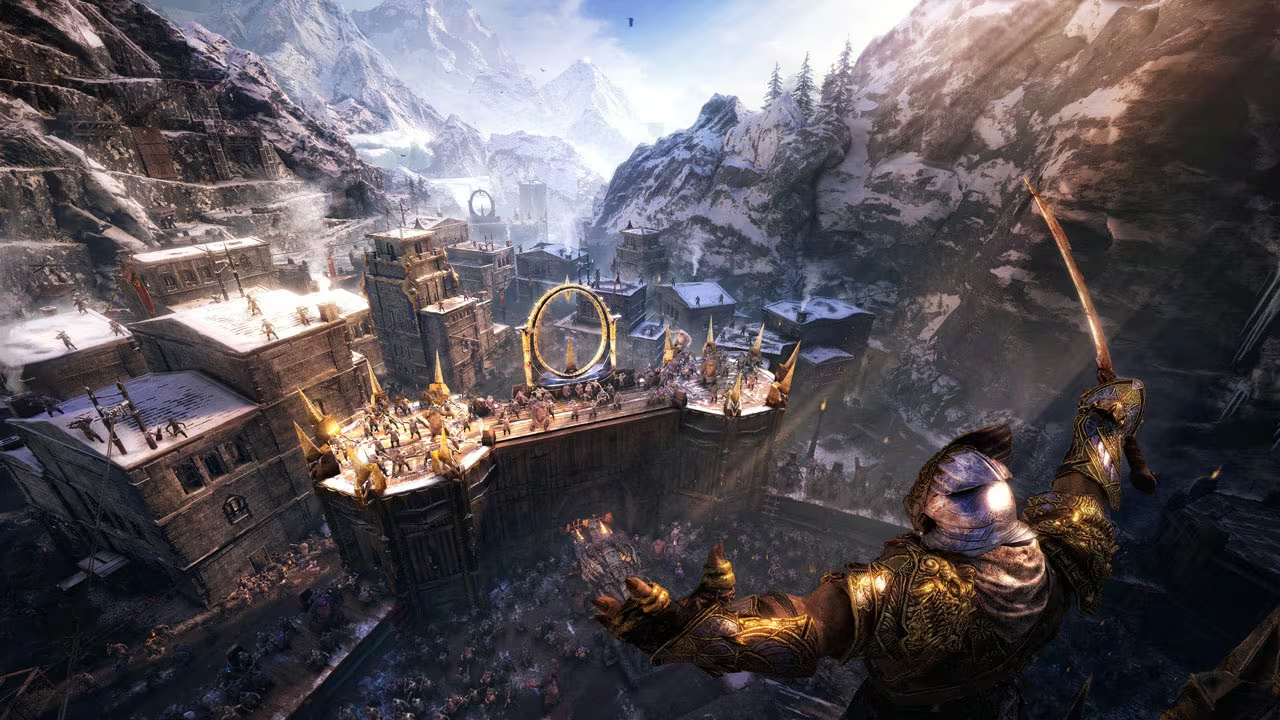
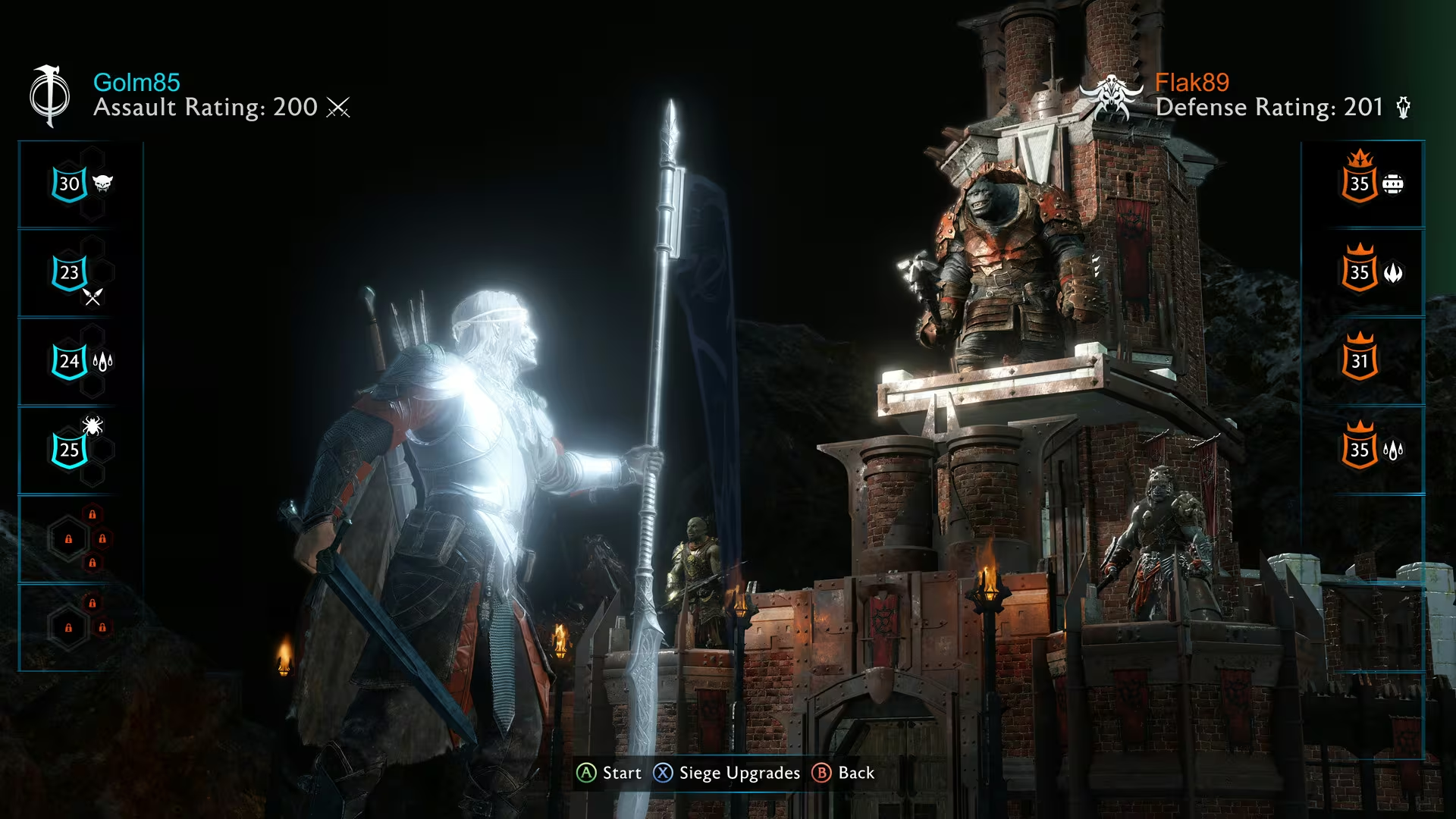
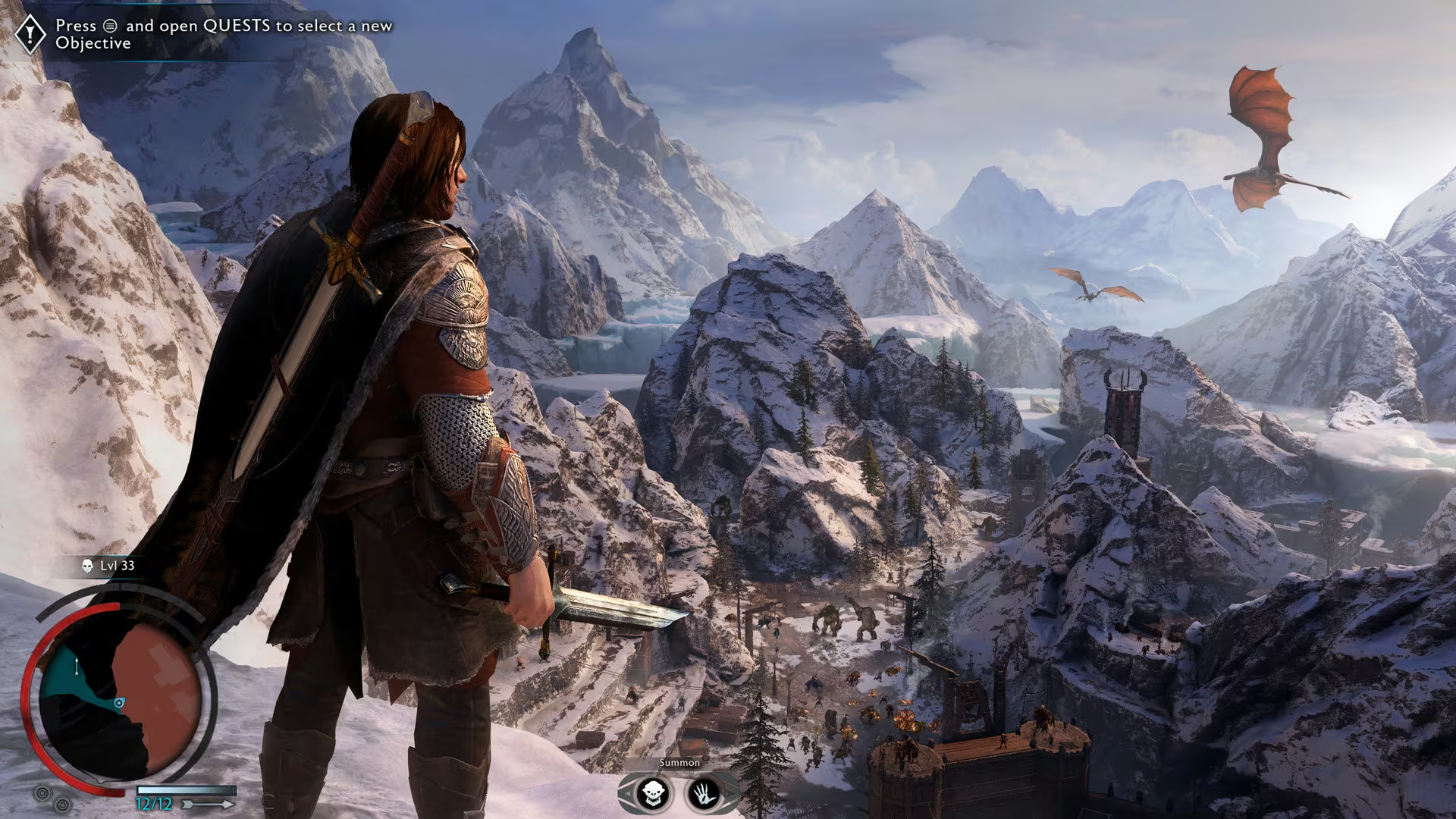
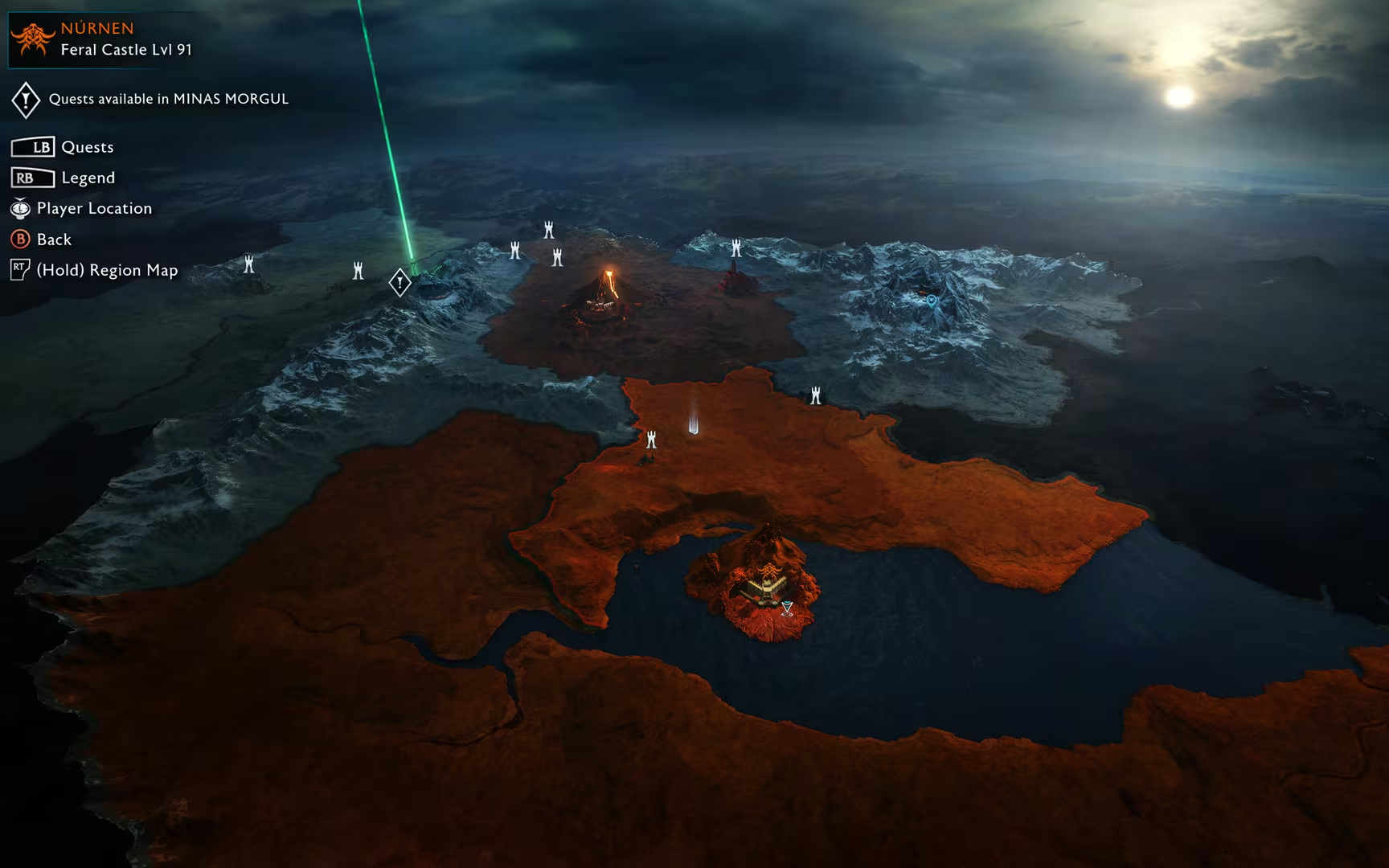
Experience an epic open-world brought to life by the award-winning Nemesis System. Forge a new Ring of Power, conquer Fortresses in massive battles and dominate Mordor with your personal orc army in Middle-earth™: Shadow of War™.
Global score
89/100
Genres
Action, Adventure, Role-playing (RPG)
Similar games
Pros
- Innovative and deep nemesis system
- Engaging and fluid combat mechanics
- High replayability with emergent stories
- Large, varied open world with exploration
- Strong narrative and character interactions
Cons
- Repetitive elements in late game fortress defense
- Annoying unskippable orc dialogue
- Some bugs and performance issues reported
- Grinding required for army progression
- Microtransaction system (removed later) caused controversy
Analysis
A very typical example of its motivational profile. Motivations that often define this kind of title include Competition, Fellowship, Domination, Status. Here, the score leans higher than usual among comparable games on Story, Fantasy, Leadership.
How to use the graph
Similar games map
Each dot is a game. They are arranged from the same motivation profile as in the “Motivations” section below. Closer dots usually mean more similar reasons to play (exploration, competition, relaxation, etc.)—not that one game is “better” than another.
- Larger dot with a light outline: the game you are viewing.
- Colour: groups of games with comparable motivation patterns (statistical clusters).
- Hover a dot to see the game name; click to open its page.
- Scroll or double-click the chart to zoom out and see more games.
Why don’t the axes read like a score? This view uses t-SNE: it only keeps who is close to whom. The scales are not “good to bad” or hours played—they separate groups on the map. Read distance between dots, not the axis numbers.
Motivations
-
Autonomy4
"Players have significant freedom to choose how to approach combat, recruit orcs, plan attacks, and manage their army and fortresses."
-
Competence3
"Combat requires skillful use of abilities and tactics; players overcome challenging enemies and manage complex systems like the Nemesis and fortress sieges."
-
Competition1
"There is some asynchronous competition in online conquest and vendetta modes, but the main game focuses on personal progression and story."
-
Continuation4
"High replay value with emergent stories from the Nemesis system and long playtime including endgame fortress defense and online modes."
-
Cooperation2
"Players cooperate with recruited orcs and manage their army; some online modes involve indirect cooperation or competition."
-
Creativity3
"Players customize their army composition, gear, and strategies; Nemesis system generates unique orc captains with personalities."
-
Domination2
"Players exert control over orc captains and fortresses, but interactions emphasize mutual respect and emergent stories rather than pure domination."
-
Escapism4
"Players use the game as a stress relief and immersive fantasy experience, escaping real life through engaging combat and story."
-
Expectation-4
"Players engage voluntarily out of intrinsic interest and enjoyment rather than obligation or external pressure."
-
Experimenting3
"Players experiment with different combat styles, orc recruitment strategies, and gear builds; Nemesis system encourages creative approaches."
-
Exploration3
"Open world regions with collectibles and side quests encourage discovery and exploration beyond the main story."
-
Expression3
"Players customize gear and build unique armies; orcs have distinct personalities and appearances for self-expression."
-
Fantasy5
"Set in a high fantasy world with magic, mythical creatures, and an imaginative narrative inspired by Tolkien's Middle-earth."
-
Fellowship2
"Players feel part of a community through online modes and shared Nemesis stories, though main gameplay is largely solo."
-
Growth4
"Players develop skills, learn enemy weaknesses, and improve their army and gear over many hours of gameplay."
-
Health-5
"Primarily a sedentary gaming experience with no physical activity or health-related mechanics."
-
Idle-3
"Requires focused attention during combat and strategic management; not suited for casual or background play."
-
Intimacy1
"Some emotional connection to orc captains and emergent stories, but limited close social relationships."
-
Leadership4
"Players lead and manage orc armies, assign roles, and direct fortress defenses and attacks."
-
Progression5
"Strong emphasis on leveling up, acquiring gear, recruiting and upgrading orcs, and conquering fortresses."
-
Relaxation2
"Combat can be satisfying and flow-inducing, though some players report frustration from repetitive or challenging elements."
-
Sensation3
"Visuals, sound design, and combat animations provide engaging sensory stimulation and excitement."
-
Status1
"Players gain recognition through online rankings and achievements, but social status is not a core motivator."
-
Story4
"Narrative immersion with engaging plot, character interactions, and emergent stories from the Nemesis system."
-
Strategy4
"Players must plan attacks, exploit enemy weaknesses, manage army composition, and defend fortresses strategically."
-
Thrill3
"Combat and Nemesis encounters provide suspense and excitement, with risk of defeat and unexpected ambushes."
-
Value4
"Players perceive good return on investment due to extensive content, replayability, and engaging gameplay."
-
Violence4
"Enjoyment of combat, brutal executions, and destruction is central to the gameplay experience."
-
Survival3
"Players must avoid death, manage resources, and defend against threats in a hostile environment."
Last update: 29/04/2026