Out There: Ω Edition Thumbnail

Out There: Ω Edition similar games & best alternatives
Out There: Ω Edition

PC (Microsoft Windows), iOS, Android • 2015

Related articles

Quick resume

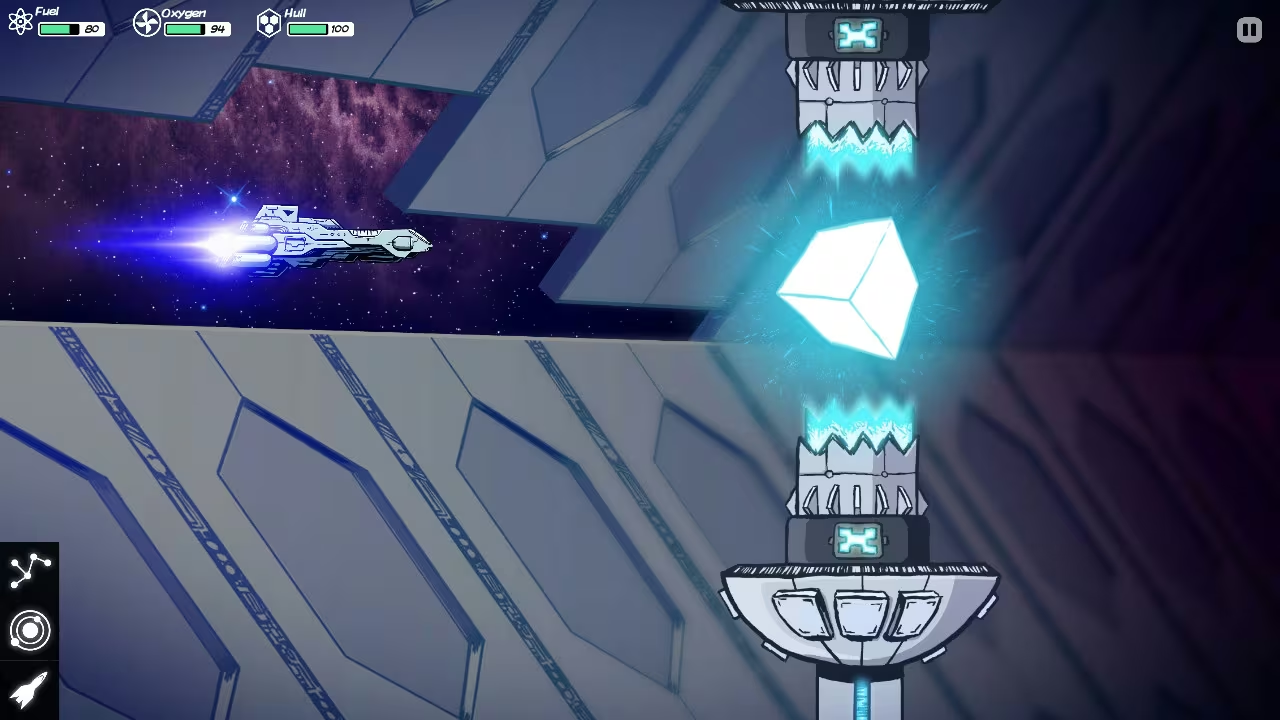
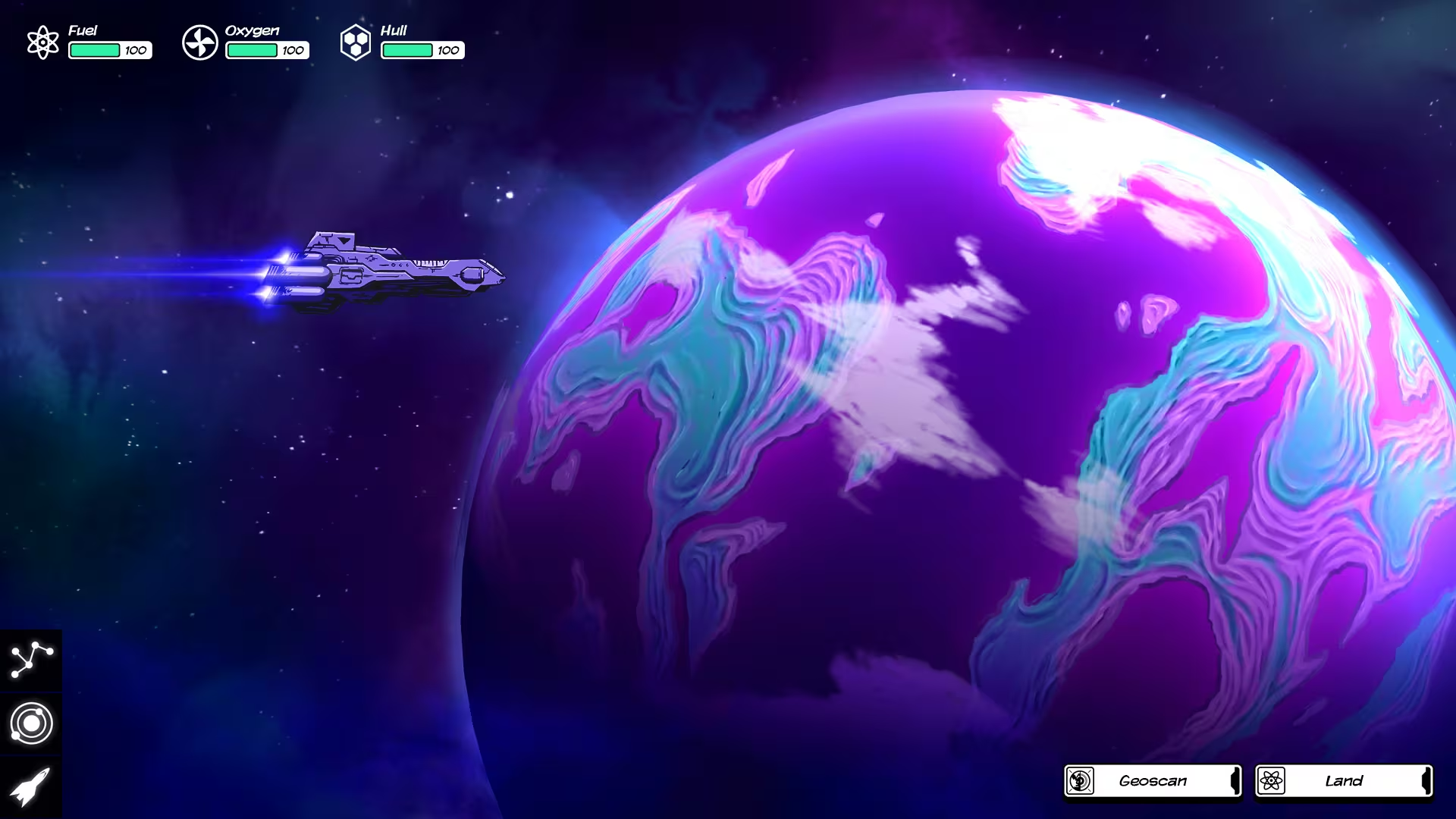
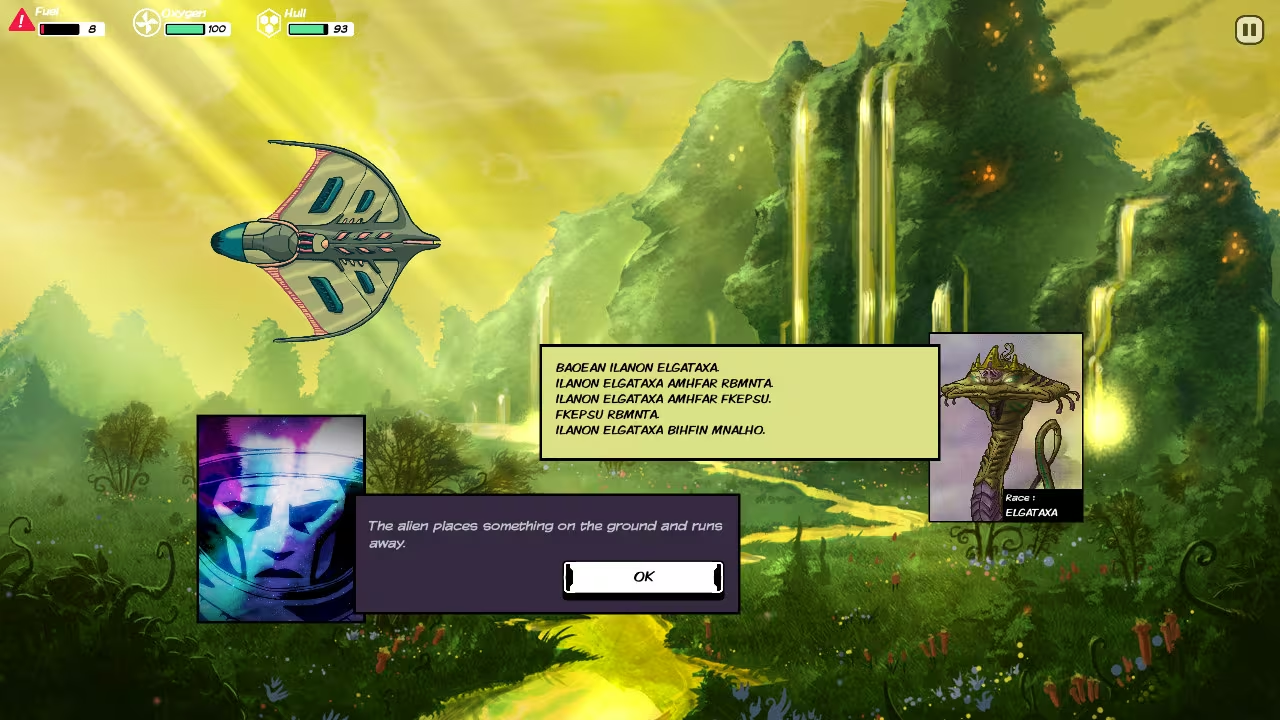
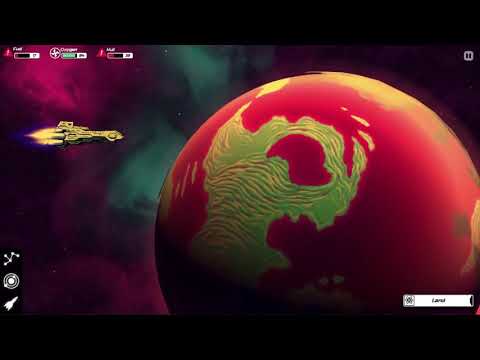
Out There is an award-winning space exploration game blending roguelike, resource management and interactive fiction.

Global score

76/100

Genres

Adventure, Indie, Role-playing (RPG), Strategy

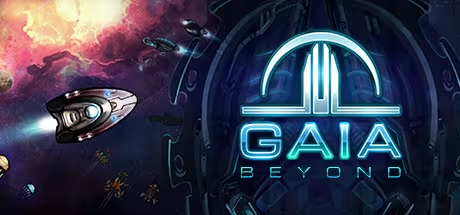
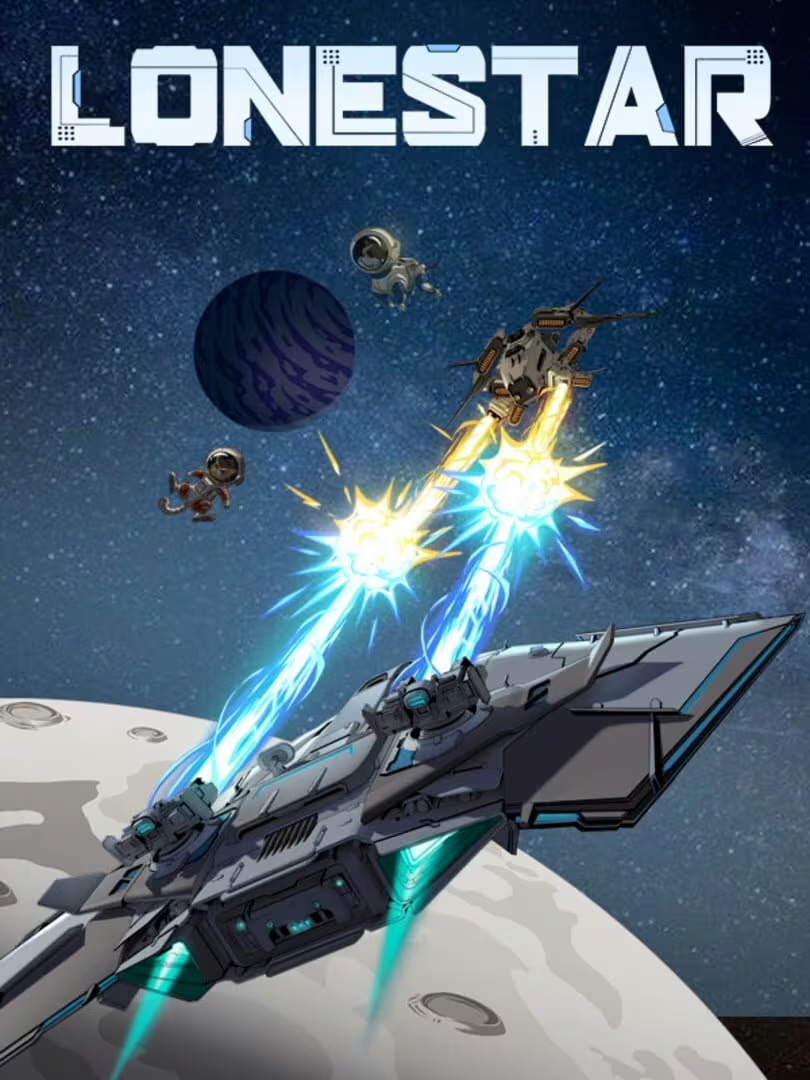
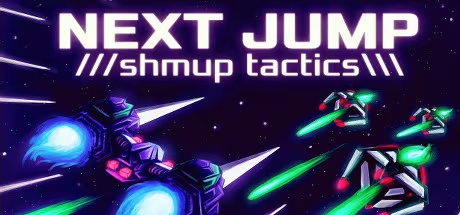
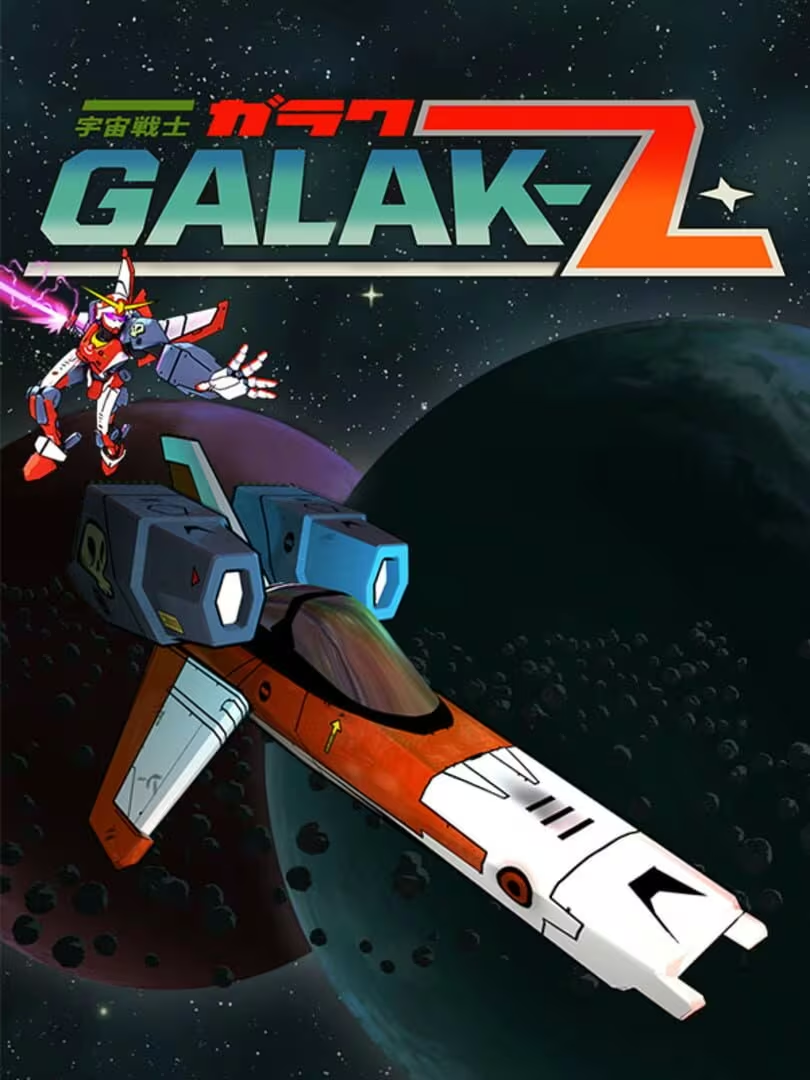
Similar games

    Pros

    • Immersive space exploration and survival
    • High replayability with multiple endings
    • Atmospheric soundtrack and art style
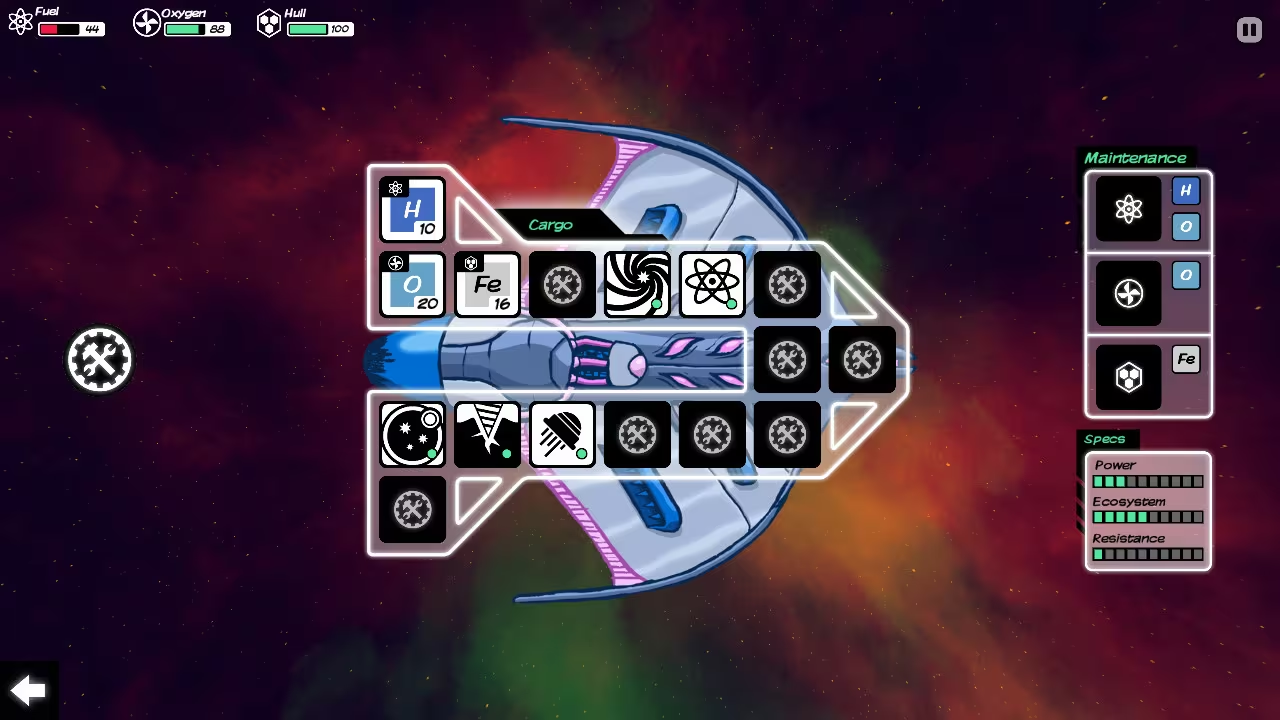
    • Deep resource management and strategic gameplay
    • Engaging narrative and alien language learning

    Cons

    • Heavy reliance on luck can cause frustration
    • Limited content variety and repetitive events
    • No multiplayer or social features
    • Some interface clunkiness and minor bugs
    • Text contains grammatical errors in english

    Analysis

    Less representative of its motivational profile, with noticeable differences. Motivations that often define this kind of title include Fellowship, Cooperation, Leadership, Violence. Here, the score leans higher than usual among comparable games on Survival. It leans lower than usual among comparable games on Violence, Expression.

    How to use the graph
    Similar games map

    Each dot is a game. They are arranged from the same motivation profile as in the “Motivations” section below. Closer dots usually mean more similar reasons to play (exploration, competition, relaxation, etc.)—not that one game is “better” than another.

    • Larger dot with a light outline: the game you are viewing.
    • Colour: groups of games with comparable motivation patterns (statistical clusters).
    • Hover a dot to see the game name; click to open its page.
    • Scroll or double-click the chart to zoom out and see more games.

    Why don’t the axes read like a score? This view uses t-SNE: it only keeps who is close to whom. The scales are not “good to bad” or hours played—they separate groups on the map. Read distance between dots, not the axis numbers.

    Motivations

    • Autonomy
      4

      "Players freely choose ships, routes, and resource management strategies in a procedurally generated galaxy."

    • Competence
      3

      "Requires skillful resource management and strategic decision-making, though luck heavily influences outcomes."

    • Competition
      -4

      "Focuses on solo play and personal progress without player-vs-player or leaderboards."

    • Continuation
      4

      "High replayability with multiple endings and procedural generation encourages repeated play despite frequent deaths."

    • Cooperation
      -5

      "Entirely single-player experience with no multiplayer or cooperative elements."

    • Creativity
      2

      "Players customize ship loadouts and choose technologies, but within predefined systems and limited ship space."

    • Domination
      -5

      "No player dominance or power over others; interactions are with environment and aliens, not other players."

    • Escapism
      5

      "Strong immersion in a lonely, vast space setting provides escape from real life."

    • Expectation
      -4

      "Players engage voluntarily driven by curiosity and interest in space exploration and survival."

    • Experimenting
      3

      "Players try different ships, technologies, and routes to optimize survival and explore new content."

    • Exploration
      5

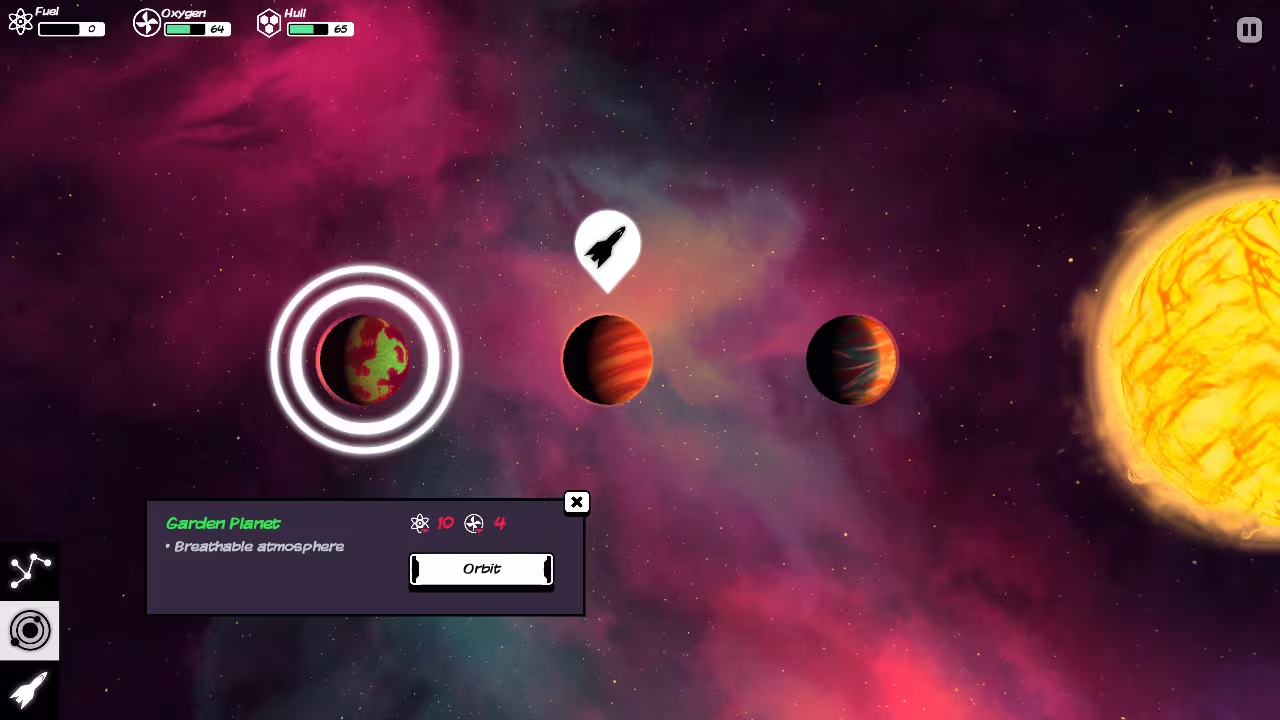
      "Core gameplay revolves around discovering new star systems, planets, alien life, and technologies."

    • Expression
      -3

      "Limited visual customization; expression mainly through strategic choices rather than avatar or environment personalization."

    • Fantasy
      4

      "Set in a sci-fi universe with alien languages and technologies, evoking imaginative fiction."

    • Fellowship
      -5

      "No social or community features; solitary experience."

    • Growth
      3

      "Players learn alien languages, improve strategies, and unlock technologies through repeated play."

    • Health
      -5

      "Sedentary gameplay with no physical activity or health-related mechanics."

    • Idle
      -4

      "Requires focused attention and strategic planning; not designed for passive or background play."

    • Intimacy
      -5

      "No social or emotional relationship building; interactions are limited to alien encounters."

    • Leadership
      -5

      "No leadership or group management roles; player acts independently."

    • Progression
      4

      "Players accumulate resources, technologies, and better ships to progress further in the game."

    • Relaxation
      3

      "Atmospheric music and pacing create a meditative experience despite tension from resource scarcity."

    • Sensation
      2

      "Enjoyable art style and soundtrack provide sensory appeal, though gameplay is text and strategy focused."

    • Status
      -5

      "No social recognition or status systems; achievements are personal."

    • Story
      4

      "Narrative and lore are integral, delivered through text events and journal entries."

    • Strategy
      4

      "Requires careful planning, resource allocation, and decision-making to survive."

    • Thrill
      3

      "Tension from resource scarcity and random events creates suspense and excitement."

    • Value
      4

      "Good perceived value for price, especially given replayability and content."

    • Violence
      -5

      "No combat or violent gameplay; focus on survival and exploration."

    • Survival
      5

      "Core gameplay centers on managing resources to avoid death and continue journey."

    Last update: 29/04/2026