Crying Suns Thumbnail

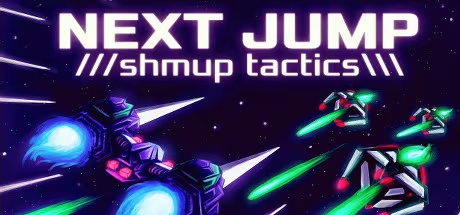
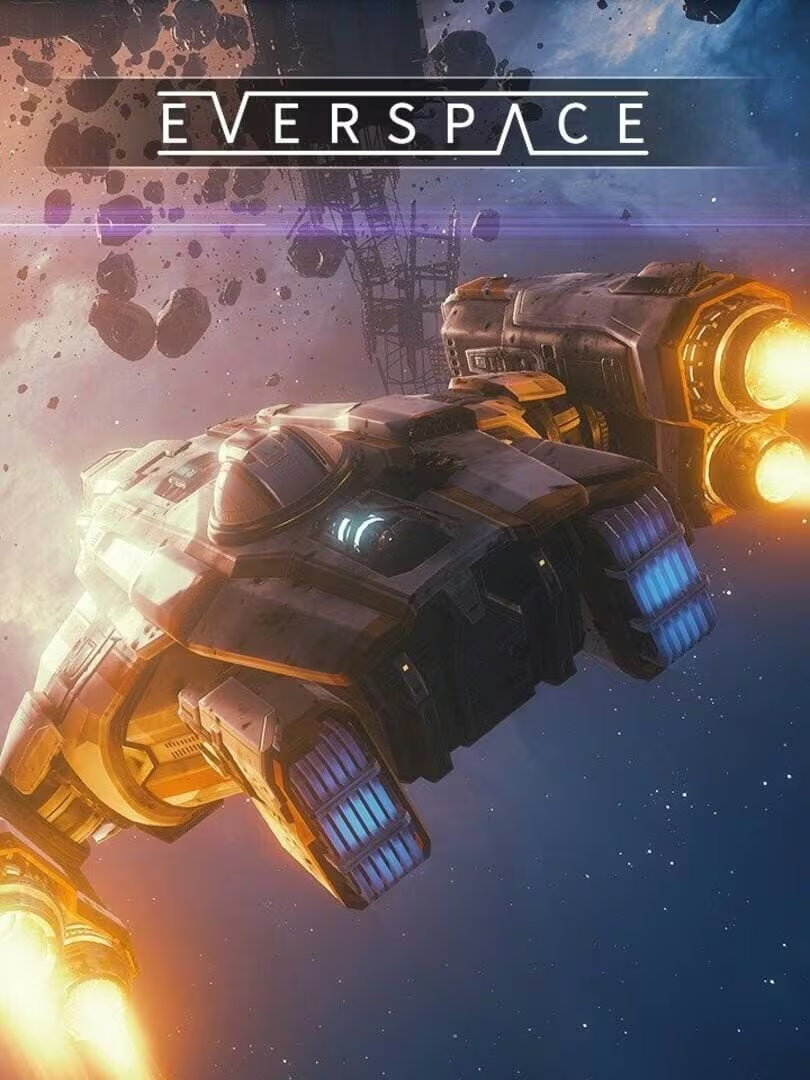
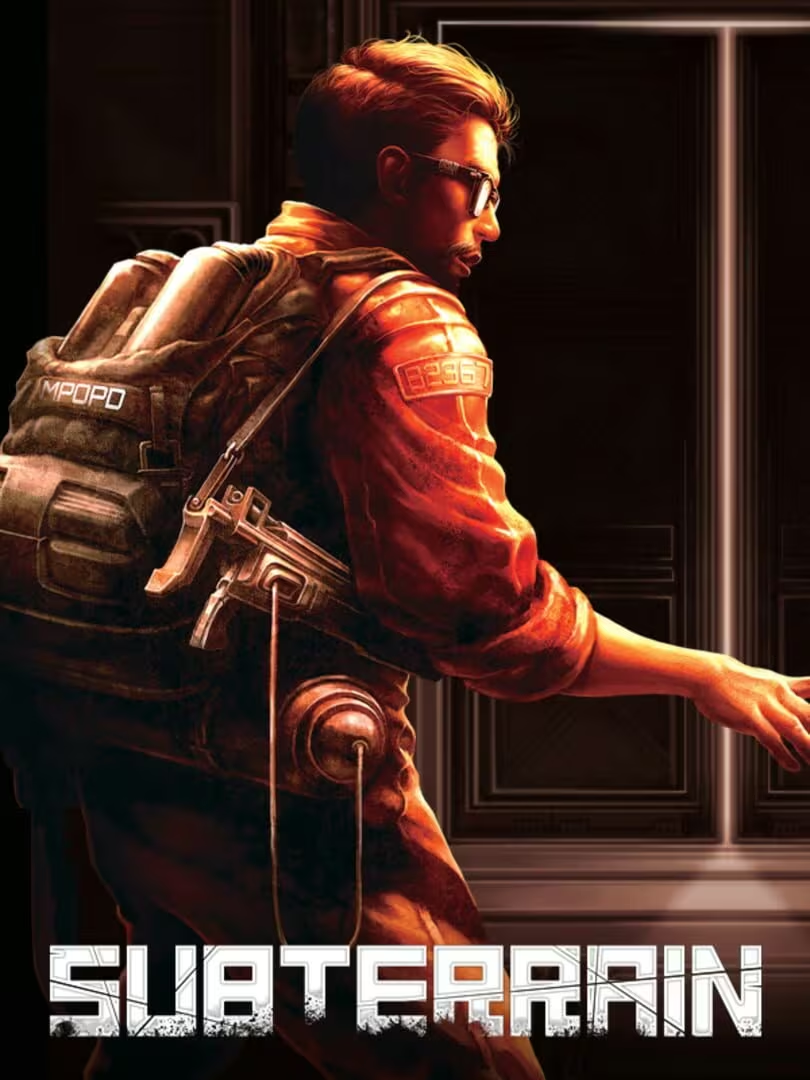
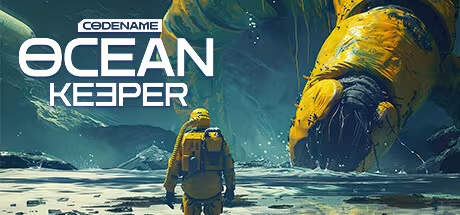
Crying Suns similar games & best alternatives
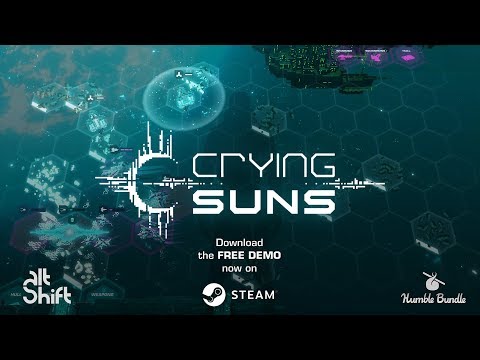
Crying Suns

PC (Microsoft Windows), iOS, Mac, Android, Nintendo Switch • 2019

Related articles

Quick resume

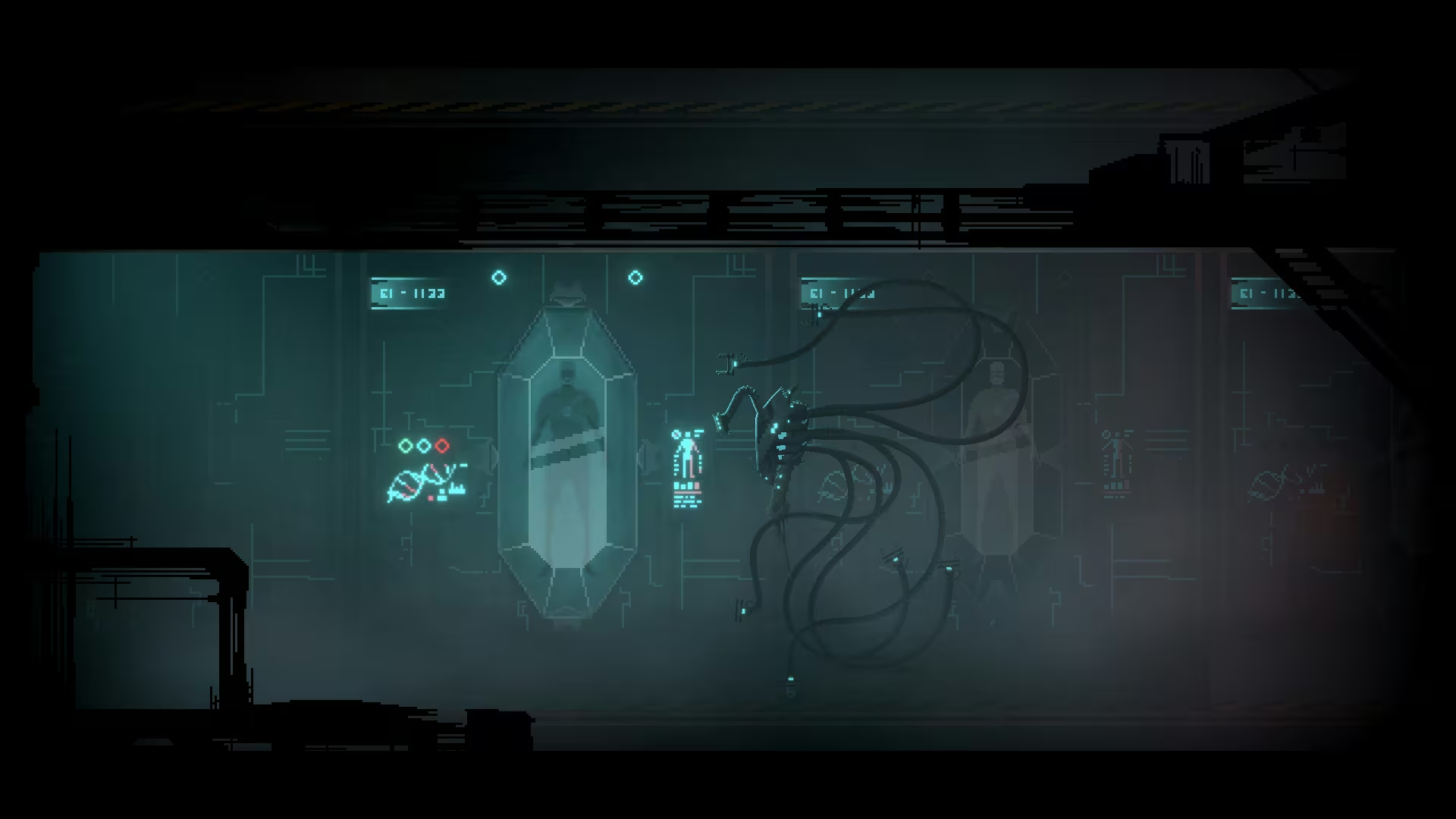
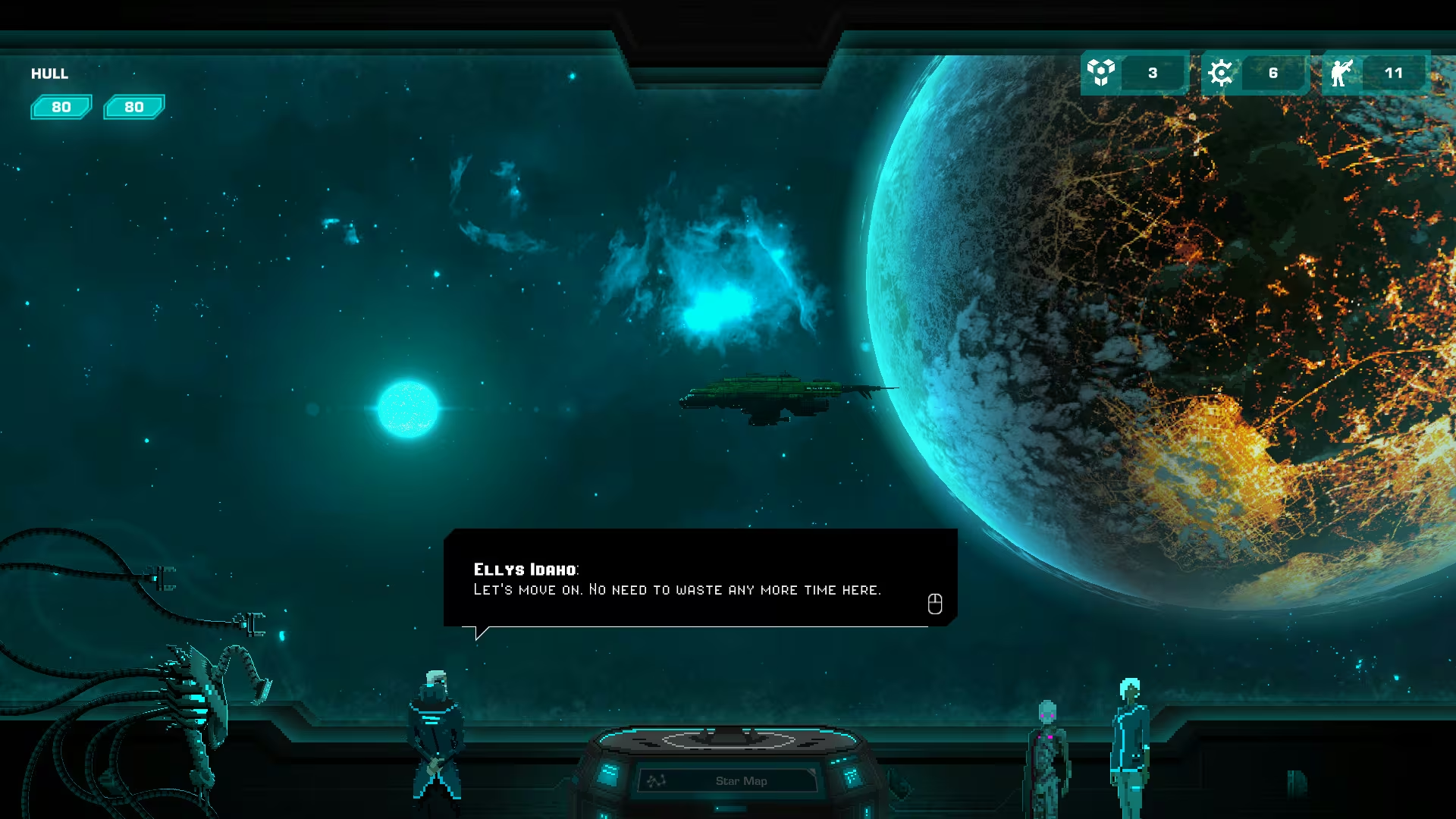
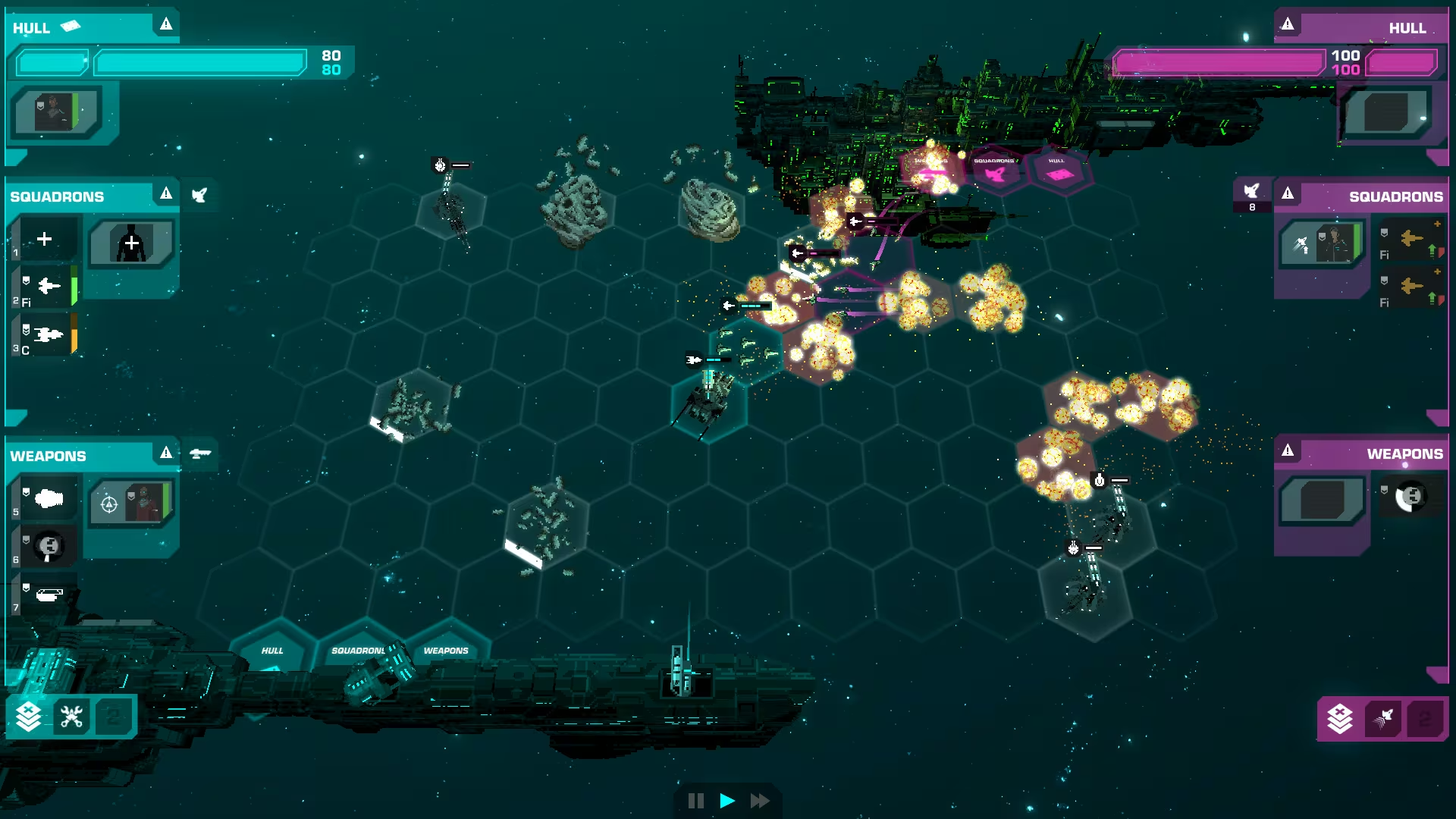
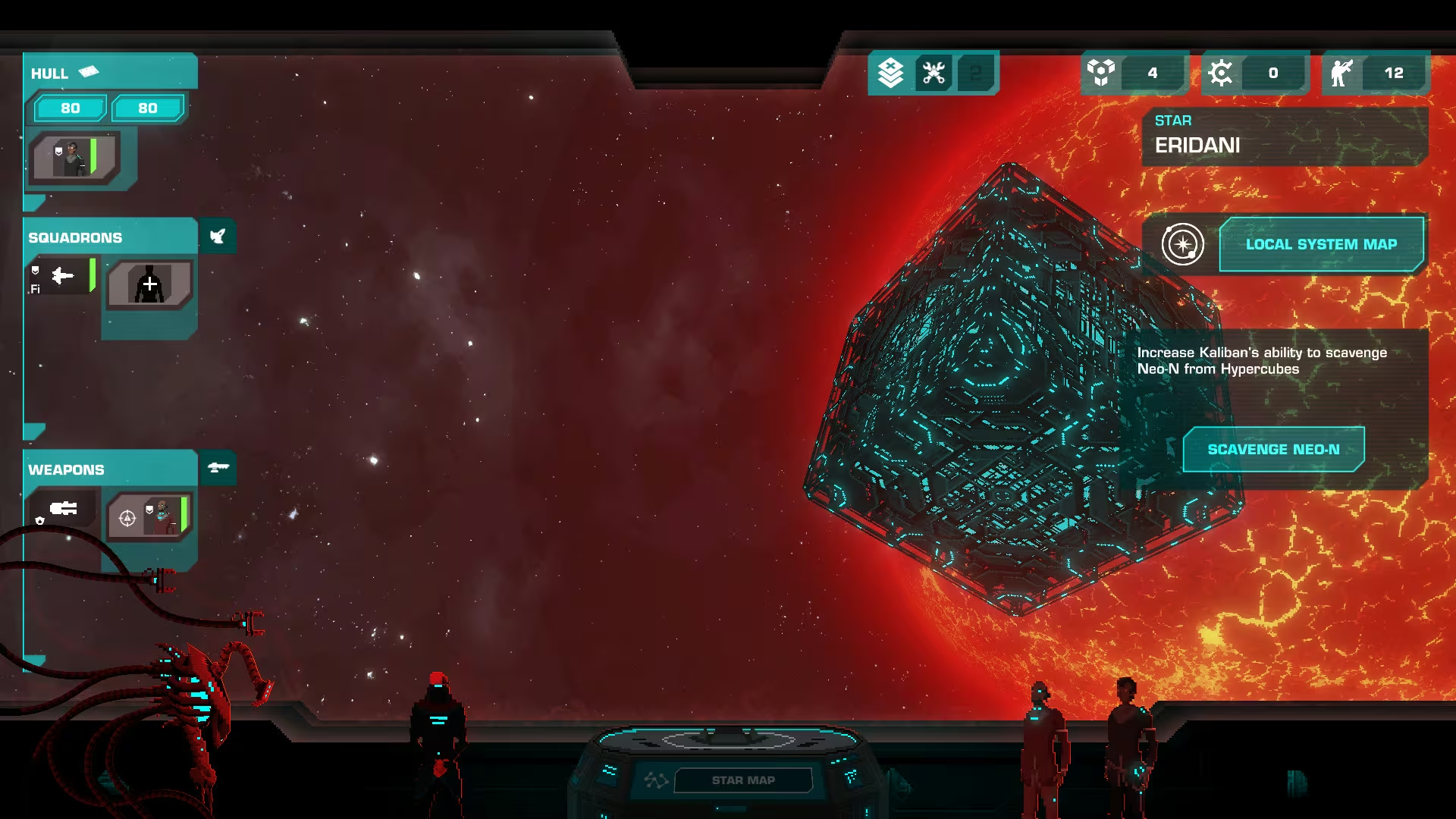
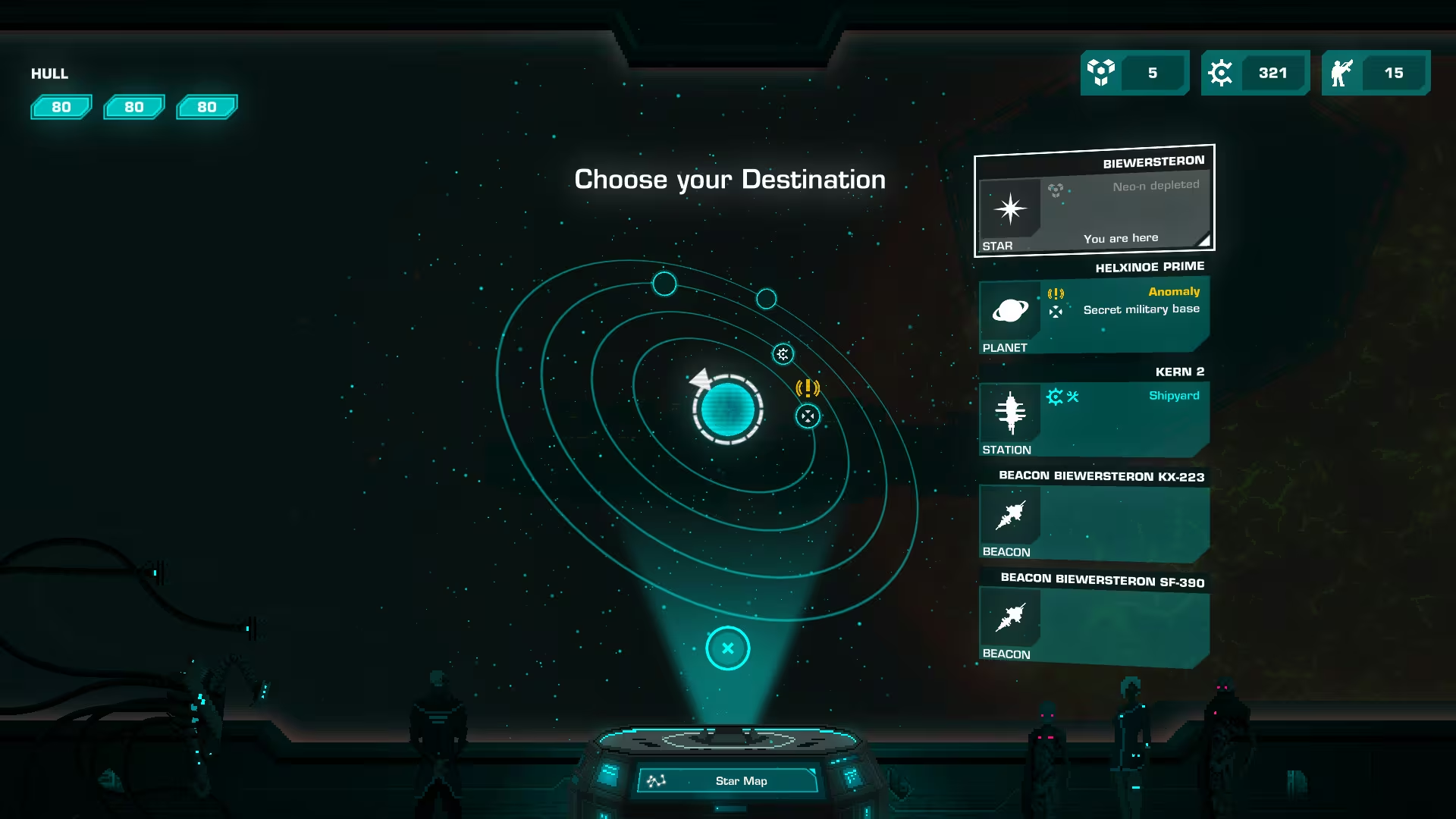
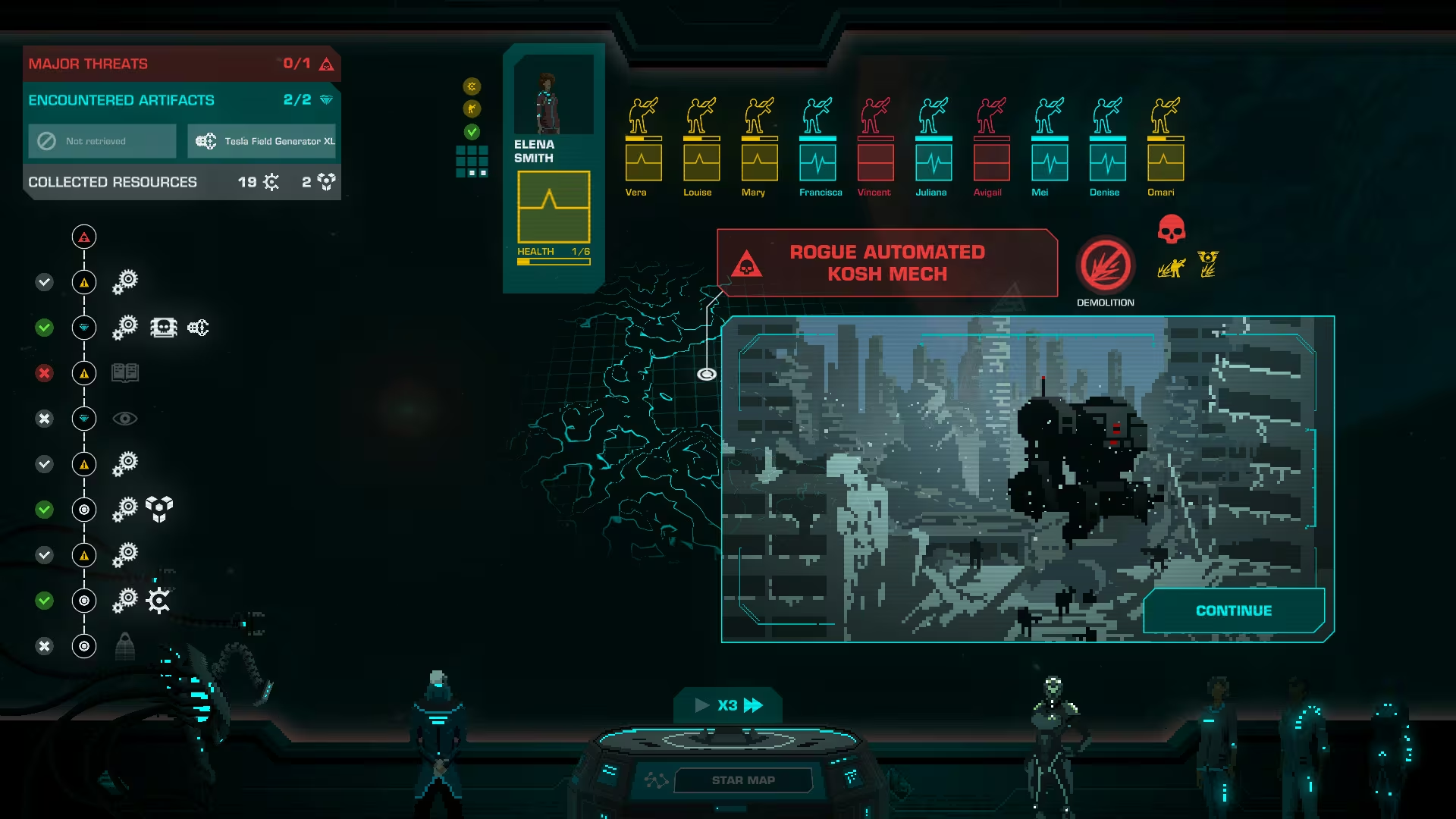
Crying Suns is a tactical rogue-lite that puts you in the role of a space fleet commander as you explore a mysteriously fallen empire. In this story rich experience inspired by Dune and Foundation, each successful run will uncover the truth about the Empire... and yourself as well.

Global score

86/100

Genres

Indie, Strategy, Role-playing (RPG), Simulator, Tactical

Similar games

    Pros

    • Engaging sci-fi story and lore
    • Unique tactical combat system
    • Atmospheric pixel art and music
    • Varied ships and officers
    • Immersive narrative experience

    Cons

    • Limited replayability due to event repetition
    • Combat can feel repetitive or easy
    • Linear chapter progression limits autonomy
    • Some ui and pacing issues
    • Lack of multiplayer or social features

    Analysis

    A very typical example of its motivational profile. Motivations that often define this kind of title include Expression, Fellowship, Cooperation, Competition. Here, the score leans higher than usual among comparable games on Leadership, Violence, Strategy.

    How to use the graph
    Similar games map

    Each dot is a game. They are arranged from the same motivation profile as in the “Motivations” section below. Closer dots usually mean more similar reasons to play (exploration, competition, relaxation, etc.)—not that one game is “better” than another.

    • Larger dot with a light outline: the game you are viewing.
    • Colour: groups of games with comparable motivation patterns (statistical clusters).
    • Hover a dot to see the game name; click to open its page.
    • Scroll or double-click the chart to zoom out and see more games.

    Why don’t the axes read like a score? This view uses t-SNE: it only keeps who is close to whom. The scales are not “good to bad” or hours played—they separate groups on the map. Read distance between dots, not the axis numbers.

    Motivations

    • Autonomy
      3

      "Players can make strategic decisions on ship upgrades, squadron deployment, and event choices, but progression is chapter-based and somewhat linear."

    • Competence
      3

      "Combat requires tactical thinking and adaptation, with some skill in managing resources and squadron positioning, though some players find it easy or repetitive."

    • Competition
      -3

      "Focus is on single-player experience with no direct player-vs-player competition or leaderboards."

    • Continuation
      2

      "Players are motivated to continue to see story progression and unlock new ships/officers, though replayability is limited by event repetition."

    • Cooperation
      -4

      "Gameplay is primarily single-player with no multiplayer or cooperative elements."

    • Creativity
      1

      "Some customization through ship upgrades and officer choices, but within predefined structures and limited modification."

    • Domination
      -5

      "No evidence of exerting control or superiority over other players; interactions are single-player focused."

    • Escapism
      4

      "Strong immersion in a dark sci-fi universe with rich story and atmosphere provides escape from real life."

    • Expectation
      -4

      "Players engage voluntarily driven by interest in story and gameplay rather than obligation or pressure."

    • Experimenting
      2

      "Players try different ships, officers, and combat strategies, though event variety is limited."

    • Exploration
      3

      "Exploration of star systems and planets with discovery of lore and events is a key element."

    • Expression
      -2

      "Limited character or environment customization; mostly predefined pixel art and UI."

    • Fantasy
      4

      "Set in a dark sci-fi universe with cloned admiral, space battles, and speculative fiction elements."

    • Fellowship
      -4

      "Minimal social interaction; primarily a solo experience."

    • Growth
      3

      "Players learn tactical combat, resource management, and story progression through repeated runs."

    • Health
      -5

      "Sedentary gameplay with no physical activity involved."

    • Idle
      -3

      "Requires focused attention during tactical combat and decision making; not a background or idle game."

    • Intimacy
      -4

      "No evidence of forming close social relationships; interactions are limited to game narrative."

    • Leadership
      3

      "Players lead their fleet and make strategic decisions, though no multiplayer leadership roles."

    • Progression
      3

      "Unlocking new ships, officers, and upgrades drives progression through the game."

    • Relaxation
      1

      "Some players find the game relaxing and immersive, others find combat repetitive or challenging."

    • Sensation
      3

      "Atmospheric music, pixel art visuals, and sound design provide sensory enjoyment."

    • Status
      -5

      "No social recognition or status systems present."

    • Story
      5

      "Strong narrative focus with rich lore, character development, and multiple endings."

    • Strategy
      4

      "Tactical combat and resource management require planning and problem solving."

    • Thrill
      2

      "Some suspense in battles and story events, though combat can be predictable."

    • Value
      3

      "Players perceive good value in story, gameplay, and replayability especially on sale."

    • Violence
      4

      "Combat involves ship battles, destruction of enemy squadrons and hull damage."

    • Survival
      3

      "Players manage resources and avoid defeat to progress through hostile sectors."

    Last update: 29/04/2026