Planetary Annihilation: TITANS Thumbnail

Planetary Annihilation: TITANS similar games & best alternatives
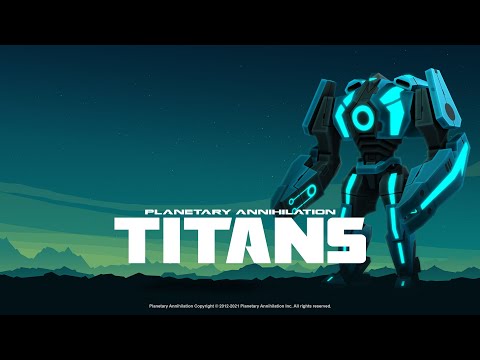
Planetary Annihilation: TITANS

PC (Microsoft Windows), Mac, Linux • 2015

Related articles

Quick resume

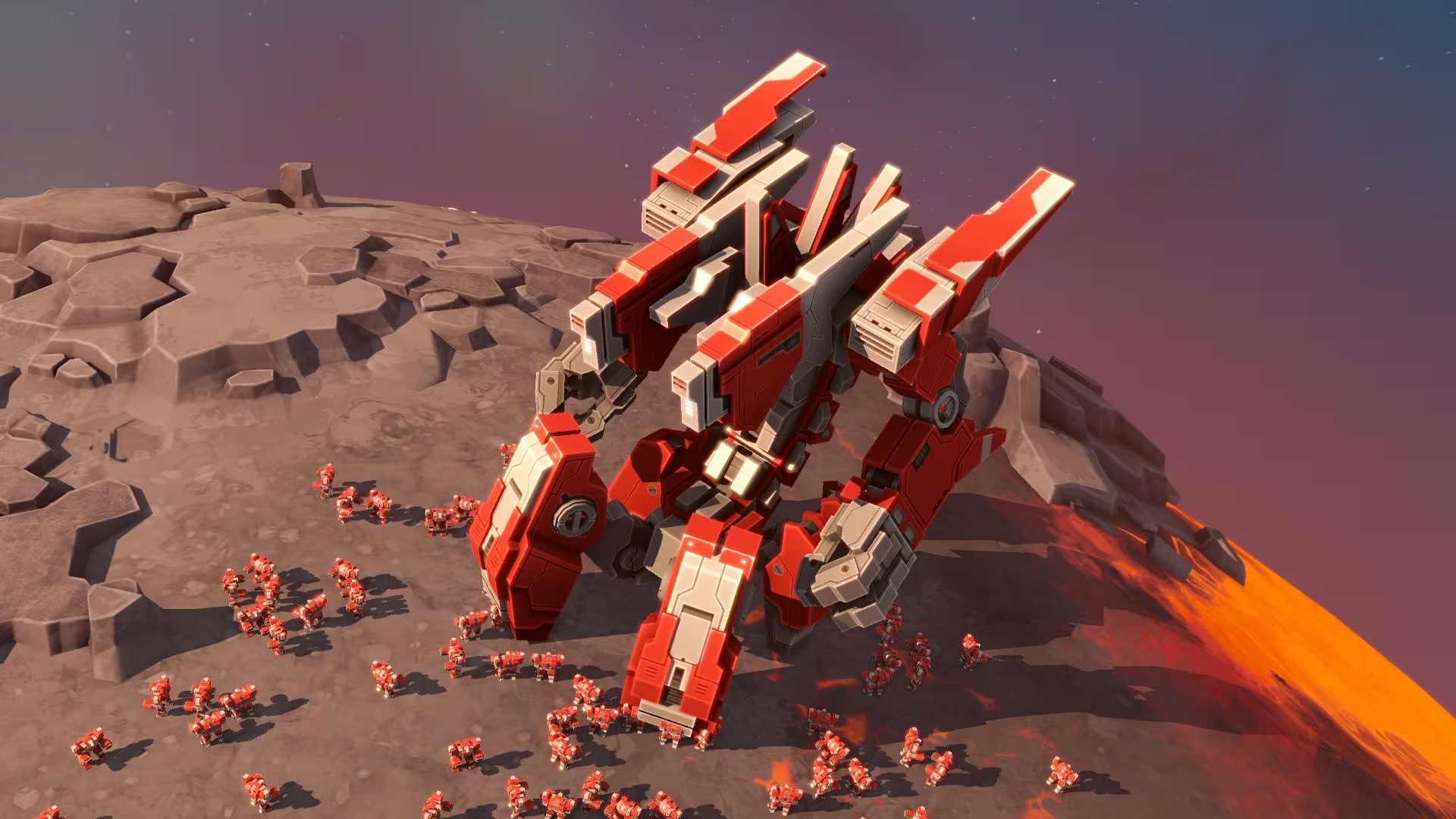
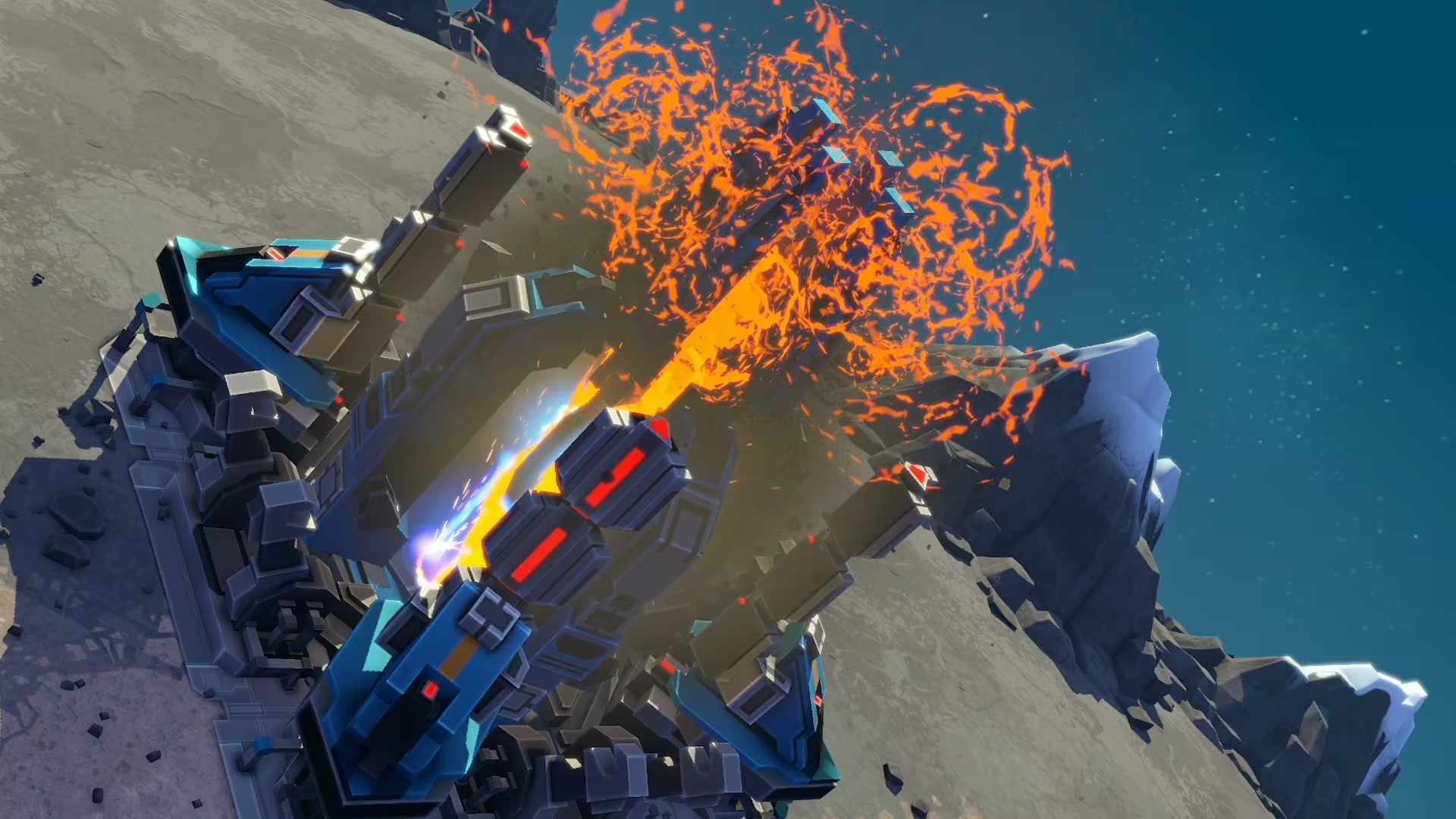
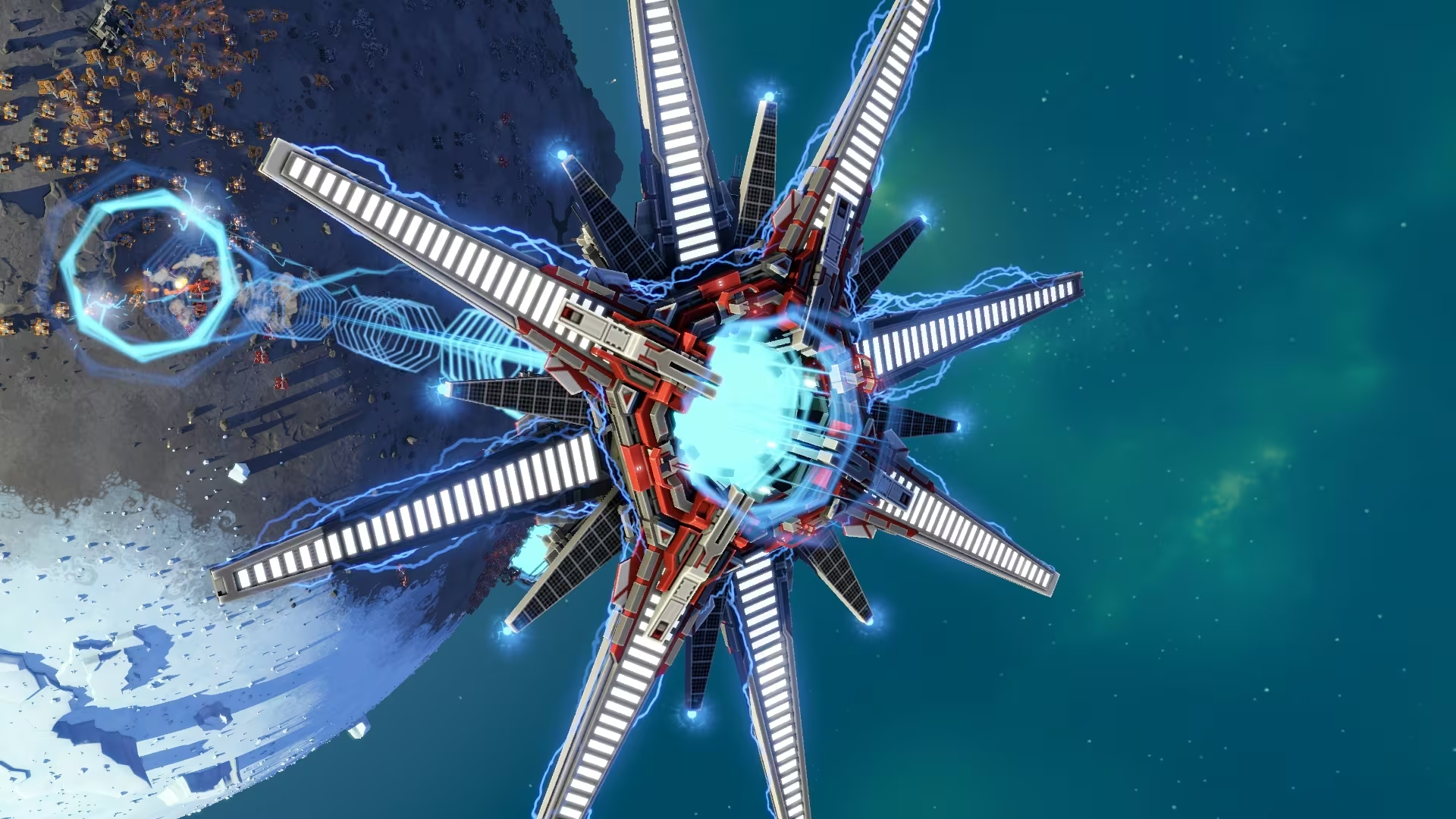
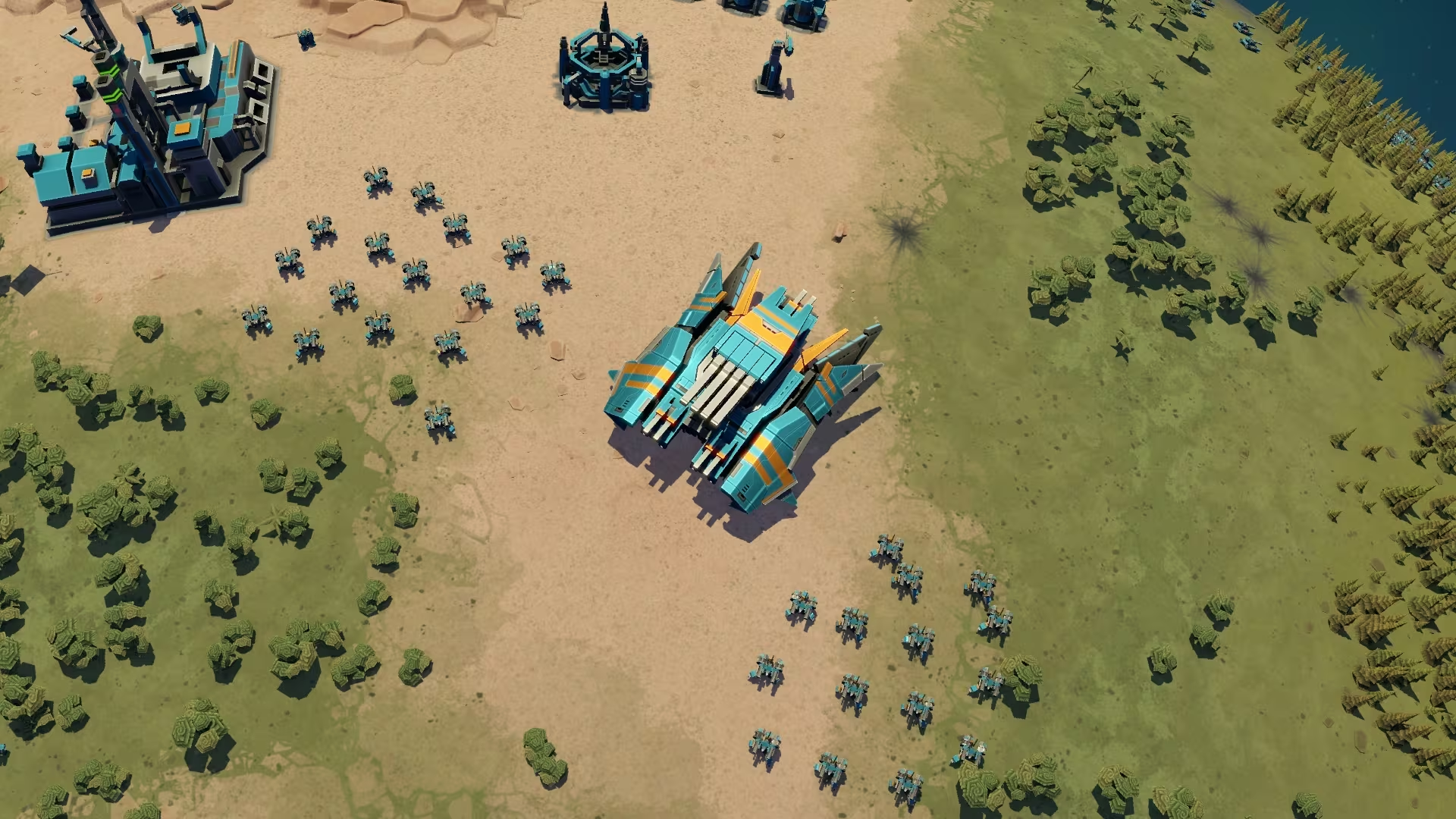
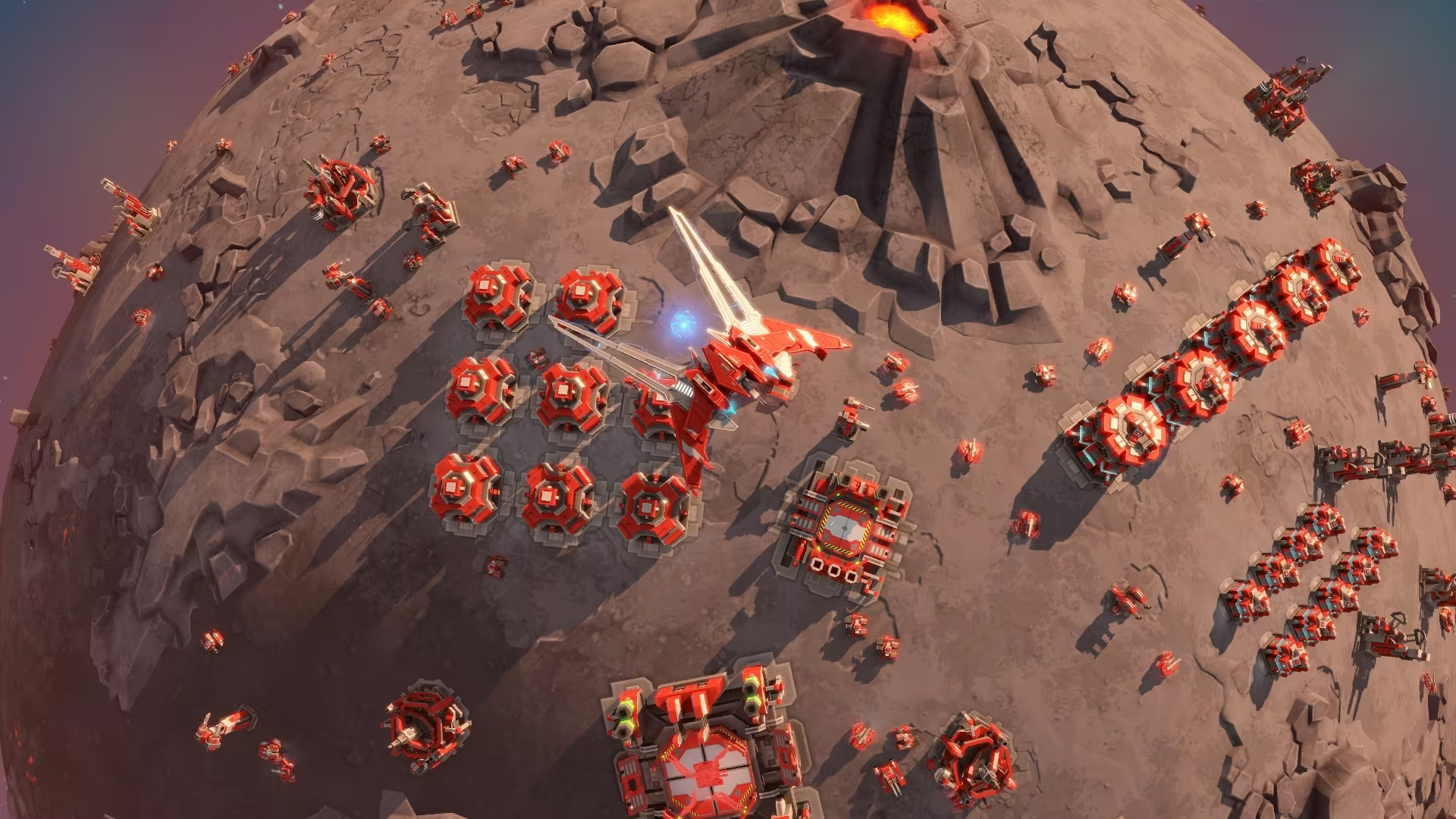
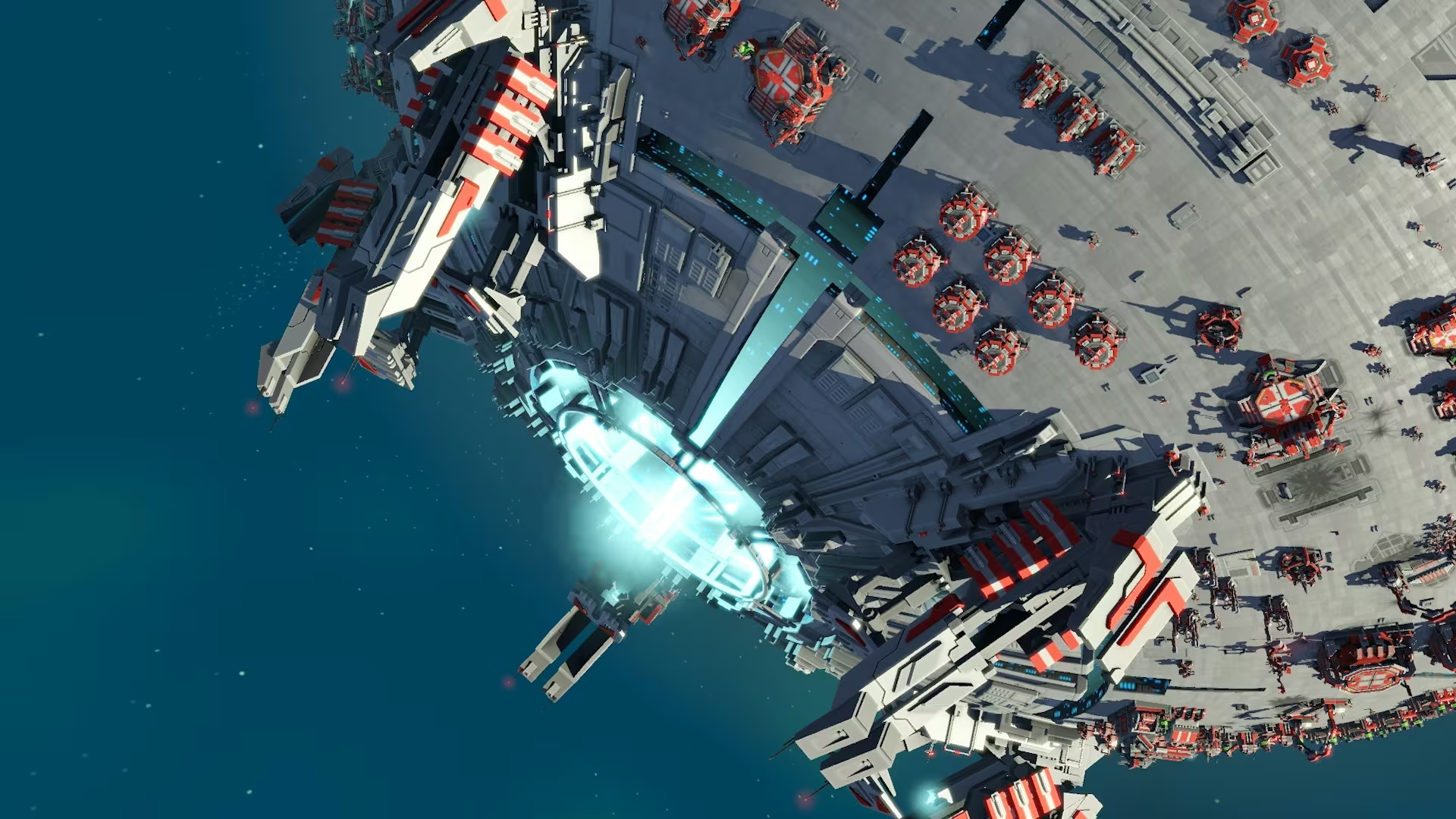
Wage war across entire solar systems with massive armies at your command. Annihilate enemy forces with world-shattering TITAN-class units, and demolish planets with massive super weapons!

Global score

85/100

Genres

Action, Indie, Strategy, Real Time Strategy (RTS)

Similar games

    Pros

    • Epic large-scale battles
    • Multi-planet strategic gameplay
    • Active modding community
    • Diverse unit types and tactics
    • Strong multiplayer and community

    Cons

    • Steep learning curve for new players
    • Performance issues and bugs
    • Limited single-player narrative
    • Small and niche player base
    • Developer business practices criticized

    Analysis

    A very typical example of its motivational profile. Motivations that often define this kind of title include Competition, Fellowship, Domination, Status. Here, the score leans higher than usual among comparable games on Exploration, Violence. It leans lower than usual among comparable games on Story.

    How to use the graph
    Similar games map

    Each dot is a game. They are arranged from the same motivation profile as in the “Motivations” section below. Closer dots usually mean more similar reasons to play (exploration, competition, relaxation, etc.)—not that one game is “better” than another.

    • Larger dot with a light outline: the game you are viewing.
    • Colour: groups of games with comparable motivation patterns (statistical clusters).
    • Hover a dot to see the game name; click to open its page.
    • Scroll or double-click the chart to zoom out and see more games.

    Why don’t the axes read like a score? This view uses t-SNE: it only keeps who is close to whom. The scales are not “good to bad” or hours played—they separate groups on the map. Read distance between dots, not the axis numbers.

    Motivations

    • Autonomy
      4

      "Players have high control over their actions and strategies, including multi-planet management and diverse unit choices."

    • Competence
      4

      "The game requires skillful management of multiple unit types and complex strategies, with a steep learning curve."

    • Competition
      3

      "Includes ranked multiplayer and competitive modes, but also supports casual and cooperative play."

    • Continuation
      3

      "Players report long sessions and habitual play, though some mention frustration with bugs and lag."

    • Cooperation
      3

      "Supports team play and cooperative multiplayer modes with friends and AI allies."

    • Creativity
      4

      "Players can create and customize strategies, build various units, and design custom maps and systems."

    • Domination
      2

      "Competitive multiplayer involves exerting superiority, but community is described as friendly and supportive."

    • Escapism
      4

      "Players use the game as a complex and immersive distraction with epic battles and large scale destruction."

    • Expectation
      -3

      "Most players engage voluntarily out of interest; some frustration with developer business practices noted."

    • Experimenting
      4

      "Game encourages trying new tactics, unit combinations, and modding for varied gameplay experiences."

    • Exploration
      4

      "Exploration of multi-planet systems and custom maps is a core part of gameplay."

    • Expression
      3

      "Customization of commanders and use of mods allow personal expression."

    • Fantasy
      3

      "Futuristic sci-fi setting with giant robots, space battles, and planet-destroying weapons."

    • Fellowship
      3

      "Active community and multiplayer encourage social interaction and group identity."

    • Growth
      4

      "Players develop skills over time, learning complex strategies and unit management."

    • Health
      -4

      "Primarily sedentary gameplay with no physical activity involved."

    • Idle
      -3

      "Requires continuous attention and multitasking across multiple planets and units."

    • Intimacy
      1

      "Some social interaction in multiplayer and community, but limited to gaming context."

    • Leadership
      3

      "Players lead armies and coordinate team strategies in multiplayer."

    • Progression
      4

      "Players accumulate units, upgrades, and unlock technologies during galactic war and multiplayer."

    • Relaxation
      -1

      "Gameplay can be intense and challenging, with some players experiencing frustration due to bugs and lag."

    • Sensation
      3

      "Visual and auditory effects of large scale battles and planet destruction provide strong sensory stimulation."

    • Status
      2

      "Ranked modes and leaderboards provide recognition, though player base is niche."

    • Story
      -3

      "Minimal narrative or campaign; focus is on sandbox and multiplayer gameplay."

    • Strategy
      5

      "High emphasis on mental challenge, multi-layered tactics, and strategic planning across planets."

    • Thrill
      3

      "Suspense from large battles, doomsday weapons, and unexpected planetary destruction."

    • Value
      1

      "Generally considered good value especially on sale; some criticism of pricing and business practices."

    • Violence
      5

      "Core gameplay involves combat, destruction of units and entire planets."

    • Survival
      3

      "Players must avoid defeat by managing resources and defending commanders under threat."

    Last update: 29/04/2026