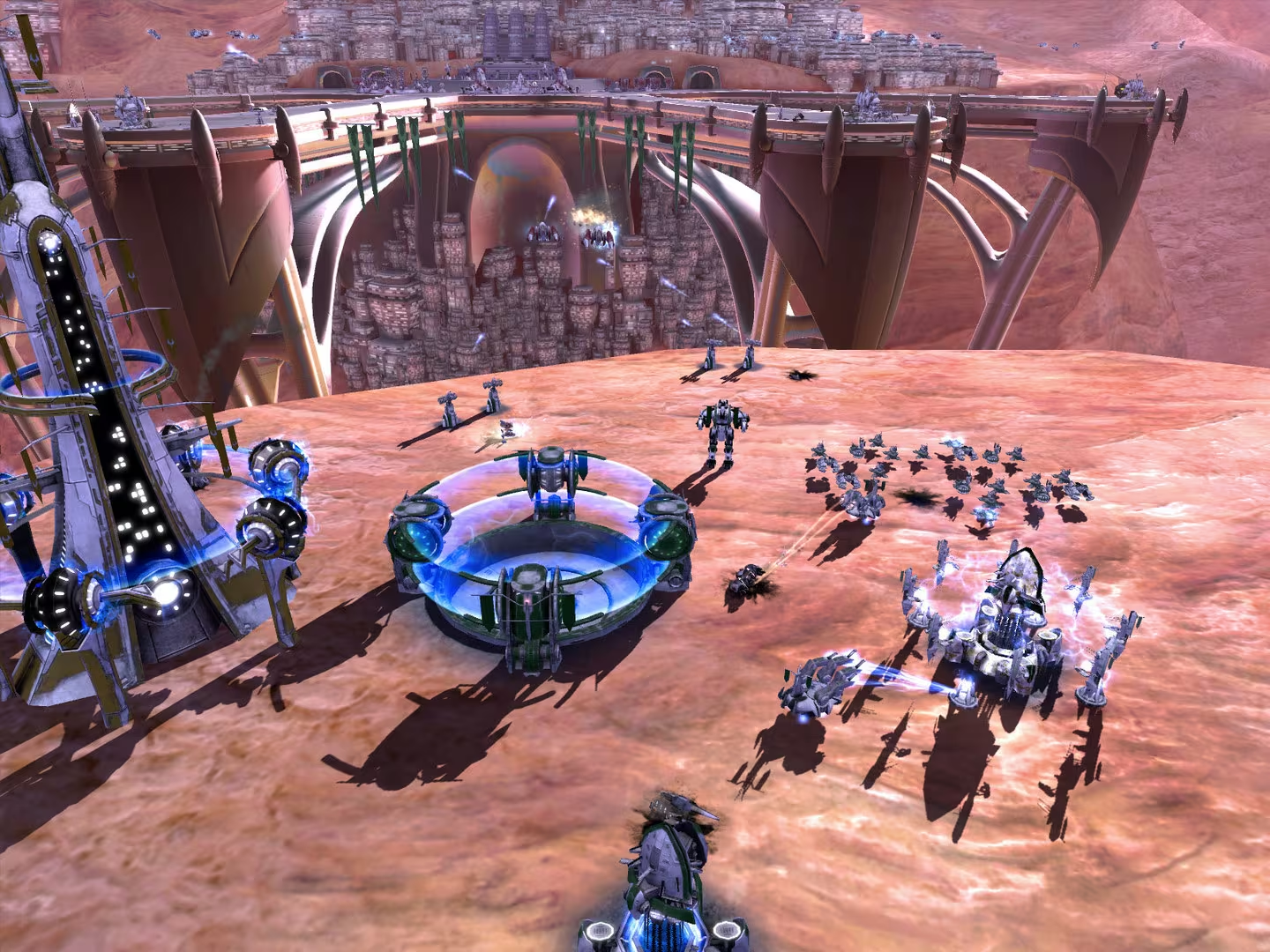
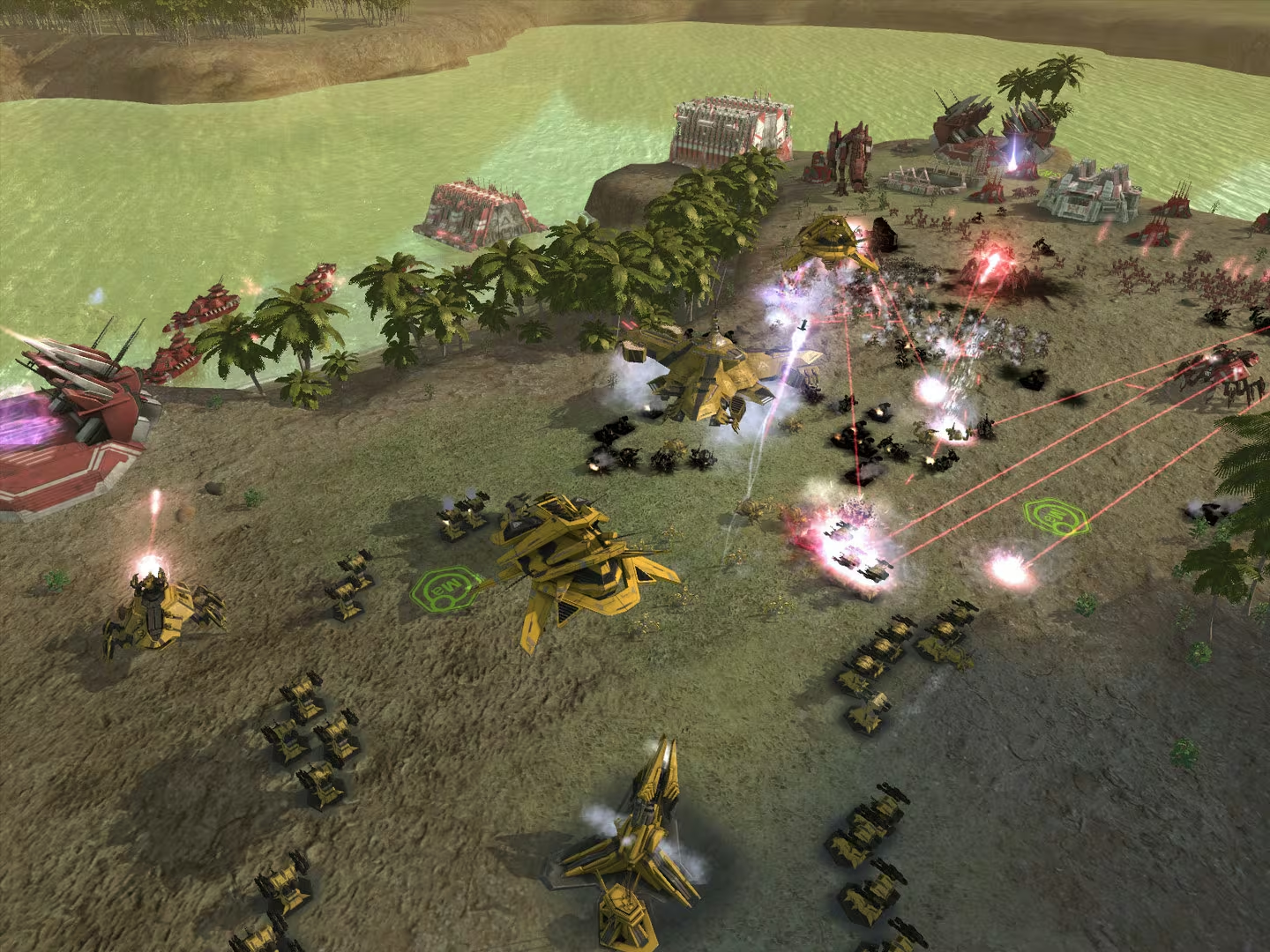
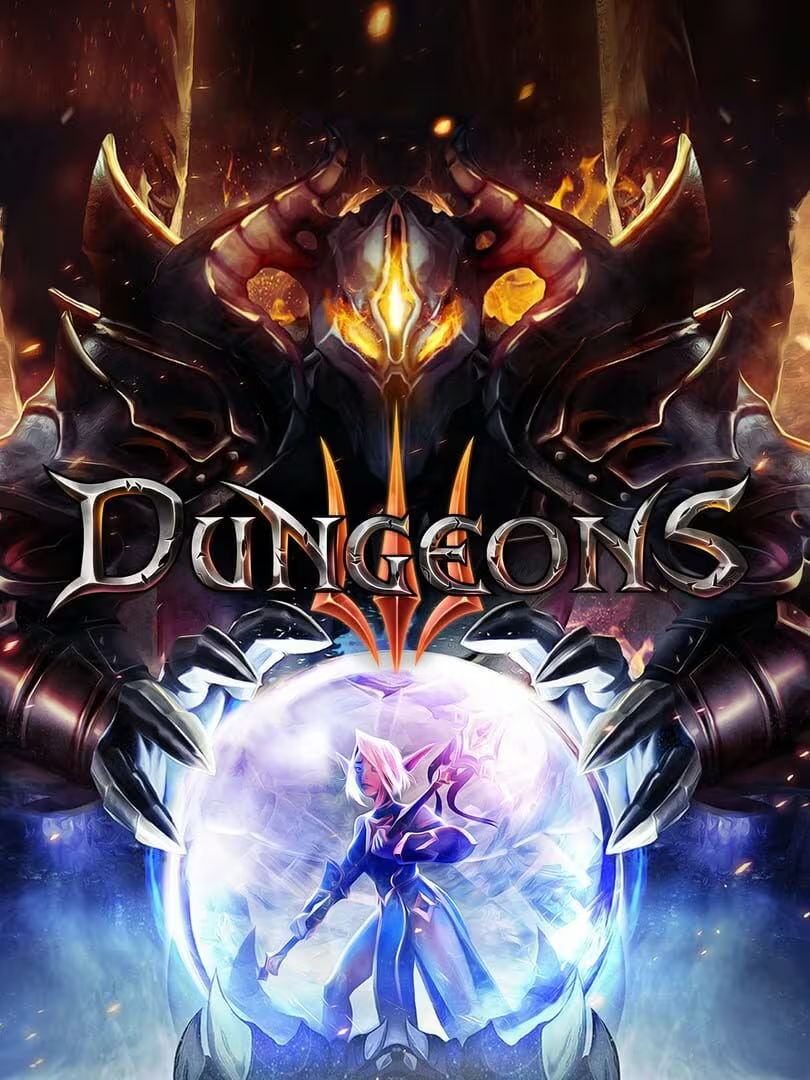
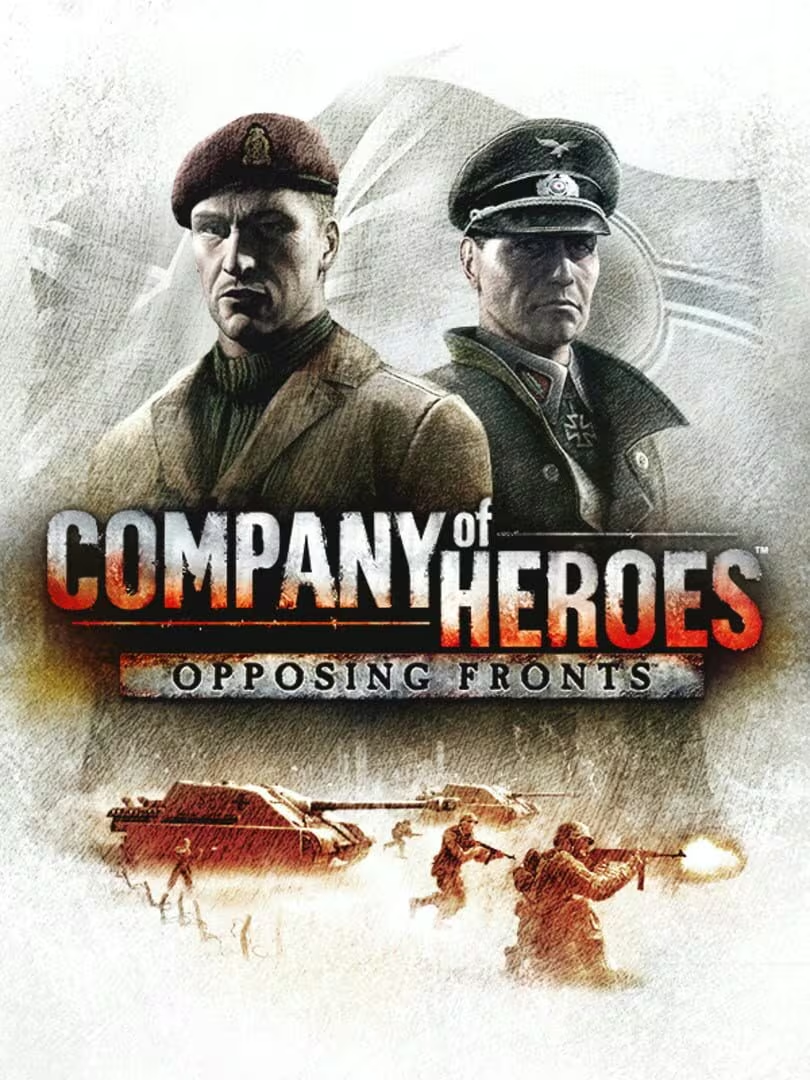
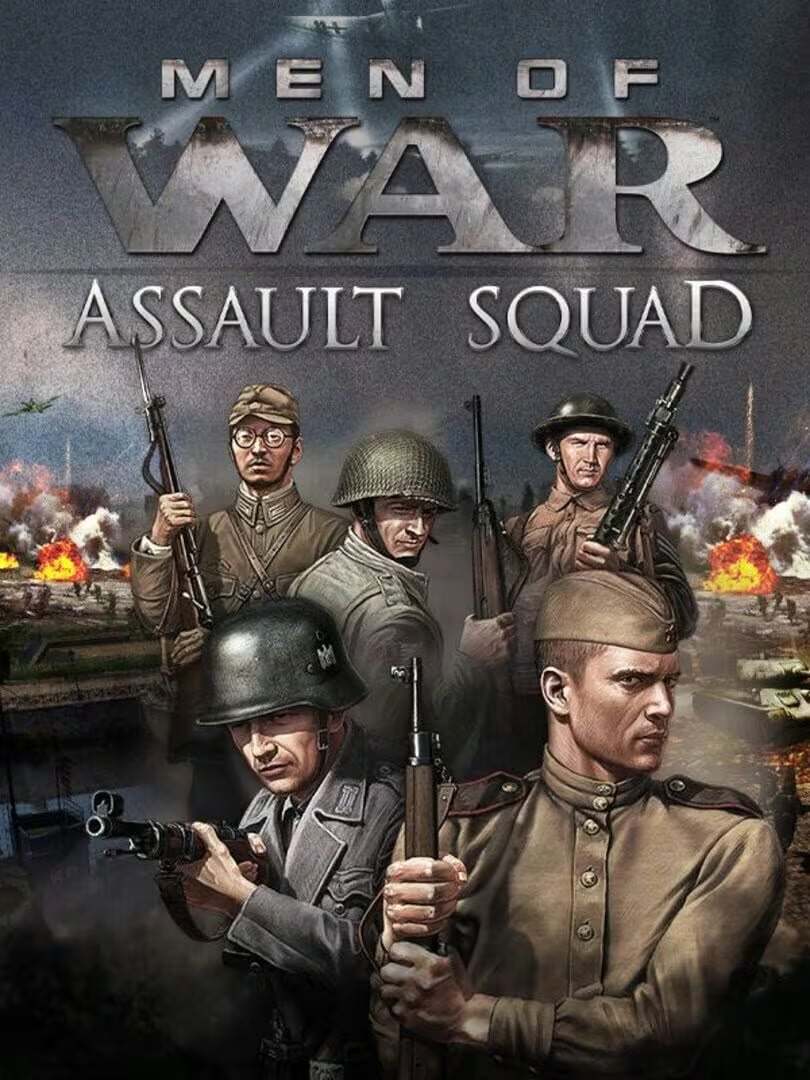
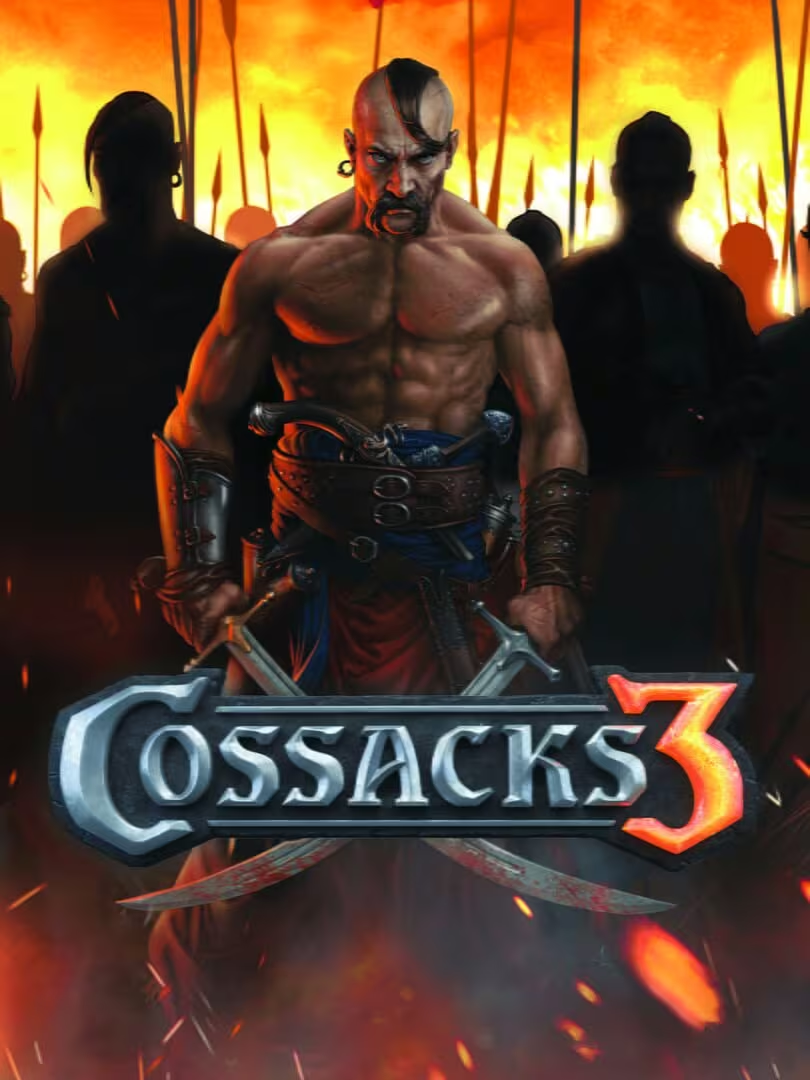
Supreme Commander 2 Thumbnail

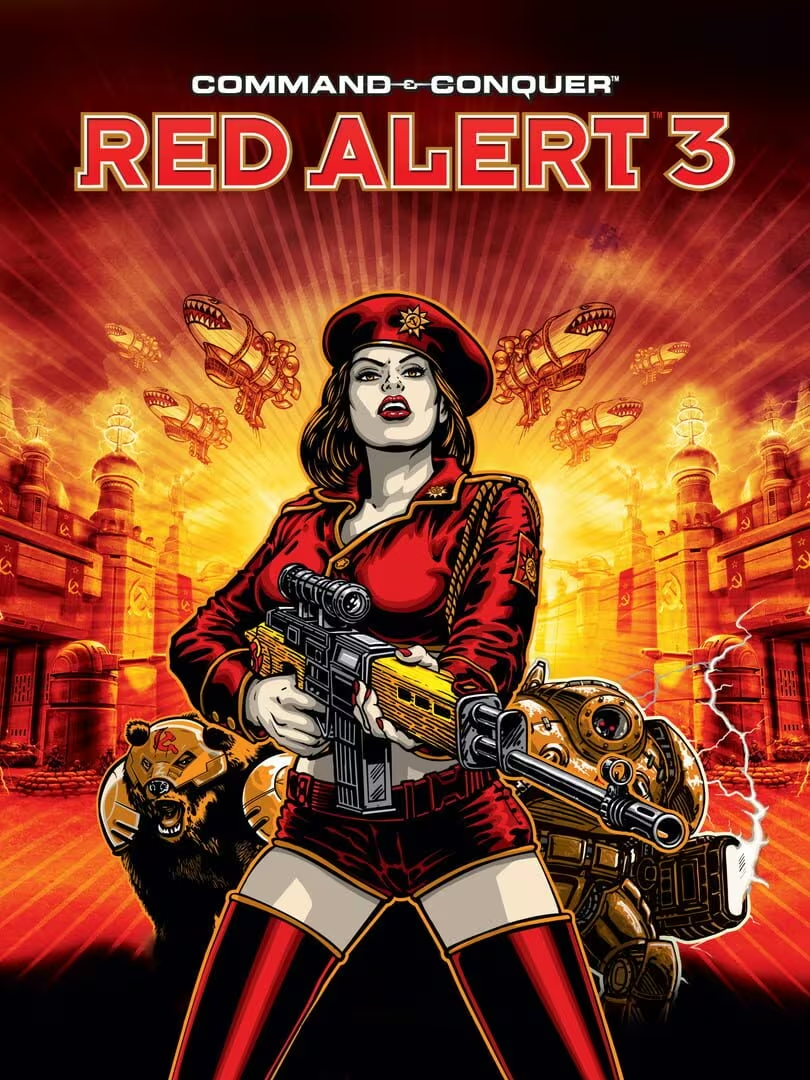
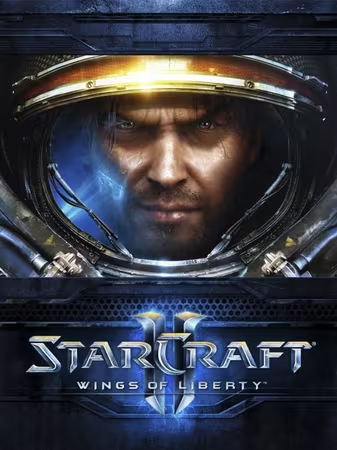
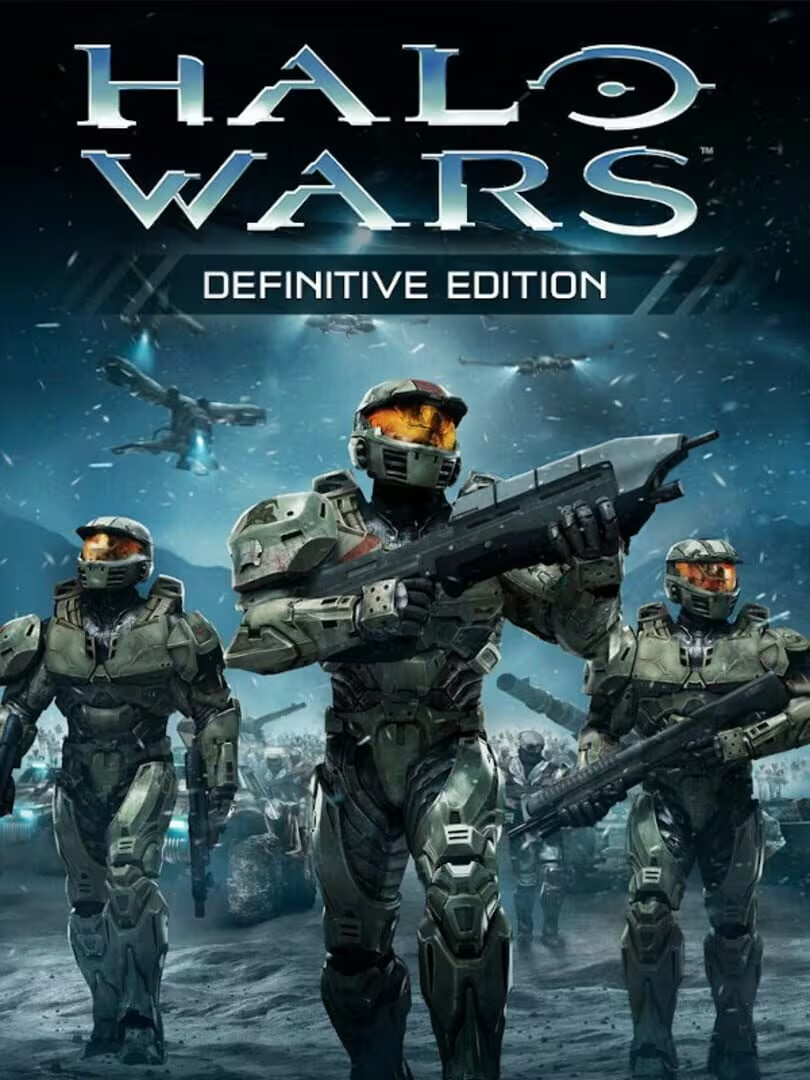
Supreme Commander 2 similar games & best alternatives

Supreme Commander 2

PC (Microsoft Windows), Xbox 360, Mac • 2010

Related articles

Quick resume

Includes 47 Steam achievements, leaderboards, and stats!

Global score

88/100

Genres

Strategy, Real Time Strategy (RTS), Simulator

Similar games

    Pros

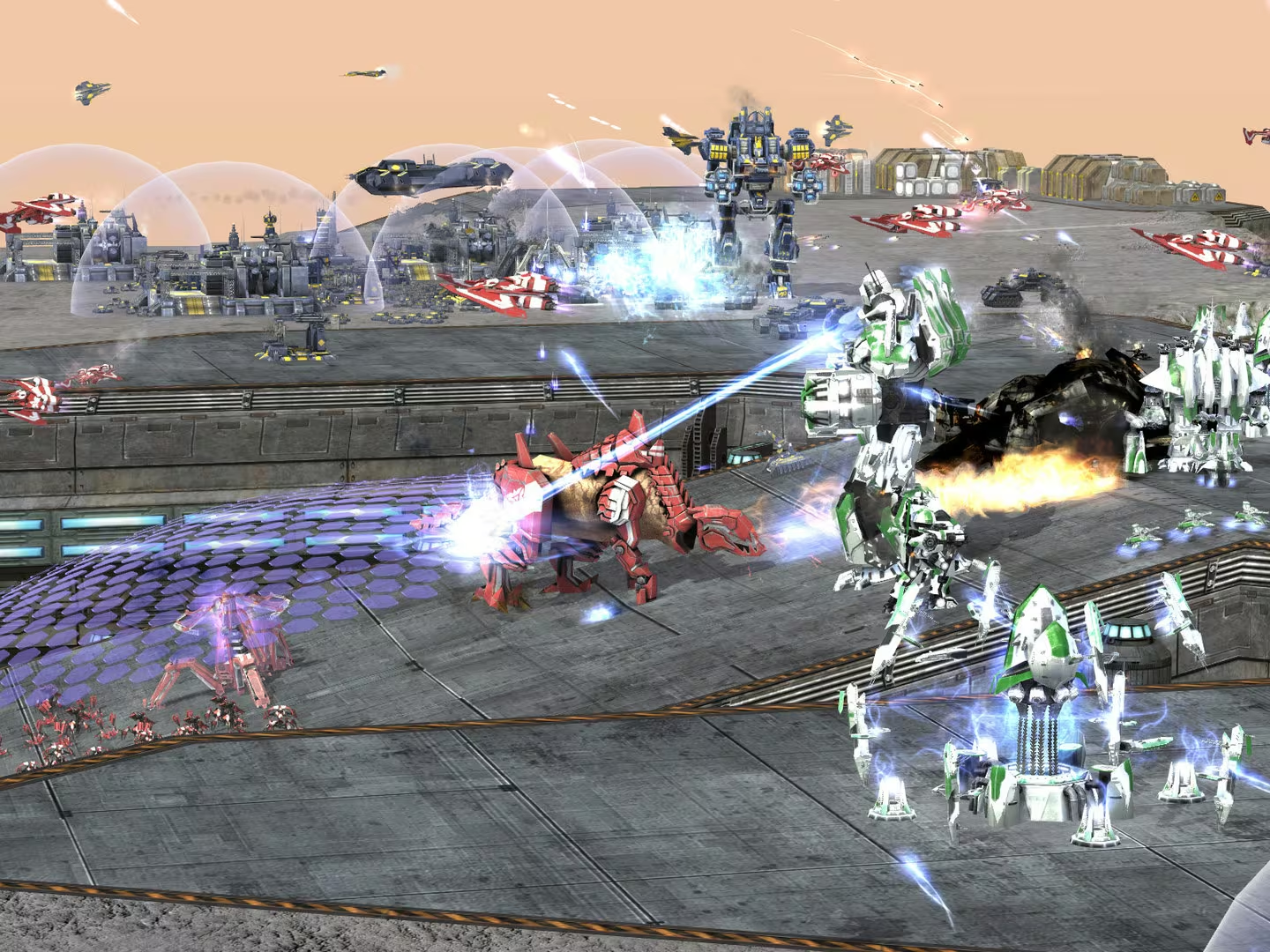
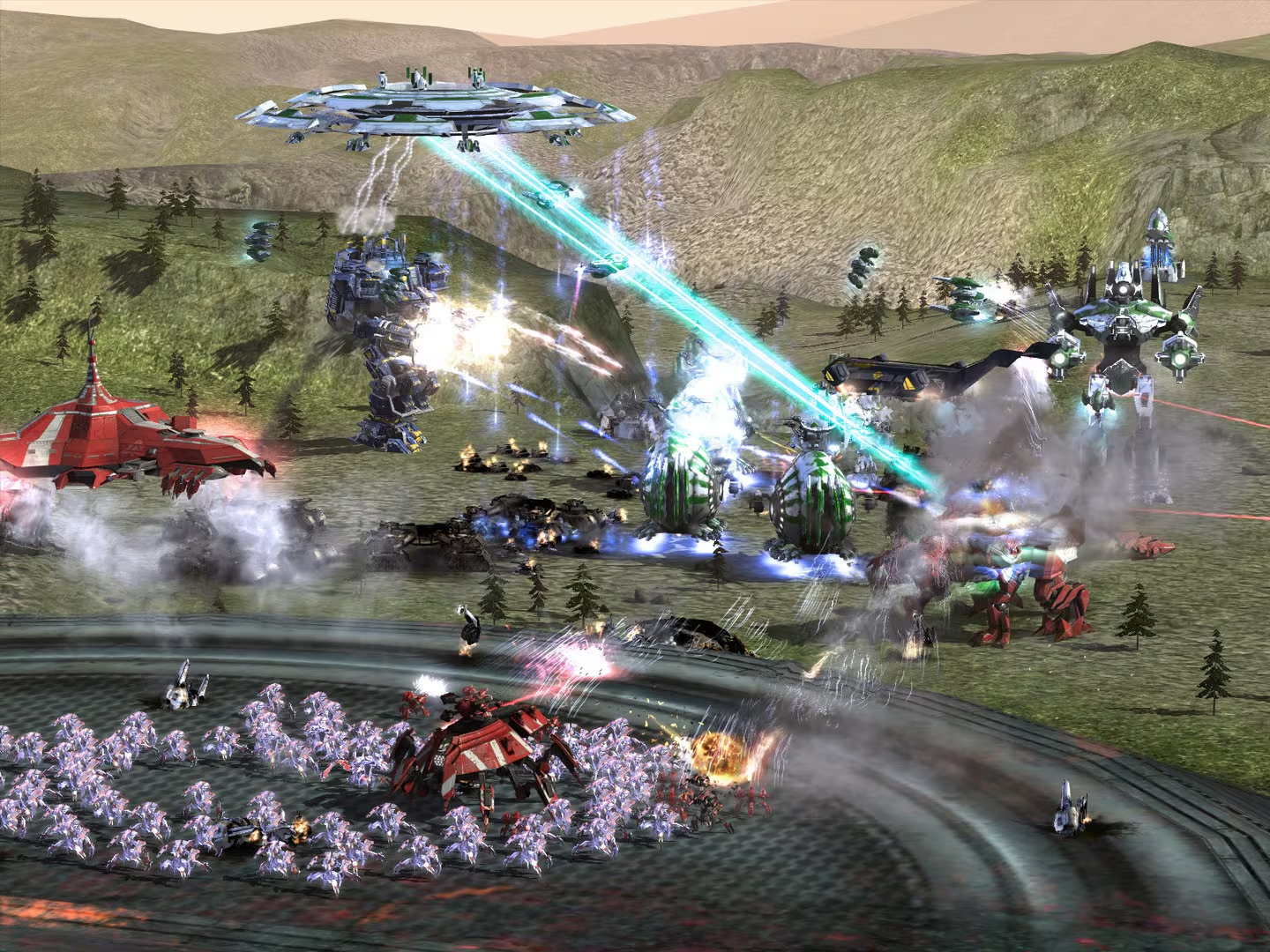
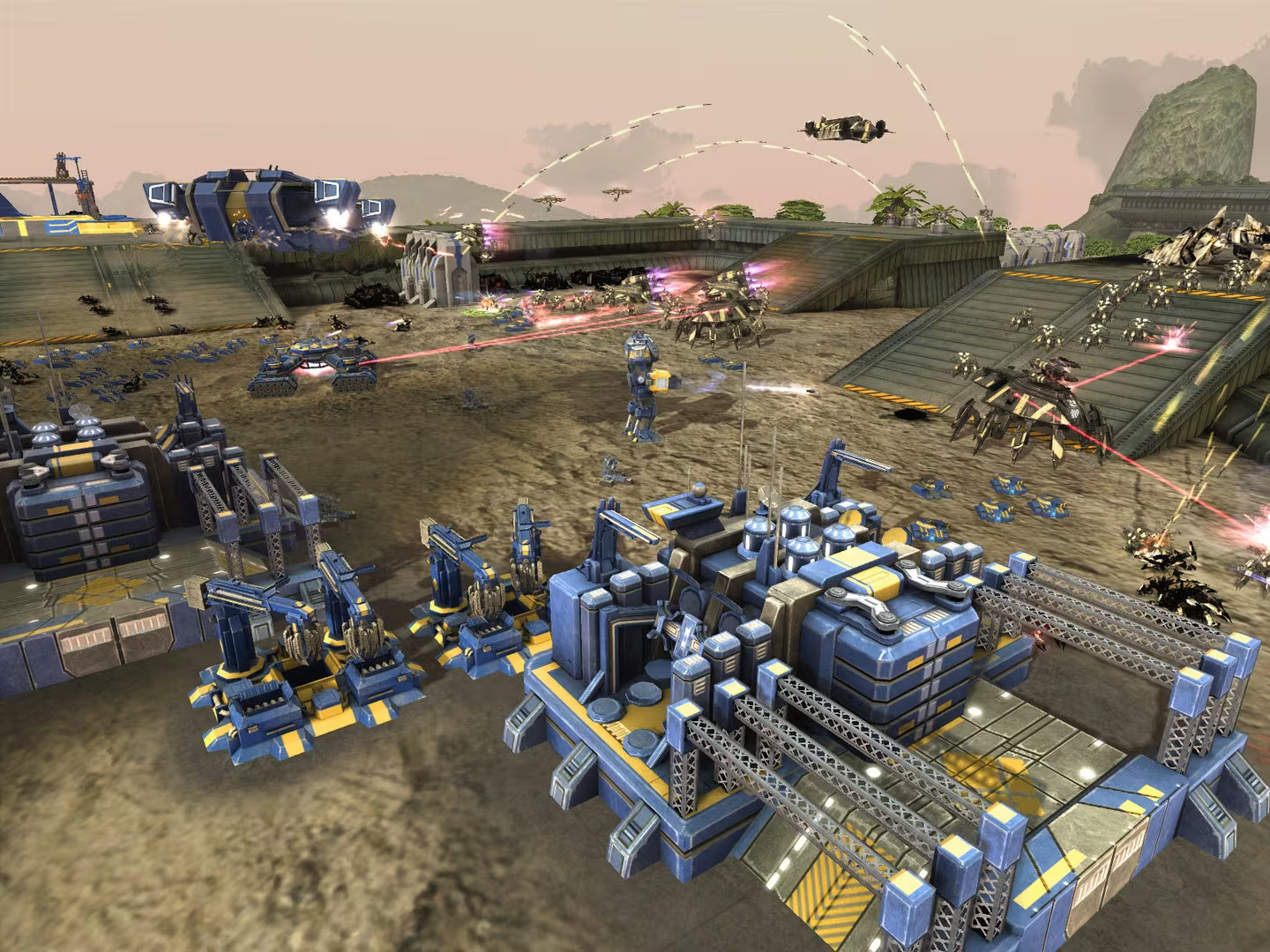
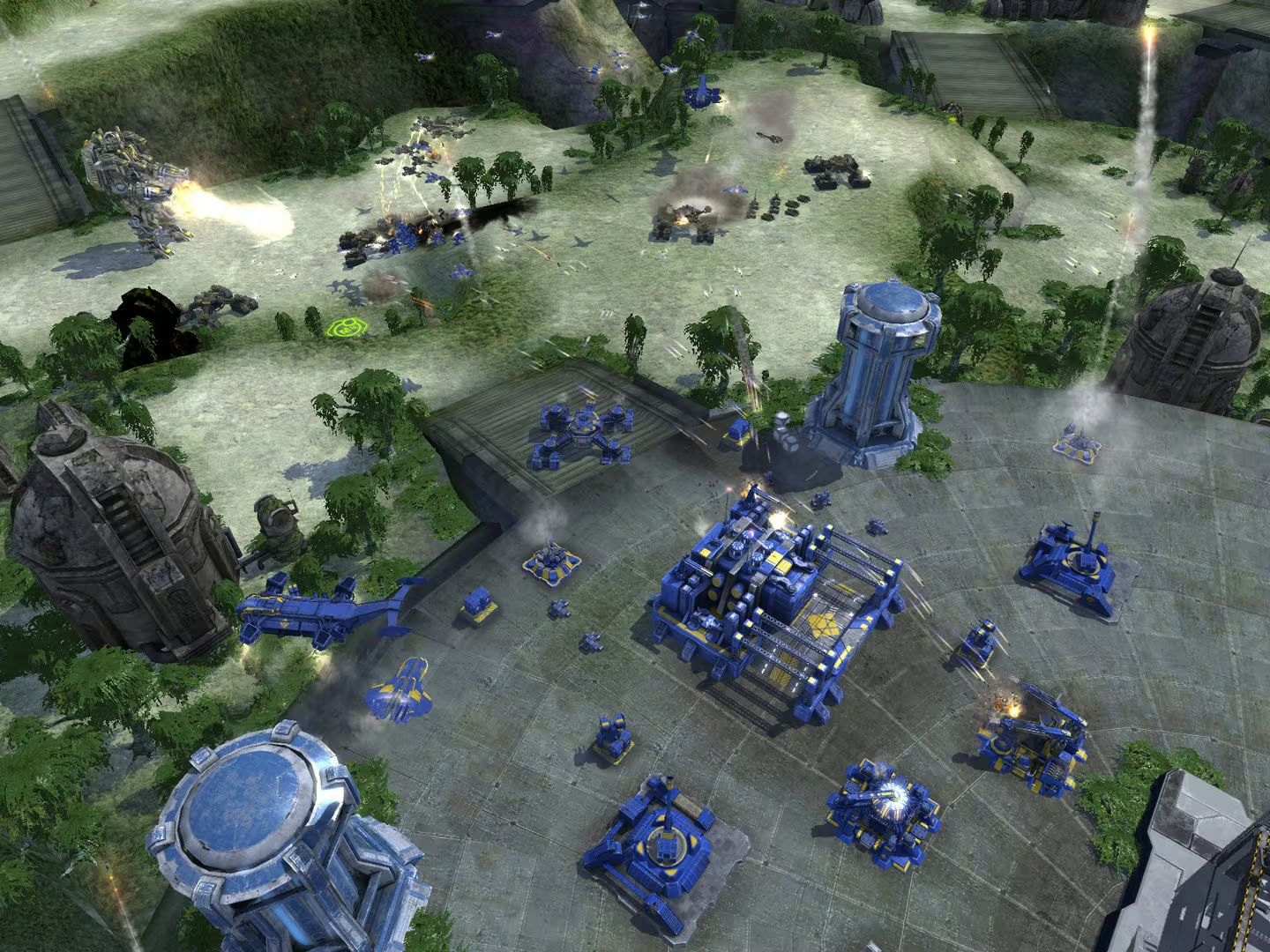
    • Large-scale battles
    • Accessible gameplay for new players
    • Good multiplayer co-op
    • Strategic depth
    • Long play sessions

    Cons

    • Smaller player base online
    • Simplified compared to original
    • Average campaign story
    • Some balance issues
    • Limited map variety

    Analysis

    A very typical example of its motivational profile. Motivations that often define this kind of title include Competition, Fellowship, Domination, Status. Here, the score leans higher than usual among comparable games on Leadership, Domination. It leans lower than usual among comparable games on Experimenting.

    How to use the graph
    Similar games map

    Each dot is a game. They are arranged from the same motivation profile as in the “Motivations” section below. Closer dots usually mean more similar reasons to play (exploration, competition, relaxation, etc.)—not that one game is “better” than another.

    • Larger dot with a light outline: the game you are viewing.
    • Colour: groups of games with comparable motivation patterns (statistical clusters).
    • Hover a dot to see the game name; click to open its page.
    • Scroll or double-click the chart to zoom out and see more games.

    Why don’t the axes read like a score? This view uses t-SNE: it only keeps who is close to whom. The scales are not “good to bad” or hours played—they separate groups on the map. Read distance between dots, not the axis numbers.

    Motivations

    • Autonomy
      4

      "Players have control over base building, unit production, research choices, and tactical decisions in large-scale battles."

    • Competence
      3

      "Game offers strategic challenges, skillful resource management, and tactical combat, though simplified compared to its predecessor."

    • Competition
      3

      "Multiplayer with ranked modes and skirmishes against AI; some players enjoy competitive matches and clan play."

    • Continuation
      2

      "Players report long sessions and habitual play, though the multiplayer community is smaller now."

    • Cooperation
      3

      "Co-op multiplayer modes and team battles are popular and encouraged."

    • Creativity
      2

      "Some customization in unit production and research paths, but less creative freedom than original game; no map editor."

    • Domination
      2

      "Players can exert dominance through overwhelming armies and nuclear strikes, though community is generally respectful."

    • Escapism
      4

      "Players use the game for immersive large-scale battles and distraction from real life."

    • Expectation
      -3

      "Players engage voluntarily for fun and nostalgia rather than obligation."

    • Experimenting
      2

      "Players try different factions, strategies, and unit combinations, though some find the game simplified."

    • Exploration
      1

      "Limited exploration due to smaller maps and linear campaigns, but some discovery in multiplayer maps."

    • Expression
      1

      "Limited character or environment customization; mostly standardized presentation."

    • Fantasy
      3

      "Futuristic sci-fi setting with giant robots, nuclear weapons, and experimental units."

    • Fellowship
      3

      "Community and clan play are important; players enjoy social multiplayer experiences."

    • Growth
      3

      "Players develop strategic skills and learn unit synergies; campaign and multiplayer provide learning opportunities."

    • Health
      -5

      "Typical sedentary gameplay with no physical activity involved."

    • Idle
      -3

      "Requires sustained attention during battles and base management."

    • Intimacy
      1

      "Social interactions mostly limited to multiplayer cooperation and competition; no close personal relationships described."

    • Leadership
      3

      "Players lead armies and coordinate team strategies in multiplayer."

    • Progression
      3

      "Progression through research points and unlocking units; accumulation of resources and upgrades."

    • Relaxation
      1

      "Some players find the game relaxing and enjoyable, though battles can be intense."

    • Sensation
      3

      "Visual and auditory effects of large battles, explosions, and unit animations provide sensory stimulation."

    • Status
      2

      "Ranked multiplayer and clan membership provide social recognition."

    • Story
      0

      "Campaign story is considered average or cheesy; multiplayer is story-free."

    • Strategy
      4

      "Strong emphasis on strategic planning, resource management, and tactical combat."

    • Thrill
      2

      "Players enjoy suspense and tension from large battles and nuclear strikes."

    • Value
      4

      "Good value for price, especially on sale; long playtime and replayability."

    • Violence
      4

      "Combat and destruction are central gameplay elements, including artillery barrages and nukes."

    • Survival
      3

      "Players manage resources and defend bases to survive enemy attacks."

    Last update: 29/04/2026