Prison Simulator Prologue Thumbnail

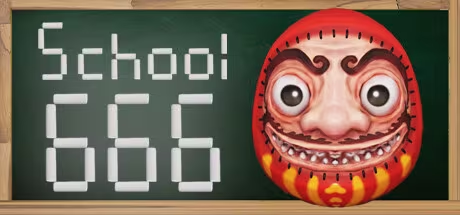
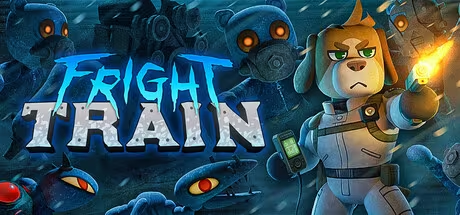
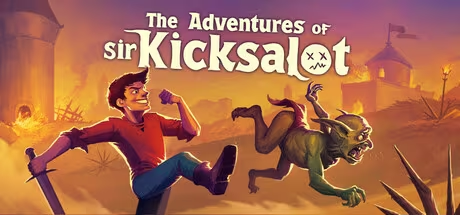
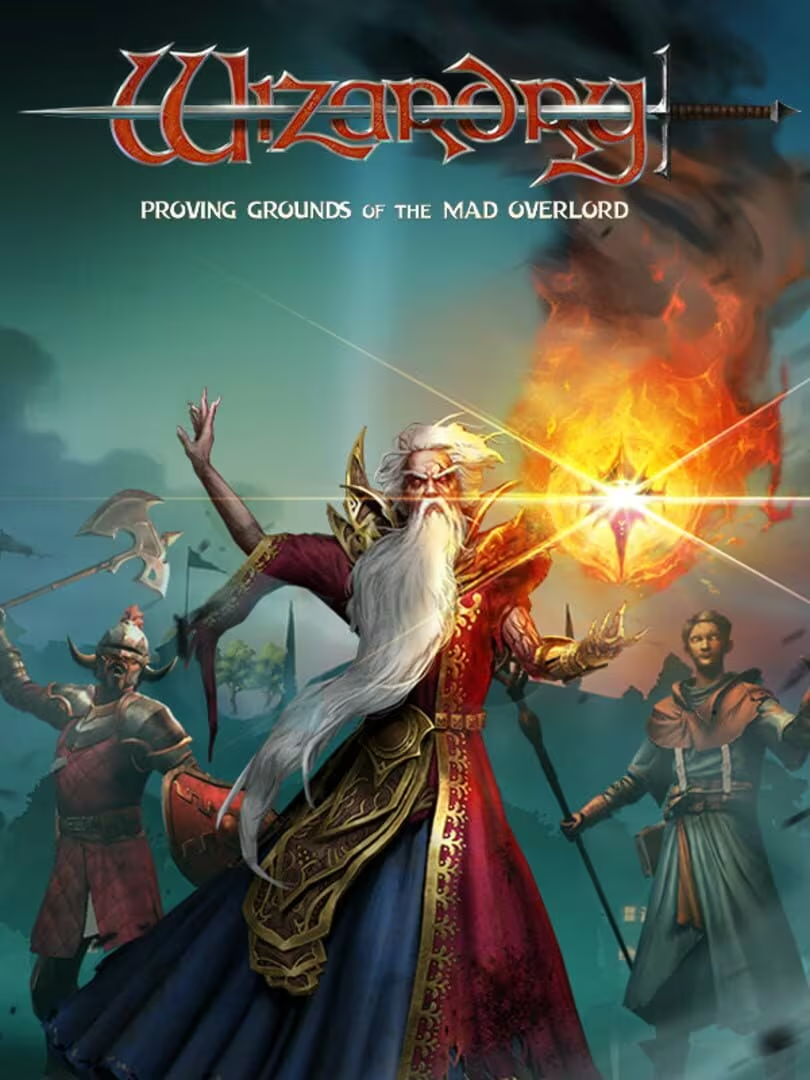
Prison Simulator Prologue similar games & best alternatives

Prison Simulator Prologue

PC (Microsoft Windows) • 2021

Related articles

Quick resume

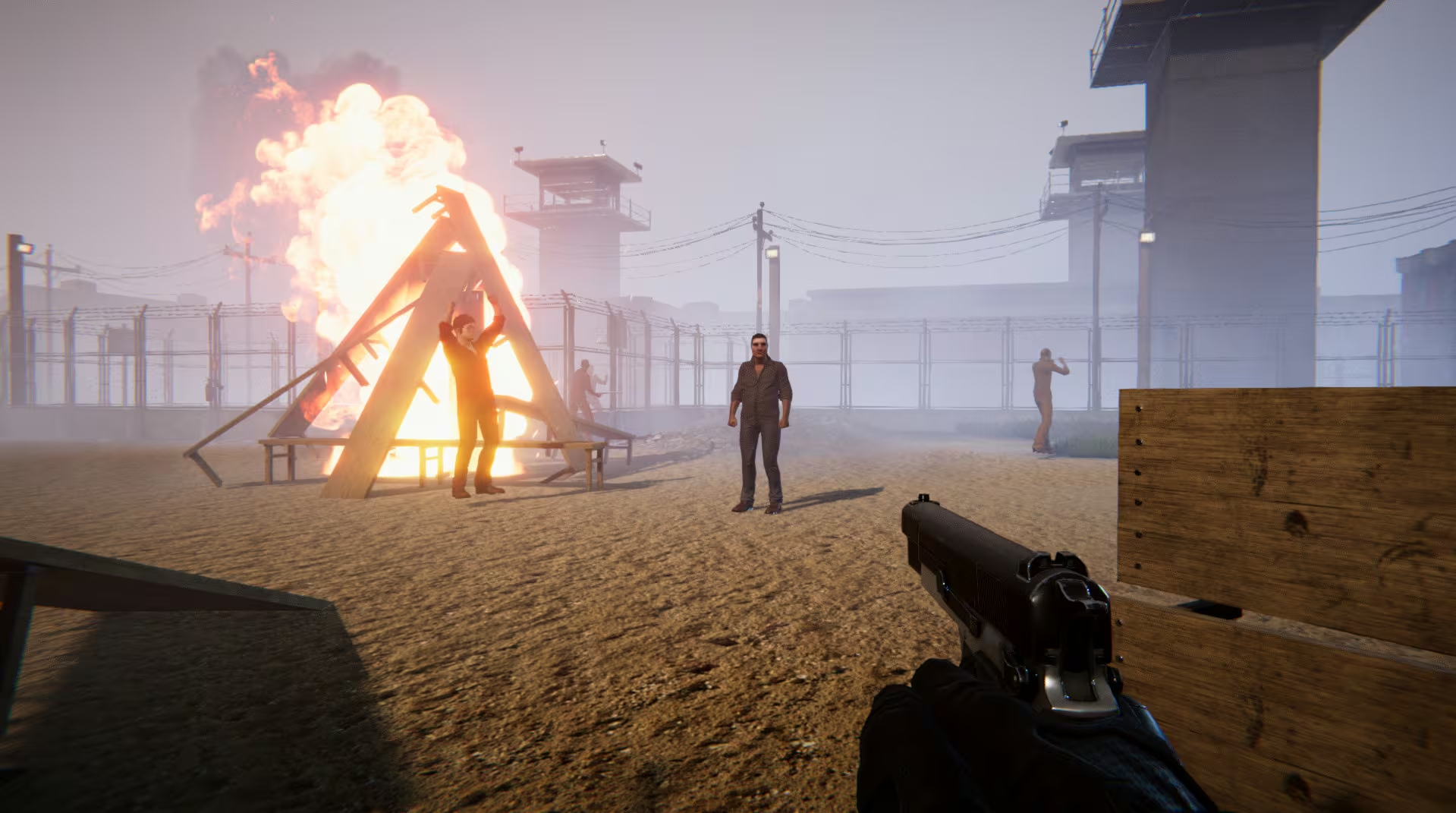
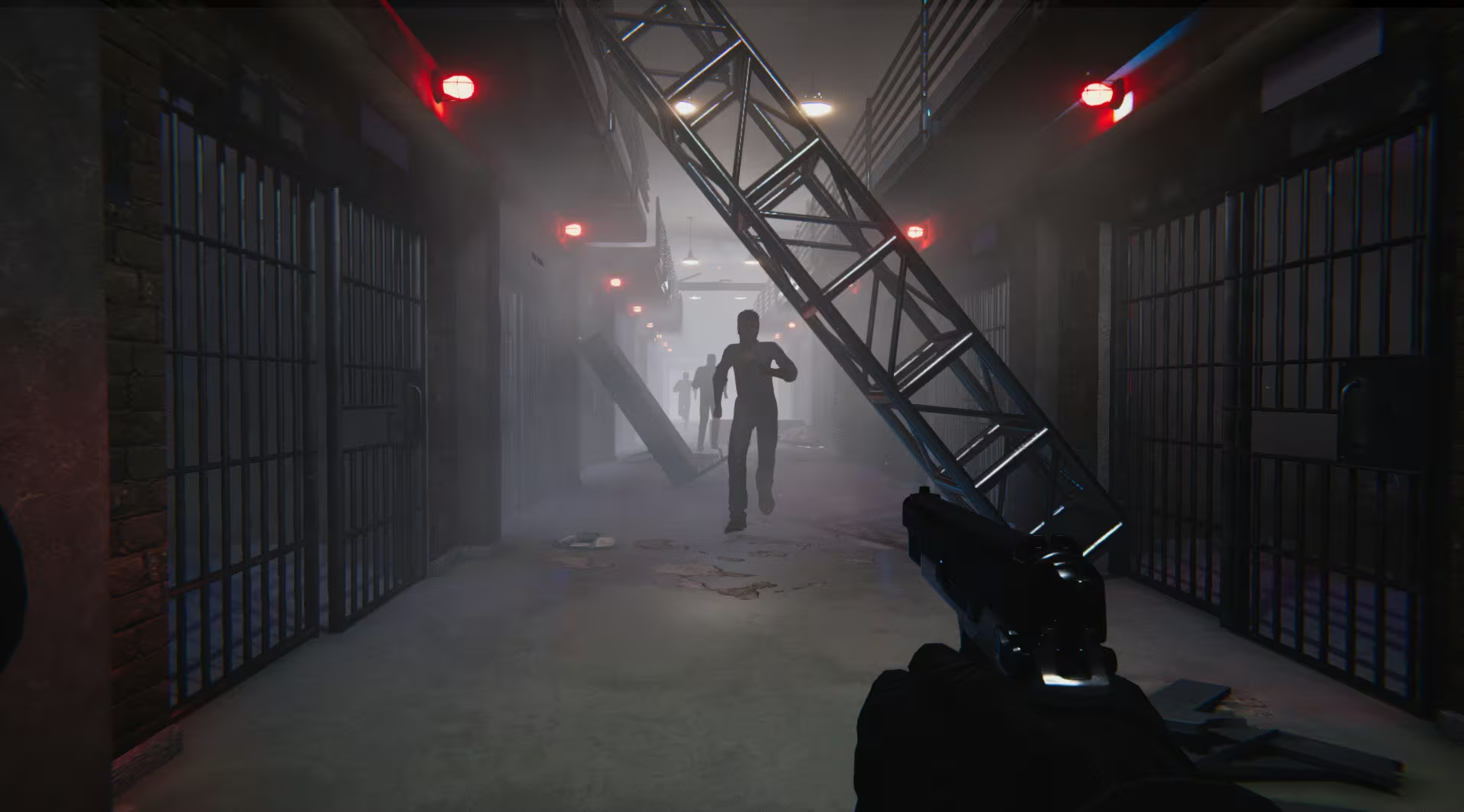
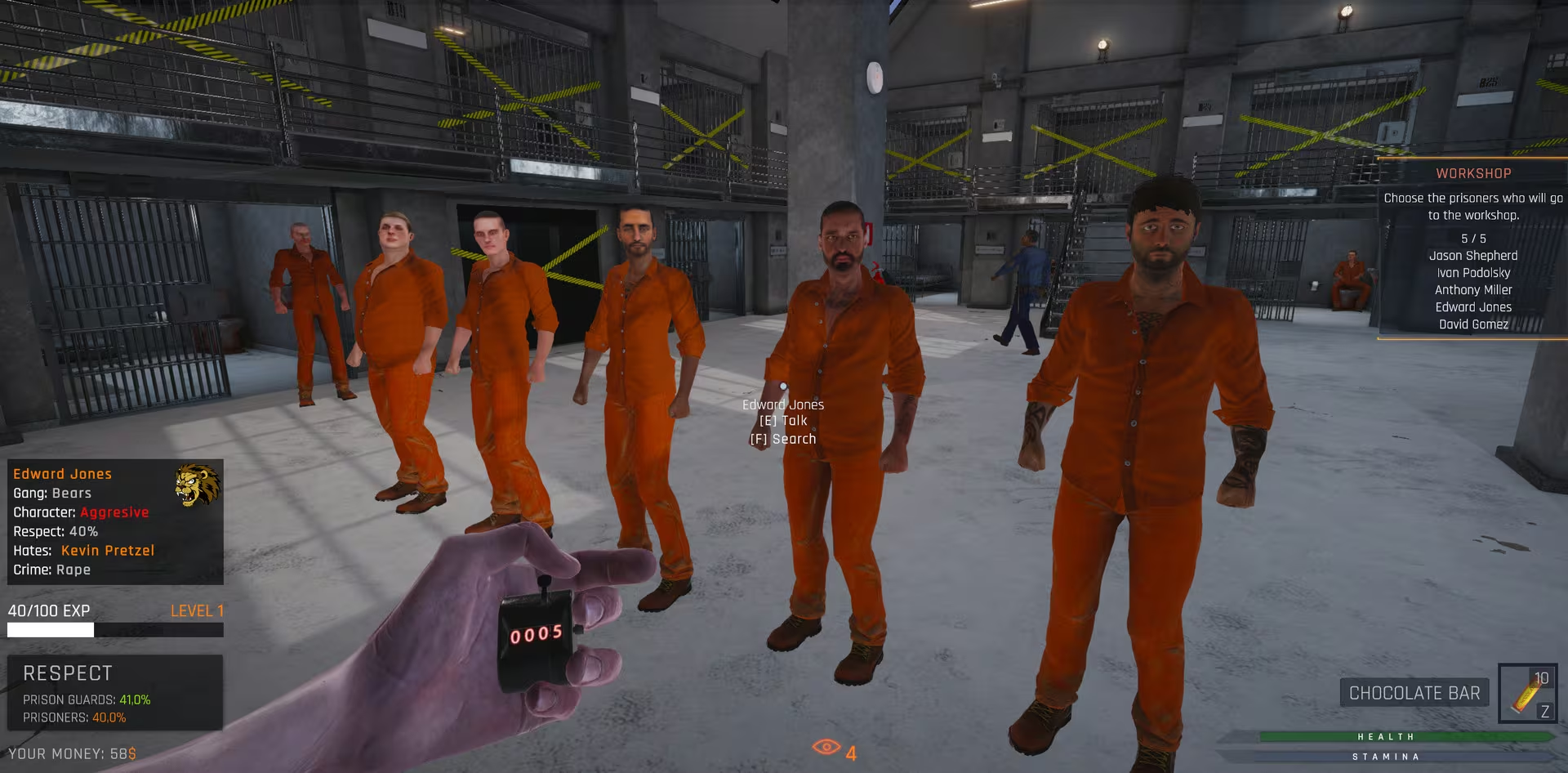
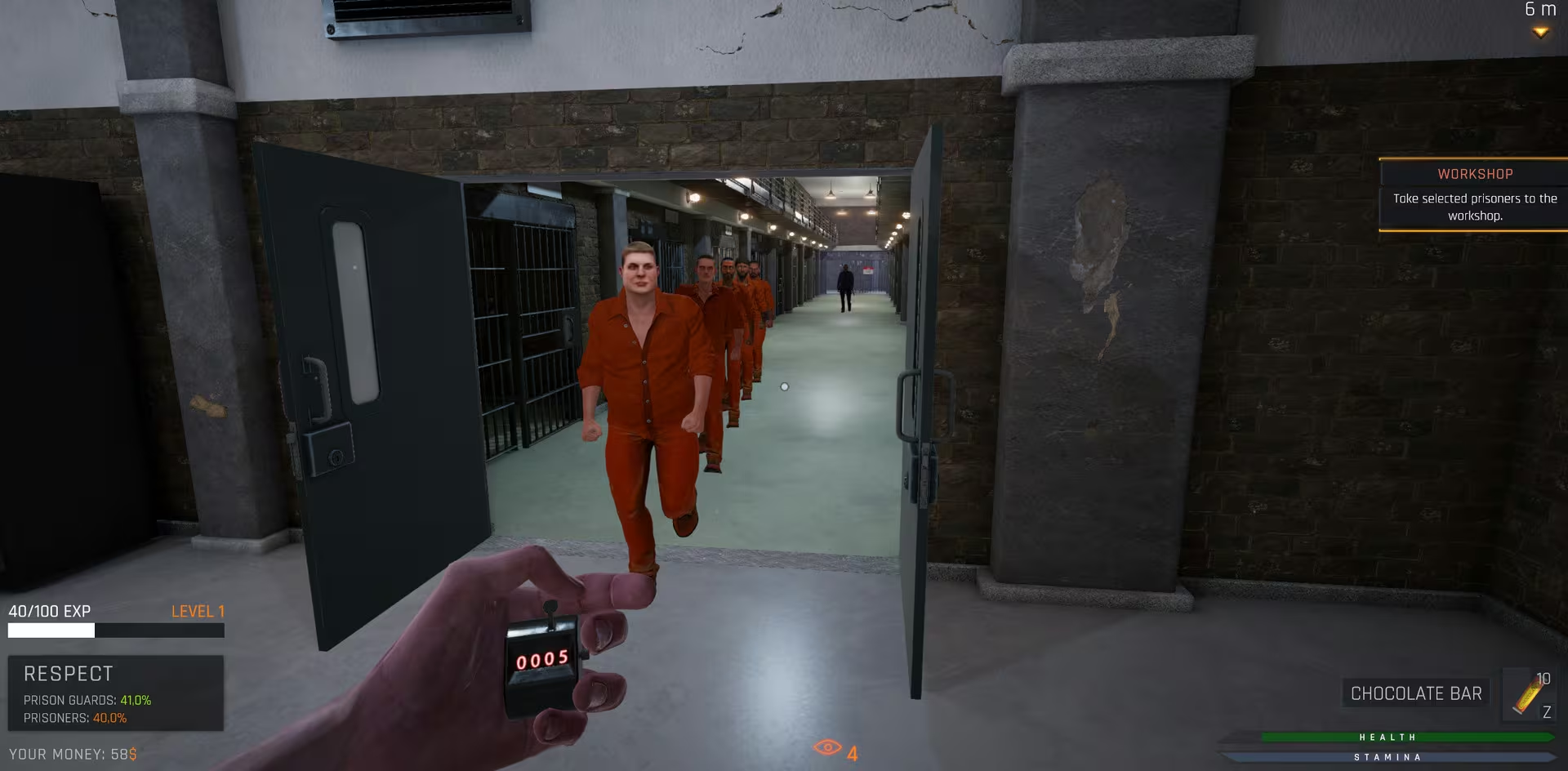
Wanna find out what a prison riot looks like? Check a free stand-alone prologue for Prison Simulator. A story that is not available in the full game! Be warned: Police baton might not be enough to bring order to the prison halls.

Global score

89/100

Genres

Action, Role-playing (RPG), Simulator

Similar games

    Pros

    • Unique prison guard simulation concept
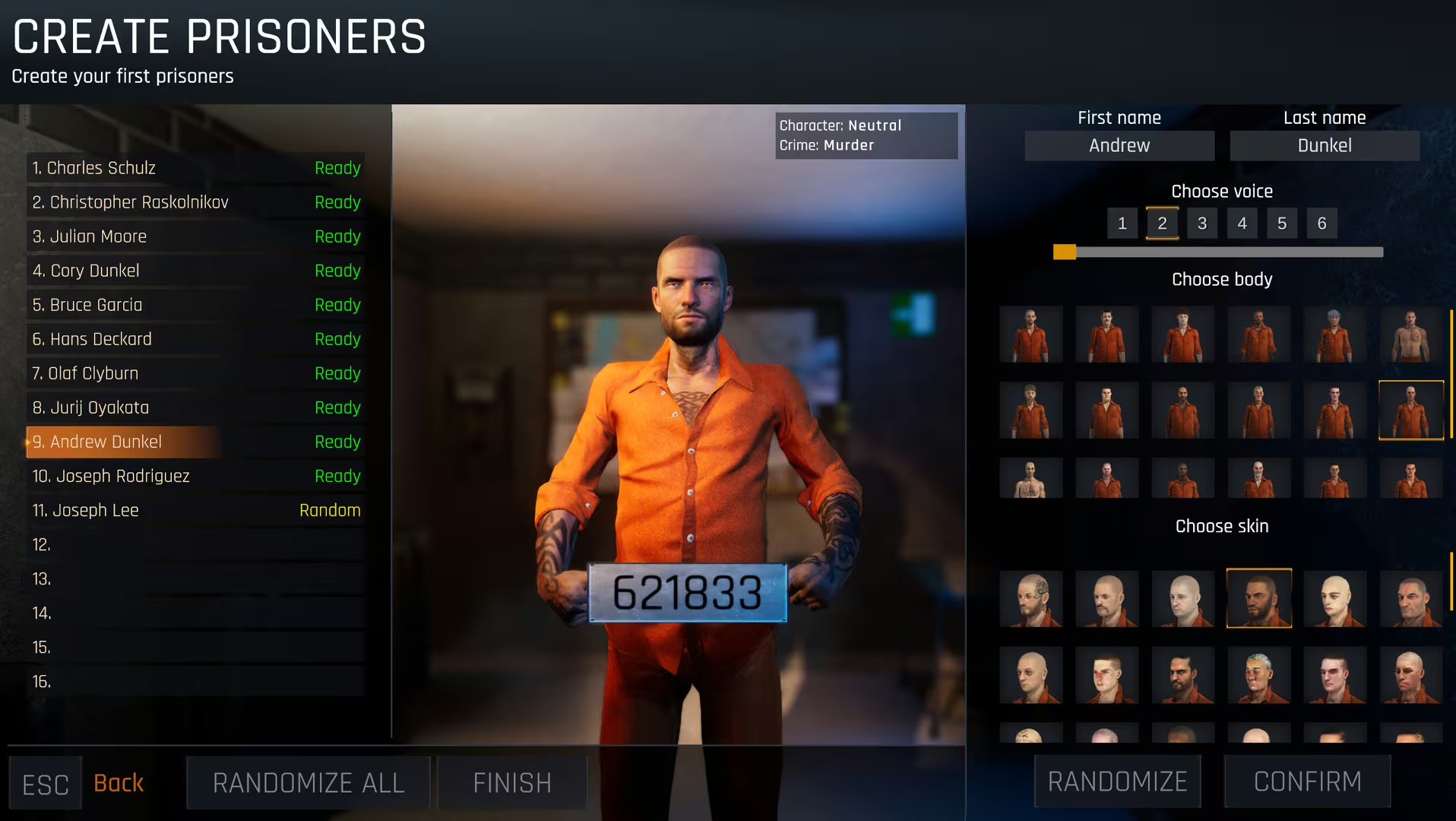
    • Customization of prisoners and gangs
    • Engaging riot and combat mechanics
    • Free prologue with replayability
    • Immersive atmosphere and humor

    Cons

    • Optimization and performance issues
    • Clunky combat and ai behavior
    • Lack of save/load in prologue
    • Some repetitive tasks and minigames
    • Limited polish and bugs present

    Analysis

    Less representative of its motivational profile, with noticeable differences. Motivations that often define this kind of title include Competition, Fellowship, Domination, Status. Here, the score leans higher than usual among comparable games on Domination. It leans lower than usual among comparable games on Competition, Intimacy.

    How to use the graph
    Similar games map

    Each dot is a game. They are arranged from the same motivation profile as in the “Motivations” section below. Closer dots usually mean more similar reasons to play (exploration, competition, relaxation, etc.)—not that one game is “better” than another.

    • Larger dot with a light outline: the game you are viewing.
    • Colour: groups of games with comparable motivation patterns (statistical clusters).
    • Hover a dot to see the game name; click to open its page.
    • Scroll or double-click the chart to zoom out and see more games.

    Why don’t the axes read like a score? This view uses t-SNE: it only keeps who is close to whom. The scales are not “good to bad” or hours played—they separate groups on the map. Read distance between dots, not the axis numbers.

    Motivations

    • Autonomy
      3

      "Players can make choices such as how to handle prisoners, customize gangs and prisoners, and decide between lawful or corrupt behavior, indicating moderate player control."

    • Competence
      2

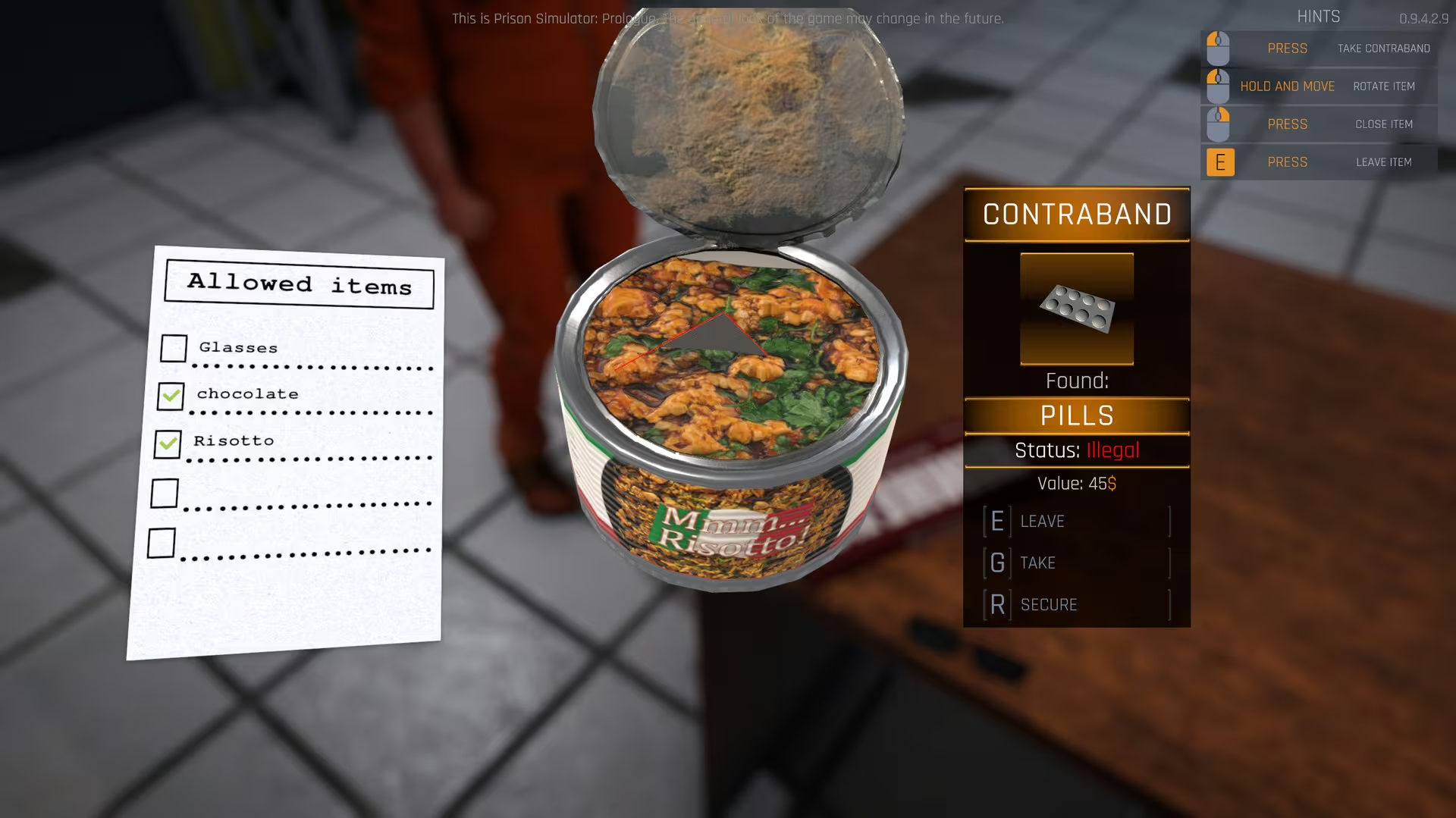
      "Game involves skill-based tasks like managing riots, searching for contraband, and completing minigames, though some tasks are repetitive and combat mechanics are criticized."

    • Competition
      -3

      "Focus is on personal experience and roleplay as a guard; no evidence of ranked or leaderboard competition."

    • Continuation
      3

      "Many players mention replayability and willingness to continue playing despite bugs and short length."

    • Cooperation
      1

      "Some interaction with fellow guards and prisoners, but mostly individual tasks; limited teamwork during riots noted."

    • Creativity
      4

      "Strong customization of prisoners, gangs, and player choices; players create personalized scenarios."

    • Domination
      4

      "Players exert control over prisoners, including violent enforcement and managing respect, sometimes with corrupt or brutal approaches."

    • Escapism
      4

      "Players use the game as a fun distraction and stress relief, engaging in chaotic and humorous prison scenarios."

    • Expectation
      -4

      "Players engage voluntarily out of interest and enjoyment, with no indication of obligation or pressure."

    • Experimenting
      3

      "Players try different approaches to handling prisoners, gangs, and riot situations, exploring game mechanics."

    • Exploration
      2

      "Some exploration of prison areas and activities, though limited by prologue scope."

    • Expression
      4

      "Customization of prisoners and gangs allows for self-expression and personalization."

    • Fantasy
      1

      "Game simulates prison guard life with some exaggerated or humorous elements; mostly grounded but with fictional liberties."

    • Fellowship
      0

      "Limited social community aspects; mostly individual gameplay with some minor social interaction."

    • Growth
      2

      "Players learn game mechanics and improve skills managing tasks and combat, though some find it repetitive."

    • Health
      -5

      "No physical activity or health-related gameplay; sedentary play."

    • Idle
      -2

      "Requires active attention to tasks and events; not designed for idle or background play."

    • Intimacy
      -4

      "Interactions are surface-level and functional; no evidence of close relationships or emotional sharing."

    • Leadership
      2

      "Players lead as prison guards managing prisoners and situations, but limited evidence of leading others cooperatively."

    • Progression
      3

      "Players accumulate respect, money, and unlock activities; some progression through tasks and story."

    • Relaxation
      -1

      "Game includes tense riot scenarios and chaotic events, but also moments of casual task completion."

    • Sensation
      2

      "Visuals and audio provide moderate sensory stimulation; riot and combat add excitement."

    • Status
      0

      "No clear social recognition or ranking systems mentioned."

    • Story
      2

      "There is a narrative framework with a storyline and character interactions, though some find it generic or minimal."

    • Strategy
      2

      "Players plan how to manage prisoners, gangs, and riots; some tactical decision-making involved."

    • Thrill
      3

      "Riot and combat scenarios provide suspense and excitement."

    • Value
      4

      "Free prologue with engaging content; players feel good value for time spent."

    • Violence
      4

      "Combat and prisoner control involve physical violence, including beating and shooting."

    • Survival
      3

      "Players must survive riots and manage threats to maintain order."

    Last update: 29/04/2026