Into the Dead: Our Darkest Days Thumbnail

Into the Dead: Our Darkest Days similar games & best alternatives
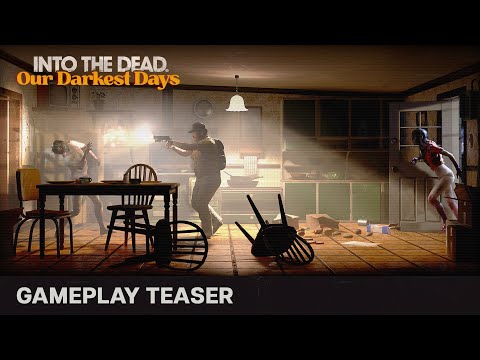
Into the Dead: Our Darkest Days

PC (Microsoft Windows), Mac • 2025

Related articles

Quick resume

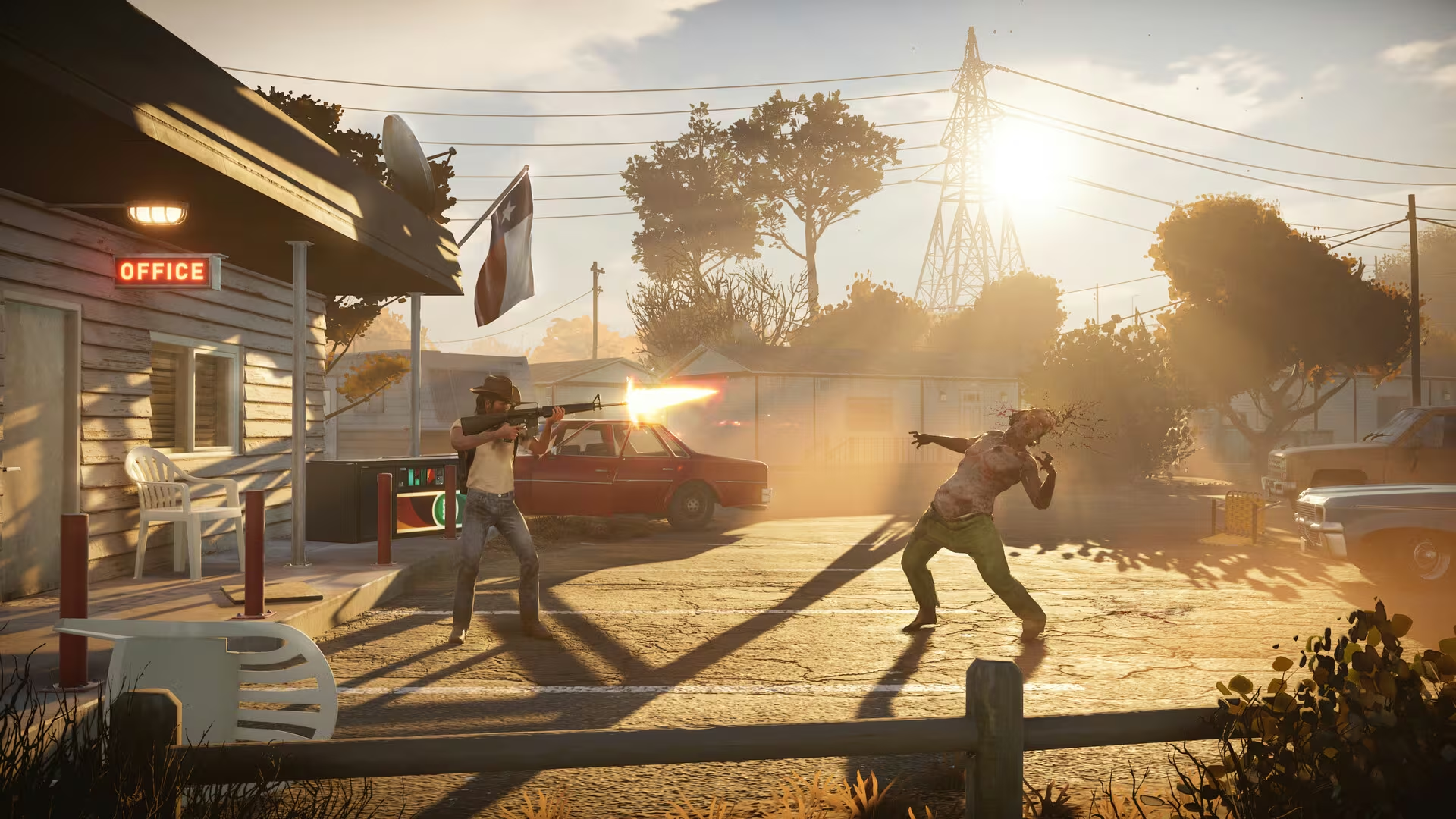
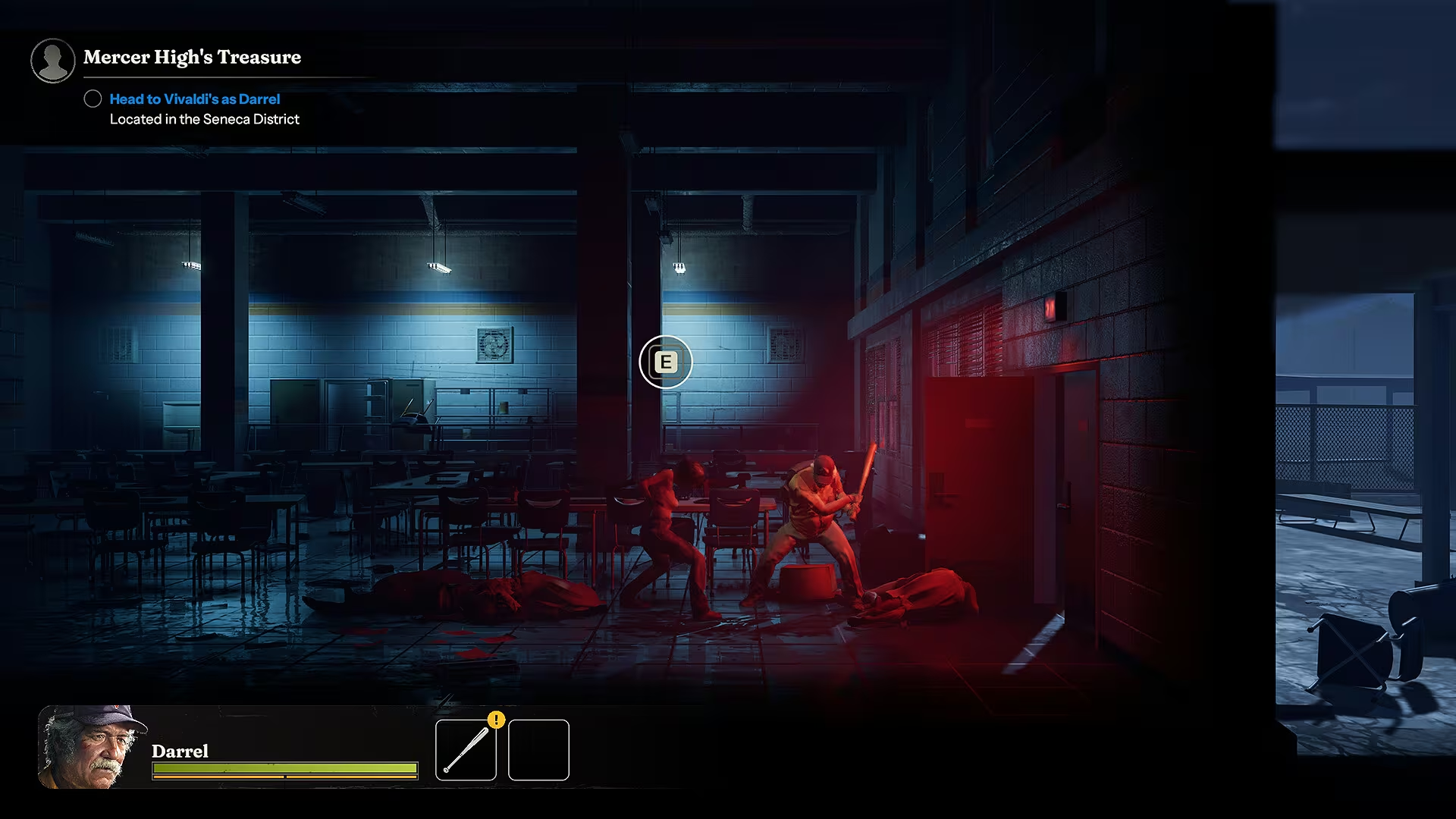
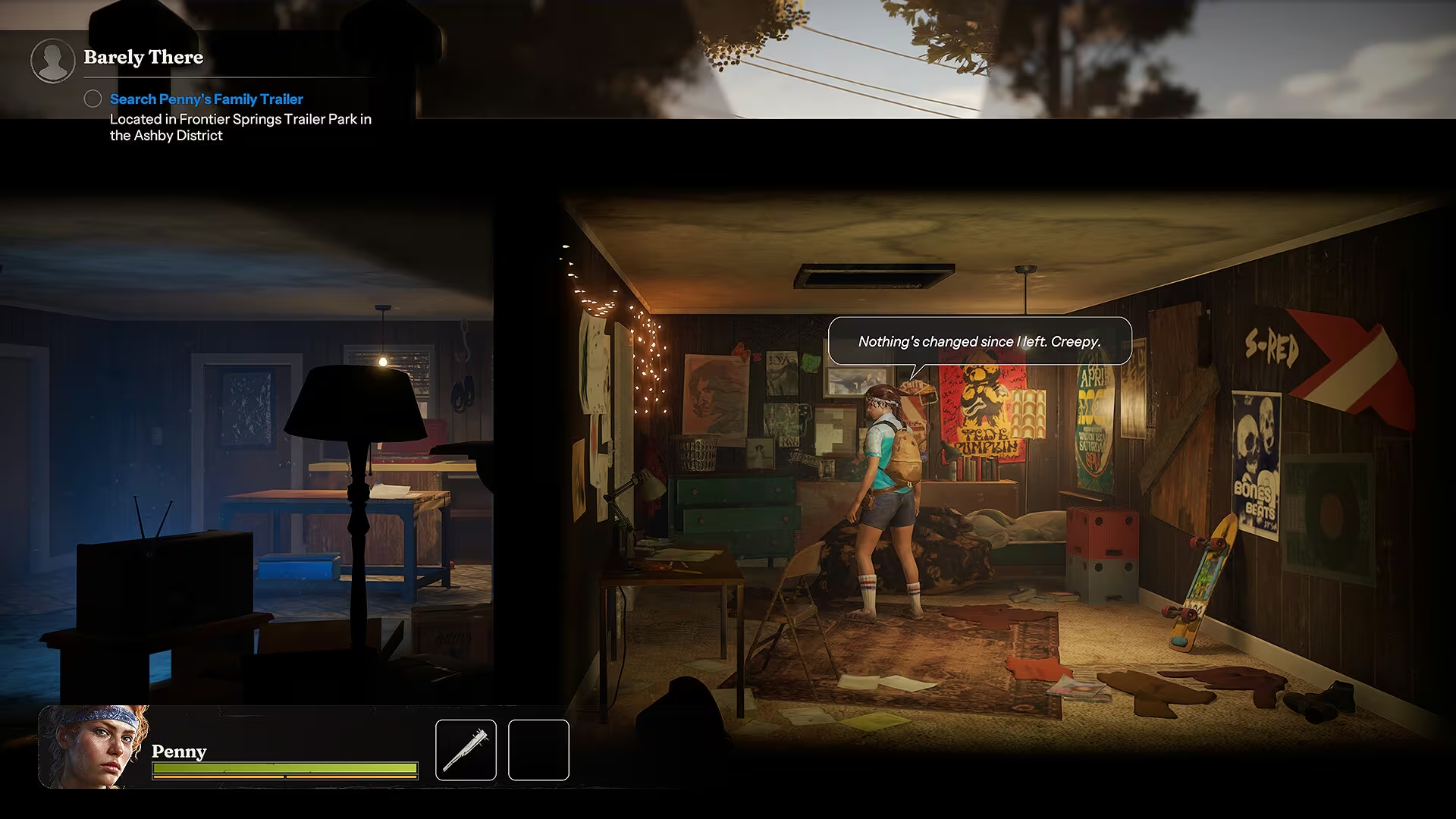
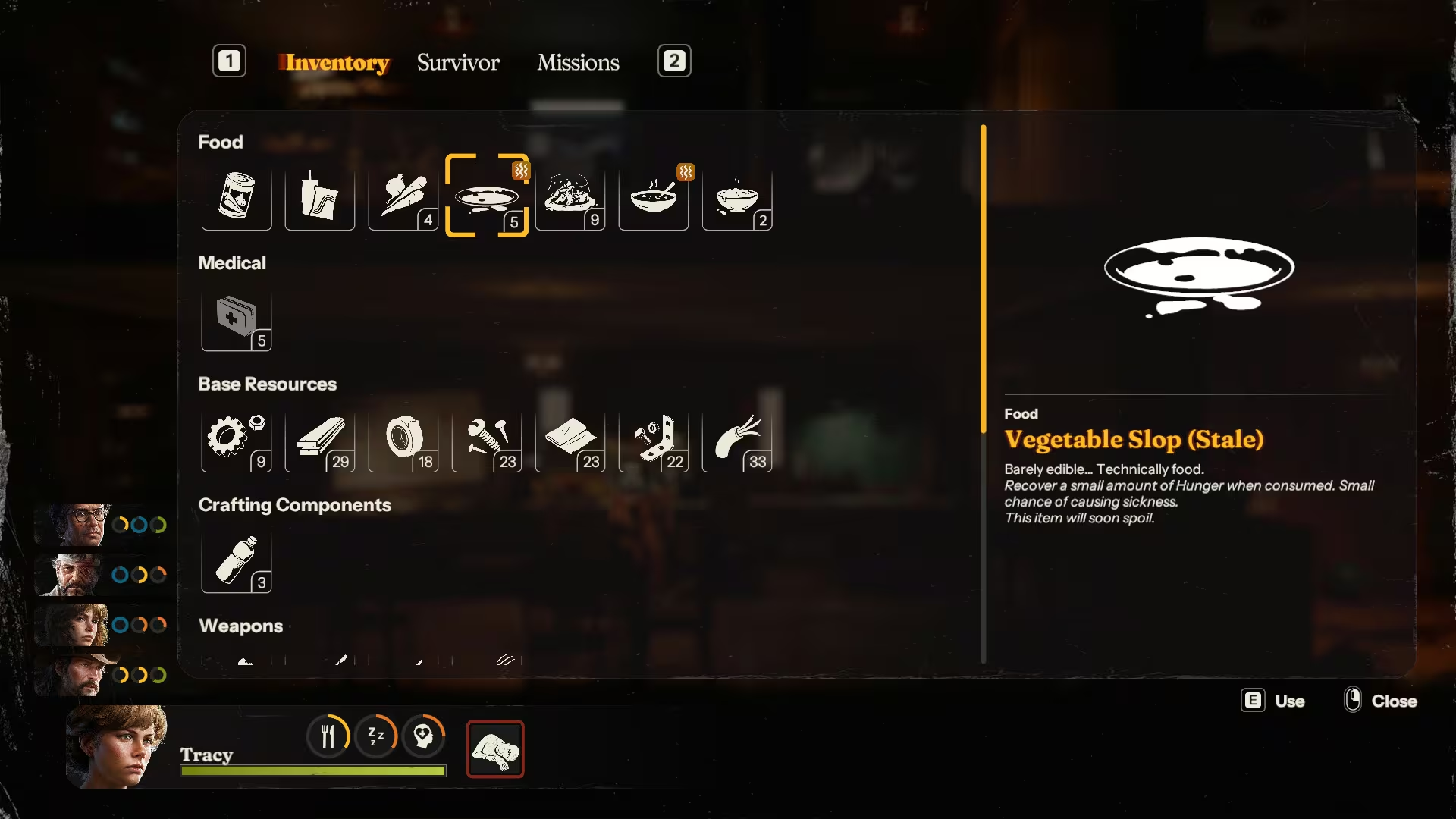
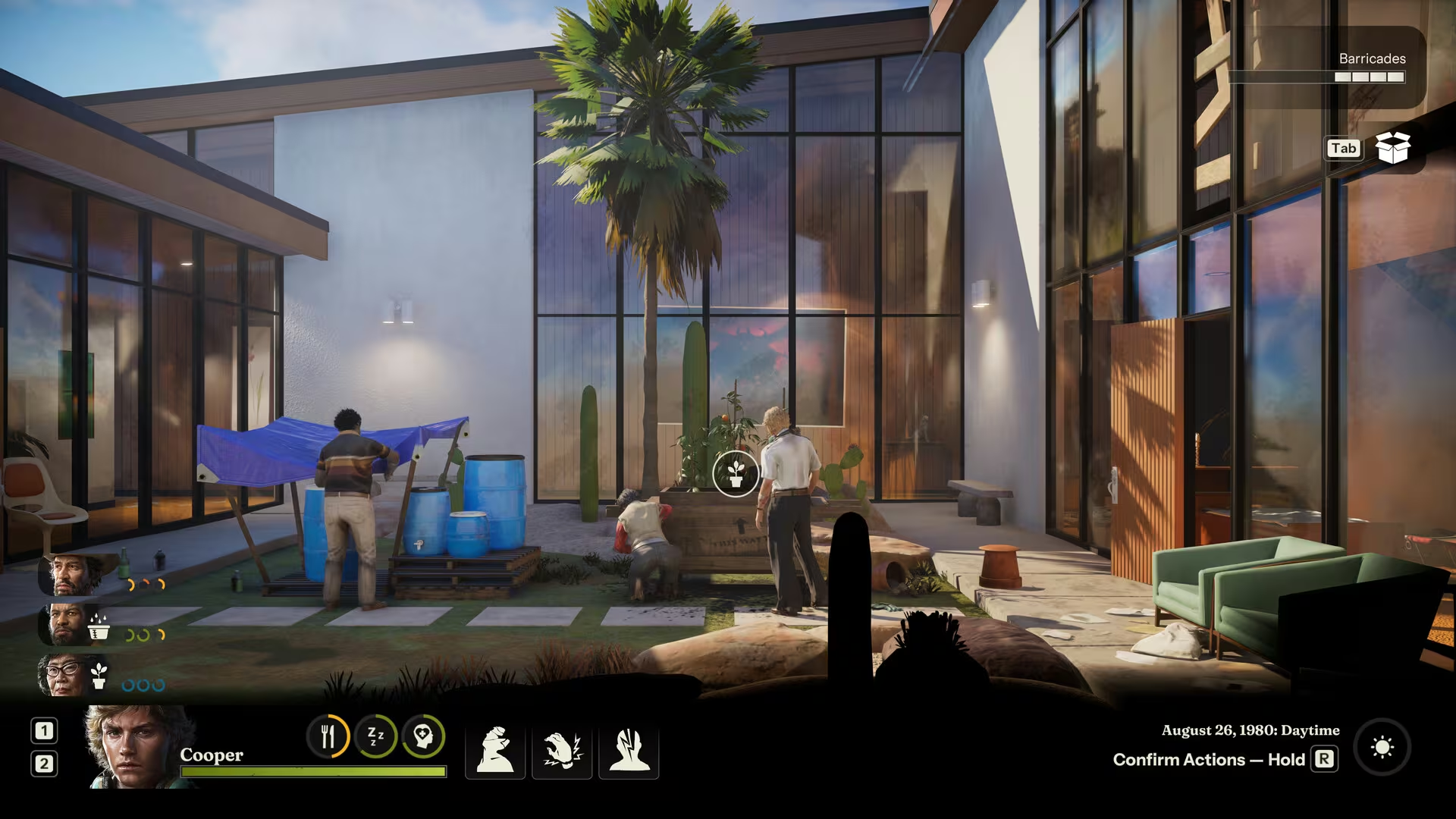
Texas, 1980. Walton City has fallen to a zombie outbreak. Lead a band of desperate survivors from refuge to refuge by scavenging, crafting, and fighting in a relentless struggle for survival. Plan wisely, stick together, and — above all — keep moving if you want to make it out alive.

Global score

89/100

Genres

Action, Simulator, Strategy, Early Access, Indie

Similar games

    Pros

    • Immersive atmosphere and 80s setting
    • Challenging stealth and survival mechanics
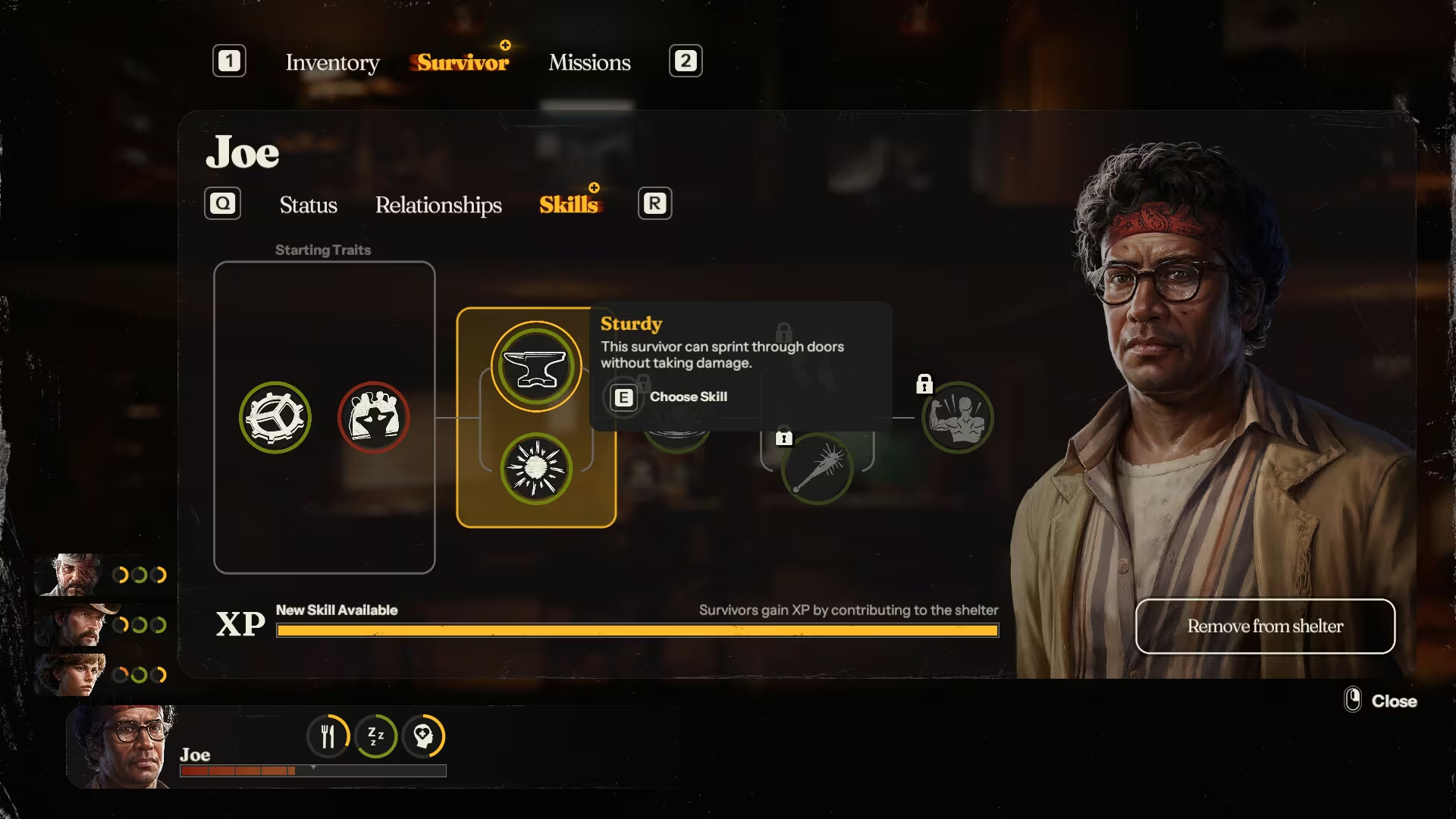
    • Engaging base and survivor management
    • Diverse locations with exploration and puzzles
    • Active developer community and roadmap

    Cons

    • Weapon durability can feel frustrating
    • Some bugs and performance issues in early access
    • Limited character interaction and story depth
    • Combat can be clunky and inconsistent
    • Repetitive gameplay loop without procedural maps

    Analysis

    Less representative of its motivational profile, with noticeable differences. Motivations that often define this kind of title include Leadership, Survival, Violence, Strategy. Here, the score leans higher than usual among comparable games on Cooperation, Fellowship. It leans lower than usual among comparable games on Relaxation.

    How to use the graph
    Similar games map

    Each dot is a game. They are arranged from the same motivation profile as in the “Motivations” section below. Closer dots usually mean more similar reasons to play (exploration, competition, relaxation, etc.)—not that one game is “better” than another.

    • Larger dot with a light outline: the game you are viewing.
    • Colour: groups of games with comparable motivation patterns (statistical clusters).
    • Hover a dot to see the game name; click to open its page.
    • Scroll or double-click the chart to zoom out and see more games.

    Why don’t the axes read like a score? This view uses t-SNE: it only keeps who is close to whom. The scales are not “good to bad” or hours played—they separate groups on the map. Read distance between dots, not the axis numbers.

    Motivations

    • Autonomy
      4

      "Players have freedom to choose survivors, manage base, plan scavenging routes, and decide combat or stealth approaches."

    • Competence
      4

      "Game is challenging with skillful stealth, resource management, and combat requiring player mastery."

    • Competition
      -5

      "No evidence of competitive or ranked modes; focus is on personal survival and pacing."

    • Continuation
      3

      "Many players report addictive gameplay and long play sessions with repeated runs and exploration."

    • Cooperation
      2

      "Players manage multiple survivors cooperatively within the base, but no multiplayer or direct player cooperation."

    • Creativity
      2

      "Some base building and crafting customization; limited character customization but potential for modding."

    • Domination
      -5

      "No evidence of dominating others; interactions are survival-focused and cooperative among survivors."

    • Escapism
      4

      "Strong immersion in tense zombie apocalypse setting provides escape from real life stress."

    • Expectation
      -4

      "Players engage voluntarily out of interest and enjoyment; no obligation or external pressure noted."

    • Experimenting
      3

      "Players experiment with stealth, combat tactics, resource management, and survivor combinations."

    • Exploration
      3

      "Players explore diverse locations with puzzles and secrets, though maps are static and not procedural."

    • Expression
      -2

      "Limited character customization; some base and weapon crafting but no avatar personalization."

    • Fantasy
      -1

      "Realistic zombie apocalypse setting with grounded survival mechanics; some narrative fiction elements."

    • Fellowship
      1

      "Players manage a community of survivors, but no social multiplayer or strong community identity."

    • Growth
      3

      "Players learn survival strategies, improve skills, and develop mastery over game systems."

    • Health
      -5

      "Sedentary gameplay with no physical activity or health rehab elements."

    • Idle
      -3

      "Requires focused attention for stealth, combat, and resource management; not casual or background play."

    • Intimacy
      -3

      "Limited character interactions and emotional bonding; no multiplayer social connections."

    • Leadership
      3

      "Players lead and assign tasks to survivors, managing their activities and shelter."

    • Progression
      4

      "Players accumulate weapons, upgrades, and survivors, advancing through escape plans and base improvements."

    • Relaxation
      -3

      "Tense, suspenseful gameplay with sustained pressure and threat; not primarily relaxing."

    • Sensation
      3

      "Atmospheric visuals, sound design, and ambient music provide strong sensory stimulation."

    • Status
      -5

      "No social recognition or leaderboards; focus is on individual survival experience."

    • Story
      3

      "Narrative elements with multiple endings and character backstories, though some feel underdeveloped."

    • Strategy
      4

      "Requires planning routes, resource allocation, stealth tactics, and survivor management."

    • Thrill
      4

      "High tension and suspense from stealth, combat, and resource scarcity create thrilling moments."

    • Value
      3

      "Players find the game worth the price with many hours of engaging content despite early access bugs."

    • Violence
      3

      "Combat involves melee and firearms against zombies; violence is central but not gratuitous."

    • Survival
      5

      "Core gameplay revolves around managing threats, resources, and staying alive in hostile environments."

    Last update: 29/04/2026