Puzzle Agent 2 Thumbnail

Puzzle Agent 2 similar games & best alternatives
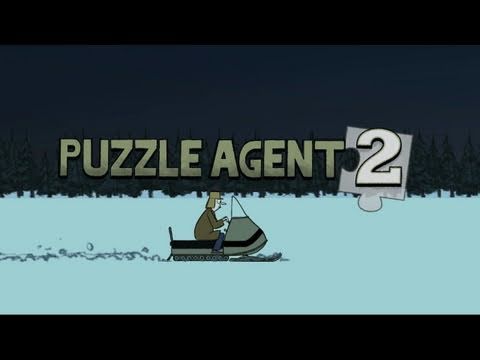
Puzzle Agent 2

PC (Microsoft Windows), iOS, Mac • 2011

Related articles

Quick resume

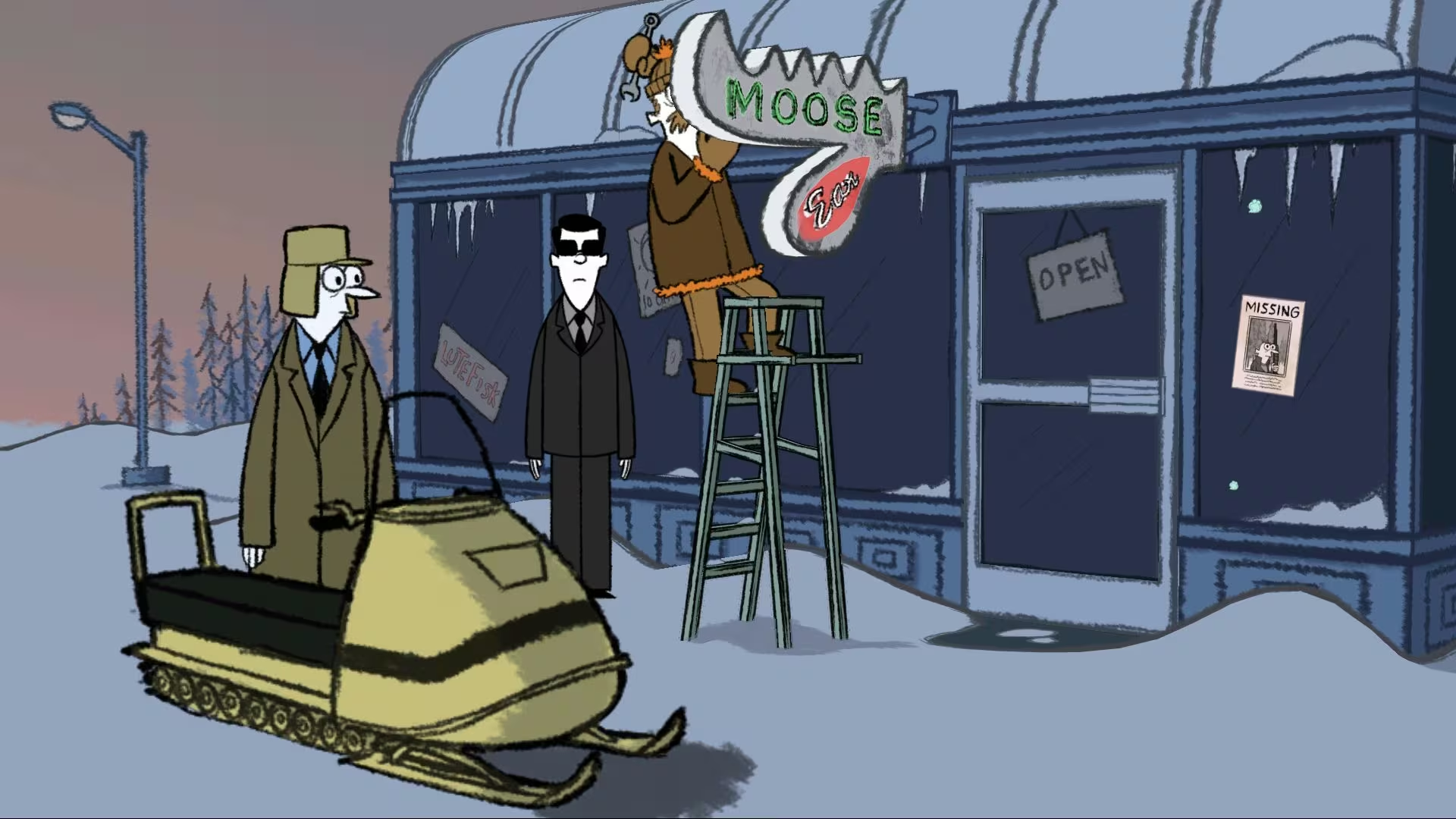
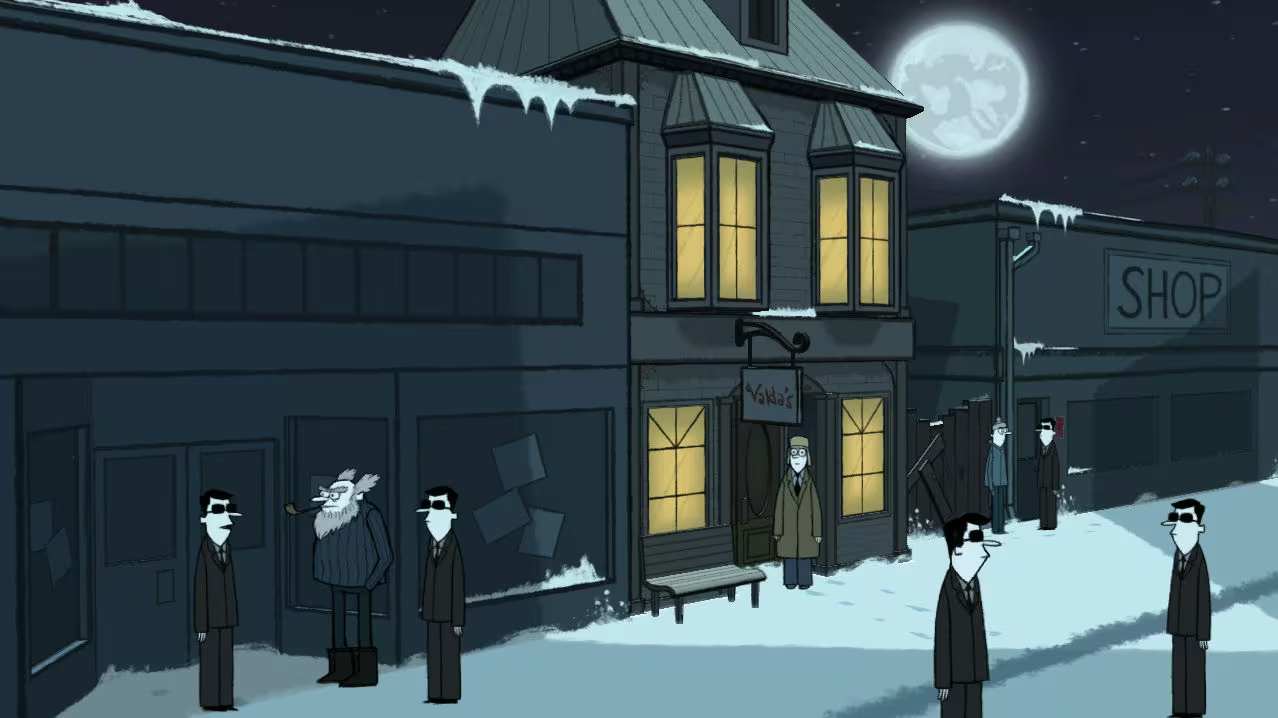
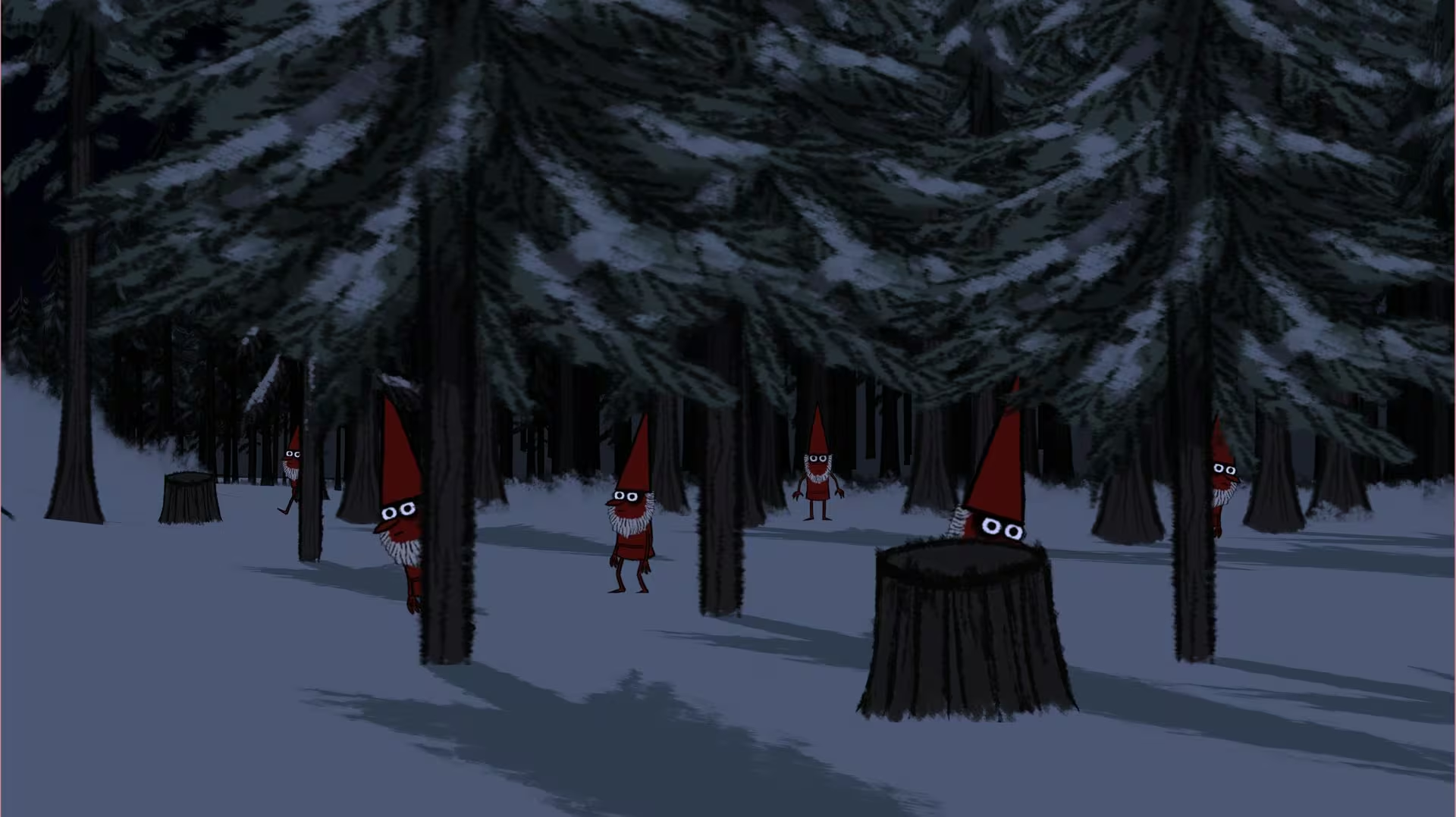
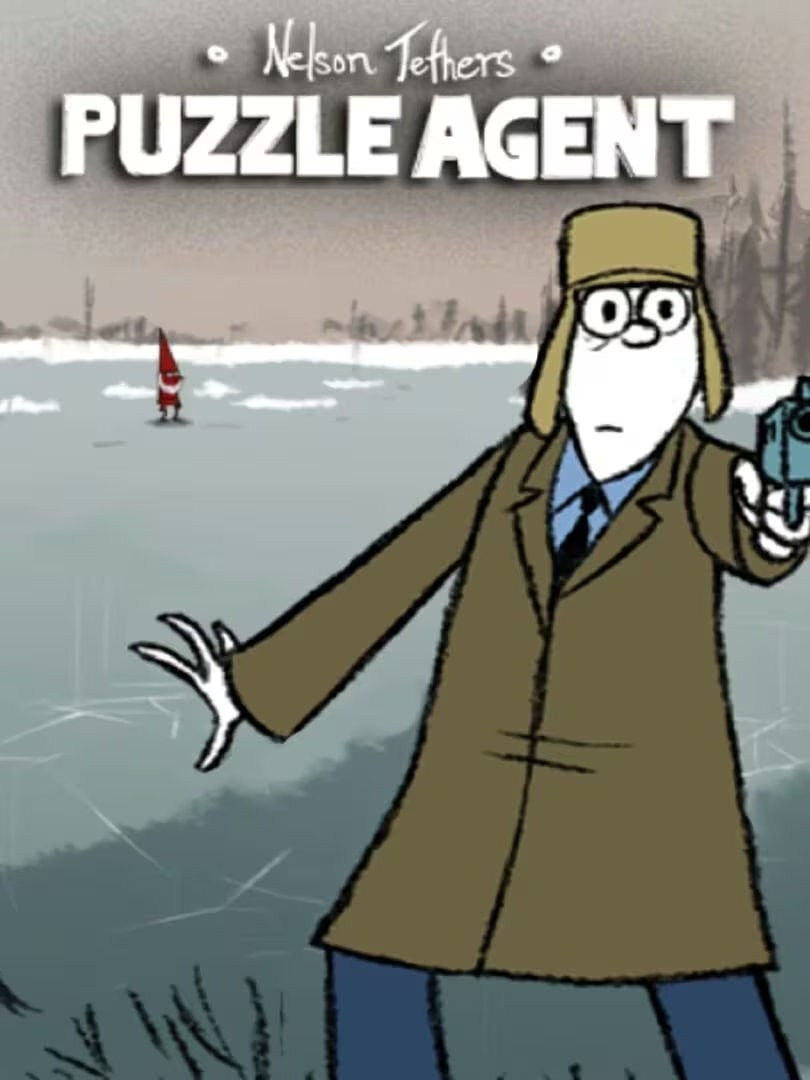
Agent Nelson Tethers just solved his biggest case yet. So why isn't he satisfied? Venture back to eerie Scoggins, Minnesota to solve the mystery of "the Hidden People" once and for all!

Global score

87/100

Genres

Action, Adventure, Casual, Point-and-click, Puzzle

Similar games

    Pros

    • Unique art style and atmosphere
    • Engaging and quirky story
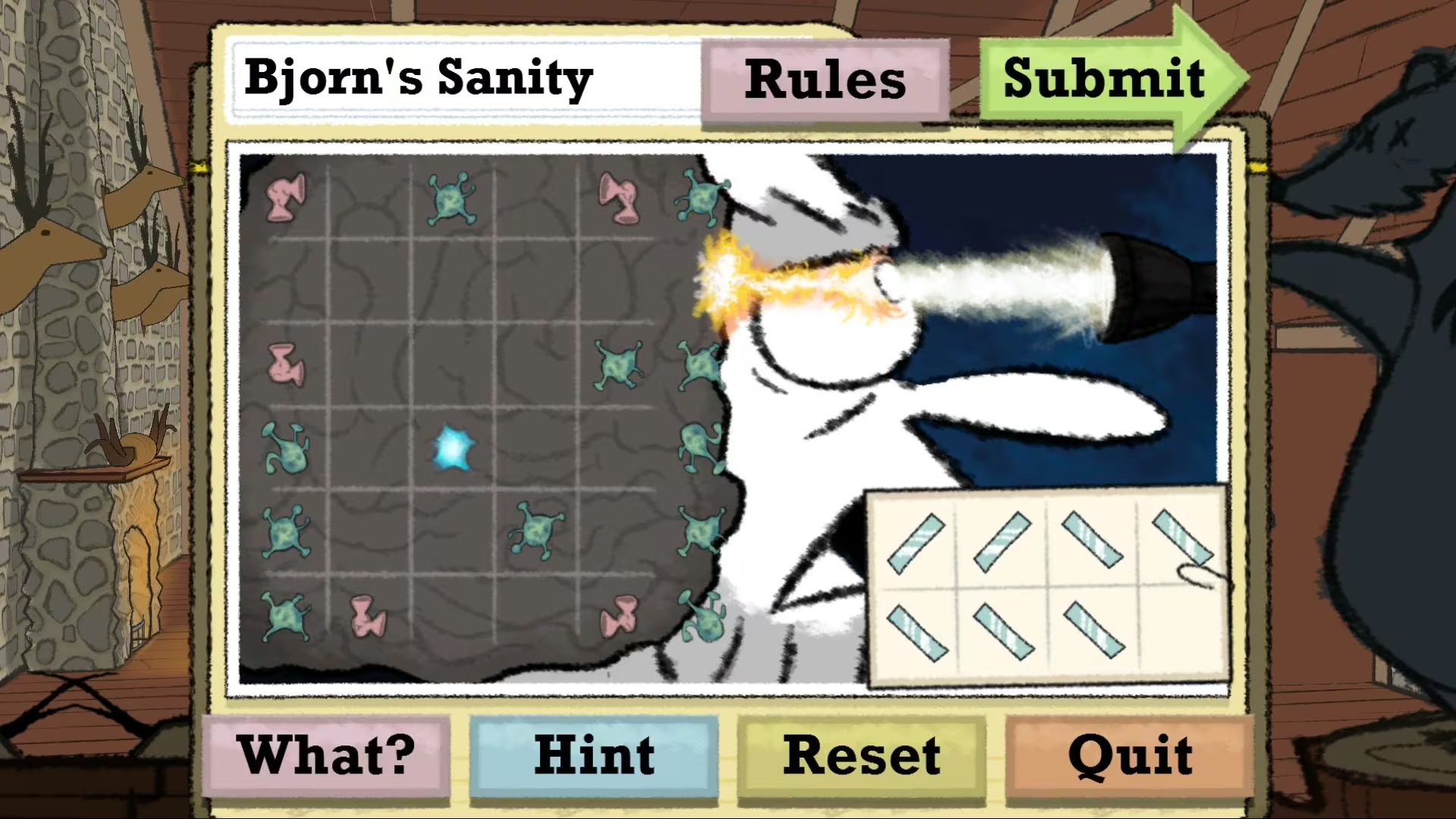
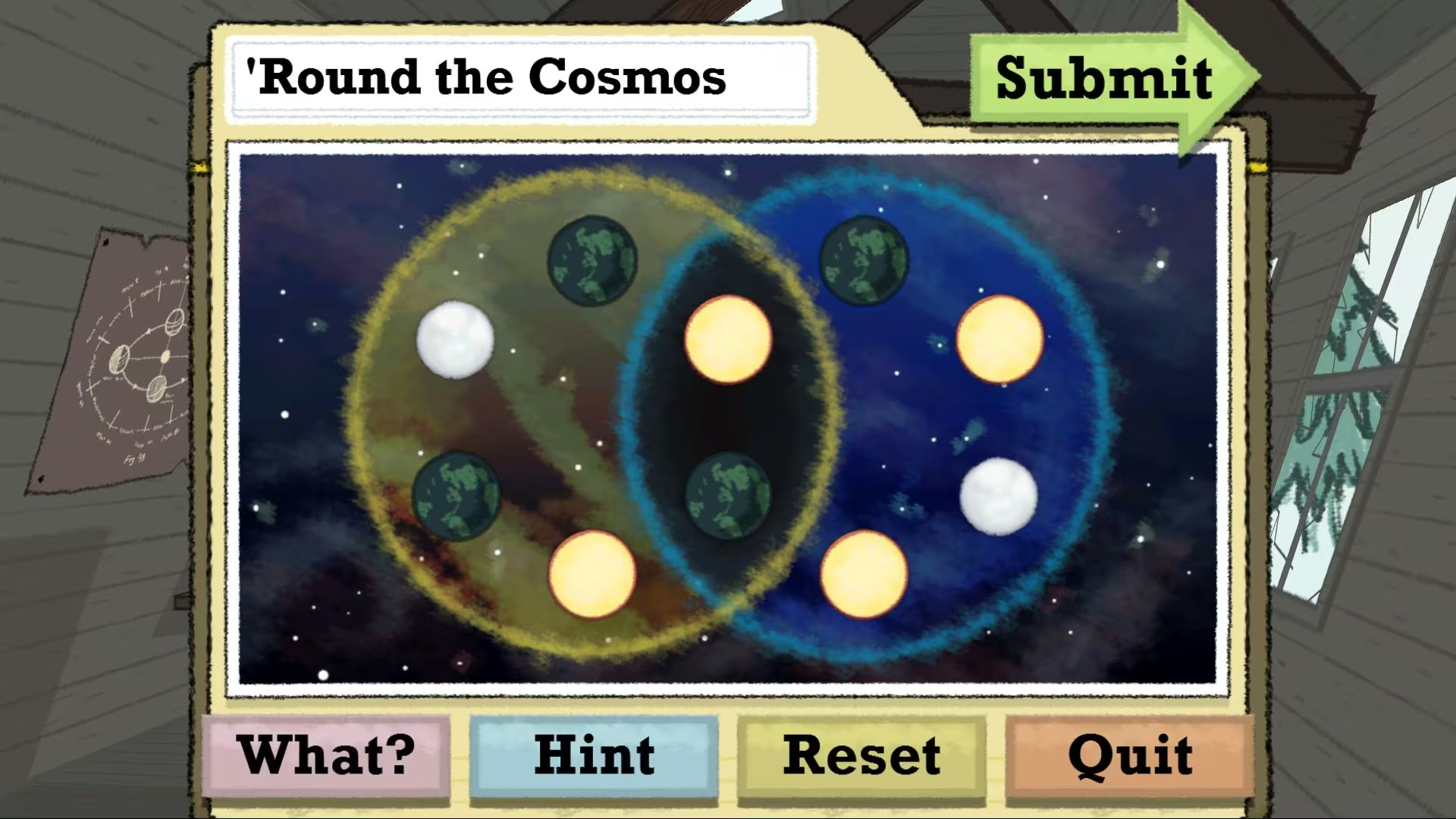
    • Varied and enjoyable puzzles
    • Good voice acting and sound design
    • Short and accessible gameplay

    Cons

    • Short playtime
    • Some puzzles repetitive or too easy
    • Story ending considered unsatisfying by some
    • Lack of puzzle variety and innovation
    • No multiplayer or social features

    Analysis

    Less representative of its motivational profile, with noticeable differences. Motivations that often define this kind of title include Survival, Violence, Fellowship, Expression. It leans lower than usual among comparable games on Expression, Exploration, Experimenting.

    How to use the graph
    Similar games map

    Each dot is a game. They are arranged from the same motivation profile as in the “Motivations” section below. Closer dots usually mean more similar reasons to play (exploration, competition, relaxation, etc.)—not that one game is “better” than another.

    • Larger dot with a light outline: the game you are viewing.
    • Colour: groups of games with comparable motivation patterns (statistical clusters).
    • Hover a dot to see the game name; click to open its page.
    • Scroll or double-click the chart to zoom out and see more games.

    Why don’t the axes read like a score? This view uses t-SNE: it only keeps who is close to whom. The scales are not “good to bad” or hours played—they separate groups on the map. Read distance between dots, not the axis numbers.

    Motivations

    • Autonomy
      3

      "Players can choose how to approach puzzles and explore the story at their own pace, with some freedom in puzzle solving and use of hints."

    • Competence
      3

      "Puzzles vary in difficulty, with some challenging ones requiring skill and logical thinking, while others are easier or repetitive."

    • Competition
      -4

      "Focus is on individual puzzle solving and story progression without competitive elements or comparison to others."

    • Continuation
      2

      "Players often play through the game in one or few sessions, with some desire to complete all puzzles and achievements."

    • Cooperation
      -5

      "Game is single-player focused with no cooperative or multiplayer features."

    • Creativity
      2

      "Players engage in solving puzzles that sometimes require creative thinking, but mostly use predefined puzzle formats."

    • Domination
      -5

      "No elements of exerting control or superiority over others; gameplay is solitary and non-confrontational."

    • Escapism
      3

      "The game offers a quirky, mysterious story and atmosphere that provides a distraction from real life."

    • Expectation
      -3

      "Players engage voluntarily out of interest in puzzles and story, with no external obligation or pressure."

    • Experimenting
      1

      "Some exploration of puzzle solutions and story outcomes, but mostly following established puzzle types and narrative."

    • Exploration
      1

      "Players explore a small town setting with some new locations, but largely familiar environments from the first game."

    • Expression
      -4

      "Limited customization or personalization; players experience a fixed story and character presentation."

    • Fantasy
      3

      "The story includes surreal, mysterious, and supernatural elements with a quirky, imaginative tone."

    • Fellowship
      -4

      "Minimal social interaction; the game is designed for solo play without community or social features."

    • Growth
      3

      "Players develop problem-solving skills and learn puzzle mechanics throughout the game."

    • Health
      -5

      "Sedentary gameplay typical of point-and-click puzzle games with no physical activity involved."

    • Idle
      -3

      "Requires focused attention to solve puzzles and follow story; not designed for passive or background play."

    • Intimacy
      -4

      "No close social relationships formed; interactions are limited to scripted character dialogues."

    • Leadership
      -5

      "No leadership or management roles; player follows a linear narrative without directing others."

    • Progression
      2

      "Progression through story and puzzle completion, with some collectible elements and achievements."

    • Relaxation
      3

      "Generally a relaxing experience with a balance of challenge and flow, supported by atmospheric art and music."

    • Sensation
      2

      "Enjoyable visual style and sound design provide pleasant sensory stimulation without intense excitement."

    • Status
      -4

      "Achievements exist but social recognition or status seeking is minimal and not a core motivation."

    • Story
      4

      "Strong narrative focus with continuing plot, character development, and mystery resolution."

    • Strategy
      2

      "Puzzles require logical thinking and problem solving, but overall gameplay is straightforward and linear."

    • Thrill
      1

      "Some suspense and mystery elements create mild tension, but overall experience is calm and quirky."

    • Value
      3

      "Good value especially on sale; short playtime but satisfying puzzle and story content for price."

    • Violence
      -5

      "No violence or destructive gameplay; focus is on constructive puzzle solving and story exploration."

    • Survival
      -5

      "No survival or threat avoidance mechanics; gameplay occurs in stable, low-risk conditions."

    Last update: 29/04/2026