Faefever Thumbnail

Faefever similar games & best alternatives

Faefever

PC (Microsoft Windows) • 2020

Related articles

Quick resume

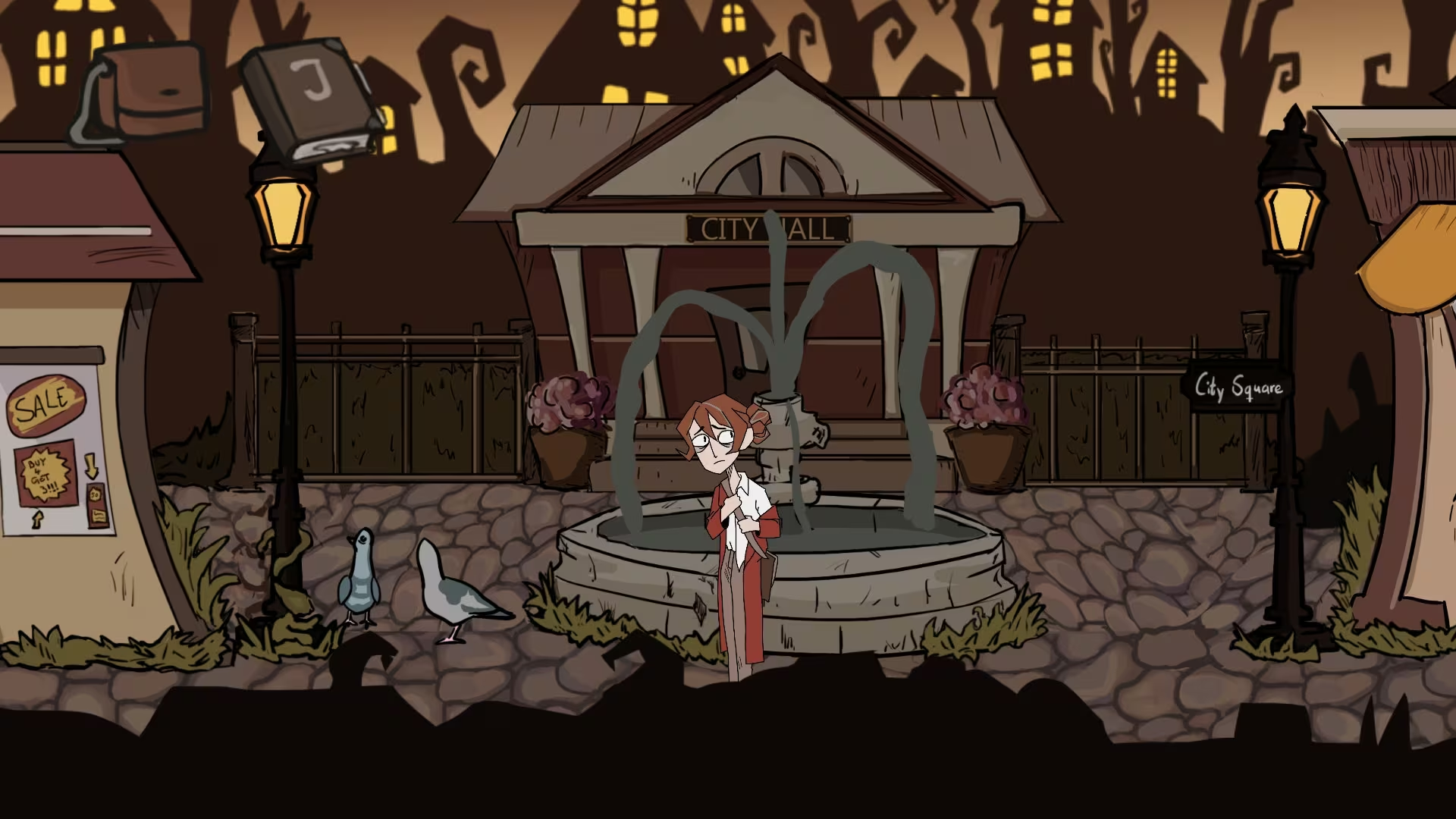
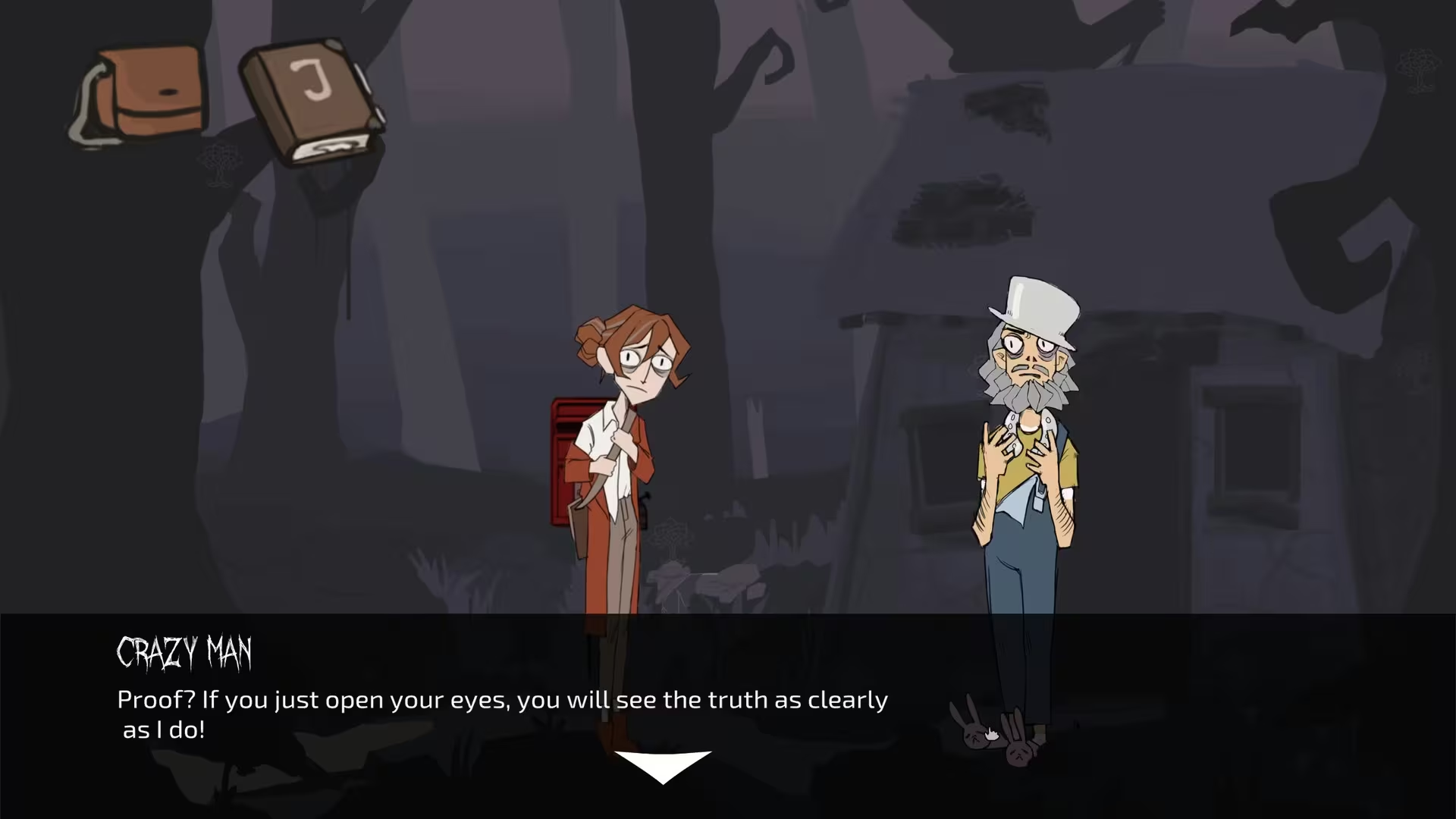
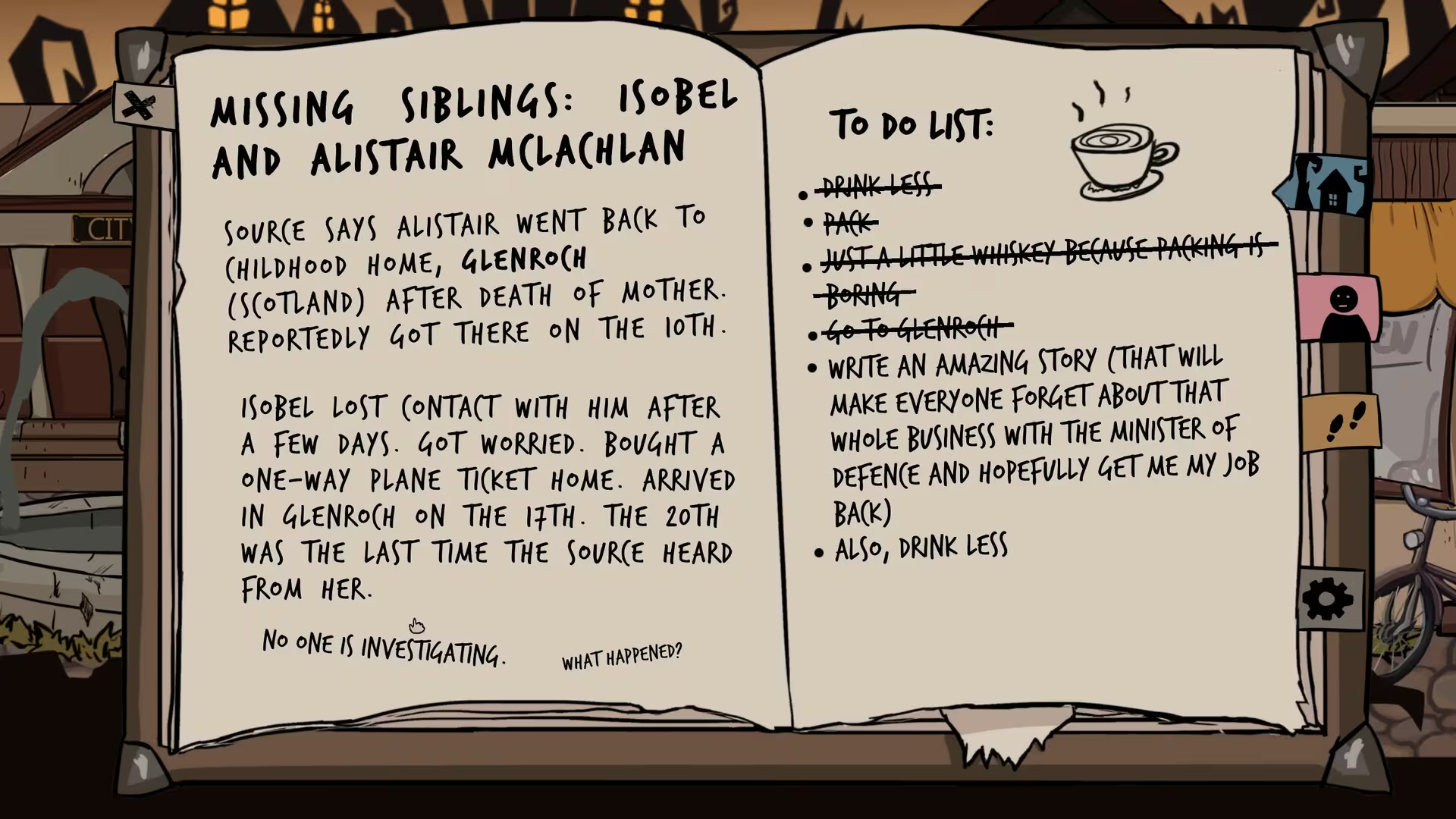
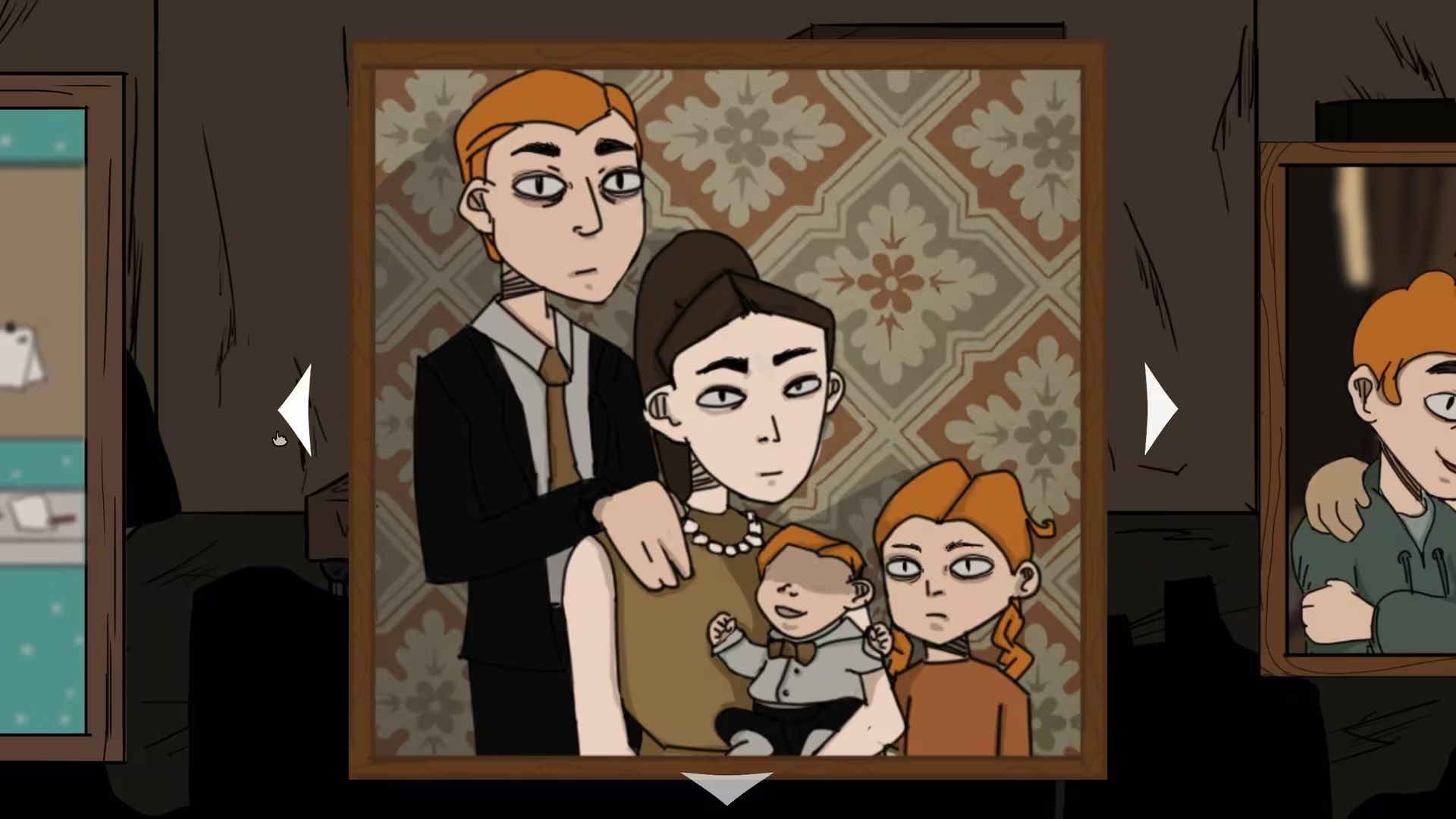
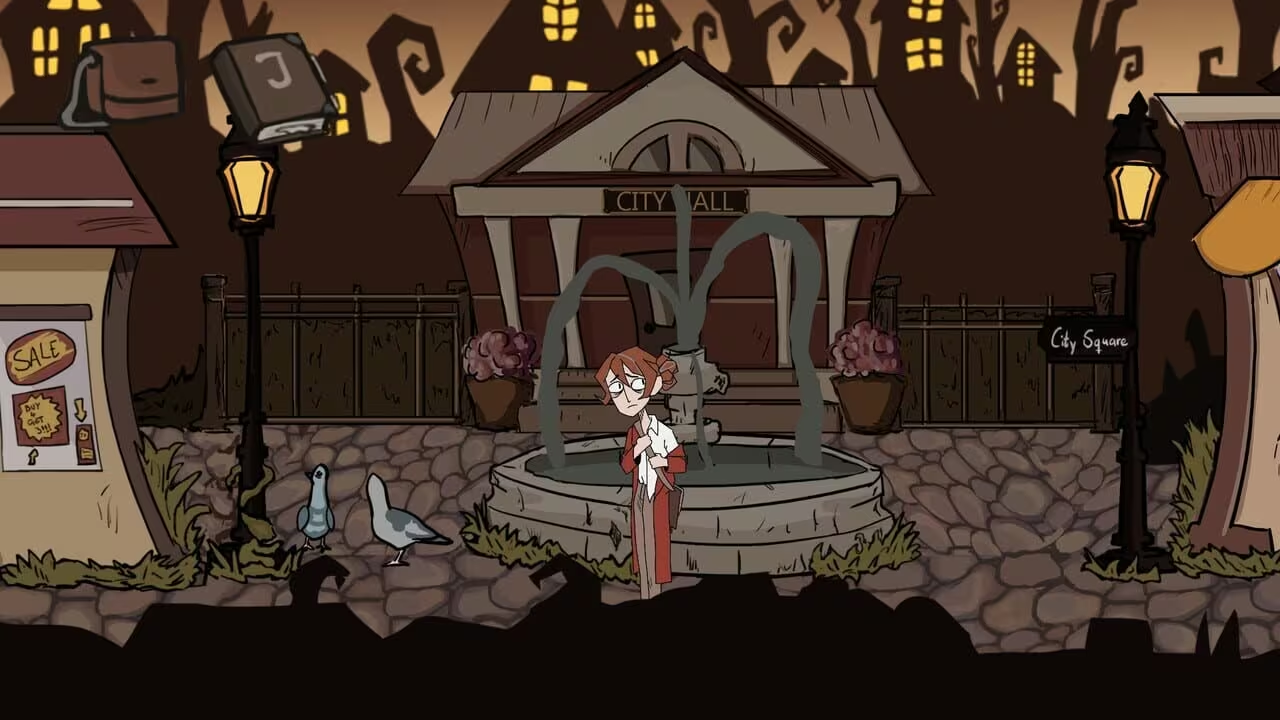
Faefever tells the story of a troubled journalist trying to uncover the mystery of a missing brother and sister in the small town of Glenroch, where not all things are as they seem.

Global score

87/100

Genres

Adventure, Casual, Free To Play, Indie, Puzzle

Similar games

    Pros

    • Interesting mystery story with fantasy elements
    • Multiple puzzle solutions encouraging experimentation
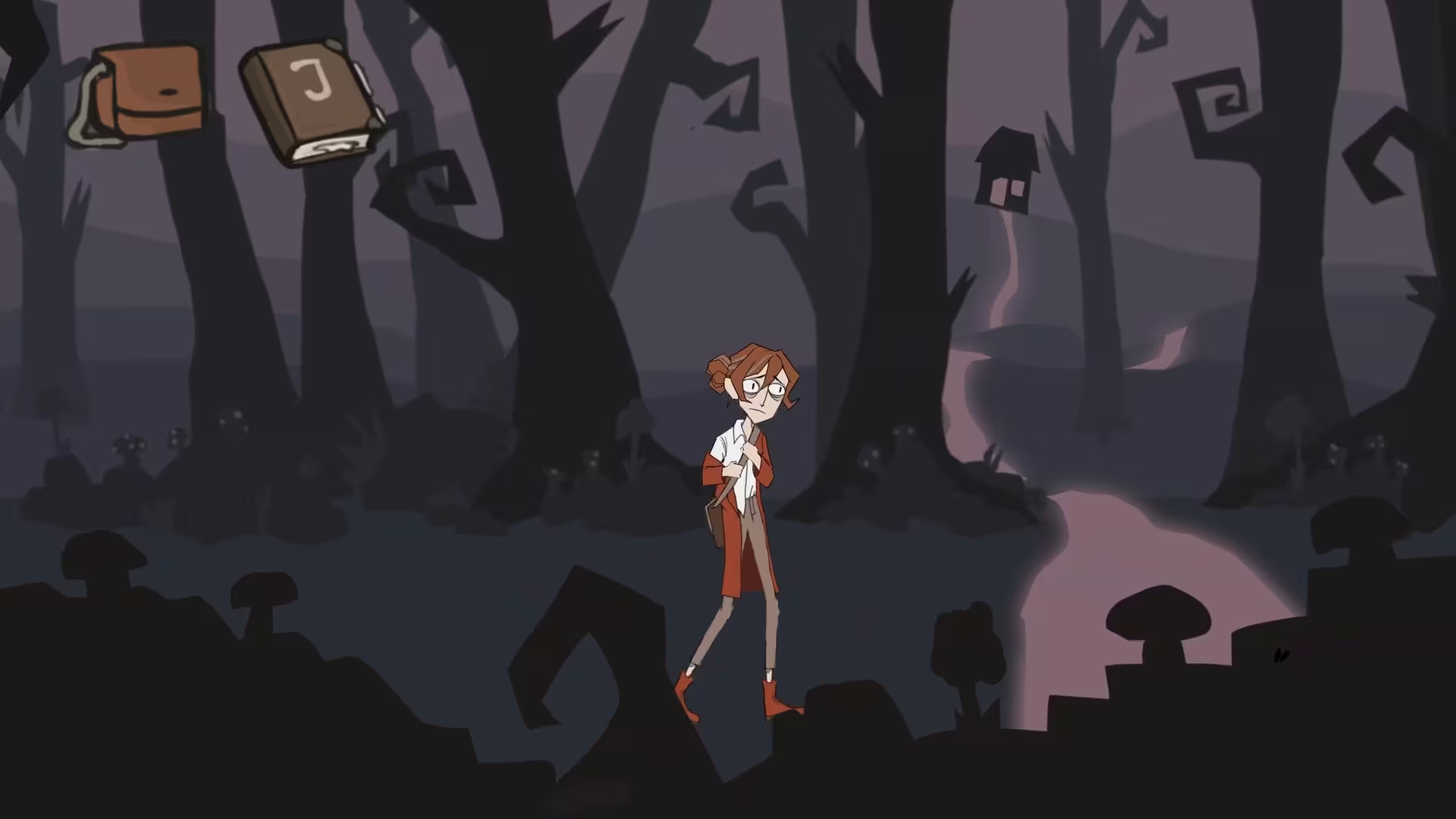
    • Atmospheric art style and music
    • Free to play
    • Intuitive point-and-click mechanics

    Cons

    • Very short gameplay with abrupt and unsatisfying ending
    • Some bugs and technical issues reported
    • Limited character interaction and narrative depth
    • No multiplayer or social features
    • Minimal replayability and progression depth

    Analysis

    Less representative of its motivational profile, with noticeable differences. Motivations that often define this kind of title include Survival, Violence, Fellowship, Expression. Here, the score leans higher than usual among comparable games on Thrill, Value. It leans lower than usual among comparable games on Continuation.

    How to use the graph
    Similar games map

    Each dot is a game. They are arranged from the same motivation profile as in the “Motivations” section below. Closer dots usually mean more similar reasons to play (exploration, competition, relaxation, etc.)—not that one game is “better” than another.

    • Larger dot with a light outline: the game you are viewing.
    • Colour: groups of games with comparable motivation patterns (statistical clusters).
    • Hover a dot to see the game name; click to open its page.
    • Scroll or double-click the chart to zoom out and see more games.

    Why don’t the axes read like a score? This view uses t-SNE: it only keeps who is close to whom. The scales are not “good to bad” or hours played—they separate groups on the map. Read distance between dots, not the axis numbers.

    Motivations

    • Autonomy
      3

      "Players can make dialogue choices and solve puzzles in multiple ways, but the overall story progression is mostly linear with limited impact from choices."

    • Competence
      2

      "Puzzles provide some challenge and require problem solving, but are generally intuitive and not highly complex."

    • Competition
      -5

      "No evidence of competitive elements; focus is on single-player experience without comparison to others."

    • Continuation
      -3

      "Short playtime (~30-60 minutes) with limited replayability; players often desire more content but do not engage in long or habitual play."

    • Cooperation
      -5

      "Single-player point-and-click adventure with no multiplayer or cooperative gameplay."

    • Creativity
      2

      "Players can solve puzzles in multiple ways and explore some branching dialogue, encouraging some creative problem solving."

    • Domination
      -5

      "No evidence of exerting control or superiority over others; interactions are narrative-driven and cooperative in tone."

    • Escapism
      4

      "Players use the game as a short immersive escape into a mysterious, supernatural story with atmospheric art and music."

    • Expectation
      -4

      "Players engage voluntarily out of interest and enjoyment; no indication of obligation or external pressure to play."

    • Experimenting
      2

      "Multiple puzzle solutions and branching dialogue encourage some experimentation, though overall gameplay is structured."

    • Exploration
      1

      "Limited number of locations to explore; some environmental discovery but mostly familiar and small settings."

    • Expression
      -3

      "Limited customization or self-expression; players interact with preset characters and environments without personalization."

    • Fantasy
      5

      "Strong supernatural and mythical themes involving fae, mystery, and fantasy storytelling."

    • Fellowship
      -5

      "No social or community features; entirely single-player experience."

    • Growth
      1

      "Some learning through puzzle solving and narrative understanding, but limited depth and short duration."

    • Health
      -5

      "Sedentary gameplay typical of point-and-click adventure games."

    • Idle
      -3

      "Requires focused attention to solve puzzles and follow story; not designed for casual or background play."

    • Intimacy
      -4

      "Limited social interaction; character relationships are narrative only with minimal emotional depth."

    • Leadership
      -5

      "No leadership or group management elements; single-player narrative focus."

    • Progression
      2

      "Players collect items and advance through puzzles and story, showing some sense of progression."

    • Relaxation
      3

      "Atmospheric and immersive experience with balanced challenge; some players find it relaxing despite minor tension."

    • Sensation
      3

      "Enjoyable art style, music, and atmospheric audio provide sensory stimulation and emotional engagement."

    • Status
      -5

      "No social recognition or status systems; individual play without social evaluation."

    • Story
      4

      "Narrative-driven game with mystery and branching dialogue; story is a major motivation despite an abrupt ending."

    • Strategy
      1

      "Some puzzle solving and logical thinking required, but overall straightforward gameplay."

    • Thrill
      2

      "Mild suspense and eerie atmosphere provide some thrill, but gameplay is low risk and controlled."

    • Value
      5

      "Free game with good quality art, music, and story offers excellent value for time invested."

    • Violence
      -3

      "Minimal violence; interactions focus on puzzle solving and narrative rather than combat or destruction."

    • Survival
      -5

      "No survival or resource management elements; stable and safe game environment."

    Last update: 29/04/2026