Rune Factory: Guardians of Azuma Thumbnail

Rune Factory: Guardians of Azuma similar games & best alternatives

Rune Factory: Guardians of Azuma

PC (Microsoft Windows), Nintendo Switch 2, Nintendo Switch, PlayStation 5 • 2025

Related articles

Quick resume

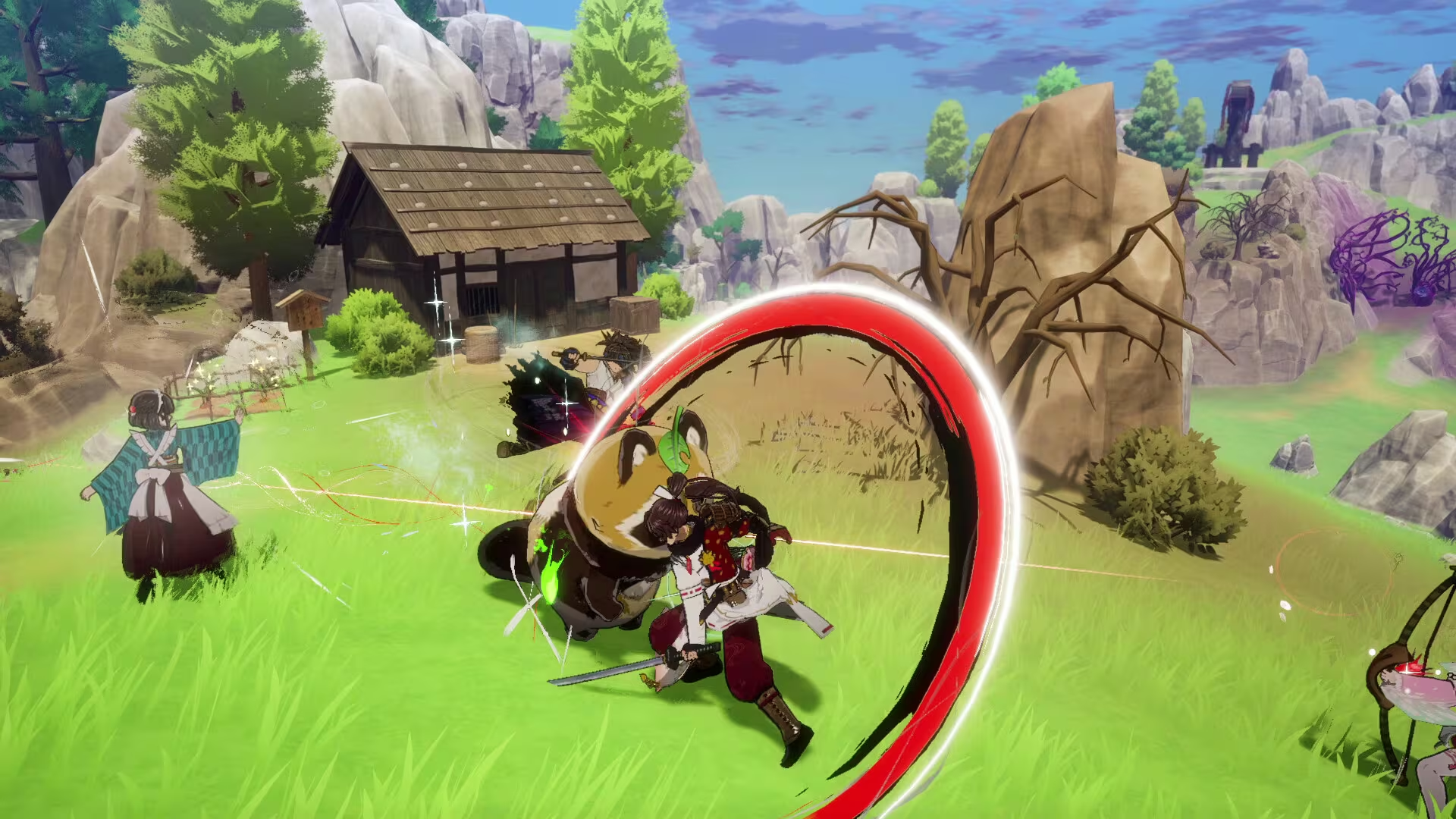
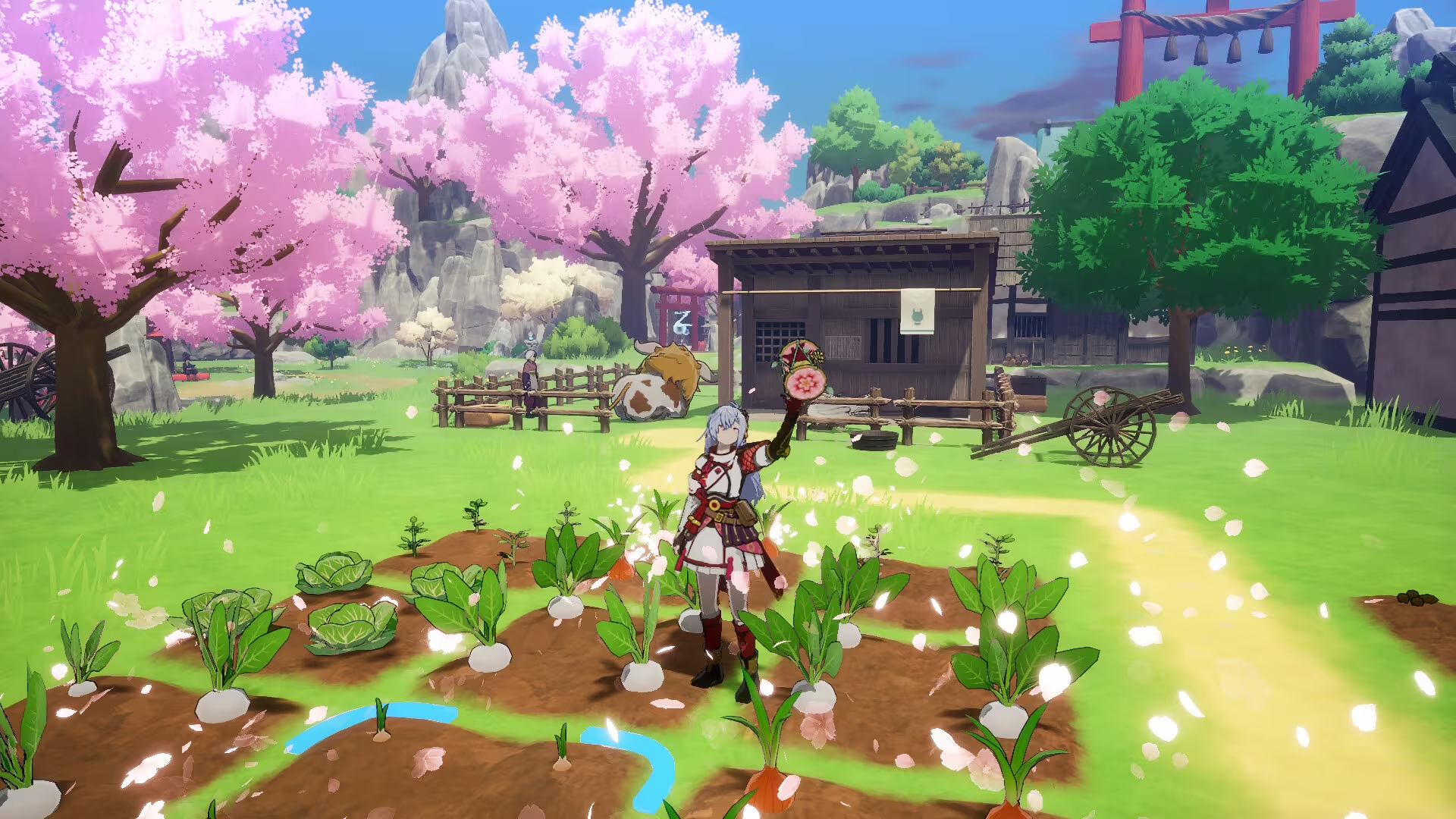
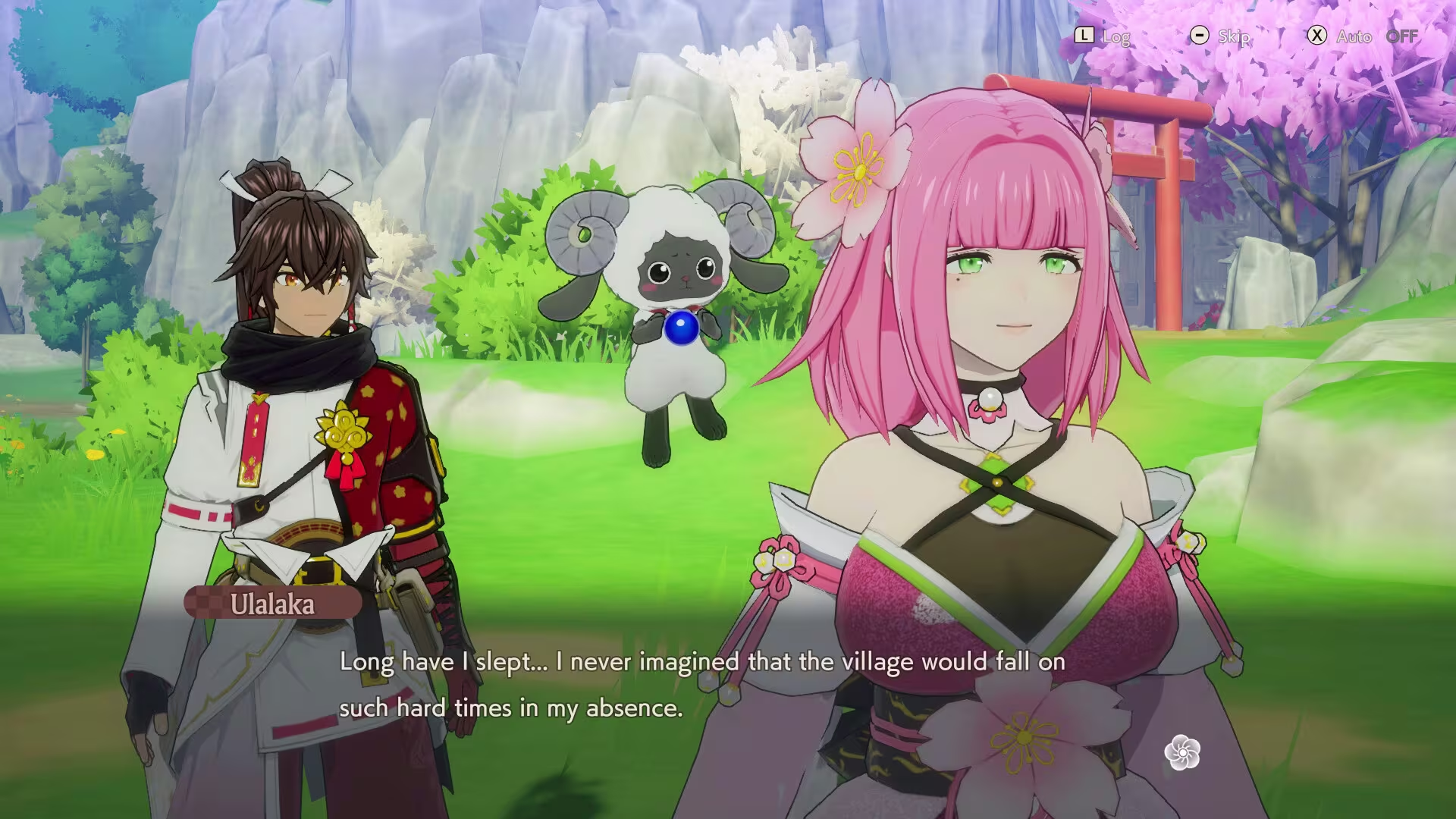
Welcome to the eastern nation of Azuma! In this fresh take on Rune Factory, use your powers as an Earth Dancer to restore the land, its people, and even its gods. Along the way, battle corrupted monsters, rebuild seasonal farms and villages, and form bonds with the colorful locals.

Global score

88/100

Genres

Action, Adventure, Role-playing (RPG), Simulator

Similar games

    Pros

    • Engaging story and characters
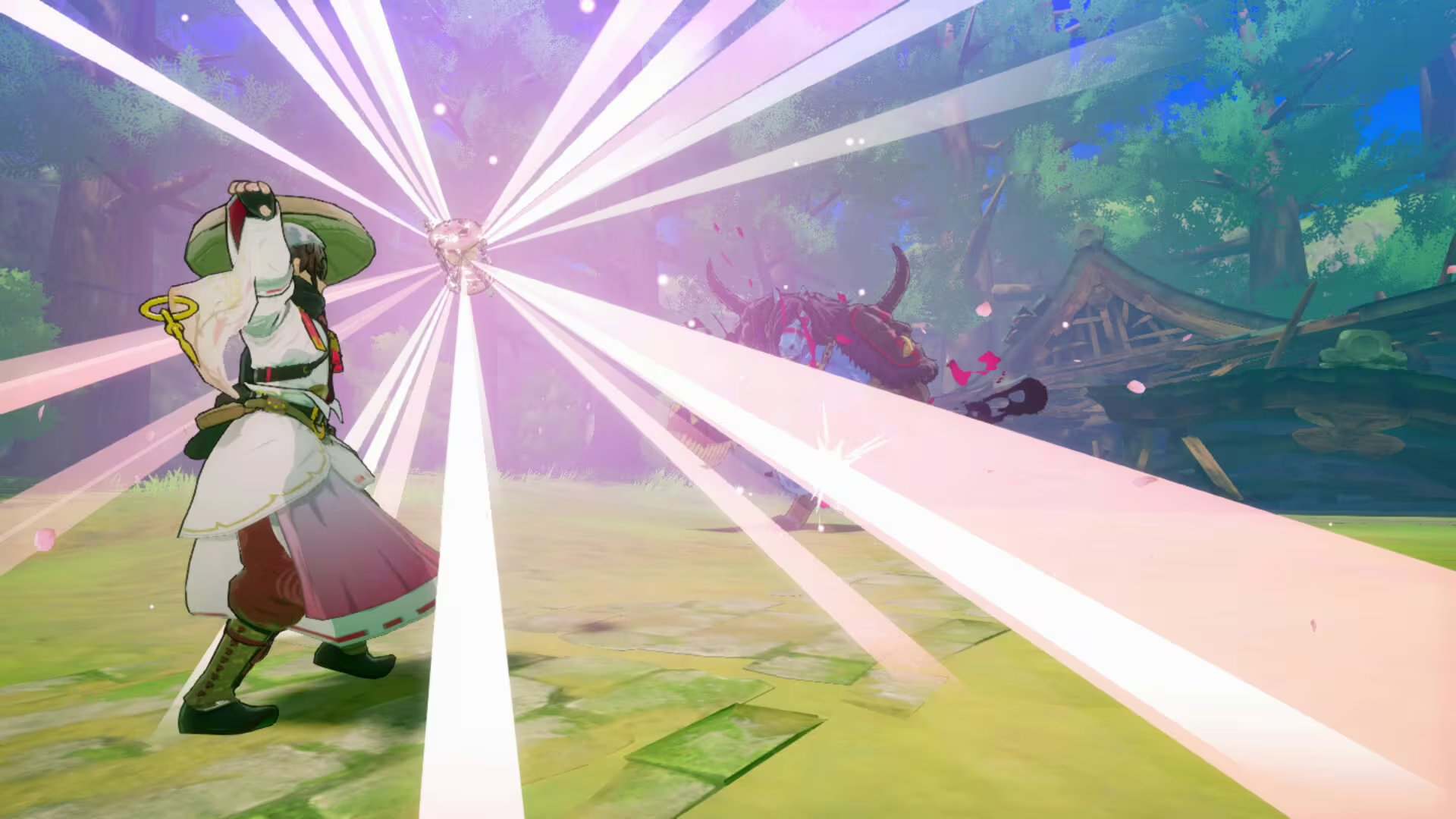
    • Smooth and satisfying combat
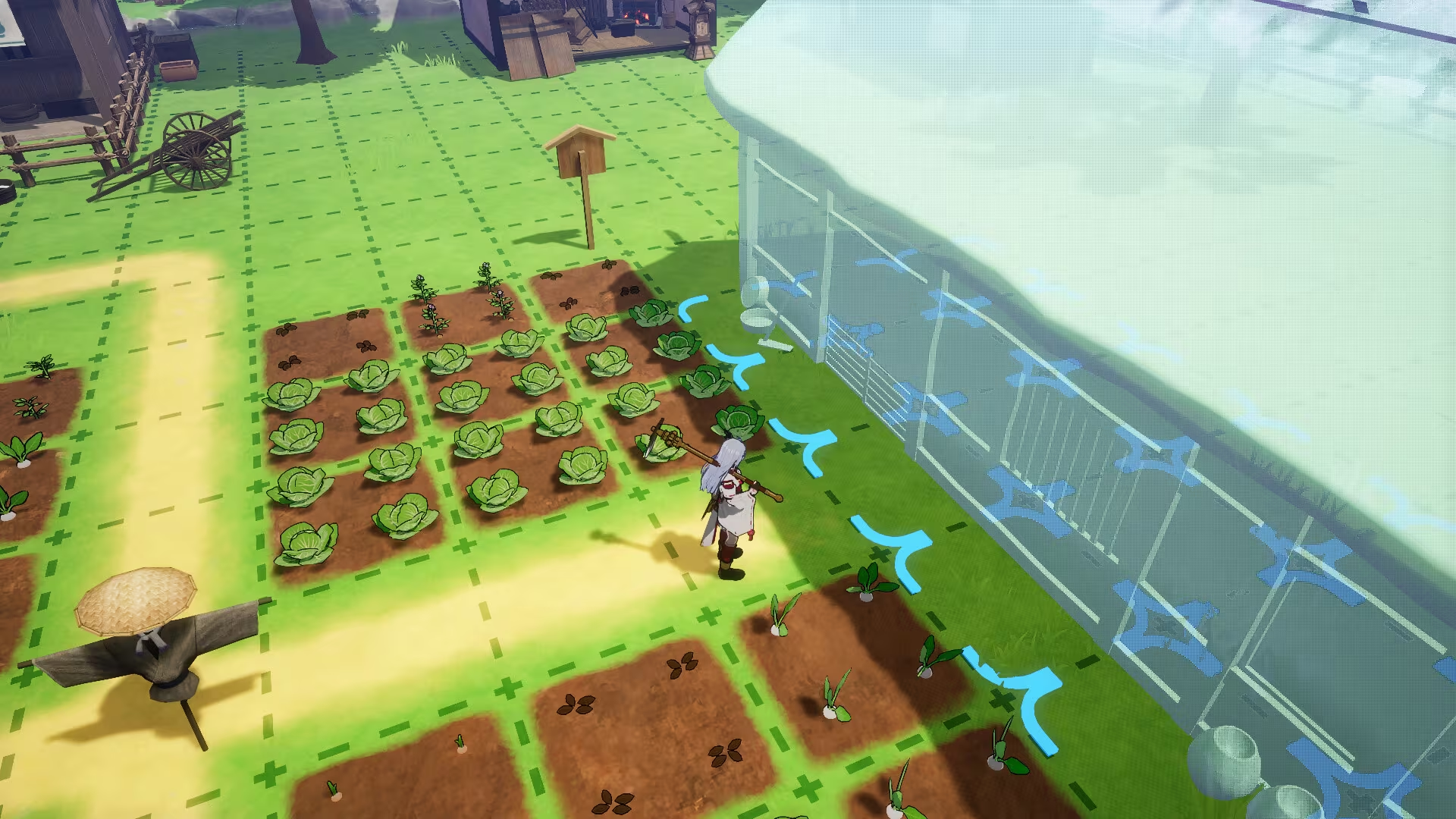
    • Cozy village building and decoration
    • Quality of life improvements
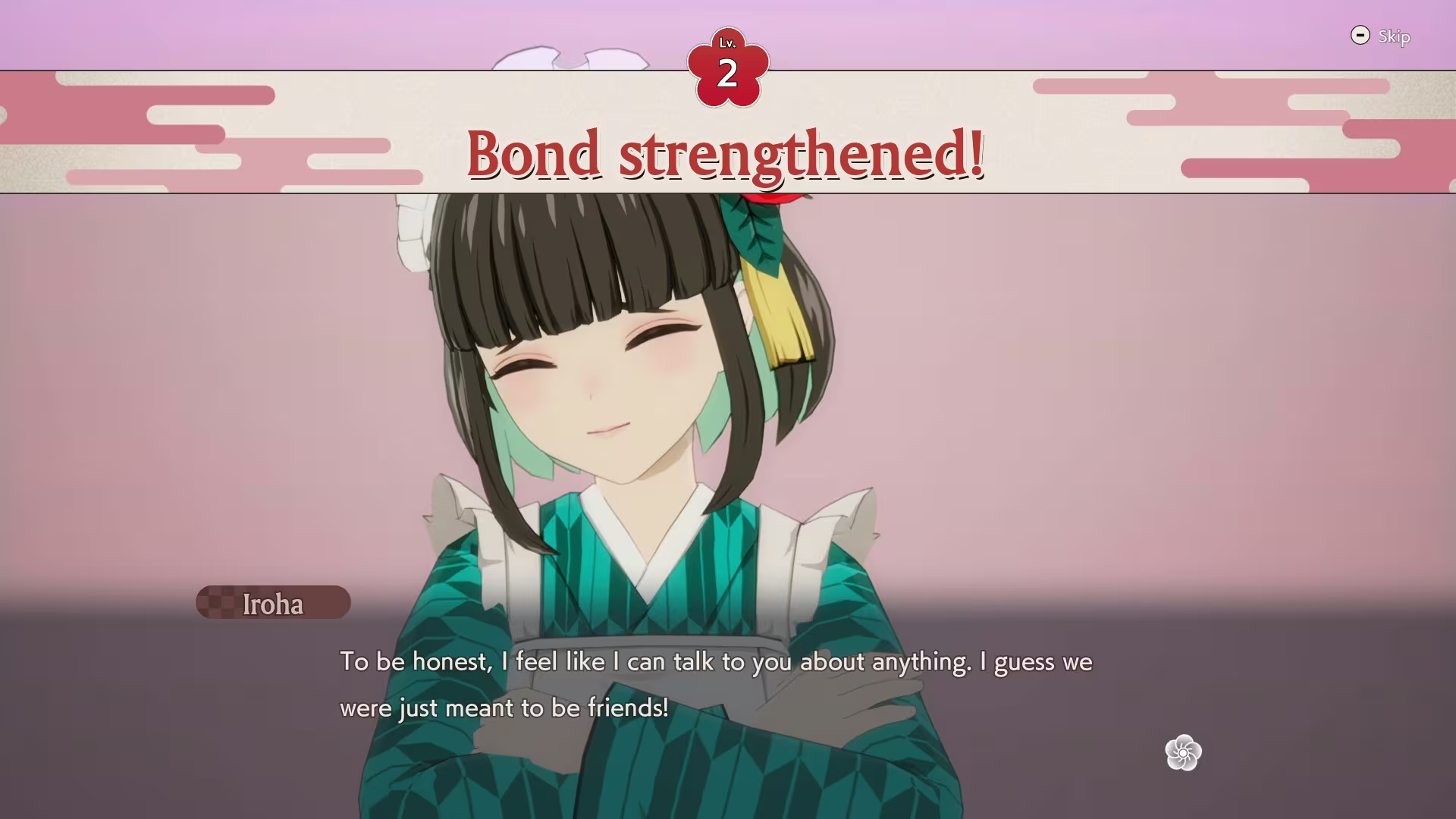
    • Strong social and romance systems

    Cons

    • Simplified farming and crafting may disappoint purists
    • Some repetitive combat and bosses
    • Limited character customization
    • Villager ai can be frustrating
    • Dlc locks some romance characters

    Analysis

    Broadly representative of its motivational profile, with a few distinct shifts. Motivations that often define this kind of title include Cooperation, Fellowship, Intimacy, Leadership. Here, the score leans higher than usual among comparable games on Intimacy, Leadership. It leans lower than usual among comparable games on Survival.

    How to use the graph
    Similar games map

    Each dot is a game. They are arranged from the same motivation profile as in the “Motivations” section below. Closer dots usually mean more similar reasons to play (exploration, competition, relaxation, etc.)—not that one game is “better” than another.

    • Larger dot with a light outline: the game you are viewing.
    • Colour: groups of games with comparable motivation patterns (statistical clusters).
    • Hover a dot to see the game name; click to open its page.
    • Scroll or double-click the chart to zoom out and see more games.

    Why don’t the axes read like a score? This view uses t-SNE: it only keeps who is close to whom. The scales are not “good to bad” or hours played—they separate groups on the map. Read distance between dots, not the axis numbers.

    Motivations

    • Autonomy
      3

      "Players can freely assign villagers to tasks or do farming and exploration themselves; some automation but player-directed decisions"

    • Competence
      2

      "Combat is simple but satisfying; farming and crafting are streamlined and less skill-intensive than previous RF games"

    • Competition
      -3

      "Focus is on personal progression and story; no mention of ranked or PvP competition"

    • Continuation
      4

      "Players report spending many hours, enjoying long sessions and habitual play"

    • Cooperation
      3

      "Players can add party members and villagers assist with farming and gathering, promoting teamwork"

    • Creativity
      3

      "Village building and decorating allows player customization and creative expression"

    • Domination
      -4

      "Interactions emphasize mutual respect and bonding; no evidence of power imposition or trash talk"

    • Escapism
      4

      "Players use the game as a relaxing, immersive fantasy escape with engaging story and characters"

    • Expectation
      -4

      "Players engage voluntarily out of interest and enjoyment, not obligation or pressure"

    • Experimenting
      3

      "Players explore new mechanics like skill trees, village management, and party combat"

    • Exploration
      4

      "Game features large maps, multiple villages, and floating islands encouraging discovery"

    • Expression
      3

      "Character customization limited but village decoration and outfit choices allow self-expression"

    • Fantasy
      4

      "Set in a Japanese fantasy world with gods, magic relics, and mythical creatures"

    • Fellowship
      4

      "Strong community feeling through bonding events, social activities, and party interactions"

    • Growth
      3

      "Skill trees and relationship building provide learning and personal development opportunities"

    • Health
      -4

      "Primarily sedentary gameplay with no physical activity or exercise elements"

    • Idle
      -3

      "Requires active engagement and focus; no background or idle play reported"

    • Intimacy
      4

      "Romance and friendship systems foster close emotional relationships with characters"

    • Leadership
      3

      "Player leads villagers by assigning jobs and managing the town; some group management"

    • Progression
      4

      "Players accumulate items, upgrades, and develop villages over time"

    • Relaxation
      4

      "Game praised for being cozy, chill, and relaxing with a smooth gameplay flow"

    • Sensation
      3

      "Enjoyable visuals, music, and character animations provide sensory pleasure"

    • Status
      -3

      "Focus on personal story and relationships rather than social recognition or leaderboards"

    • Story
      4

      "Narrative immersion with voiced characters, engaging plot, and character development"

    • Strategy
      2

      "Some strategic elements in combat, village management, and skill tree allocation"

    • Thrill
      1

      "Combat has some excitement but overall gameplay is calm and low risk"

    • Value
      3

      "Players feel the game offers good return on time invested with many hours of content"

    • Violence
      2

      "Combat involves fighting monsters but is not overly violent or destructive"

    • Survival
      -2

      "Game operates in stable conditions with minimal threat or resource scarcity"

    Last update: 29/04/2026