Shadow Empire Thumbnail

Shadow Empire similar games & best alternatives
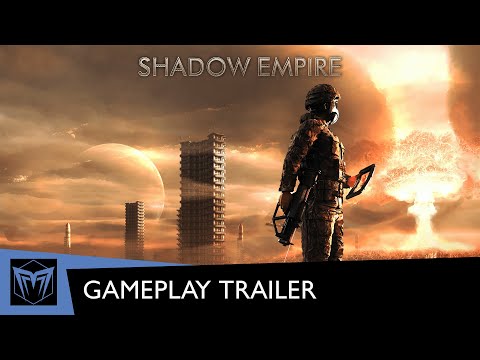
Shadow Empire

PC (Microsoft Windows) • 2020

Related articles

Quick resume

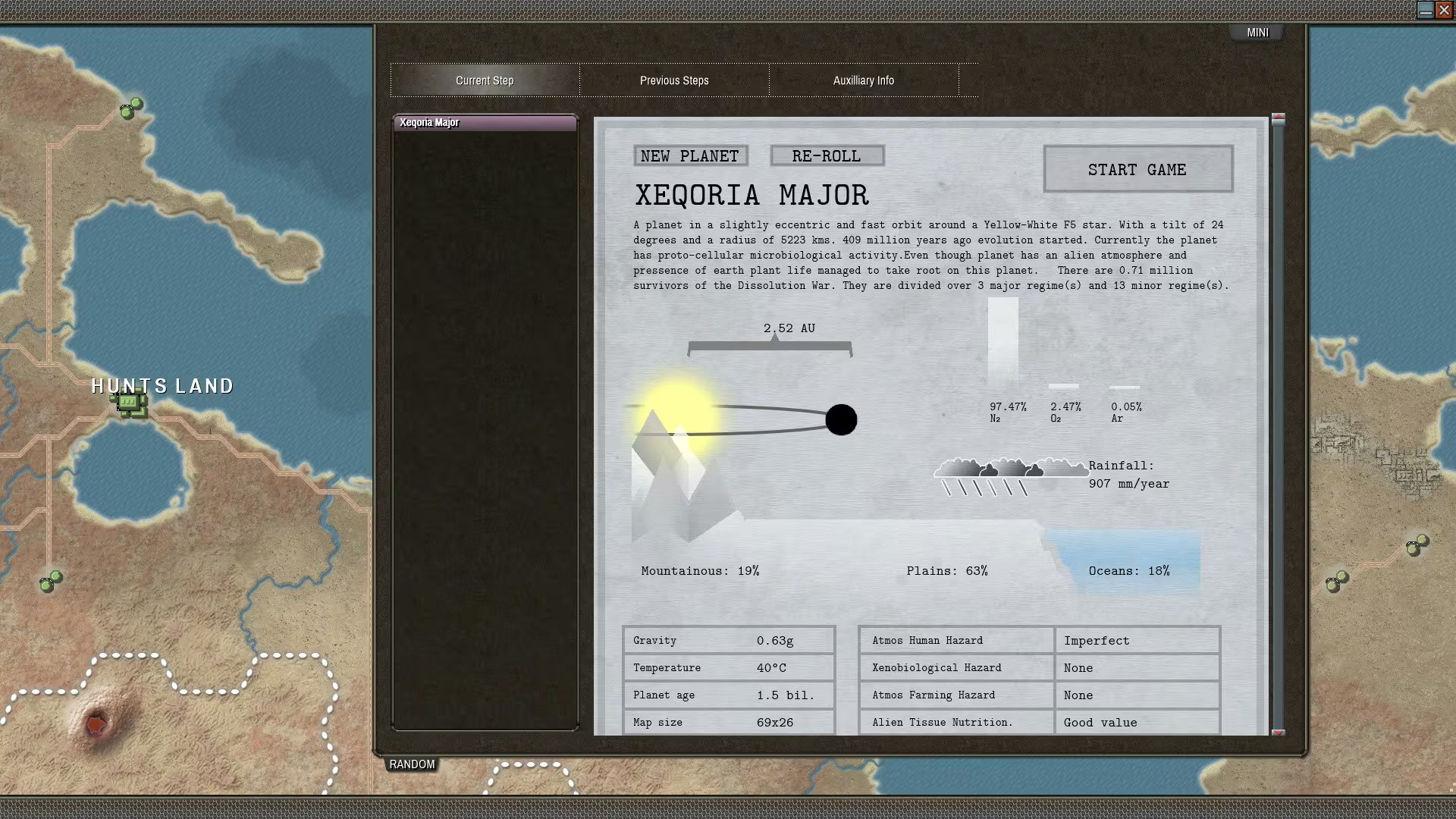
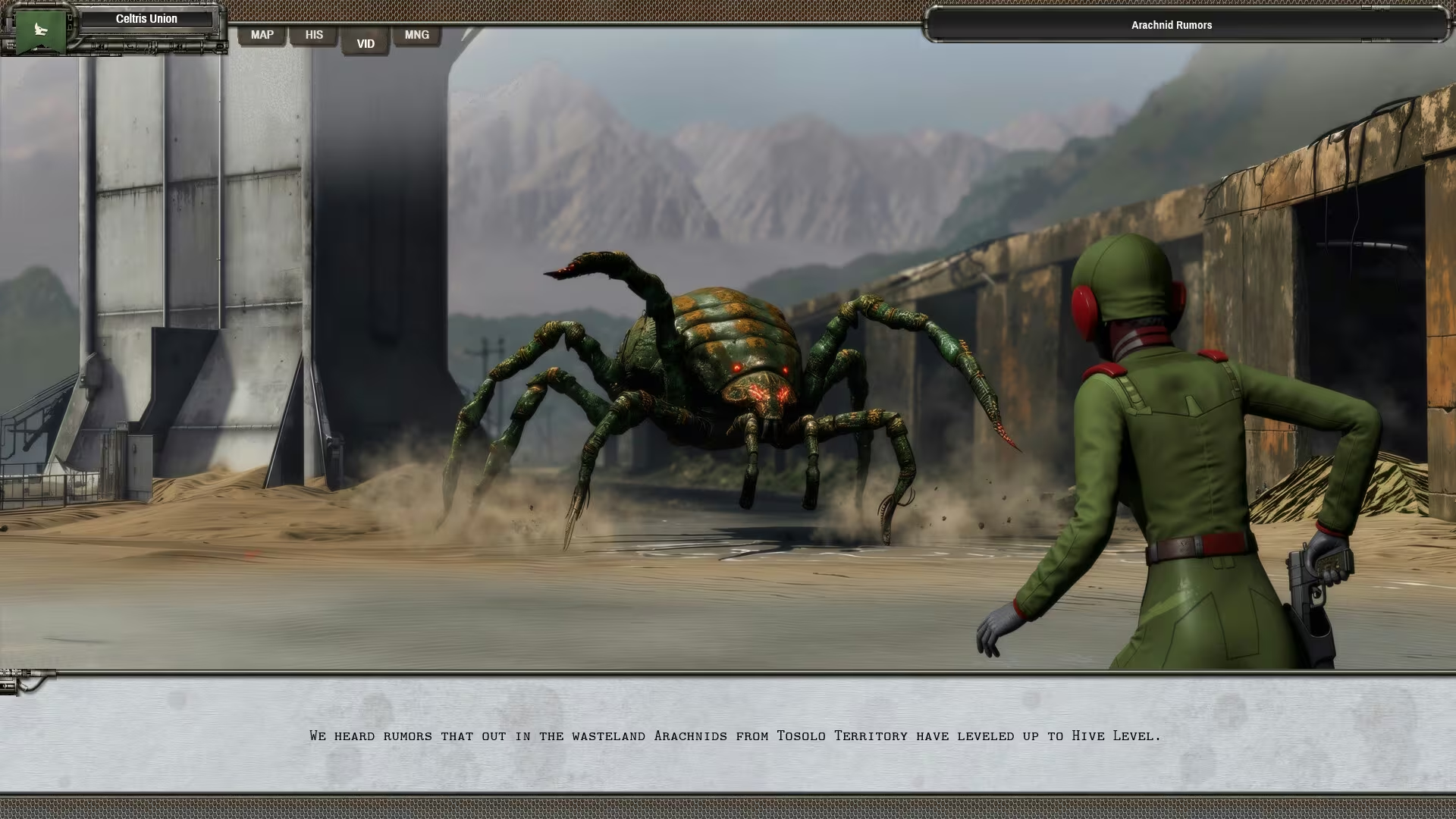
Shadow Empire is a deep turn-based 4X wargame with a unique blend of military focus, procedurally generated content and role-playing features. Players take the seat of the supreme ruler of a small nation, with the goal of reconquering a devastated planet.

Global score

84/100

Genres

Role-playing (RPG), Simulator, Strategy, Turn-based strategy (TBS), Tactical

Similar games

    Pros

    • Deep and complex gameplay systems
    • High replayability with procedural generation
    • Immersive sci-fi post-apocalyptic setting
    • Extensive player control and customization
    • Active developer with ongoing updates

    Cons

    • Steep learning curve requiring manual and tutorials
    • Clunky and unintuitive user interface
    • Long ai turn processing times
    • Minimal graphics and sound design
    • Limited multiplayer and social features

    Analysis

    Less representative of its motivational profile, with noticeable differences. Motivations that often define this kind of title include Leadership, Survival, Violence, Strategy. Here, the score leans higher than usual among comparable games on Competition, Domination. It leans lower than usual among comparable games on Sensation.

    How to use the graph
    Similar games map

    Each dot is a game. They are arranged from the same motivation profile as in the “Motivations” section below. Closer dots usually mean more similar reasons to play (exploration, competition, relaxation, etc.)—not that one game is “better” than another.

    • Larger dot with a light outline: the game you are viewing.
    • Colour: groups of games with comparable motivation patterns (statistical clusters).
    • Hover a dot to see the game name; click to open its page.
    • Scroll or double-click the chart to zoom out and see more games.

    Why don’t the axes read like a score? This view uses t-SNE: it only keeps who is close to whom. The scales are not “good to bad” or hours played—they separate groups on the map. Read distance between dots, not the axis numbers.

    Motivations

    • Autonomy
      4

      "Players have extensive control over political, economic, military, and logistical decisions with many options and strategies."

    • Competence
      5

      "High skill ceiling with complex mechanics requiring planning, problem solving, and mastery of detailed systems."

    • Competition
      3

      "Includes multiplayer and AI opponents with strategic competition, but also supports solo play and personal goals."

    • Continuation
      5

      "Players report hundreds of hours played with deep engagement and replayability due to procedural generation."

    • Cooperation
      1

      "Some multiplayer via PBEM exists but game is primarily single-player focused with limited cooperative play."

    • Creativity
      4

      "Players design units, customize armies, and shape political regimes and planetary conditions."

    • Domination
      2

      "Competitive conquest and warfare with some player rivalry but no emphasis on trash talk or social dominance."

    • Escapism
      4

      "Immersive sci-fi post-apocalyptic setting provides strong escape from real life."

    • Expectation
      -4

      "Players engage voluntarily out of interest and passion rather than obligation or external pressure."

    • Experimenting
      5

      "Strong encouragement to try different planets, political systems, unit designs, and strategies."

    • Exploration
      4

      "Procedurally generated planets and histories encourage discovery and adaptation."

    • Expression
      3

      "Customization of units, leaders, and political regimes allows for player expression."

    • Fantasy
      3

      "Fictional sci-fi setting with imaginative alien worlds and post-apocalyptic narrative."

    • Fellowship
      -2

      "Primarily single-player experience with some community interaction but limited social gameplay."

    • Growth
      5

      "Steep learning curve and ongoing player skill development over hundreds of hours."

    • Health
      -5

      "Sedentary gameplay requiring long focused sessions."

    • Idle
      -4

      "Requires sustained attention and long turn processing times."

    • Intimacy
      -4

      "Minimal social interaction beyond strategic multiplayer; mostly solitary play."

    • Leadership
      4

      "Players lead entire empires, manage cabinets, armies, and political factions."

    • Progression
      5

      "Strong emphasis on technological research, unit upgrades, and territorial expansion."

    • Relaxation
      -3

      "Complexity and micromanagement create sustained tension rather than relaxation."

    • Sensation
      -2

      "Visuals are minimal and functional; stimulation comes from strategic depth rather than sensory input."

    • Status
      -3

      "Limited social recognition; achievements are personal rather than publicly acknowledged."

    • Story
      4

      "Procedural lore and planetary history create immersive narrative context."

    • Strategy
      5

      "Heavy emphasis on mental challenge, planning, and problem solving."

    • Thrill
      3

      "Tense logistics and warfare create suspense and excitement."

    • Value
      4

      "Players report high value for time invested due to depth and replayability."

    • Violence
      4

      "Combat and destruction are central gameplay elements."

    • Survival
      4

      "Managing resources and avoiding failure through logistics and warfare is key."

    Last update: 29/04/2026