Old World Thumbnail

Old World similar games & best alternatives
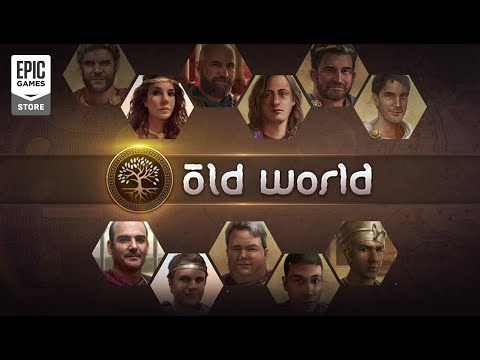
Old World

PC (Microsoft Windows), Mac, Linux • 2022

Related articles

Quick resume

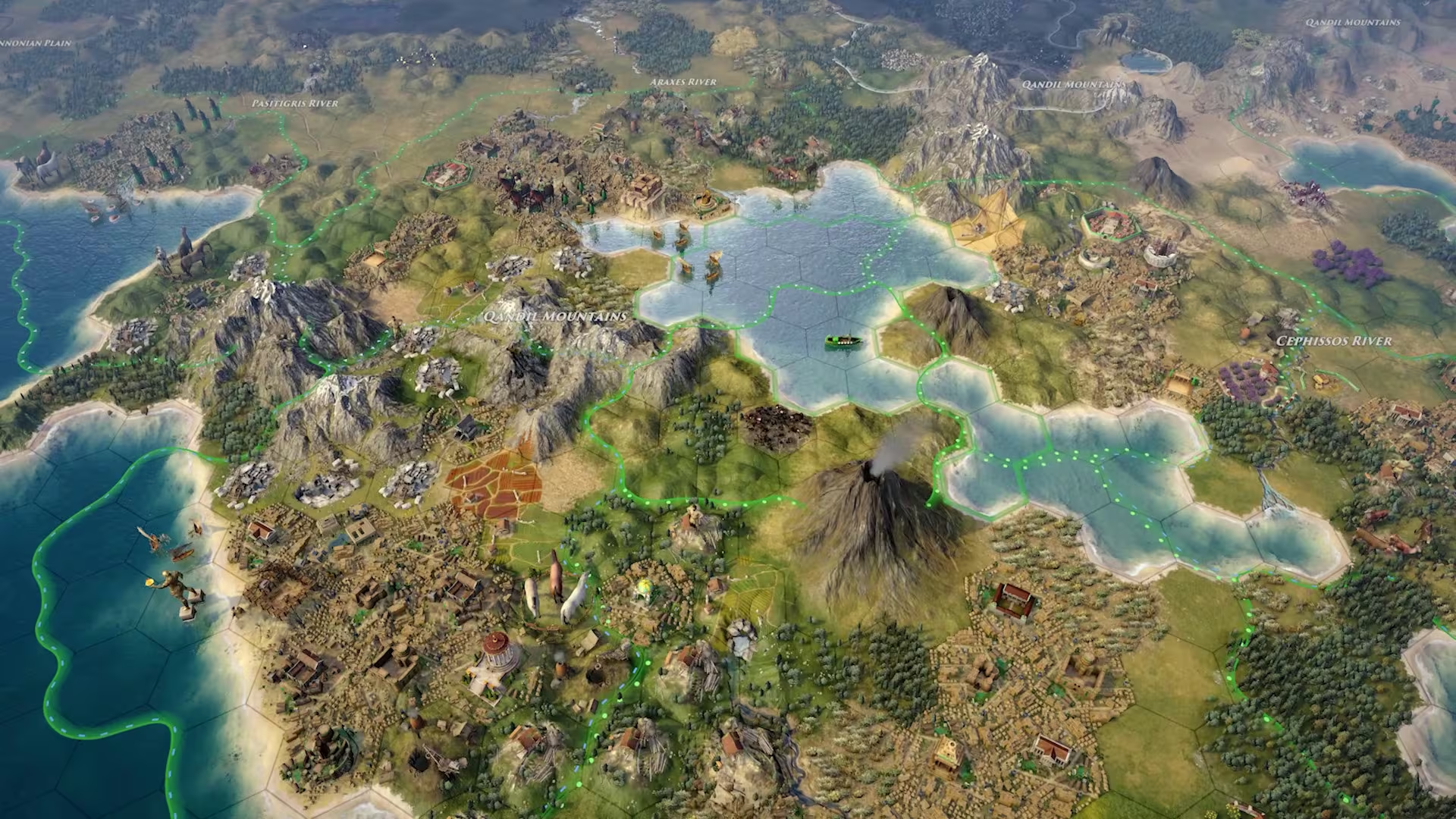
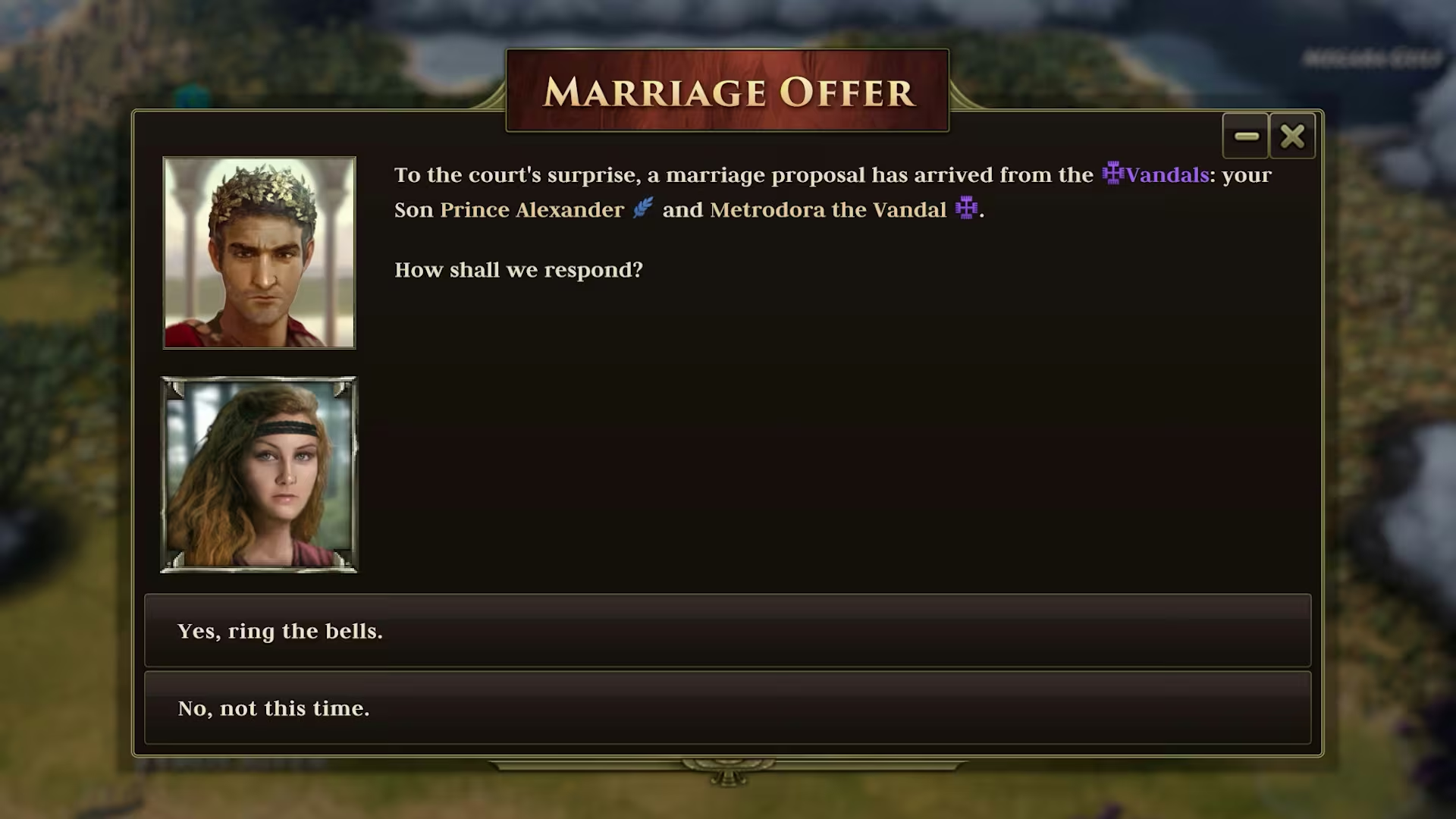
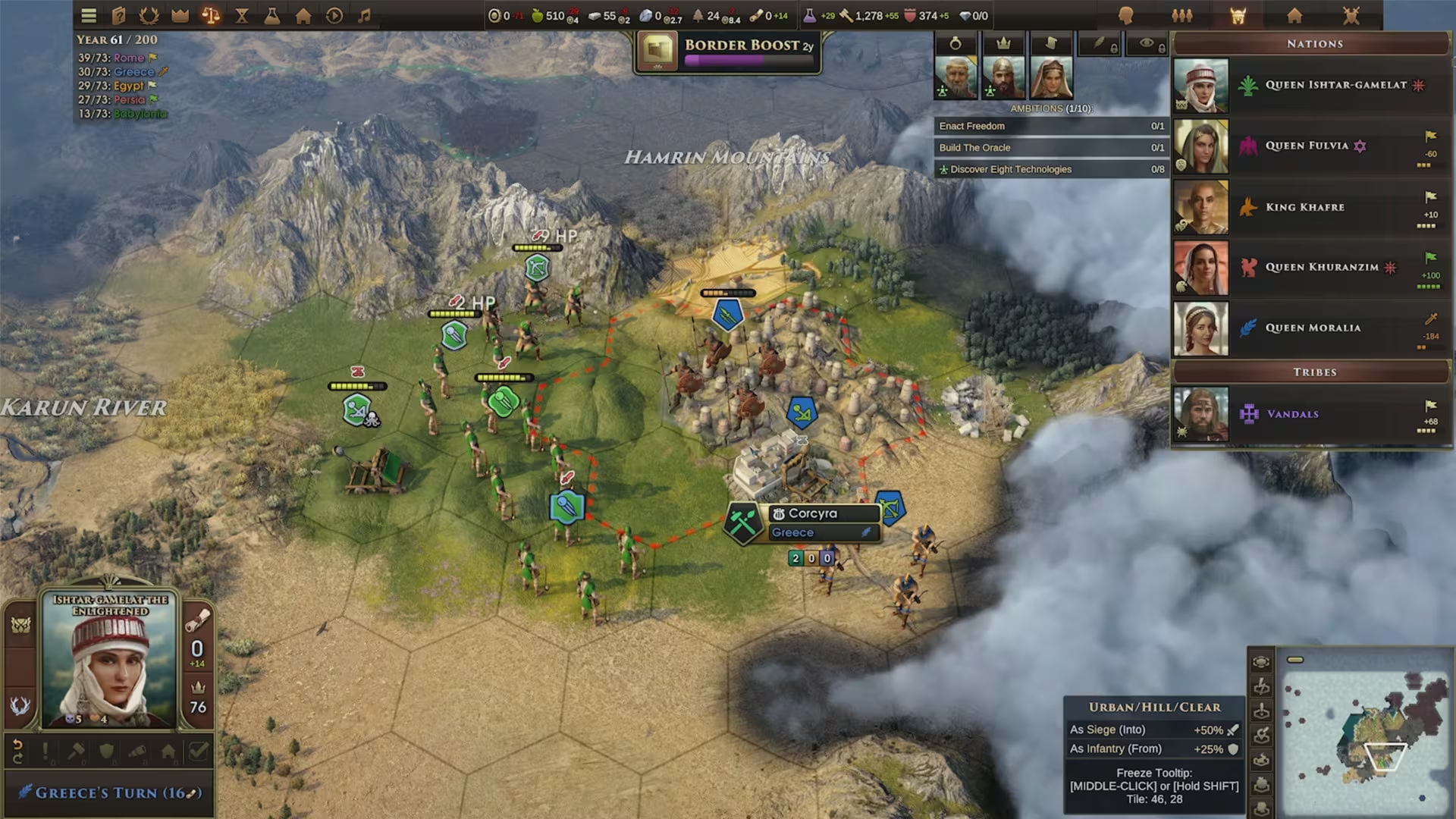
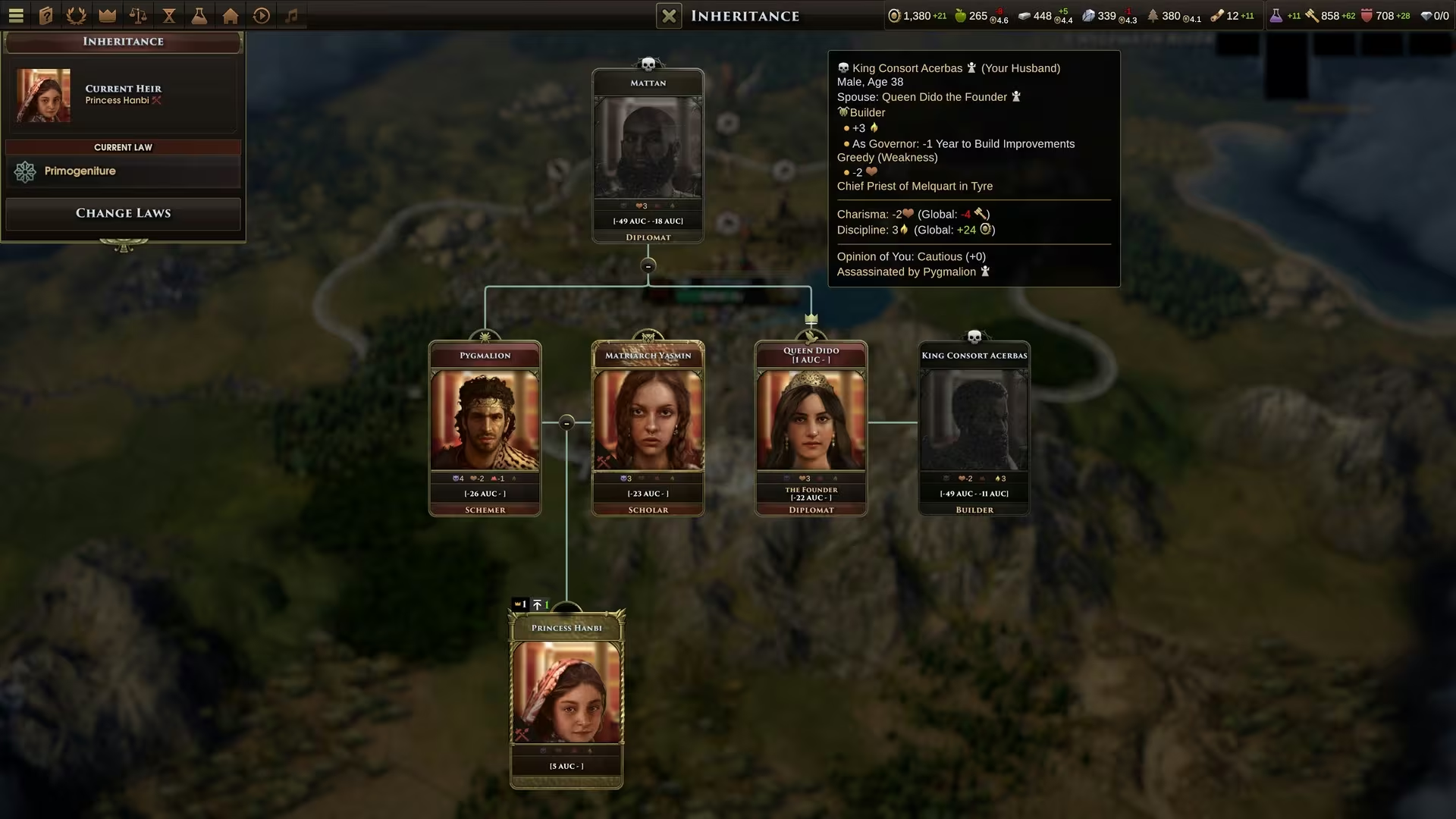
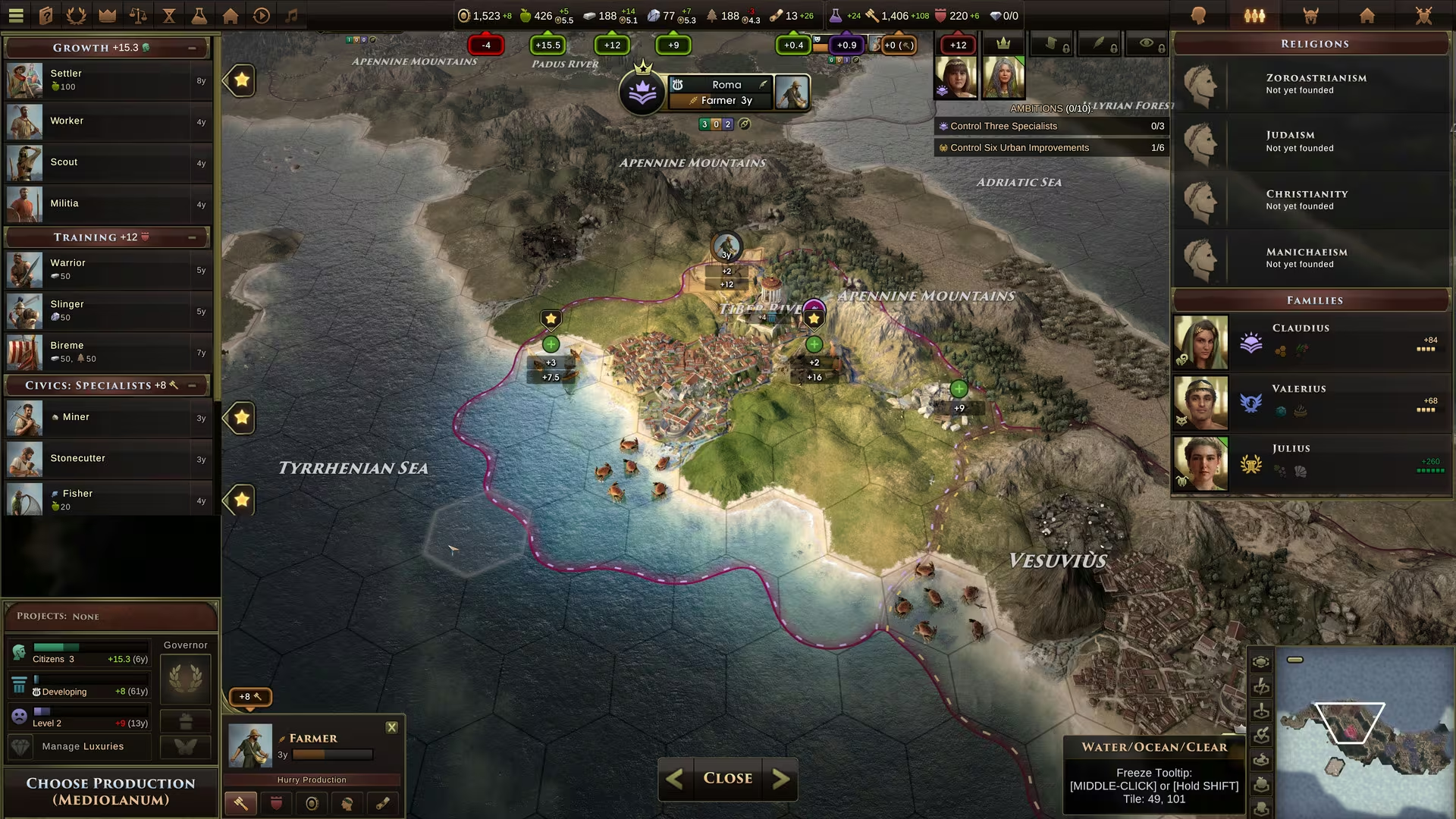
Old World is a revolutionary new historical strategy game where you lead your dynasty over generations of rule against rival kings and queens. Wage massive wars, manage your court, and build a dynasty — or watch your empire crumble to dust. What legacy will you leave behind?

Global score

82/100

Genres

Role-playing (RPG), Simulator, Strategy, Turn-based strategy (TBS)

Similar games

    Pros

    • Deep strategic gameplay
    • Innovative orders system
    • Engaging dynasty and event mechanics
    • Strong ai challenge
    • Immersive historical setting

    Cons

    • Steep learning curve
    • Ui can be overwhelming
    • Late game performance issues
    • Limited multiplayer cooperation
    • Some combat unpredictability

    Analysis

    Broadly representative of its motivational profile, with a few distinct shifts. Motivations that often define this kind of title include Leadership, Survival, Violence, Strategy. Here, the score leans higher than usual among comparable games on Competition, Story. It leans lower than usual among comparable games on Fantasy.

    How to use the graph
    Similar games map

    Each dot is a game. They are arranged from the same motivation profile as in the “Motivations” section below. Closer dots usually mean more similar reasons to play (exploration, competition, relaxation, etc.)—not that one game is “better” than another.

    • Larger dot with a light outline: the game you are viewing.
    • Colour: groups of games with comparable motivation patterns (statistical clusters).
    • Hover a dot to see the game name; click to open its page.
    • Scroll or double-click the chart to zoom out and see more games.

    Why don’t the axes read like a score? This view uses t-SNE: it only keeps who is close to whom. The scales are not “good to bad” or hours played—they separate groups on the map. Read distance between dots, not the axis numbers.

    Motivations

    • Autonomy
      4

      "Players have significant control over their actions and decisions, including managing orders, family succession, city development, and diplomacy."

    • Competence
      4

      "The game offers deep strategic challenges, requiring skillful management of resources, units, and political relationships."

    • Competition
      2

      "While there is multiplayer and AI competition, many reviews emphasize personal strategy and adapting to game mechanics rather than ranked or leaderboard competition."

    • Continuation
      4

      "Many players report long sessions, high replay value, and habitual play due to the game's depth and emergent storytelling."

    • Cooperation
      -3

      "The game is primarily single-player or competitive multiplayer; cooperation is limited and not a core focus."

    • Creativity
      3

      "Players customize dynasties, city development, and strategies; mod support and game customization options enhance creativity."

    • Domination
      -2

      "While conquest is possible, the game emphasizes balanced interactions, diplomacy, and story-driven play rather than domination or trash talk."

    • Escapism
      4

      "Players use the game to immerse themselves in historical roleplay and complex strategy, providing a strong escape from real life."

    • Expectation
      -4

      "Players engage voluntarily out of interest and enjoyment, with no indication of obligation or pressure."

    • Experimenting
      4

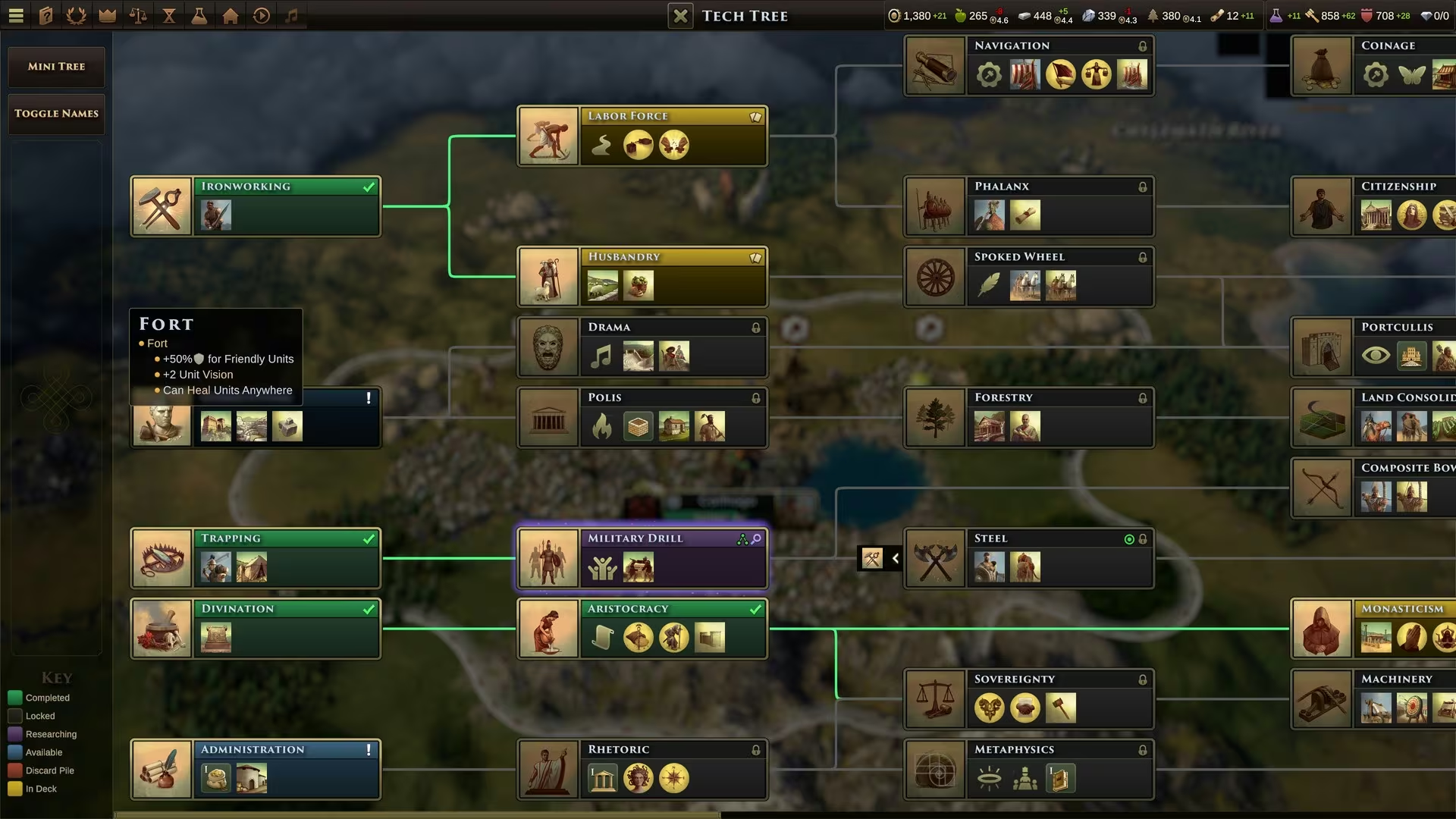
      "The semi-random tech tree, event system, and multiple strategies encourage players to try new approaches and adapt."

    • Exploration
      3

      "Exploration of the map and discovery of resources and city sites is important and engaging."

    • Expression
      3

      "Players express themselves through dynasty management, city specialization, and strategic choices, though cosmetic customization is limited."

    • Fantasy
      -3

      "The game focuses on a realistic ancient historical setting with plausible events and characters."

    • Fellowship
      -3

      "The experience is mostly individual with limited social or community interaction."

    • Growth
      4

      "Players learn complex systems and develop strategic skills over time."

    • Health
      -4

      "The game involves sedentary play with no physical activity elements."

    • Idle
      -3

      "Requires focused attention and strategic planning each turn; not suited for idle or background play."

    • Intimacy
      -4

      "Social interactions are limited to political and diplomatic relationships, with minimal emotional or close personal connections."

    • Leadership
      4

      "Players lead their dynasty and empire, making key decisions and managing multiple roles and characters."

    • Progression
      4

      "Players accumulate resources, units, city improvements, and dynasty developments to progress."

    • Relaxation
      2

      "The game balances challenge and flow, but some players find the learning curve and late game somewhat tense or tedious."

    • Sensation
      2

      "Enjoyable soundtrack and visual style provide sensory pleasure, though the game is more cerebral than sensory."

    • Status
      -3

      "Achievements and recognition are mostly personal; social status or popularity is not a core motivator."

    • Story
      5

      "Strong narrative immersion through dynasty events, character stories, and emergent gameplay."

    • Strategy
      5

      "High mental challenge requiring planning, resource management, and tactical decision-making."

    • Thrill
      3

      "Tension and suspense arise from political intrigue, combat, and succession risks."

    • Value
      4

      "Players perceive strong value for time and money due to depth, replayability, and developer support."

    • Violence
      2

      "Combat is a significant part of gameplay, though balanced with diplomacy and management."

    • Survival
      3

      "Players must manage threats, resource scarcity, and political stability to survive and thrive."

    Last update: 29/04/2026