SimpleRockets Thumbnail

SimpleRockets similar games & best alternatives

SimpleRockets

PC (Microsoft Windows), iOS, Mac, Android • 2015

Related articles

Quick resume

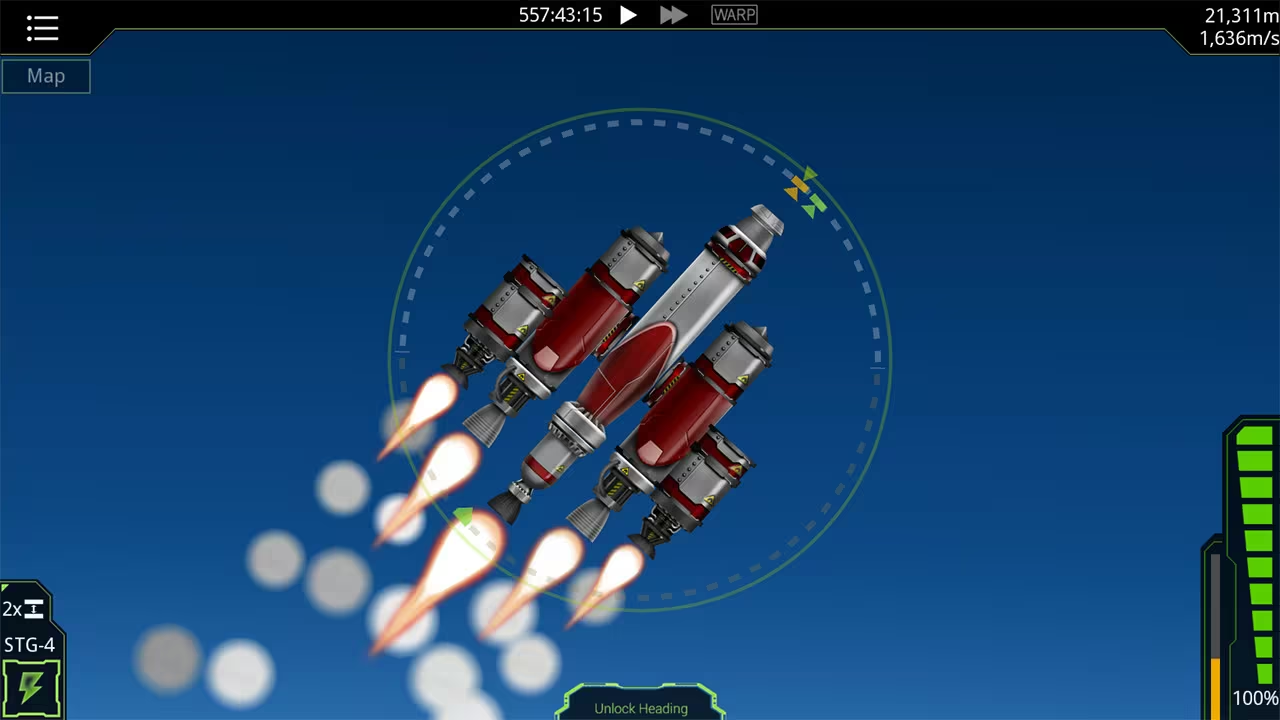
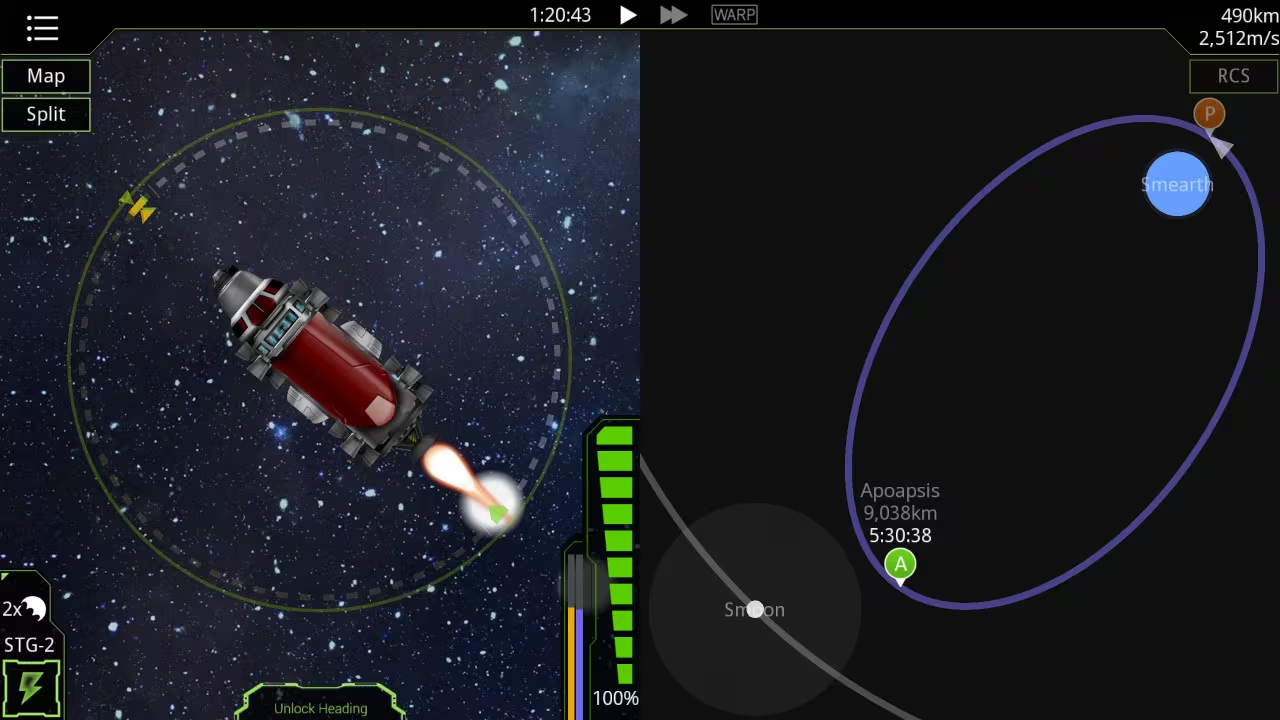
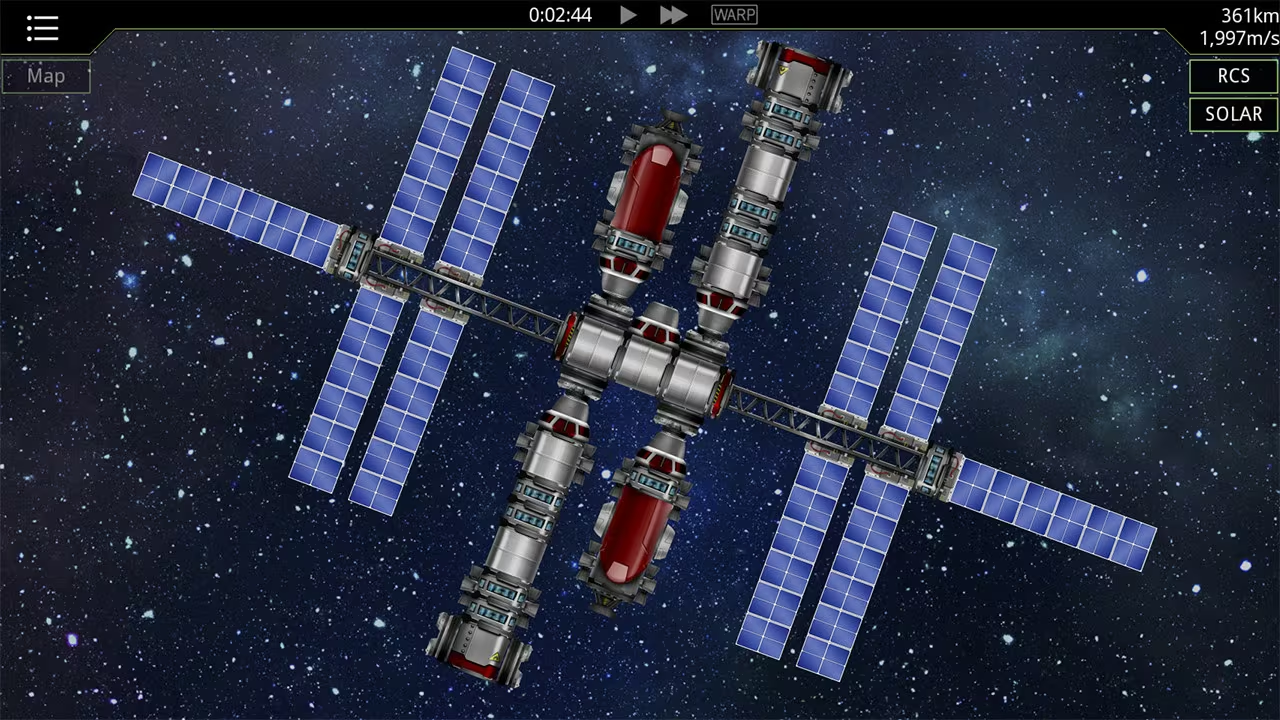
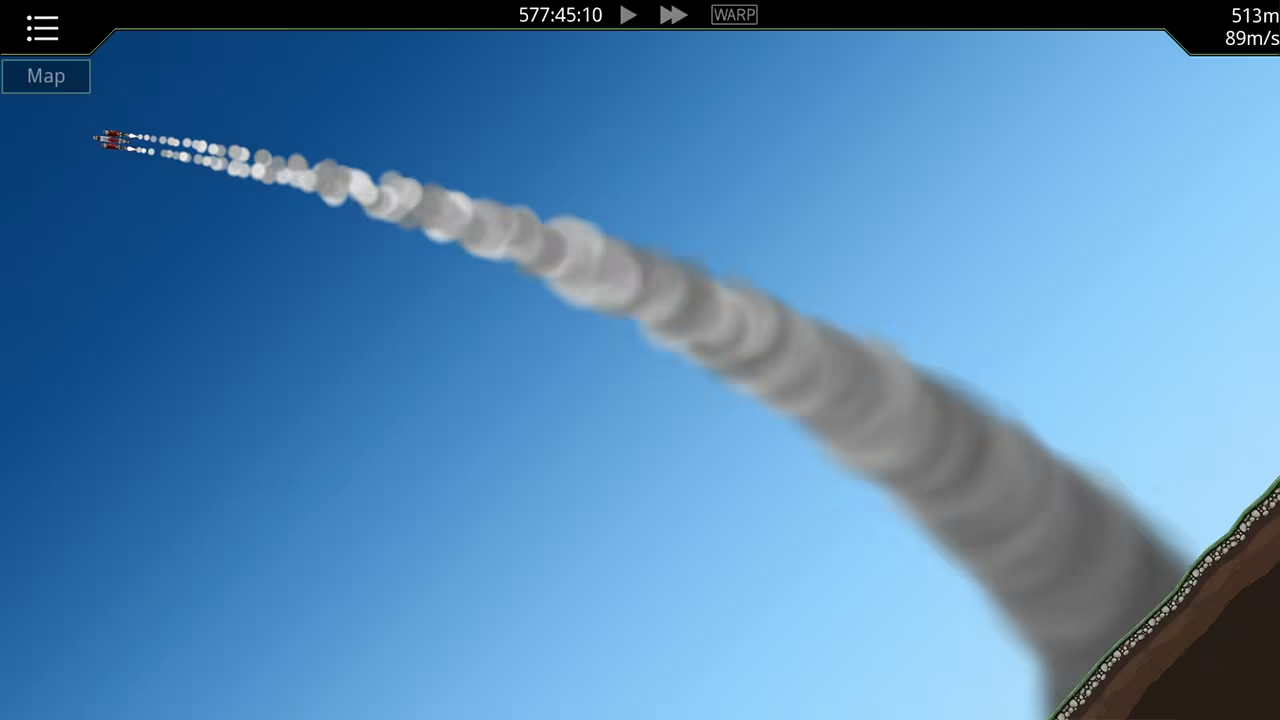
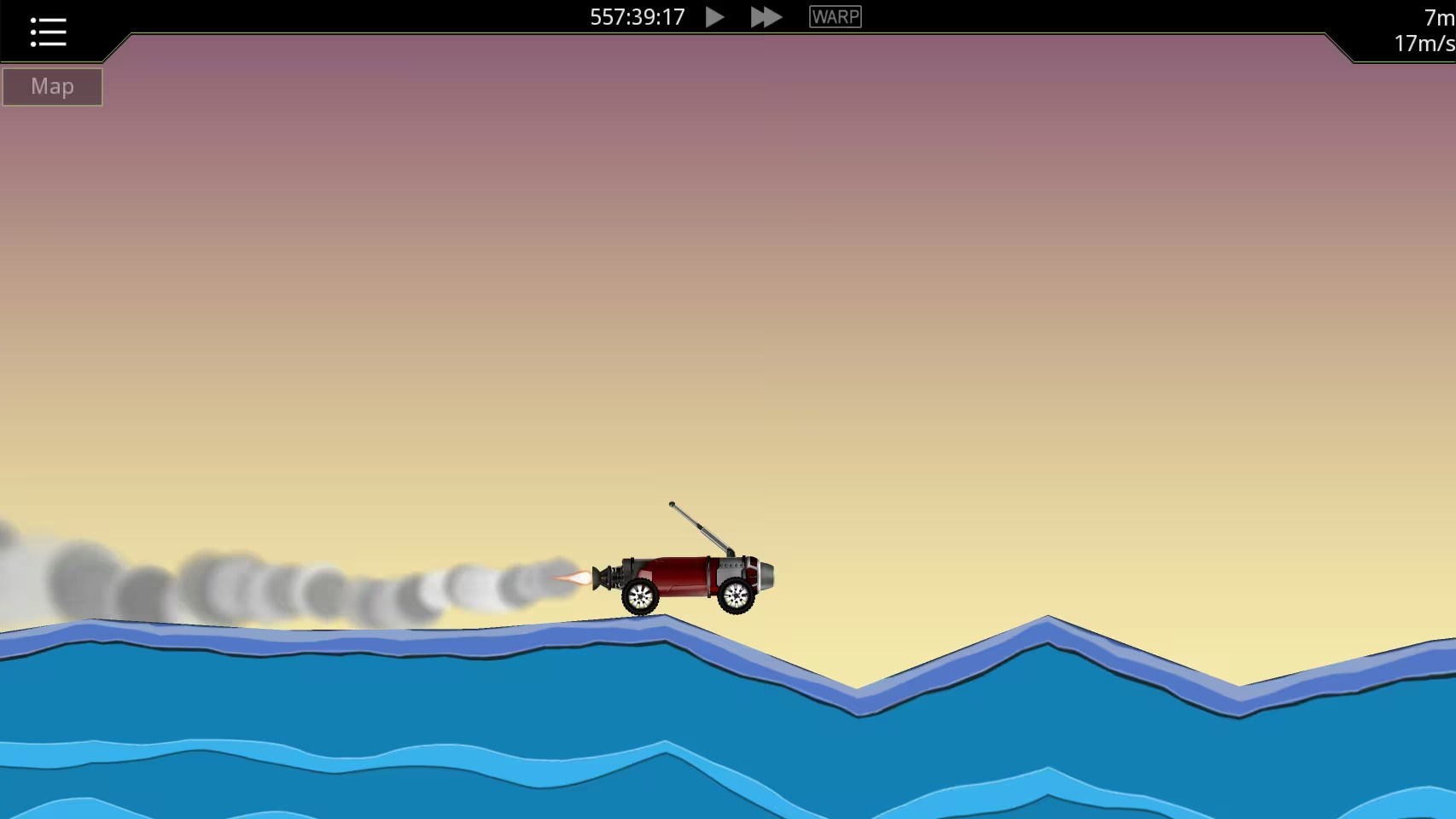
I am excited to release my first game on Steam! SimpleRockets was released in 2013 for mobile and I've put a ton of work into it to get it ready for PC and Mac. It was inspired by KSP, and it offers a simpler 2D experience for building rockets and exploring space with realistic orbital mechanics.

Global score

85/100

Genres

Indie, Simulator

Similar games

    Pros

    • Accessible rocket building and physics simulation
    • Runs well on low-end computers
    • Educational and fun challenges
    • Mod support and customization
    • Good alternative to kerbal space program

    Cons

    • Limited parts and content
    • Ui and controls clunky on pc
    • Lack of multiplayer or cooperation
    • Some bugs and crashes reported
    • Can become repetitive and boring

    Analysis

    A very typical example of its motivational profile. Motivations that often define this kind of title include Fantasy, Violence, Story, Thrill. Here, the score leans higher than usual among comparable games on Survival, Thrill, Exploration.

    How to use the graph
    Similar games map

    Each dot is a game. They are arranged from the same motivation profile as in the “Motivations” section below. Closer dots usually mean more similar reasons to play (exploration, competition, relaxation, etc.)—not that one game is “better” than another.

    • Larger dot with a light outline: the game you are viewing.
    • Colour: groups of games with comparable motivation patterns (statistical clusters).
    • Hover a dot to see the game name; click to open its page.
    • Scroll or double-click the chart to zoom out and see more games.

    Why don’t the axes read like a score? This view uses t-SNE: it only keeps who is close to whom. The scales are not “good to bad” or hours played—they separate groups on the map. Read distance between dots, not the axis numbers.

    Motivations

    • Autonomy
      4

      "Players freely design and build their own rockets and choose missions or sandbox play, indicating high control over actions."

    • Competence
      3

      "Game involves learning rocket mechanics and orbital physics with challenges of varying difficulty, providing skill tests and feedback."

    • Competition
      -2

      "Focus is mostly on personal progress and experimentation; some leaderboard features exist but competition is not central."

    • Continuation
      2

      "Some players report addictive qualities and replayability, but others note boredom after completing challenges."

    • Cooperation
      -4

      "Game is primarily single-player with no significant cooperative multiplayer features."

    • Creativity
      4

      "Strong emphasis on building and customizing rockets and vehicles with mod support enhancing creativity."

    • Domination
      -5

      "No evidence of exerting control or superiority over others; interactions are individual and respectful."

    • Escapism
      3

      "Players use the game as a fun distraction and learning tool, escaping into space exploration and physics."

    • Expectation
      -4

      "Engagement is voluntary and driven by intrinsic interest in rockets and space, not obligation or pressure."

    • Experimenting
      4

      "Players experiment with rocket designs, orbital mechanics, and modding, exploring game mechanics extensively."

    • Exploration
      3

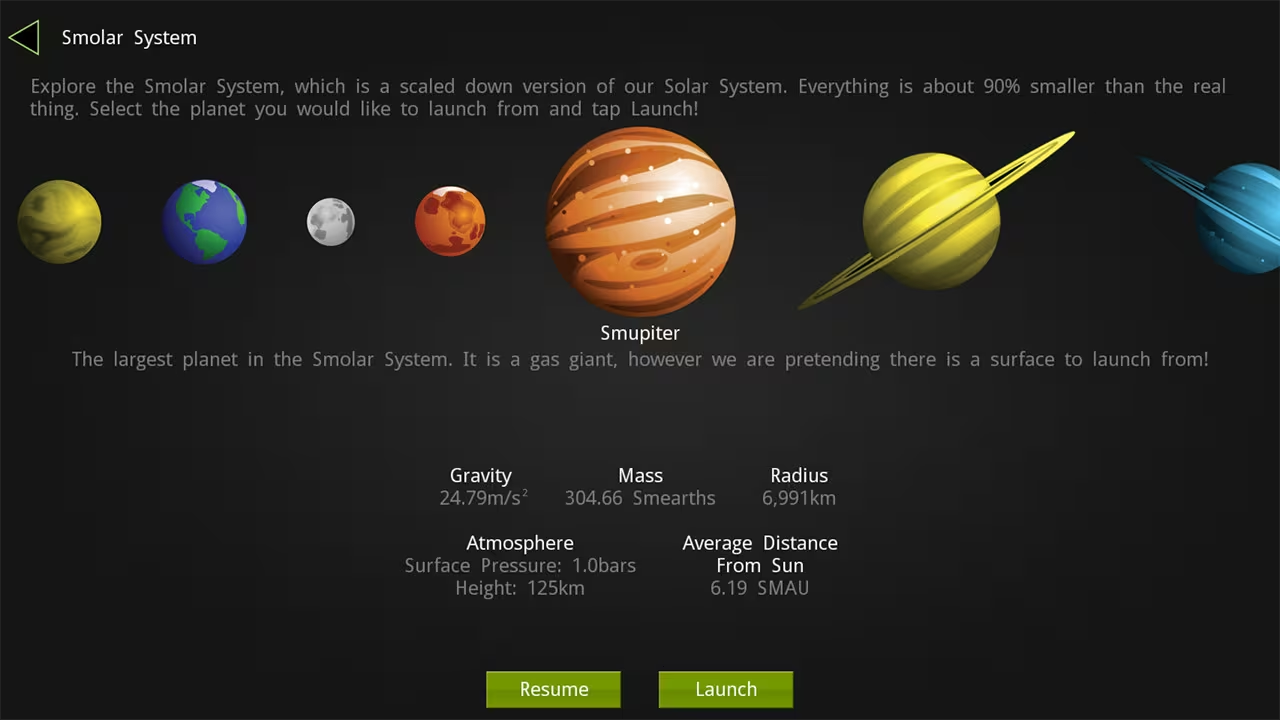
      "Exploration of a scaled solar system and different planets is a core part of gameplay."

    • Expression
      3

      "Customization of rockets and vehicles allows self-expression, enhanced by modding capabilities."

    • Fantasy
      -2

      "Game simulates realistic physics and spaceflight rather than fantastical or mythical elements."

    • Fellowship
      -3

      "Minimal social interaction; community exists mainly through forums and sharing designs, but gameplay is solo."

    • Growth
      3

      "Players learn rocket science basics and orbital mechanics, improving skills through challenges and sandbox play."

    • Health
      -5

      "Sedentary gameplay with no physical activity involved."

    • Idle
      -3

      "Requires focused attention and active control during rocket building and flight."

    • Intimacy
      -5

      "No close social or emotional relationships formed within gameplay."

    • Leadership
      -5

      "No leadership or group management roles present."

    • Progression
      3

      "Players accumulate parts, unlock challenges, and improve rocket designs over time."

    • Relaxation
      2

      "Some players find the game relaxing and rewarding, though others find it frustrating at times."

    • Sensation
      2

      "Visuals and sounds provide moderate stimulation; not highly sensory but enjoyable."

    • Status
      -3

      "Limited social recognition; achievements are mostly personal or shared in niche communities."

    • Story
      -4

      "No narrative or plot; gameplay is context-free challenges and sandbox exploration."

    • Strategy
      3

      "Requires planning rocket designs and orbital maneuvers, involving problem solving and mental challenge."

    • Thrill
      1

      "Some thrill from risky launches and successful landings, but overall controlled environment."

    • Value
      3

      "Generally considered good value especially on sale; accessible alternative to more complex games."

    • Violence
      -5

      "No combat or destructive violence; focus on constructive rocket building and exploration."

    • Survival
      1

      "Some survival elements in avoiding rocket failure and mission success, but low risk overall."

    Last update: 29/04/2026