SMASHING THE BATTLE Thumbnail

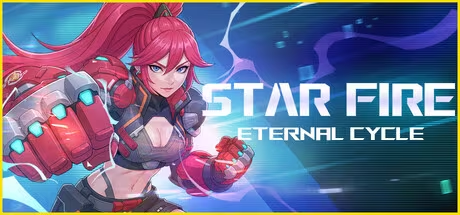
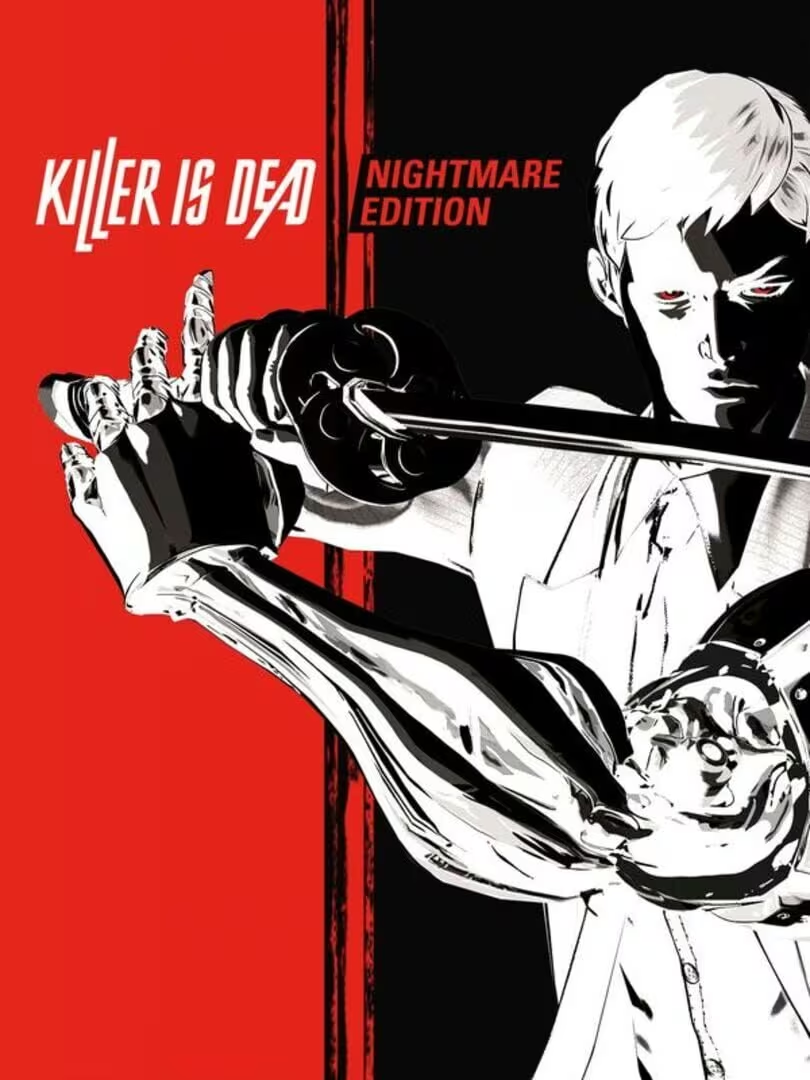
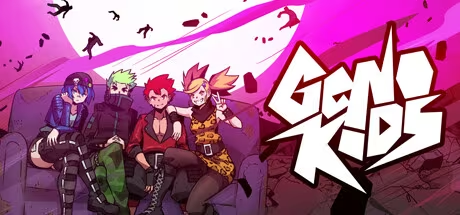
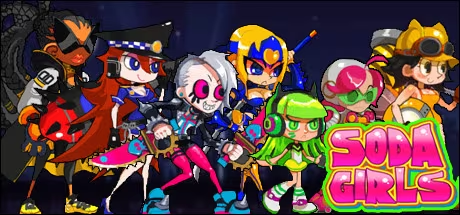
SMASHING THE BATTLE similar games & best alternatives

SMASHING THE BATTLE

PC (Microsoft Windows), iOS, PlayStation 4, Android, Nintendo Switch, Oculus Rift • 2016

Related articles

Quick resume

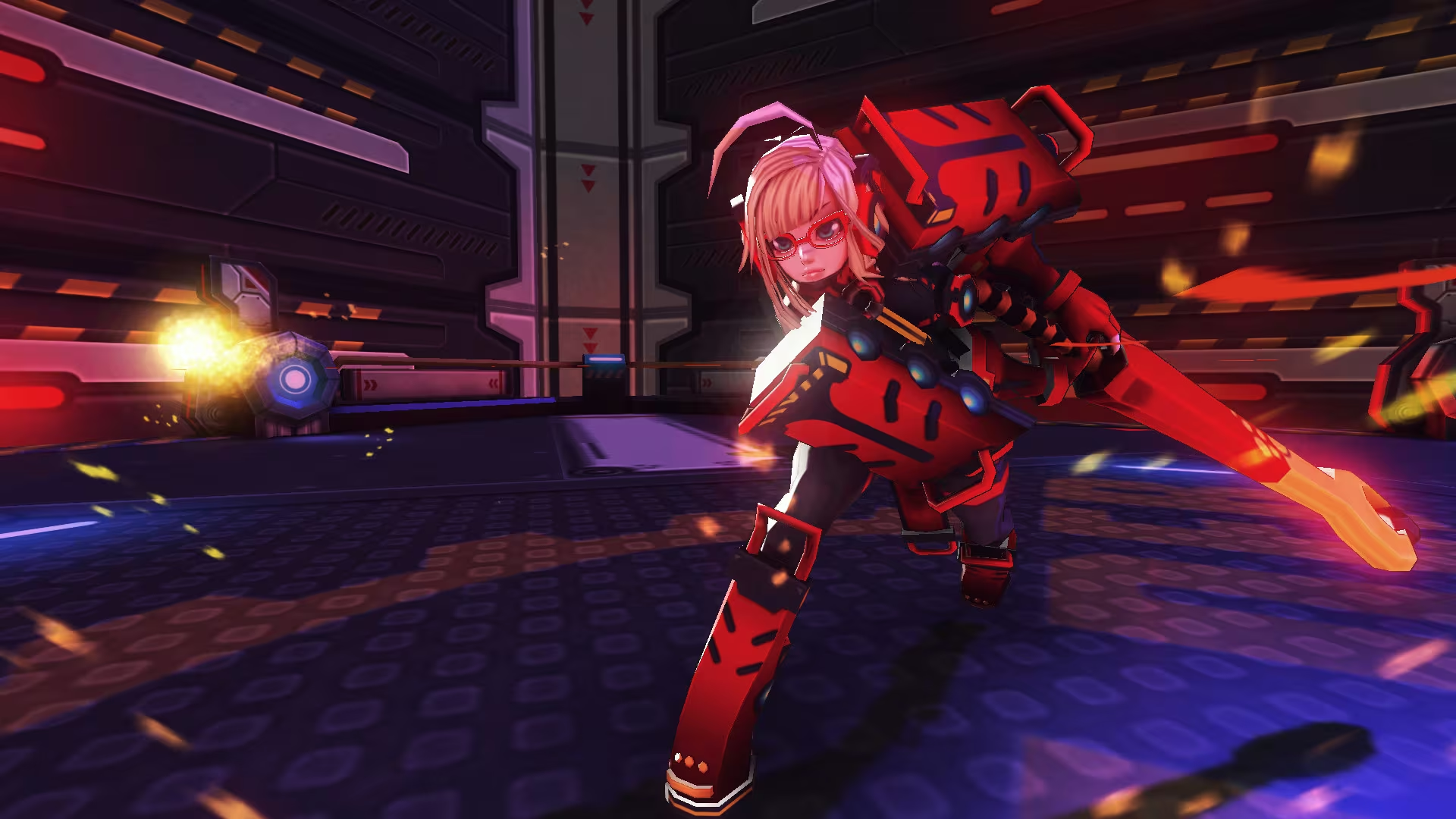
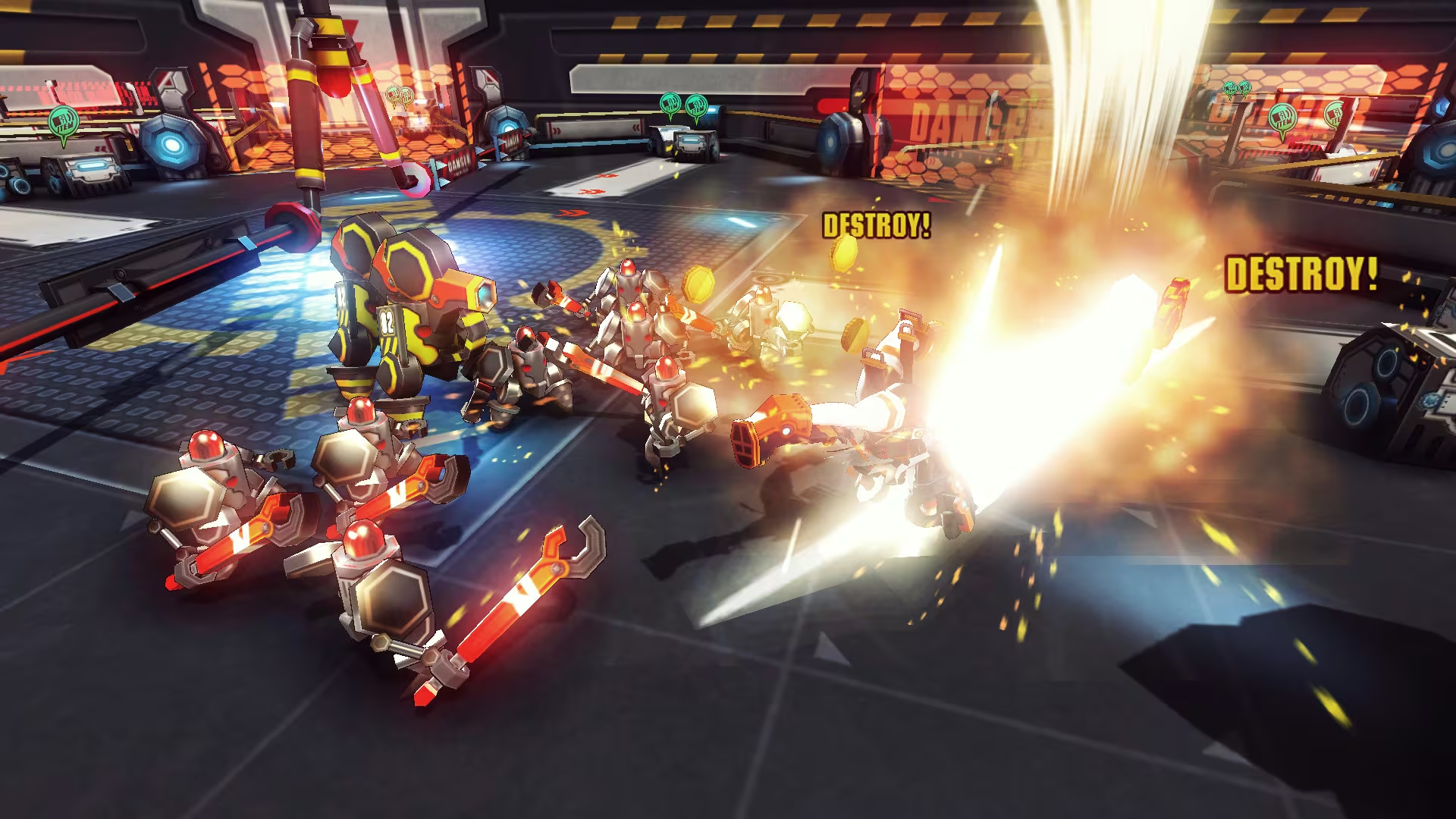
In the year 2085, a huge multiplex construction site becomes a victim of a massive-scale hacking incident. Due to the hack, the construction robots start to attack the workers onsite.

Global score

73/100

Genres

Action, Casual, Indie, Adventure, Hack and slash/Beat 'em up, Role-playing (RPG), Arcade, Fighting

Similar games

    Pros

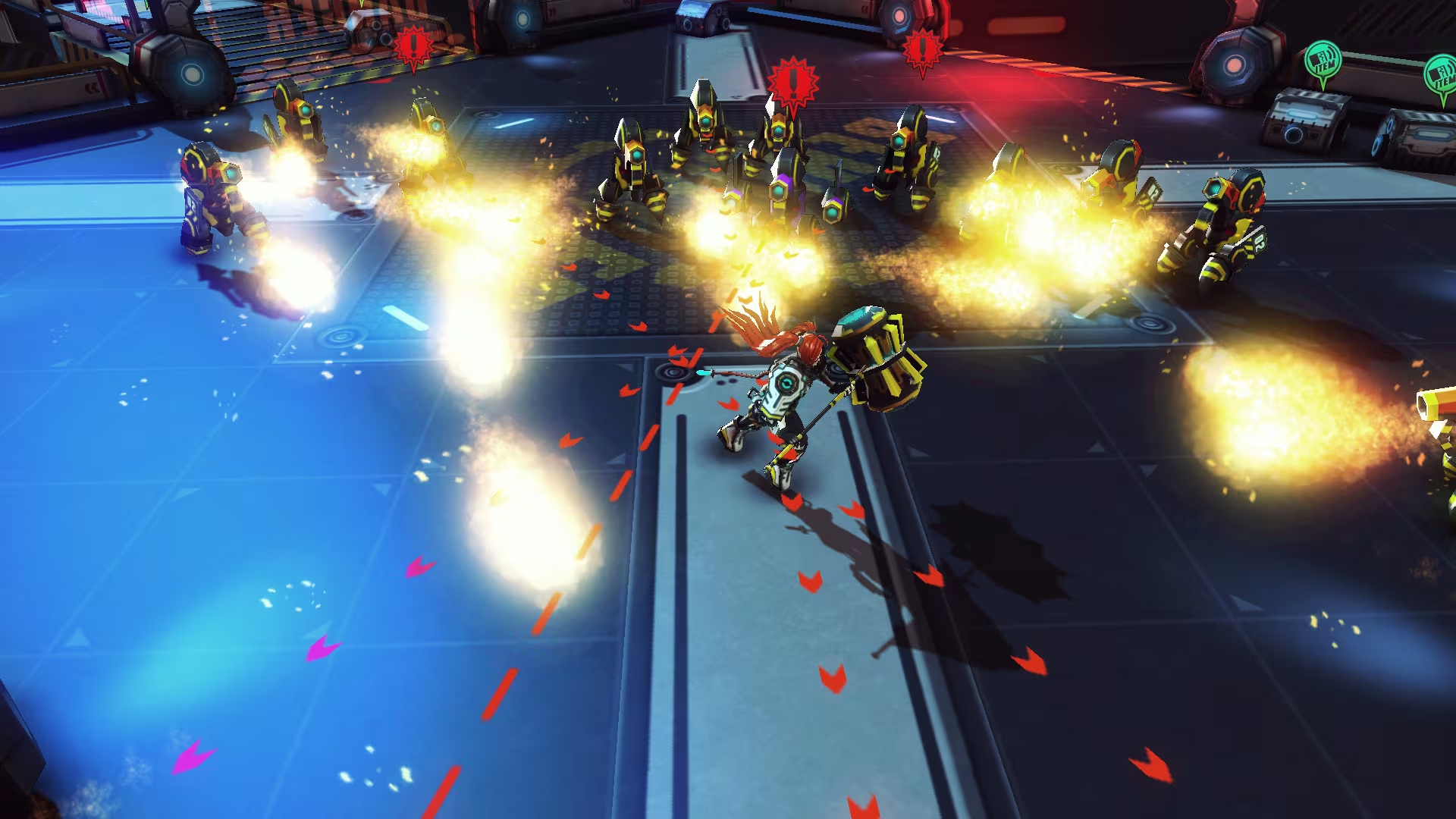
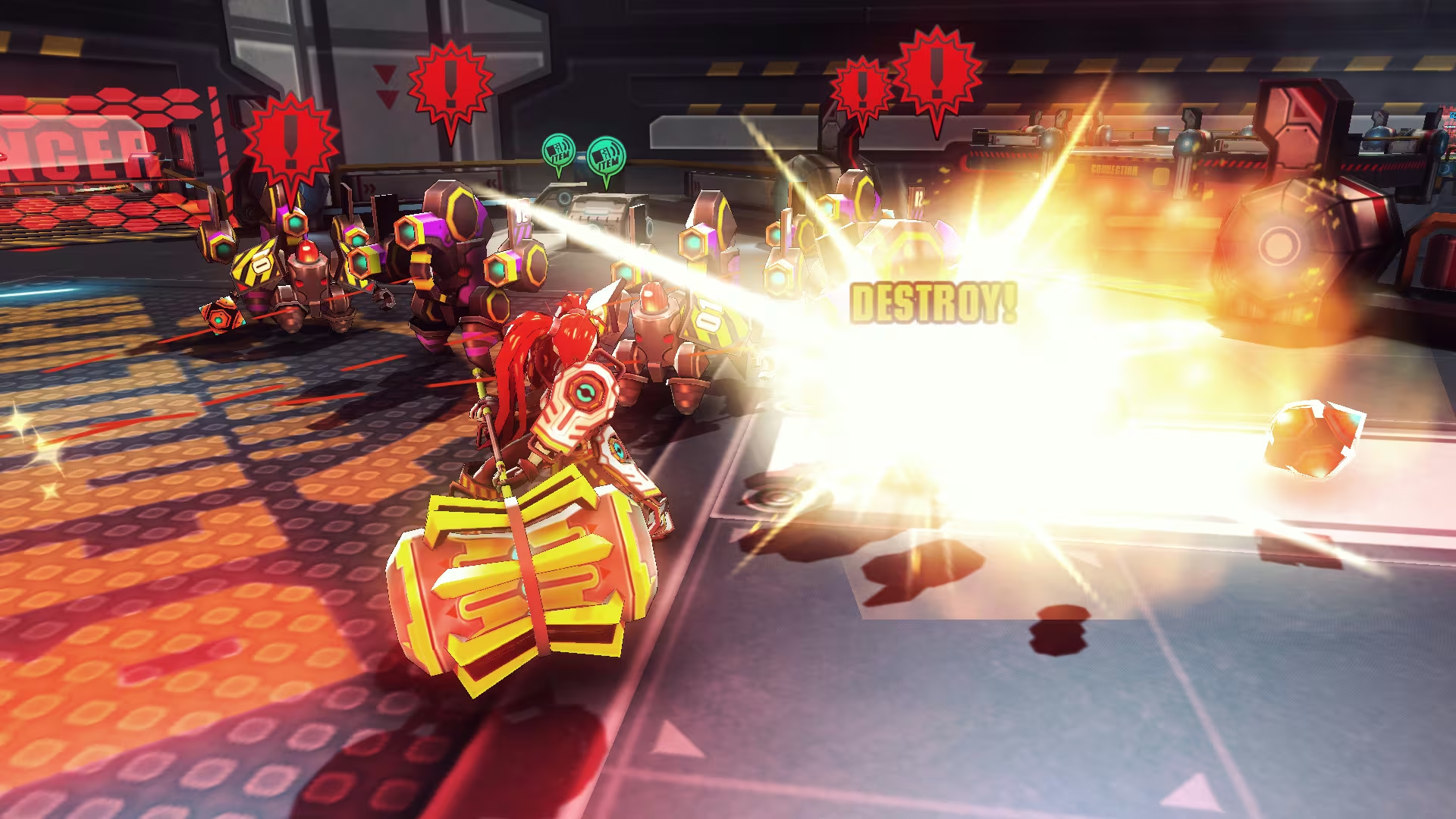
    • Satisfying and responsive combat
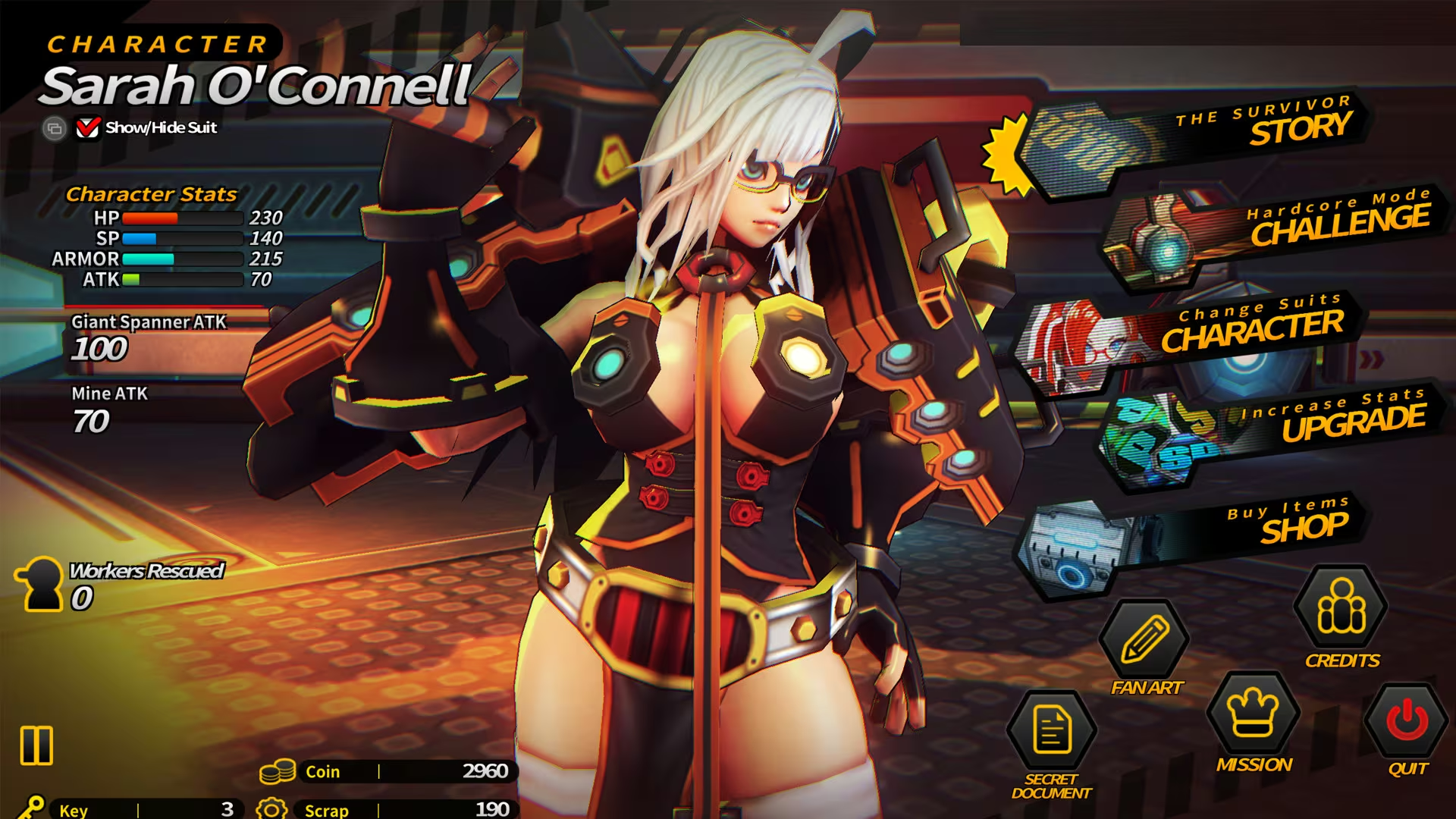
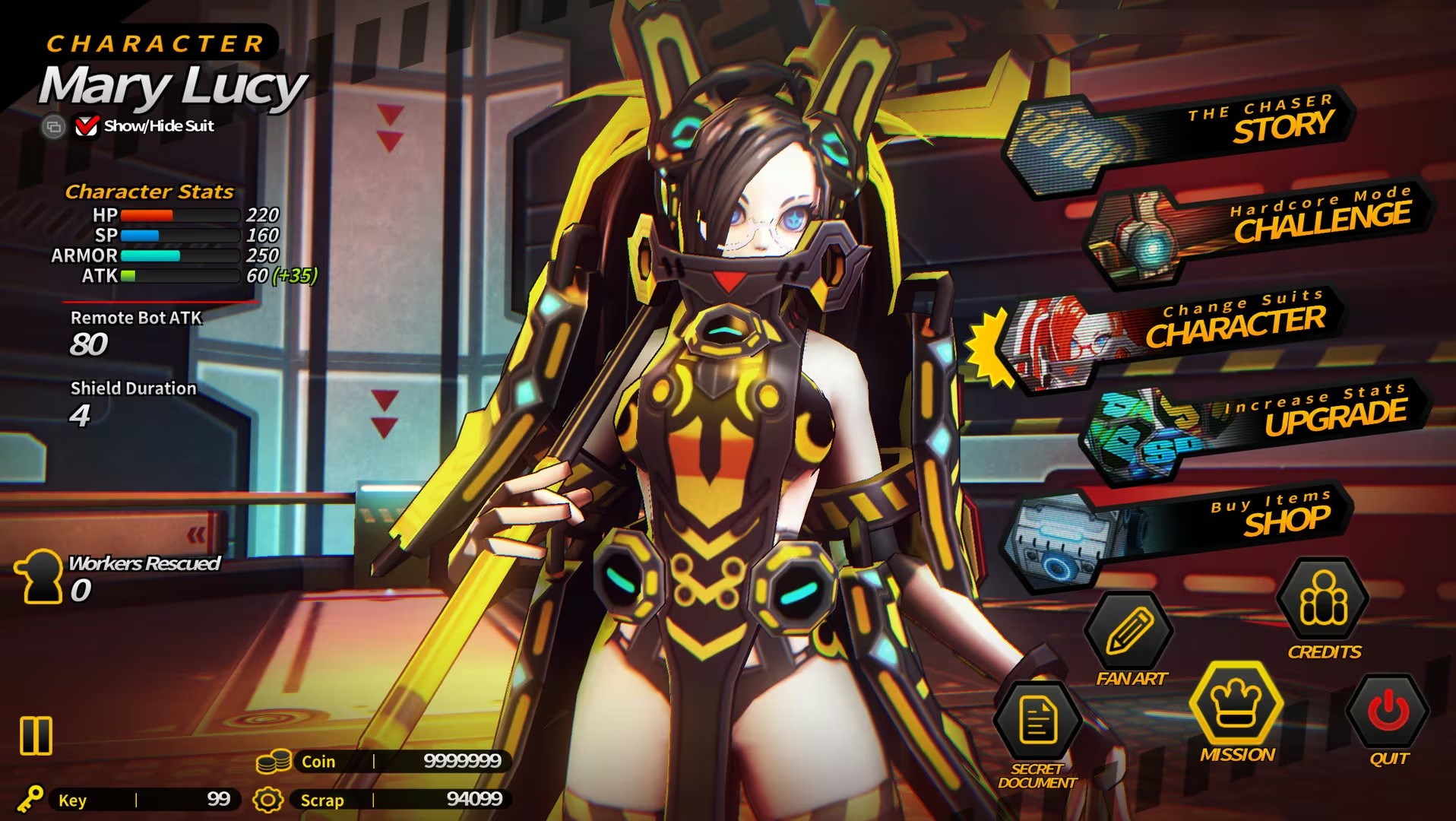
    • Attractive anime-style characters with fanservice
    • Simple controls and accessible gameplay
    • Good upgrade and progression system
    • Affordable price with decent content

    Cons

    • Repetitive level design and enemy types
    • Limited skill variety and customization
    • No multiplayer or cooperative modes
    • Lack of options for control remapping and settings
    • Some players find difficulty spikes and grinding tedious

    Analysis

    A very typical example of its motivational profile. Motivations that often define this kind of title include Creativity, Exploration, Expression, Story. Here, the score leans higher than usual among comparable games on Expression, Violence, Story.

    How to use the graph
    Similar games map

    Each dot is a game. They are arranged from the same motivation profile as in the “Motivations” section below. Closer dots usually mean more similar reasons to play (exploration, competition, relaxation, etc.)—not that one game is “better” than another.

    • Larger dot with a light outline: the game you are viewing.
    • Colour: groups of games with comparable motivation patterns (statistical clusters).
    • Hover a dot to see the game name; click to open its page.
    • Scroll or double-click the chart to zoom out and see more games.

    Why don’t the axes read like a score? This view uses t-SNE: it only keeps who is close to whom. The scales are not “good to bad” or hours played—they separate groups on the map. Read distance between dots, not the axis numbers.

    Motivations

    • Autonomy
      3

      "Players can choose between two characters with distinct skills and upgrade stats, but gameplay is largely fixed with limited skill variety."

    • Competence
      3

      "Game requires skillful use of dodge and timing to survive; challenge mode is difficult and demands mastery, but combat is repetitive."

    • Competition
      -3

      "Focus is on individual progression and personal challenge; no multiplayer or ranked modes mentioned."

    • Continuation
      2

      "Players engage in grinding and replaying levels to unlock outfits, fan art, and upgrades, indicating moderate habitual play."

    • Cooperation
      -5

      "No multiplayer or cooperative gameplay; entirely single-player experience."

    • Creativity
      -2

      "Customization limited to unlocking outfits and upgrading stats; no character creation or deep modification."

    • Domination
      -5

      "No evidence of player dominance over others; gameplay is solo and cooperative elements are absent."

    • Escapism
      3

      "Players use the game as a stress relief and distraction with fast-paced combat and fanservice elements."

    • Expectation
      -4

      "Players engage voluntarily for fun and interest; no indication of obligation or external pressure."

    • Experimenting
      -2

      "Limited experimentation due to fixed movesets and repetitive level design; some tactical use of skills noted."

    • Exploration
      -3

      "Levels and environments are repetitive with little variety or discovery; focus on combat rather than exploration."

    • Expression
      2

      "Players unlock and equip different costumes providing some self-expression, though options are limited."

    • Fantasy
      4

      "Game features anime-style characters, exaggerated fanservice, and sci-fi robot combat, emphasizing imaginative fiction."

    • Fellowship
      -5

      "No social or community features; gameplay is solitary."

    • Growth
      3

      "Players improve characters through upgrades and unlocking content, showing learning and development."

    • Health
      -5

      "Sedentary gameplay with no physical activity or health-related features."

    • Idle
      -3

      "Requires focused attention during combat; not suited for passive or background play."

    • Intimacy
      -5

      "No close social interactions or relationship building; purely individual play."

    • Leadership
      -5

      "No leadership or group management roles; single-player only."

    • Progression
      4

      "Strong emphasis on collecting coins, scraps, keys to upgrade stats, unlock costumes and fan art."

    • Relaxation
      2

      "Gameplay provides satisfying flow and catharsis but also includes challenging and tense moments."

    • Sensation
      3

      "Visual and auditory stimulation from anime art style, jiggle physics, and fast-paced combat."

    • Status
      -4

      "No social recognition or leaderboards; achievements exist but are personal."

    • Story
      2

      "Basic narrative with character dialogue and unlockable lore, but story is simple and secondary to gameplay."

    • Strategy
      2

      "Some tactical use of skills and positioning required, but overall combat is straightforward and repetitive."

    • Thrill
      2

      "Combat includes suspenseful dodging and boss fights with area attacks, creating moments of tension and relief."

    • Value
      3

      "Affordable price with decent content and replay value, especially on sale."

    • Violence
      4

      "Enjoyment of combat and destruction of robotic enemies is central to gameplay."

    • Survival
      3

      "Players must avoid damage and manage resources like SP to survive waves of enemies and bosses."

    Last update: 29/04/2026