Ten Bells Thumbnail

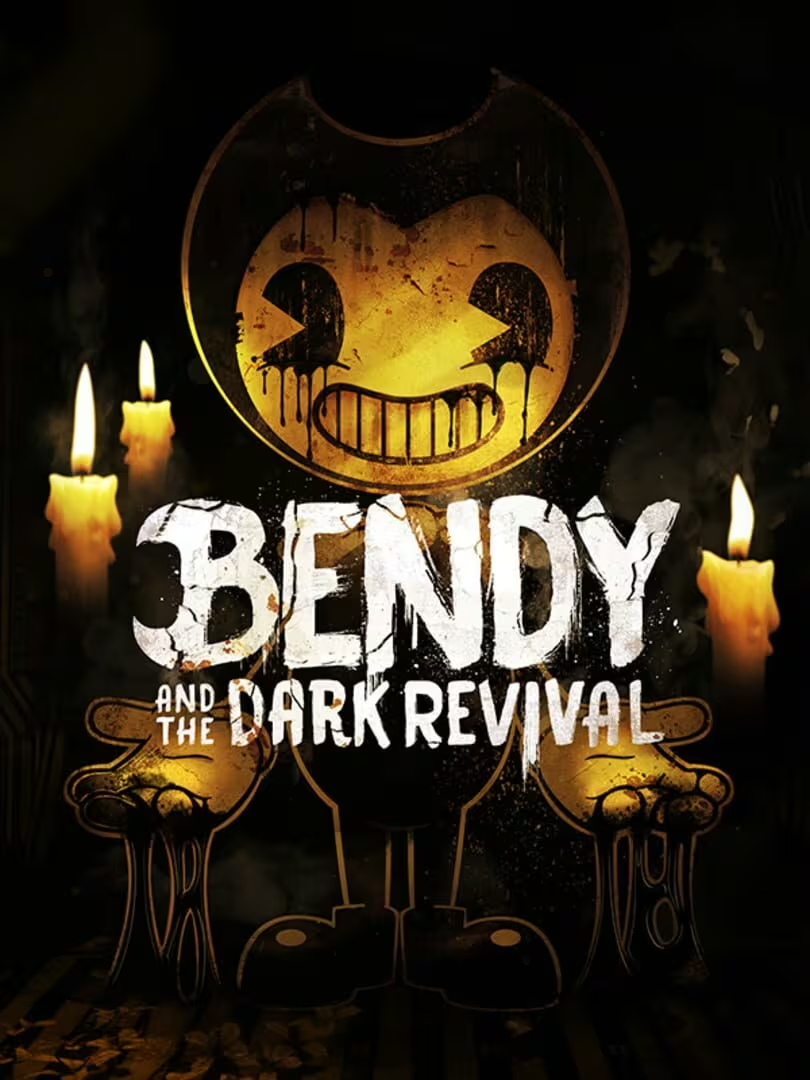
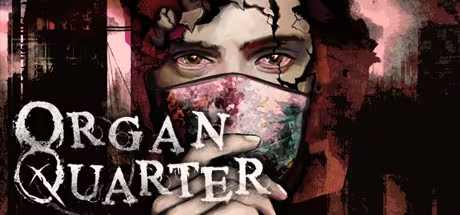
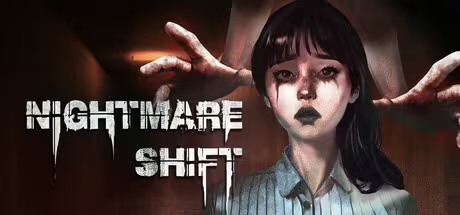
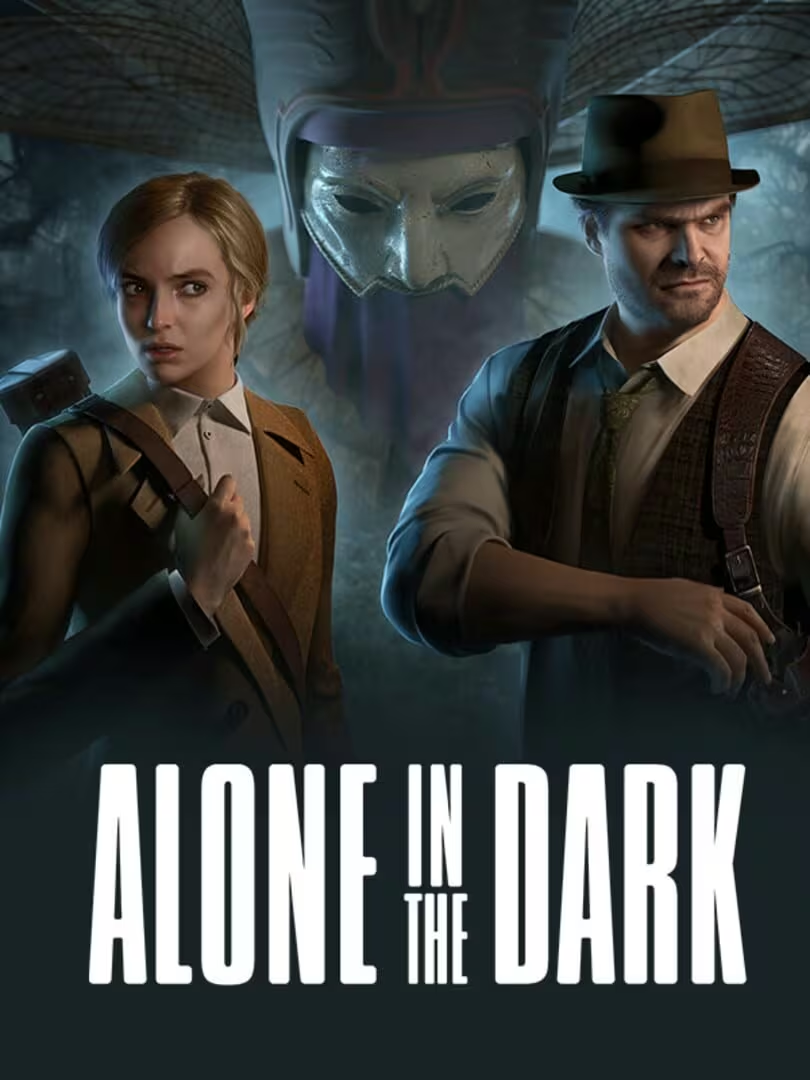
Ten Bells similar games & best alternatives
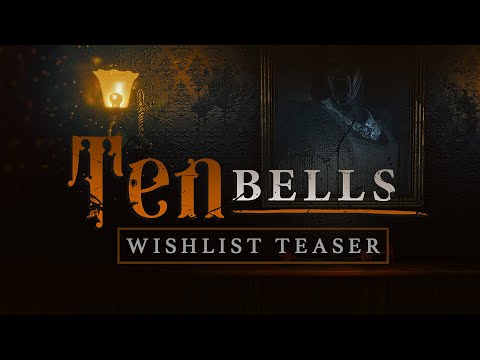
Ten Bells

PC (Microsoft Windows), Mac • 2024

Related articles

Quick resume

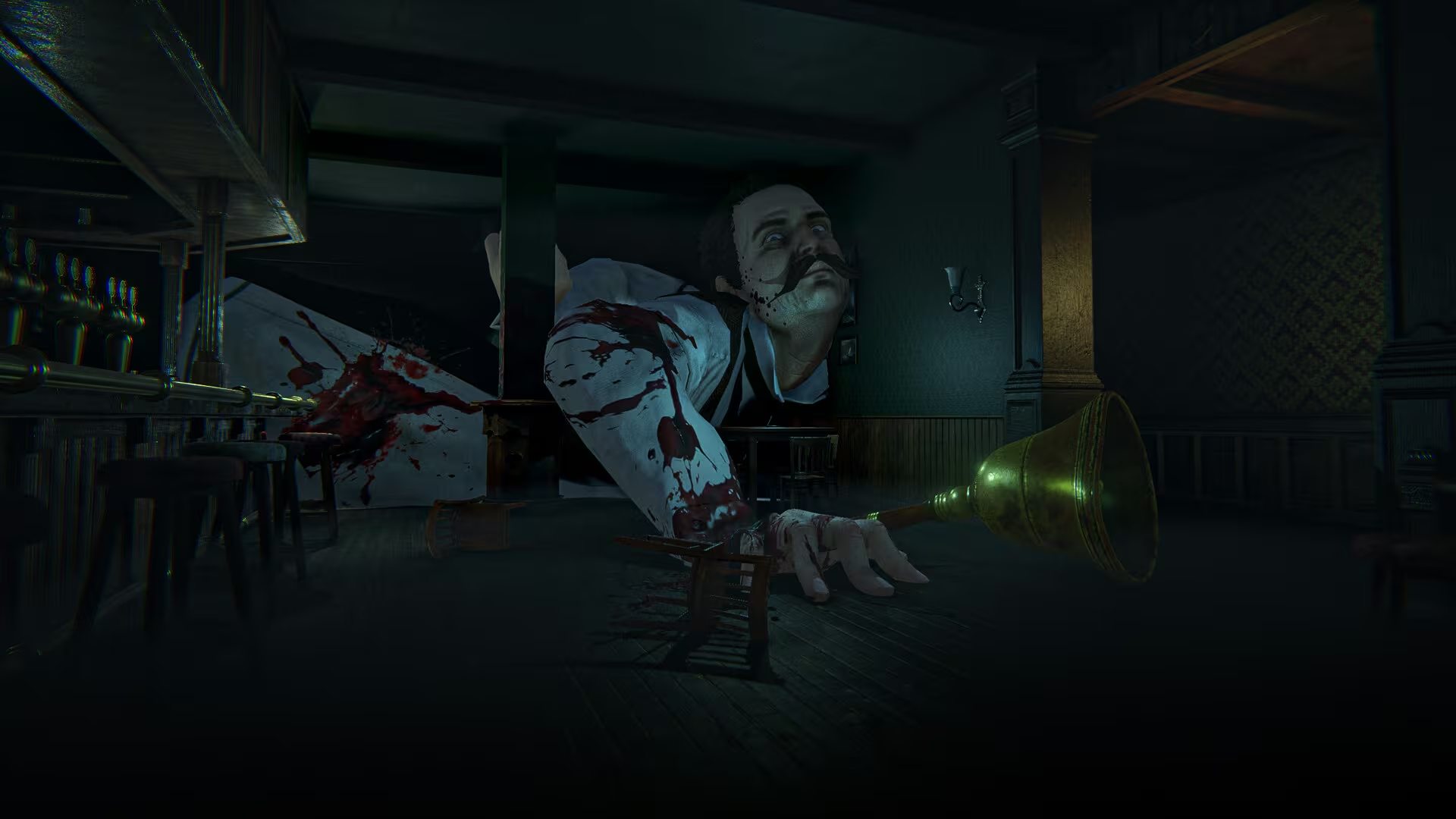
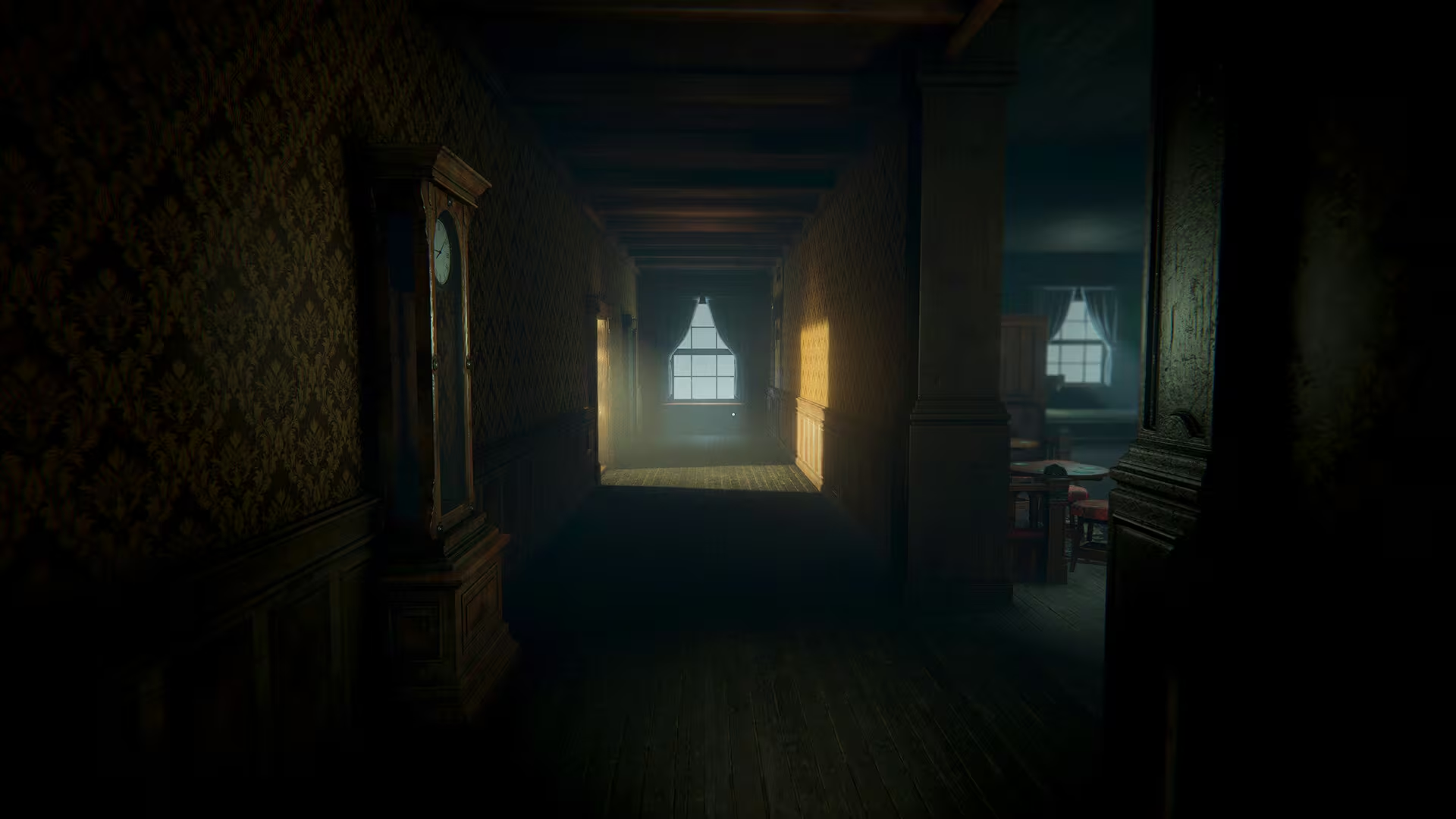
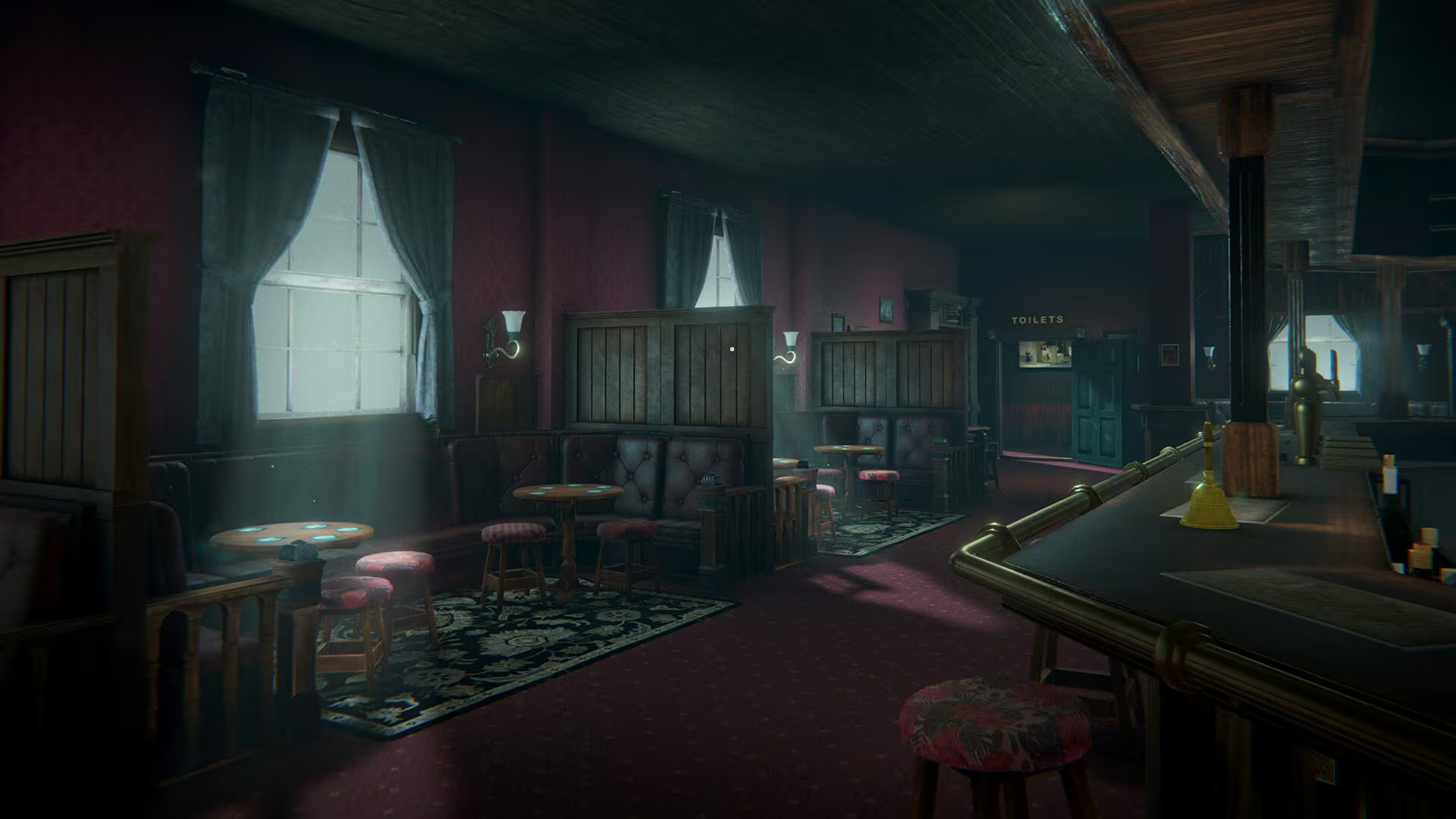
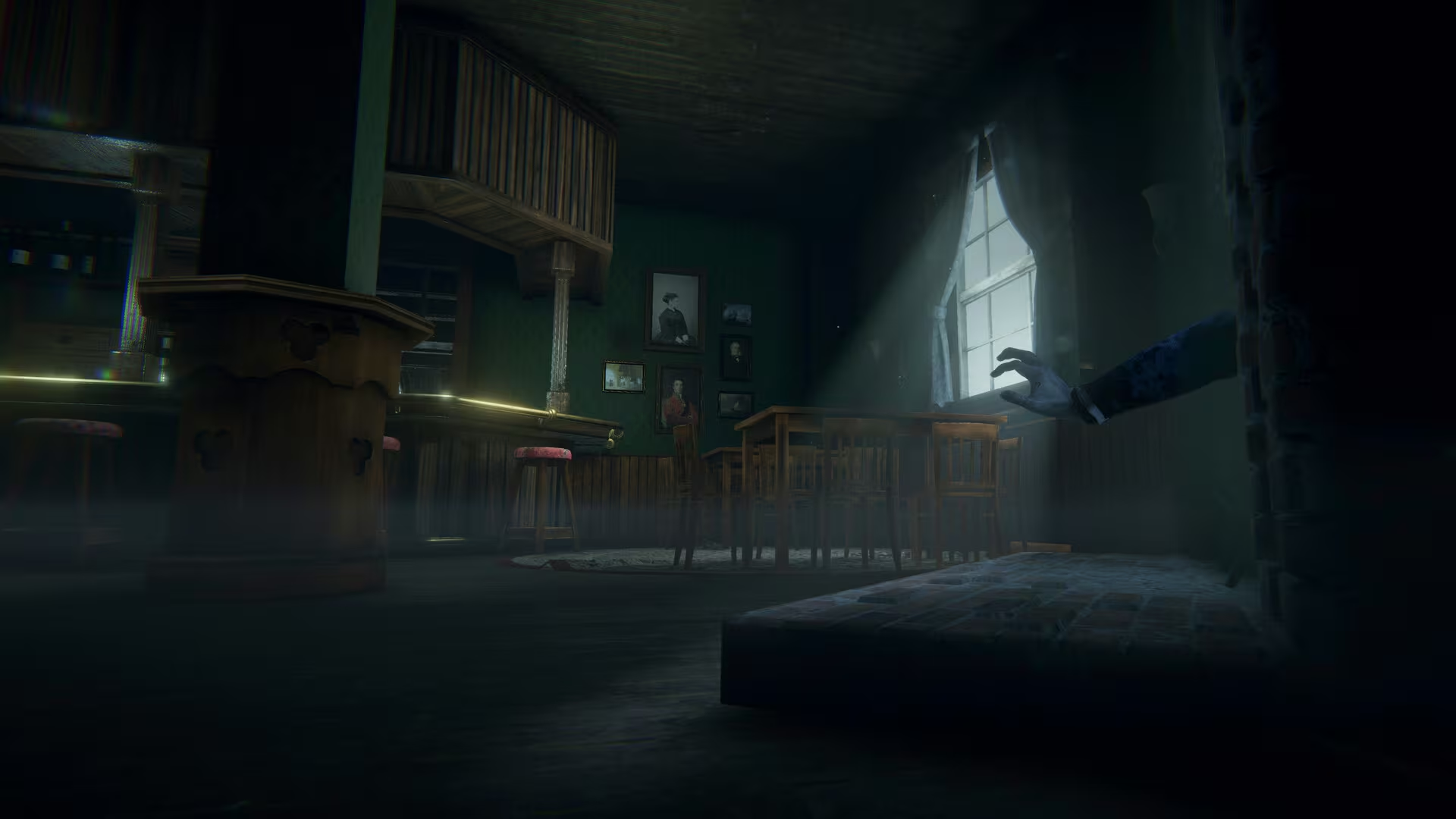
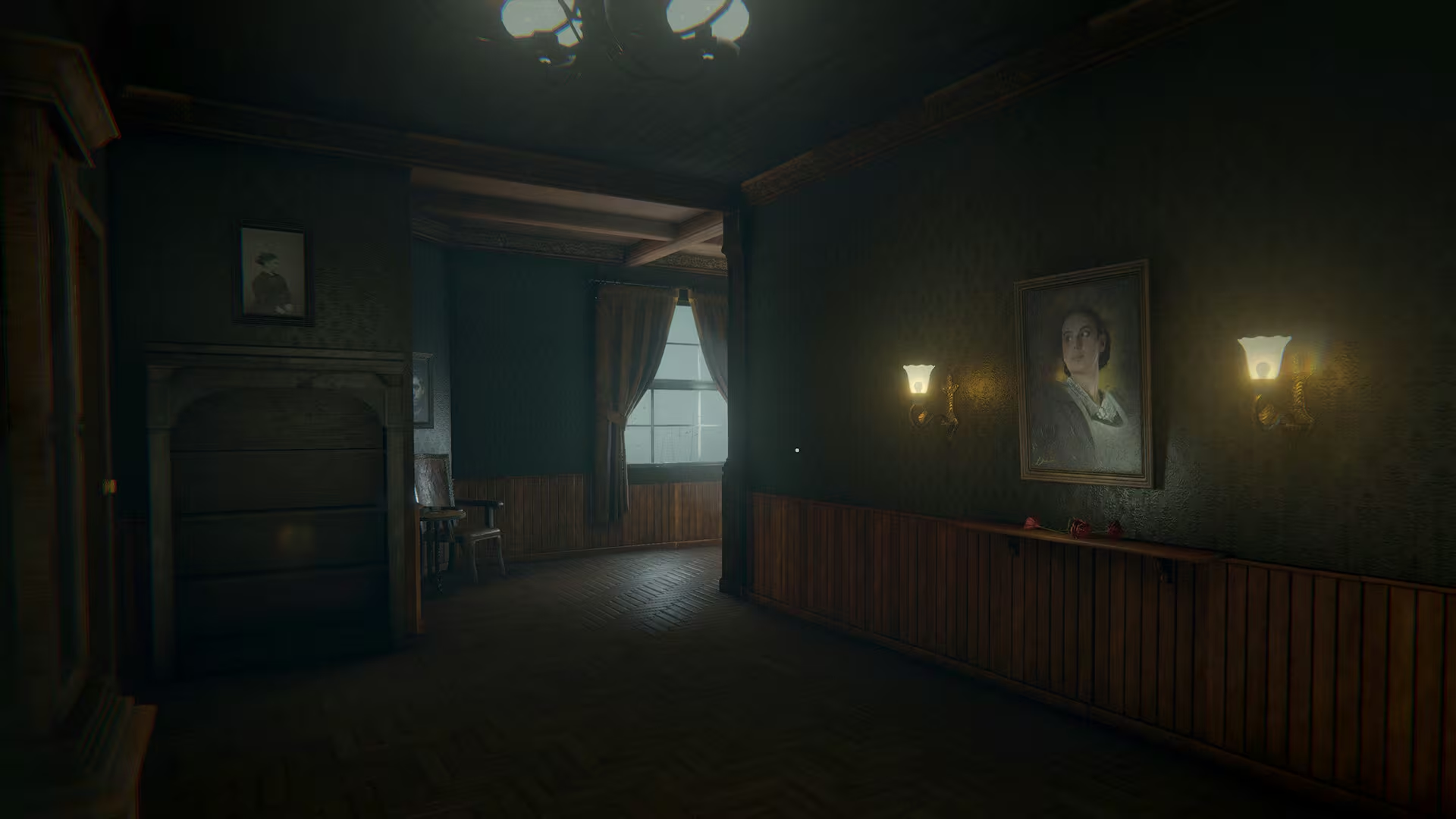
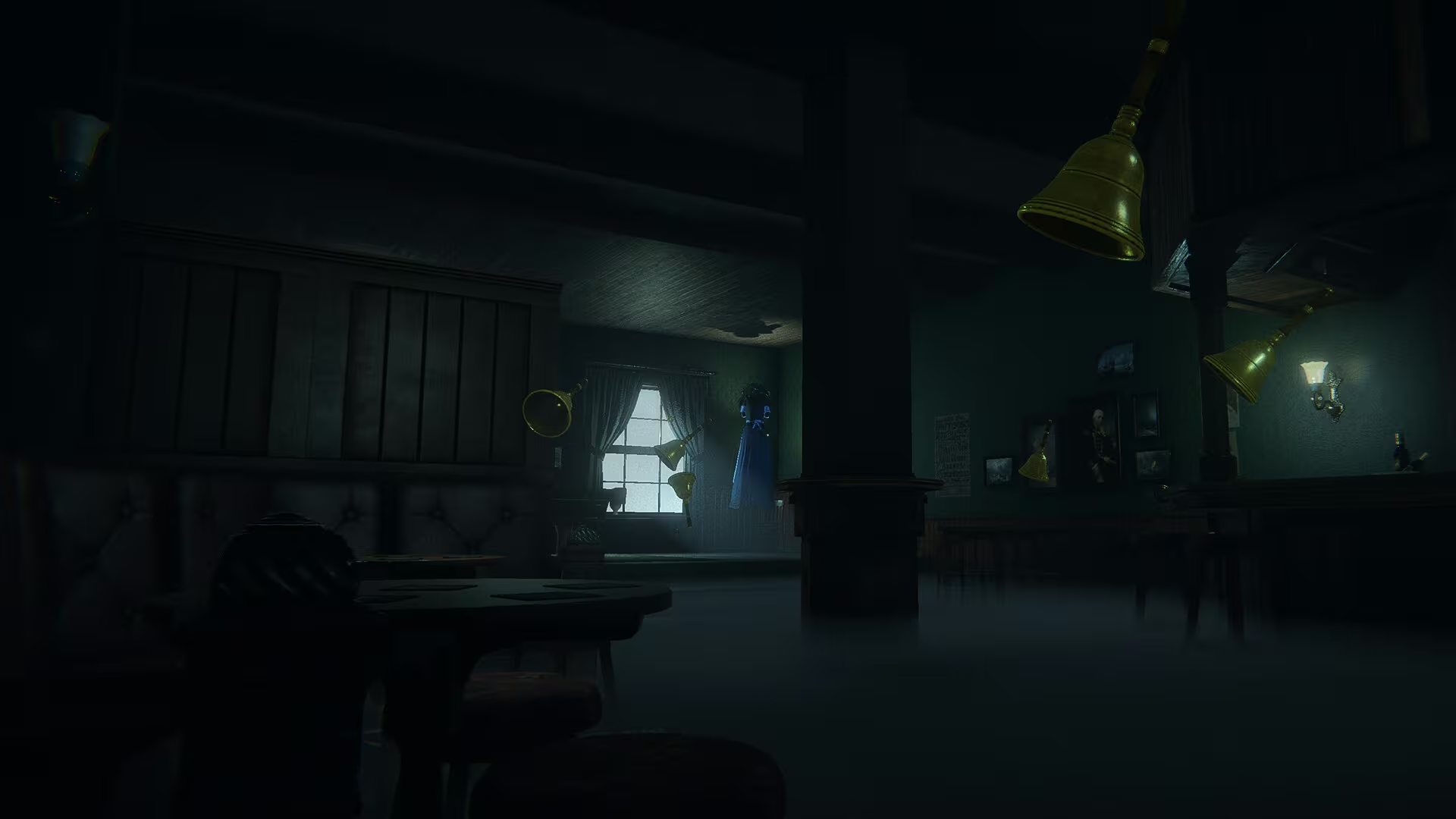
You're trapped in an old English pub. Unravel a chilling tale by identifying anomalies while trying to escape. Confront the horror as you survive the endless loop of Ten Bells.

Global score

97/100

Genres

Action, Adventure, Indie, Simulator

Similar games

    Pros

    • Engaging anomaly spotting gameplay
    • Strong atmosphere and sound design
    • Intriguing story with multiple endings
    • Good replayability and challenge
    • Smooth performance and visuals

    Cons

    • Short game length
    • Some subtle anomalies may be frustrating
    • Lack of social or cooperative features
    • No customization or expression options
    • Minor bugs reported

    Analysis

    Broadly representative of its motivational profile, with a few distinct shifts. Motivations that often define this kind of title include Relaxation, Survival, Violence, Fellowship. Here, the score leans higher than usual among comparable games on Story. It leans lower than usual among comparable games on Violence, Expression.

    How to use the graph
    Similar games map

    Each dot is a game. They are arranged from the same motivation profile as in the “Motivations” section below. Closer dots usually mean more similar reasons to play (exploration, competition, relaxation, etc.)—not that one game is “better” than another.

    • Larger dot with a light outline: the game you are viewing.
    • Colour: groups of games with comparable motivation patterns (statistical clusters).
    • Hover a dot to see the game name; click to open its page.
    • Scroll or double-click the chart to zoom out and see more games.

    Why don’t the axes read like a score? This view uses t-SNE: it only keeps who is close to whom. The scales are not “good to bad” or hours played—they separate groups on the map. Read distance between dots, not the axis numbers.

    Motivations

    • Autonomy
      4

      "Players freely explore the pub environment to spot anomalies and decide when to retreat or proceed, allowing control over their actions and decisions."

    • Competence
      4

      "The game challenges players to spot subtle and obvious anomalies, testing observation skills and memory, with feedback through progression and story unlocking."

    • Competition
      -4

      "Focus is on individual play and personal progress without leaderboards or direct comparison to others."

    • Continuation
      3

      "Players report high replayability, multiple endings, and desire to find all anomalies, encouraging habitual and repeated play sessions."

    • Cooperation
      -4

      "Gameplay is primarily solo with limited social interaction; some players stream or play with friends spectating but no cooperative mechanics."

    • Creativity
      3

      "Players engage in anomaly spotting which requires creative observation and interpretation, though the environment and story are predefined."

    • Domination
      -5

      "No evidence of exerting control or superiority over others; interactions are individual and respectful."

    • Escapism
      4

      "Players use the game to immerse in a spooky, atmospheric environment, escaping real life through suspense and horror."

    • Expectation
      -4

      "Players engage voluntarily out of intrinsic interest and enjoyment; no indication of obligation or pressure."

    • Experimenting
      3

      "Players explore different anomalies and story elements, trying to discover new details and endings, showing curiosity and experimentation."

    • Exploration
      3

      "Players repeatedly explore the pub environment to discover new anomalies and story clues, driven by curiosity."

    • Expression
      -5

      "No customization or personalization options; players experience a fixed environment and character presentation."

    • Fantasy
      3

      "The game features supernatural and horror elements in a fictional pub setting, providing an imaginative experience."

    • Fellowship
      -3

      "Minimal social connection; some community interaction via streaming and dev engagement, but gameplay is solo."

    • Growth
      3

      "Players develop observation skills and understanding of game mechanics and story through repeated play."

    • Health
      -5

      "Sedentary gameplay with no physical activity or health-related features."

    • Idle
      -3

      "Requires focused attention to spot anomalies and progress; not suitable for passive or background play."

    • Intimacy
      -4

      "Limited social interaction and emotional sharing; mostly individual experience."

    • Leadership
      -5

      "No leadership or management roles; players act independently."

    • Progression
      4

      "Players accumulate progress by correctly identifying anomalies, unlocking story elements, endings, and achievements."

    • Relaxation
      -2

      "Tension and suspense are sustained throughout gameplay, with moments of relief after scares."

    • Sensation
      3

      "Strong sensory stimulation through atmospheric visuals, sound design, and jump scares."

    • Status
      -4

      "No social status or recognition systems; focus is on personal achievement."

    • Story
      4

      "Narrative is woven into gameplay and environment, progressively revealed through anomalies and exploration."

    • Strategy
      3

      "Players use observation, memory, and decision-making to identify anomalies and decide when to retreat or proceed."

    • Thrill
      4

      "The game delivers suspense, jump scares, and moments of relief, creating a thrilling horror experience."

    • Value
      4

      "Players perceive good value for price with engaging gameplay, replayability, and quality production."

    • Violence
      -4

      "No emphasis on combat or destruction; gameplay centers on observation and avoidance."

    • Survival
      3

      "Players must avoid failure by correctly spotting anomalies and escaping threats, managing risk within the loop."

    Last update: 29/04/2026