The Caligula Effect: Overdose similar games & best alternatives
The Caligula Effect: Overdose
2019
Related articles
Quick resume
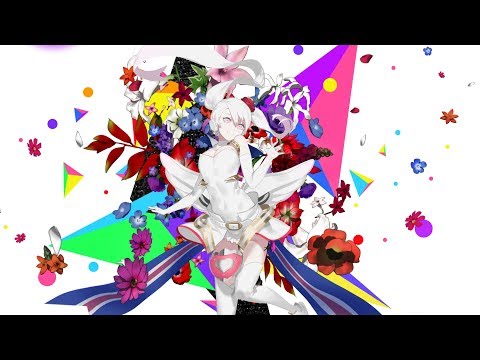
Mobius. An idyllic world that lets people forget about the pain and problems of reality. Created by a sentient vocaloid program, μ (Mu), reality and fantasy have become blurred, allowing people to relive their high school years in bliss -- but just how real is a virtual happiness?
Global score
73/100
Genres
Role-playing (RPG), Adventure
Similar games
Pros
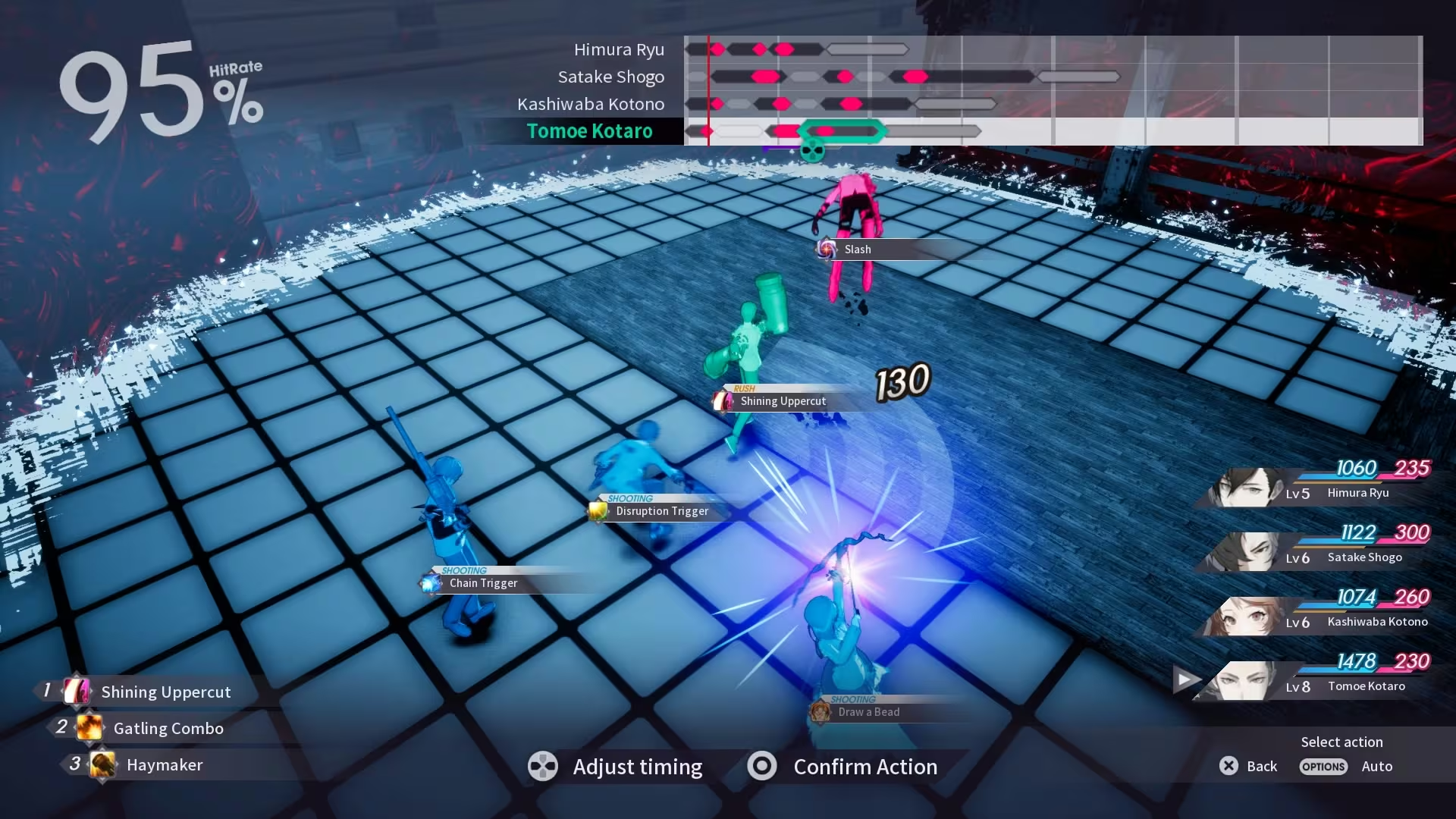
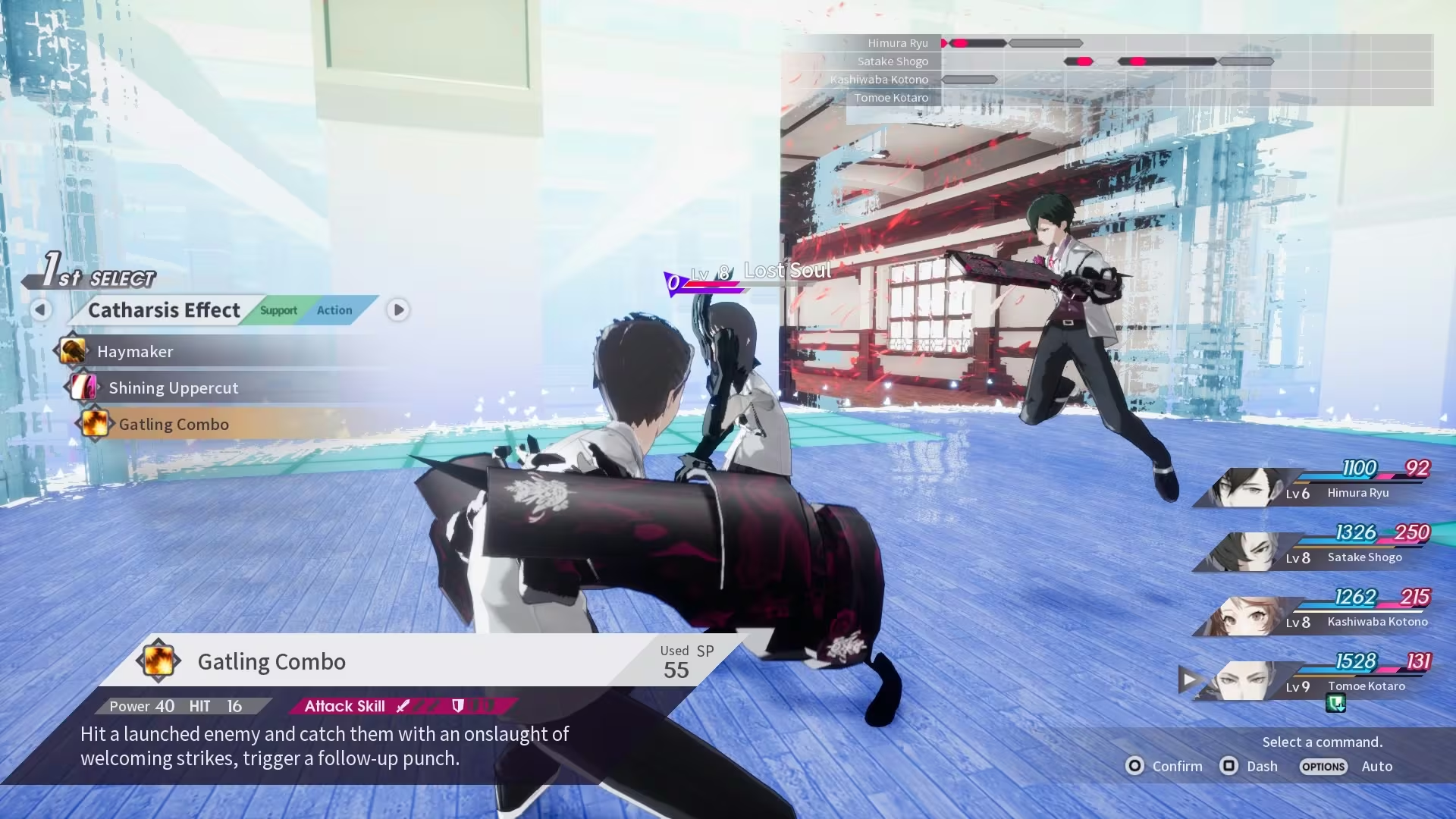
- Unique and strategic combat system
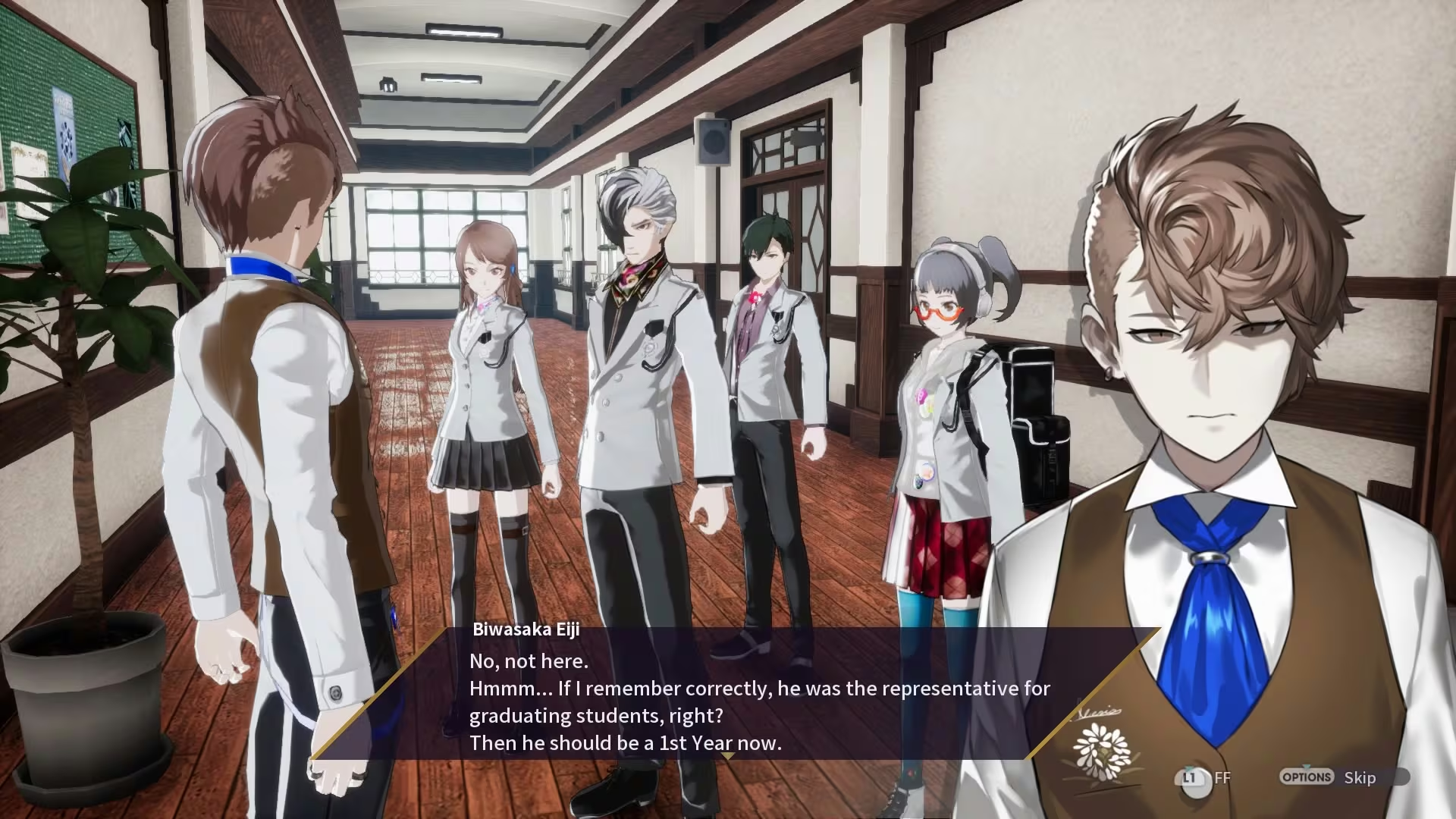
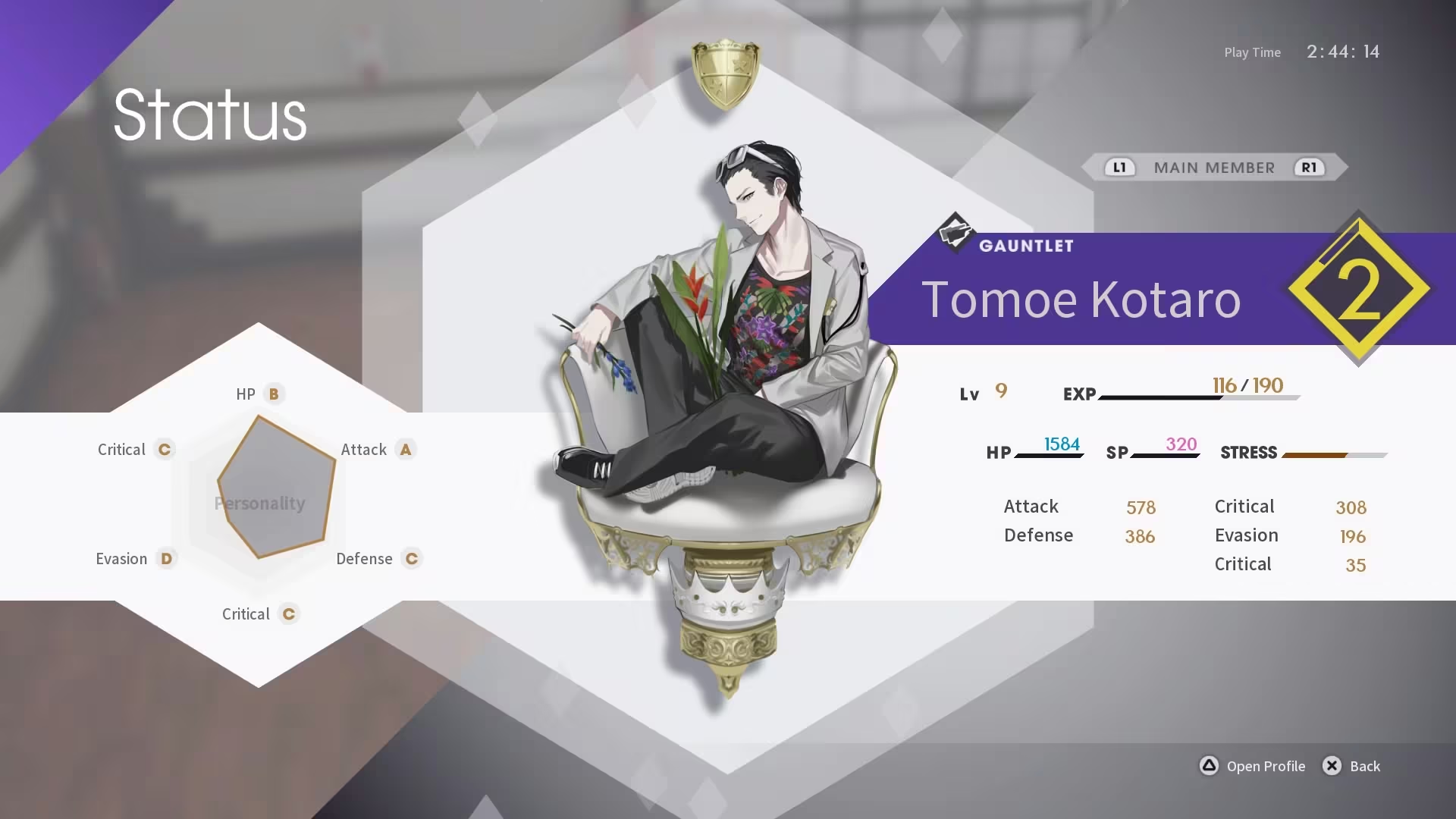
- Deep character development and story
- Excellent soundtrack and voice acting
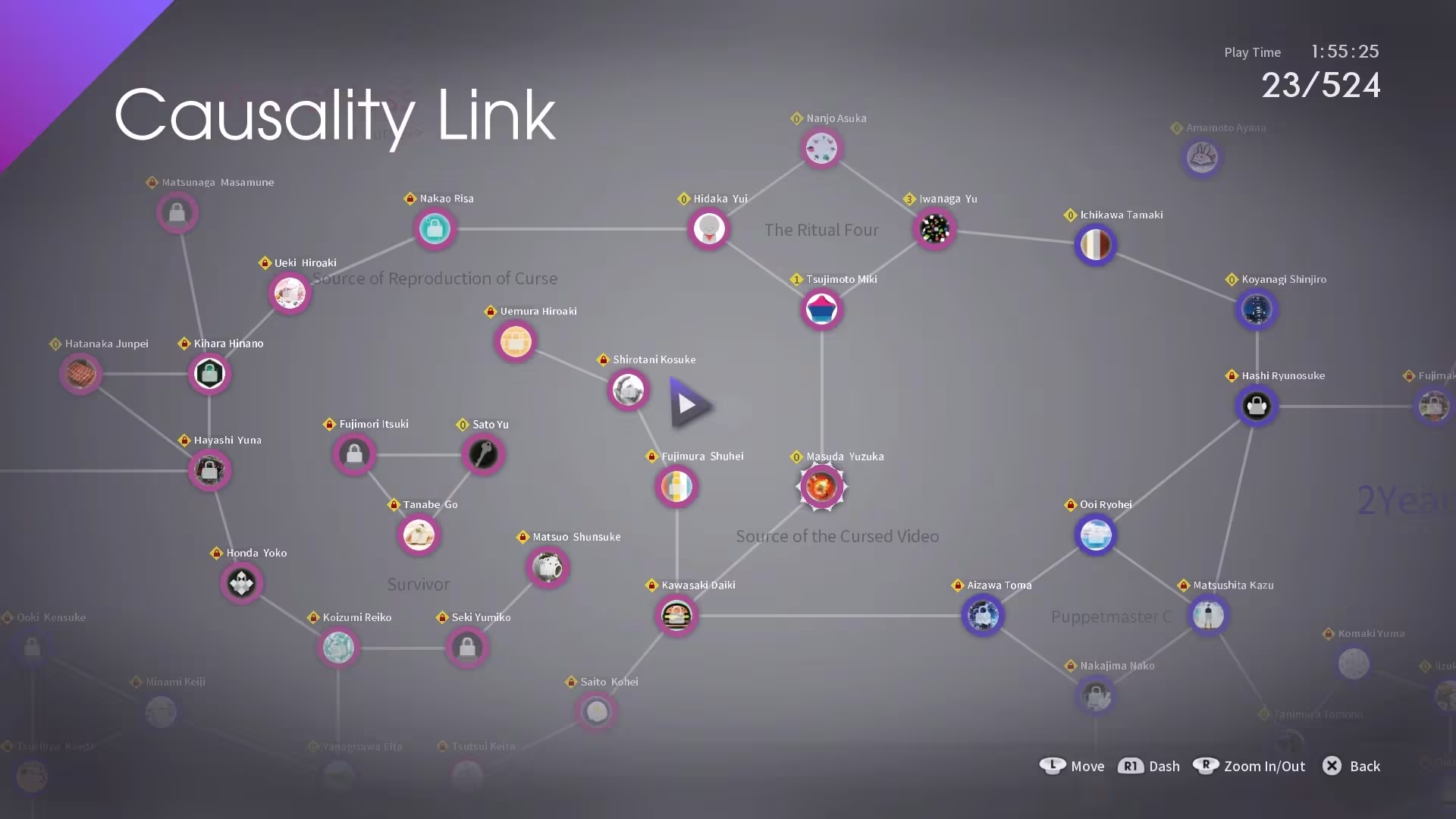
- Large social link system with many npcs
- Multiple story routes and endings
Cons
- Repetitive and tedious sidequests
- Maze-like and uninspired dungeon design
- Dated 3d models and stiff animations
- Some problematic content (fatphobia, transphobia)
- Combat can be easy or frustrating due to rng and difficulty spikes
Analysis
Less representative of its motivational profile, with noticeable differences. Motivations that often define this kind of title include Leadership, Survival, Violence, Strategy. Here, the score leans higher than usual among comparable games on Intimacy, Fellowship. It leans lower than usual among comparable games on Exploration.
How to use the graph
Similar games map
Each dot is a game. They are arranged from the same motivation profile as in the “Motivations” section below. Closer dots usually mean more similar reasons to play (exploration, competition, relaxation, etc.)—not that one game is “better” than another.
- Larger dot with a light outline: the game you are viewing.
- Colour: groups of games with comparable motivation patterns (statistical clusters).
- Hover a dot to see the game name; click to open its page.
- Scroll or double-click the chart to zoom out and see more games.
Why don’t the axes read like a score? This view uses t-SNE: it only keeps who is close to whom. The scales are not “good to bad” or hours played—they separate groups on the map. Read distance between dots, not the axis numbers.
Motivations
-
Autonomy3
"Players can choose protagonist gender, select party members, and decide story routes including siding with antagonists, showing moderate player control and decision-making."
-
Competence2
"Combat involves strategic planning with timing and positioning, but some battles can be repetitive and easy on lower difficulties."
-
Competition-3
"Single-player game focused on personal progress and story; no evidence of competitive multiplayer or leaderboards."
-
Continuation3
"Long playtime with many sidequests and character episodes encourages habitual play, though some find grind and repetition tedious."
-
Cooperation-4
"Gameplay and story focus on individual player experience; no multiplayer or cooperative gameplay elements."
-
Creativity2
"Players can customize party composition and combat strategies; however, dungeon design and sidequests are repetitive with limited creative freedom."
-
Domination-5
"No evidence of exerting control or superiority over others; interactions are balanced and story-driven."
-
Escapism4
"Game centers on escaping a virtual world and dealing with psychological traumas, providing a strong escape from real-life problems."
-
Expectation-4
"Players engage voluntarily out of interest in story, characters, and gameplay; no indication of obligation or external pressure."
-
Experimenting2
"Combat system encourages experimenting with timing and combos; however, sidequests and dungeons are repetitive and less exploratory."
-
Exploration-3
"Dungeons are maze-like but repetitive and uninspired; limited discovery and mostly familiar environments."
-
Expression1
"Some character customization via gender choice and outfits (DLC), but limited overall; character portraits allow some expression."
-
Fantasy4
"Game features a virtual world with fantastical elements, idealized avatars, and supernatural combat mechanics."
-
Fellowship1
"Strong social link system with many NPCs, but interactions are mostly one-sided and lack deep community feeling."
-
Growth3
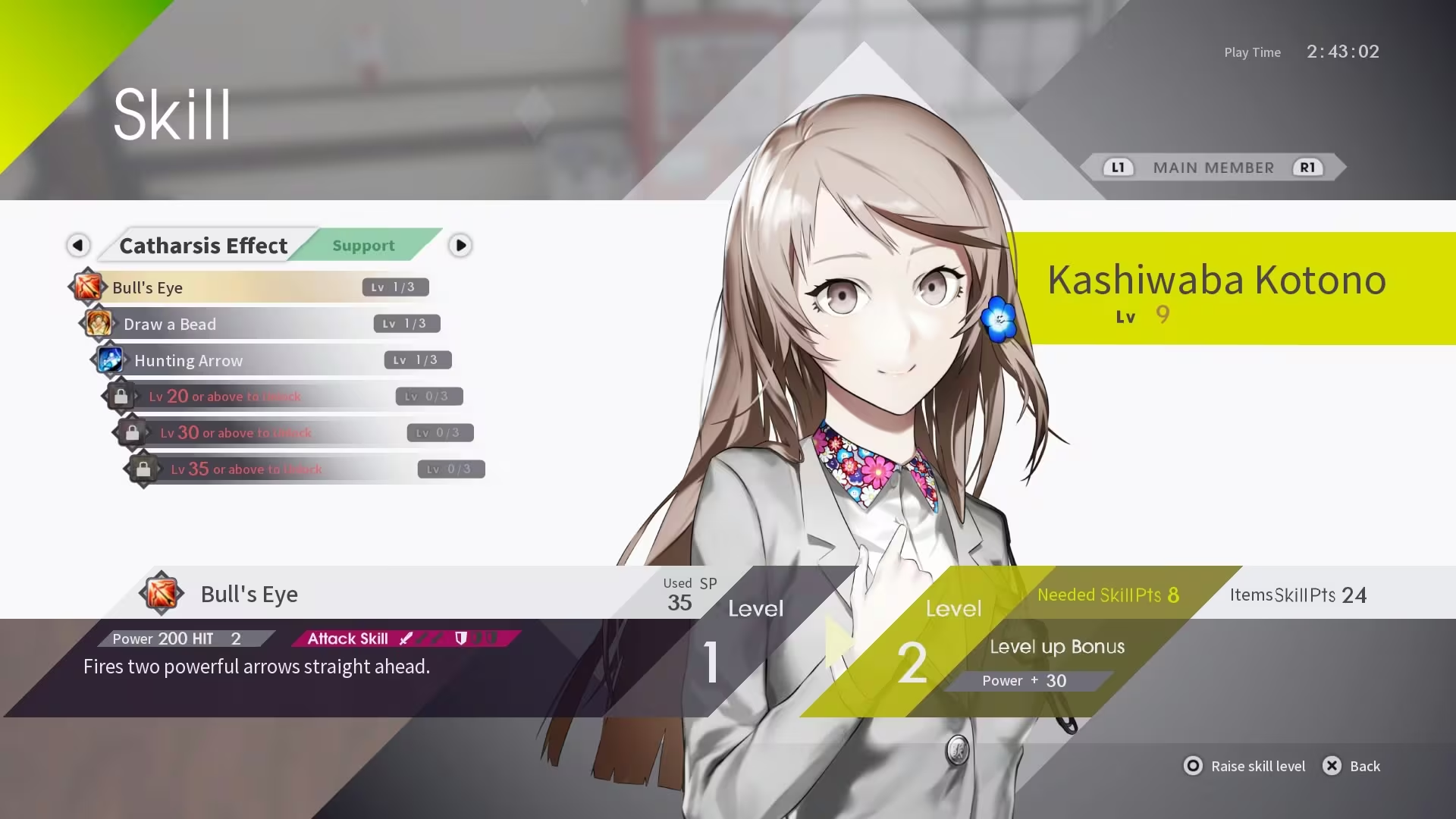
"Players develop skills, unlock character episodes, and improve stats through sidequests and combat progression."
-
Health-5
"Typical sedentary gaming experience with no physical activity or health-related features."
-
Idle-3
"Requires focused attention during combat and story; some repetitive grinding but not suited for background play."
-
Intimacy2
"Character bonding and social link episodes provide emotional connections, though limited to scripted interactions."
-
Leadership2
"Player leads a party and makes strategic decisions, but no evidence of managing or directing others beyond the party."
-
Progression4
"Strong emphasis on leveling up, unlocking skills, completing sidequests, and character development."
-
Relaxation1
"Some players find the music and story relaxing, but combat and dungeon repetition can cause frustration and tension."
-
Sensation2
"Enjoyable music and anime-style visuals provide sensory stimulation, though some find animations stiff and repetitive."
-
Status-4
"No social status or recognition mechanics; focus is on individual story and progression."
-
Story4
"Narrative immersion is strong with character-driven plot, multiple endings, and psychological themes."
-
Strategy3
"Combat requires planning moves and timing attacks; some players find it strategic while others find it repetitive."
-
Thrill1
"Some suspense in story and boss fights, but overall combat is predictable and can be easy on lower difficulties."
-
Value2
"Many players find the game worth the price on sale due to content and story; some feel full price is high."
-
Violence3
"Combat involves attacking and defeating enemies with various skills and combos; some graphic violence implied."
-
Survival1
"Combat involves avoiding defeat and managing resources, but overall difficulty is moderate and adjustable."
Last update: 29/04/2026