The Novelist Thumbnail

The Novelist similar games & best alternatives
The Novelist

PC (Microsoft Windows), Mac, Linux • 2013

Related articles

Quick resume

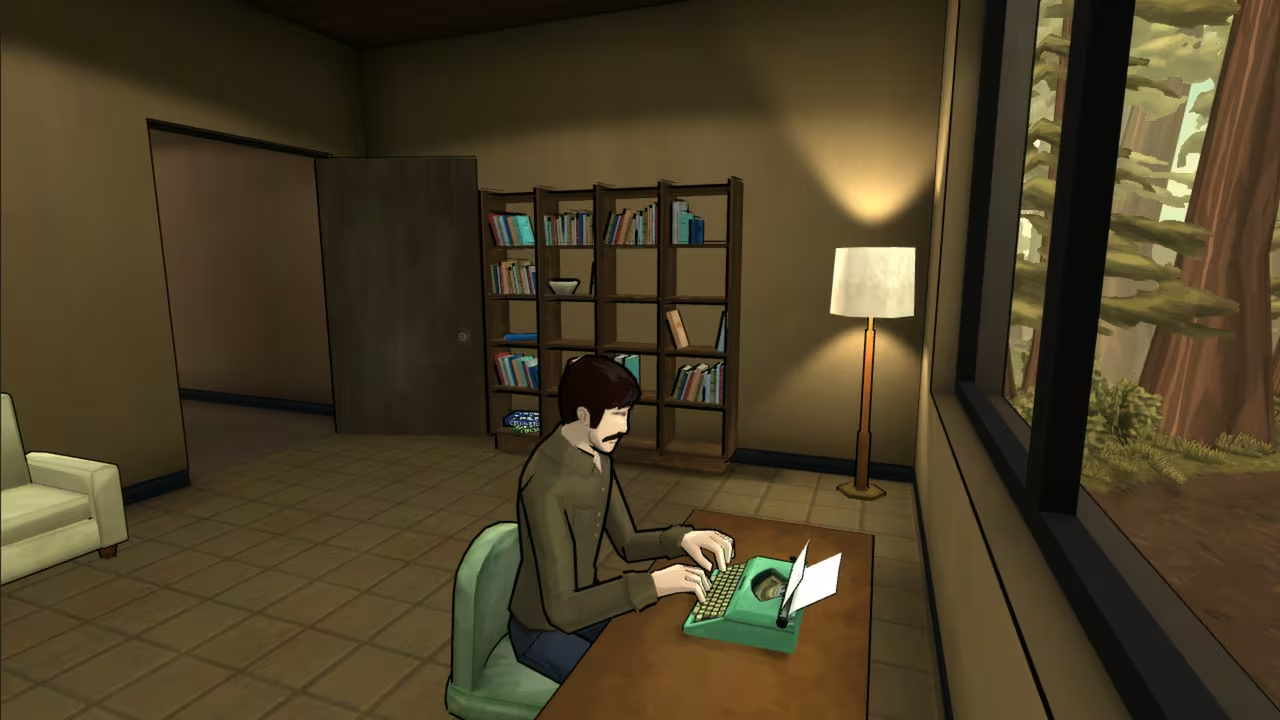
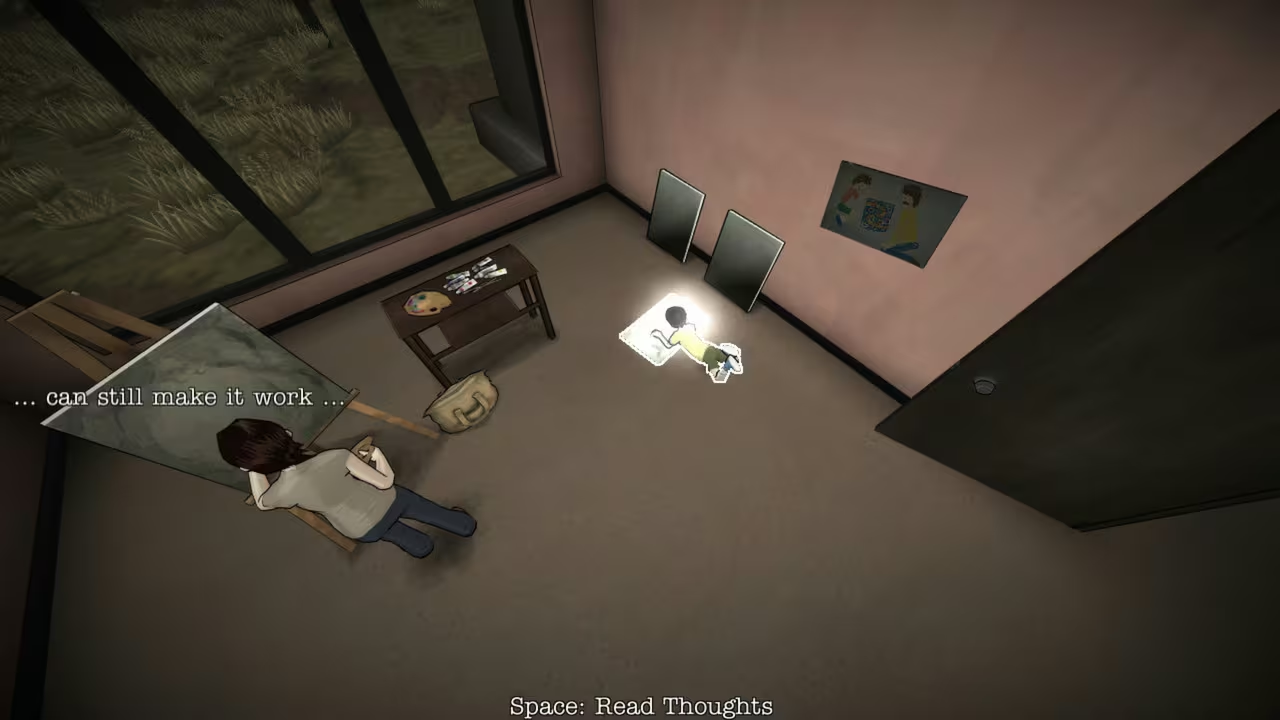
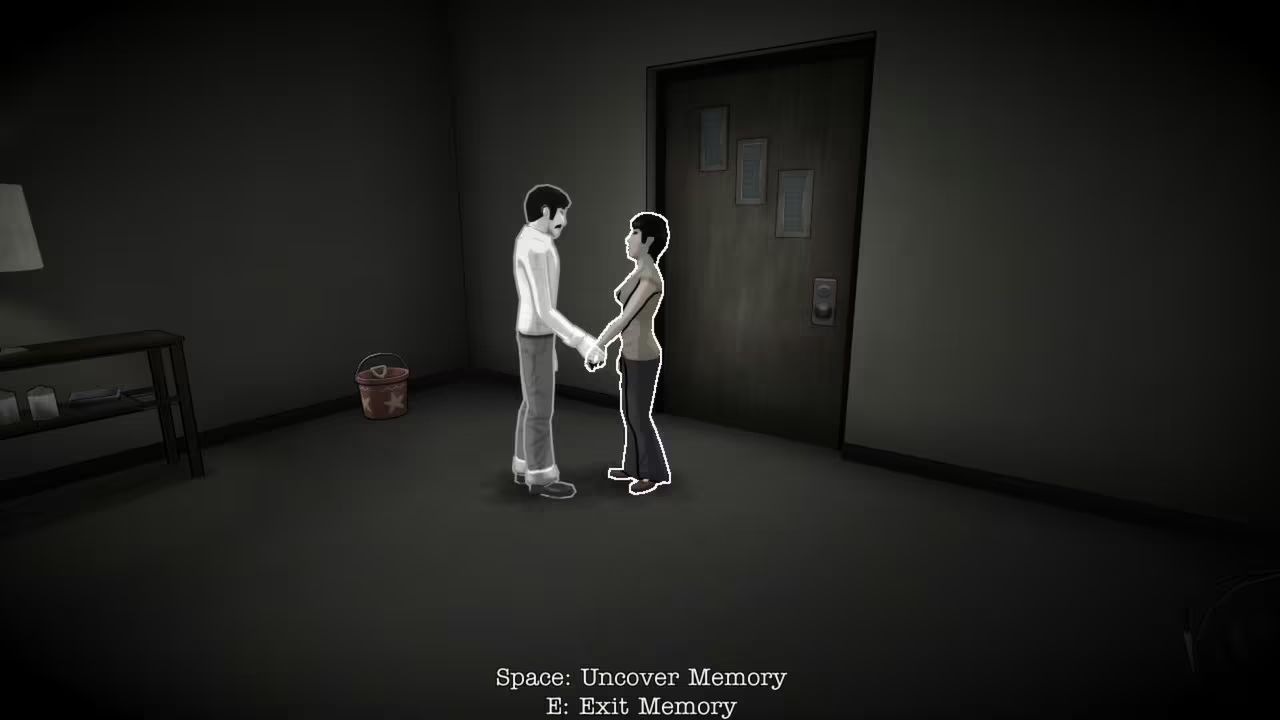
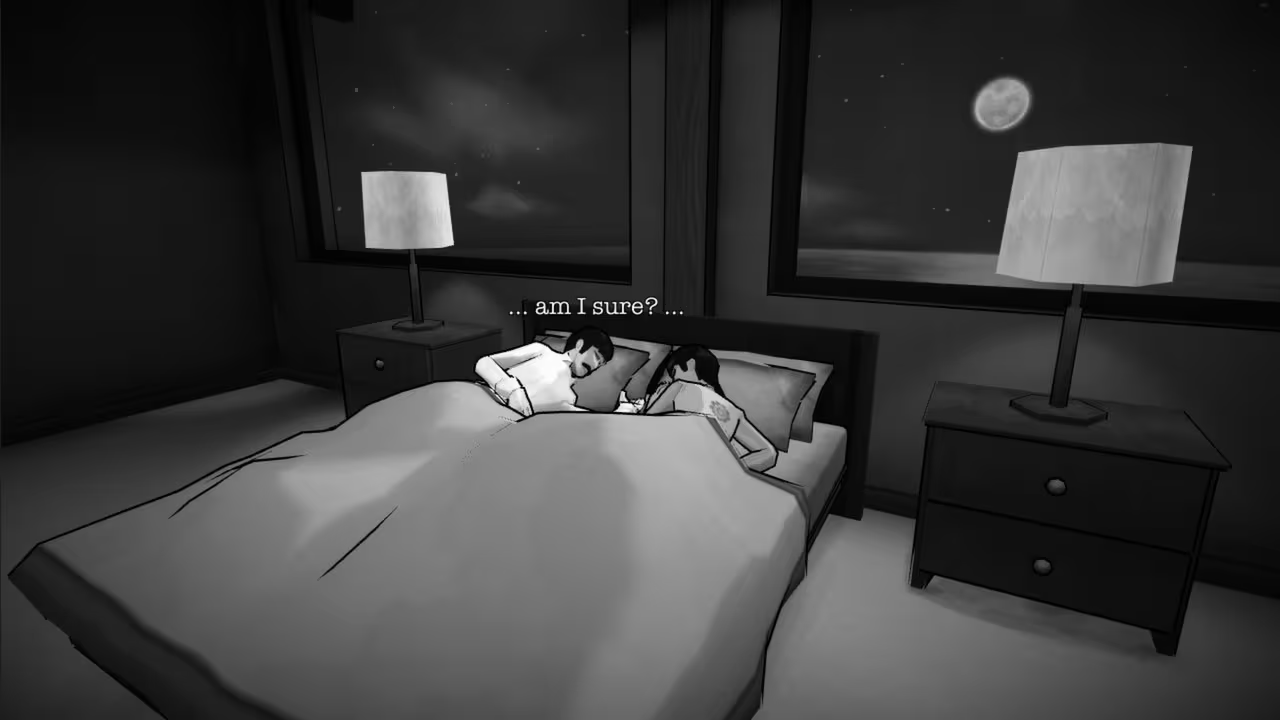
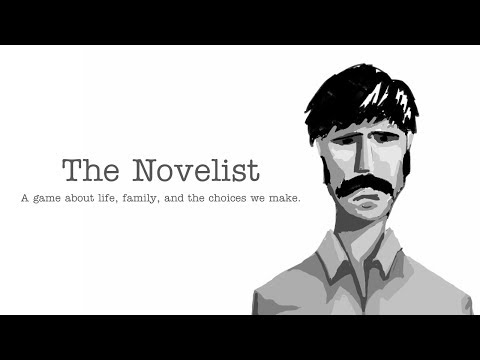
The Novelist asks one central question: can you achieve your dreams without pushing away the people you love? The game focuses on Dan Kaplan, a novelist struggling to write the most important book of his career while trying to be the best husband and father he can be.

Global score

75/100

Genres

Adventure, Casual, Indie, Strategy, Simulator

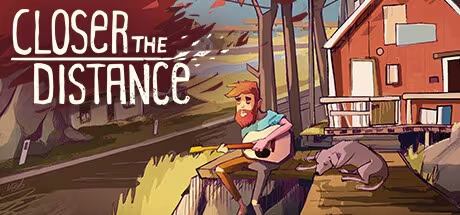
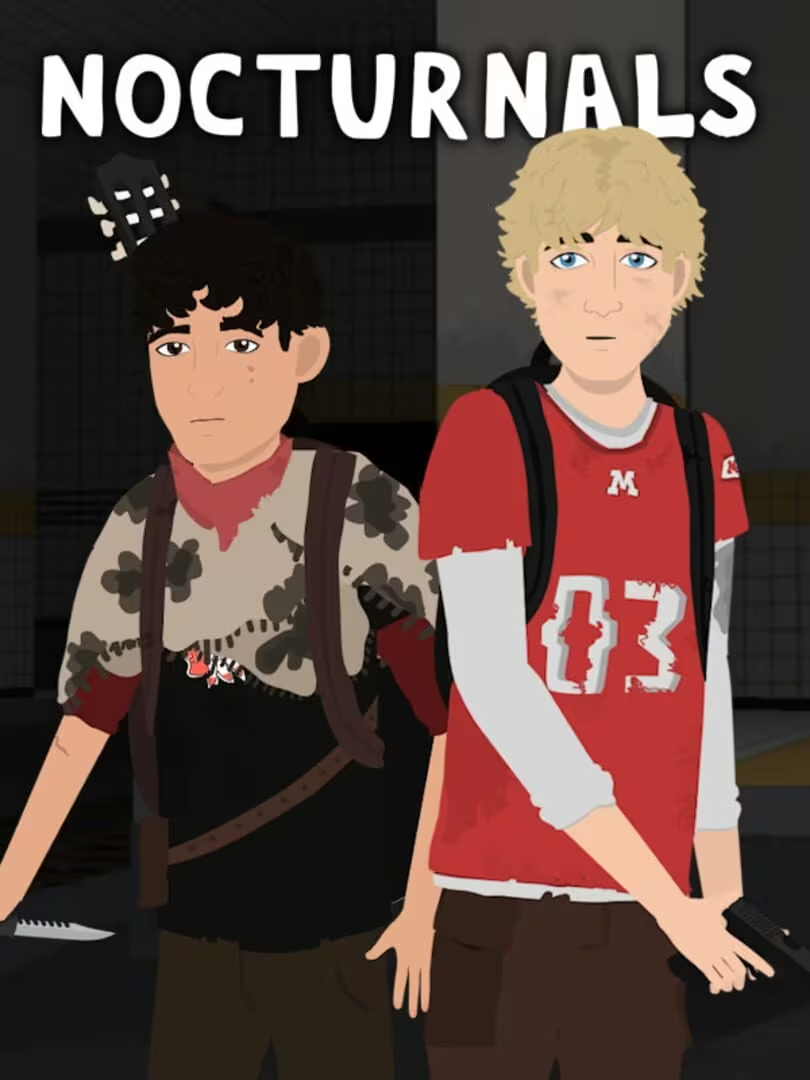
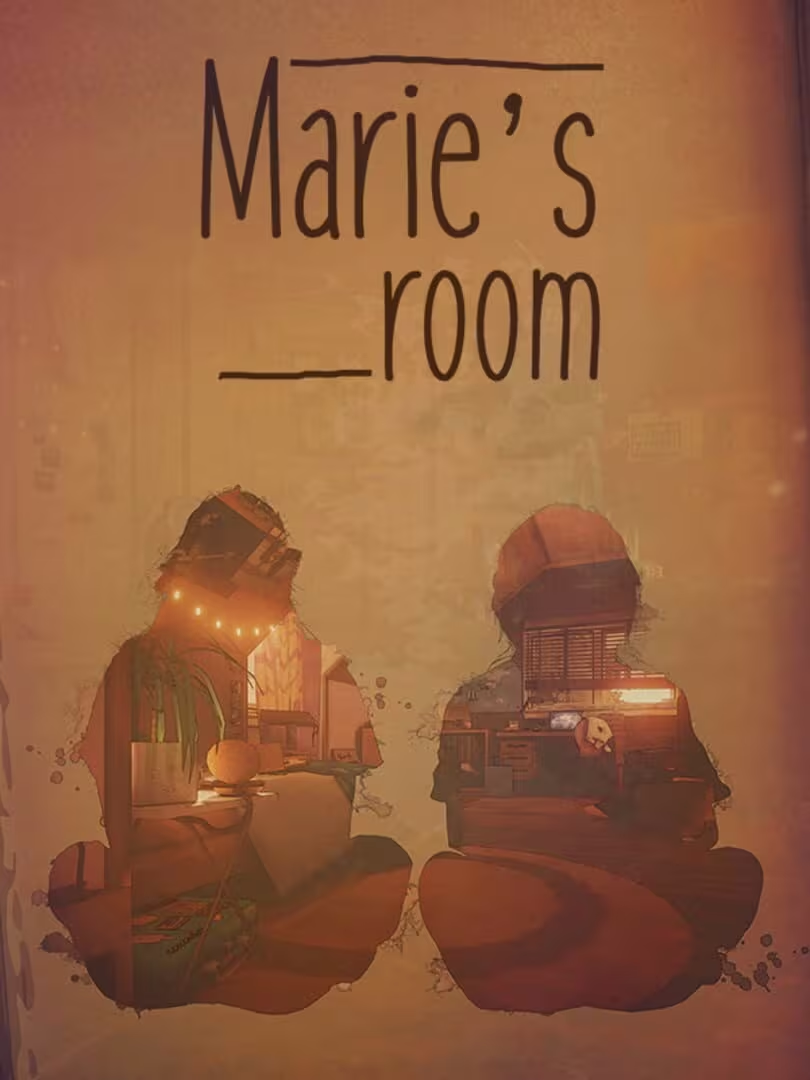
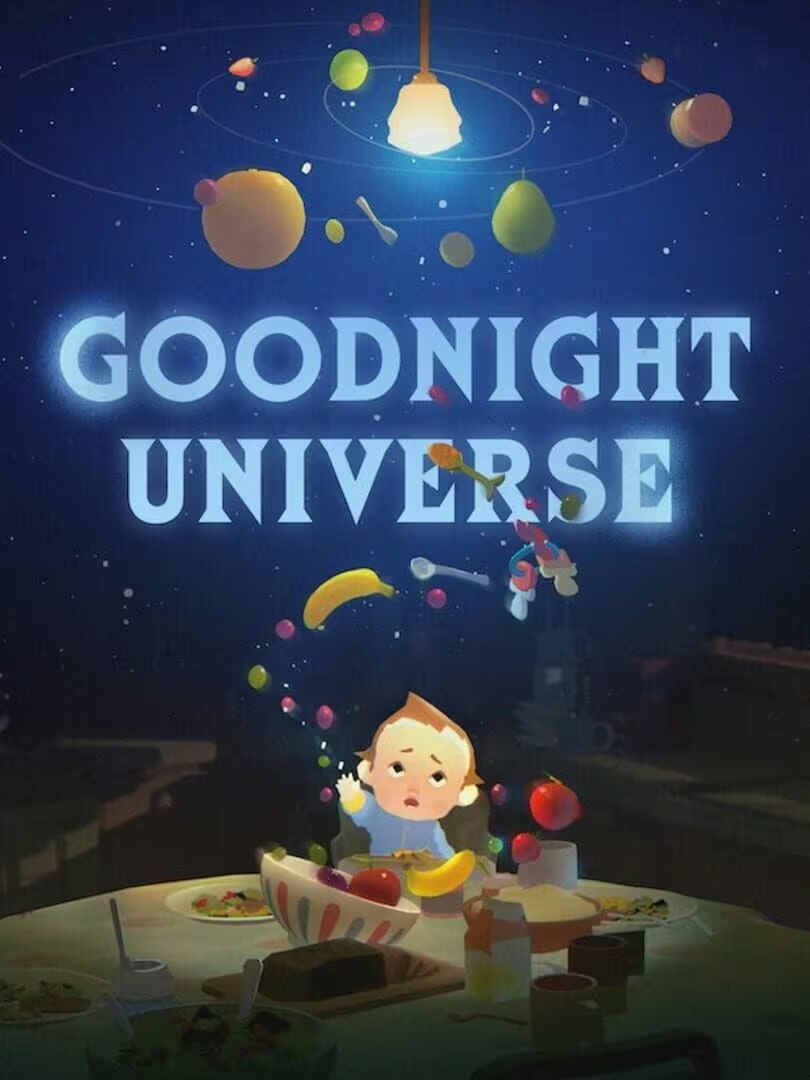
Similar games

    Pros

    • Unique narrative and emotional depth
    • Meaningful player choices with consequences
    • Strong character development and empathy
    • Multiple endings and replayability
    • Calm, reflective atmosphere

    Cons

    • Short gameplay length
    • Repetitive exploration mechanics
    • Limited interactivity and challenge
    • Some players find story slow or overly sentimental
    • Price considered high by some for content length

    Analysis

    Less representative of its motivational profile, with noticeable differences. Motivations that often define this kind of title include Fantasy, Violence, Story, Thrill. Here, the score leans higher than usual among comparable games on Intimacy, Story, Cooperation.

    How to use the graph
    Similar games map

    Each dot is a game. They are arranged from the same motivation profile as in the “Motivations” section below. Closer dots usually mean more similar reasons to play (exploration, competition, relaxation, etc.)—not that one game is “better” than another.

    • Larger dot with a light outline: the game you are viewing.
    • Colour: groups of games with comparable motivation patterns (statistical clusters).
    • Hover a dot to see the game name; click to open its page.
    • Scroll or double-click the chart to zoom out and see more games.

    Why don’t the axes read like a score? This view uses t-SNE: it only keeps who is close to whom. The scales are not “good to bad” or hours played—they separate groups on the map. Read distance between dots, not the axis numbers.

    Motivations

    • Autonomy
      4

      "Players act as a ghost influencing family decisions with freedom to choose which character's desires to prioritize, reflecting high personal control over outcomes."

    • Competence
      1

      "Gameplay involves exploration and decision-making with minimal mechanical challenge, but requires thoughtful balancing of family needs."

    • Competition
      -4

      "Focus is on personal, narrative-driven experience without comparison or ranked competition."

    • Continuation
      3

      "Players often replay to explore different story outcomes and endings, showing attachment and habitual engagement."

    • Cooperation
      3

      "Game centers on balancing and cooperating with the needs of multiple family members, requiring consideration of group dynamics."

    • Creativity
      2

      "Players creatively explore memories and clues to influence story, though within a fixed narrative framework."

    • Domination
      -3

      "Interactions emphasize empathy and shared decision-making rather than exerting control or superiority over others."

    • Escapism
      3

      "Provides emotional immersion and reflection on life, offering an escape from real-world stress through narrative engagement."

    • Expectation
      -4

      "Players engage voluntarily out of intrinsic interest in story and moral dilemmas, not due to obligation or external pressure."

    • Experimenting
      3

      "Encourages trying different choices and exploring multiple narrative branches to see varied outcomes."

    • Exploration
      4

      "Players explore the house and characters' memories to uncover new story elements and secrets."

    • Expression
      -2

      "Limited customization; players influence story but do not personalize characters or environments."

    • Fantasy
      -3

      "Grounded in realistic family and life issues despite the ghostly perspective; focuses on plausible scenarios."

    • Fellowship
      3

      "Strong sense of connection to family characters and their interpersonal relationships."

    • Growth
      3

      "Players learn about characters and develop understanding of complex life choices and consequences."

    • Health
      -5

      "No physical activity or health-related gameplay elements."

    • Idle
      -3

      "Requires focused attention and deliberate exploration rather than passive or background play."

    • Intimacy
      4

      "Deep emotional engagement with family members and their personal struggles."

    • Leadership
      3

      "Players guide family decisions, acting as a leader influencing outcomes though within a narrative context."

    • Progression
      3

      "Narrative progression through chapters and decisions leading to different story endings."

    • Relaxation
      3

      "Calm pacing with gentle music and atmosphere encourages reflective and relaxed play."

    • Sensation
      -2

      "Sensory input is moderate and subdued, focusing on narrative rather than intense audiovisual stimulation."

    • Status
      -4

      "Game focuses on personal story without social recognition or status mechanics."

    • Story
      5

      "Strong narrative immersion with meaningful choices shaping the family’s story and multiple endings."

    • Strategy
      2

      "Requires thoughtful decision-making and balancing competing needs, though gameplay mechanics are simple."

    • Thrill
      -3

      "Low suspense or risk; emotional tension is subtle and contemplative rather than thrilling."

    • Value
      2

      "Generally considered worth the price especially on sale for the emotional and narrative experience."

    • Violence
      -5

      "No violence; gameplay centers on constructive emotional engagement and decision-making."

    • Survival
      -4

      "Stable environment with no threats or survival mechanics."

    Last update: 29/04/2026