Winds of Change Thumbnail

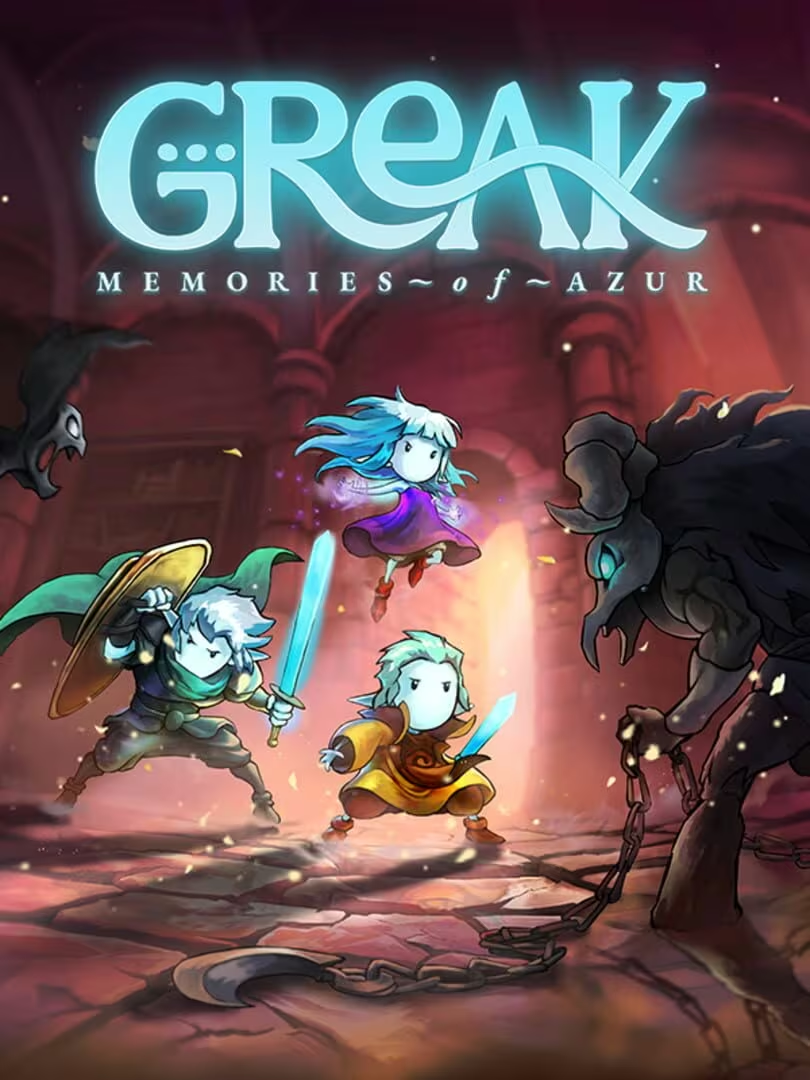
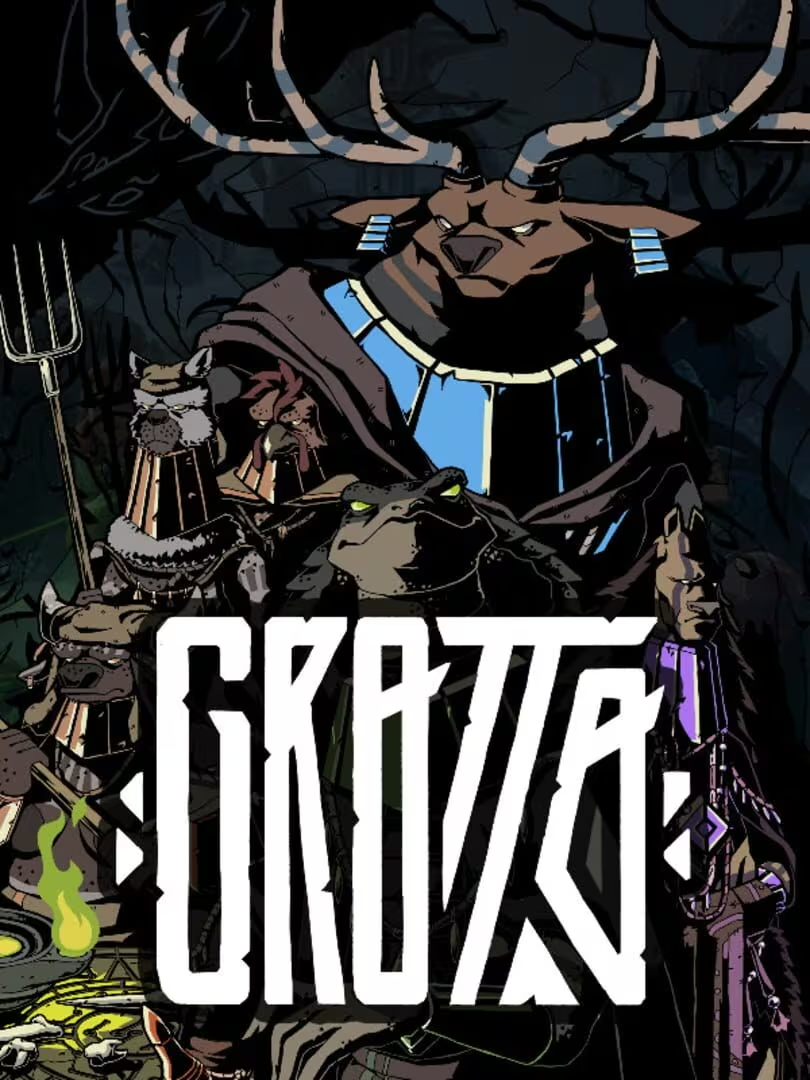
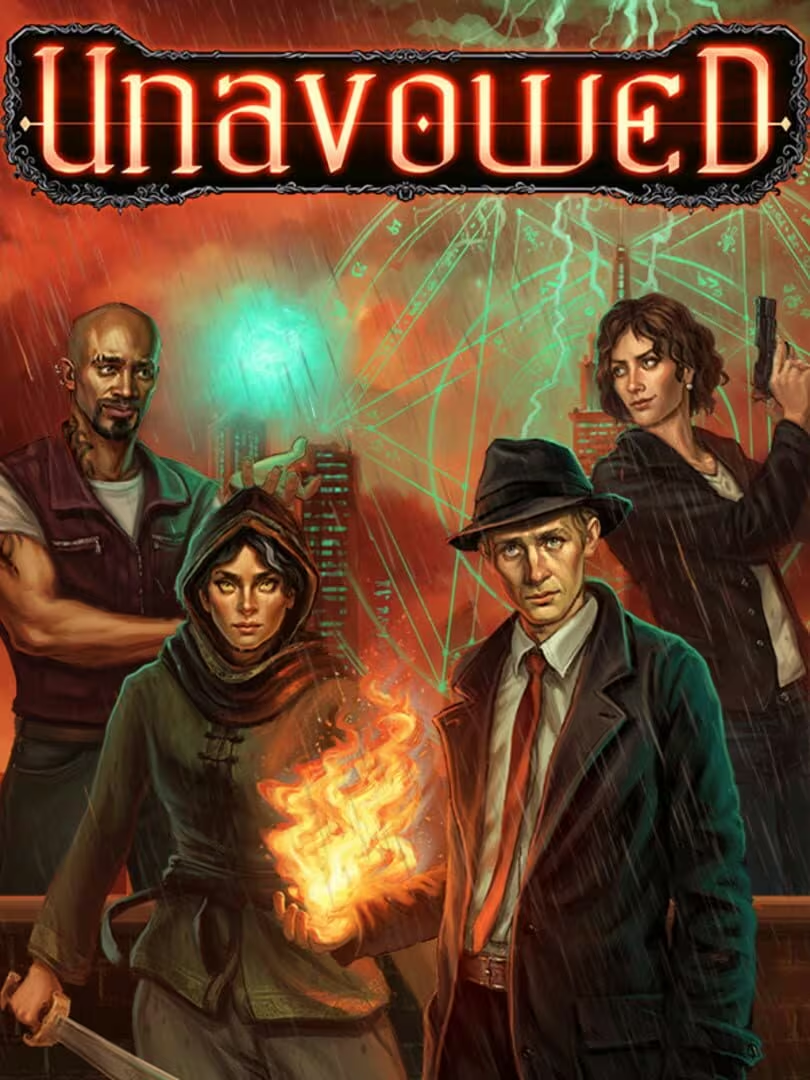
Winds of Change similar games & best alternatives

Winds of Change

PC (Microsoft Windows), Nintendo Switch, Mac, Linux • 2019

Related articles

Quick resume

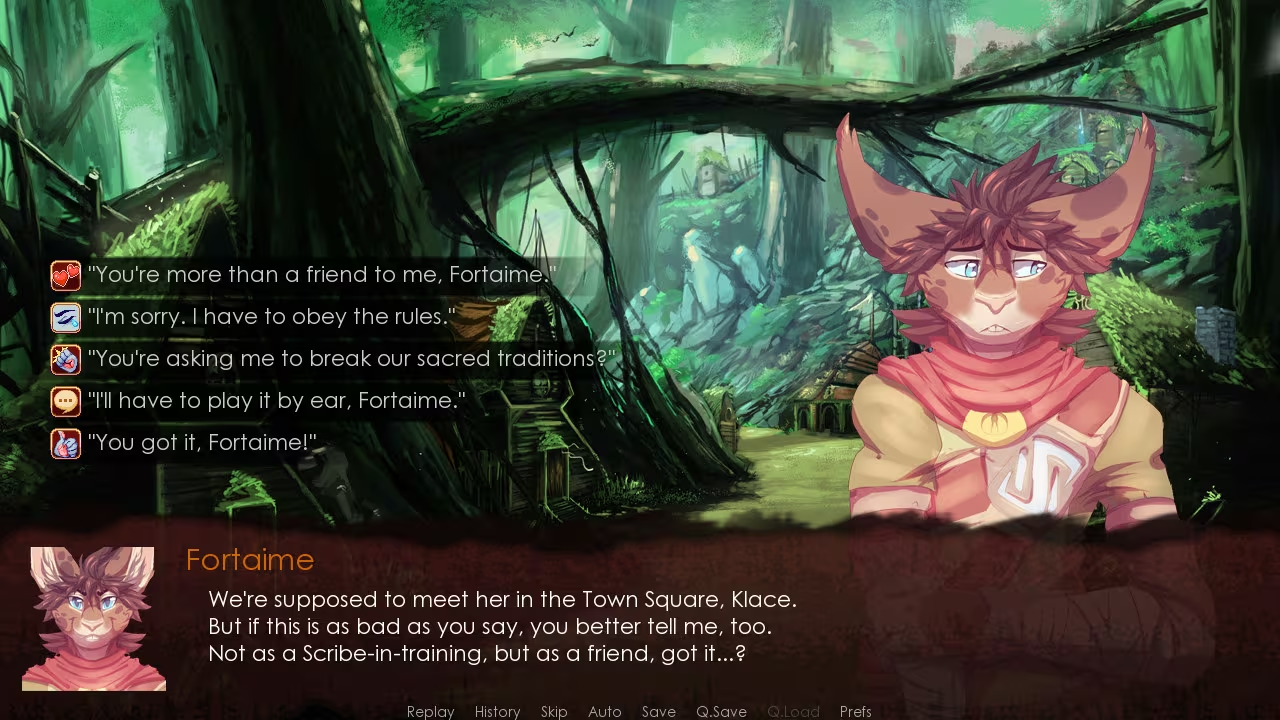
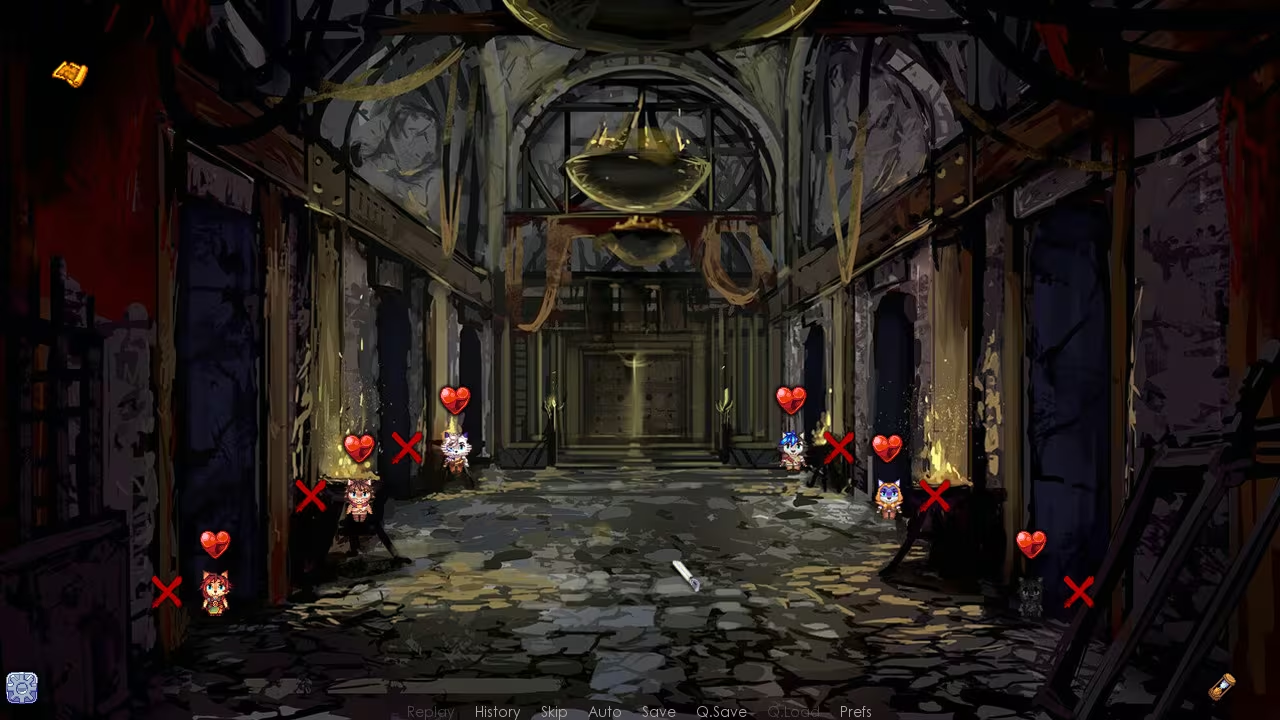
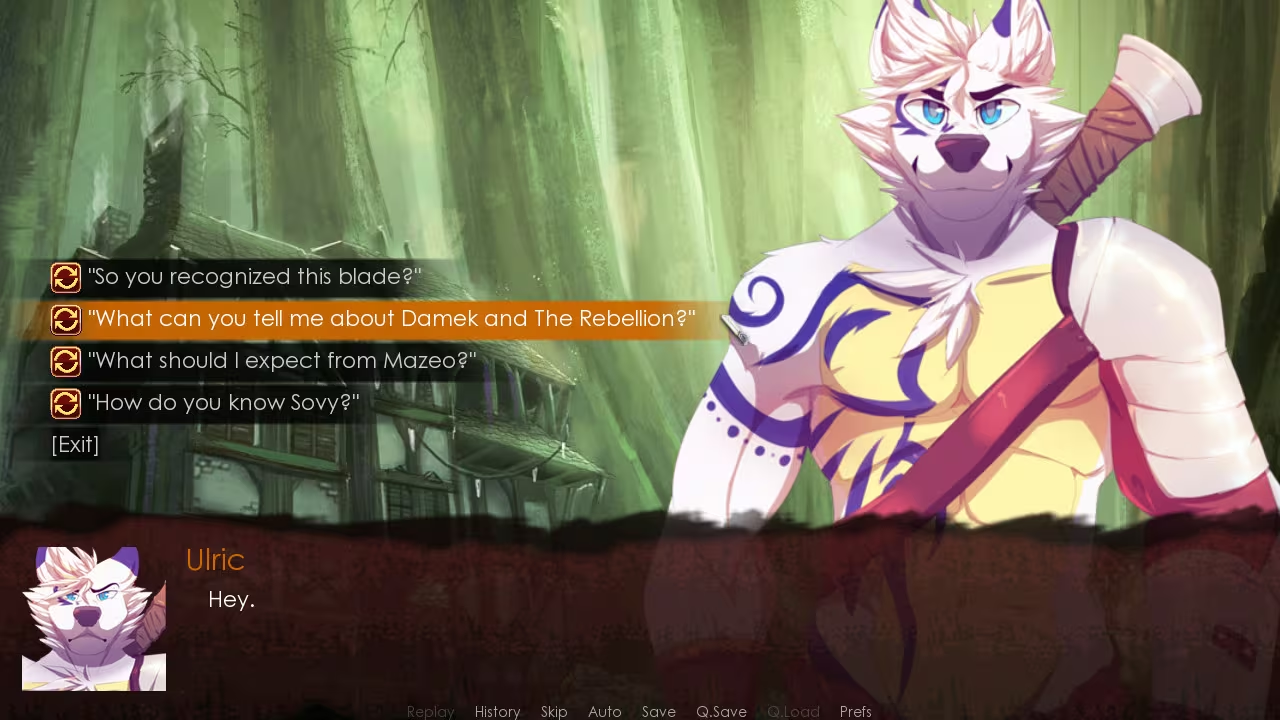
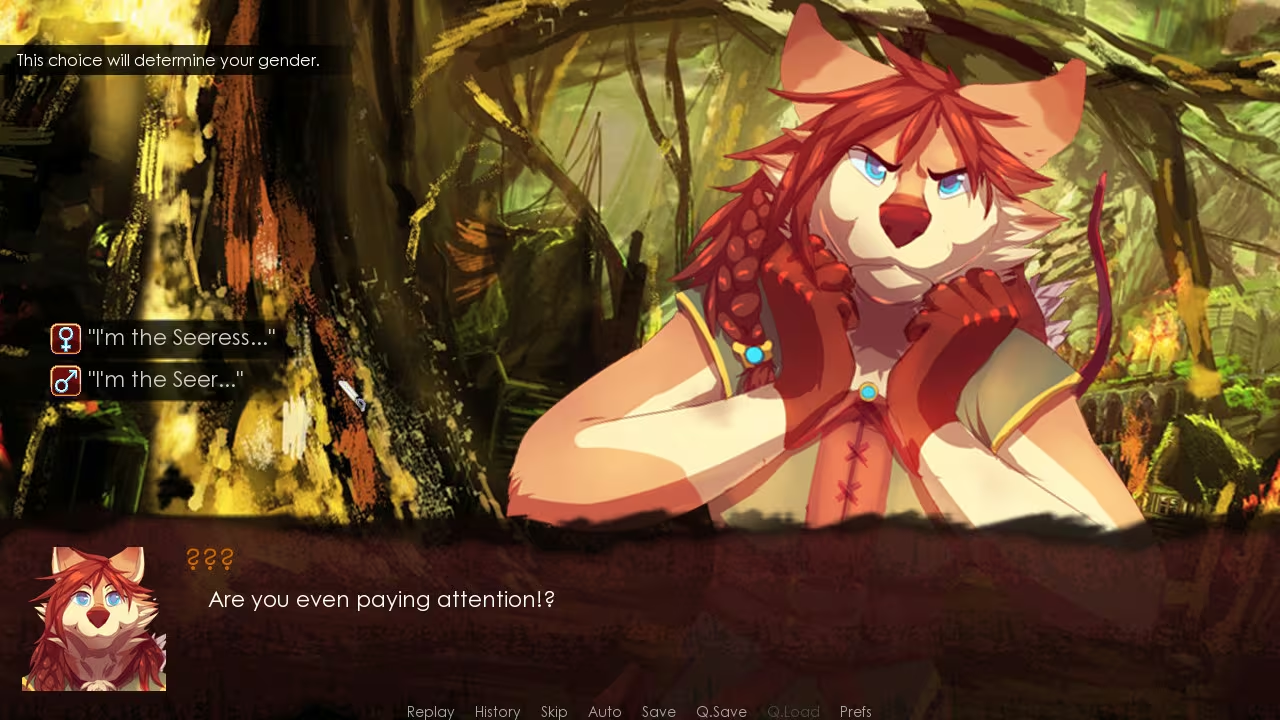
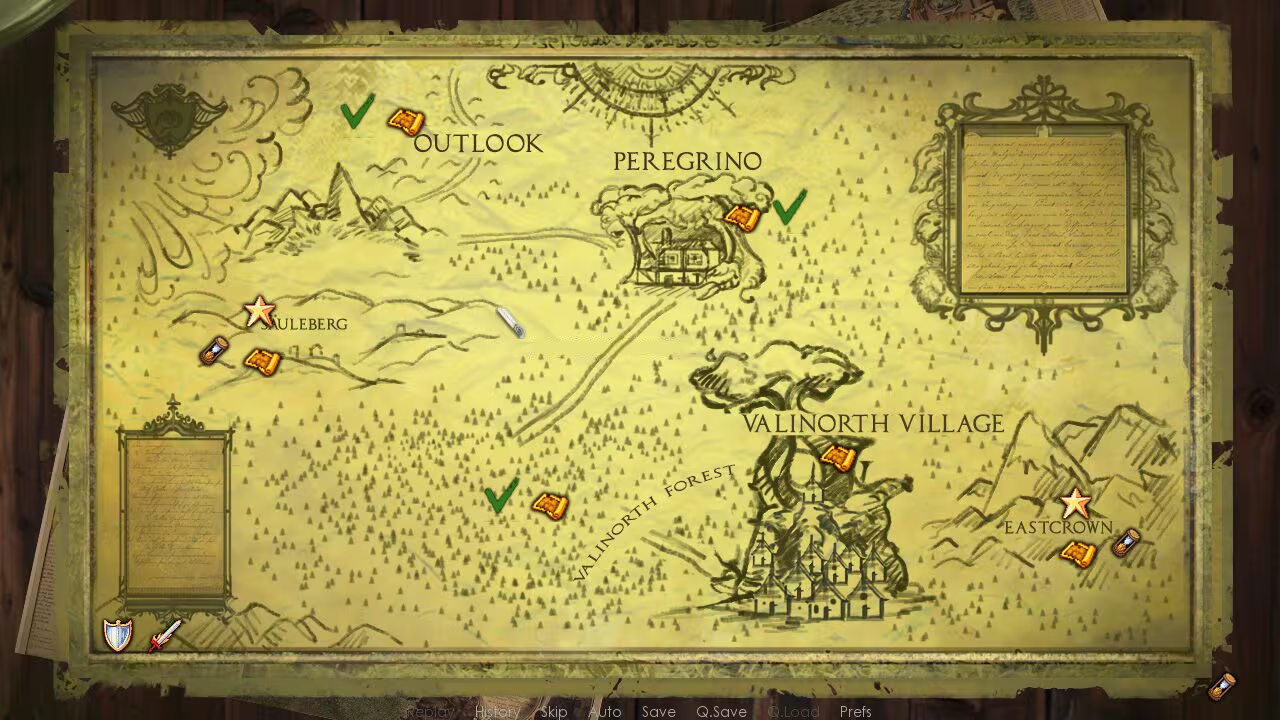
Lead The Rebellion, build your army, and shape the world with your choices. A story-heavy adventure game with multiple endings, romance options, and non-linear storytelling. A vast fantasy world waiting to be explored. Inspired by Dragon Age, and Mass Effect. Fully voice acted by a stellar cast!

Global score

96/100

Genres

Adventure, Indie, Role-playing (RPG)

Similar games

    Pros

    • Engaging and emotional story
    • Fully voice acted characters
    • Rich character development and relationships
    • Immersive fantasy world with exploration
    • High replay value with multiple endings

    Cons

    • Some minor voice acting inconsistencies
    • Few typos and occasional bugs
    • Slow pacing in early acts
    • Limited female romantic options
    • Lack of action or gameplay variety

    Analysis

    Less representative of its motivational profile, with noticeable differences. Motivations that often define this kind of title include Cooperation, Fellowship, Intimacy, Leadership. Here, the score leans higher than usual among comparable games on Leadership, Intimacy. It leans lower than usual among comparable games on Violence.

    How to use the graph
    Similar games map

    Each dot is a game. They are arranged from the same motivation profile as in the “Motivations” section below. Closer dots usually mean more similar reasons to play (exploration, competition, relaxation, etc.)—not that one game is “better” than another.

    • Larger dot with a light outline: the game you are viewing.
    • Colour: groups of games with comparable motivation patterns (statistical clusters).
    • Hover a dot to see the game name; click to open its page.
    • Scroll or double-click the chart to zoom out and see more games.

    Why don’t the axes read like a score? This view uses t-SNE: it only keeps who is close to whom. The scales are not “good to bad” or hours played—they separate groups on the map. Read distance between dots, not the axis numbers.

    Motivations

    • Autonomy
      4

      "Players make meaningful choices affecting story, relationships, and outcomes, with freedom to explore locations and interact with items."

    • Competence
      3

      "Engages players in complex moral decisions and character interactions requiring thoughtful consideration, though gameplay is mostly narrative-driven."

    • Competition
      -4

      "Focuses on personal story progression and character relationships without competitive or ranked elements."

    • Continuation
      4

      "Players report long play sessions, emotional investment, and desire to replay for different endings and relationship paths."

    • Cooperation
      2

      "Game emphasizes party member interactions and relationship building, but primarily experienced solo."

    • Creativity
      3

      "Players can explore environments, discover hidden dialogues and books, and shape story through choices, encouraging creative engagement."

    • Domination
      -5

      "Interactions are balanced and respectful; no evidence of power imposition or dominance over others."

    • Escapism
      5

      "Strong emotional immersion and narrative engagement provide escape from real life, with players describing cathartic experiences."

    • Expectation
      -4

      "Players engage voluntarily out of intrinsic interest and emotional connection, not obligation or external pressure."

    • Experimenting
      3

      "Players explore multiple dialogue options, relationship routes, and hidden content, encouraging experimentation within narrative."

    • Exploration
      4

      "Game includes world map navigation, point-and-click exploration of scenes, and discovery of lore through books and side conversations."

    • Expression
      3

      "Character sprites have varied expressions and poses; players shape protagonist's personality through dialogue choices."

    • Fantasy
      5

      "Set in a fantasy world with anthropomorphic characters, gods, magic, and heroic quests."

    • Fellowship
      3

      "Strong sense of party camaraderie and community through character bonding and shared story, though played individually."

    • Growth
      3

      "Players develop understanding of story, characters, and moral complexities; learn consequences of choices."

    • Health
      -5

      "Game is sedentary visual novel with no physical activity elements."

    • Idle
      -3

      "Requires focused reading and attention; not designed for background or idle play."

    • Intimacy
      4

      "Players form close emotional bonds with characters, including romance and friendship options."

    • Leadership
      4

      "Player acts as leader guiding party decisions and relationships, influencing group dynamics."

    • Progression
      4

      "Progression through story acts, relationship loyalty, and unlocking achievements and endings."

    • Relaxation
      3

      "Narrative pacing and voice acting create immersive flow, though some tension arises from moral dilemmas."

    • Sensation
      3

      "Enjoyable auditory and visual elements including voice acting, music, and art contribute to sensory engagement."

    • Status
      -4

      "Focus is on personal story experience rather than social recognition or status."

    • Story
      5

      "Strong narrative immersion with complex plot, character development, and multiple endings."

    • Strategy
      2

      "Requires thoughtful decision-making and moral reasoning, though no complex strategic gameplay."

    • Thrill
      2

      "Emotional suspense and tension arise from story developments and difficult choices."

    • Value
      4

      "Players perceive high value from story length, voice acting, replayability, and emotional impact."

    • Violence
      -4

      "Game focuses on narrative and relationships rather than combat or destruction."

    • Survival
      1

      "Some elements of avoiding failure and managing relationships, but low emphasis on survival mechanics."

    Last update: 29/04/2026