Clones Thumbnail

Clones similar games & best alternatives

Clones

PC (Microsoft Windows), Linux • 2010

Related articles

Quick resume

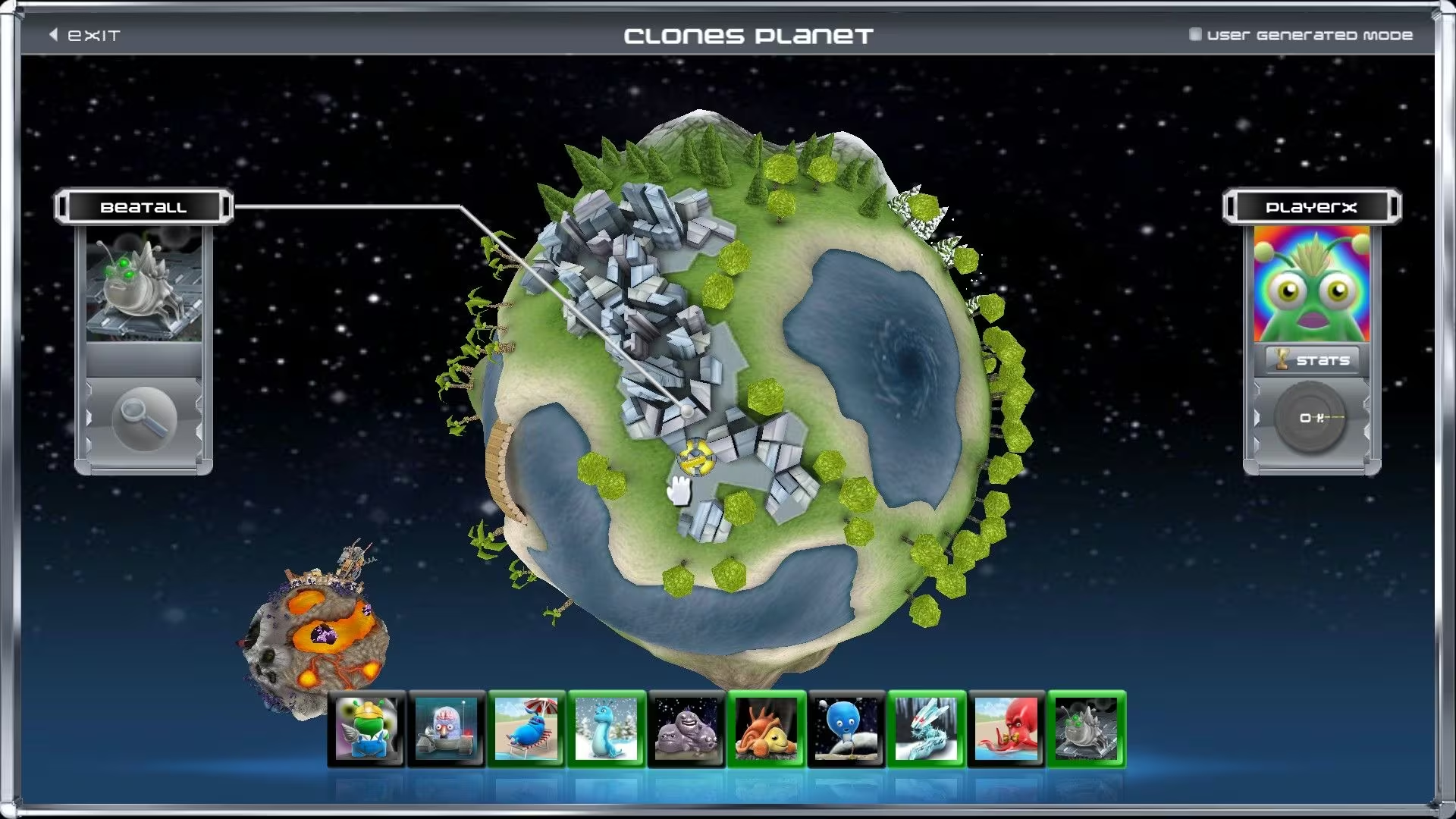
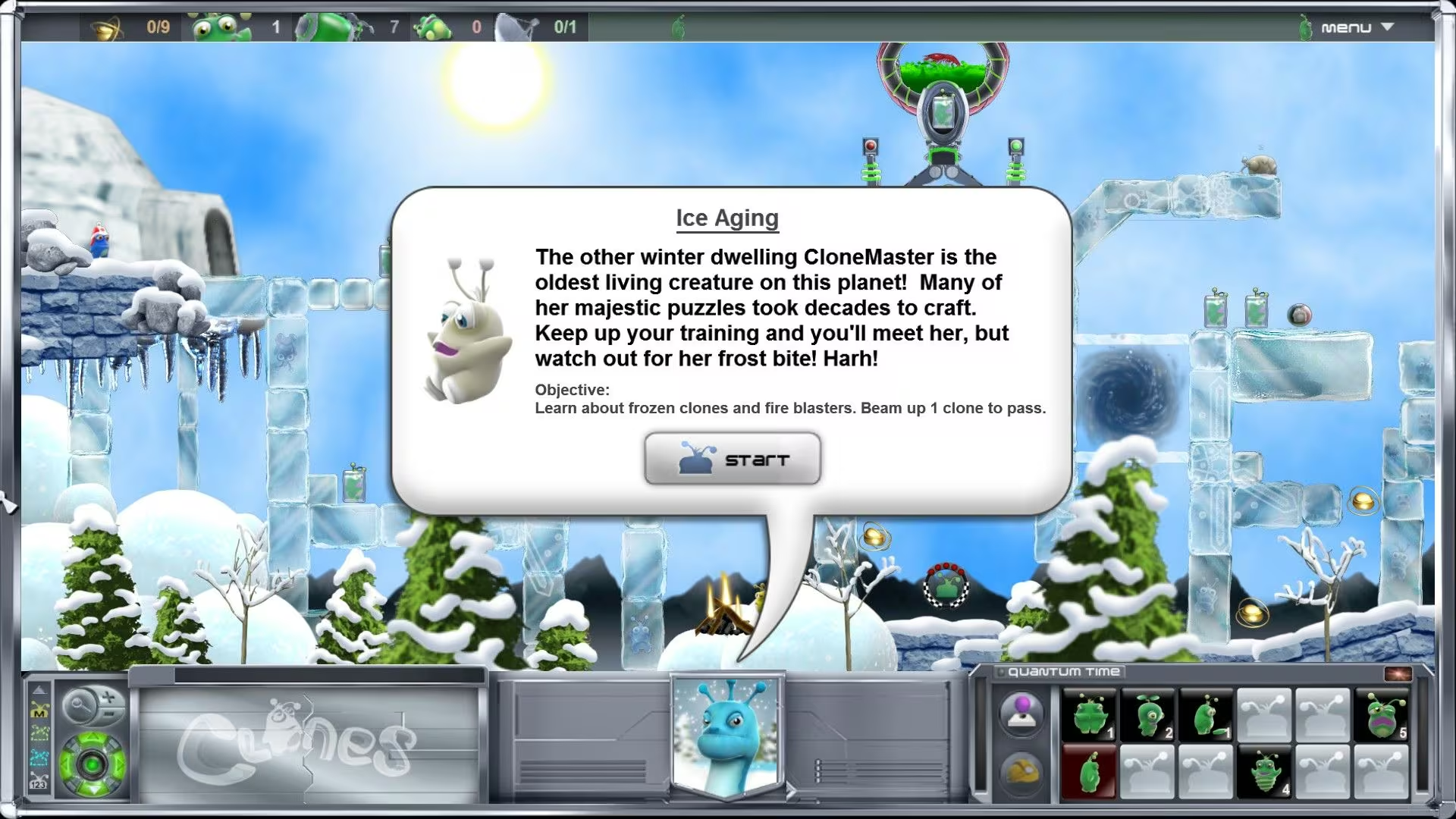
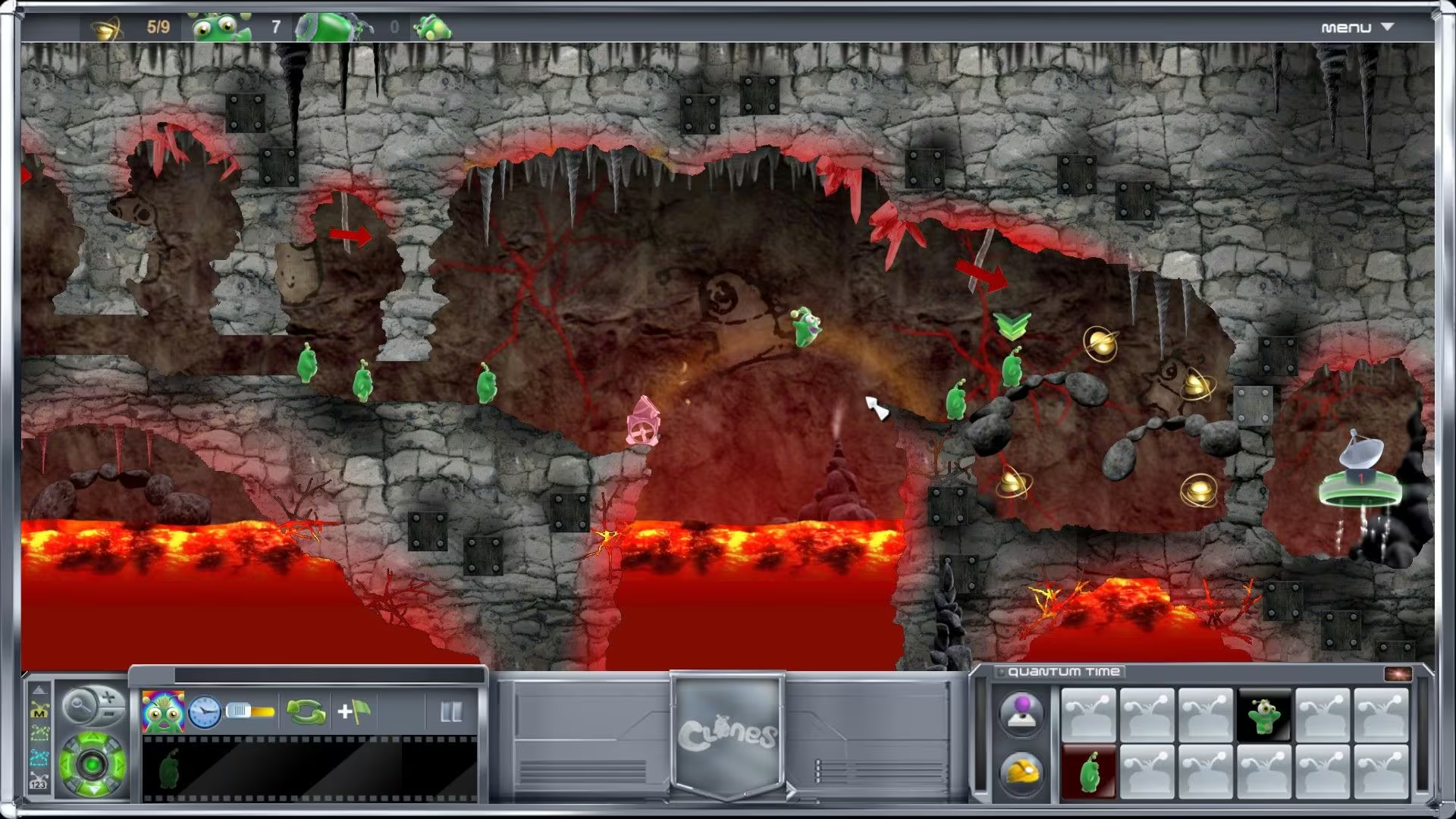
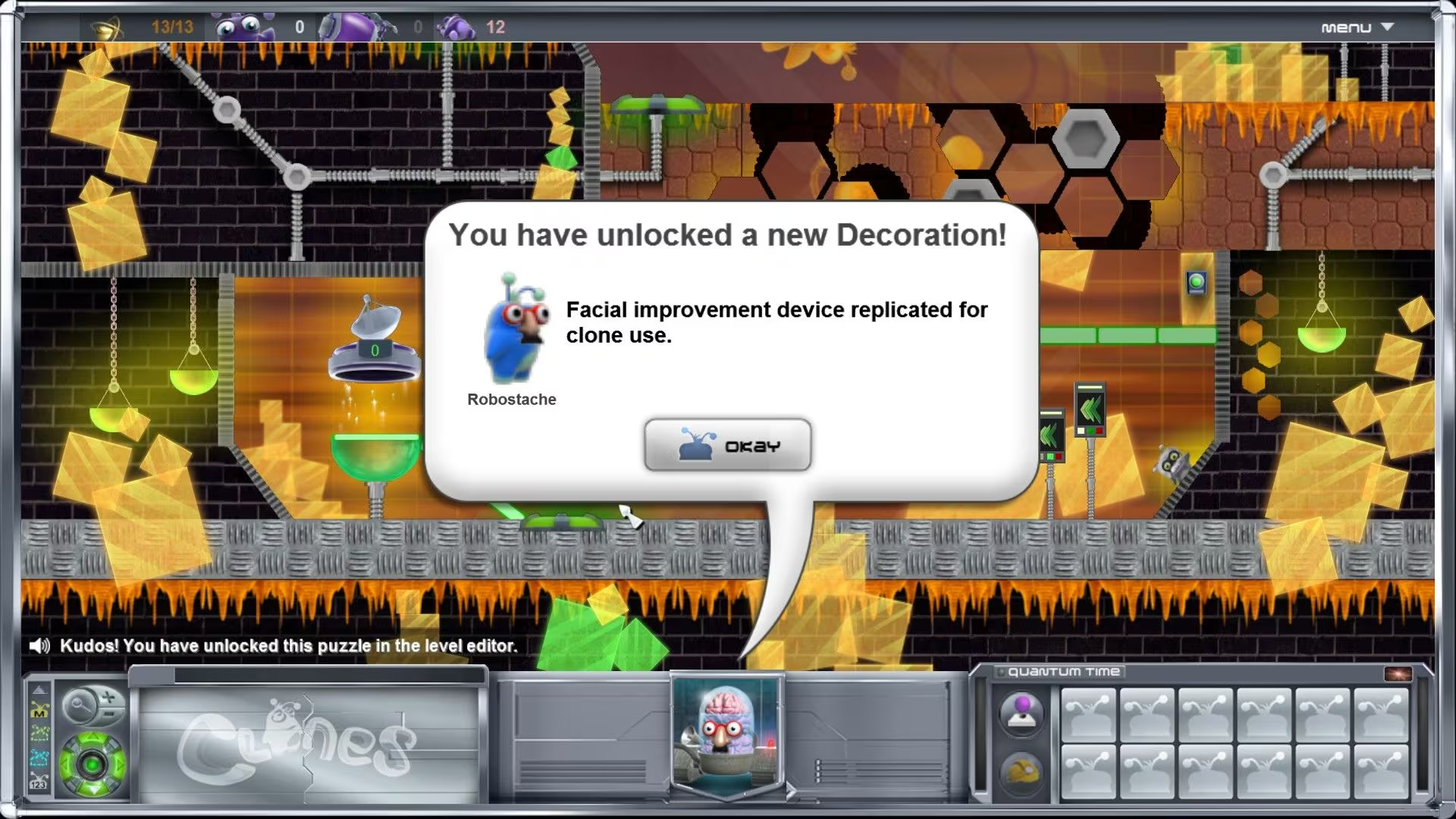
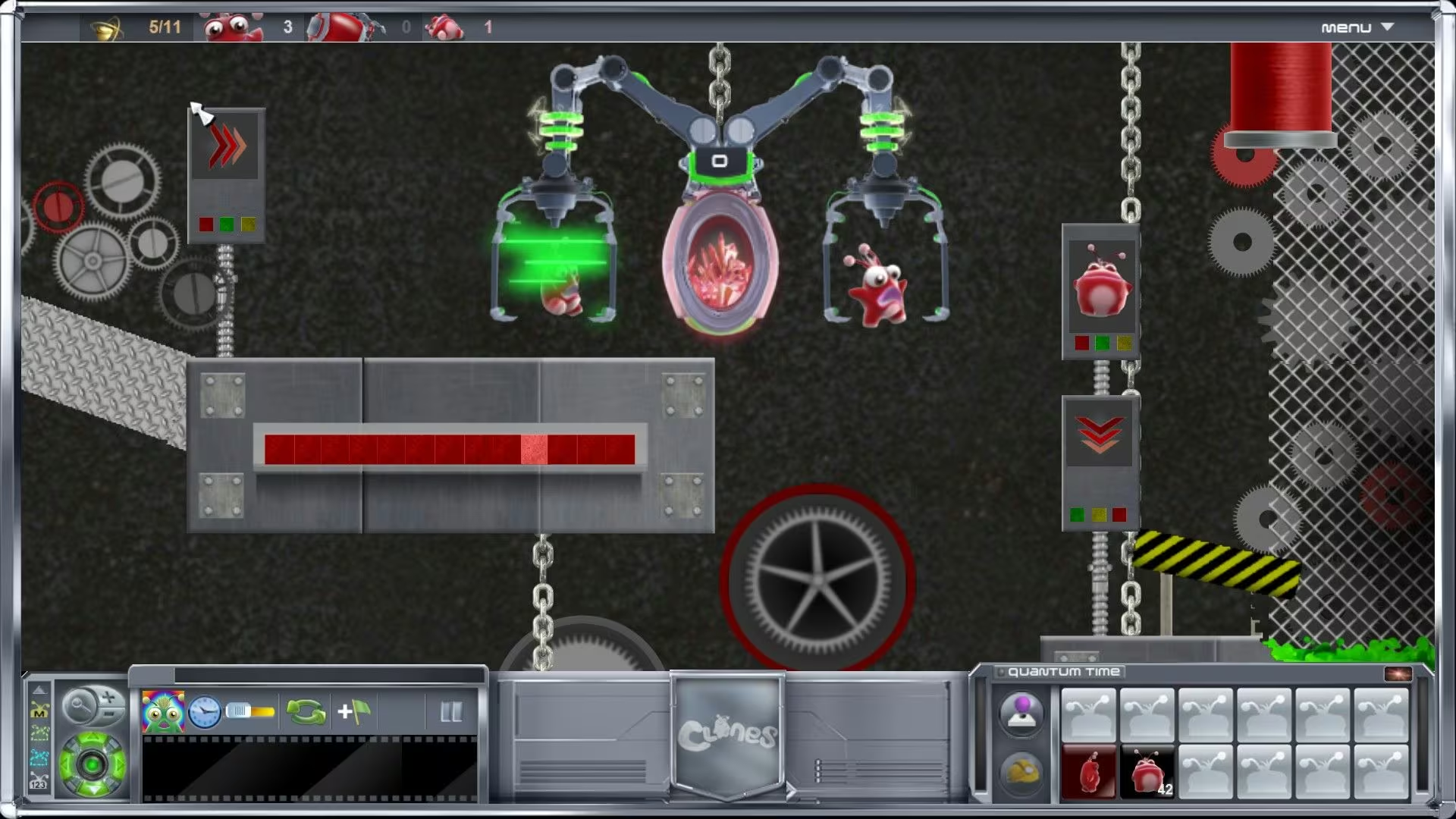
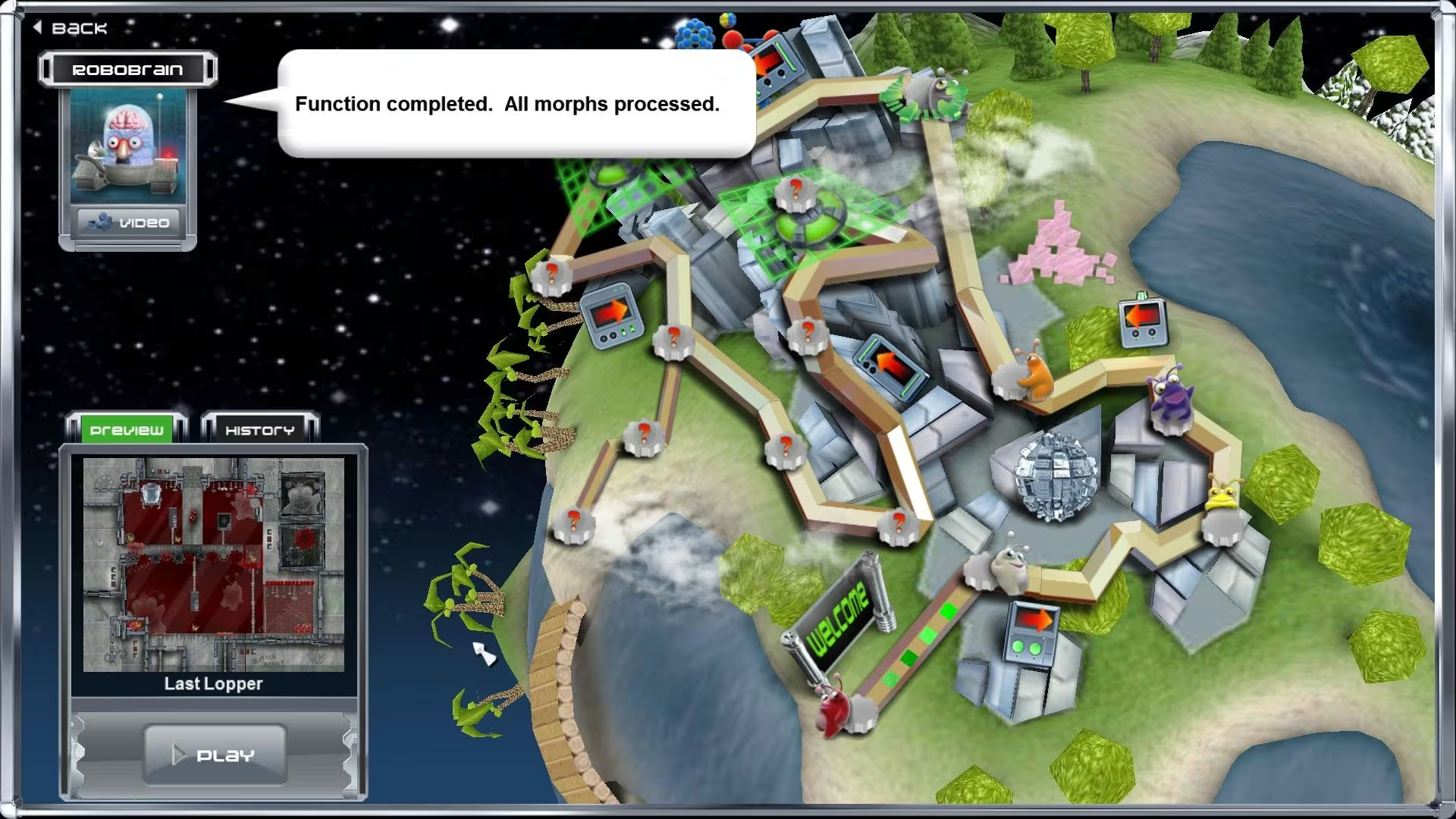
Clones is a friendly, fun, and engaging evolution to the classic puzzle genre which includes robust internet-multiplayer and a built-in level editor.

Global score

75/100

Genres

Adventure, Indie, Hack and slash/Beat 'em up, Strategy, Role-playing (RPG), Simulator, Puzzle, Fighting

Similar games

    Pros

    • Nostalgic and engaging puzzle gameplay
    • Robust level editor and multiplayer modes
    • Low price with good value and trading cards
    • Colorful, cute visuals and pleasant music
    • Challenging puzzles with strategic depth

    Cons

    • Clunky user interface and controls
    • Multiplayer often inactive or hard to find matches
    • Some levels overly difficult or tedious
    • Forced account registration can frustrate players
    • Minimal story and limited social depth

    Analysis

    Less representative of its motivational profile, with noticeable differences. Motivations that often define this kind of title include Competition, Fellowship, Domination, Status. It leans lower than usual among comparable games on Violence, Intimacy, Story.

    How to use the graph
    Similar games map

    Each dot is a game. They are arranged from the same motivation profile as in the “Motivations” section below. Closer dots usually mean more similar reasons to play (exploration, competition, relaxation, etc.)—not that one game is “better” than another.

    • Larger dot with a light outline: the game you are viewing.
    • Colour: groups of games with comparable motivation patterns (statistical clusters).
    • Hover a dot to see the game name; click to open its page.
    • Scroll or double-click the chart to zoom out and see more games.

    Why don’t the axes read like a score? This view uses t-SNE: it only keeps who is close to whom. The scales are not “good to bad” or hours played—they separate groups on the map. Read distance between dots, not the axis numbers.

    Motivations

    • Autonomy
      4

      "Players direct individual clones with various abilities and can create and share custom levels, indicating high player control and freedom."

    • Competence
      3

      "Game involves solving puzzles with increasing difficulty and requires skillful timing and strategy, though some find UI clunky."

    • Competition
      2

      "Includes multiplayer modes with leaderboards and rankings, but multiplayer is often inactive; competition exists but is limited."

    • Continuation
      1

      "Some players report addictive puzzle gameplay and long playtime, but others find it tedious or quickly lose interest."

    • Cooperation
      3

      "Supports cooperative multiplayer modes and team play, allowing players to work together on puzzles."

    • Creativity
      4

      "Features a robust level editor enabling players to create and share original puzzles."

    • Domination
      -2

      "Multiplayer emphasizes balanced team play and strategy rather than domination or trash talk."

    • Escapism
      3

      "Players use the game for relaxation, nostalgia, and distraction from real-life stress."

    • Expectation
      -3

      "Most players engage voluntarily for enjoyment or nostalgia, not out of obligation."

    • Experimenting
      3

      "Varied puzzles and level editor encourage trying new strategies and creative problem solving."

    • Exploration
      2

      "Players explore many unique levels and environments, though within a defined puzzle framework."

    • Expression
      3

      "Avatar customization and level creation allow personal expression."

    • Fantasy
      2

      "Features imaginative creatures and settings inspired by Lemmings, but grounded in puzzle mechanics."

    • Fellowship
      2

      "Community features like multiplayer and sharing levels foster some social connection, though limited by inactive servers."

    • Growth
      3

      "Players develop puzzle-solving skills and learn game mechanics progressively."

    • Health
      -5

      "Sedentary puzzle game with no physical activity component."

    • Idle
      -3

      "Requires focused attention and active problem solving; not a casual idle experience."

    • Intimacy
      -3

      "Social interactions are mostly surface-level multiplayer and sharing, with limited emotional closeness."

    • Leadership
      1

      "Some multiplayer modes involve team coordination but no strong leadership roles emphasized."

    • Progression
      3

      "Players progress through over 150 levels, unlocking bonuses, achievements, and customization items."

    • Relaxation
      3

      "Many players find the gameplay and music relaxing and enjoyable, though some find it frustrating."

    • Sensation
      1

      "Visuals are colorful and cute but not highly stimulating; sound is pleasant but not intense."

    • Status
      1

      "Leaderboards and rankings provide some recognition, but social status impact is limited."

    • Story
      -3

      "Minimal narrative; gameplay focuses on puzzles rather than story immersion."

    • Strategy
      4

      "Requires planning, timing, and problem solving to complete complex puzzles."

    • Thrill
      1

      "Some tension from puzzle challenges but overall low risk and mild suspense."

    • Value
      4

      "Low price and trading cards make it good value; many players feel they get more than they pay for."

    • Violence
      -4

      "Non-violent gameplay focused on puzzle solving and guiding characters safely."

    • Survival
      2

      "Players must avoid hazards and manage clone survival to complete levels."

    Last update: 29/04/2026