Egypt: Old Kingdom Thumbnail

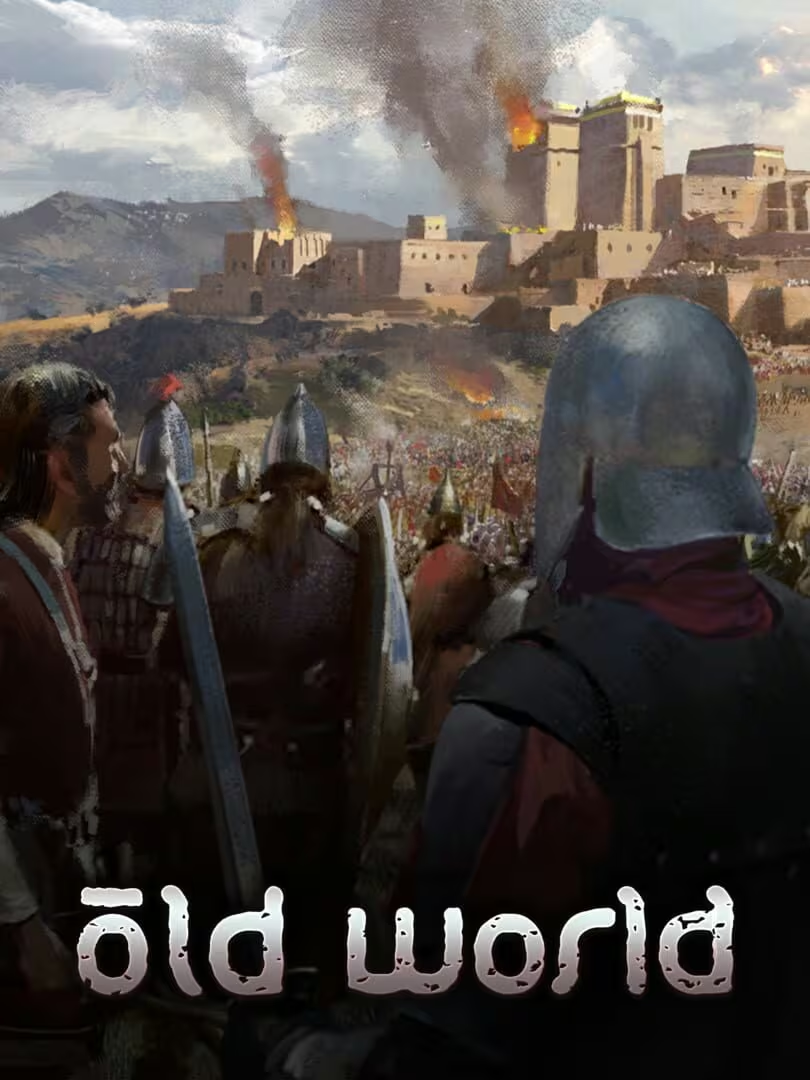
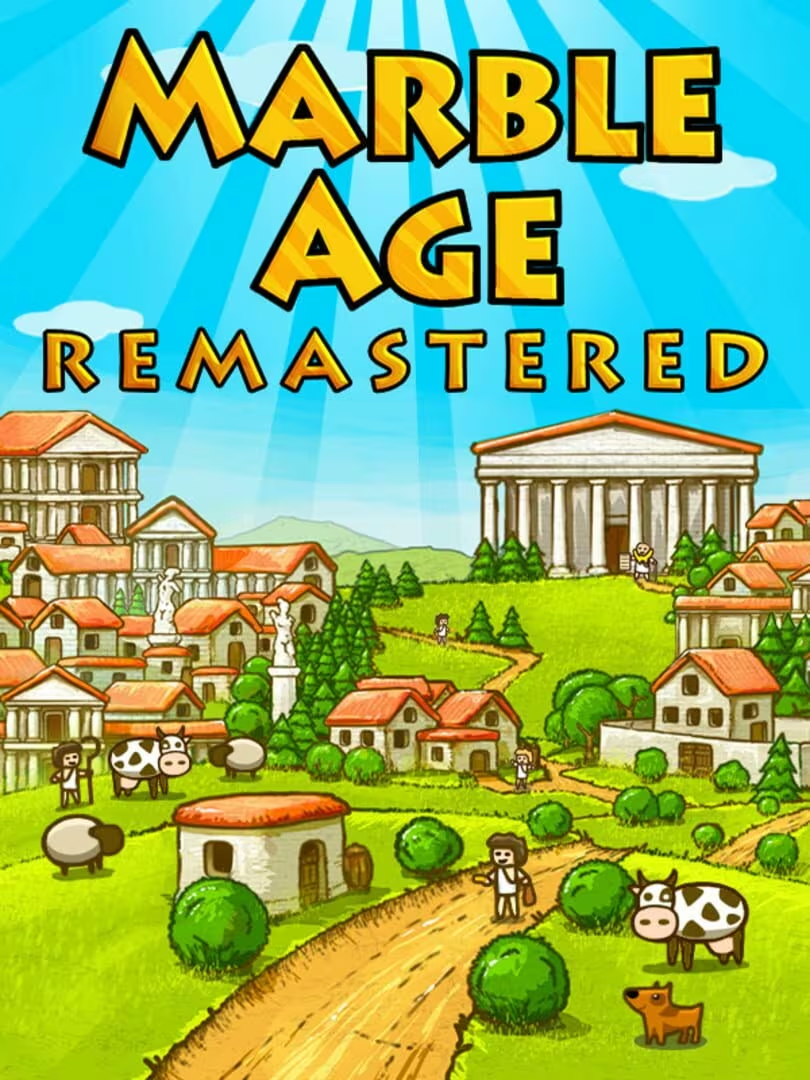
Egypt: Old Kingdom similar games & best alternatives
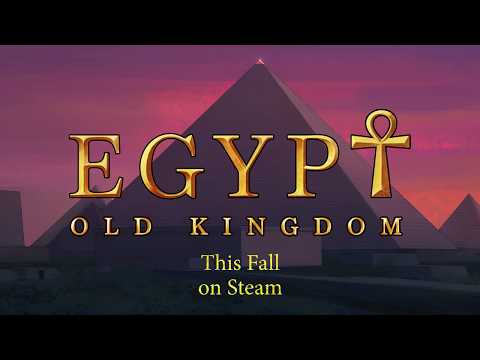
Egypt: Old Kingdom

PC (Microsoft Windows), iOS, Mac, Android, Linux • 2018

Related articles

Quick resume

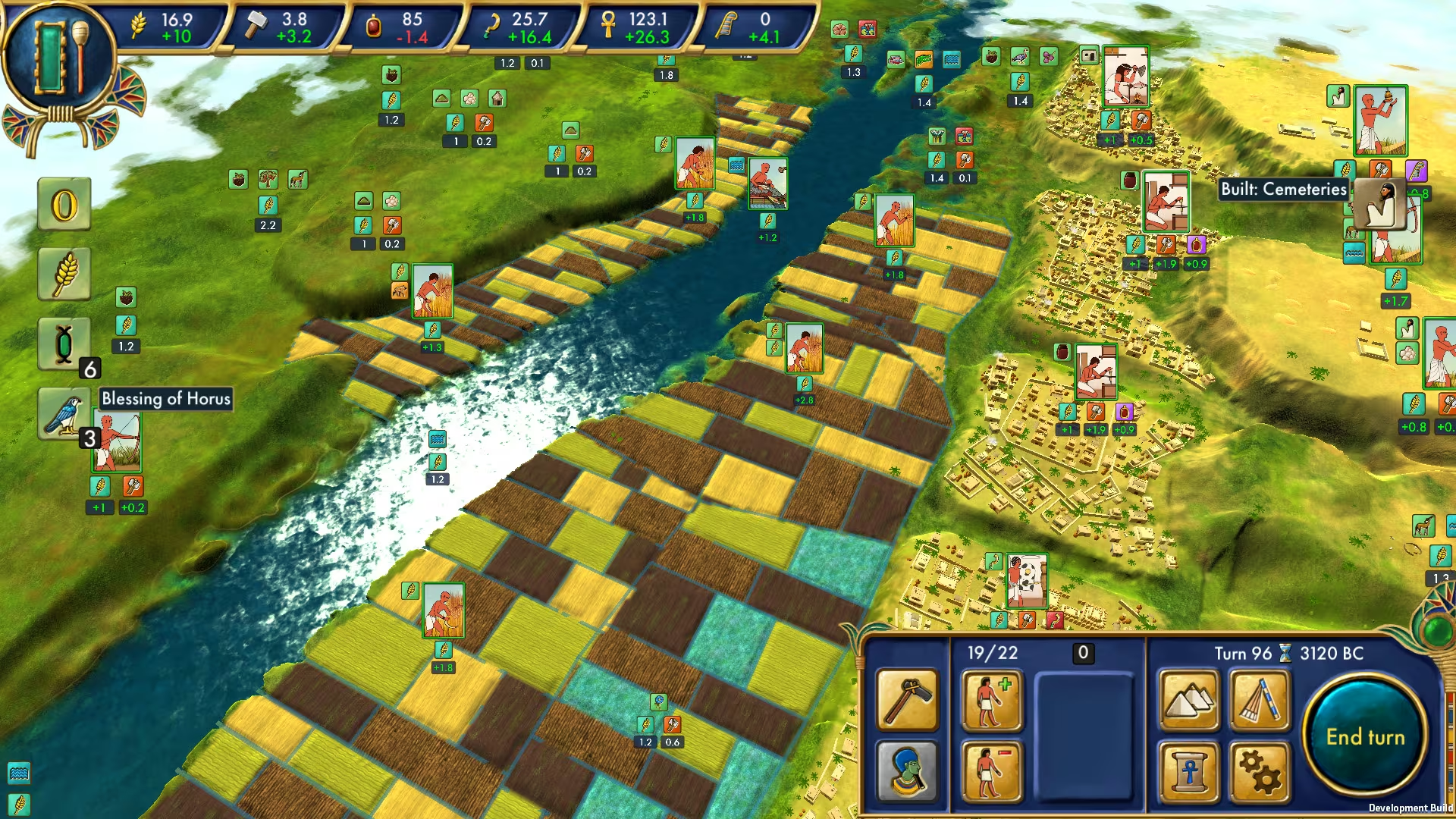
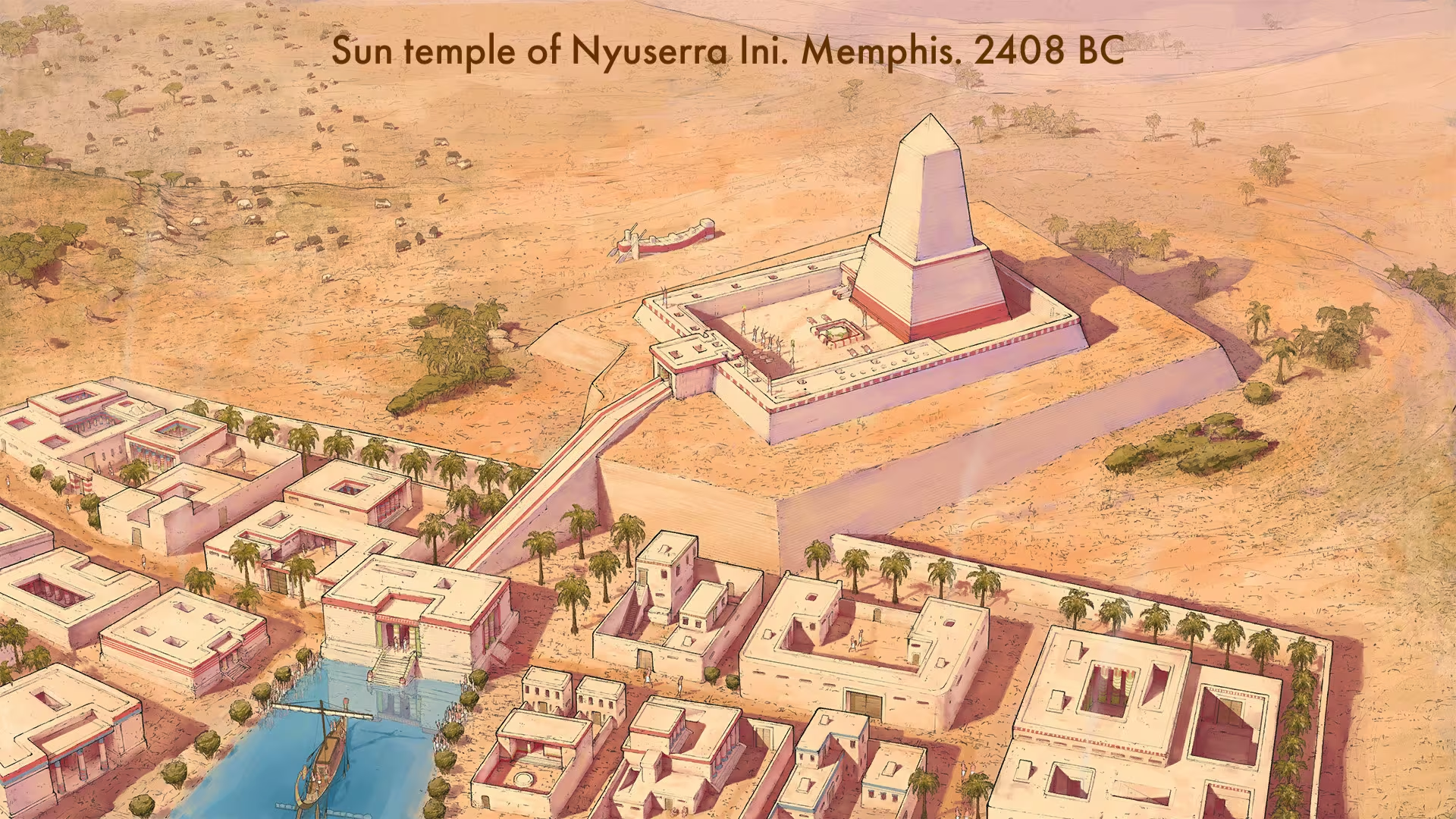
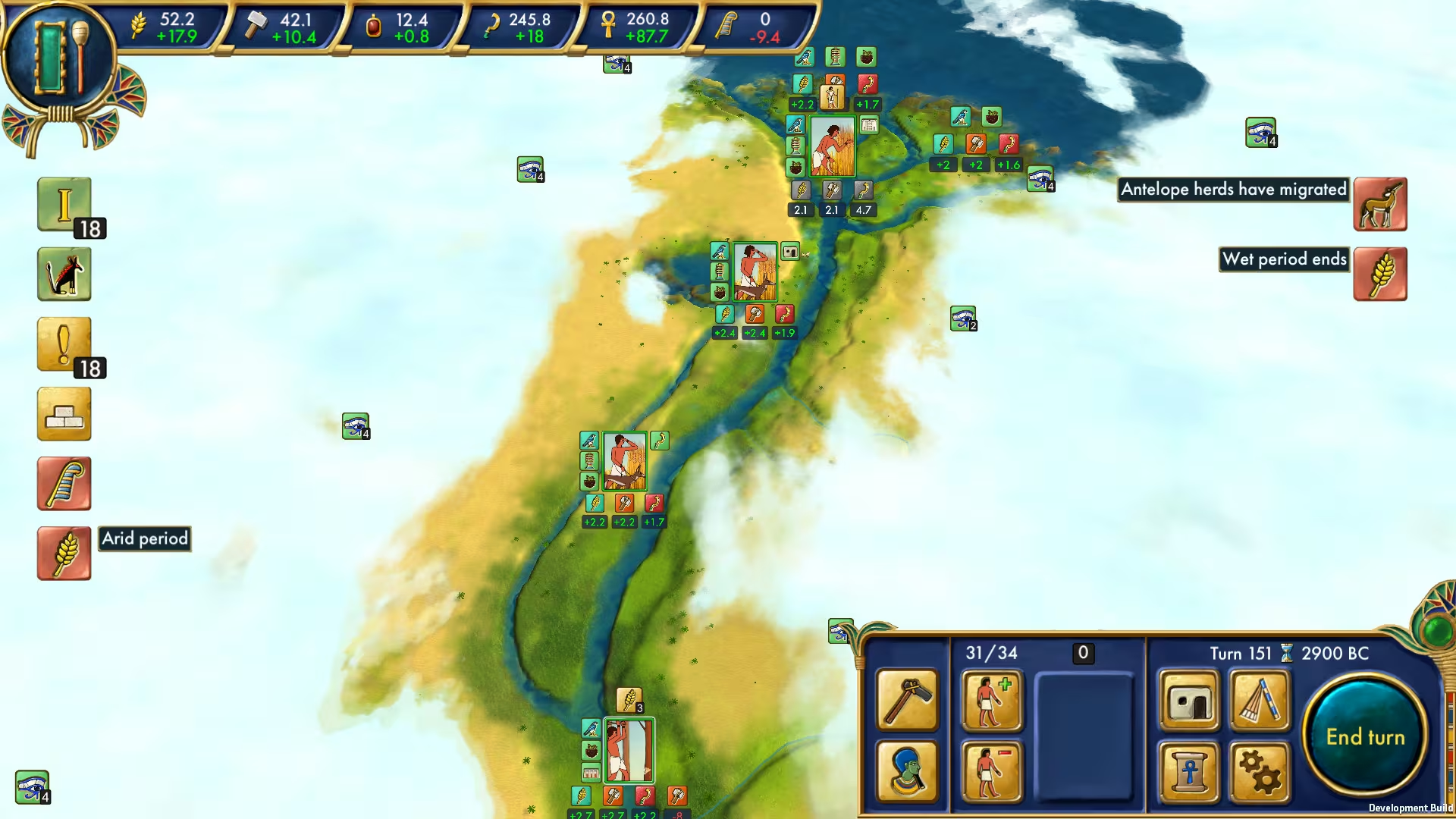
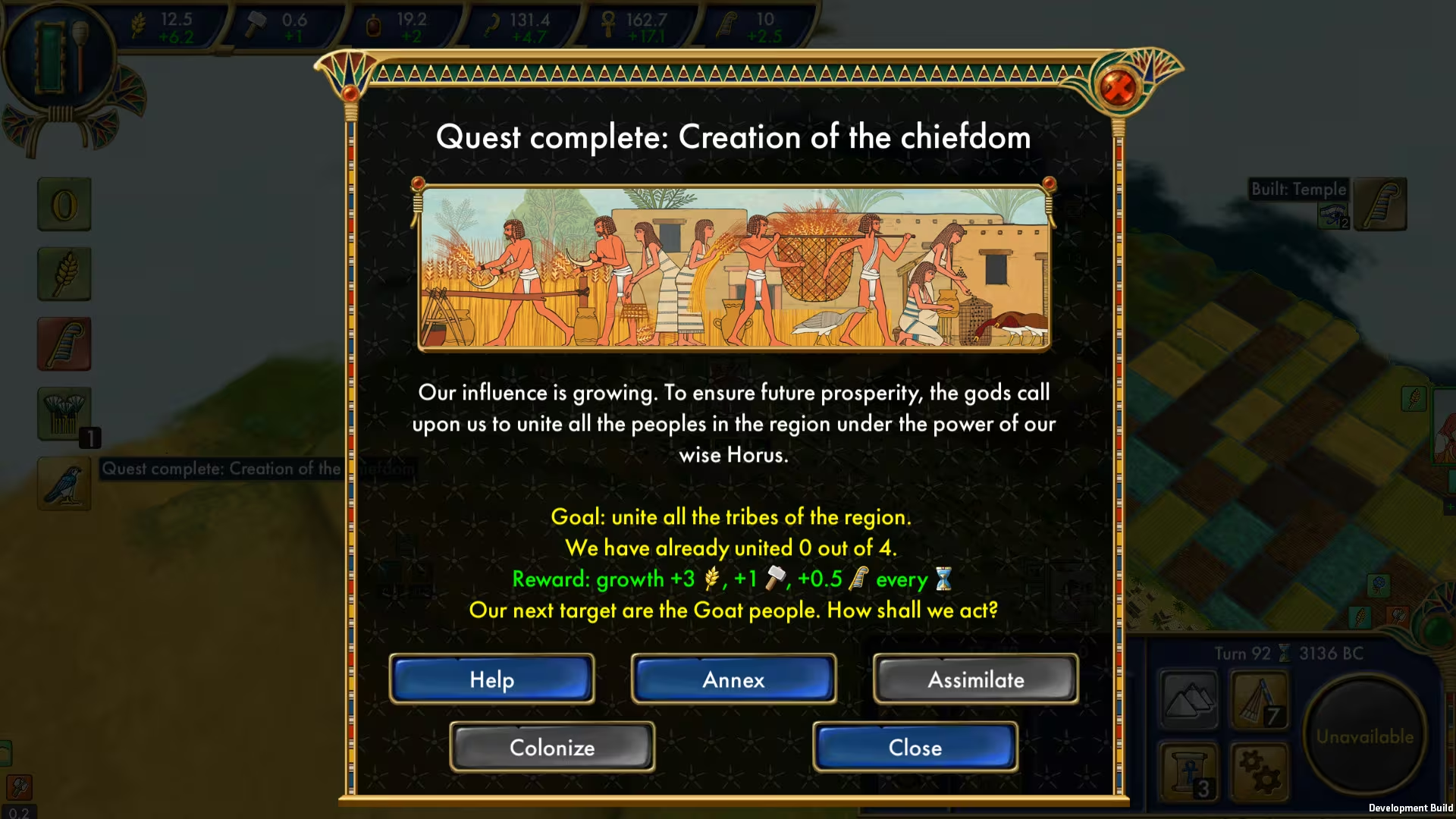
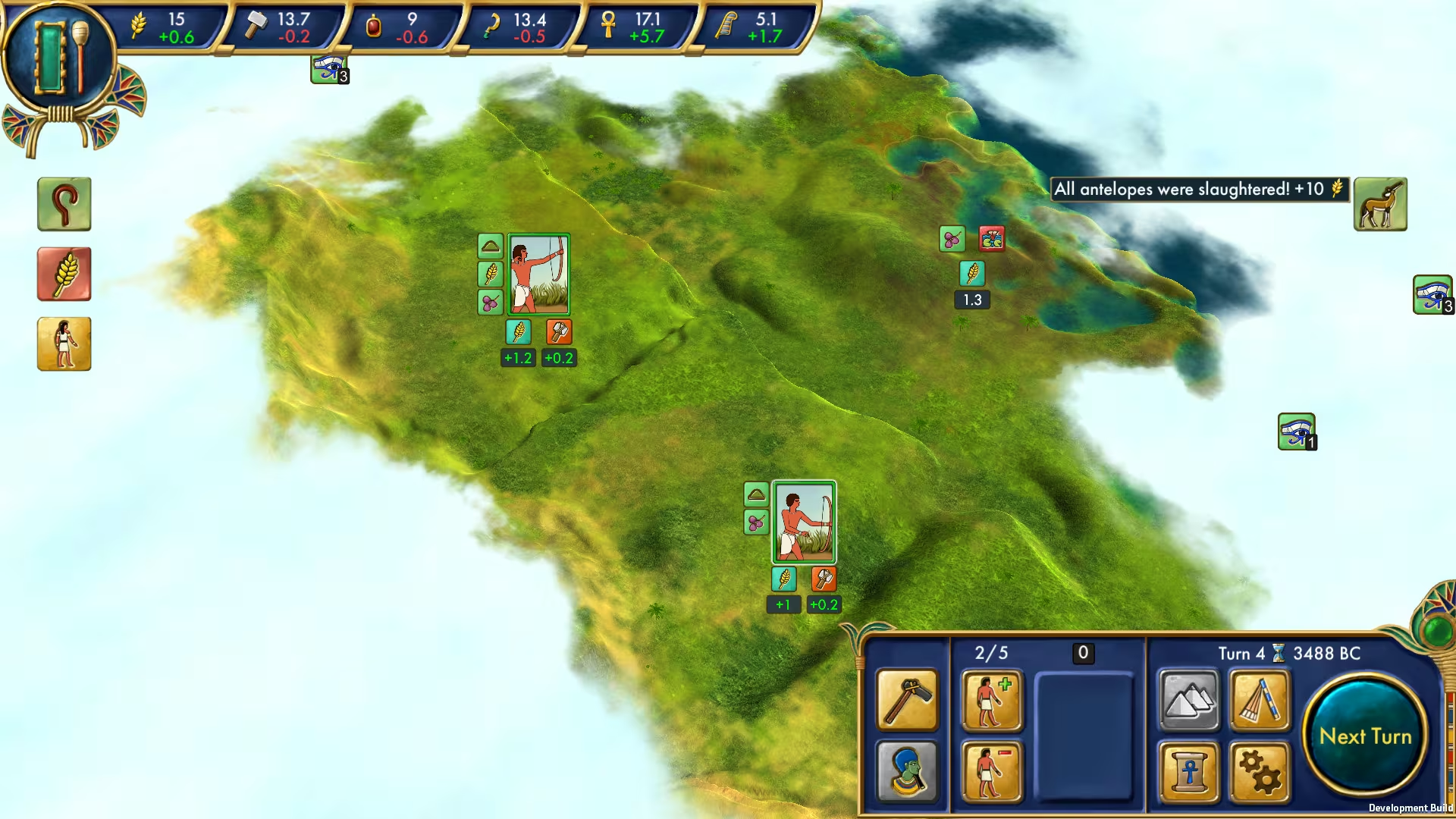
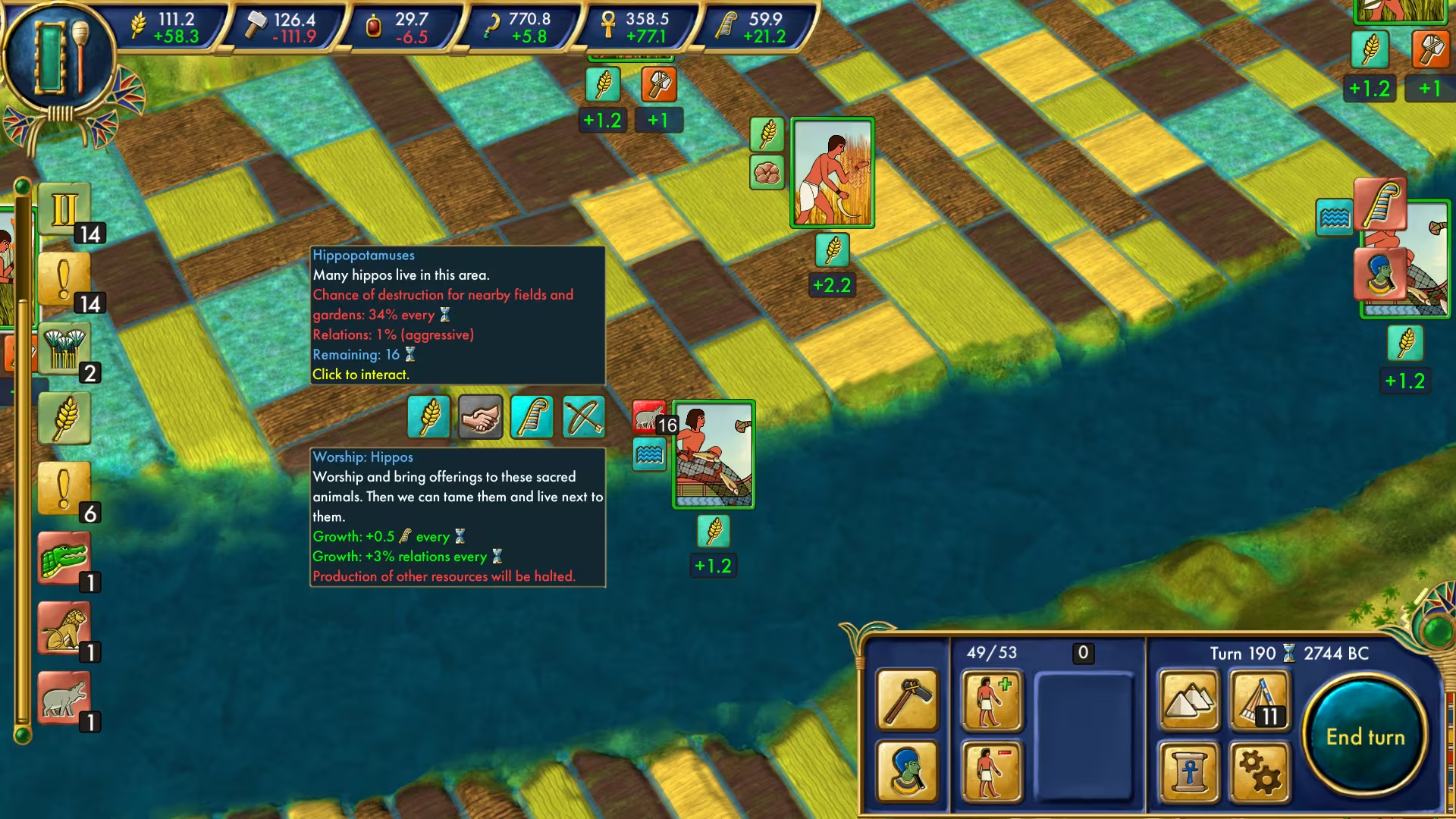
Strategy simulator of the Great Pyramids period, where you take your path from the unification of Egyptian tribes to the foundation of The First Empire. Developed with the assistance of Egyptologists.

Global score

87/100

Genres

Indie, Simulator, Strategy, Turn-based strategy (TBS)

Similar games

    Pros

    • Historically accurate and educational
    • Challenging and deep strategy gameplay
    • Immersive ancient egyptian art and music
    • Multiple strategies and replayability
    • Well polished with meaningful progression

    Cons

    • Limited replay variety and linear campaign
    • Steep learning curve and difficulty spikes
    • Minimal social or multiplayer features
    • Some frustrating random events
    • Basic combat mechanics

    Analysis

    Less representative of its motivational profile, with noticeable differences. Motivations that often define this kind of title include Leadership, Survival, Violence, Strategy. It leans lower than usual among comparable games on Fantasy, Violence, Intimacy.

    How to use the graph
    Similar games map

    Each dot is a game. They are arranged from the same motivation profile as in the “Motivations” section below. Closer dots usually mean more similar reasons to play (exploration, competition, relaxation, etc.)—not that one game is “better” than another.

    • Larger dot with a light outline: the game you are viewing.
    • Colour: groups of games with comparable motivation patterns (statistical clusters).
    • Hover a dot to see the game name; click to open its page.
    • Scroll or double-click the chart to zoom out and see more games.

    Why don’t the axes read like a score? This view uses t-SNE: it only keeps who is close to whom. The scales are not “good to bad” or hours played—they separate groups on the map. Read distance between dots, not the axis numbers.

    Motivations

    • Autonomy
      4

      "Players have freedom to choose building types, strategies, and approaches to challenges, with multiple ways to achieve goals."

    • Competence
      4

      "Game is challenging with a steep learning curve, requiring skillful resource management and strategic planning."

    • Competition
      -3

      "Focus is on personal progress and overcoming historical challenges rather than direct competition with others."

    • Continuation
      3

      "Players often replay to improve scores and try different strategies despite some linearity and limited replay variety."

    • Cooperation
      -4

      "Gameplay is primarily single-player and independent, with limited multiplayer or cooperative elements."

    • Creativity
      2

      "Players can customize city building and choose different patron gods, but overall structure is historically guided."

    • Domination
      -4

      "Interactions with other tribes are balanced and strategic rather than about exerting dominance or trash talk."

    • Escapism
      3

      "Players immerse in ancient Egyptian history and culture, providing a form of educational escape."

    • Expectation
      -4

      "Players engage voluntarily out of interest in history and strategy, not due to obligation or external pressure."

    • Experimenting
      3

      "Multiple strategies and patron gods encourage trying different approaches, though within a fixed historical framework."

    • Exploration
      2

      "Some exploration of map tiles and resource locations, but overall map and events are mostly fixed."

    • Expression
      2

      "Customization of buildings and tombs allows some self-expression within historical aesthetic constraints."

    • Fantasy
      -3

      "Strong emphasis on historical accuracy and realistic ancient Egyptian setting, with optional non-historical modes."

    • Fellowship
      -4

      "Minimal social or community features; primarily a solo experience."

    • Growth
      4

      "Players learn complex mechanics and improve skills through repeated play and overcoming challenges."

    • Health
      -5

      "Sedentary turn-based gameplay with no physical activity component."

    • Idle
      -4

      "Requires focused attention and strategic planning each turn; not suited for idle or background play."

    • Intimacy
      -5

      "No social or emotional relationship building; purely individual gameplay."

    • Leadership
      3

      "Players lead their civilization and make strategic decisions guiding development and diplomacy."

    • Progression
      4

      "Strong progression through building, research, and territorial expansion with increasing complexity."

    • Relaxation
      1

      "Some players find the game relaxing and immersive, though others note frustration with difficulty spikes."

    • Sensation
      1

      "Visuals and music provide atmospheric enjoyment but sensory stimulation is moderate and subtle."

    • Status
      -4

      "No social recognition or multiplayer ranking; achievements are personal and not publicly displayed."

    • Story
      4

      "Strong narrative immersion through historical events, trials, and educational content integrated into gameplay."

    • Strategy
      5

      "Core gameplay revolves around strategic resource management, planning, and problem solving."

    • Thrill
      2

      "Tension arises from managing crises and trials, though risk is controlled and outcomes partly predictable."

    • Value
      4

      "Players report good value for price with many hours of engaging gameplay and educational content."

    • Violence
      -3

      "Combat exists but is minimal and abstracted; focus is more on building and management than destruction."

    • Survival
      4

      "Players must manage resources carefully to survive historical crises and maintain stability."

    Last update: 29/04/2026