Time Break Chronicles Thumbnail

Time Break Chronicles similar games & best alternatives

Time Break Chronicles

PC (Microsoft Windows) • 2020

Related articles

Quick resume

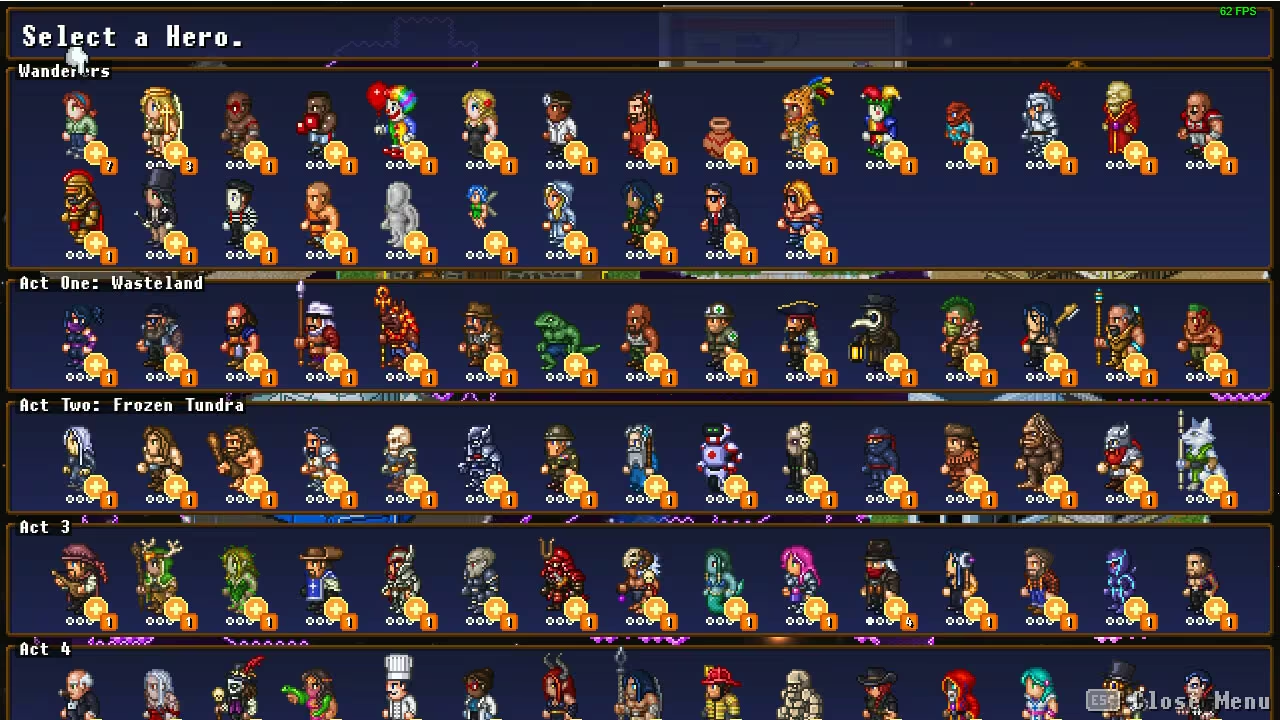
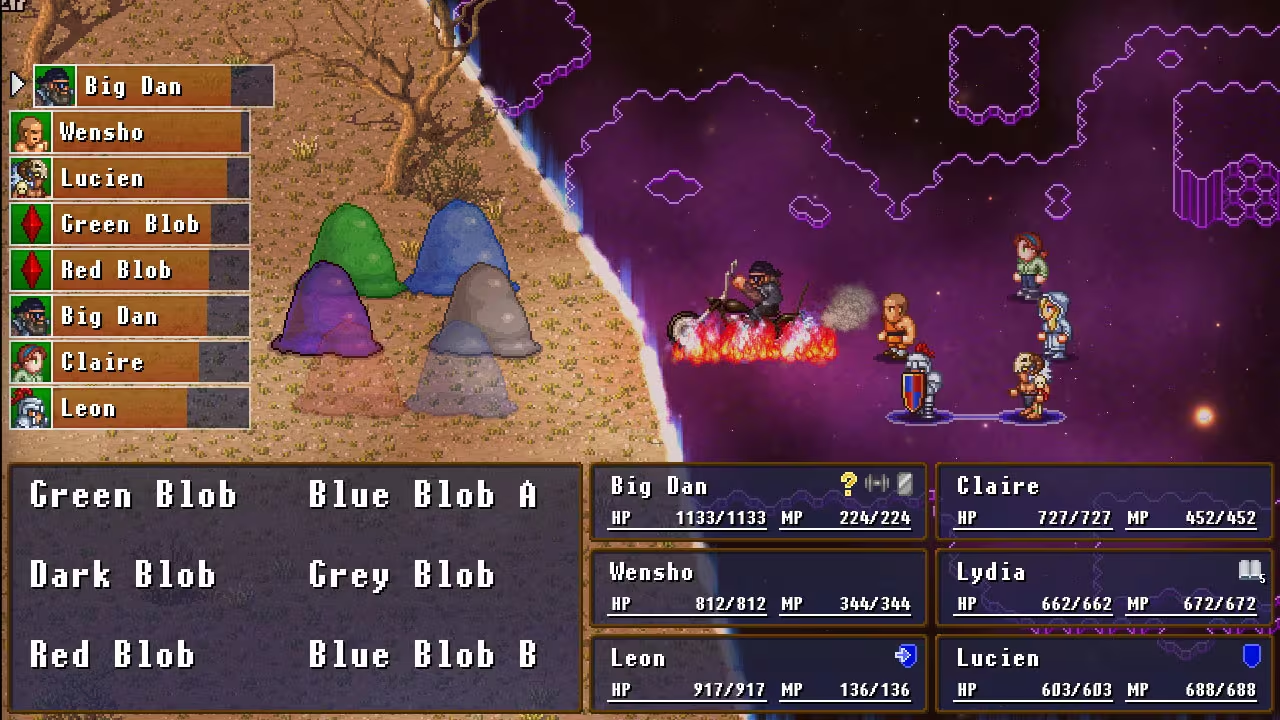
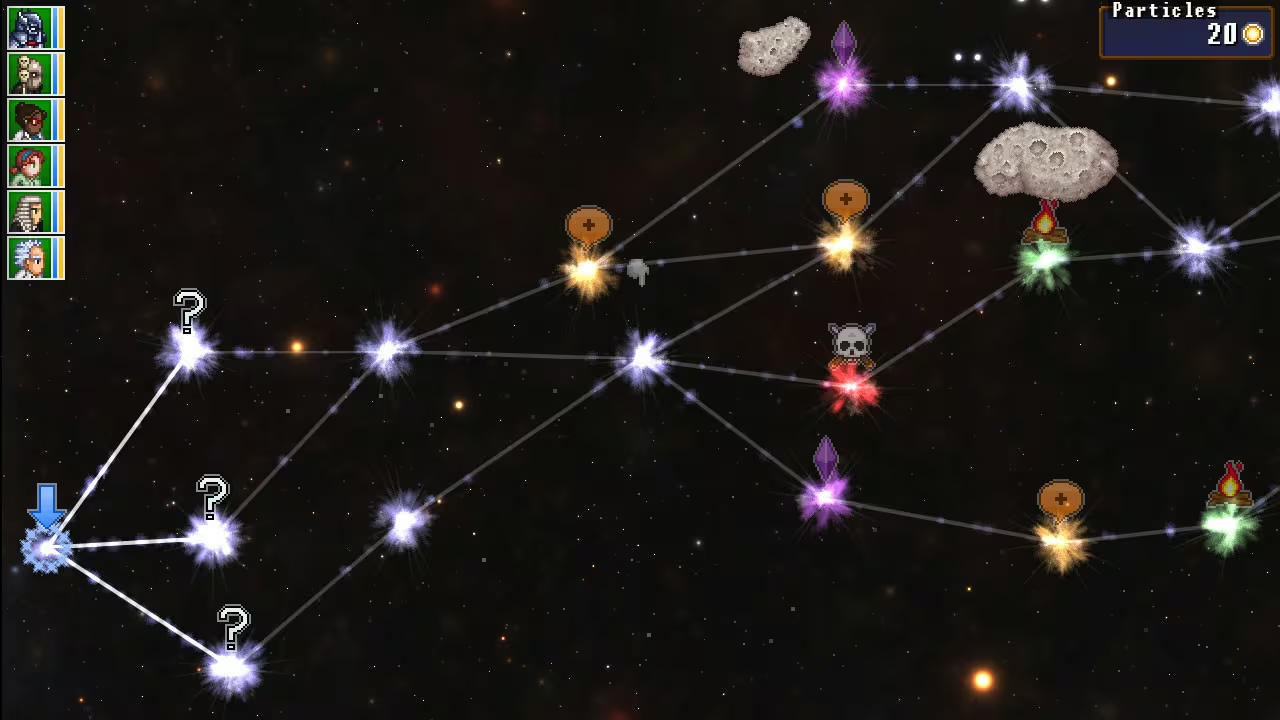
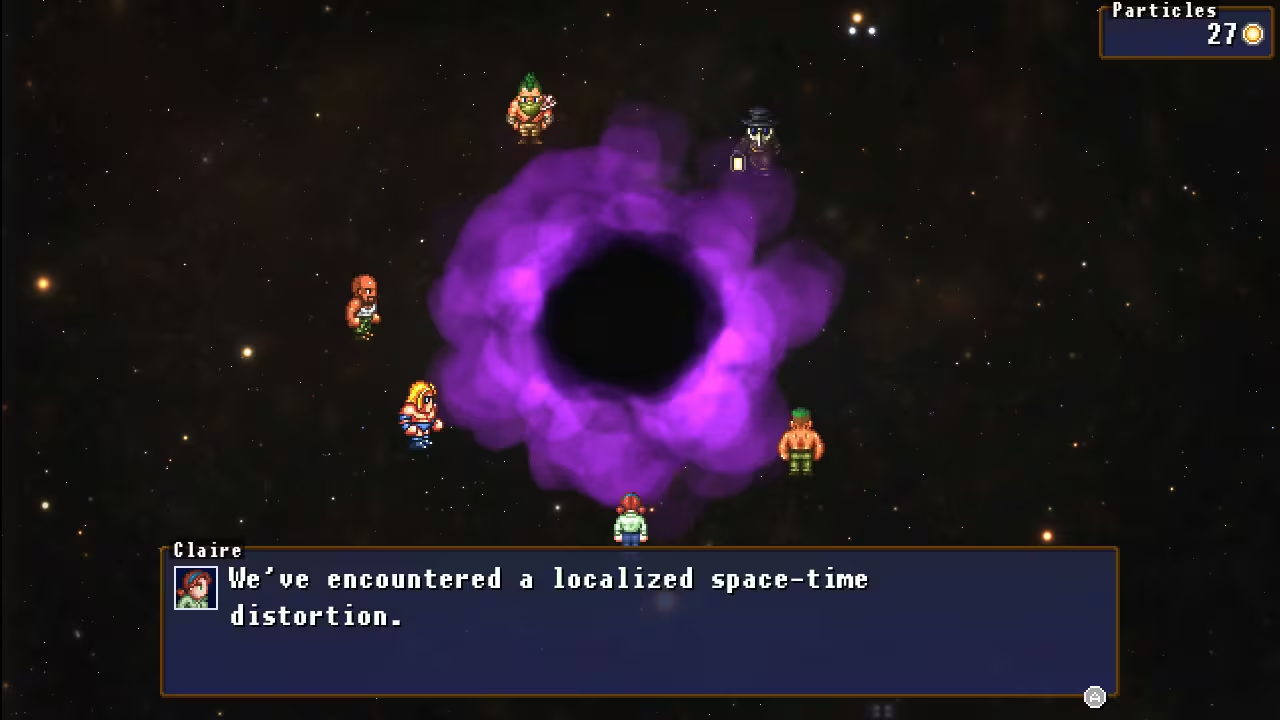
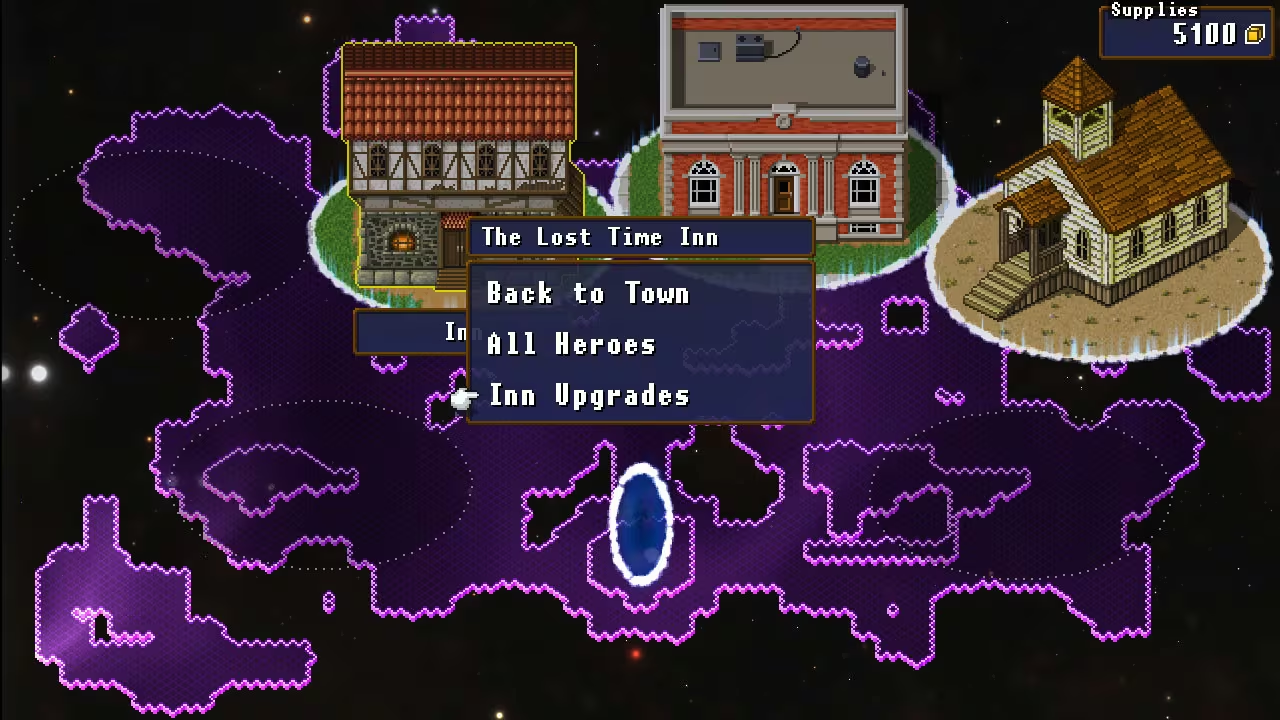
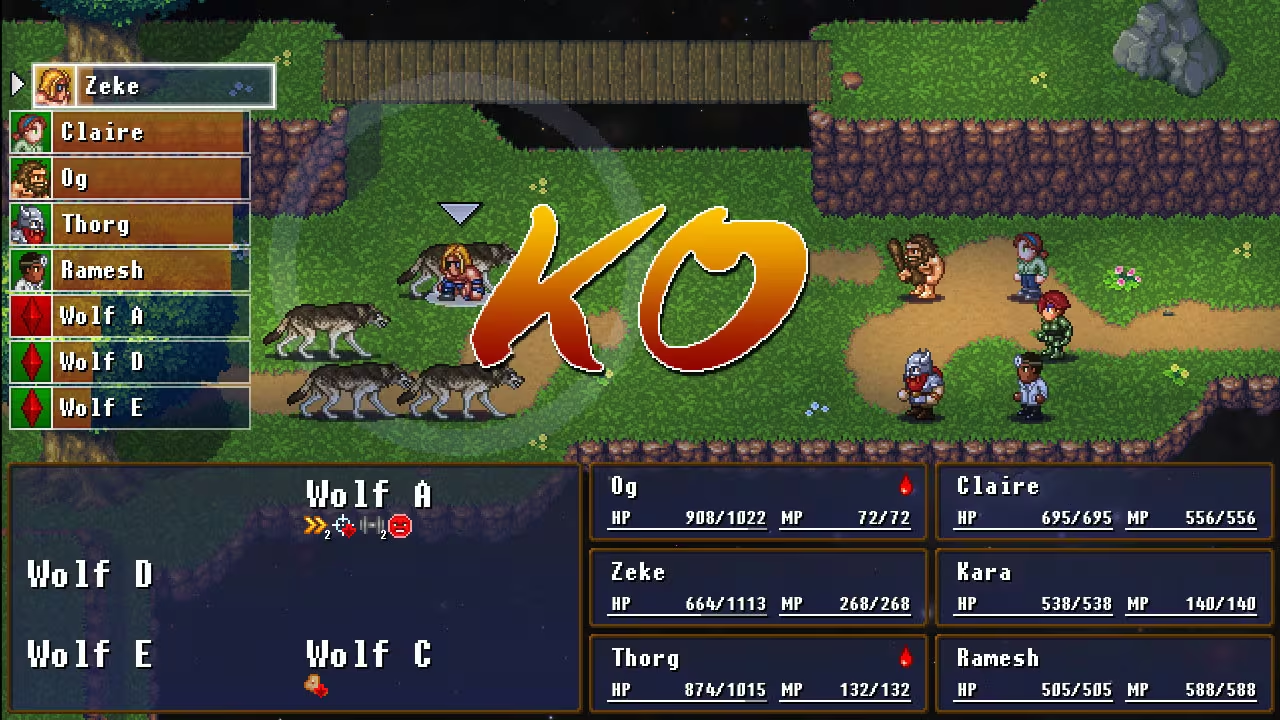
Time Break Chronicles is a fusion of classic JRPGs and modern Roguelites, with a cast of 100 playable classes to find and unlock. Build your team, customize their abilities, and venture into a procedurally generated adventure through space-time and beyond!

Global score

89/100

Genres

Indie, Role-playing (RPG), Strategy, Early Access

Similar games

    Pros

    • Deep and strategic turn-based combat
    • Large and diverse character roster with unique abilities
    • Extensive customization and synergy options
    • Engaging roguelite progression and replayability
    • Active developer support and frequent updates

    Cons

    • Minimal story and narrative depth
    • Some ui awkwardness and learning curve
    • Combat can be slow or drag on
    • Grind required to unlock all content
    • Limited encounter variety and repetitive music

    Analysis

    Broadly representative of its motivational profile, with a few distinct shifts. Motivations that often define this kind of title include Leadership, Survival, Violence, Strategy. Here, the score leans higher than usual among comparable games on Expression, Creativity. It leans lower than usual among comparable games on Story.

    How to use the graph
    Similar games map

    Each dot is a game. They are arranged from the same motivation profile as in the “Motivations” section below. Closer dots usually mean more similar reasons to play (exploration, competition, relaxation, etc.)—not that one game is “better” than another.

    • Larger dot with a light outline: the game you are viewing.
    • Colour: groups of games with comparable motivation patterns (statistical clusters).
    • Hover a dot to see the game name; click to open its page.
    • Scroll or double-click the chart to zoom out and see more games.

    Why don’t the axes read like a score? This view uses t-SNE: it only keeps who is close to whom. The scales are not “good to bad” or hours played—they separate groups on the map. Read distance between dots, not the axis numbers.

    Motivations

    • Autonomy
      4

      "Players have extensive freedom to customize party composition, character builds, relics, and strategies, enabling personal control over gameplay decisions."

    • Competence
      5

      "The game emphasizes mastering complex turn-based combat, strategic team building, and overcoming challenging encounters with skill and planning."

    • Competition
      -3

      "Focus is primarily on personal progression and experimentation rather than direct player-vs-player competition or leaderboards."

    • Continuation
      5

      "Players report long play sessions, habitual engagement, and strong attachment due to character collection, theorycrafting, and replayability."

    • Cooperation
      -4

      "Gameplay centers on individual party management and solo play; no mention of multiplayer or cooperative modes."

    • Creativity
      5

      "High creativity in building unique party synergies, customizing characters with relics, and experimenting with diverse builds."

    • Domination
      -5

      "Interactions are focused on balanced team play and strategic synergy rather than exerting control or superiority over others."

    • Escapism
      4

      "Players use the game as a focused, immersive experience to escape real life through strategic gameplay and nostalgic JRPG combat."

    • Expectation
      -4

      "Players engage voluntarily out of intrinsic interest and enjoyment of the gameplay loop and character collection."

    • Experimenting
      5

      "Strong emphasis on trying new character combinations, builds, relic setups, and strategies to optimize party performance."

    • Exploration
      2

      "Exploration occurs through discovering new characters, relics, and synergies rather than physical world exploration."

    • Expression
      4

      "Players express themselves through customizing characters’ skills, relics, and party composition, reflecting personal playstyle."

    • Fantasy
      4

      "The game features imaginative JRPG fantasy settings, characters, and mechanics inspired by classic Final Fantasy and other RPGs."

    • Fellowship
      -4

      "The game is primarily a single-player experience with minimal social or community interaction described."

    • Growth
      4

      "Players develop skills in strategy, team building, and theorycrafting, with meta progression and character upgrades."

    • Health
      -5

      "The game is a sedentary, screen-based experience with no physical activity or health-related features."

    • Idle
      -3

      "Requires focused attention and strategic thinking during battles; not designed for passive or background play."

    • Intimacy
      -5

      "No evidence of close social relationships or emotional sharing; gameplay is solitary and task-focused."

    • Leadership
      3

      "Players lead and manage their party composition and strategy, guiding decision-making within the team."

    • Progression
      5

      "Strong meta progression with unlocking characters, upgrading skills, acquiring relics, and town improvements."

    • Relaxation
      2

      "While some find the game relaxing and enjoyable, others note sustained tension from challenging battles."

    • Sensation
      3

      "Enjoyable pixel art, animations, and sound design provide sensory stimulation, though music can be repetitive."

    • Status
      -4

      "Achievements and recognition are mostly personal; no social status or popularity systems evident."

    • Story
      -3

      "Story is minimal and secondary to gameplay; narrative serves mainly as context for combat and progression."

    • Strategy
      5

      "Core gameplay revolves around deep strategic planning, problem solving, and tactical combat decisions."

    • Thrill
      3

      "Players experience suspense and challenge from difficult battles and risk of failure, balanced by satisfying victories."

    • Value
      5

      "Players perceive excellent value for money with extensive content, replayability, and developer support."

    • Violence
      3

      "Combat involves turn-based attacks and abilities with fantasy violence, but no gratuitous or excessive destruction."

    • Survival
      4

      "Players manage resources, character stamina, and tactical defense to avoid failure and progress through runs."

    Last update: 29/04/2026