MMORPG Tycoon 2 Thumbnail

MMORPG Tycoon 2 similar games & best alternatives

MMORPG Tycoon 2

PC (Microsoft Windows), Mac, Linux • 2020

Related articles

Quick resume

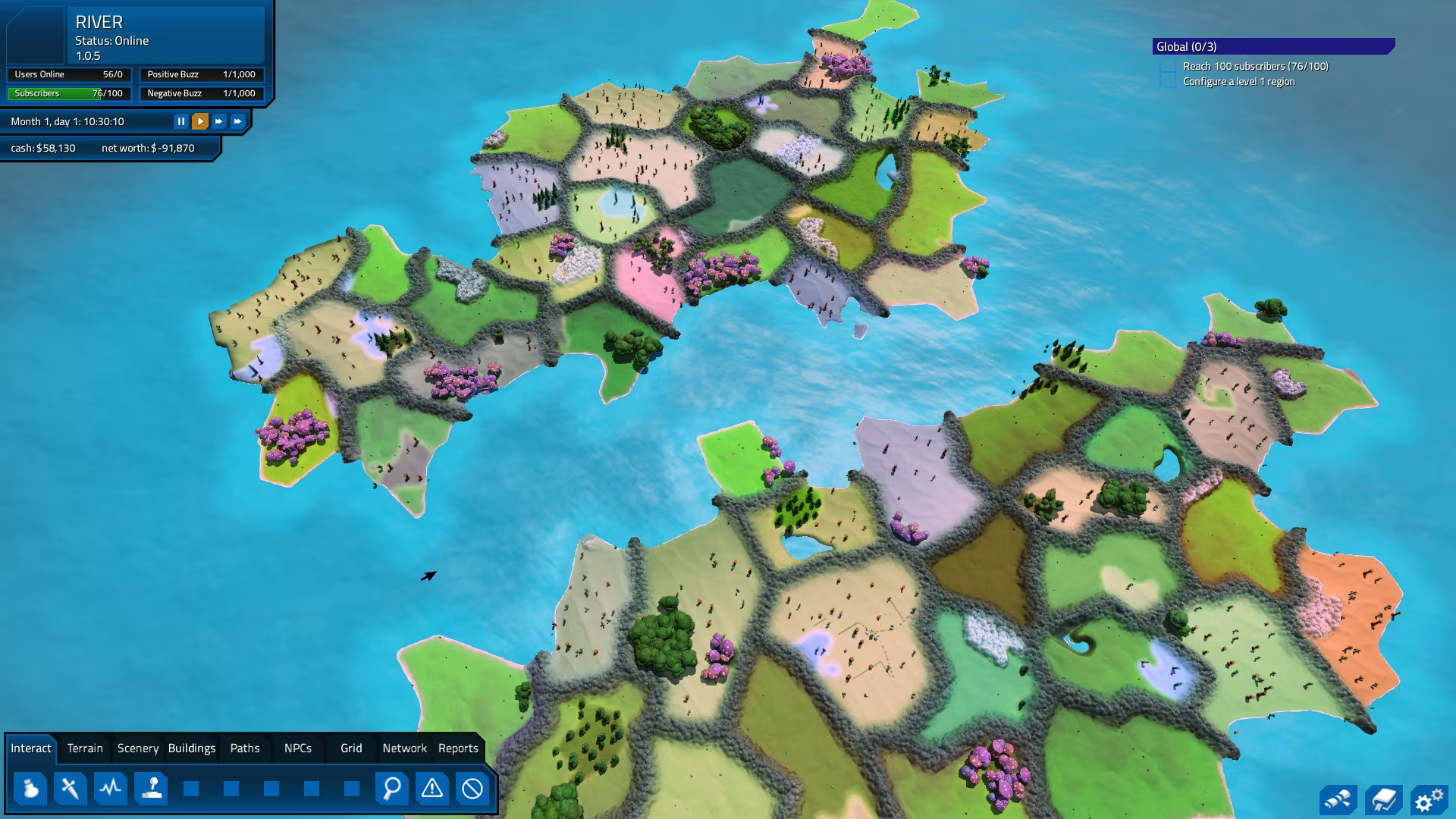
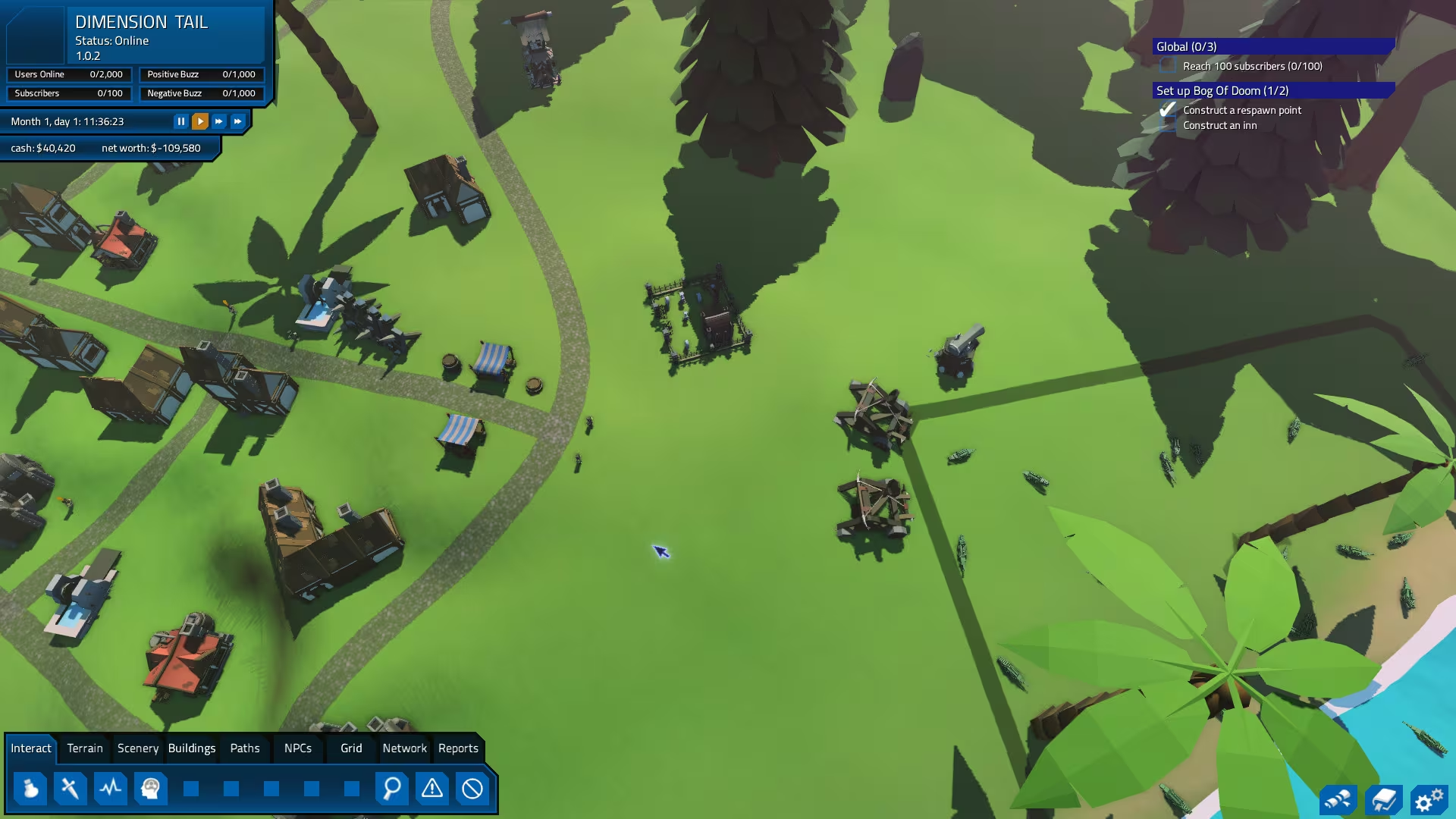
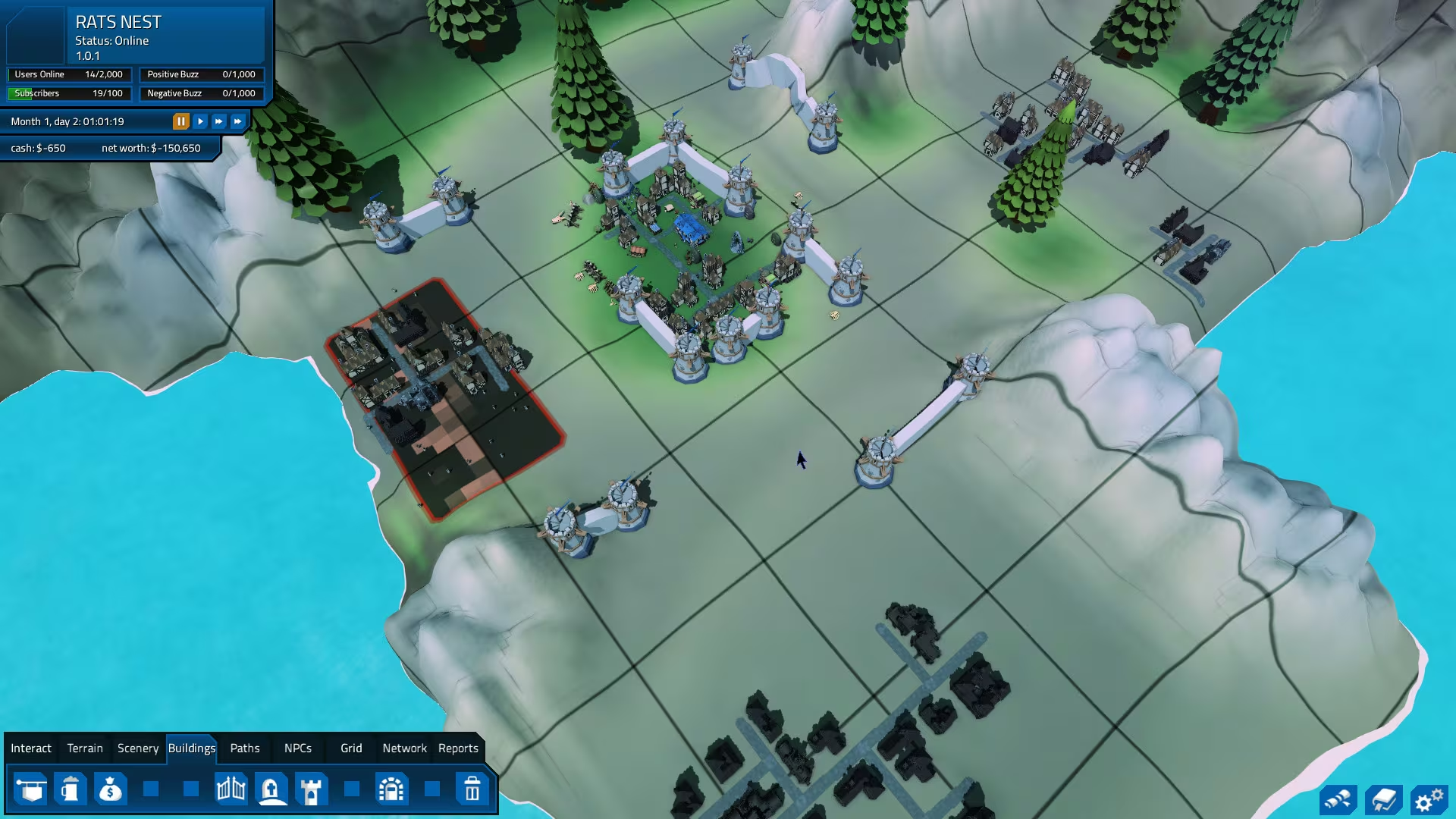
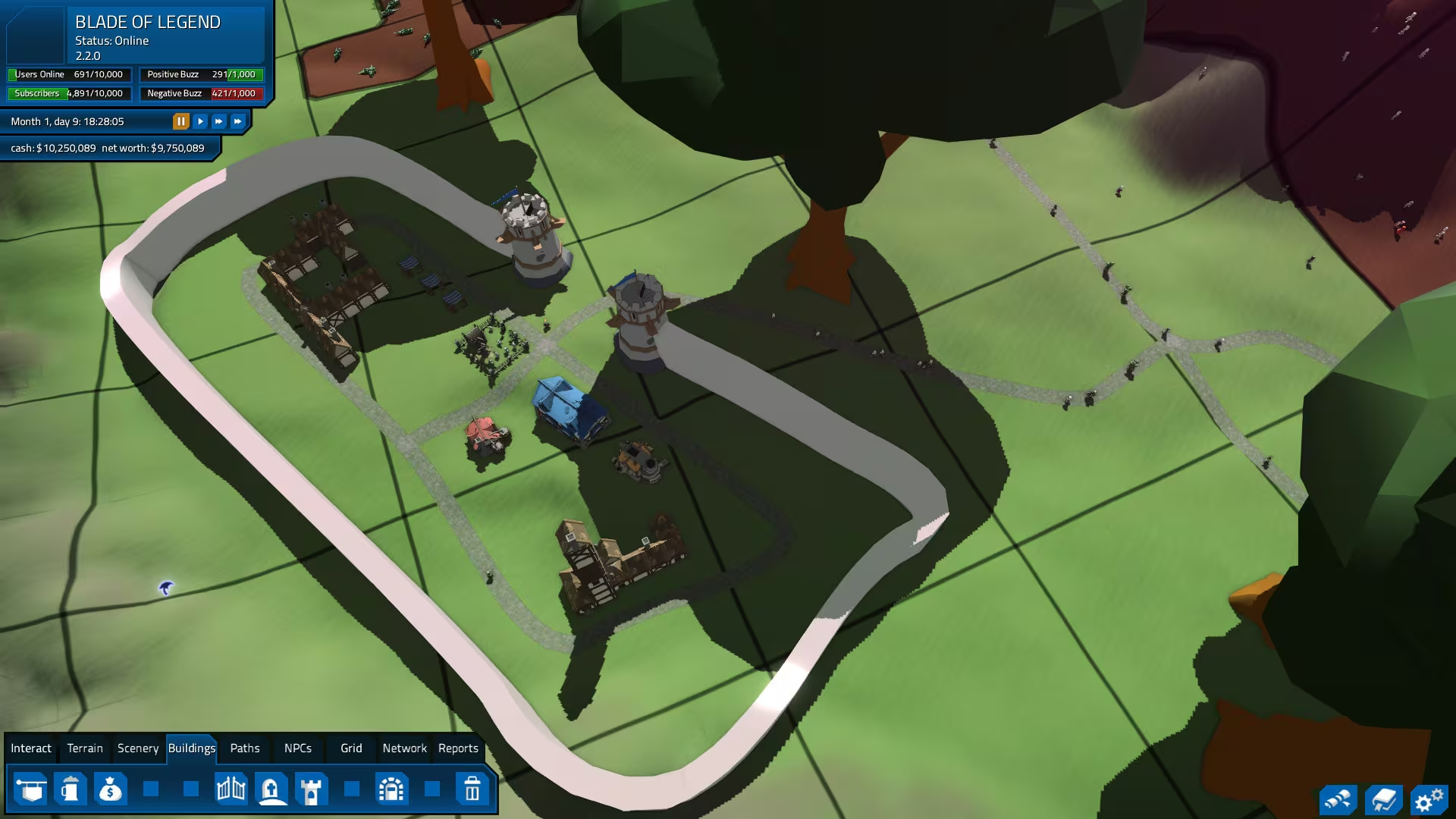
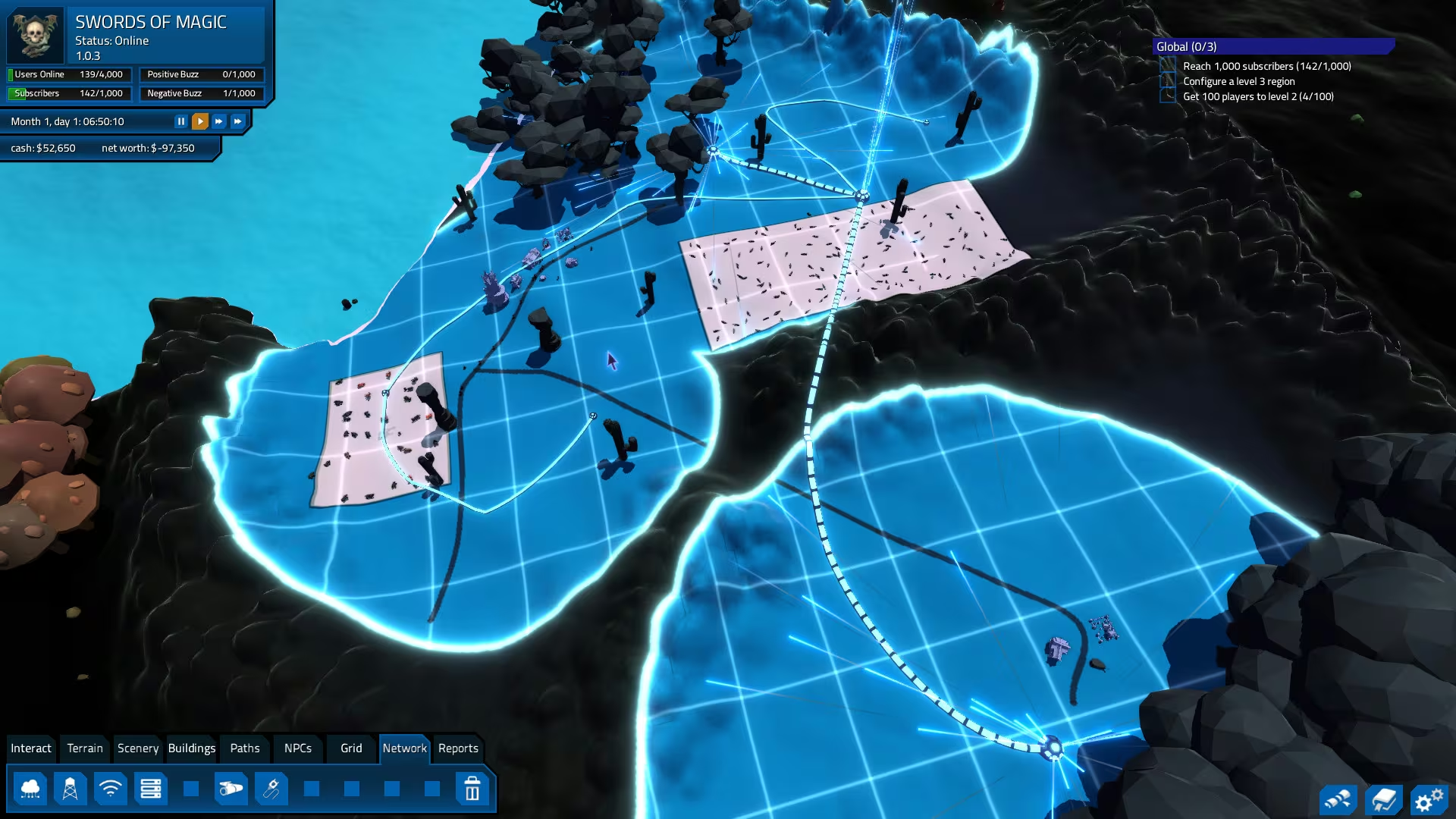
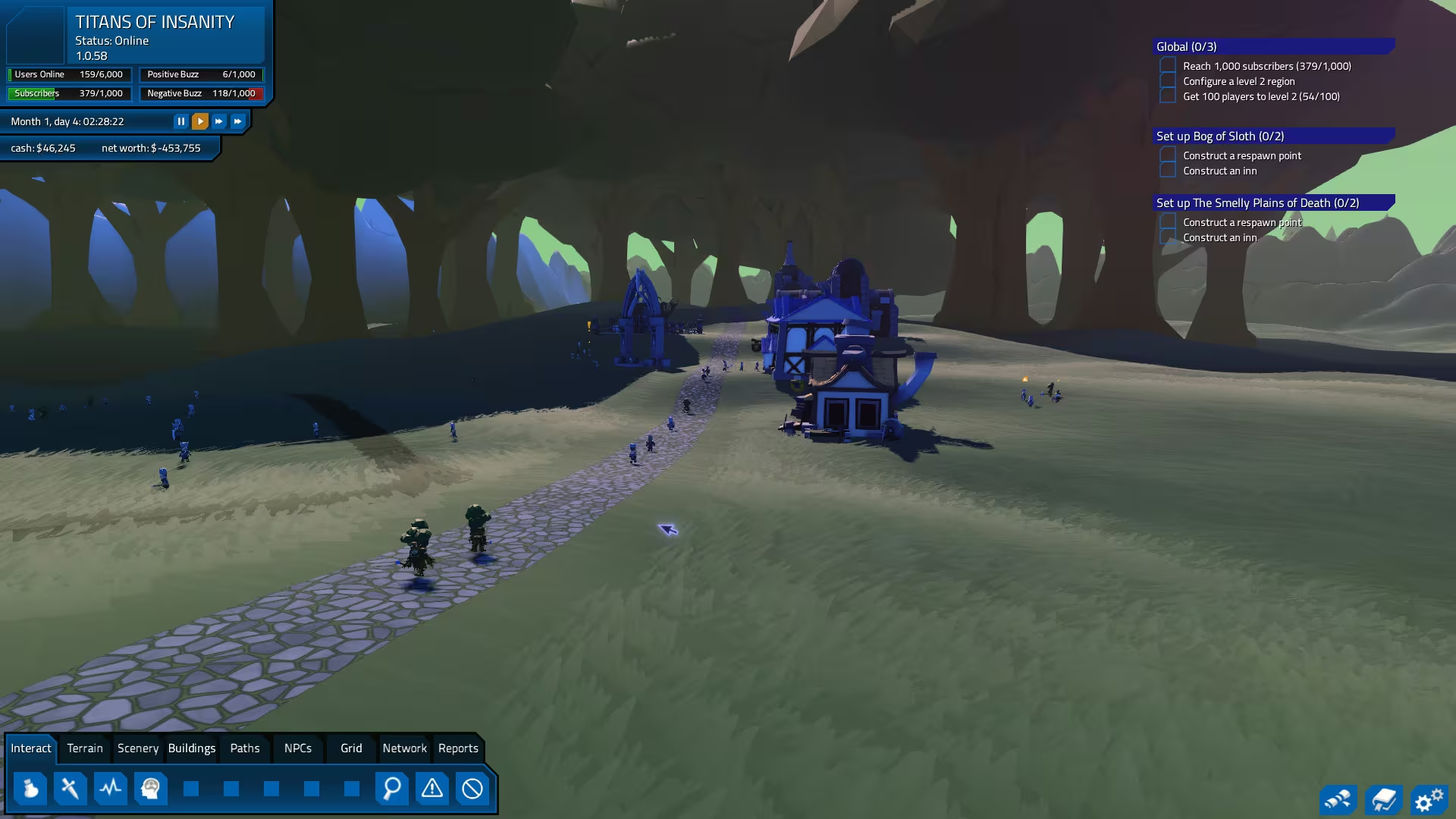
MMORPG Tycoon 2 is a single-player world-builder game about creating the greatest MMORPG of all time – yours.

Global score

86/100

Genres

Indie, Simulator, Strategy, Early Access

Similar games

    Pros

    • Extensive creative customization
    • Engaging mmo simulation concept
    • Active developer communication
    • Deep class and monster design
    • Long play sessions with creative focus

    Cons

    • Limited content and building variety
    • Some ui and progression clunkiness
    • Performance issues at high player counts
    • Slow update pace
    • Lack of multiplayer and social depth

    Analysis

    Less representative of its motivational profile, with noticeable differences. Motivations that often define this kind of title include Leadership, Survival, Violence, Strategy. Here, the score leans higher than usual among comparable games on Fellowship. It leans lower than usual among comparable games on Survival, Violence.

    How to use the graph
    Similar games map

    Each dot is a game. They are arranged from the same motivation profile as in the “Motivations” section below. Closer dots usually mean more similar reasons to play (exploration, competition, relaxation, etc.)—not that one game is “better” than another.

    • Larger dot with a light outline: the game you are viewing.
    • Colour: groups of games with comparable motivation patterns (statistical clusters).
    • Hover a dot to see the game name; click to open its page.
    • Scroll or double-click the chart to zoom out and see more games.

    Why don’t the axes read like a score? This view uses t-SNE: it only keeps who is close to whom. The scales are not “good to bad” or hours played—they separate groups on the map. Read distance between dots, not the axis numbers.

    Motivations

    • Autonomy
      4

      "Players have high control over designing classes, monsters, quests, zones, and game mechanics, enabling personal freedom in game creation."

    • Competence
      3

      "The game involves skillful balancing, strategic design of classes and monsters, and managing MMO systems, though some mechanics are still limited."

    • Competition
      -2

      "Focus is on personal creative progress and management rather than direct player-vs-player competition; PvP exists but is minimal and not core."

    • Continuation
      3

      "Players report long play sessions and habitual engagement designing and balancing their MMOs, though some find content repetitive over time."

    • Cooperation
      1

      "Some social elements like guilds and parties are planned or partially implemented, but current gameplay is mostly single-player focused."

    • Creativity
      5

      "Strong emphasis on creative freedom in building worlds, designing classes, monsters, quests, and customizing many game elements."

    • Domination
      -3

      "Interactions emphasize shared management and balancing rather than exerting control or superiority over others."

    • Escapism
      4

      "Players use the game as a creative outlet and immersive simulation to escape real life by building and managing virtual MMOs."

    • Expectation
      -4

      "Engagement is driven by intrinsic interest and personal creativity rather than obligation or external pressure."

    • Experimenting
      4

      "Players frequently experiment with class designs, monster abilities, quest chains, and world layouts to optimize and personalize gameplay."

    • Exploration
      2

      "Exploration is more about discovering new design possibilities and game mechanics than physical map exploration; zones are customizable."

    • Expression
      5

      "High level of self-expression through customizing characters, monsters, environments, quests, and game systems."

    • Fantasy
      4

      "Game centers on creating and managing a fantasy MMORPG world with imaginative classes, monsters, and quests."

    • Fellowship
      1

      "Community interaction exists mainly through developer communication and Discord; in-game social features are limited but planned."

    • Growth
      3

      "Players learn game mechanics, balancing, and design skills progressively; some find learning curve steep but rewarding."

    • Health
      -5

      "Game is sedentary computer-based with no physical activity component."

    • Idle
      -3

      "Requires focused attention for building and balancing; some waiting involved but generally not background or idle play."

    • Intimacy
      -3

      "Social interactions are limited and mostly surface-level; no deep emotional or close relationship mechanics."

    • Leadership
      2

      "Players lead and manage their MMO worlds and player bases, though multiplayer leadership features are minimal or absent."

    • Progression
      3

      "Progression through unlocking zones, abilities, buildings, and MMO features; some critique on grind and upgrade systems."

    • Relaxation
      3

      "Gameplay is described as chill and satisfying, balancing creativity with management, though some find it repetitive."

    • Sensation
      1

      "Visuals and audio are simple but pleasant; sensory stimulation is moderate and functional rather than intense."

    • Status
      -2

      "Recognition is mostly internal or community-based; no strong social status or leaderboard focus."

    • Story
      1

      "Players can create quests and lore, but the game lacks a built-in narrative; story is player-driven and emergent."

    • Strategy
      3

      "Requires strategic thinking in balancing classes, managing resources, and designing MMO systems, though some mechanics are simple."

    • Thrill
      -1

      "Game is low risk and lacks suspense; focus is on creativity and management rather than thrill or tension."

    • Value
      1

      "Players see value in the game’s creative potential and ongoing updates, though some feel price is high for current content."

    • Violence
      -2

      "Combat exists but is abstract and secondary to creative and management aspects; focus is not on violence or destruction."

    • Survival
      -3

      "Game operates in stable conditions without survival or threat mechanics; focus is on growth and management."

    Last update: 29/04/2026