Urban Myth Dissolution Center Thumbnail

Urban Myth Dissolution Center similar games & best alternatives
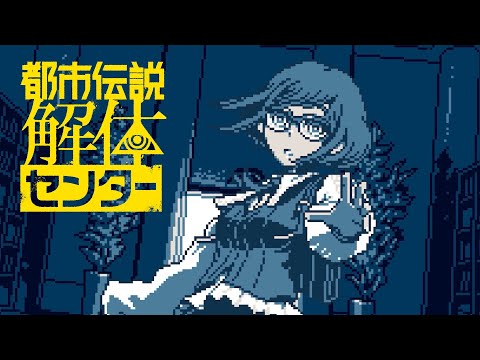
Urban Myth Dissolution Center

PC (Microsoft Windows), iOS, Android, Nintendo Switch, PlayStation 5 • 2025

Related articles

Quick resume

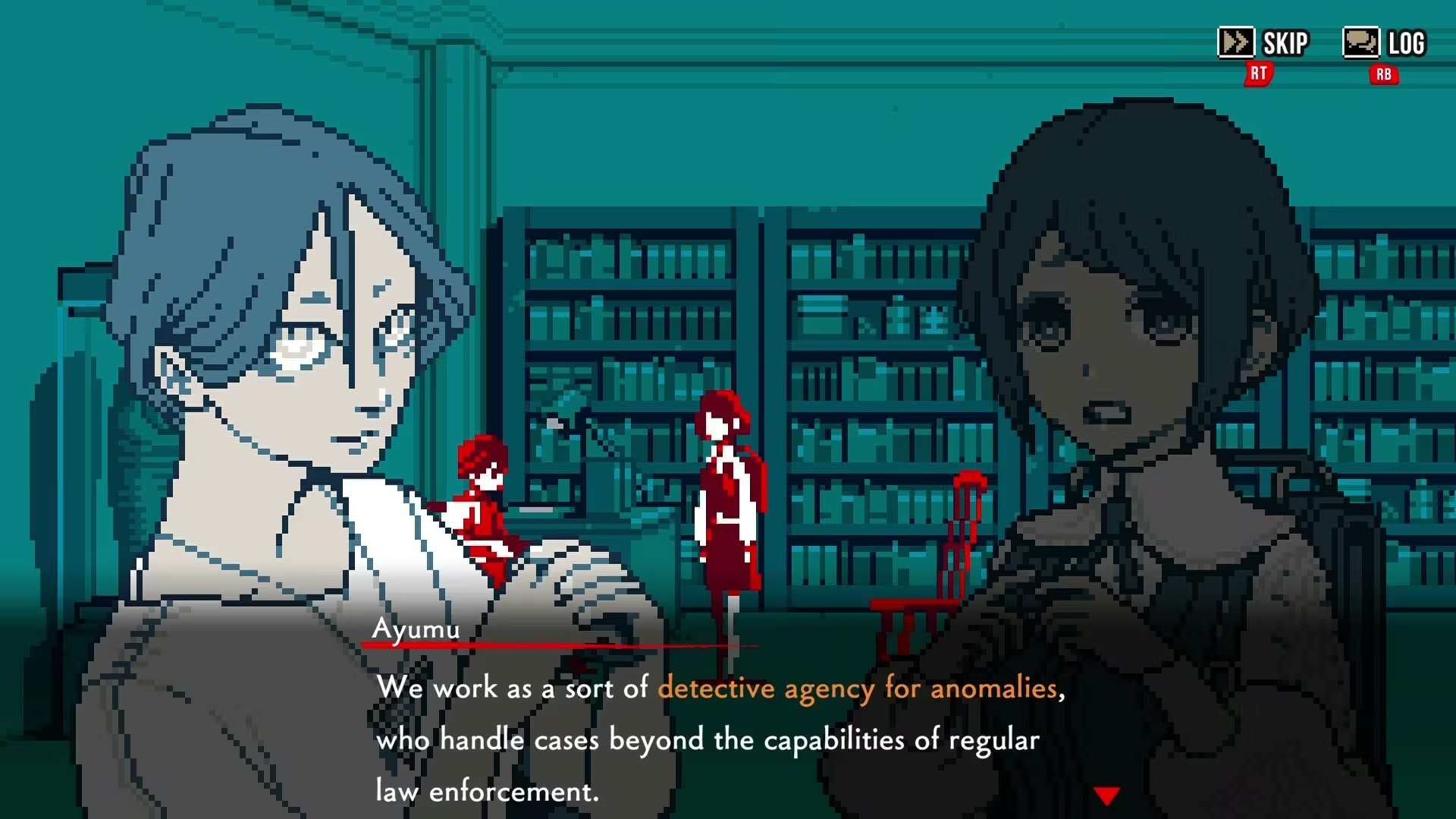
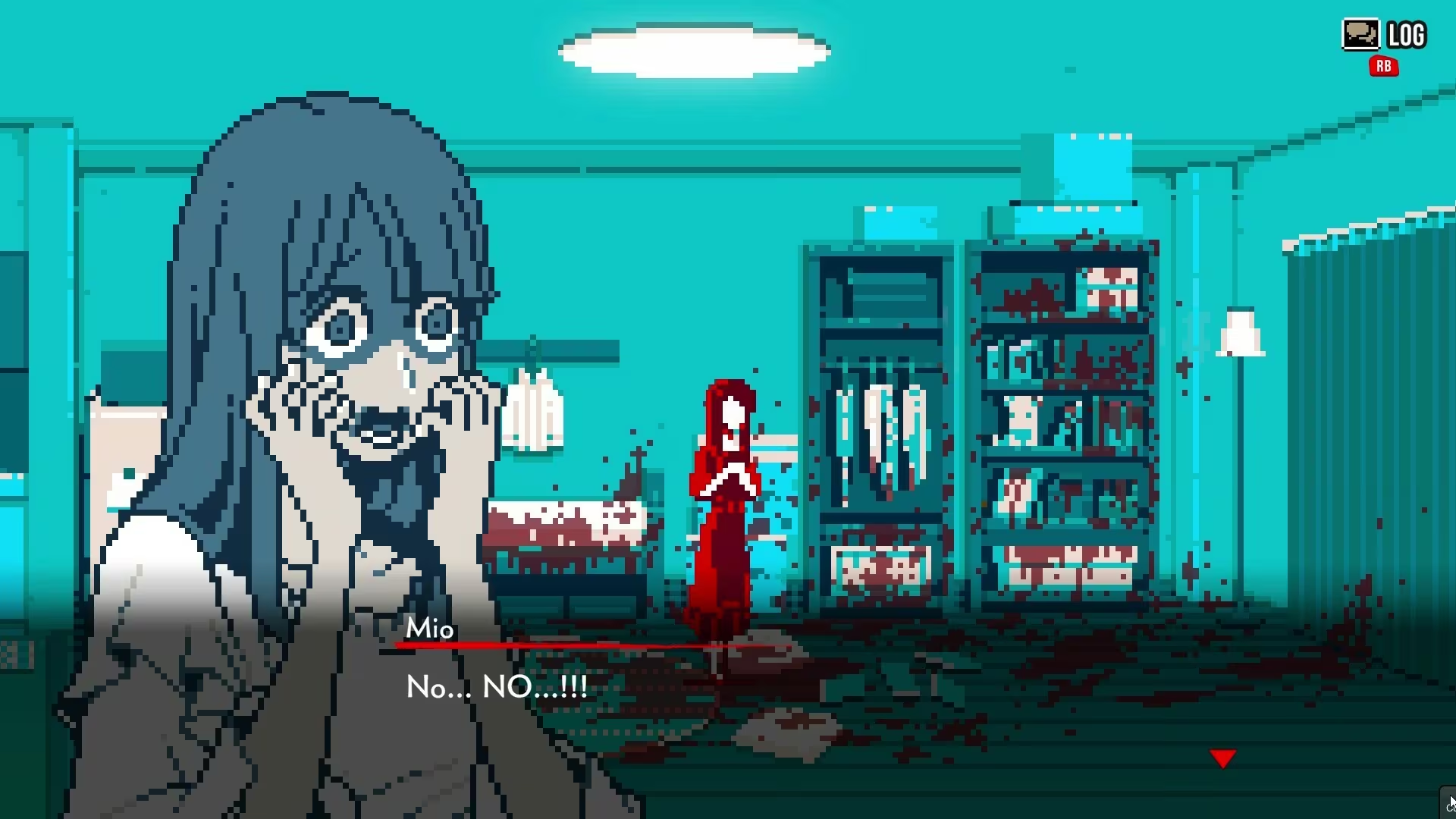
Join forces with the psychic Director of the Urban Myth Dissolution Center and solve a variety of cases involving cursed relics, rental properties with shady histories, and dimensional anomalies. Monstrous oddities and otherworldly planes abound in this occult mystery adventure game!

Global score

88/100

Genres

Adventure, Visual Novel, Puzzle

Similar games

    Pros

    • Engaging story with plot twists
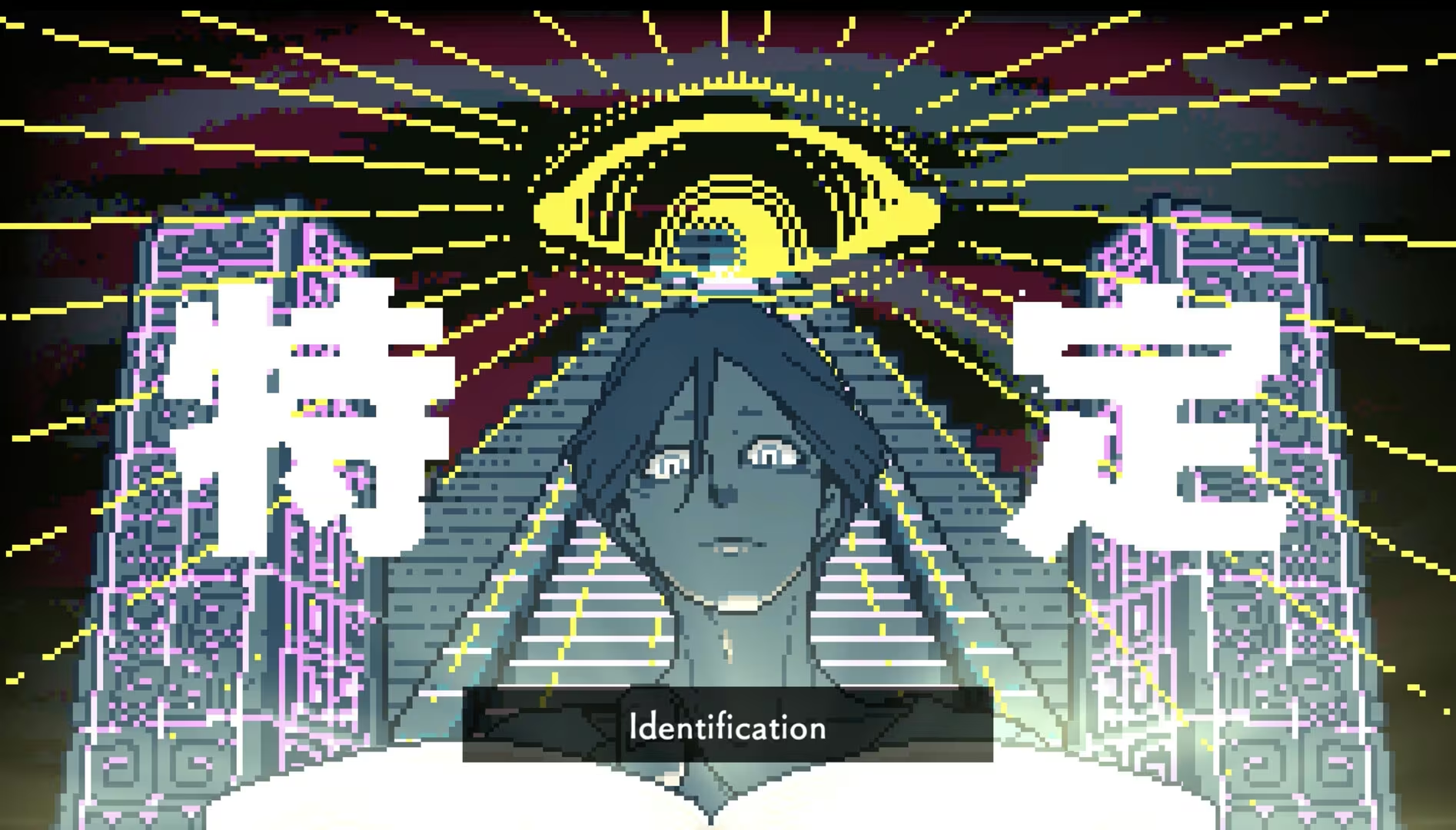
    • Stylish pixel art and animations
    • Excellent soundtrack
    • Memorable characters
    • Accessible gameplay

    Cons

    • Linear and hand-holding gameplay
    • Some pacing issues and slow segments
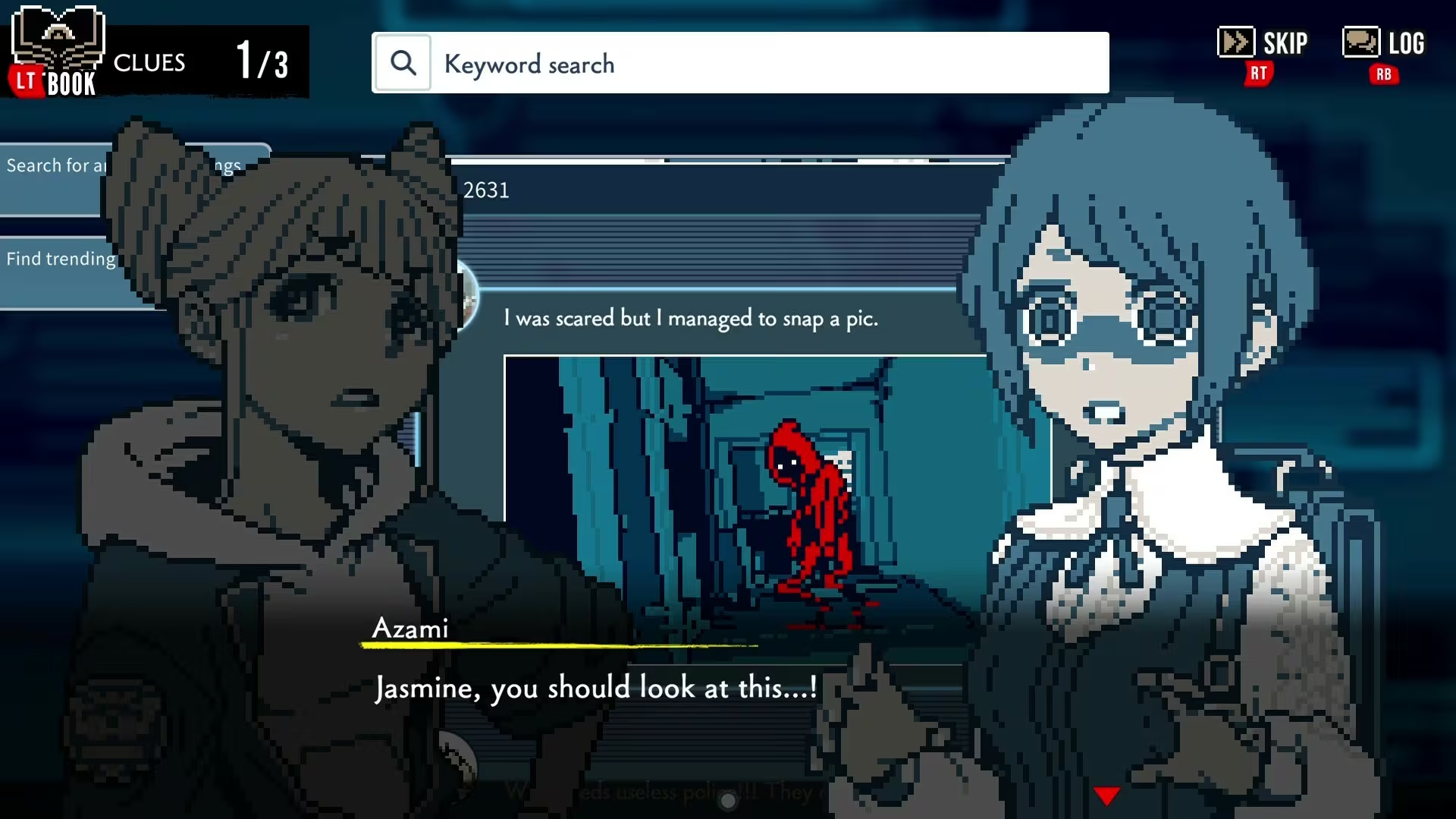
    • Social media research sections tedious
    • Final twist divisive among players
    • Lack of chapter select and replay options

    Analysis

    Less representative of its motivational profile, with noticeable differences. Motivations that often define this kind of title include Intimacy, Survival, Violence, Competition. Here, the score leans higher than usual among comparable games on Thrill. It leans lower than usual among comparable games on Exploration, Experimenting.

    How to use the graph
    Similar games map

    Each dot is a game. They are arranged from the same motivation profile as in the “Motivations” section below. Closer dots usually mean more similar reasons to play (exploration, competition, relaxation, etc.)—not that one game is “better” than another.

    • Larger dot with a light outline: the game you are viewing.
    • Colour: groups of games with comparable motivation patterns (statistical clusters).
    • Hover a dot to see the game name; click to open its page.
    • Scroll or double-click the chart to zoom out and see more games.

    Why don’t the axes read like a score? This view uses t-SNE: it only keeps who is close to whom. The scales are not “good to bad” or hours played—they separate groups on the map. Read distance between dots, not the axis numbers.

    Motivations

    • Autonomy
      3

      "Players can explore investigation areas and choose dialogue options, but the game is largely linear and guided."

    • Competence
      2

      "Puzzles and deductions are simple with no penalties for mistakes, but players feel rewarded by solving mysteries."

    • Competition
      -5

      "No evidence of competitive modes or comparison with others; focus is on personal story experience."

    • Continuation
      3

      "Players report engaging story and characters that encourage long play sessions despite some pacing issues."

    • Cooperation
      -5

      "Single player visual novel experience with no multiplayer or cooperative gameplay."

    • Creativity
      2

      "Some player interaction in investigations and deductions, but mostly following a set narrative and structure."

    • Domination
      -5

      "No signs of exerting control or superiority over others; cooperative and respectful character interactions."

    • Escapism
      4

      "Players use the game to immerse in a supernatural mystery and escape real life through story and atmosphere."

    • Expectation
      -4

      "Players engage voluntarily out of interest and enjoyment, not obligation or external pressure."

    • Experimenting
      -2

      "Gameplay is mostly linear with limited exploration of mechanics; some room for trying different dialogue options."

    • Exploration
      -3

      "Players navigate familiar environments with limited discovery; mostly linear progression through chapters."

    • Expression
      3

      "Character animations and pixel art allow for expressive storytelling and some player interaction."

    • Fantasy
      4

      "Strong supernatural and urban myth themes with imaginative fiction and paranormal elements."

    • Fellowship
      1

      "Some sense of community through shared interest in mysteries and urban myths, but primarily solo play."

    • Growth
      3

      "Players develop understanding of story and characters; some skill in deduction and puzzle solving."

    • Health
      -5

      "Sedentary gameplay typical of visual novels with no physical activity involved."

    • Idle
      -3

      "Requires focused attention on dialogue and investigation; not suitable for background play."

    • Intimacy
      2

      "Players form emotional connections with characters and story, though no direct social interaction."

    • Leadership
      -5

      "No leadership or group management elements; player follows a linear narrative."

    • Progression
      3

      "Players progress through chapters and story, unlocking new cases and revelations."

    • Relaxation
      2

      "Generally calm pacing with some tension during mysteries; overall a balanced experience."

    • Sensation
      3

      "Enjoyable pixel art, animations, and music provide sensory stimulation and emotional engagement."

    • Status
      -5

      "No social recognition or ranking systems; focus is on individual story experience."

    • Story
      5

      "Strong narrative immersion with engaging characters, plot twists, and overarching mysteries."

    • Strategy
      1

      "Some light problem solving and deduction, but mostly straightforward and guided gameplay."

    • Thrill
      3

      "Mystery and suspense elements create moments of tension and excitement."

    • Value
      4

      "Players feel they receive good value for time and money due to story length, art, and music quality."

    • Violence
      -3

      "Minimal violence depicted; focus on investigation and story rather than combat or destruction."

    • Survival
      -4

      "Stable conditions with no threat or failure states; low risk environment."

    Last update: 29/04/2026