I Wani Hug that Gator! Thumbnail

I Wani Hug that Gator! similar games & best alternatives

I Wani Hug that Gator!

PC (Microsoft Windows), Mac, Android, Linux • 2024

Related articles

Quick resume

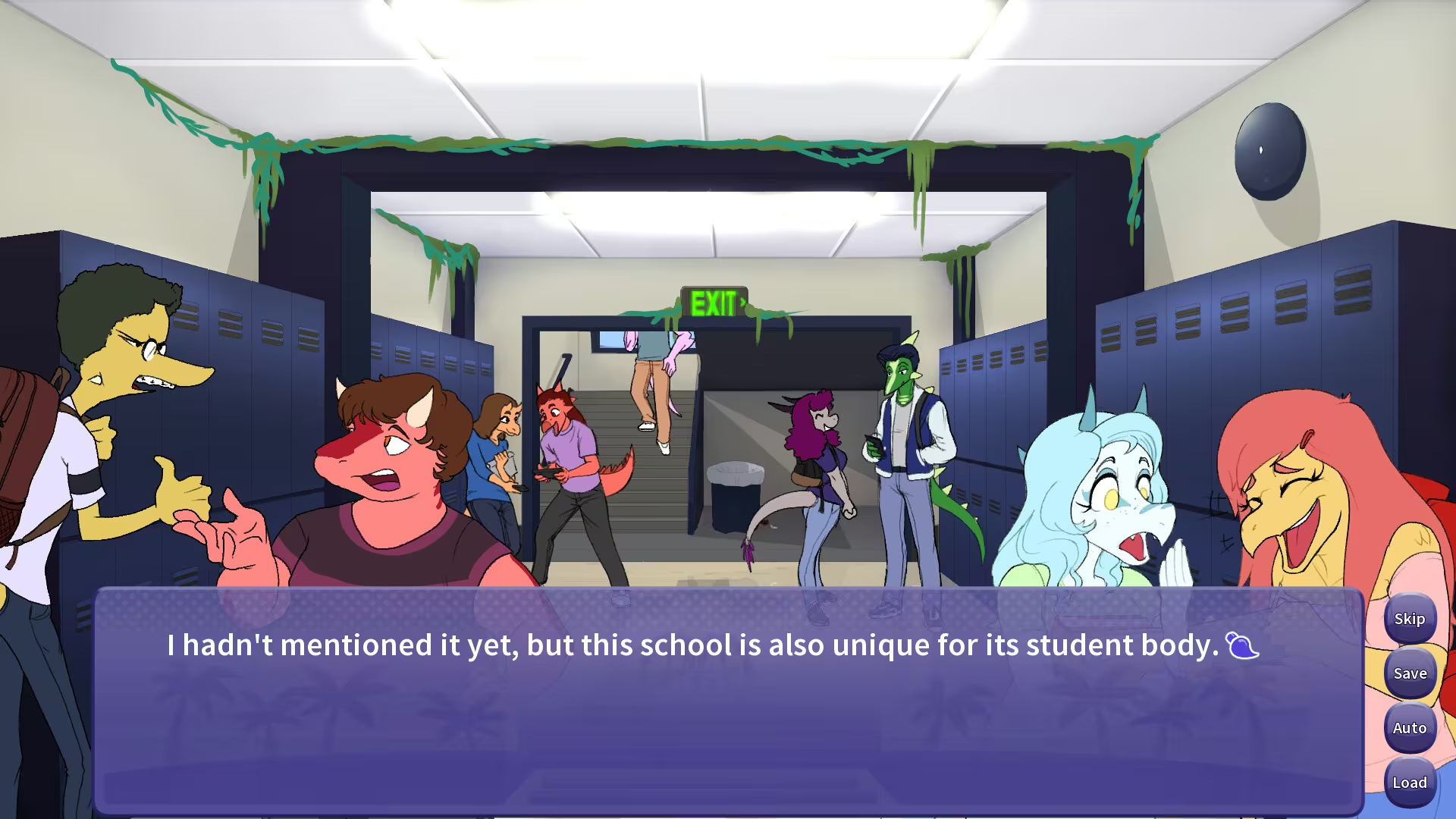
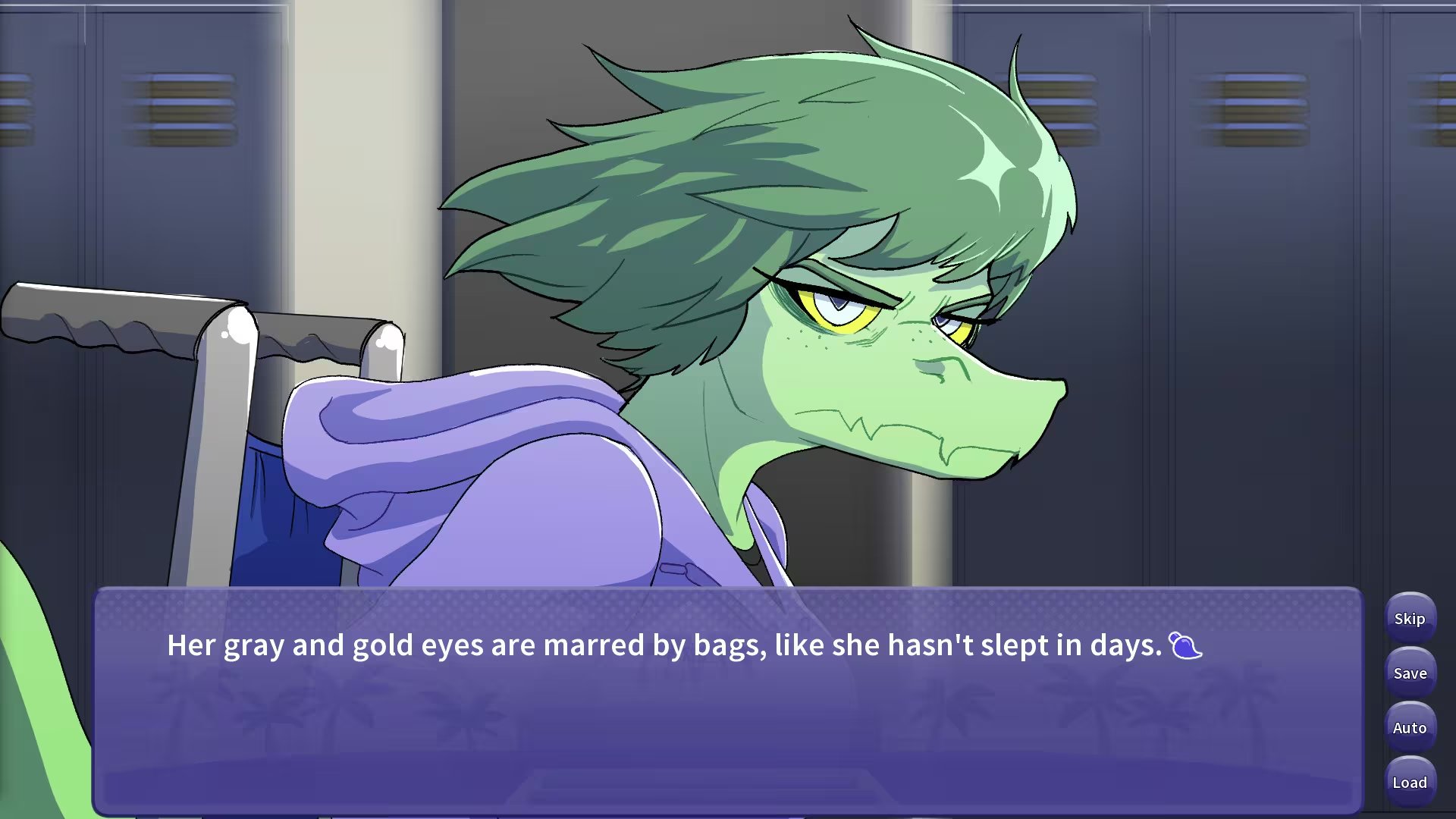
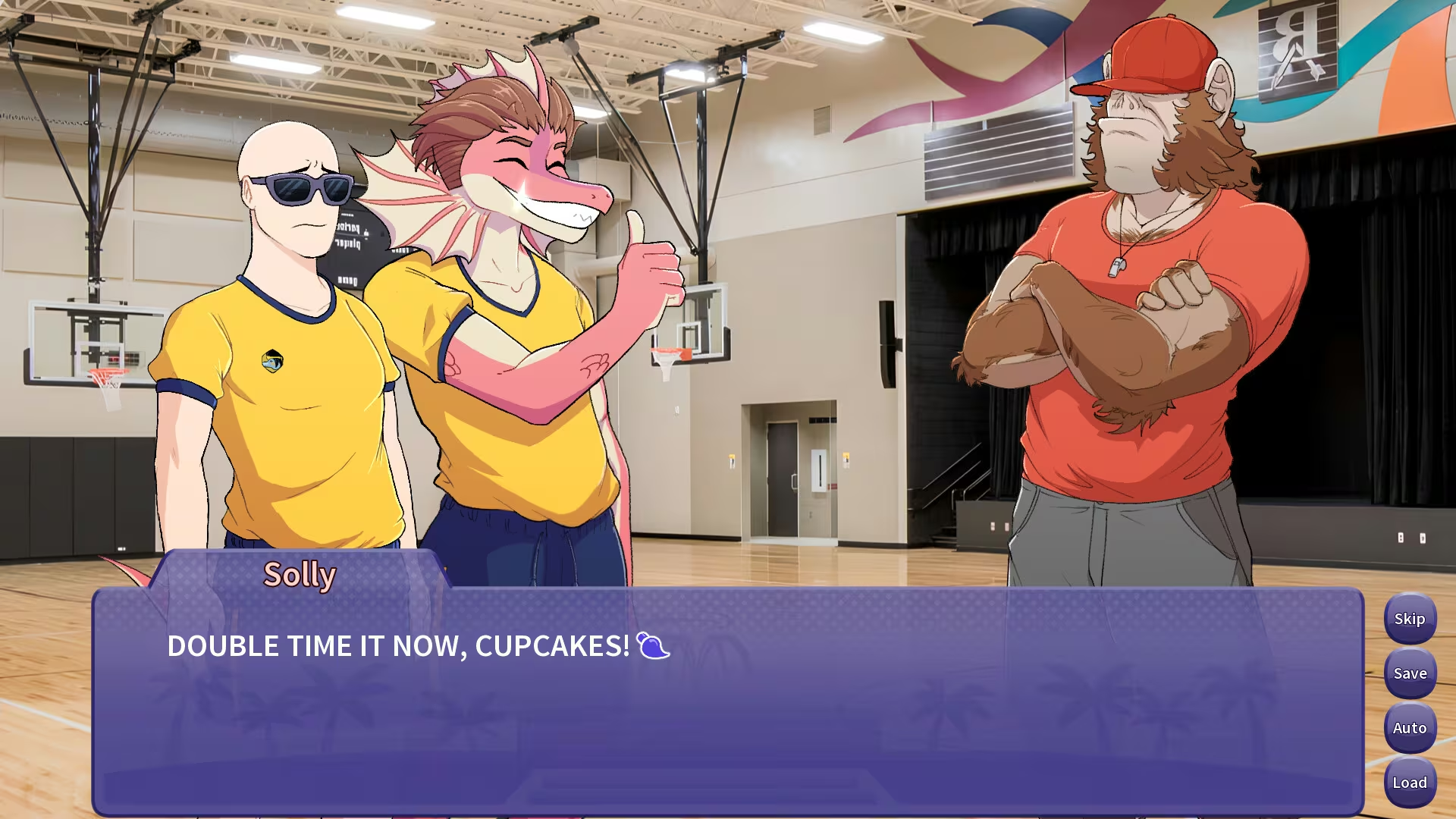
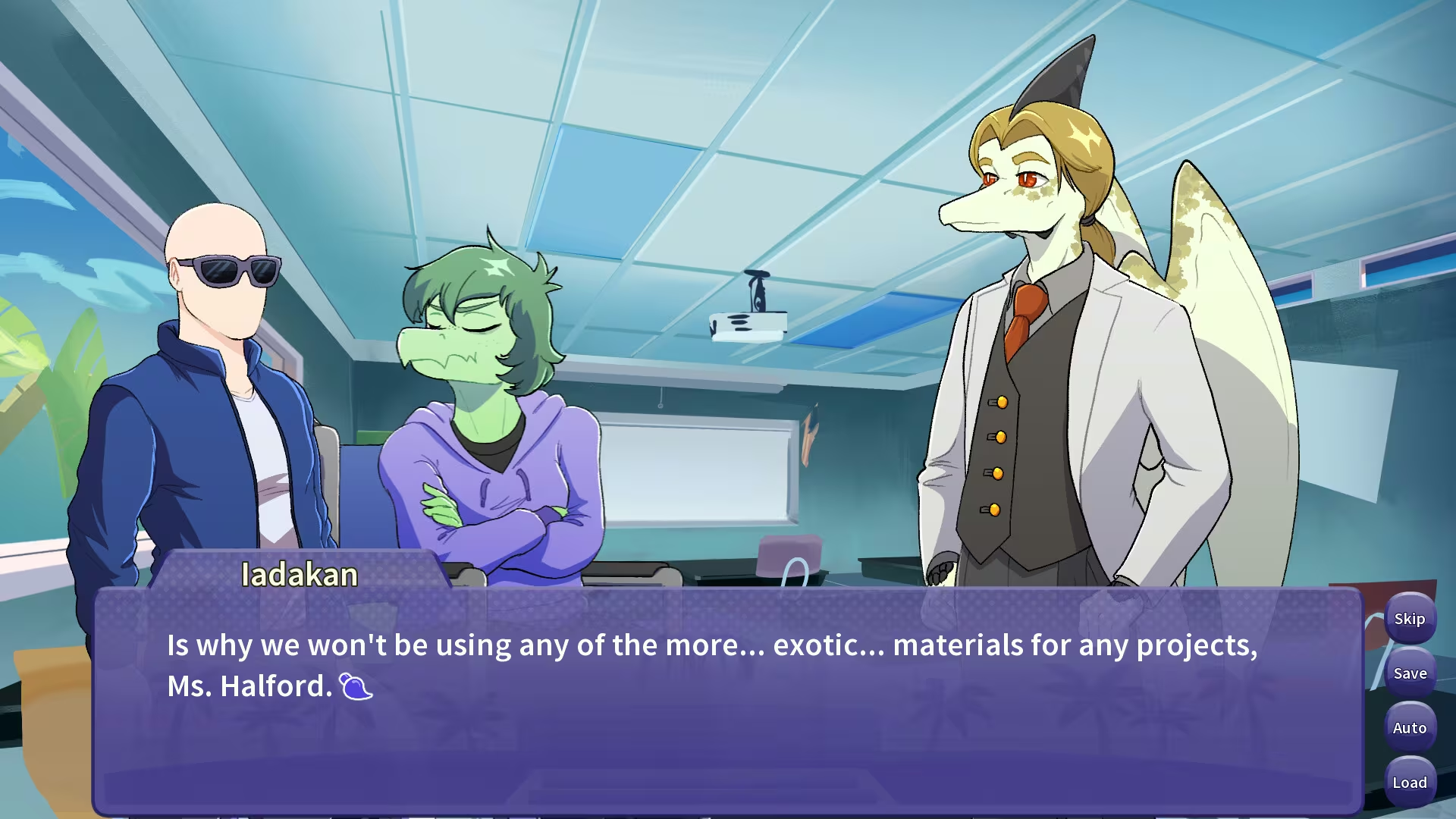
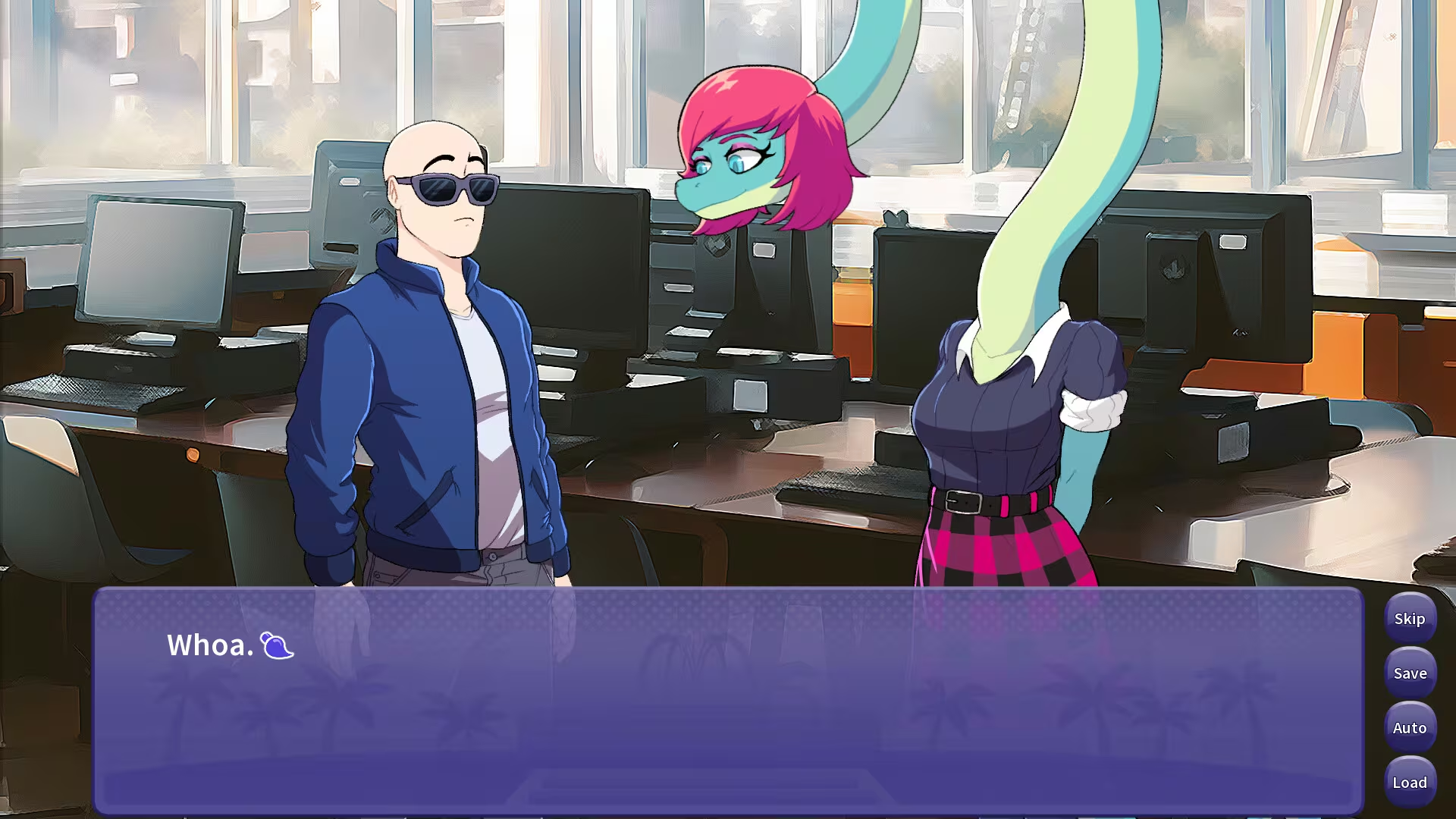
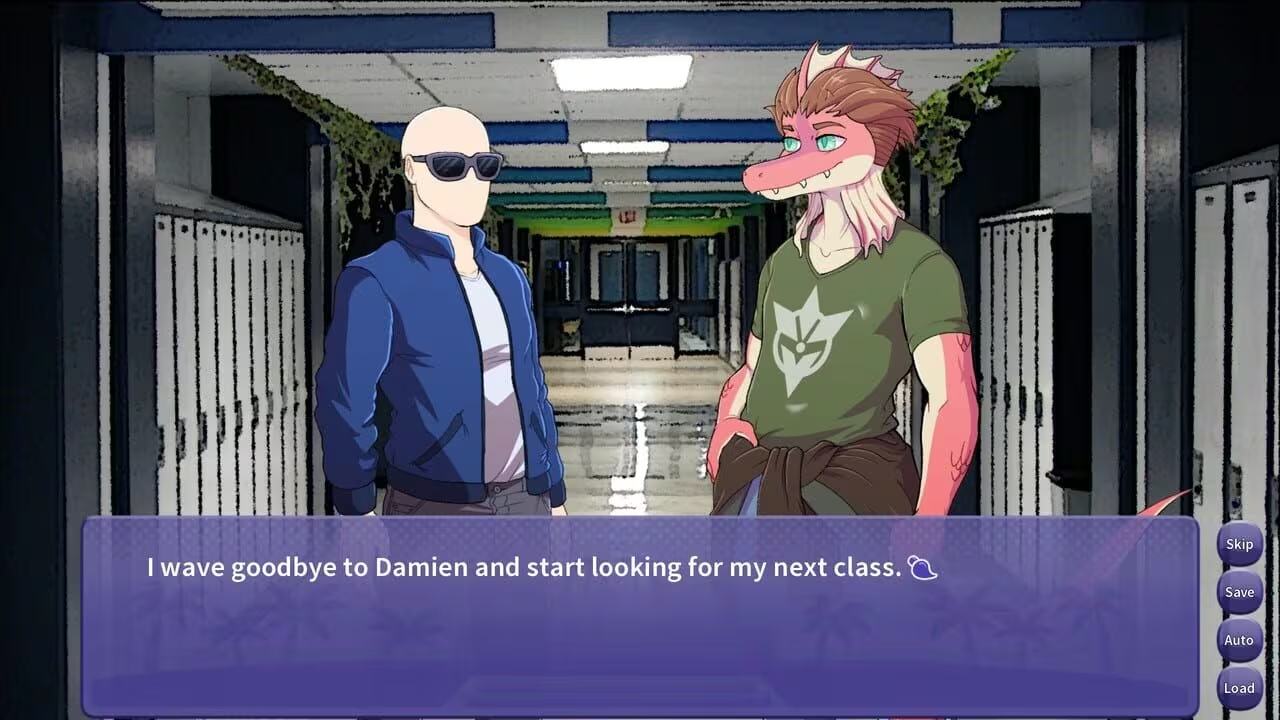
I Wani Hug that Gator! Is a choice-driven narrative about teenagers struggling to find their way. Help Inco, loser highschooler extraordinaire, navigate his budding friendships (and romance!) while surviving being the only human in a dinosaur-filled school.

Global score

98/100

Genres

Casual, Indie, Visual Novel

Similar games

    Pros

    • Deep emotional storytelling
    • Multiple meaningful endings
    • High-quality animations and music
    • Strong character development
    • High replay value

    Cons

    • Some inconsistent background art quality
    • Main character less fleshed out than others
    • Slow pacing in early chapters
    • Lack of gallery or bonus content at launch
    • Some choices can feel arbitrary

    Analysis

    A very typical example of its motivational profile. Motivations that often define this kind of title include Intimacy, Survival, Violence, Competition. Here, the score leans higher than usual among comparable games on Growth, Continuation. It leans lower than usual among comparable games on Cooperation.

    How to use the graph
    Similar games map

    Each dot is a game. They are arranged from the same motivation profile as in the “Motivations” section below. Closer dots usually mean more similar reasons to play (exploration, competition, relaxation, etc.)—not that one game is “better” than another.

    • Larger dot with a light outline: the game you are viewing.
    • Colour: groups of games with comparable motivation patterns (statistical clusters).
    • Hover a dot to see the game name; click to open its page.
    • Scroll or double-click the chart to zoom out and see more games.

    Why don’t the axes read like a score? This view uses t-SNE: it only keeps who is close to whom. The scales are not “good to bad” or hours played—they separate groups on the map. Read distance between dots, not the axis numbers.

    Motivations

    • Autonomy
      4

      "Players make meaningful choices that shape character development and story outcomes, reflecting personal agency."

    • Competence
      3

      "Players engage in decision-making that affects endings, requiring thoughtful choices rather than repetitive tasks."

    • Competition
      -4

      "Focus is on personal story progression and emotional experience without comparison or ranked modes."

    • Continuation
      5

      "Players report long play sessions, multiple replays to explore all endings, and strong attachment to characters."

    • Cooperation
      -5

      "Single-player visual novel experience focused on individual narrative without multiplayer or teamwork."

    • Creativity
      2

      "Players can influence story direction and character growth through choices, but no creation or modification of content."

    • Domination
      -5

      "No evidence of exerting control or superiority over others; interactions are narrative-driven and equal."

    • Escapism
      5

      "Strong emotional immersion and reflection, providing players an escape from real-life through story and characters."

    • Expectation
      -4

      "Players engage voluntarily out of interest and emotional connection, not obligation or external pressure."

    • Experimenting
      3

      "Multiple endings and branching choices encourage players to try different paths and explore story variations."

    • Exploration
      2

      "Exploration is narrative and emotional rather than spatial, discovering new story outcomes and character facets."

    • Expression
      1

      "Limited character customization; expression mainly through choice-driven narrative rather than visual personalization."

    • Fantasy
      3

      "Anthropomorphic dinosaur characters and fictional setting provide imaginative fiction elements."

    • Fellowship
      1

      "Some community engagement noted but gameplay is primarily solo and story-focused."

    • Growth
      5

      "Central themes involve personal development, self-actualization, and emotional growth of characters and player."

    • Health
      -5

      "Sedentary visual novel format with no physical activity or health-related gameplay."

    • Idle
      -4

      "Requires focused reading and decision-making; not a background or idle experience."

    • Intimacy
      4

      "Strong emotional connections with characters and story foster feelings of closeness and empathy."

    • Leadership
      -4

      "No leadership or group management elements; player guides only their own narrative experience."

    • Progression
      4

      "Progression through story chapters, character development, and unlocking multiple endings."

    • Relaxation
      3

      "Players experience emotional flow and catharsis, balancing humor and drama for a soothing experience."

    • Sensation
      2

      "Enjoyable music and animation provide sensory stimulation, though not intense or extreme."

    • Status
      -4

      "No social status or ranking systems; achievements are personal and narrative-based."

    • Story
      5

      "Narrative immersion is the core of the game, with deep character arcs and multiple endings."

    • Strategy
      2

      "Requires some planning and reasoning to achieve desired endings, but no complex strategic gameplay."

    • Thrill
      1

      "Emotional highs and lows provide some suspense, but no high-risk or adrenaline gameplay."

    • Value
      4

      "Players report high value for time and money due to length, replayability, and emotional impact."

    • Violence
      -5

      "No combat or destruction; focus on constructive emotional and narrative engagement."

    • Survival
      -5

      "Stable narrative environment without threats or resource management challenges."

    Last update: 29/04/2026