Unavowed Thumbnail

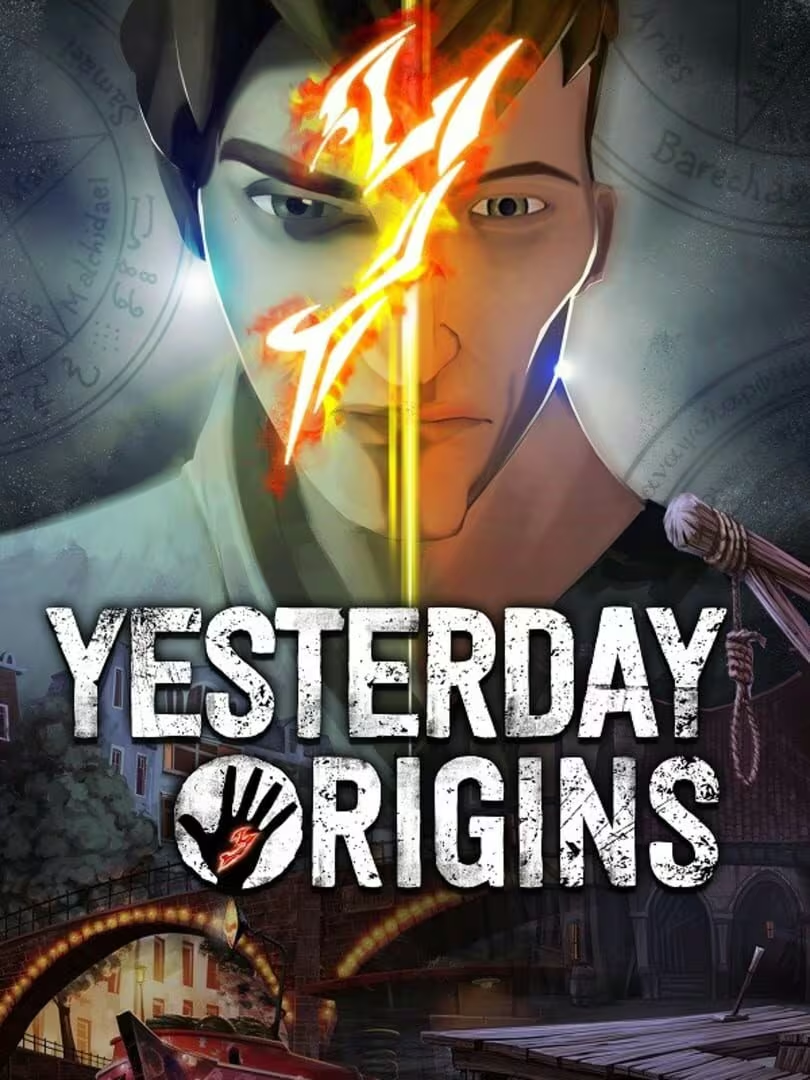
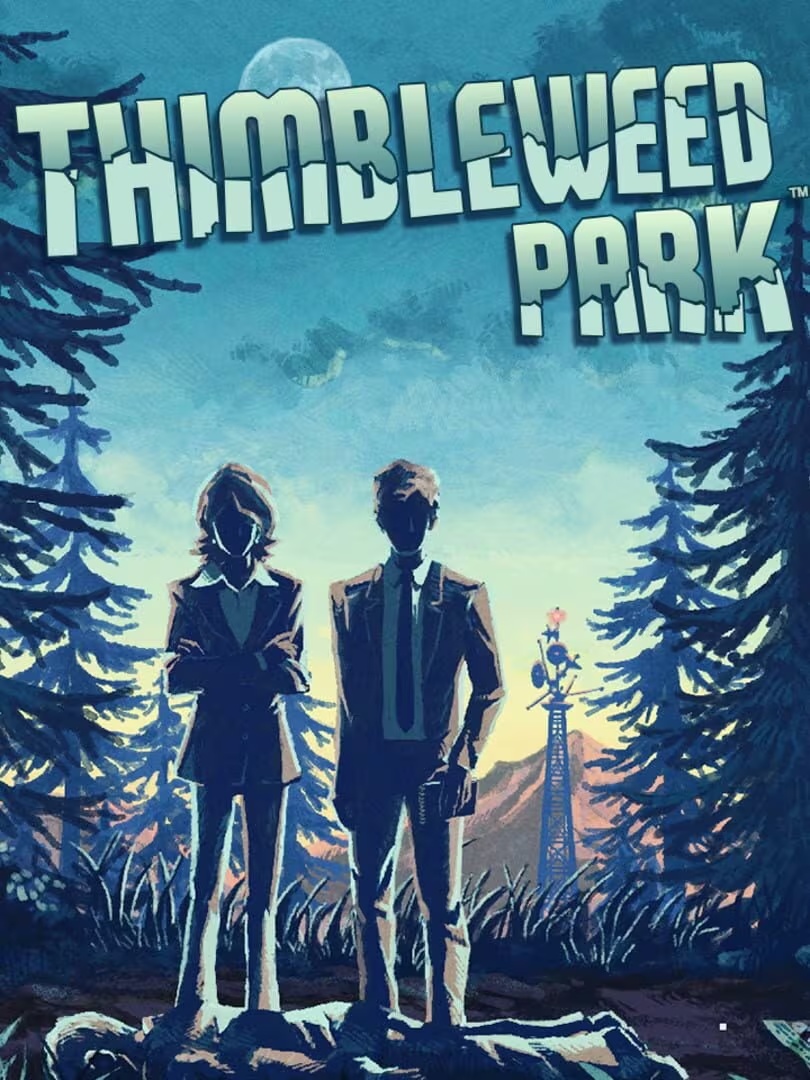
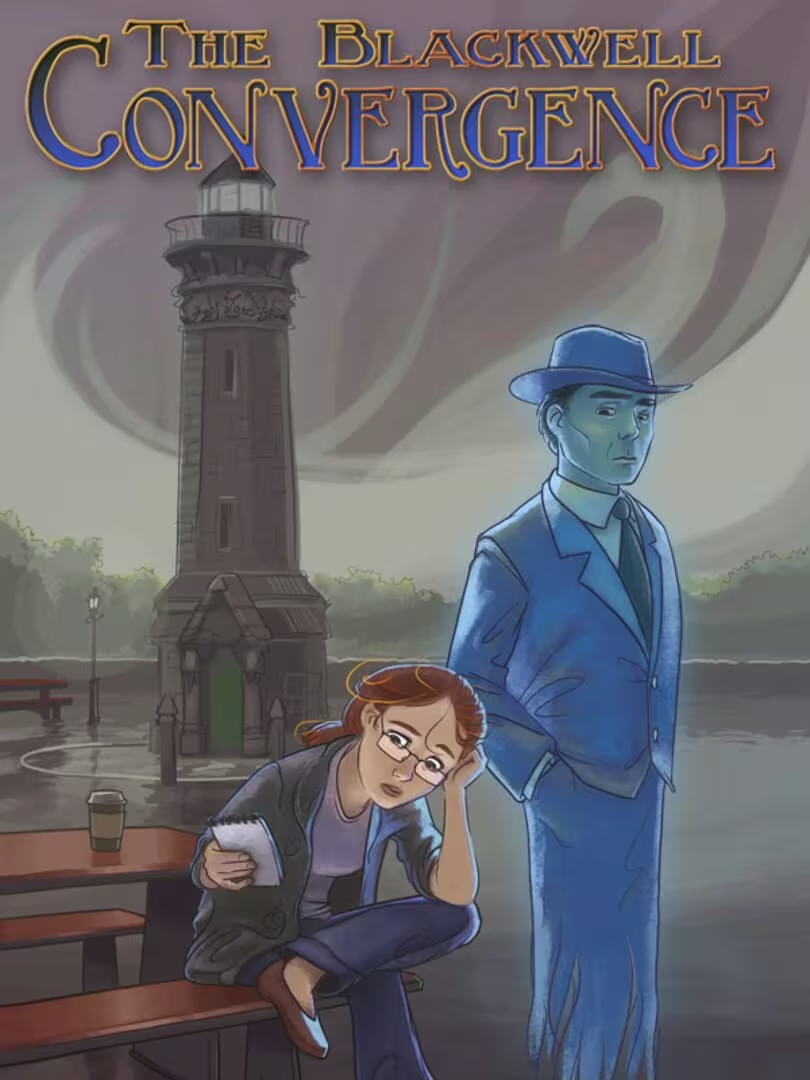
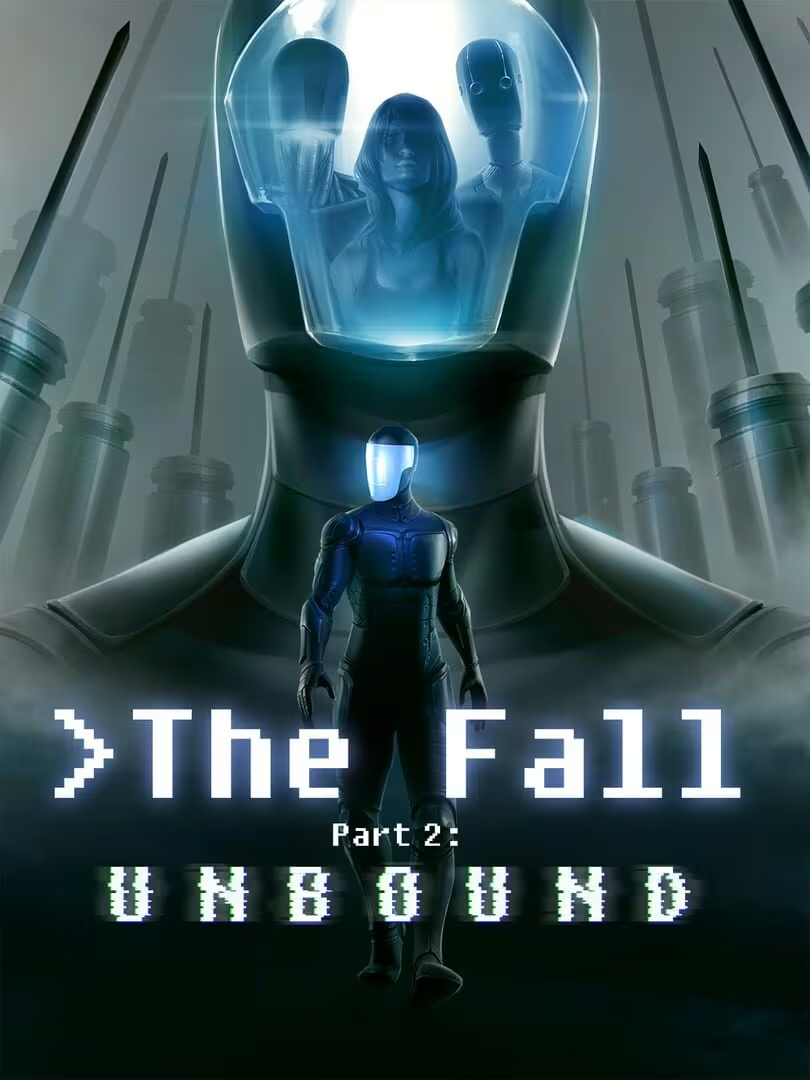
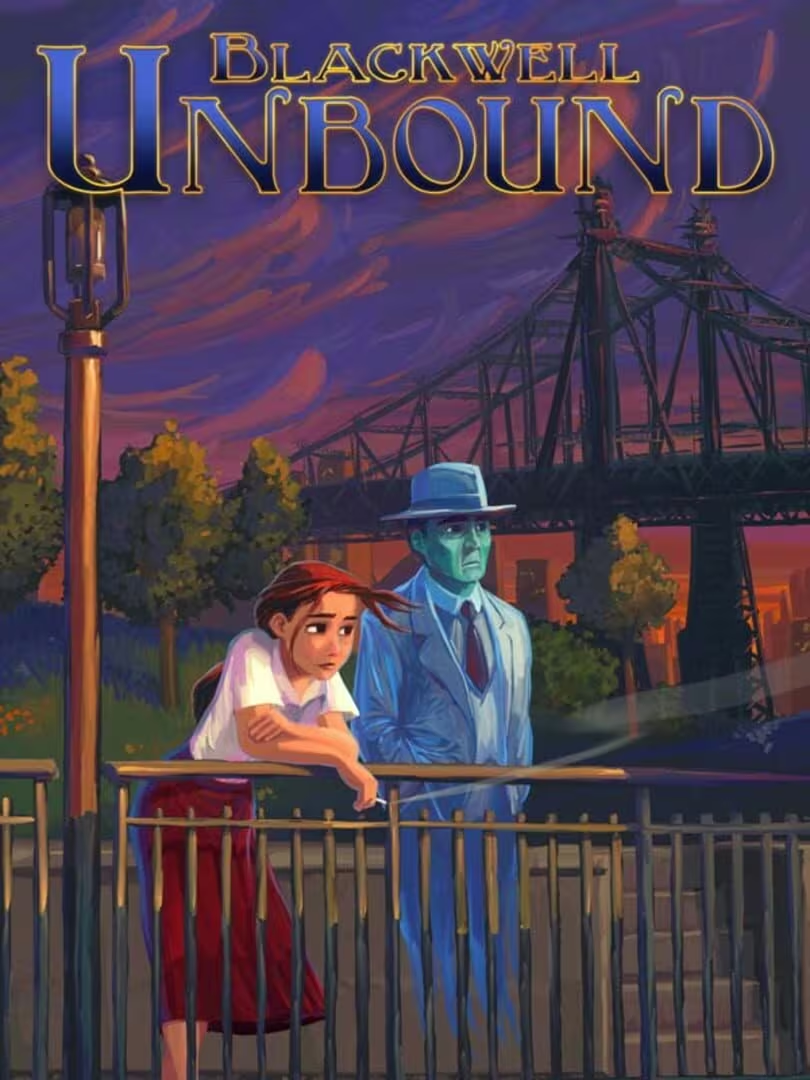
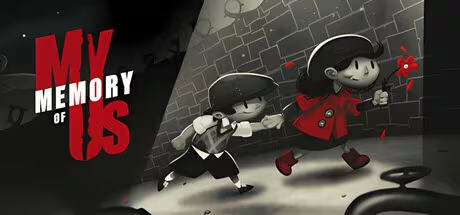
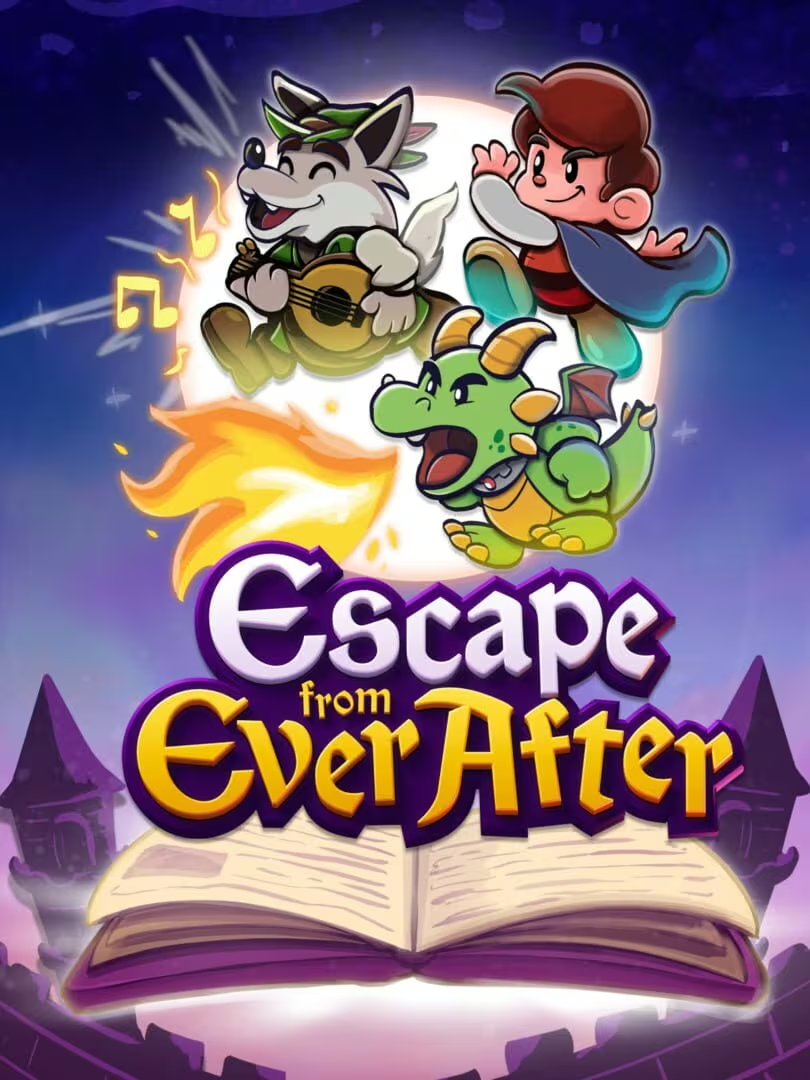
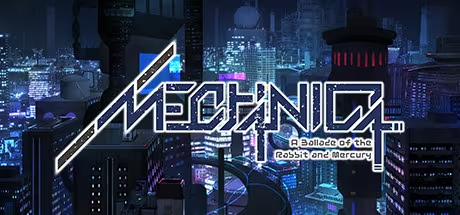
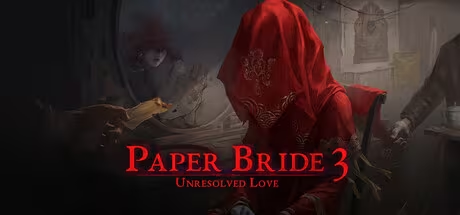
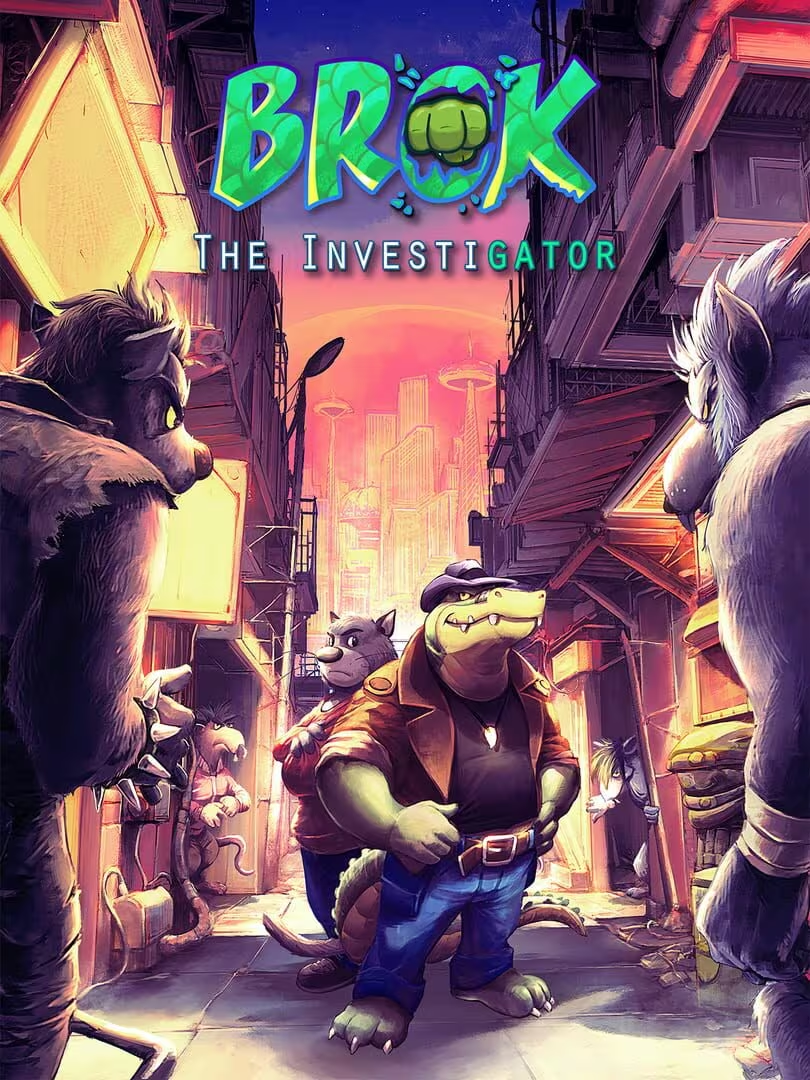
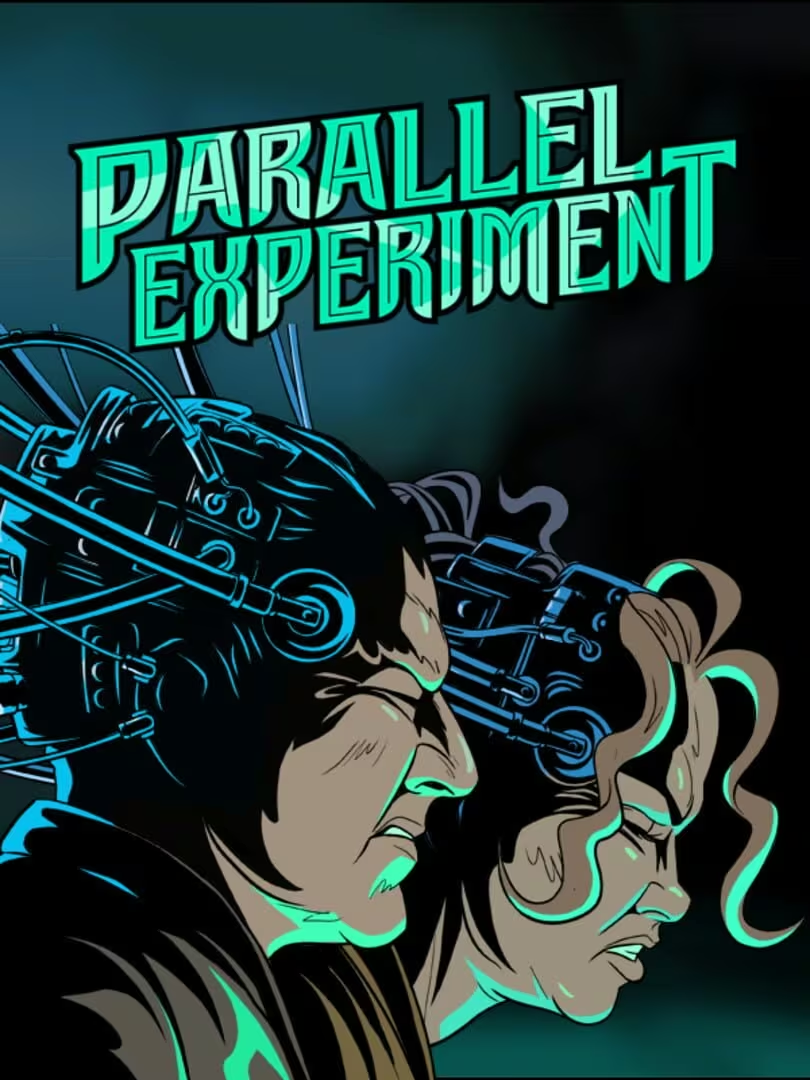
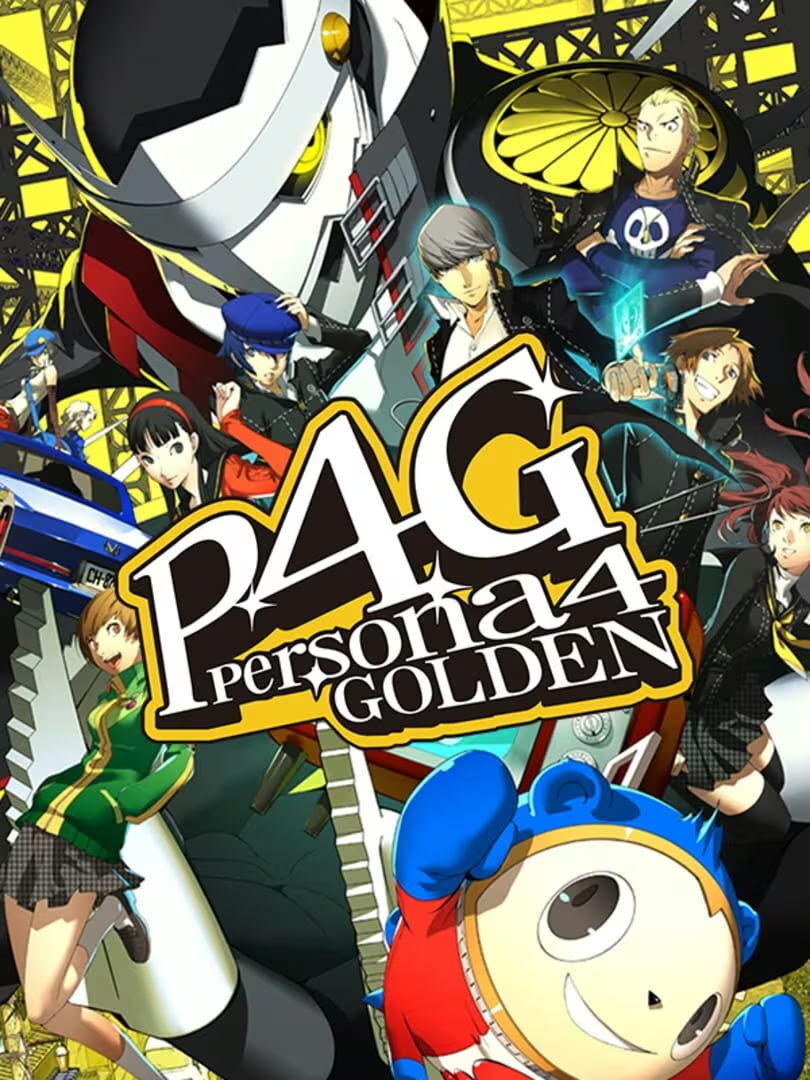
Unavowed similar games & best alternatives

Unavowed

PC (Microsoft Windows), Nintendo Switch, Mac, Linux • 2018

Related articles

Quick resume

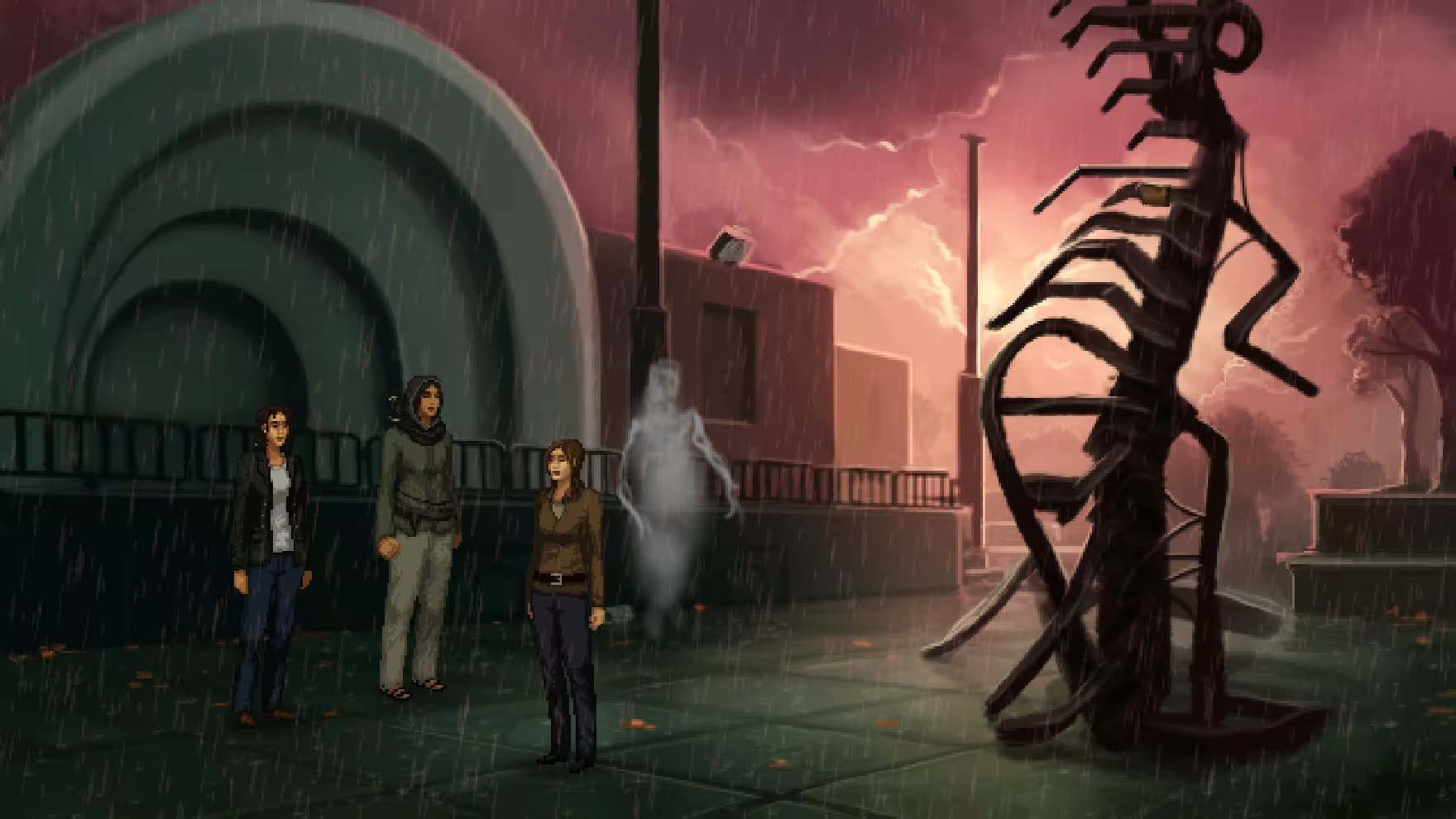
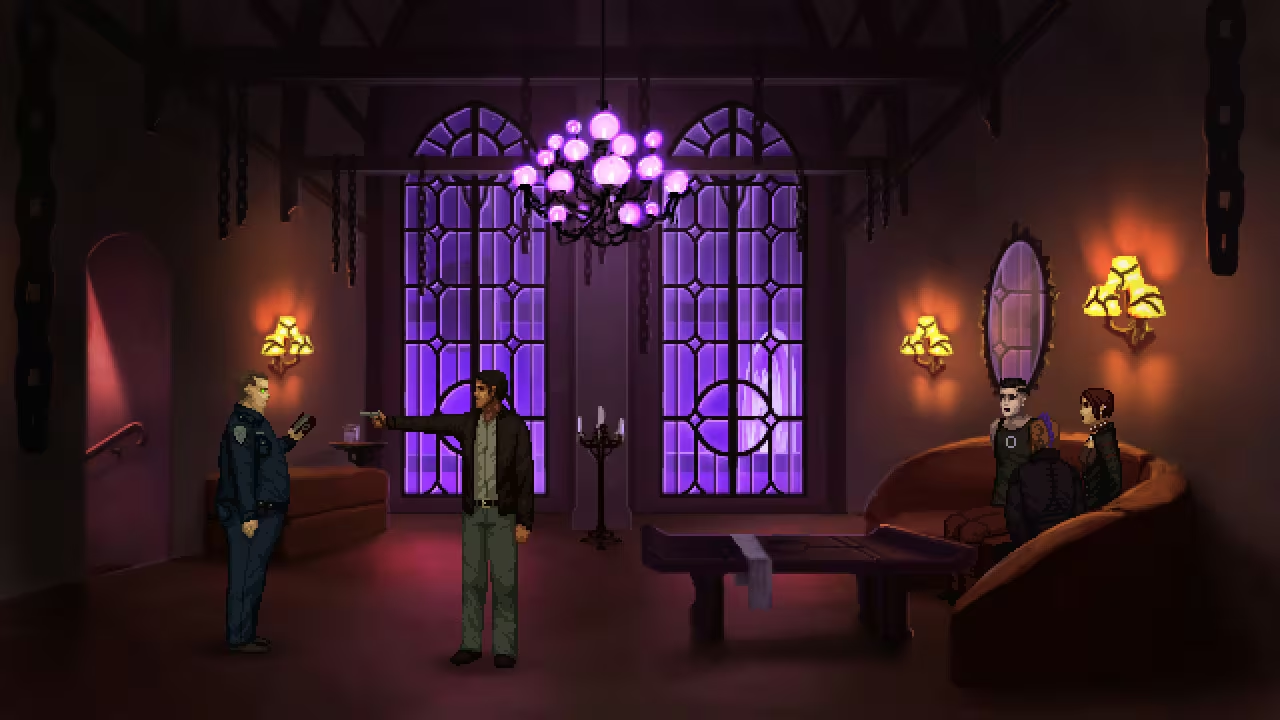
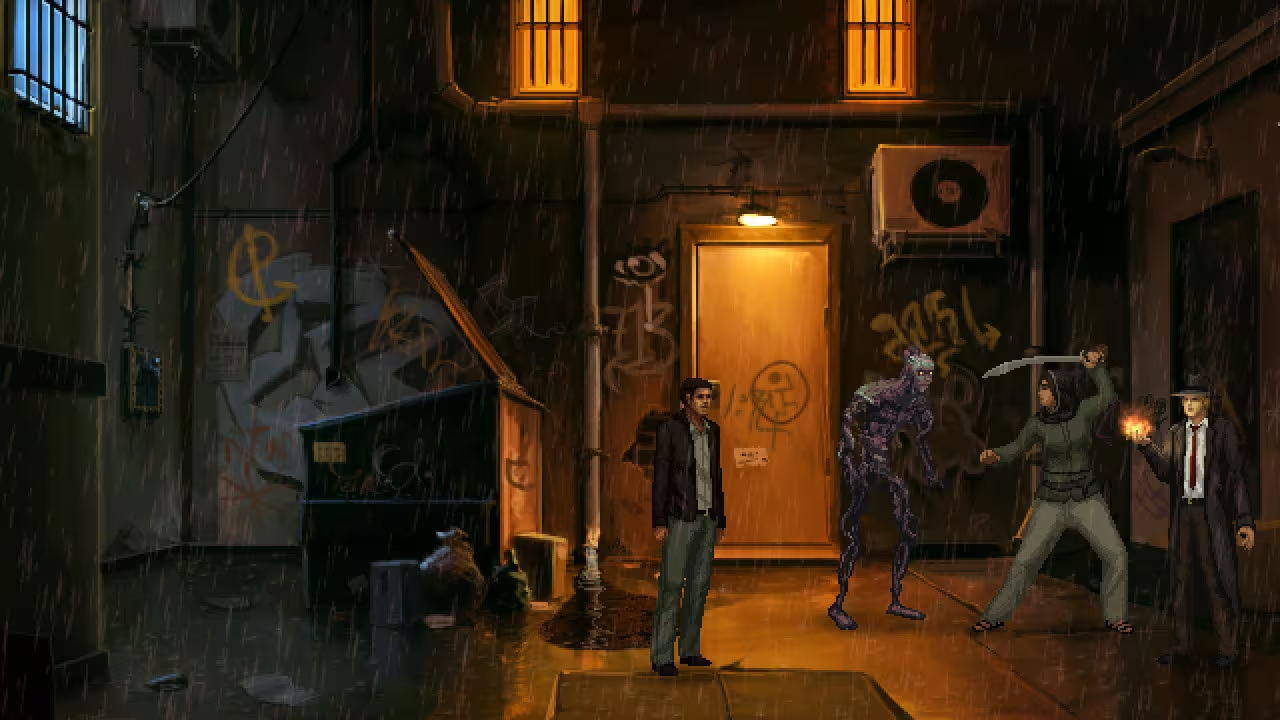
A demon has possessed you and used your body to tear a swath of bloodshed through New York. You are now free, but life as you knew it is over. Your only path forward is joining the Unavowed - an ancient society dedicated to stopping evil. No matter what the cost.

Global score

96/100

Genres

Adventure, Indie, Role-playing (RPG), Point-and-click, Puzzle

Similar games

    Pros

    • Engaging and well-written story
    • Strong character development and voice acting
    • Multiple origins and companion choices for replayability
    • Logical puzzles with multiple solutions
    • Immersive urban fantasy setting

    Cons

    • Puzzles generally easy and not very challenging
    • Some minor animation and voice recording inconsistencies
    • Limited impact of some choices on overall story
    • Shorter length compared to some adventure games
    • Lack of text log and some ui quirks

    Analysis

    Broadly representative of its motivational profile, with a few distinct shifts. Motivations that often define this kind of title include Cooperation, Fellowship, Intimacy, Leadership. Here, the score leans higher than usual among comparable games on Story, Leadership. It leans lower than usual among comparable games on Violence.

    How to use the graph
    Similar games map

    Each dot is a game. They are arranged from the same motivation profile as in the “Motivations” section below. Closer dots usually mean more similar reasons to play (exploration, competition, relaxation, etc.)—not that one game is “better” than another.

    • Larger dot with a light outline: the game you are viewing.
    • Colour: groups of games with comparable motivation patterns (statistical clusters).
    • Hover a dot to see the game name; click to open its page.
    • Scroll or double-click the chart to zoom out and see more games.

    Why don’t the axes read like a score? This view uses t-SNE: it only keeps who is close to whom. The scales are not “good to bad” or hours played—they separate groups on the map. Read distance between dots, not the axis numbers.

    Motivations

    • Autonomy
      4

      "Players choose character gender, origin story, and select companions for missions, allowing significant control over gameplay and narrative paths."

    • Competence
      2

      "Puzzles are logical and manageable with multiple solutions depending on companions, but generally not very challenging."

    • Competition
      -4

      "Focus is on personal story progression and choices without competitive or ranked elements."

    • Continuation
      3

      "Strong narrative and character development encourage multiple playthroughs and replayability."

    • Cooperation
      4

      "Gameplay centers on working with a team of companions whose unique skills affect puzzle solutions and story interactions."

    • Creativity
      3

      "Players experiment with different party compositions and dialogue choices, affecting story and puzzle approaches."

    • Domination
      -3

      "Interactions emphasize mutual respect and collaboration among party members rather than control or superiority."

    • Escapism
      4

      "Immersive urban fantasy setting and supernatural story provide strong escape from real life."

    • Expectation
      -4

      "Players engage voluntarily driven by interest in story, characters, and gameplay."

    • Experimenting
      4

      "Multiple origins, companions, and puzzle solutions encourage trying new approaches and replaying."

    • Exploration
      2

      "Players explore varied New York locations and supernatural environments, though within mission-based limits."

    • Expression
      2

      "Character customization includes gender and origin story, allowing some personal expression."

    • Fantasy
      5

      "Strong urban fantasy theme with demons, magic, and supernatural elements."

    • Fellowship
      4

      "Players experience a sense of community through party dynamics and character interactions."

    • Growth
      3

      "Players learn character backstories, story lore, and puzzle-solving strategies across multiple playthroughs."

    • Health
      -5

      "Standard sedentary point-and-click gameplay with no physical activity."

    • Idle
      -3

      "Requires focused attention on dialogue and puzzle solving; minimal background or idle play."

    • Intimacy
      3

      "Emotional connections develop through character-driven narrative and companion relationships."

    • Leadership
      3

      "Player leads team composition and decision-making, guiding party through missions."

    • Progression
      3

      "Progression through story, unlocking new companions and choices; no item grinding."

    • Relaxation
      3

      "Balanced pacing with engaging story and manageable puzzles creates a relaxing flow."

    • Sensation
      2

      "Atmospheric music and pixel art provide sensory enjoyment without overwhelming stimulation."

    • Status
      -4

      "Focus is on personal narrative experience rather than social recognition or visibility."

    • Story
      5

      "Strong narrative immersion with branching storylines, character development, and multiple endings."

    • Strategy
      3

      "Players plan party composition and puzzle approaches, requiring some strategic thinking."

    • Thrill
      2

      "Some suspense and plot twists provide mild thrill, but overall controlled and steady experience."

    • Value
      4

      "High replay value and rich story content provide good return on time and money."

    • Violence
      -2

      "Violence is present in story context but gameplay focuses more on investigation and dialogue than combat."

    • Survival
      1

      "Some elements of threat and danger in story, but gameplay is low risk and puzzle focused."

    Last update: 29/04/2026