Werewolf: The Apocalypse — Heart of the Forest Thumbnail

Werewolf: The Apocalypse — Heart of the Forest similar games & best alternatives
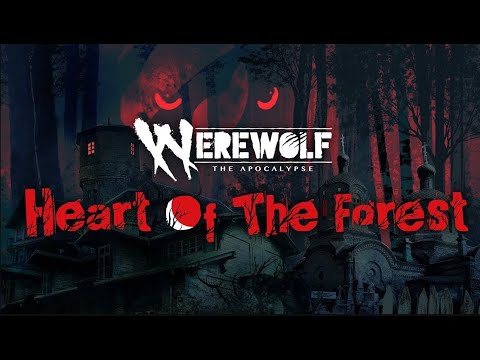
Werewolf: The Apocalypse — Heart of the Forest

PC (Microsoft Windows), Mac, PlayStation 4, Xbox One, Nintendo Switch, Linux • 2020

Related articles

Quick resume

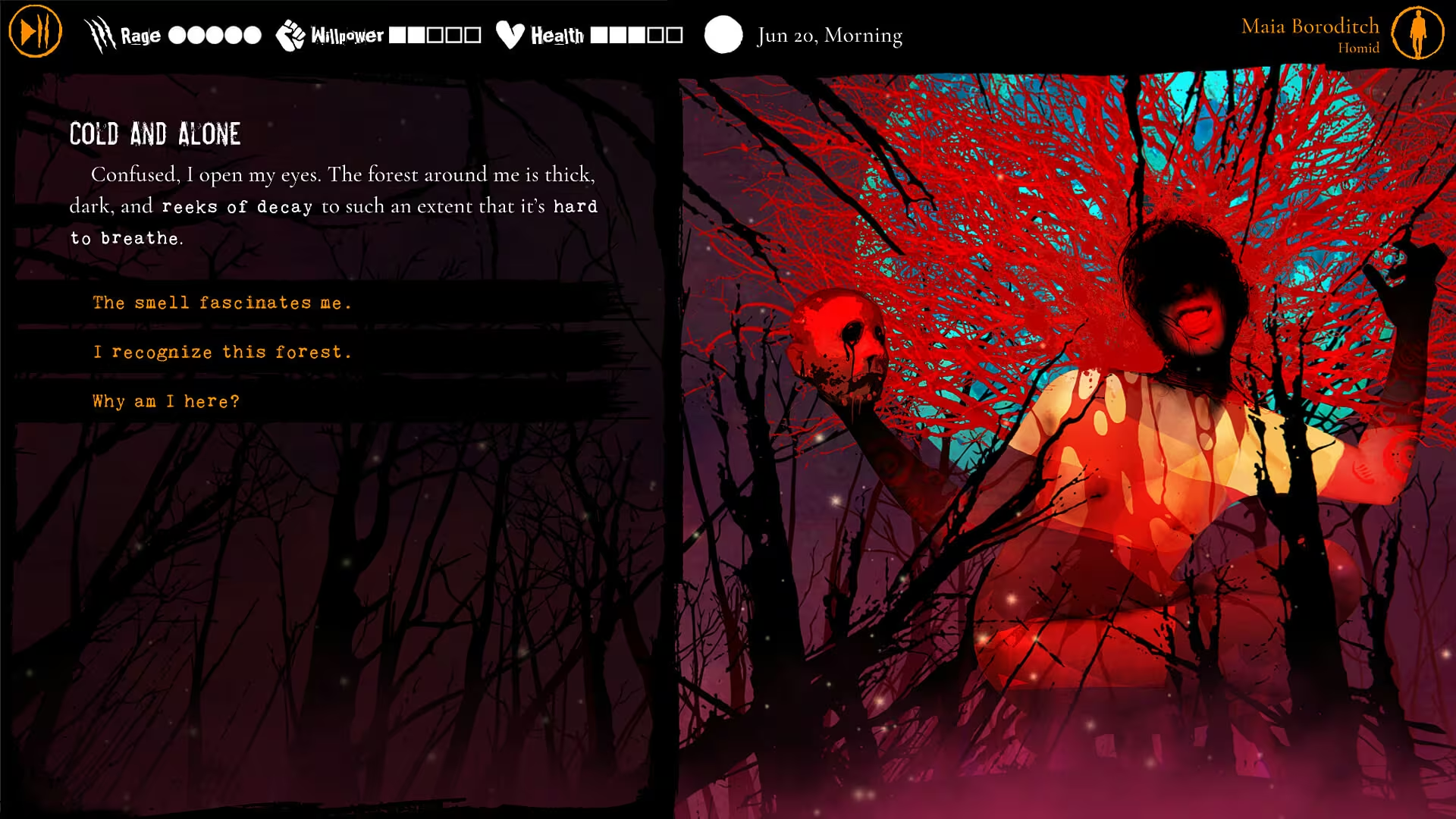
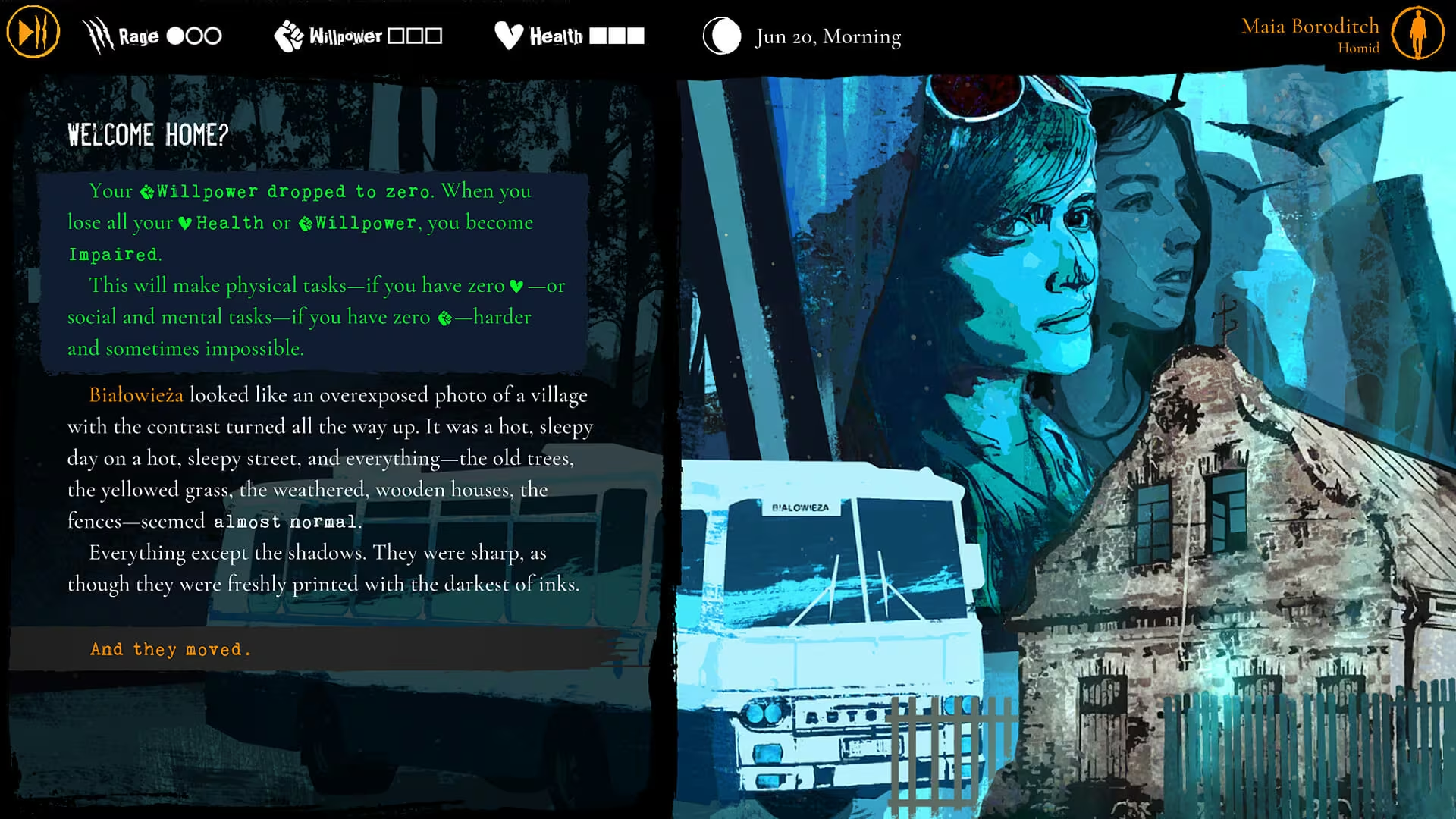
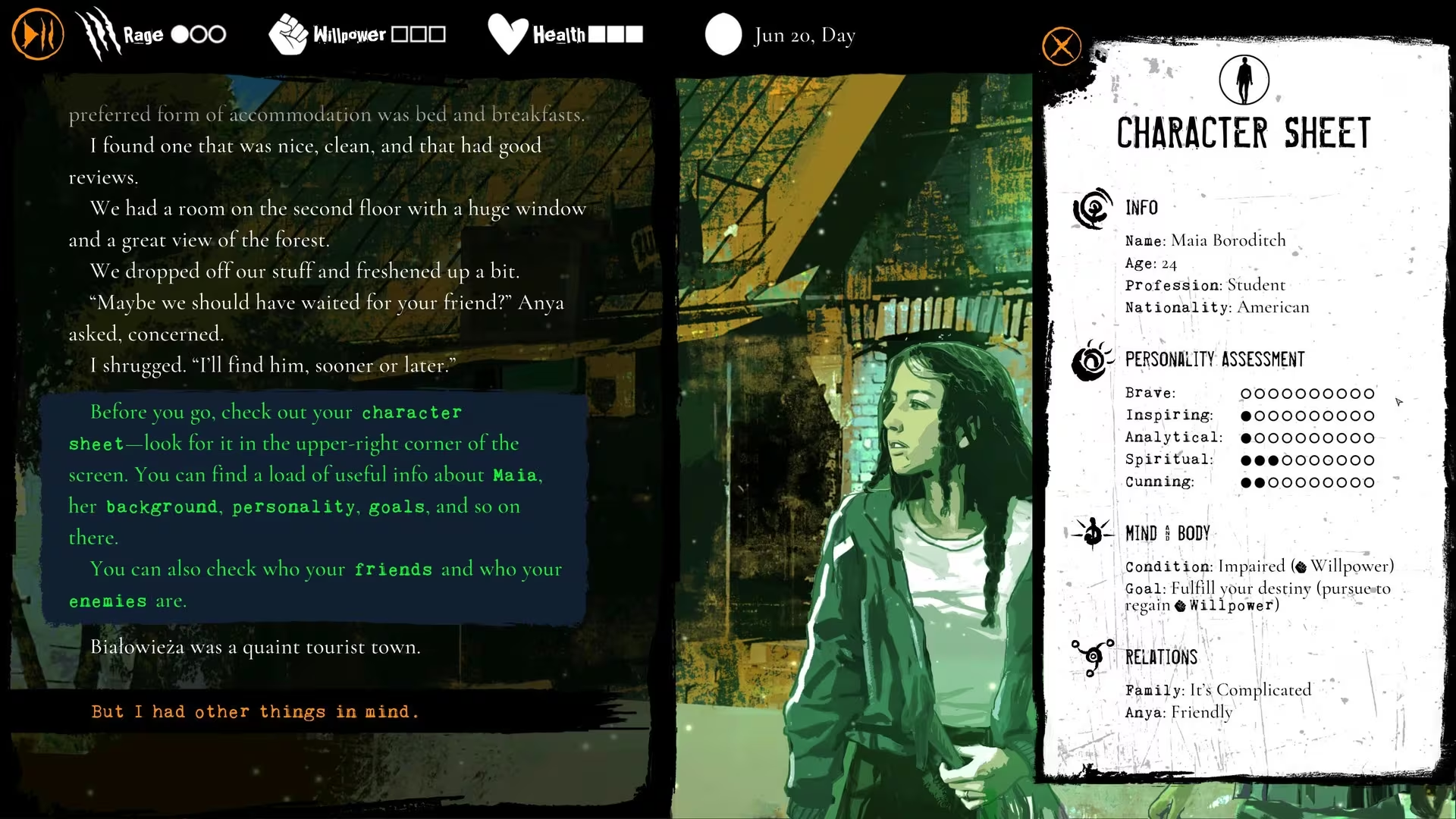
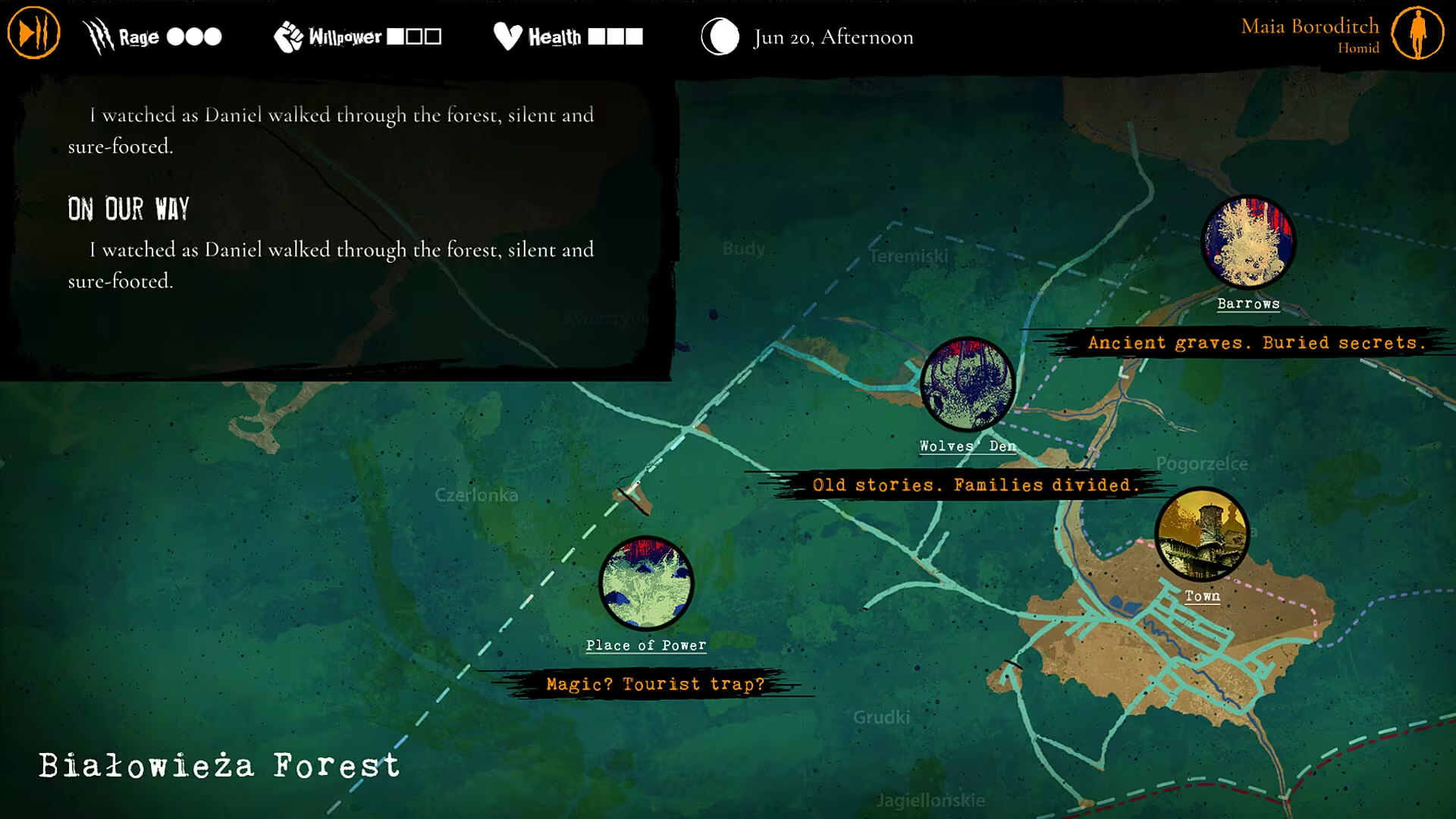
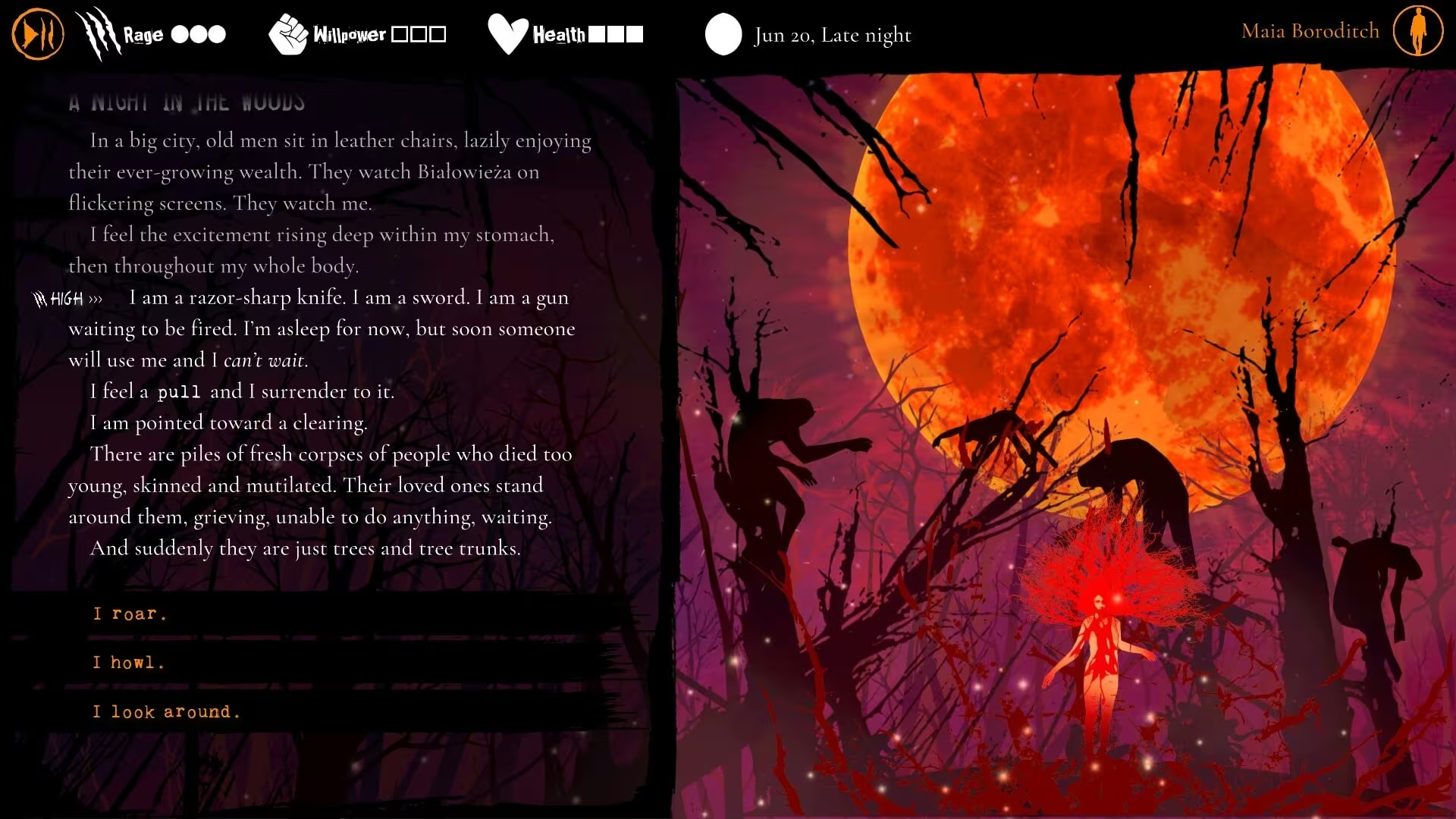
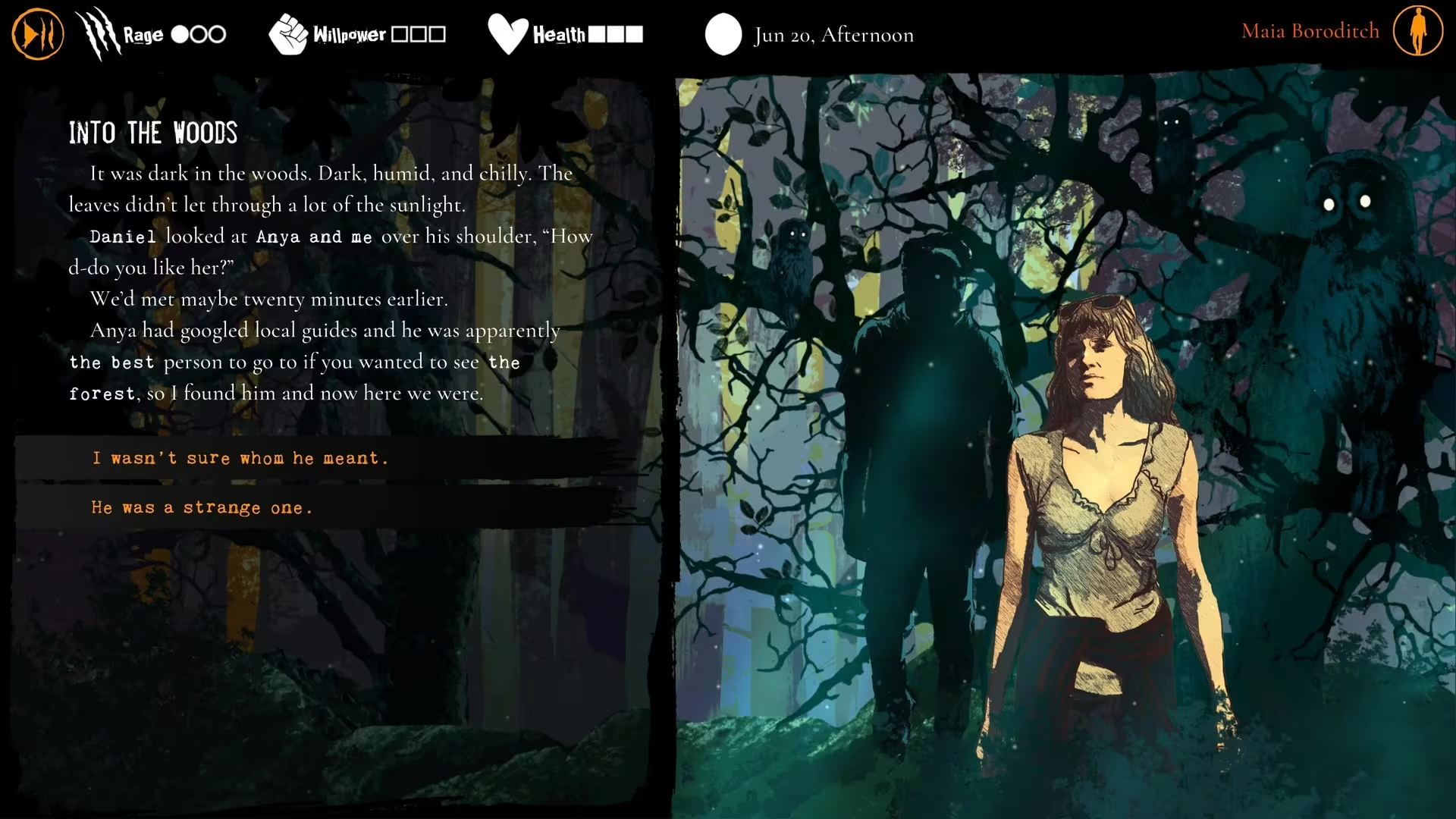
Explore the myths and monsters of Europe’s last primeval wilderness. Play as Maia, who arrives at the ancient Białowieża Forest looking to explore her family history. Discover Rage in an adventure game inspired by the experience of the legendary tabletop roleplaying game Werewolf: The Apocalypse.

Global score

82/100

Genres

Adventure, Indie, Role-playing (RPG), Visual Novel

Similar games

    Pros

    • Engaging branching narrative with meaningful choices
    • Strong atmospheric art and sound design
    • Faithful to werewolf: the apocalypse lore and themes
    • Good replayability with varied story paths
    • Accessible introduction for newcomers and fans

    Cons

    • Game is relatively short with abrupt ending
    • Some story threads feel rushed or underdeveloped
    • Lack of save/load or skip features limits replay convenience
    • Limited character visual representation and development
    • Some lore portrayals controversial or simplified

    Analysis

    A very typical example of its motivational profile. Motivations that often define this kind of title include Intimacy, Survival, Violence, Competition. Here, the score leans higher than usual among comparable games on Violence, Survival. It leans lower than usual among comparable games on Fellowship.

    How to use the graph
    Similar games map

    Each dot is a game. They are arranged from the same motivation profile as in the “Motivations” section below. Closer dots usually mean more similar reasons to play (exploration, competition, relaxation, etc.)—not that one game is “better” than another.

    • Larger dot with a light outline: the game you are viewing.
    • Colour: groups of games with comparable motivation patterns (statistical clusters).
    • Hover a dot to see the game name; click to open its page.
    • Scroll or double-click the chart to zoom out and see more games.

    Why don’t the axes read like a score? This view uses t-SNE: it only keeps who is close to whom. The scales are not “good to bad” or hours played—they separate groups on the map. Read distance between dots, not the axis numbers.

    Motivations

    • Autonomy
      4

      "Players make meaningful choices that shape character development and story outcomes, reflecting personal freedom in decision-making."

    • Competence
      2

      "Engages players in managing stats and making strategic choices, though gameplay is mostly narrative-driven with limited mechanical complexity."

    • Competition
      -4

      "Focuses on personal story and choices without competitive elements or comparison to other players."

    • Continuation
      3

      "Players often replay the game to explore different story branches and endings, showing attachment despite short length."

    • Cooperation
      -3

      "Primarily a single-player narrative experience with limited social or cooperative gameplay."

    • Creativity
      3

      "Players shape character traits and story paths through choices, enabling personalized narrative expression."

    • Domination
      -4

      "No evidence of exerting control over others; interactions emphasize mutual respect and narrative consequences."

    • Escapism
      4

      "Immersive storytelling and atmospheric design provide strong escape from real-life concerns."

    • Expectation
      -4

      "Players engage voluntarily out of interest and intrinsic motivation to explore the story and setting."

    • Experimenting
      4

      "Multiple branching paths and varied choices encourage players to try different approaches and replay."

    • Exploration
      3

      "Players discover new story branches, character relationships, and lore through choices, though environment is fixed."

    • Expression
      3

      "Character development and narrative choices allow for self-expression within the story framework."

    • Fantasy
      5

      "Strongly rooted in supernatural fiction and mythic themes of werewolves and spiritual realms."

    • Fellowship
      -3

      "Experience is solitary with limited social interaction or community feeling."

    • Growth
      3

      "Players develop understanding of the story, character, and lore through multiple playthroughs and choices."

    • Health
      -5

      "No physical activity or health-related gameplay elements; sedentary narrative experience."

    • Idle
      -4

      "Requires focused reading and decision-making; not designed for casual or background play."

    • Intimacy
      2

      "Some emotional connections and relationships with characters are developed, though limited by short length."

    • Leadership
      -3

      "No leadership or group management mechanics; player acts individually within narrative."

    • Progression
      3

      "Character stats and story progression reflect accumulation of traits and narrative development."

    • Relaxation
      3

      "Atmospheric and immersive experience balances tension with narrative flow, providing a relaxing engagement."

    • Sensation
      3

      "Visual art, sound design, and music create sensory stimulation enhancing emotional impact."

    • Status
      -4

      "No social status or recognition mechanics; focus is on personal narrative experience."

    • Story
      5

      "Central narrative immersion with branching plots, character interaction, and lore engagement."

    • Strategy
      2

      "Some strategic decision-making in resource management and choice consequences, but limited complexity."

    • Thrill
      2

      "Narrative includes suspense and tension, though gameplay risk is low and outcomes are predictable."

    • Value
      1

      "Players appreciate the narrative and atmosphere, though some feel the game is short for full price."

    • Violence
      1

      "Includes combat and conflict elements consistent with werewolf themes, but violence is narrative-focused."

    • Survival
      1

      "Some resource management and threat elements exist, but overall low-risk narrative environment."

    Last update: 29/04/2026