Disco Elysium - The Final Cut similar games & best alternatives
Disco Elysium - The Final Cut
2019
Related articles
Quick resume
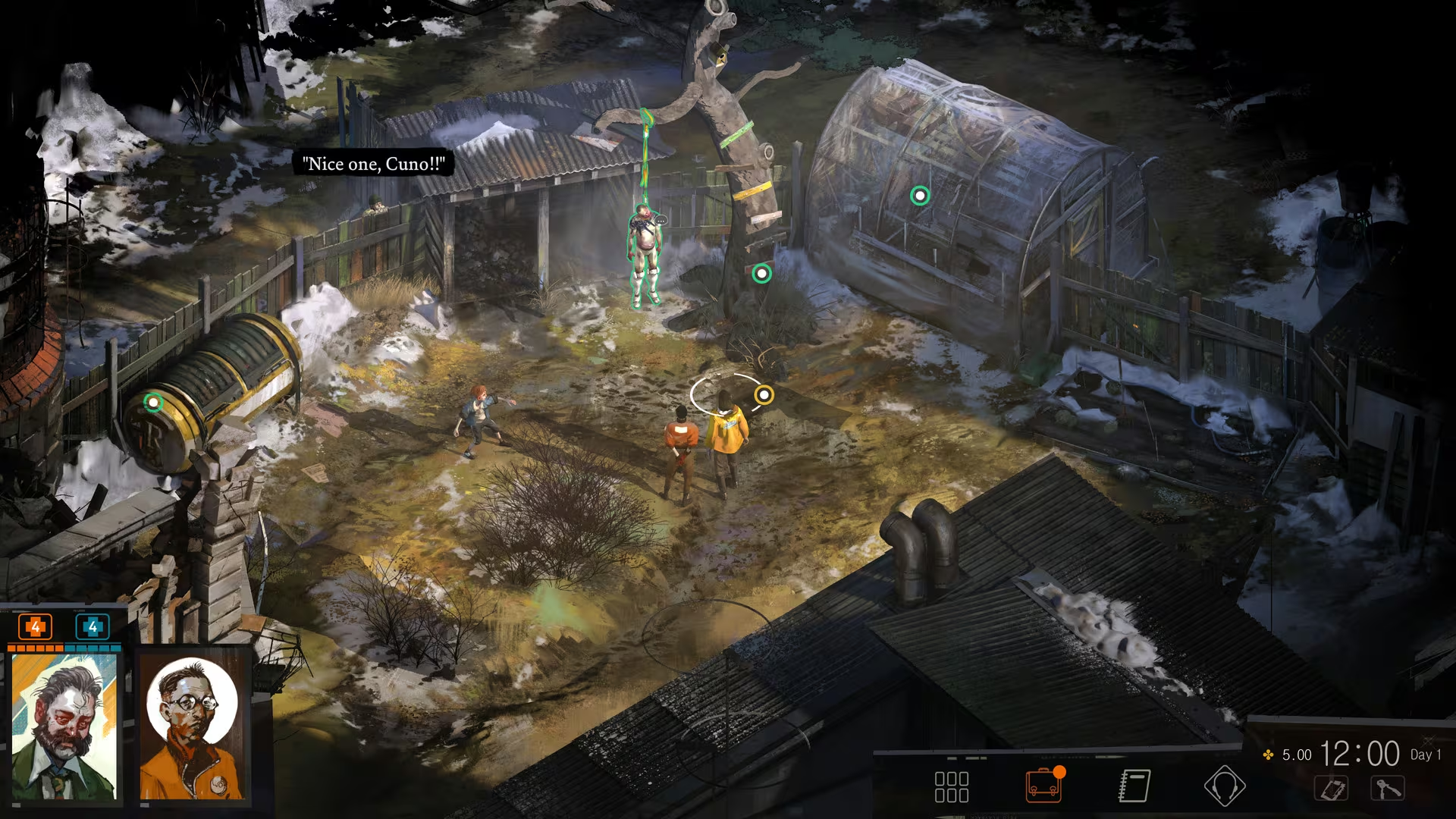
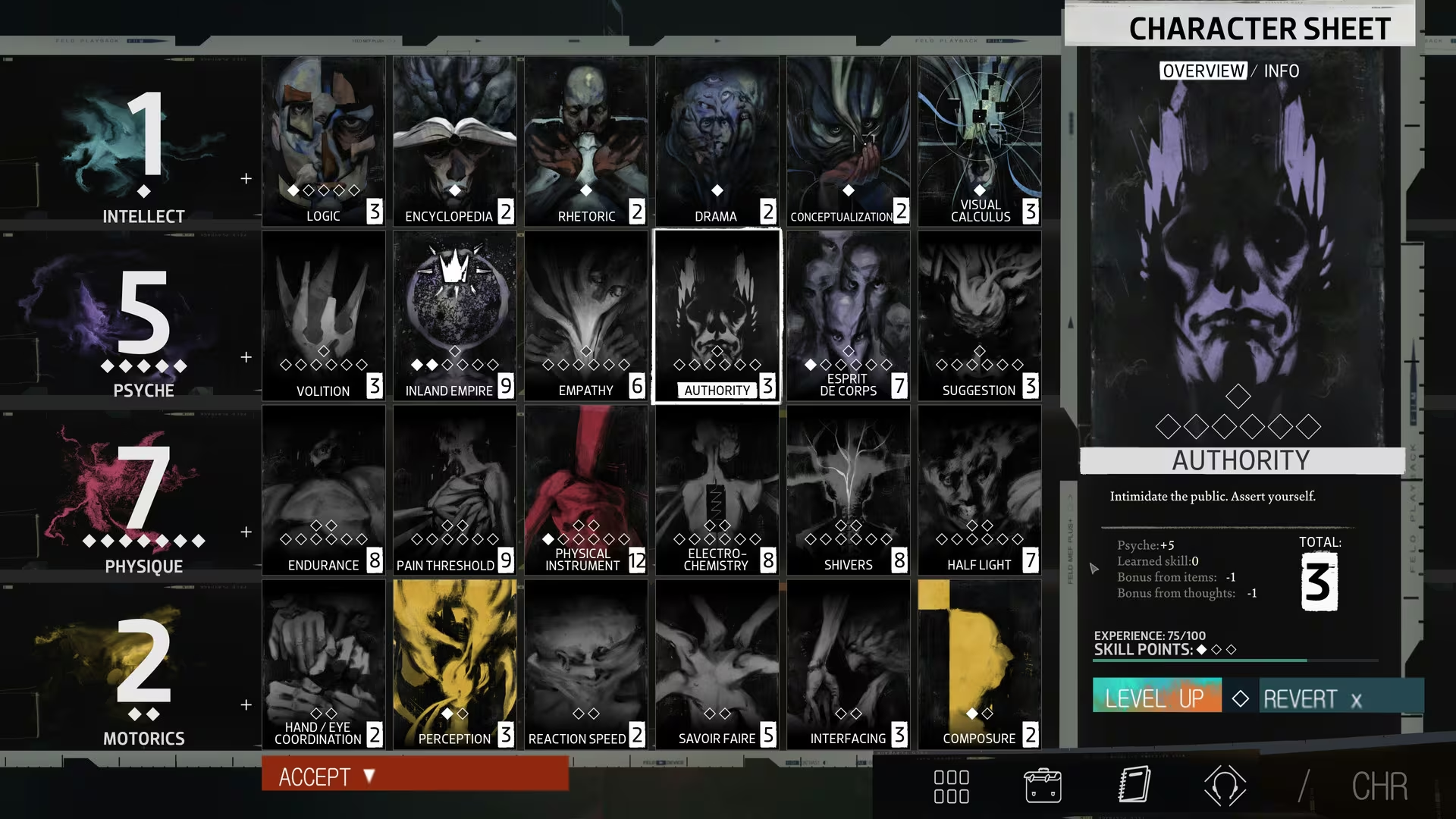
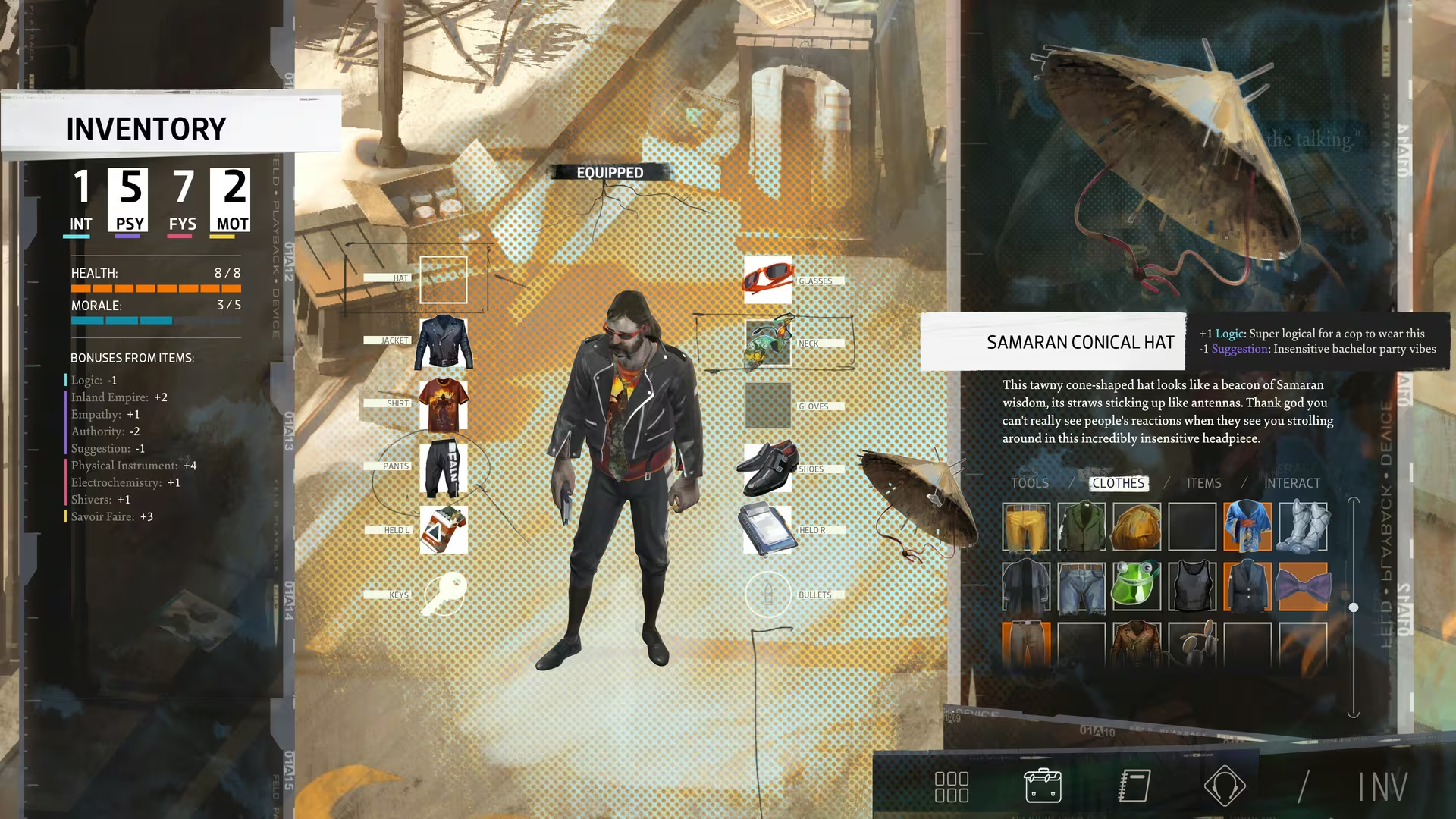
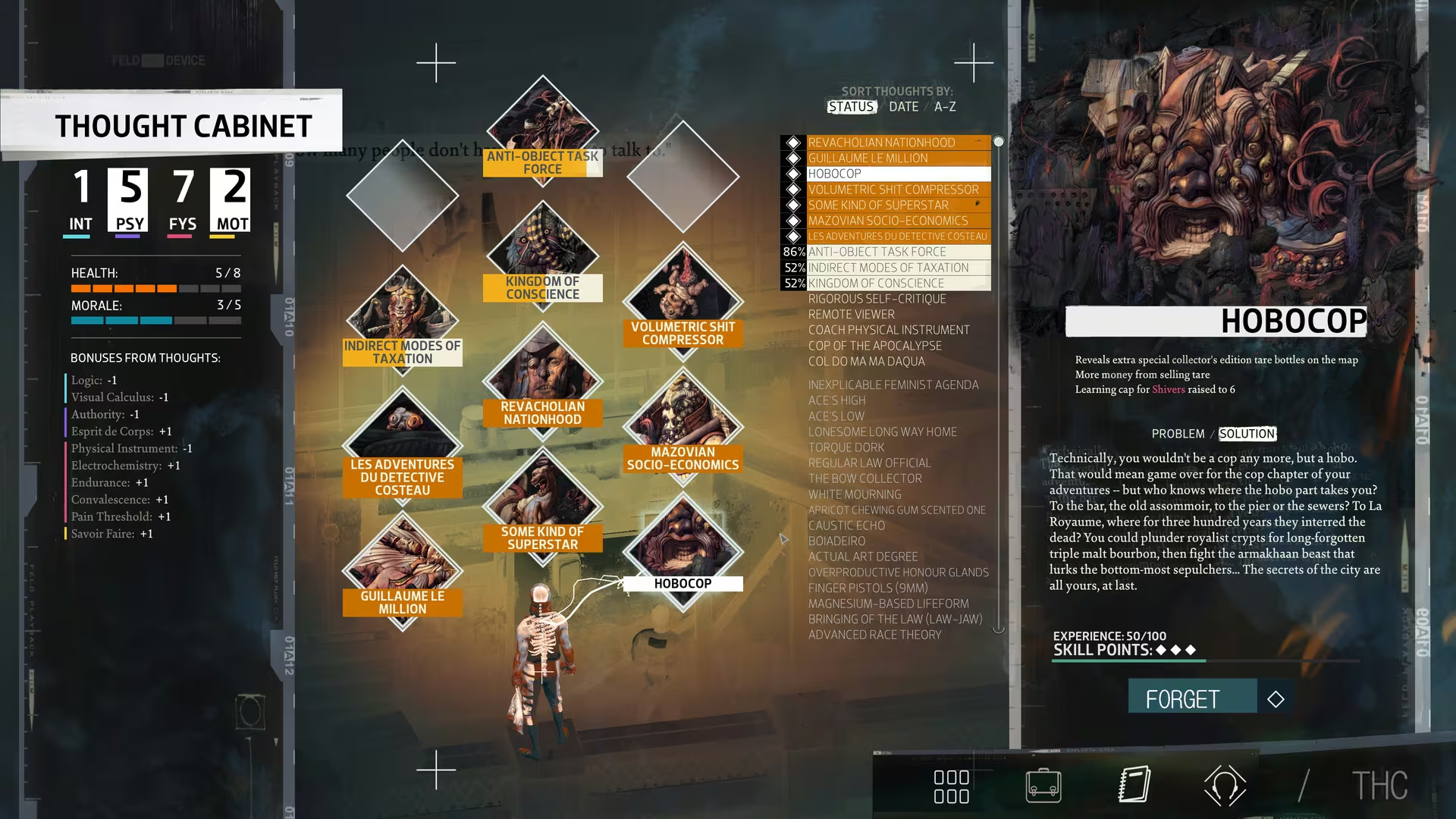
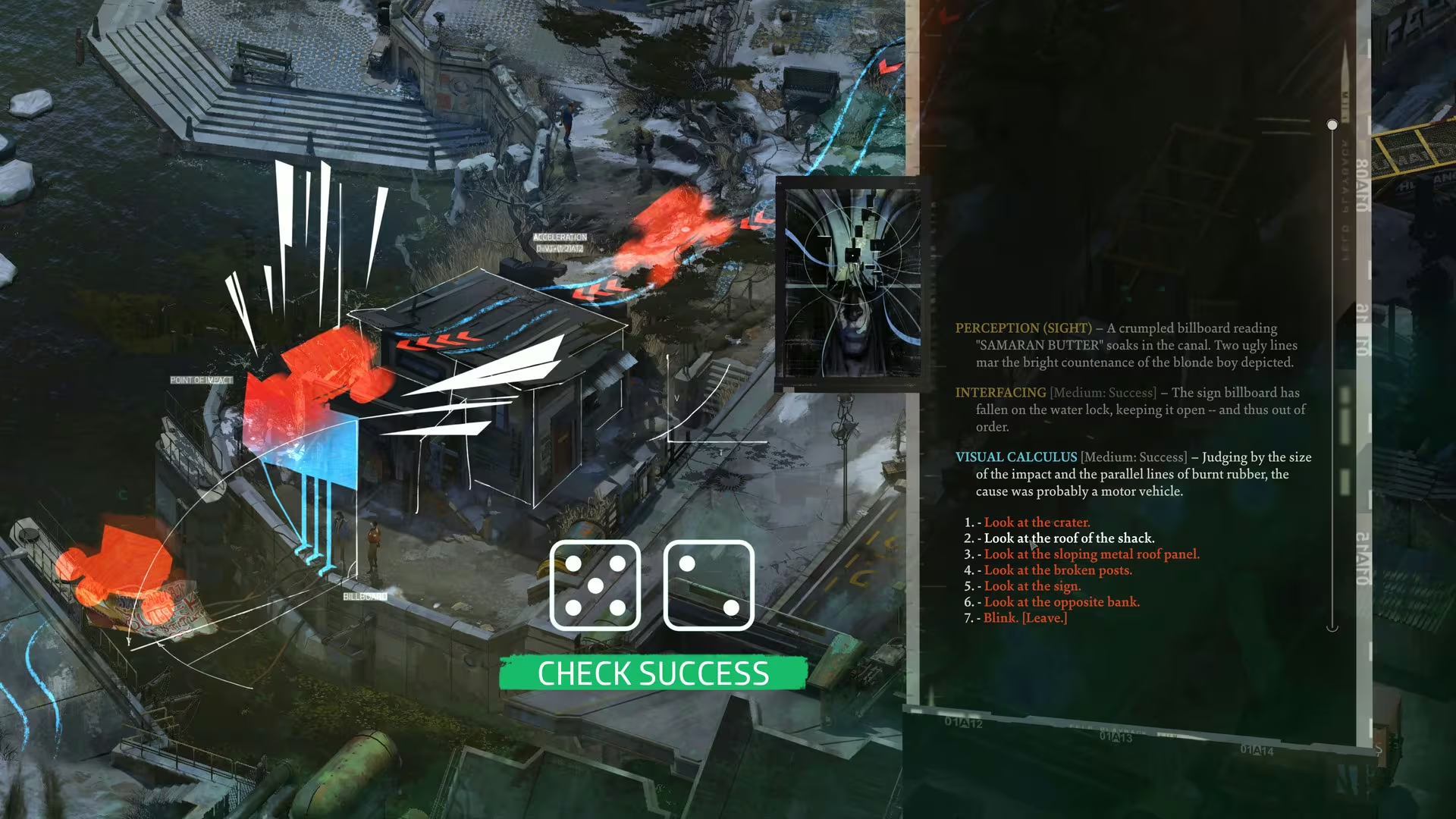
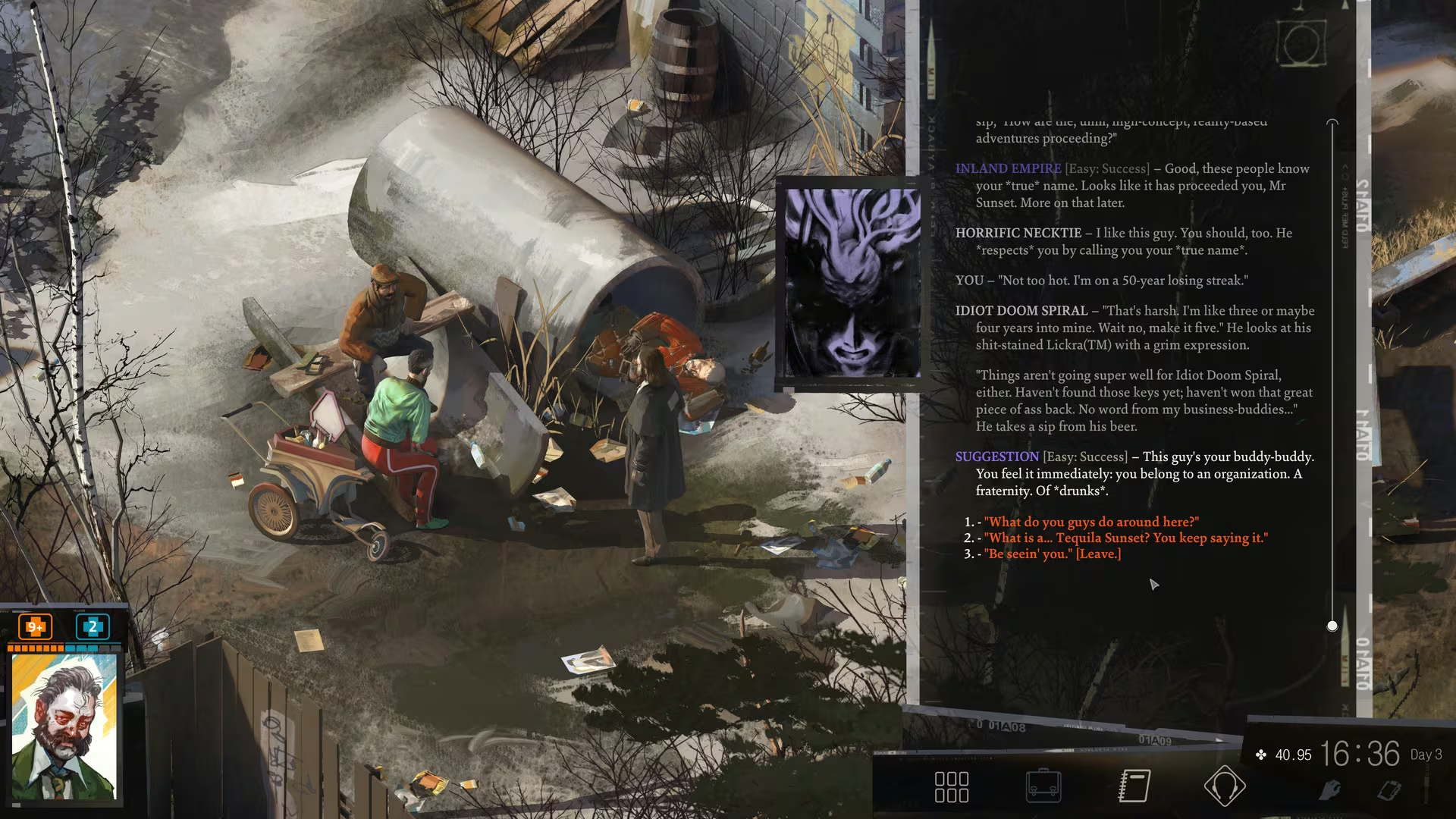
Disco Elysium - The Final Cut is a groundbreaking role playing game. You’re a detective with a unique skill system at your disposal and a whole city to carve your path across. Interrogate unforgettable characters, crack murders or take bribes. Become a hero or an absolute disaster of a human being.
Global score
93/100
Genres
Role-playing (RPG), Adventure, Indie
Similar games
Pros
- Exceptional writing and narrative depth
- Unique rpg mechanics focused on dialogue and internal monologue
- Rich, immersive world-building and atmosphere
- Excellent voice acting and soundtrack
- High replayability with diverse character builds
Cons
- Heavy reading and dense dialogue may overwhelm some players
- Political themes can be polarizing
- Some pacing issues and occasional soft-locks
- Lack of traditional combat or action elements
- Controversy over developer treatment and company ownership
Analysis
Less representative of its motivational profile, with noticeable differences. Motivations that often define this kind of title include Intimacy, Survival, Violence, Competition. Here, the score leans higher than usual among comparable games on Survival, Strategy. It leans lower than usual among comparable games on Fellowship.
How to use the graph
Similar games map
Each dot is a game. They are arranged from the same motivation profile as in the “Motivations” section below. Closer dots usually mean more similar reasons to play (exploration, competition, relaxation, etc.)—not that one game is “better” than another.
- Larger dot with a light outline: the game you are viewing.
- Colour: groups of games with comparable motivation patterns (statistical clusters).
- Hover a dot to see the game name; click to open its page.
- Scroll or double-click the chart to zoom out and see more games.
Why don’t the axes read like a score? This view uses t-SNE: it only keeps who is close to whom. The scales are not “good to bad” or hours played—they separate groups on the map. Read distance between dots, not the axis numbers.
Motivations
-
Autonomy5
"Players have extensive freedom to shape their character's personality, ideology, and choices, with multiple roleplay options and no fixed combat routines."
-
Competence3
"Skill checks and character builds influence dialogue and outcomes, providing meaningful tests of player decisions and abilities, though some randomness exists."
-
Competition-4
"Focus is on personal narrative and exploration without competitive elements or player comparison."
-
Continuation4
"Many players report deep attachment, replayability with different builds, and habitual return to the game world."
-
Cooperation-3
"Gameplay centers on individual investigation and internal dialogue; cooperation is limited to interactions with NPCs, no multiplayer or teamwork."
-
Creativity4
"Players creatively build their detective's personality, skills, and ideological stance, influencing story and dialogue in unique ways."
-
Domination-4
"Interactions emphasize mutual respect and character development rather than exerting control or superiority over others."
-
Escapism4
"The game offers a deep, immersive escape into a richly detailed fictional world with emotional and philosophical engagement."
-
Expectation-5
"Players engage voluntarily driven by intrinsic interest in story, character, and world; no obligation or external pressure noted."
-
Experimenting4
"Encourages trying different builds, dialogue options, and ideological paths with meaningful consequences."
-
Exploration4
"Players explore a detailed, atmospheric city and uncover lore, secrets, and character stories."
-
Expression3
"Character customization through skills, thoughts, and ideological choices allows personal expression, though visual customization is limited."
-
Fantasy3
"Set in a fictional, surreal world with imaginative elements and internal voices representing aspects of the mind."
-
Fellowship-4
"Primarily a solitary experience focused on individual story and internal dialogue; limited social community interaction."
-
Growth4
"Players develop skills, learn about the world and characters, and experience personal and philosophical growth through choices."
-
Health-4
"Sedentary gameplay with no physical activity; themes include addiction and mental health struggles."
-
Idle-3
"Requires focused attention on dialogue and choices; not suited for casual or background play."
-
Intimacy2
"Emotional connections with key NPCs, especially partner Kim Kitsuragi, provide meaningful relational depth."
-
Leadership-3
"Player acts independently without leading others; no group management or authoritative roles."
-
Progression3
"Character progression through skill allocation and thought development influences gameplay and narrative."
-
Relaxation2
"Slow-paced, contemplative gameplay balances emotional intensity with moments of humor and flow."
-
Sensation2
"Atmospheric art, music, and voice acting provide rich sensory and emotional stimulation without high excitement."
-
Status-4
"Focus is on personal story and internal experience rather than social recognition or popularity."
-
Story5
"Narrative immersion is central, with deep character development, philosophical themes, and branching storylines."
-
Strategy3
"Requires thoughtful decision-making, planning character builds, and navigating complex dialogue trees."
-
Thrill1
"Emotional tension arises from story and character struggles rather than suspenseful or risky gameplay."
-
Value4
"Highly praised for narrative depth and replayability, considered worth the investment by most players."
-
Violence-5
"No combat mechanics; gameplay focuses on dialogue and investigation rather than destruction."
-
Survival1
"Some elements of avoiding failure in skill checks and managing resources like money, but low physical threat."
Last update: 29/04/2026