Zoria: Prologue (2020) Thumbnail

Zoria: Prologue (2020) similar games & best alternatives

Zoria: Prologue (2020)

PC (Microsoft Windows) • 2020

Related articles

Quick resume

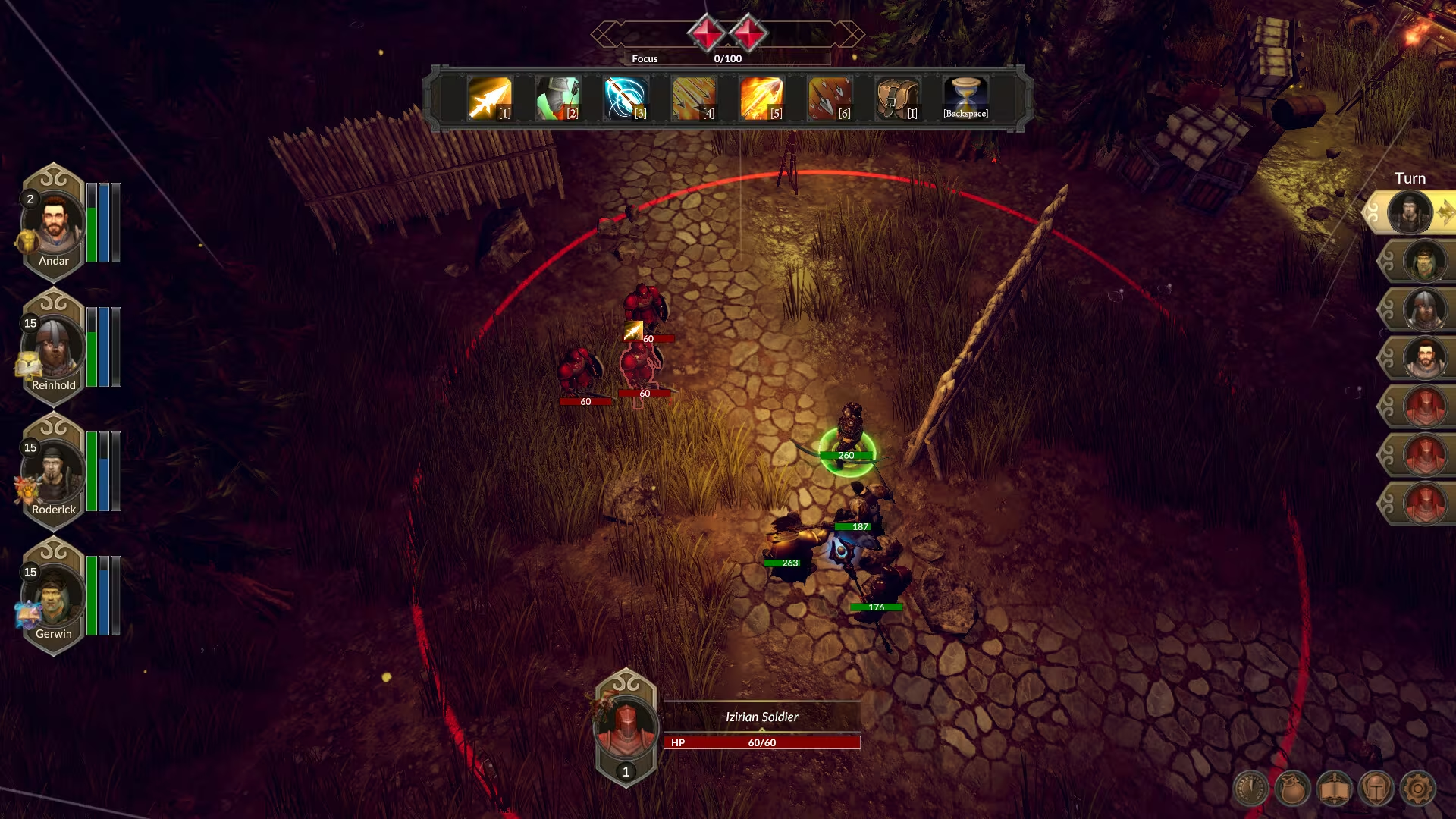
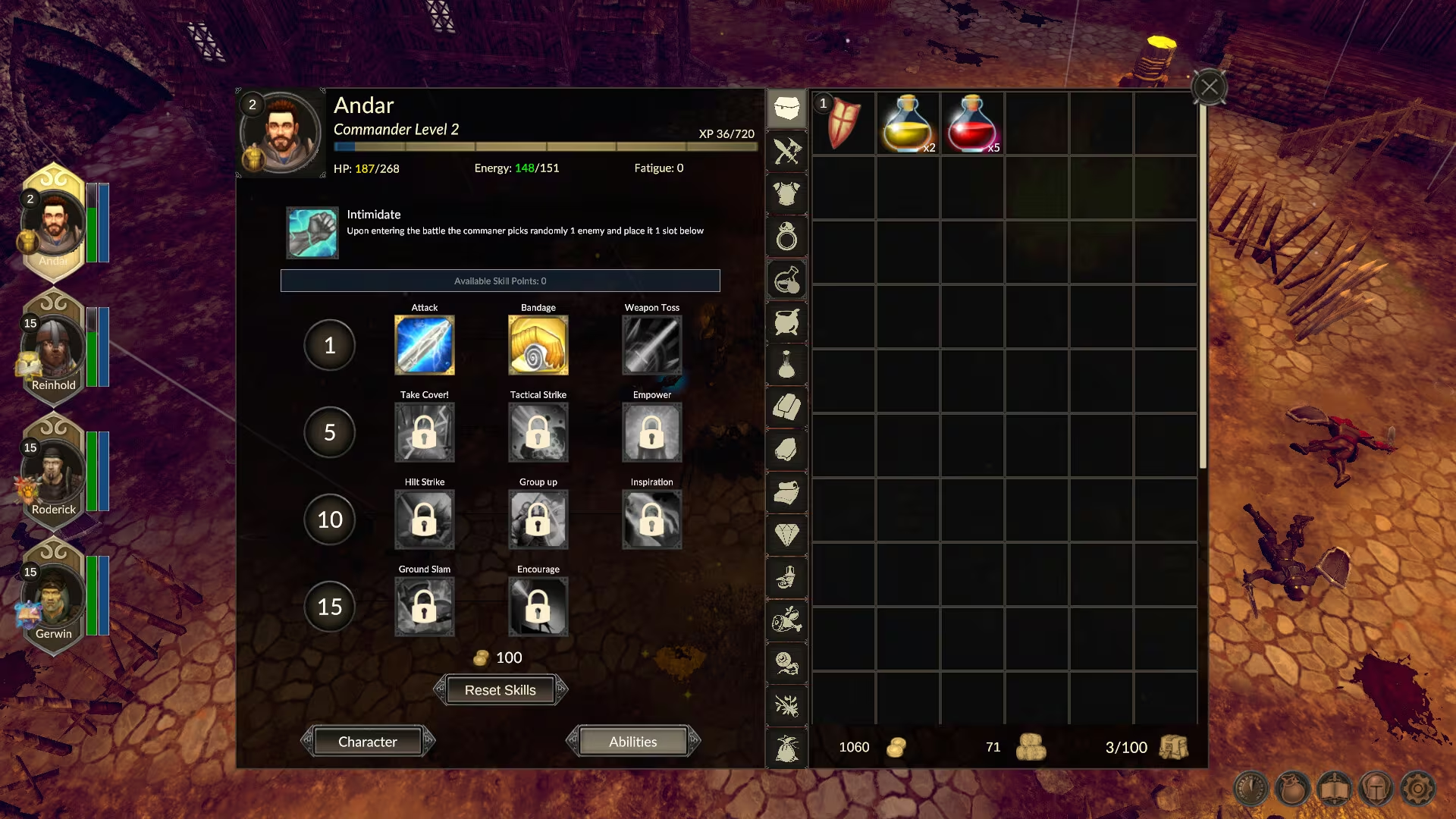
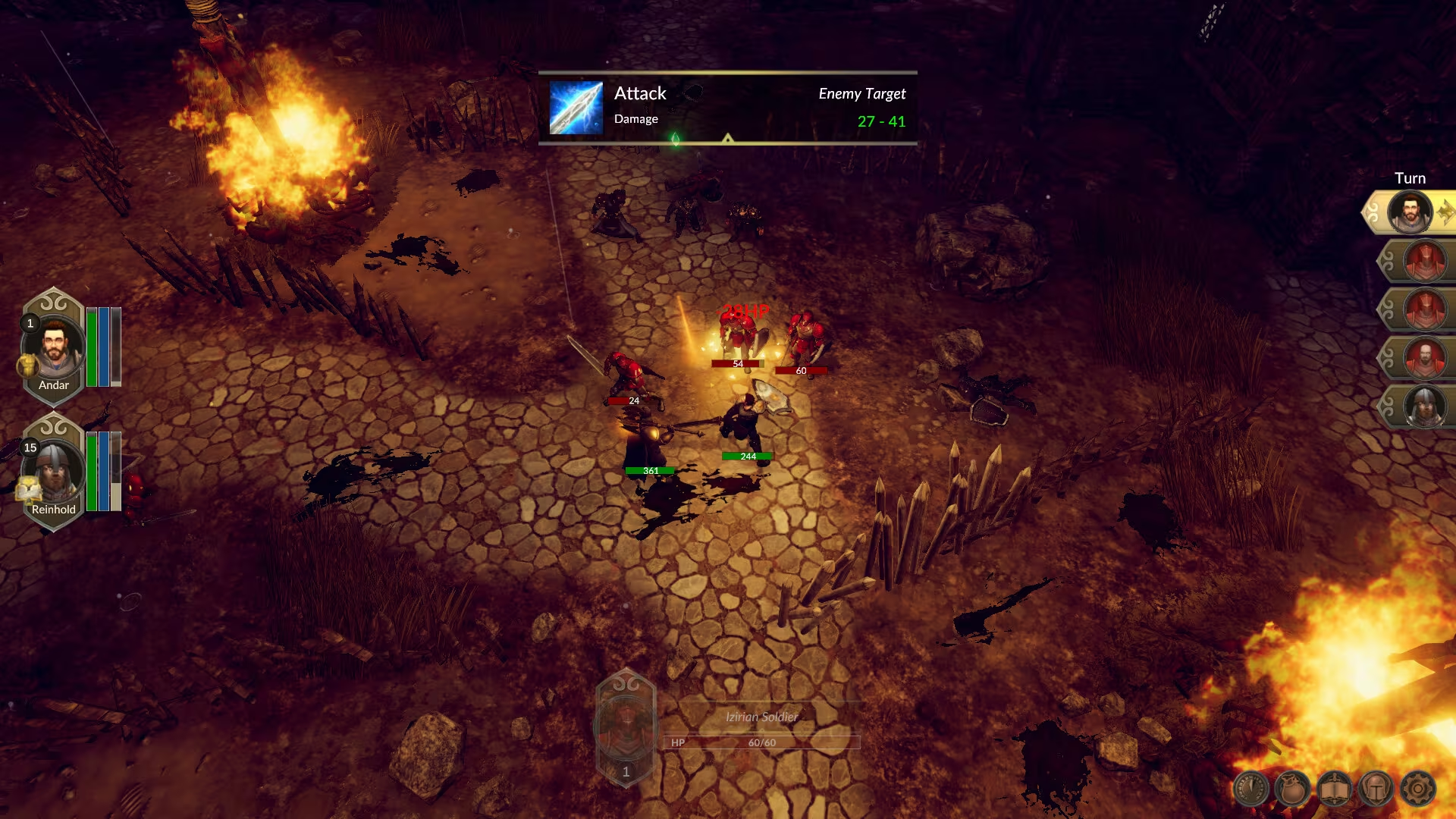
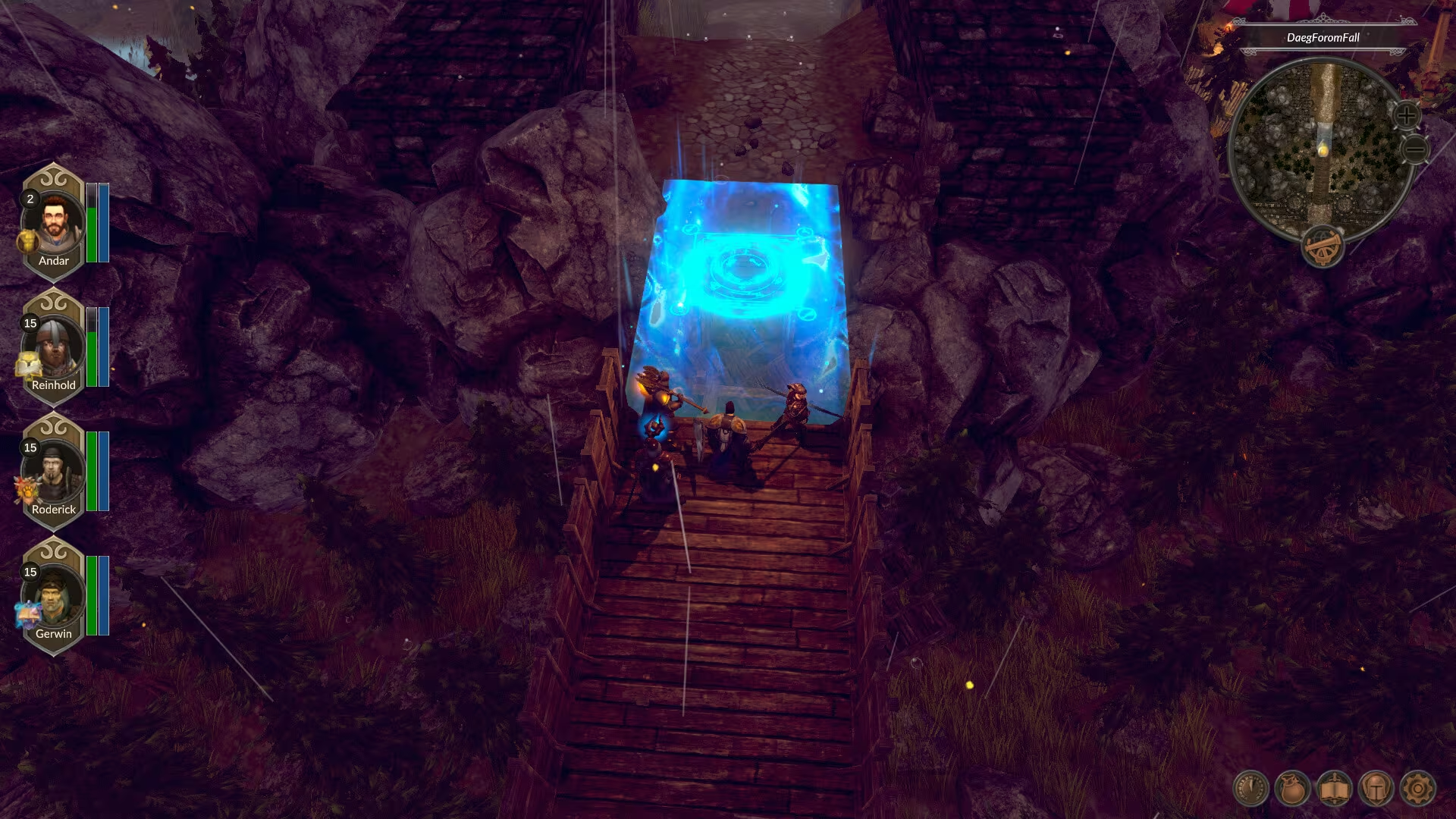
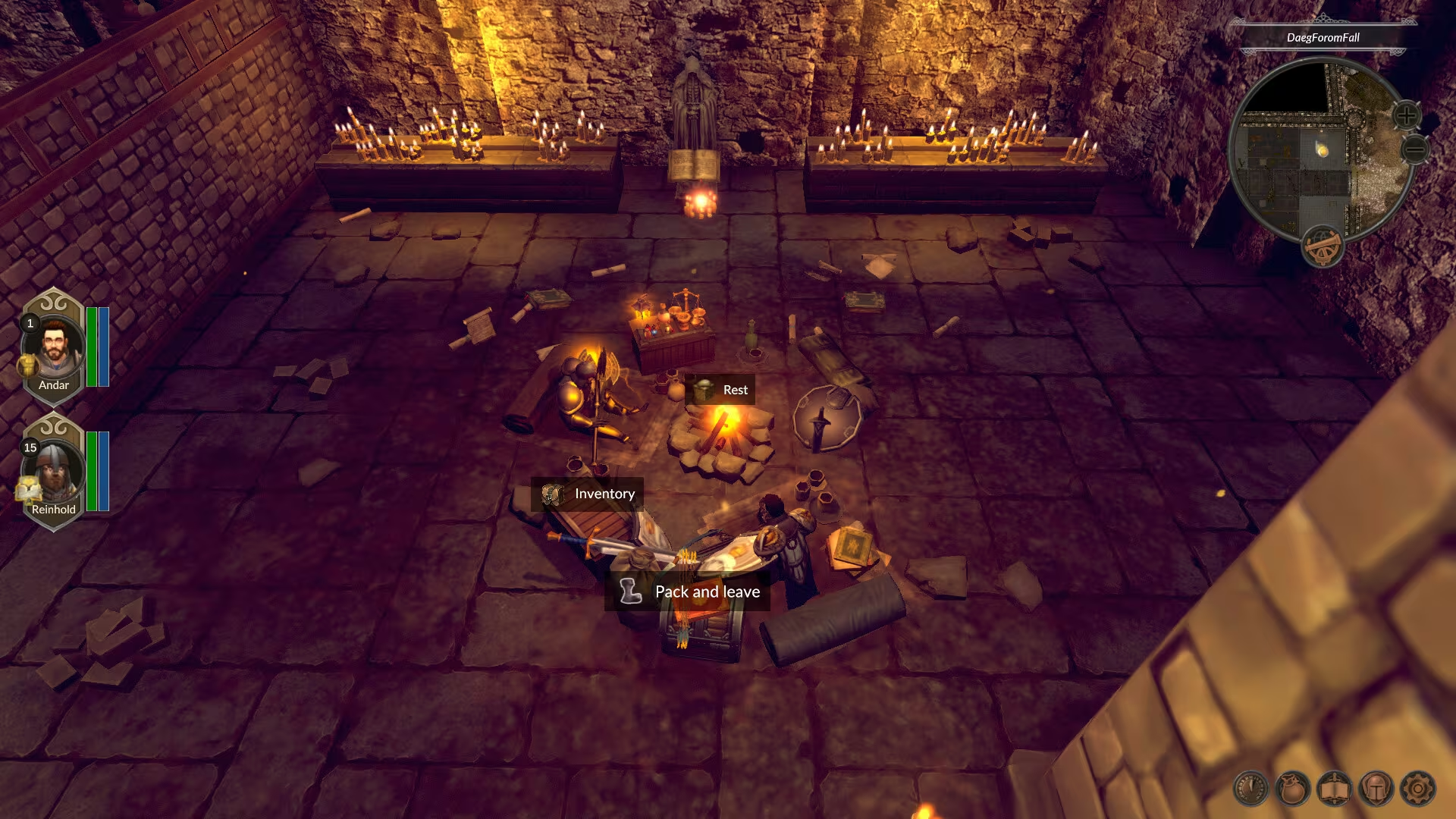
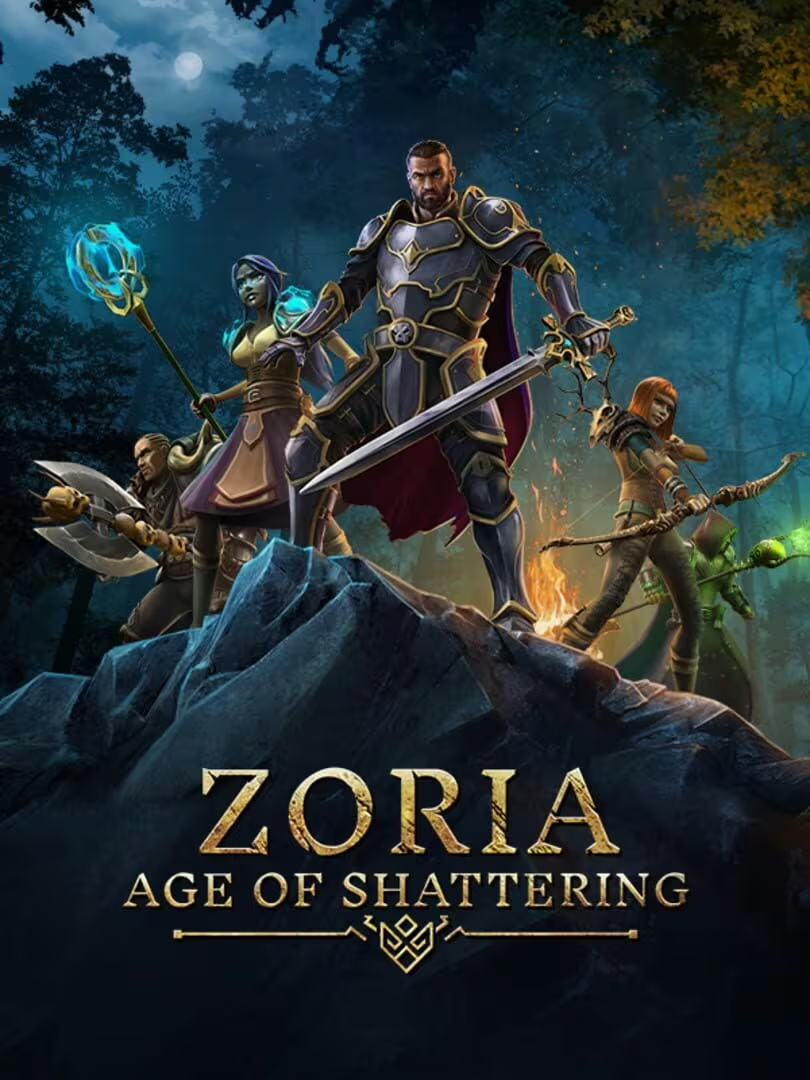
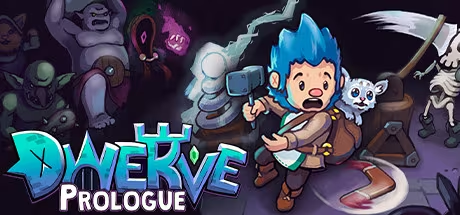
Zoria Prologue (2020) - a demo introduction to the world of Zoria. A squad-based tactical RPG with fluid turn-based combat, outpost, and follower management, set in the expansive Fantasy world. Lead a team of four heroes with their unique skills and perks.

Global score

83/100

Genres

Action, Adventure, Indie, Role-playing (RPG), Strategy, Free To Play

Similar games

    Pros

    • Engaging turn-based tactical combat
    • Strong exploration and map design
    • Good graphics and atmosphere for an indie game
    • Free prologue with substantial content
    • Active and responsive developers

    Cons

    • Camera and ui issues
    • Combat balance problems and lack of depth
    • Limited character customization and visual expression
    • No minimap or quest tracking
    • Some story and narrative inconsistencies

    Analysis

    A very typical example of its motivational profile. Motivations that often define this kind of title include Leadership, Survival, Violence, Strategy. Here, the score leans higher than usual among comparable games on Fantasy, Exploration. It leans lower than usual among comparable games on Expression.

    How to use the graph
    Similar games map

    Each dot is a game. They are arranged from the same motivation profile as in the “Motivations” section below. Closer dots usually mean more similar reasons to play (exploration, competition, relaxation, etc.)—not that one game is “better” than another.

    • Larger dot with a light outline: the game you are viewing.
    • Colour: groups of games with comparable motivation patterns (statistical clusters).
    • Hover a dot to see the game name; click to open its page.
    • Scroll or double-click the chart to zoom out and see more games.

    Why don’t the axes read like a score? This view uses t-SNE: it only keeps who is close to whom. The scales are not “good to bad” or hours played—they separate groups on the map. Read distance between dots, not the axis numbers.

    Motivations

    • Autonomy
      3

      "Players have freedom to explore maps, choose character builds, and make tactical decisions in combat, though some mechanics are preset."

    • Competence
      3

      "Combat involves tactical turn-based challenges requiring skill and strategic thinking, though some fights are either too easy or unbalanced."

    • Competition
      -4

      "Focus is on personal progression and exploration without competitive or ranked multiplayer elements."

    • Continuation
      4

      "Many players report being hooked and wanting to continue playing despite some rough edges."

    • Cooperation
      -3

      "Gameplay centers on managing a personal party rather than cooperative multiplayer or teamwork with other players."

    • Creativity
      2

      "Some customization in character builds and party composition; crafting hinted but limited in prologue."

    • Domination
      -4

      "Interactions are balanced within party; no evidence of exerting control or superiority over other players."

    • Escapism
      4

      "Players use the game for immersive fantasy escape and stress relief."

    • Expectation
      -4

      "Players engage voluntarily out of interest and enjoyment, not obligation."

    • Experimenting
      3

      "Players experiment with different party builds, abilities, and exploration paths."

    • Exploration
      4

      "Strong emphasis on discovering secrets, hidden loot, and exploring maps thoroughly."

    • Expression
      -2

      "Limited visual customization; gear changes do not affect character appearance."

    • Fantasy
      5

      "Set in a fantasy world with magic, mythical creatures, and classic RPG tropes."

    • Fellowship
      -3

      "Minimal social interaction; focus is on solo party management."

    • Growth
      3

      "Players develop characters through leveling and skill point allocation, learning game mechanics."

    • Health
      -5

      "No physical activity or health-related gameplay elements."

    • Idle
      -3

      "Requires focused attention during exploration and combat."

    • Intimacy
      -4

      "No evidence of forming close social relationships or emotional sharing."

    • Leadership
      2

      "Players lead a party of characters, managing their roles and tactics."

    • Progression
      3

      "Character leveling, item collection, and unlocking abilities provide a sense of progression."

    • Relaxation
      2

      "Some players find the game relaxing and immersive, though combat can be tense."

    • Sensation
      2

      "Visuals and sound provide pleasant sensory stimulation but not intense excitement."

    • Status
      -4

      "No social status or recognition systems evident."

    • Story
      3

      "Narrative and lore are present and engage players, though some find it uneven."

    • Strategy
      4

      "Turn-based combat and party management require tactical planning and problem solving."

    • Thrill
      2

      "Combat can be challenging and suspenseful but not highly thrilling or risky."

    • Value
      4

      "Free prologue offers good content and enjoyment relative to time invested."

    • Violence
      3

      "Combat involves attacking enemies with weapons and magic, typical RPG violence."

    • Survival
      3

      "Players manage resources and avoid party member deaths in tactical combat."

    Last update: 29/04/2026