2064: Read Only Memories Thumbnail

2064: Read Only Memories similar games & best alternatives

2064: Read Only Memories

PC (Microsoft Windows), Mac, iOS, PlayStation 4, Xbox One, PlayStation Vita, Ouya, Linux • 2015

Related articles

Quick resume

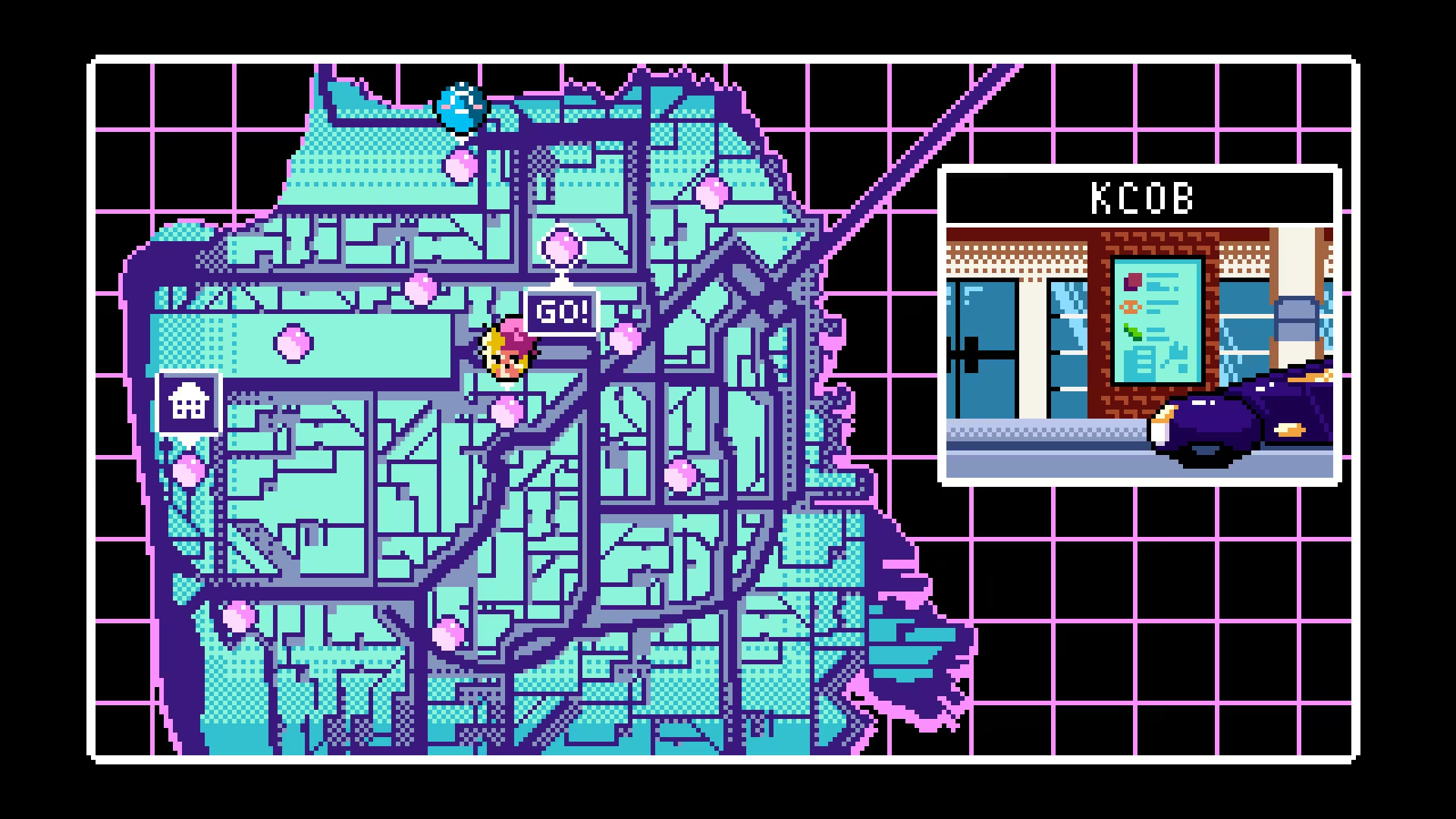
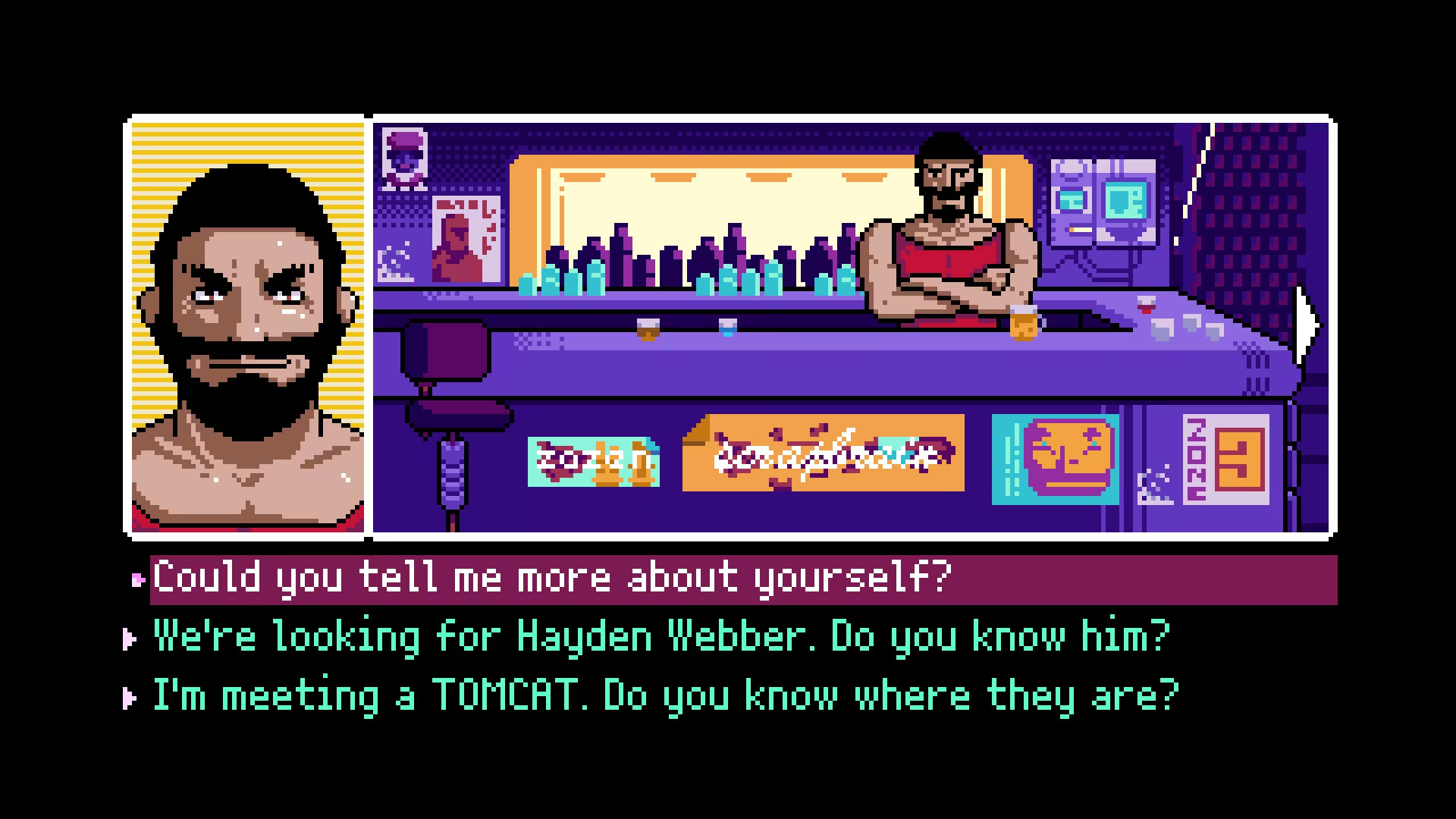
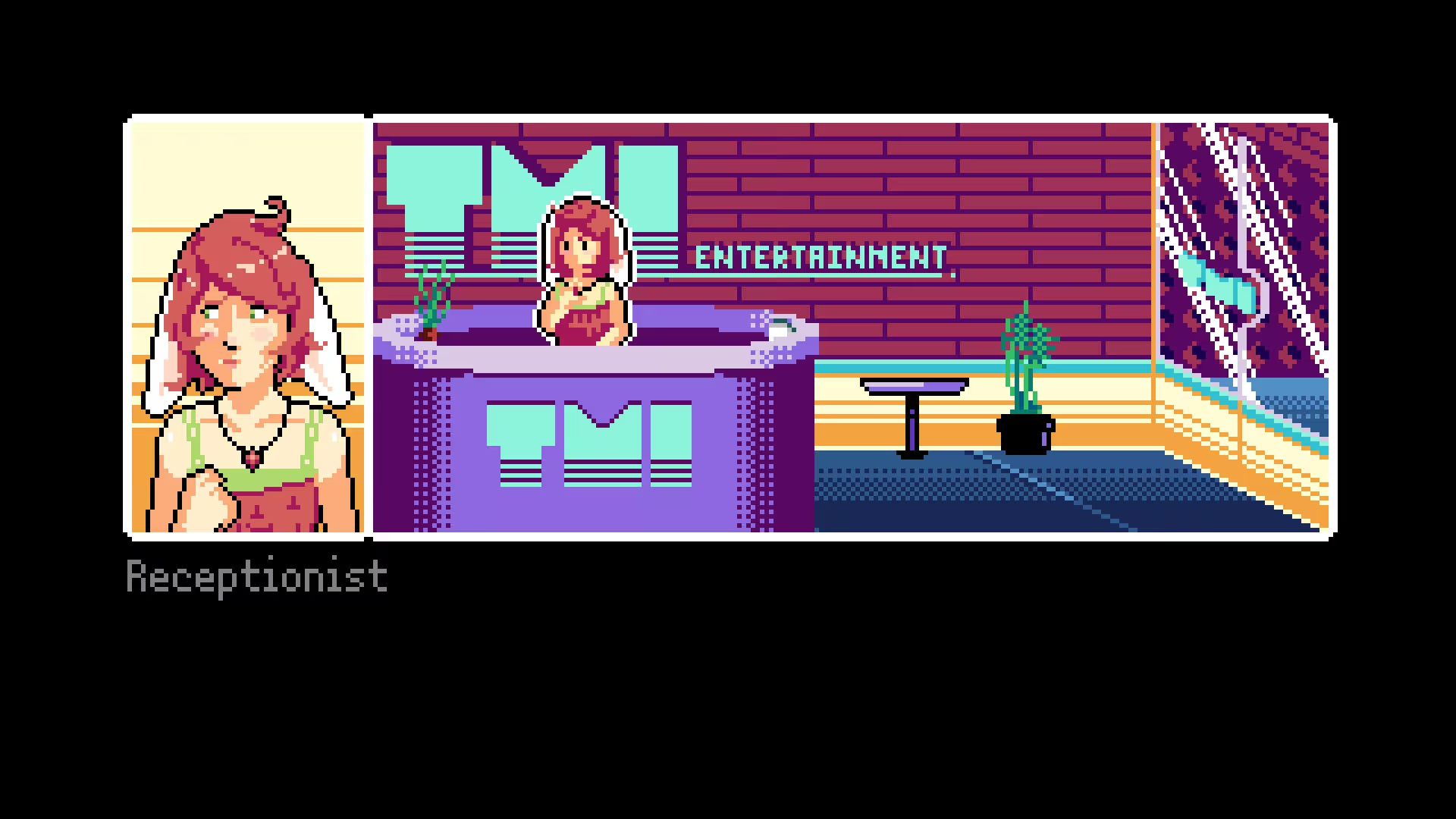
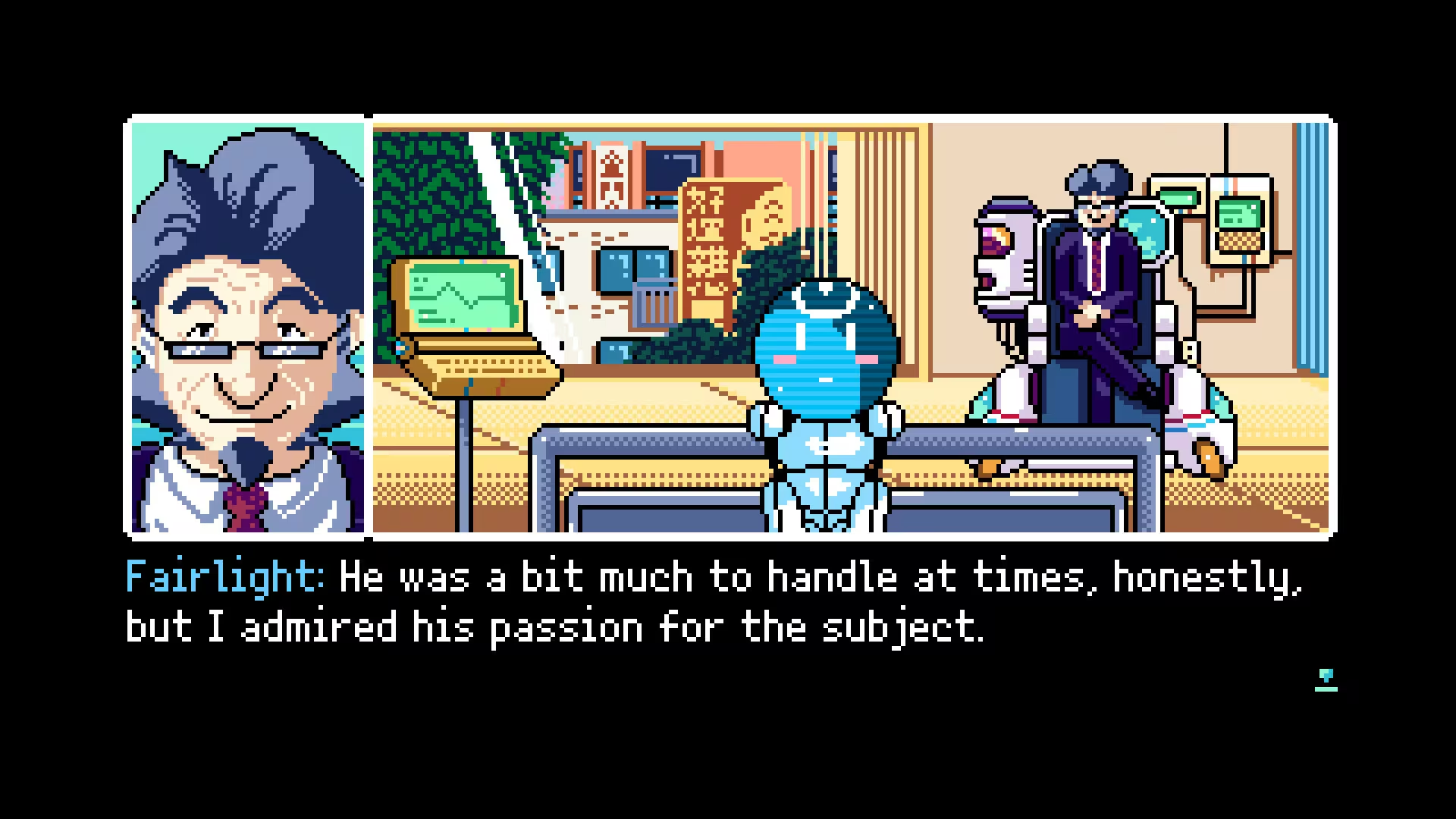
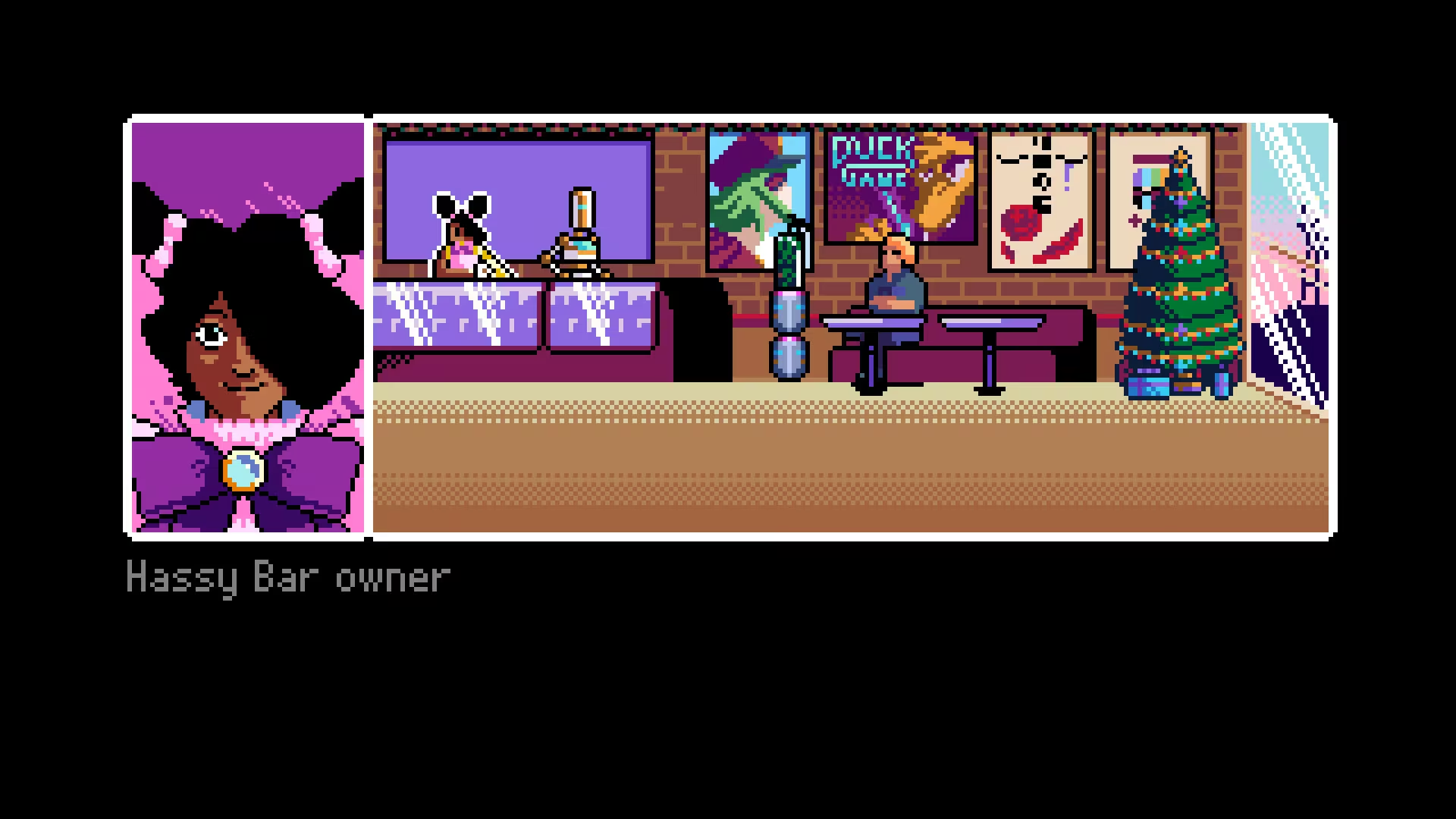
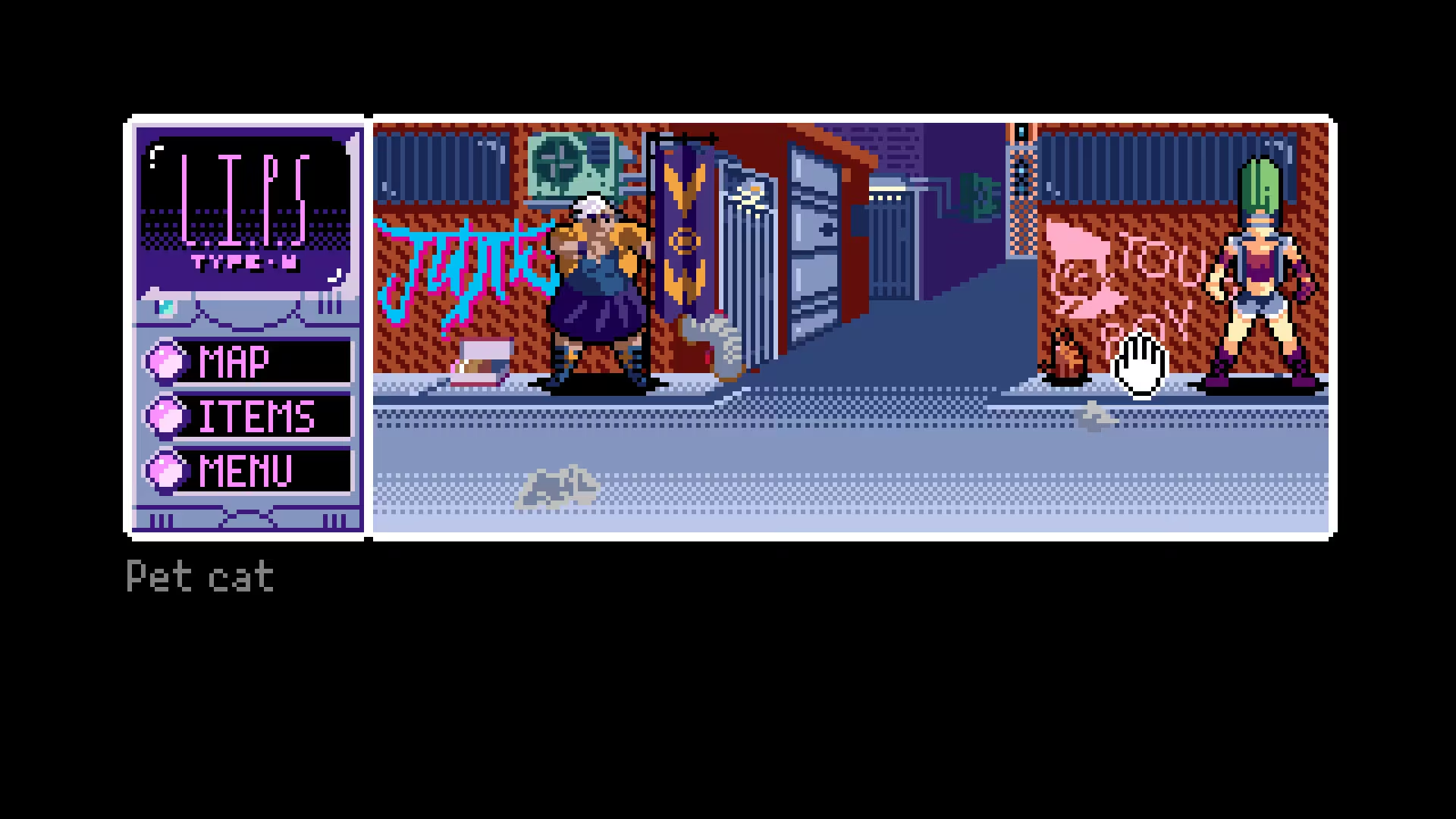
2064: Read Only Memories is a cyberpunk thriller that explores the social challenges of tomorrow through classic adventure gaming. A journalist-turned-detective teams up with Turing, the world’s first sapient machine, to unmask a conspiracy that will shake the foundations of Neo-San Francisco.

Global score

80/100

Genres

Adventure, Indie, Point-and-click, Visual Novel, Role-playing (RPG)

Similar games

    Pros

    • Engaging cyberpunk story and characters
    • Inclusive and diverse representation
    • Multiple endings and replayability
    • Appealing pixel art and soundtrack
    • Well-voiced dialogue

    Cons

    • Linear story with limited player agency
    • Simple and few puzzles
    • Some ui and save system quirks
    • Minor bugs reported
    • Some players find pacing slow or dialogue heavy

    Analysis

    A very typical example of its motivational profile. Motivations that often define this kind of title include Intimacy, Survival, Violence, Competition. Here, the score leans higher than usual among comparable games on Thrill, Fellowship, Story.

    How to use the graph
    Similar games map

    Each dot is a game. They are arranged from the same motivation profile as in the “Motivations” section below. Closer dots usually mean more similar reasons to play (exploration, competition, relaxation, etc.)—not that one game is “better” than another.

    • Larger dot with a light outline: the game you are viewing.
    • Colour: groups of games with comparable motivation patterns (statistical clusters).
    • Hover a dot to see the game name; click to open its page.
    • Scroll or double-click the chart to zoom out and see more games.

    Why don’t the axes read like a score? This view uses t-SNE: it only keeps who is close to whom. The scales are not “good to bad” or hours played—they separate groups on the map. Read distance between dots, not the axis numbers.

    Motivations

    • Autonomy
      3

      "Players have dialogue choices affecting character reactions and some puzzle solutions, but overall the story is fairly linear with limited agency."

    • Competence
      2

      "Puzzles are simple and logical, with alternative solutions; gameplay is light but requires some problem solving."

    • Competition
      -4

      "Focus is on personal story and exploration without competitive elements or leaderboards."

    • Continuation
      3

      "Players report engaging story and characters encouraging multiple playthroughs and replay to explore different endings."

    • Cooperation
      -3

      "Single player experience focused on individual investigation and character interactions rather than multiplayer cooperation."

    • Creativity
      2

      "Players can explore environments, interact with many objects, and choose dialogue paths affecting outcomes."

    • Domination
      -4

      "Interactions emphasize mutual respect and character relationships rather than exerting control or superiority."

    • Escapism
      4

      "The cyberpunk setting, immersive story, and characters provide a strong escape from real life."

    • Expectation
      -4

      "Players engage voluntarily out of interest in story, characters, and cyberpunk themes."

    • Experimenting
      2

      "Multiple dialogue choices and puzzle solutions encourage trying different approaches and replaying."

    • Exploration
      3

      "Players explore Neo-San Francisco locations, interact with many objects, and uncover story details."

    • Expression
      3

      "Players customize pronouns and shape protagonist personality through dialogue choices."

    • Fantasy
      4

      "Set in a futuristic cyberpunk world with AI, hybrids, and speculative technology."

    • Fellowship
      1

      "Strong character relationships and community themes, but primarily a single player experience."

    • Growth
      3

      "Players learn about characters, story, and world through exploration and dialogue choices."

    • Health
      -5

      "Sedentary gameplay typical of visual novel and point-and-click adventure genres."

    • Idle
      -3

      "Requires focused attention on dialogue and puzzles; not designed for casual or background play."

    • Intimacy
      3

      "Emotional connections with characters develop through dialogue and story choices."

    • Leadership
      -3

      "Player supports and interacts with characters rather than leading groups or directing others."

    • Progression
      2

      "Players collect items and unlock new locations and story branches, progressing through multiple endings."

    • Relaxation
      3

      "Generally a balanced experience with moments of tension but overall enjoyable and immersive."

    • Sensation
      3

      "Appealing pixel art, soundtrack, and voice acting provide sensory enjoyment."

    • Status
      -4

      "Focus is on personal story and character development rather than social recognition or ranking."

    • Story
      5

      "Strong narrative immersion with branching dialogue, multiple endings, and rich character development."

    • Strategy
      1

      "Some puzzle solving and dialogue navigation, but mostly straightforward with limited complex planning."

    • Thrill
      2

      "Some suspense and mystery elements, though overall tension is moderate and story-driven."

    • Value
      4

      "Players find good value in story, replayability, and content for the price."

    • Violence
      -3

      "Minimal violence; focus is on investigation, dialogue, and character interaction."

    • Survival
      -2

      "Low risk environment; no survival mechanics, mostly stable conditions."

    Last update: 29/04/2026