A Total War Saga: TROY similar games & best alternatives
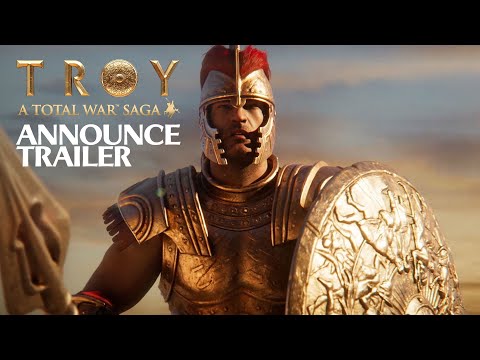
A Total War Saga: TROY
2021
Related articles
Quick resume
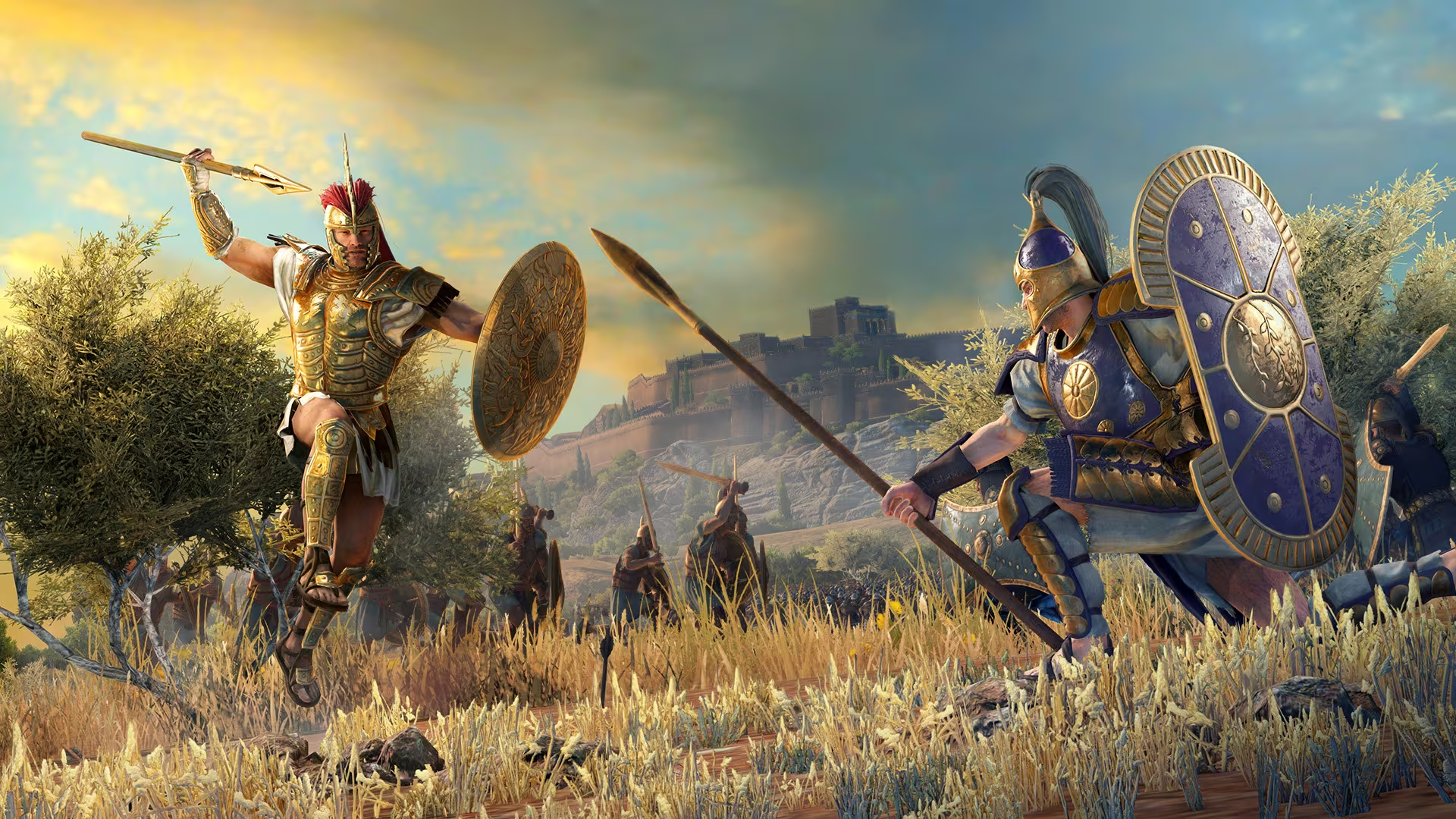
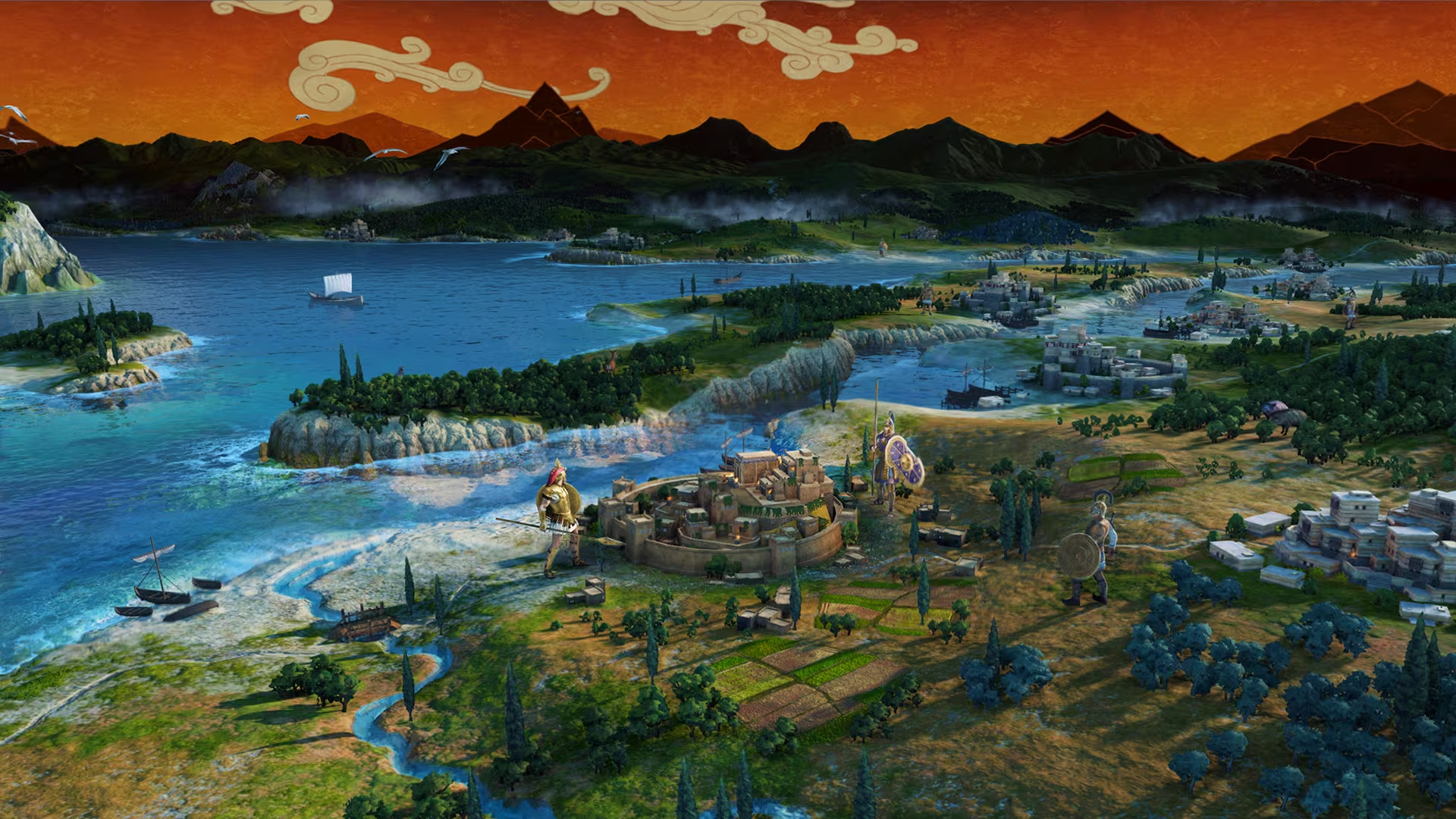
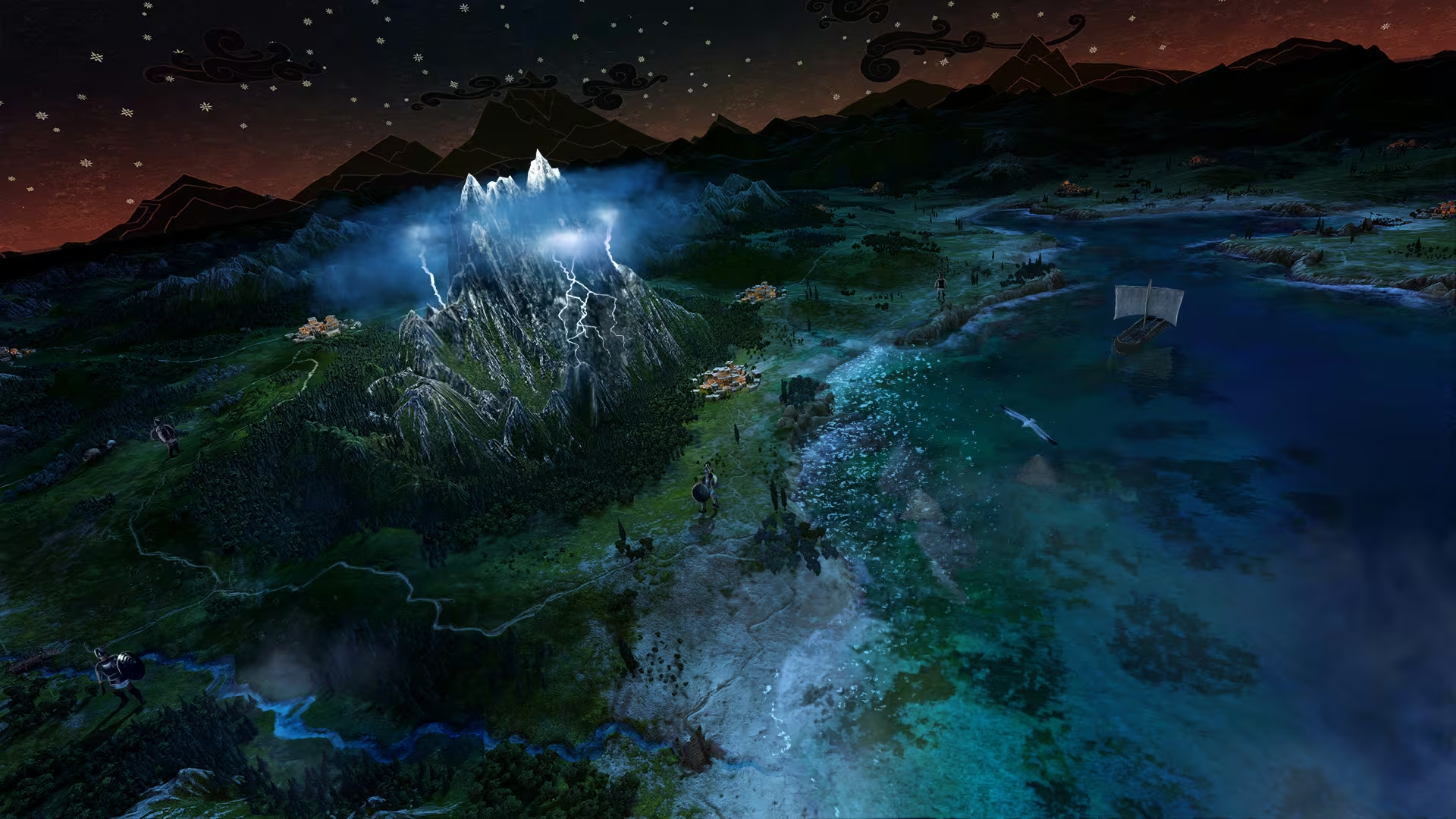
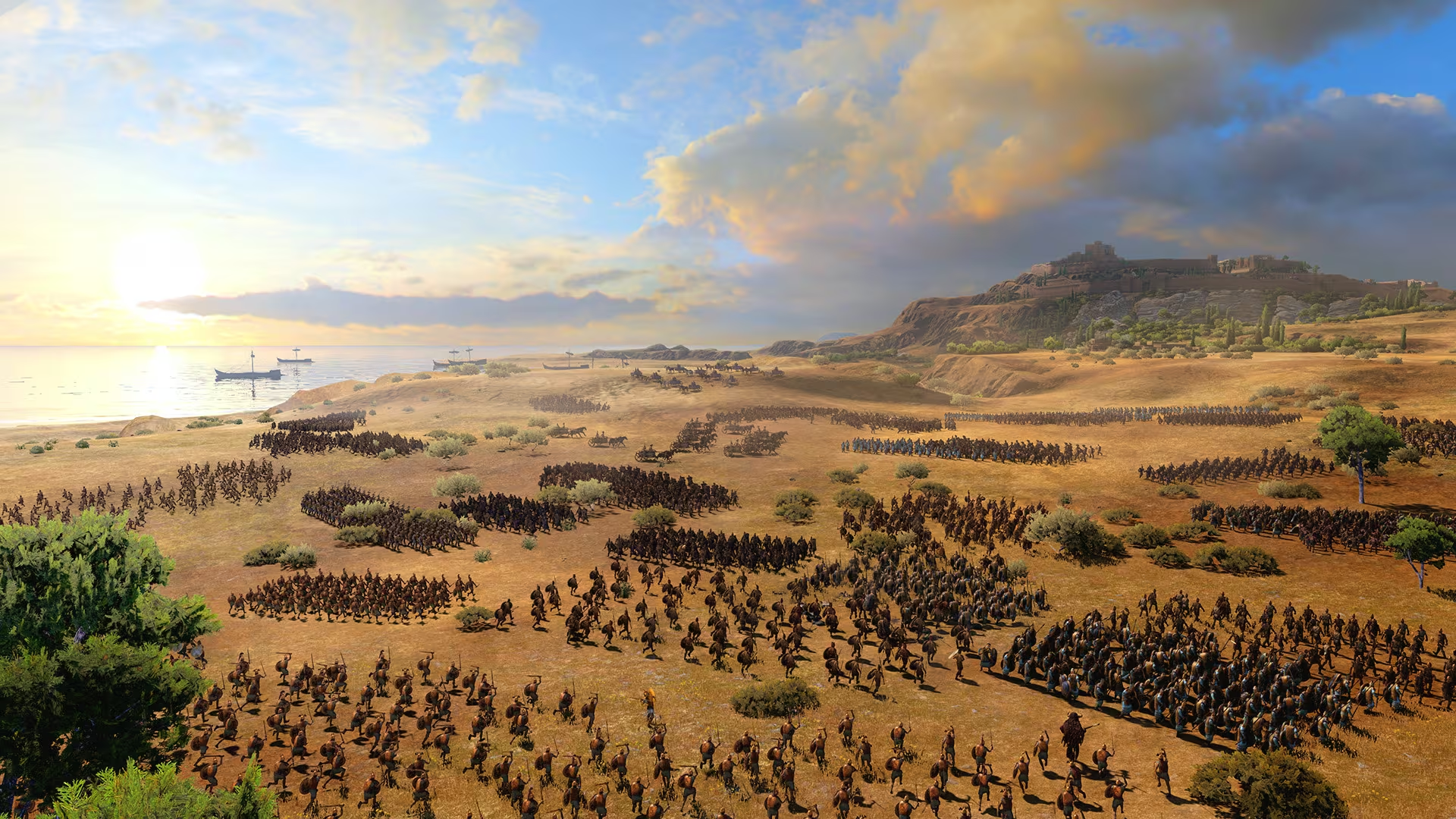
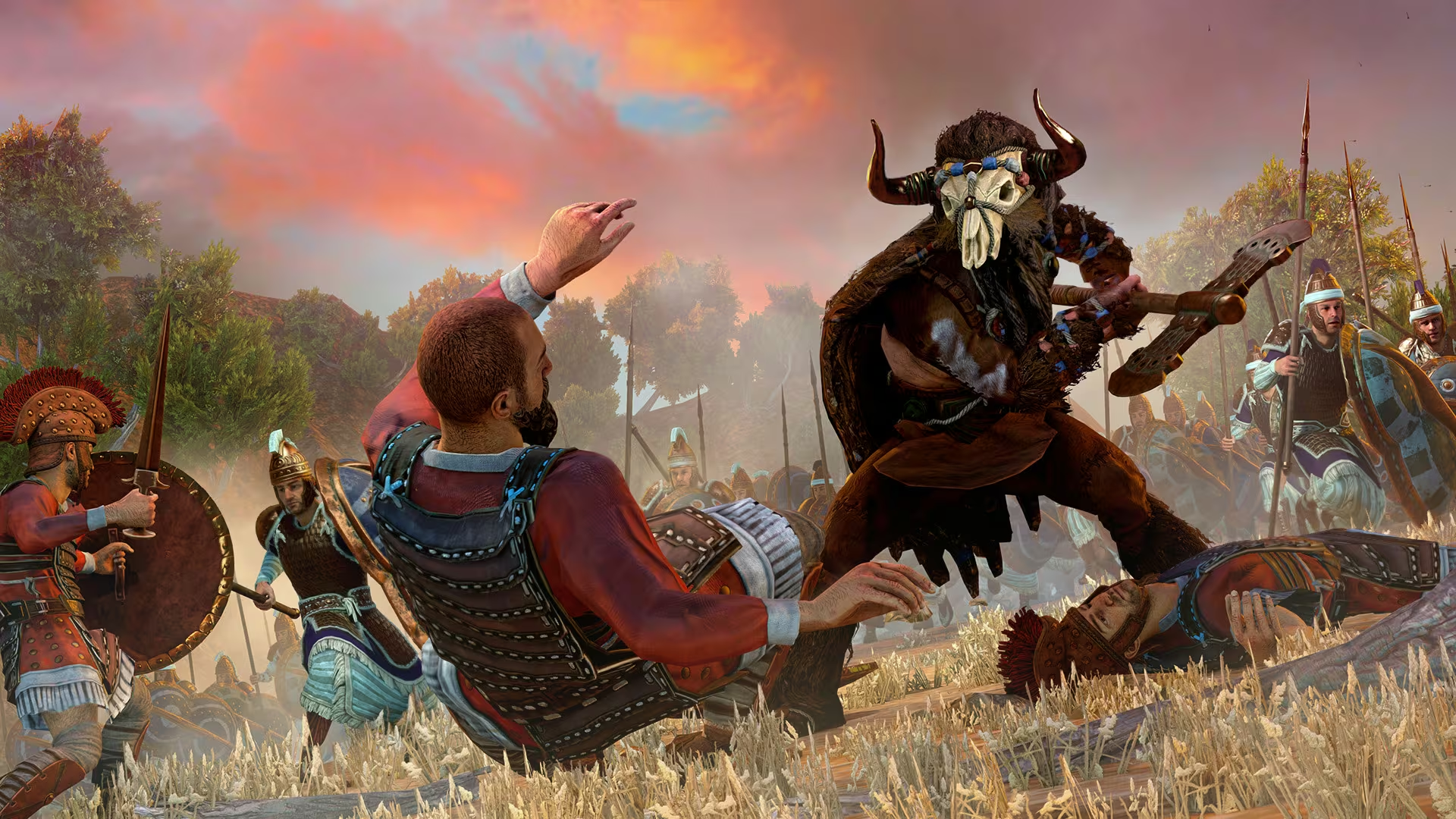
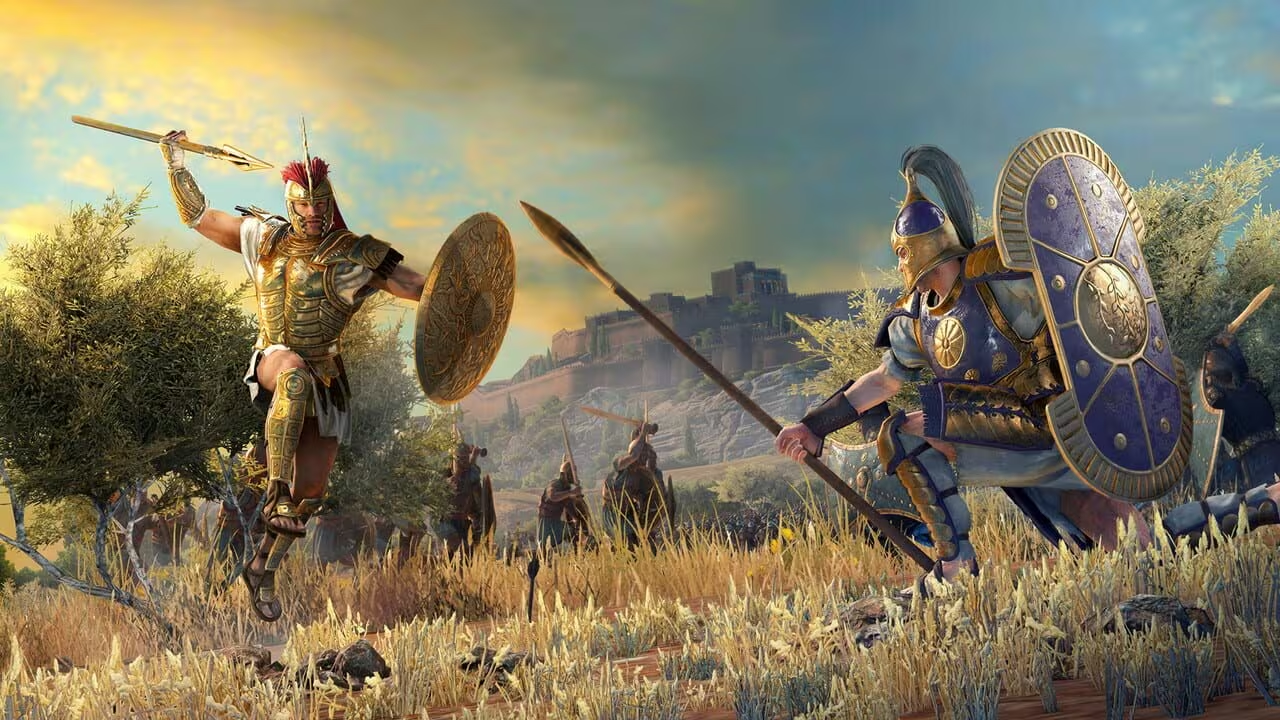
Inspired by The Iliad and brought to life through the award-winning strategy game series, A Total War Saga: TROY brings a blend of grand, turn-based empire management and spectacular real-time battles to the heart of the Trojan War.
Global score
72/100
Genres
Action, Simulator, Strategy, Turn-based strategy (TBS), Real Time Strategy (RTS)
Similar games
Pros
- Beautiful graphics and soundtrack
- Innovative multi-resource economy system
- Engaging greek mythology setting with multiple campaign modes
- Well-optimized performance
- Unique faction mechanics and hero customization
Cons
- Aggressive and sometimes frustrating ai behavior
- Some repetitive micromanagement and diplomacy spam
- Dlc content gating and pricing complaints
- Limited unit variety and janky battle animations
- Late game can become grindy and tedious
Analysis
Less representative of its motivational profile, with noticeable differences. Motivations that often define this kind of title include Competition, Fellowship, Domination, Status. Here, the score leans higher than usual among comparable games on Story. It leans lower than usual among comparable games on Value, Intimacy.
How to use the graph
Similar games map
Each dot is a game. They are arranged from the same motivation profile as in the “Motivations” section below. Closer dots usually mean more similar reasons to play (exploration, competition, relaxation, etc.)—not that one game is “better” than another.
- Larger dot with a light outline: the game you are viewing.
- Colour: groups of games with comparable motivation patterns (statistical clusters).
- Hover a dot to see the game name; click to open its page.
- Scroll or double-click the chart to zoom out and see more games.
Why don’t the axes read like a score? This view uses t-SNE: it only keeps who is close to whom. The scales are not “good to bad” or hours played—they separate groups on the map. Read distance between dots, not the axis numbers.
Motivations
-
Autonomy3
"Players have freedom to choose different factions, campaigns (historical, mythological, truth behind the myth), and play styles with unique faction mechanics and hero abilities."
-
Competence4
"The game offers a challenging AI, strategic resource management, and tactical battles requiring skillful micromanagement and strategic planning."
-
Competition1
"While the game has multiplayer and leaderboards, reviews focus mostly on single-player campaign and AI competition rather than player-vs-player competition."
-
Continuation4
"Many players report hundreds of hours played with high replayability due to different factions, campaigns, and DLC content."
-
Cooperation2
"The game includes alliances and diplomacy with AI factions, and some multiplayer modes, encouraging cooperative play to some extent."
-
Creativity3
"Players can customize heroes, choose different campaign modes, and mod the game; resource management and faction mechanics add creative strategic options."
-
Domination-2
"Interactions with AI factions involve diplomacy and alliances rather than overt domination; some reports of AI betrayals but player cooperation is emphasized."
-
Escapism4
"Players use the game to immerse in Greek mythology and epic battles, escaping into a richly detailed fantasy-historical world."
-
Expectation-3
"Players engage voluntarily out of interest in the setting and gameplay; some frustration with DLC and AI but mostly intrinsic motivation."
-
Experimenting3
"Multiple campaigns, faction mechanics, and mod support encourage players to try new strategies and play styles."
-
Exploration2
"The large campaign map with diverse terrain and resource locations encourages exploration and strategic expansion."
-
Expression2
"Hero customization and faction unique mechanics allow some player expression; however, unit appearances are often similar across factions."
-
Fantasy4
"The game strongly incorporates Greek mythology and mythological creatures, especially in Mythos campaign mode."
-
Fellowship1
"Some social interaction through alliances and multiplayer, but mostly single-player focused with limited social community emphasis."
-
Growth4
"Players learn complex mechanics, develop strategies, and improve skills over long campaigns and multiple playthroughs."
-
Health-4
"Typical of RTS games, involves sedentary play with no physical activity."
-
Idle-3
"Requires active attention due to complex turn-based strategy and micromanagement; turns can be long and demanding."
-
Intimacy-4
"Minimal social or emotional connection beyond strategic alliances; mostly individual gameplay experience."
-
Leadership3
"Players lead armies and manage factions with unique hero abilities and strategic decision-making."
-
Progression4
"Players accumulate resources, upgrade units, and expand territory through conquest and diplomacy."
-
Relaxation-1
"Game can be tense and challenging with aggressive AI and micromanagement, though some find it immersive and enjoyable."
-
Sensation3
"Visuals, music, and battle animations provide stimulating sensory experience, though some animations are criticized as janky."
-
Status1
"Some recognition through multiplayer and achievements, but mostly focused on individual campaign progress."
-
Story4
"Strong narrative immersion with campaigns based on Greek myths and epic quests unique to factions and heroes."
-
Strategy5
"High emphasis on mental challenge, resource management, tactical battles, and diplomatic strategy."
-
Thrill3
"Players experience suspense and excitement from battles, sieges, and unpredictable AI aggression."
-
Value-2
"Some complaints about DLC pricing and content gating, but many find good value especially on sale."
-
Violence4
"Combat and destruction are central, with large scale battles and sieges featuring melee and ranged units."
-
Survival3
"Players must manage threats, defend settlements, and maintain resources to survive and expand."
Last update: 29/04/2026