ABRISS - build to destroy Thumbnail

ABRISS - build to destroy similar games & best alternatives
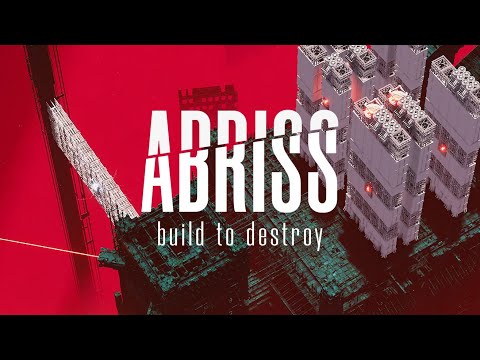
ABRISS - build to destroy

PC (Microsoft Windows), Xbox Series X|S, PlayStation 5 • 2023

Related articles

Quick resume

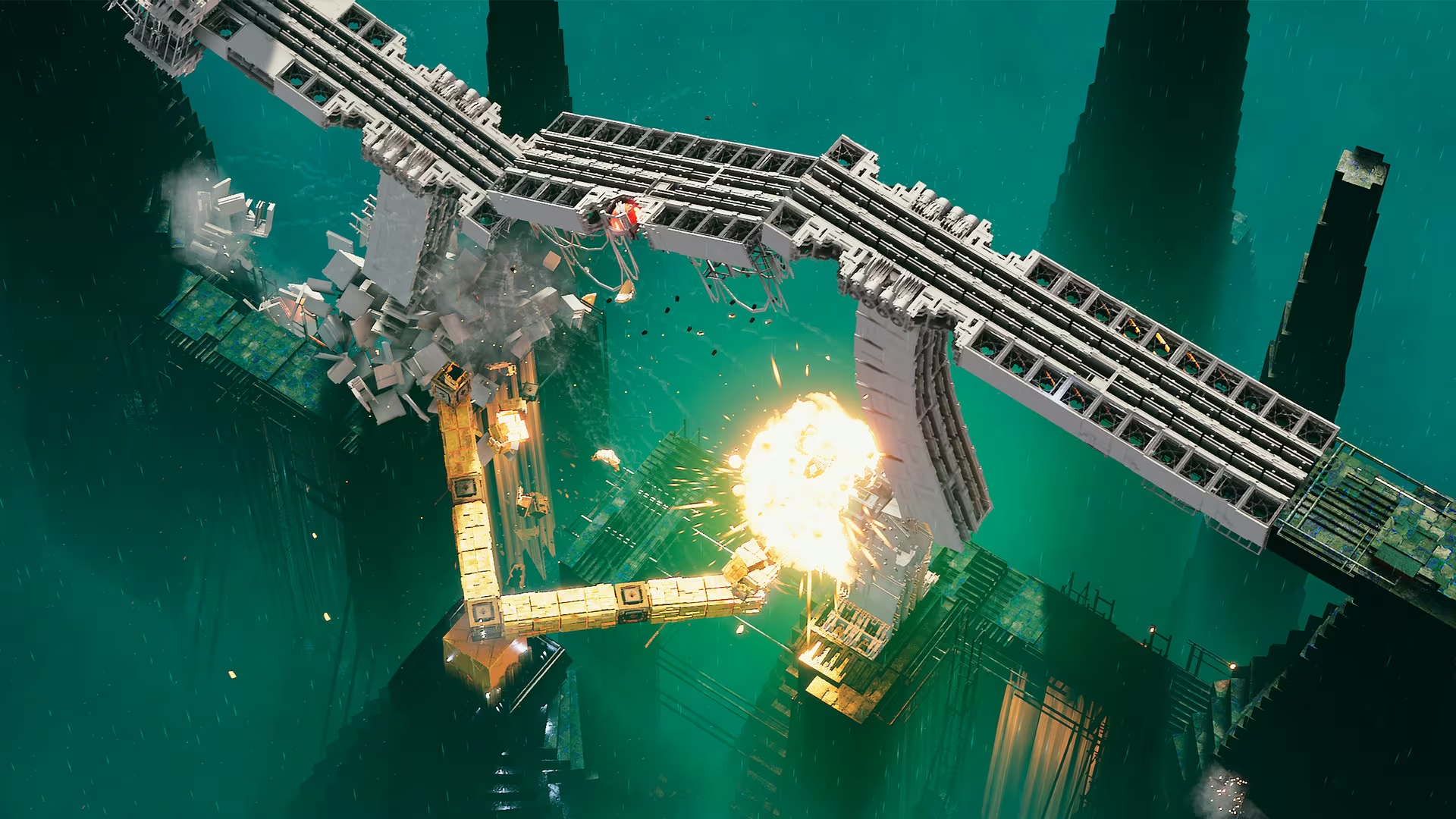
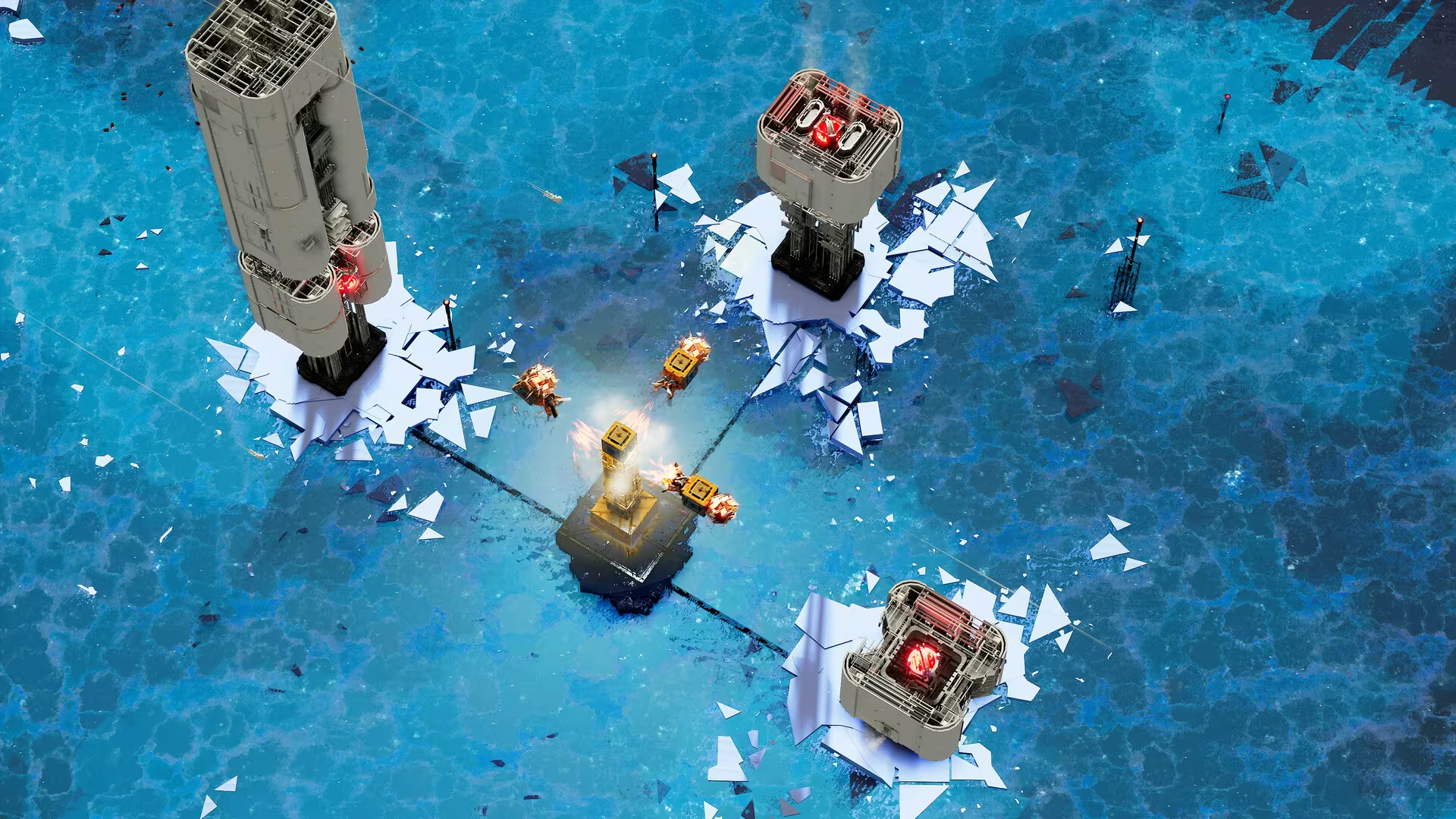
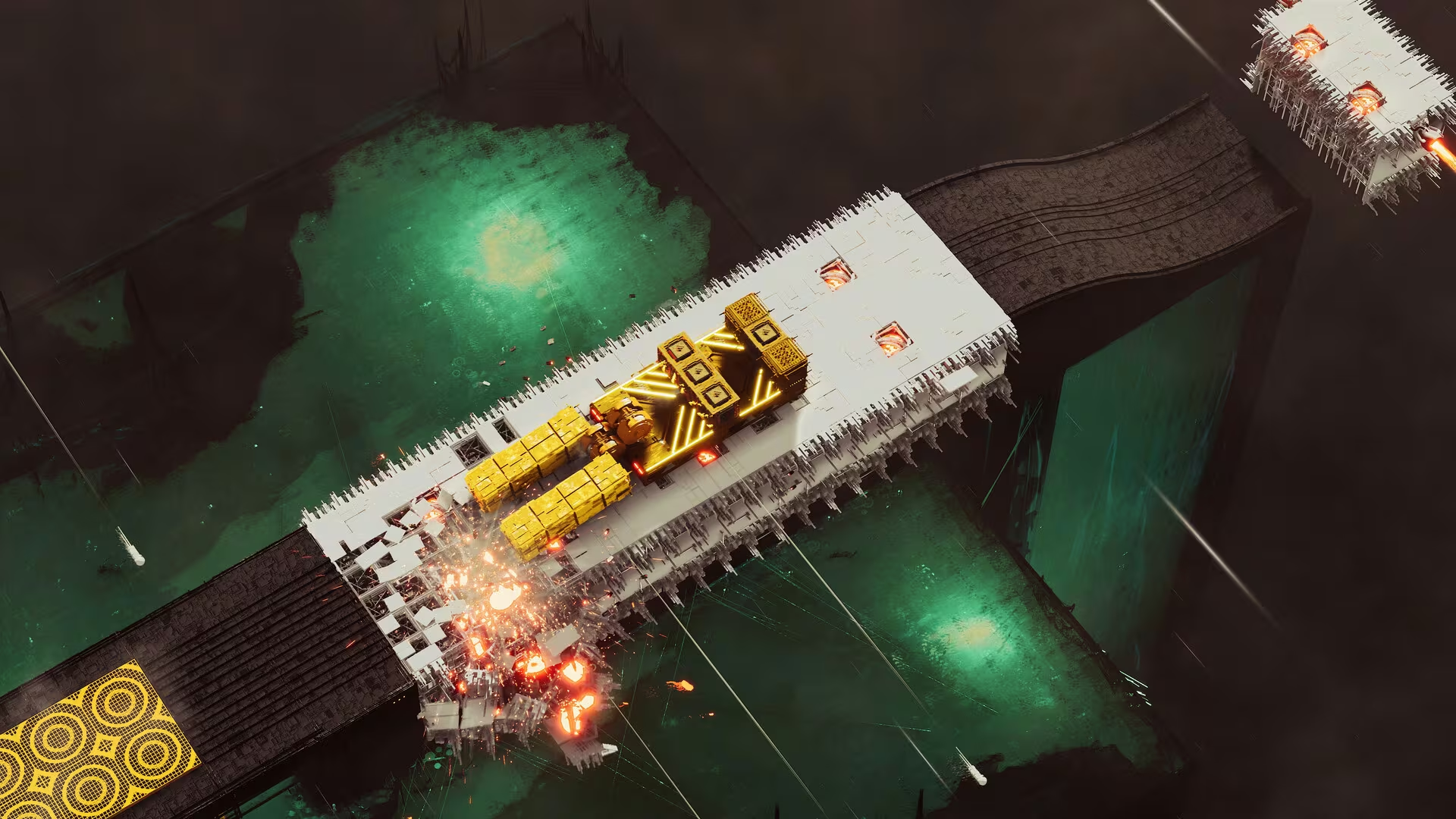
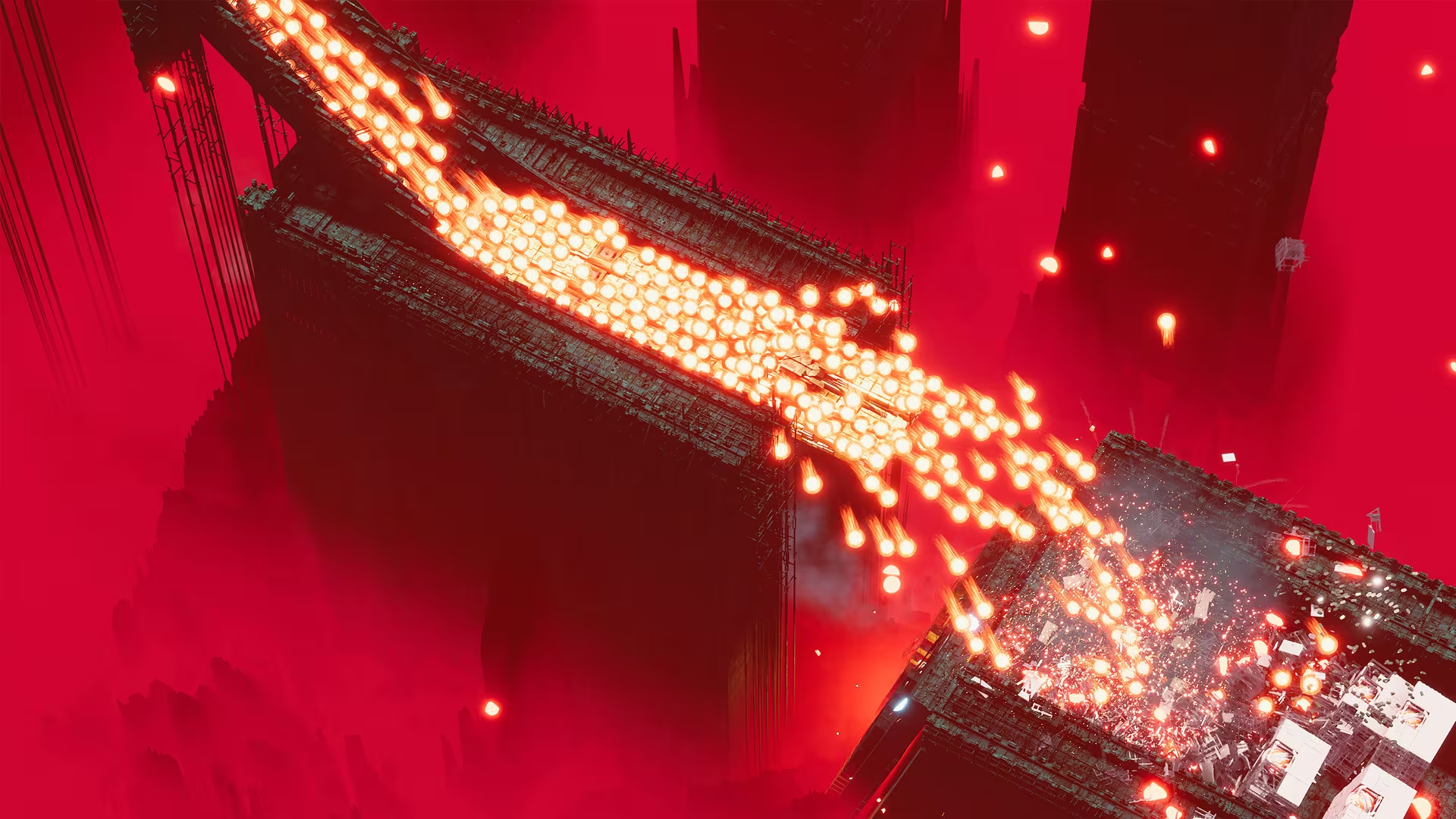
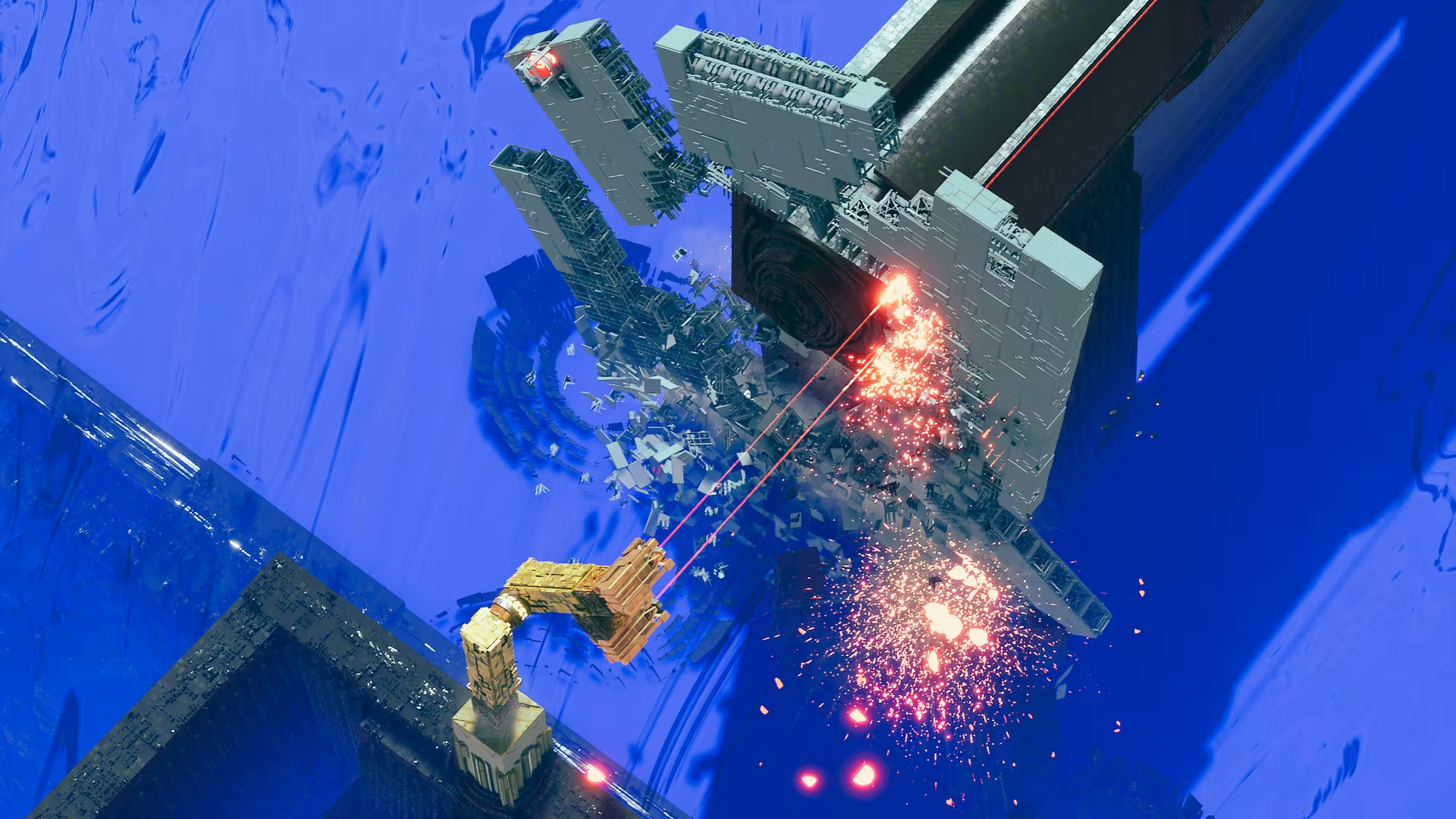
ABRISS is an atmospheric physics-destruction building game.Build structures from parts to let them crash into your targets. Unlock new parts, destroy more, witness entropy at its worst in digital-brutalist cityscapes. Build to destroy.

Global score

83/100

Genres

Indie, Simulator, Strategy, Hack and slash/Beat 'em up, Puzzle

Similar games

    Pros

    • Innovative physics-based puzzle and destruction gameplay
    • Satisfying and visually impressive destruction effects
    • Strong creative freedom in building contraptions
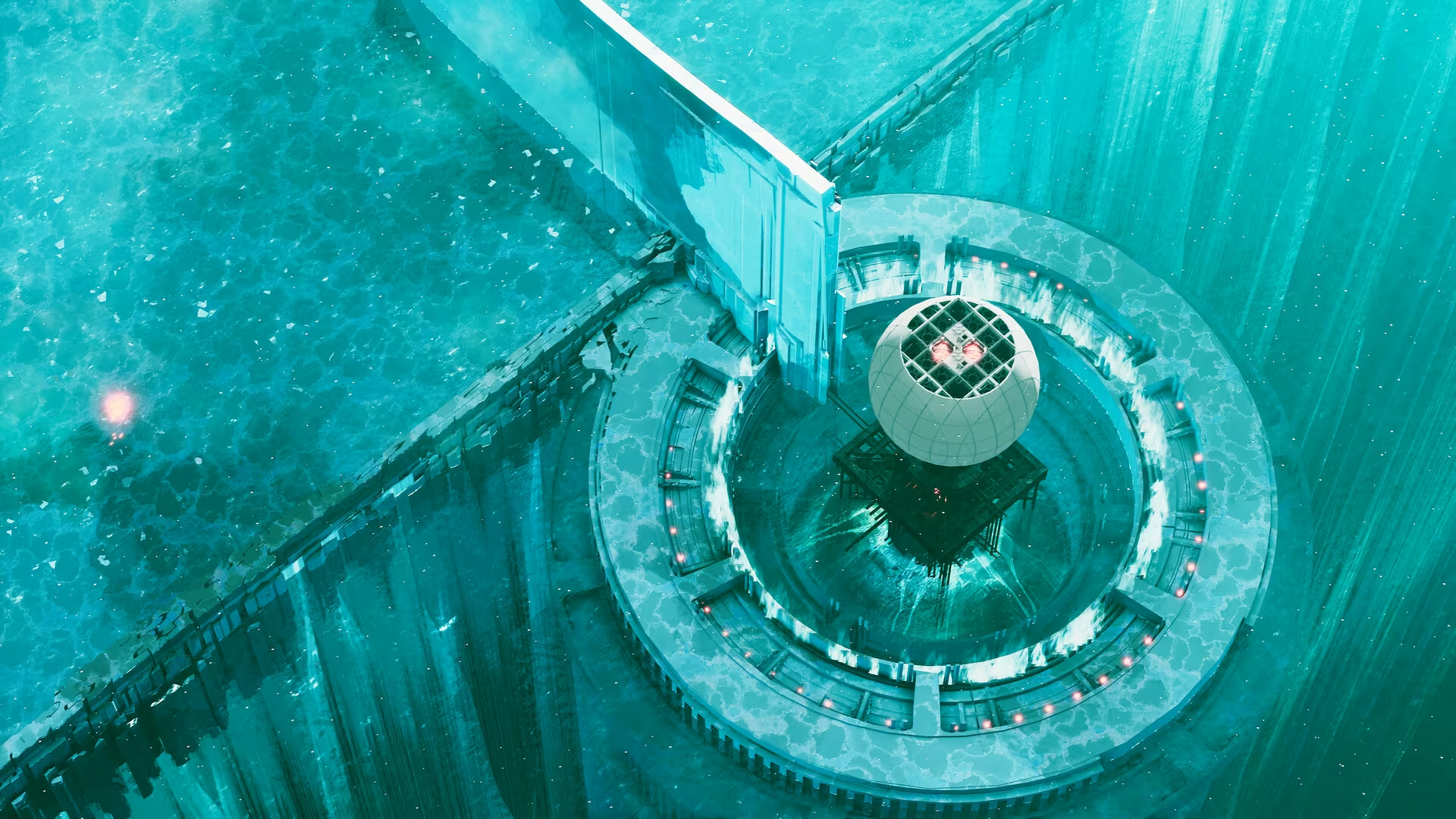
    • Atmospheric sci-fi aesthetic and sound design
    • Accessible difficulty with hints and forgiving puzzles

    Cons

    • Non-deterministic physics causing inconsistent puzzle outcomes
    • Clunky camera and control scheme
    • Short campaign length with limited replay value
    • Bugs and crashes reported by many players
    • Lack of polish and infrequent updates

    Analysis

    Less representative of its motivational profile, with noticeable differences. Motivations that often define this kind of title include Fantasy, Violence, Story, Thrill. Here, the score leans higher than usual among comparable games on Violence, Fantasy, Thrill.

    How to use the graph
    Similar games map

    Each dot is a game. They are arranged from the same motivation profile as in the “Motivations” section below. Closer dots usually mean more similar reasons to play (exploration, competition, relaxation, etc.)—not that one game is “better” than another.

    • Larger dot with a light outline: the game you are viewing.
    • Colour: groups of games with comparable motivation patterns (statistical clusters).
    • Hover a dot to see the game name; click to open its page.
    • Scroll or double-click the chart to zoom out and see more games.

    Why don’t the axes read like a score? This view uses t-SNE: it only keeps who is close to whom. The scales are not “good to bad” or hours played—they separate groups on the map. Read distance between dots, not the axis numbers.

    Motivations

    • Autonomy
      4

      "Players have freedom to design and build their own contraptions with various tools and approaches, encouraging personal creativity and decision-making."

    • Competence
      3

      "Players engage in skillful puzzle solving and timing challenges, though some randomness in physics can reduce predictability and mastery."

    • Competition
      -3

      "Focus is on personal puzzle solving and experimentation rather than direct competition or leaderboards."

    • Continuation
      1

      "Players report moderate engagement with some replay and sandbox play, but limited campaign length and bugs reduce long-term attachment."

    • Cooperation
      -5

      "Game is single-player focused with no cooperative or multiplayer elements."

    • Creativity
      4

      "Strong emphasis on building custom machines and experimenting with different destruction methods."

    • Domination
      -5

      "No evidence of exerting control over others; gameplay is solitary and non-confrontational."

    • Escapism
      3

      "Players enjoy relaxing, satisfying destruction and distraction from real life through immersive physics puzzles."

    • Expectation
      -4

      "Players engage voluntarily for fun and stress relief, not out of obligation or pressure."

    • Experimenting
      4

      "Encouraged to try new builds, tools, and solutions; experimentation is core to gameplay."

    • Exploration
      1

      "Some discovery of new tools and mechanics across levels, but environments are limited and puzzle-focused."

    • Expression
      3

      "Players customize their machines and contraptions, expressing creativity through design choices."

    • Fantasy
      2

      "Abstract sci-fi setting with imaginative destruction, though grounded in physics-based mechanics."

    • Fellowship
      -5

      "No social or community gameplay elements; primarily solo experience."

    • Growth
      3

      "Players develop puzzle-solving skills and learn to master physics-based mechanics."

    • Health
      -5

      "Sedentary gameplay with no physical activity involved."

    • Idle
      -3

      "Requires focused attention and active problem solving; not suited for passive or background play."

    • Intimacy
      -5

      "No social or emotional relationship building present."

    • Leadership
      -5

      "No leadership or group management roles; single-player focus."

    • Progression
      2

      "Players unlock new tools and levels, but progression is limited and campaign is relatively short."

    • Relaxation
      3

      "Many players find the game relaxing and meditative despite occasional frustration from bugs."

    • Sensation
      4

      "Strong sensory appeal through satisfying destruction visuals, sound design, and physics effects."

    • Status
      -5

      "No social recognition or status systems."

    • Story
      -4

      "Minimal narrative; gameplay is puzzle and destruction focused without strong story elements."

    • Strategy
      3

      "Players must plan and time their builds and actions carefully to solve puzzles."

    • Thrill
      2

      "Some excitement from destruction and timing challenges, though randomness can reduce tension."

    • Value
      1

      "Generally perceived as good value for price by many players, though some feel content is limited."

    • Violence
      4

      "Enjoyment centers on destruction and demolition of structures with explosions and physics chaos."

    • Survival
      -5

      "No survival or threat avoidance mechanics."

    Last update: 29/04/2026