Welcome to the Game Thumbnail

Welcome to the Game similar games & best alternatives

Welcome to the Game

PC (Microsoft Windows), Mac • 2016

Related articles

Quick resume

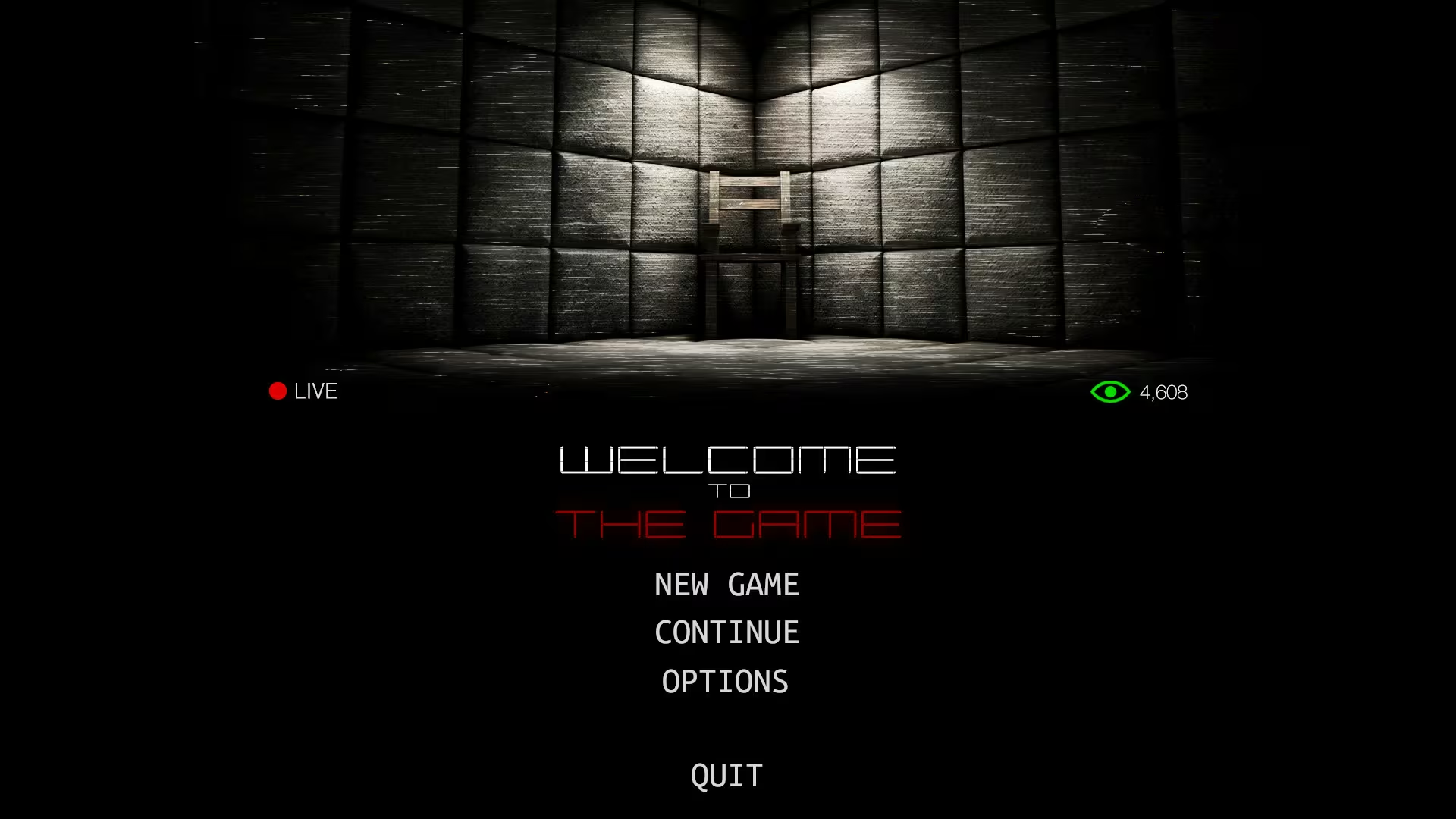
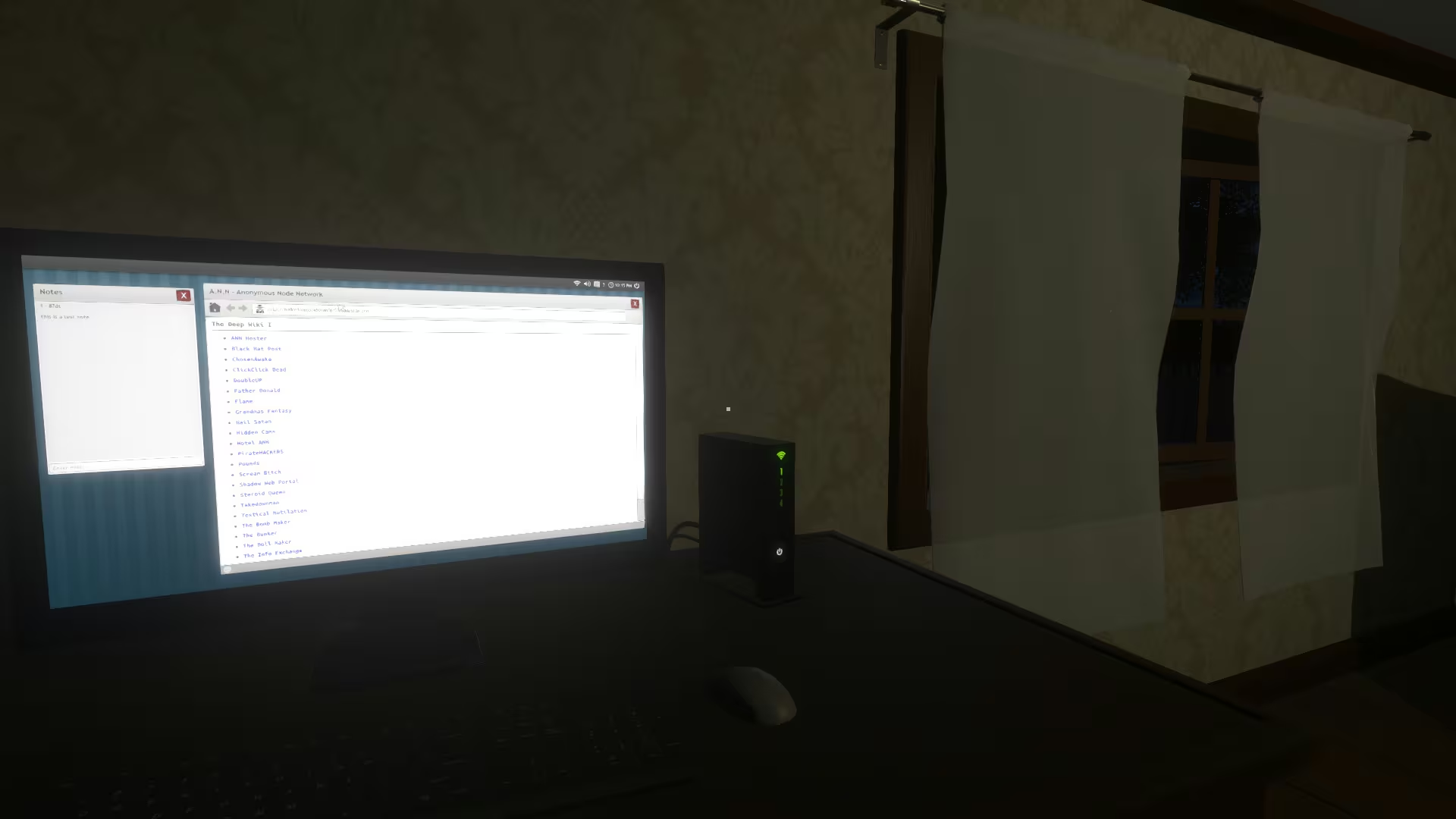
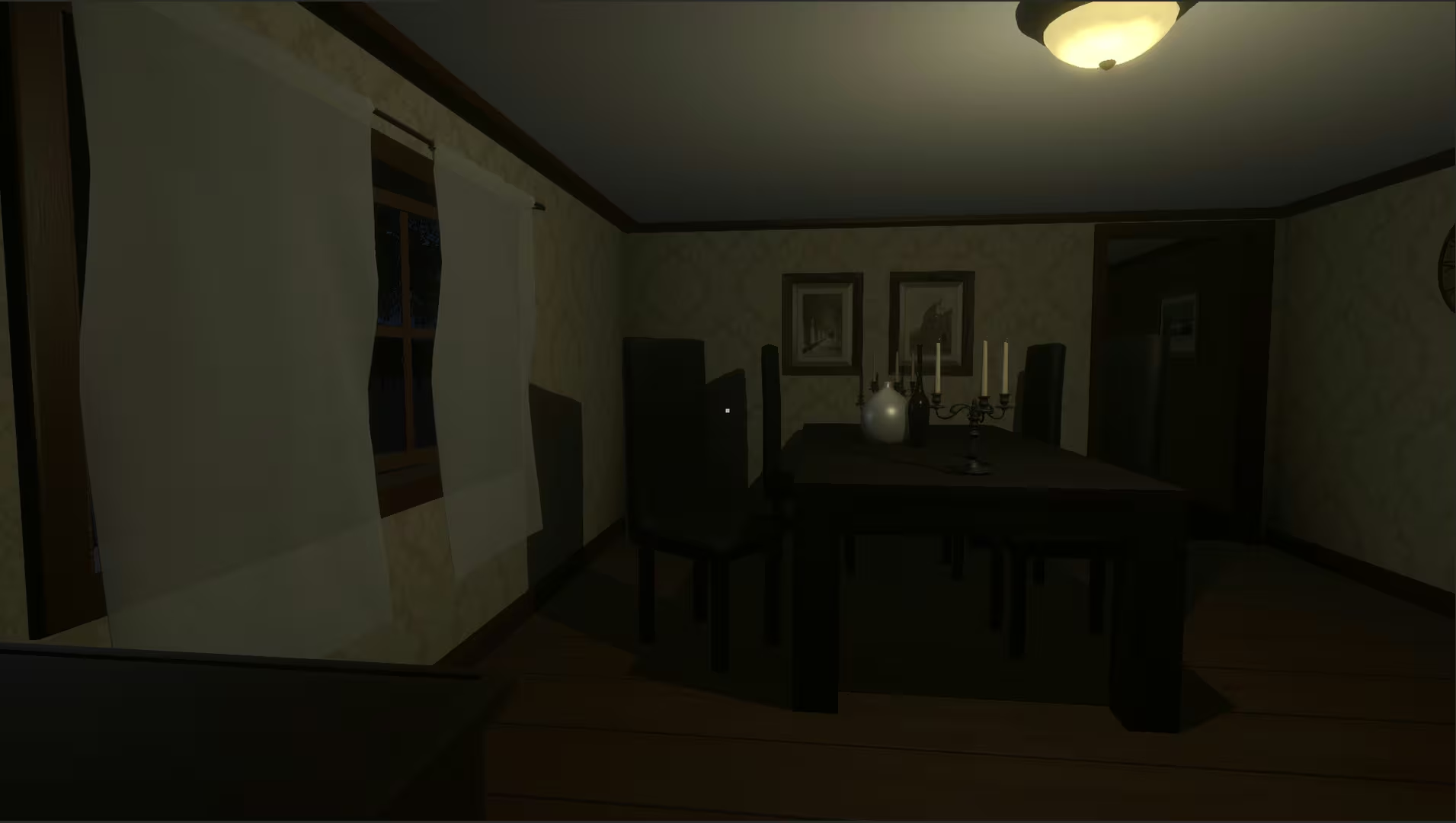
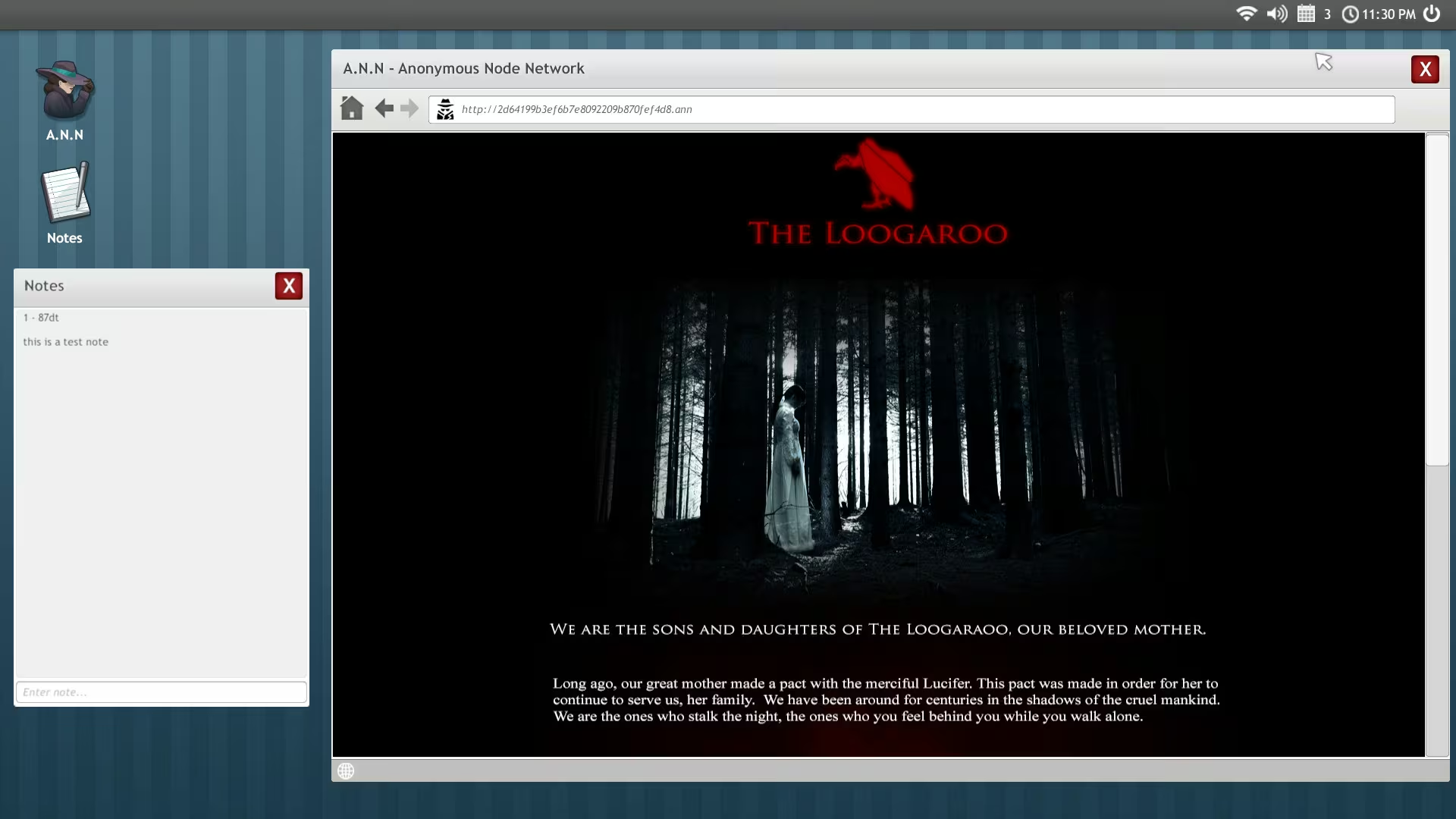
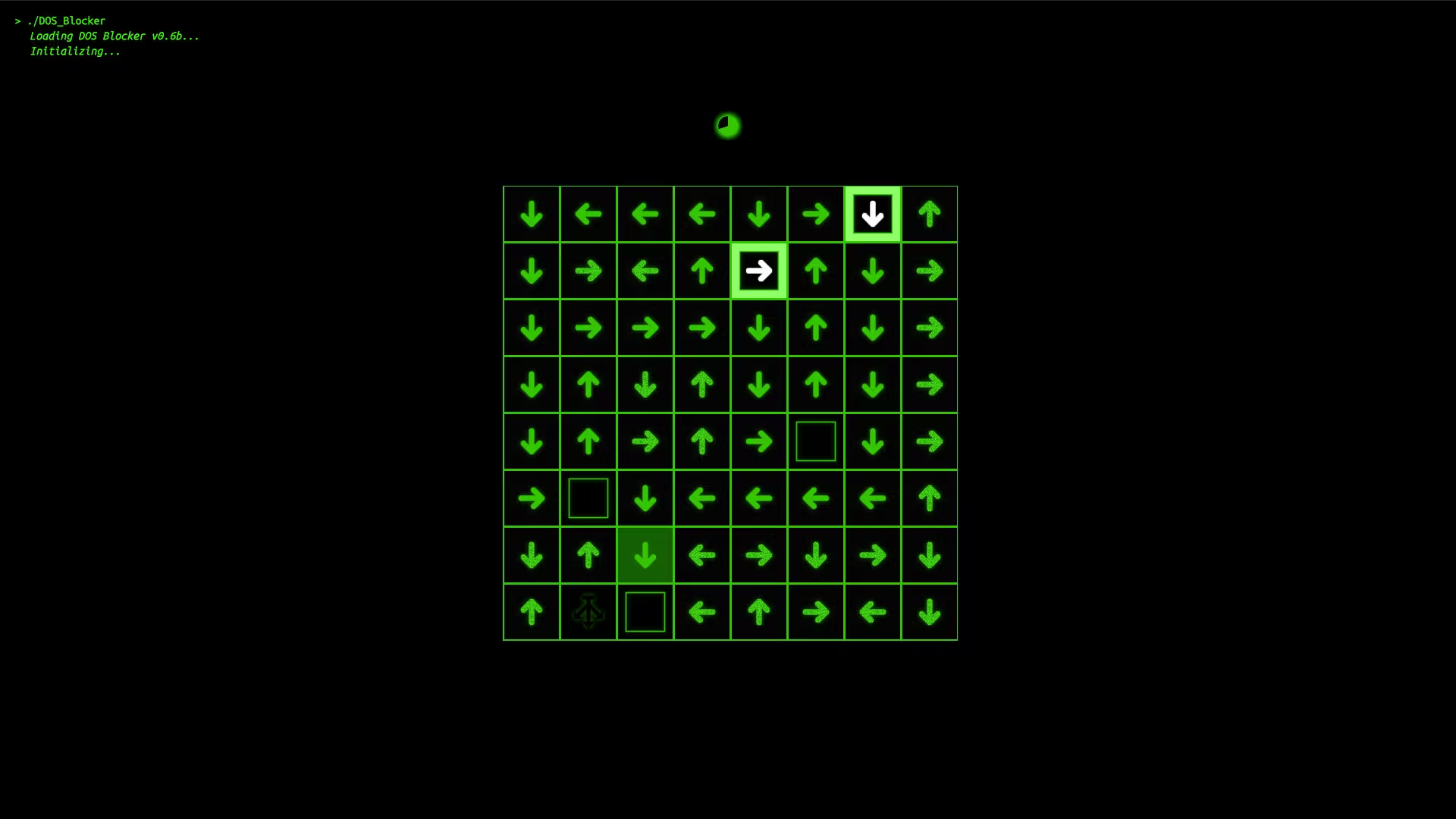
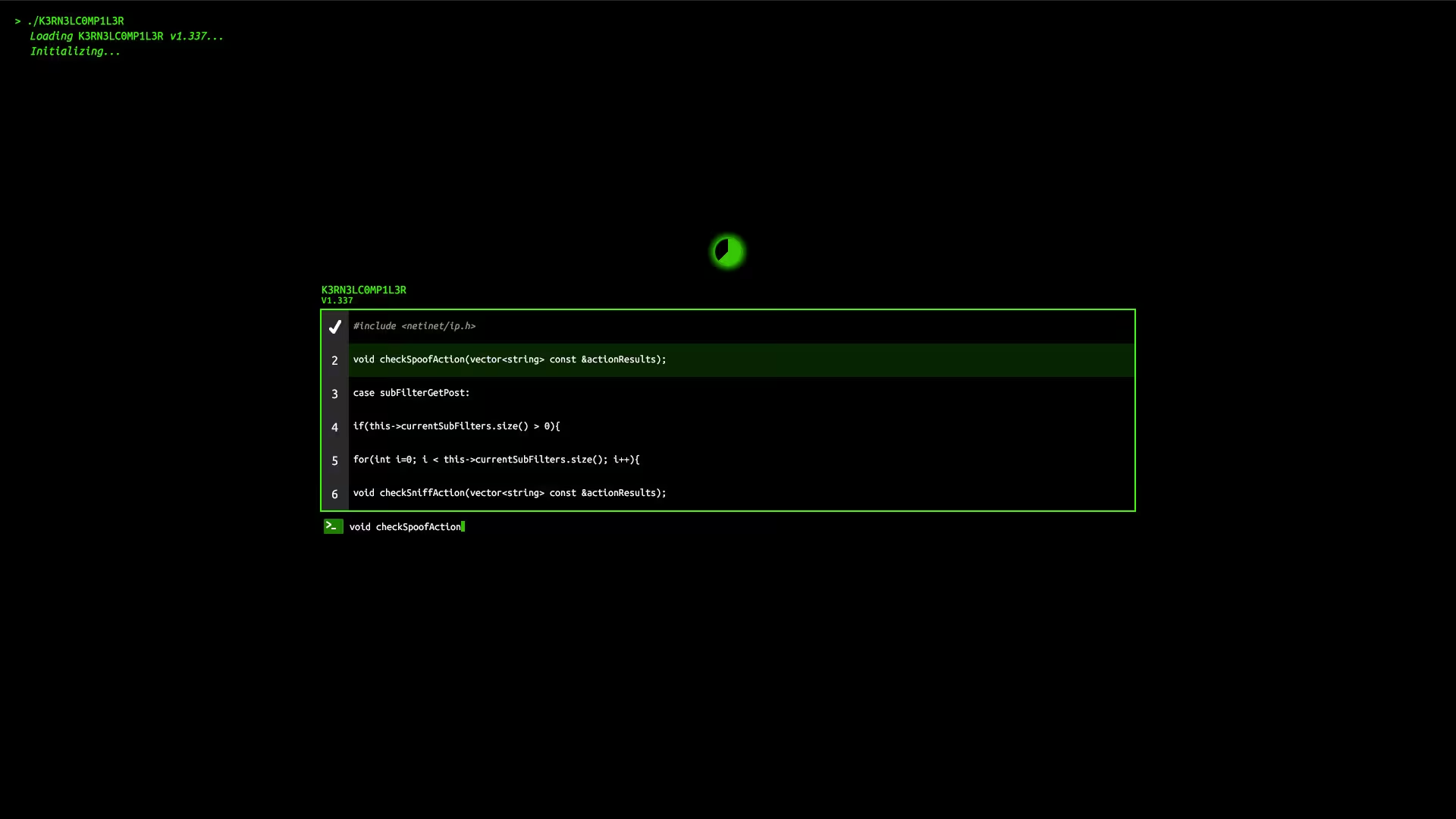
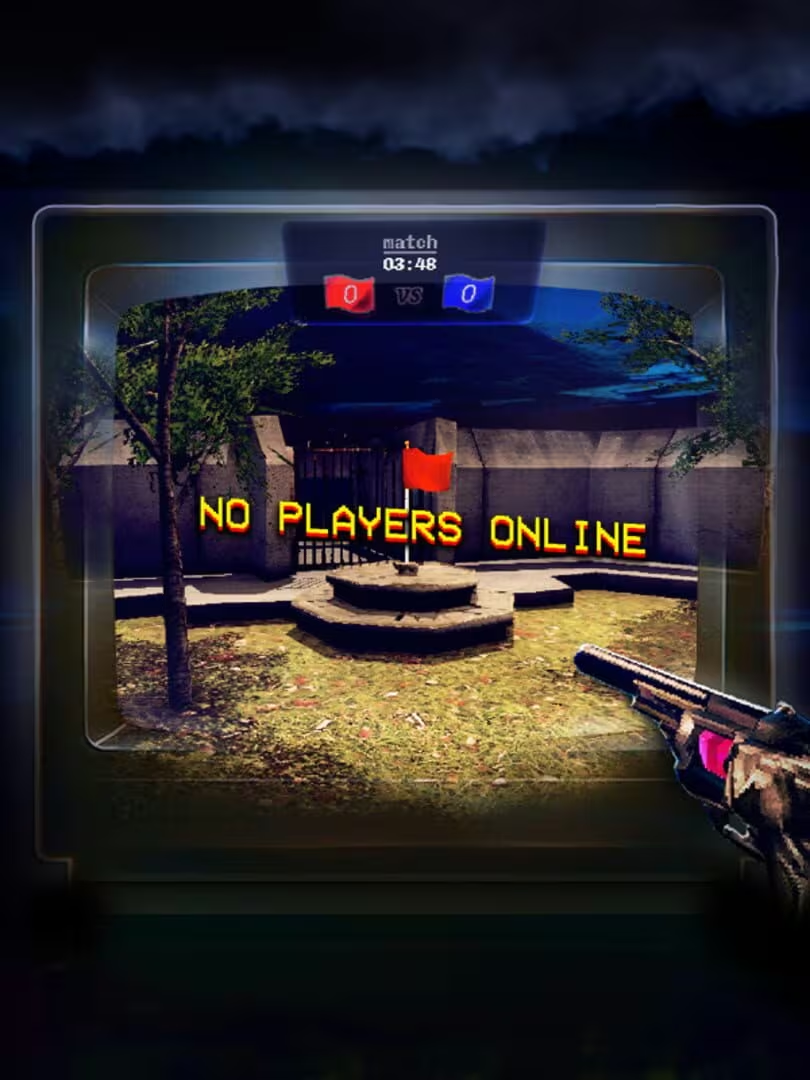
Welcome to the Game is a creepy horror/puzzle game that takes you into the world of the Deep Web. Explore the Deep Web with the sole purpose of trying to find a Red Room, an online service / website that allows you to see and participate in interactive torture and murder.

Global score

85/100

Genres

Indie, Simulator, Puzzle

Similar games

    Pros

    • Unique and immersive horror atmosphere
    • Challenging puzzles and typing mechanics
    • Authentic deep web simulation
    • High replayability with procedural elements
    • Low price and frequent updates

    Cons

    • Steep learning curve and difficulty
    • Some bugs and crashes reported
    • Repetitive hacking minigames
    • Limited content variety leading to boredom
    • Lack of language localization

    Analysis

    Less representative of its motivational profile, with noticeable differences. Motivations that often define this kind of title include Relaxation, Survival, Violence, Fellowship. It leans lower than usual among comparable games on Expression, Competition, Status.

    How to use the graph
    Similar games map

    Each dot is a game. They are arranged from the same motivation profile as in the “Motivations” section below. Closer dots usually mean more similar reasons to play (exploration, competition, relaxation, etc.)—not that one game is “better” than another.

    • Larger dot with a light outline: the game you are viewing.
    • Colour: groups of games with comparable motivation patterns (statistical clusters).
    • Hover a dot to see the game name; click to open its page.
    • Scroll or double-click the chart to zoom out and see more games.

    Why don’t the axes read like a score? This view uses t-SNE: it only keeps who is close to whom. The scales are not “good to bad” or hours played—they separate groups on the map. Read distance between dots, not the axis numbers.

    Motivations

    • Autonomy
      4

      "Players have control over browsing websites, solving puzzles, and deciding when to hide or turn off lights, reflecting high autonomy."

    • Competence
      3

      "Game requires skillful typing, puzzle solving, and attention to sound cues, providing a challenging but learnable experience."

    • Competition
      -5

      "No evidence of competitive elements; gameplay is focused on individual progress without comparison to others."

    • Continuation
      3

      "Players report addictive tension and desire to keep trying despite difficulty, indicating habitual engagement."

    • Cooperation
      -5

      "Gameplay is solitary, with no cooperative or multiplayer elements mentioned."

    • Creativity
      2

      "Players explore and piece together codes from websites, requiring some creative problem solving and note-taking."

    • Domination
      -5

      "No social dominance or power over others; interactions are with AI threats only."

    • Escapism
      4

      "Players use the game to immerse in a tense horror experience, escaping real life through suspense and fear."

    • Expectation
      -3

      "Players engage voluntarily for intrinsic interest in horror and deep web themes, not out of obligation."

    • Experimenting
      3

      "Players explore different websites, try various strategies to avoid threats, and experiment with puzzle solutions."

    • Exploration
      4

      "Core gameplay involves discovering new websites, codes, and secrets within a simulated deep web environment."

    • Expression
      -5

      "No customization or self-expression features reported; game presentation is fixed."

    • Fantasy
      3

      "Game presents a fictionalized, horror-themed version of the deep web with exaggerated threats and scenarios."

    • Fellowship
      -5

      "No social or community features; players experience the game individually."

    • Growth
      3

      "Players develop skills in typing, puzzle solving, and situational awareness through repeated play."

    • Health
      -5

      "Game involves sedentary play with no physical activity or health-related benefits."

    • Idle
      -3

      "Requires focused attention due to constant threats and puzzles; not suitable for passive or background play."

    • Intimacy
      -5

      "No evidence of close social relationships or emotional sharing within the game."

    • Leadership
      -5

      "No leadership or group management roles; gameplay is solitary."

    • Progression
      3

      "Players collect codes and unlock new websites, showing measurable progress toward the goal."

    • Relaxation
      -4

      "Game induces tension, fear, and stress rather than relaxation or flow."

    • Sensation
      4

      "Strong sensory stimulation through audio cues, jump scares, and atmospheric tension."

    • Status
      -5

      "No social recognition or status systems present."

    • Story
      3

      "Game has a narrative premise involving the deep web, kidnappers, and the Red Room, providing context and immersion."

    • Strategy
      3

      "Players must plan actions carefully, manage resources like time and notes, and solve puzzles strategically."

    • Thrill
      5

      "High suspense and jump scares create intense thrill and adrenaline throughout gameplay."

    • Value
      4

      "Players find the game highly entertaining and worth the low price, with many hours of engagement."

    • Violence
      4

      "Game features violent themes including kidnapping, torture, and murder as core elements."

    • Survival
      4

      "Players must avoid threats and manage risks to survive and progress in the game."

    Last update: 29/04/2026