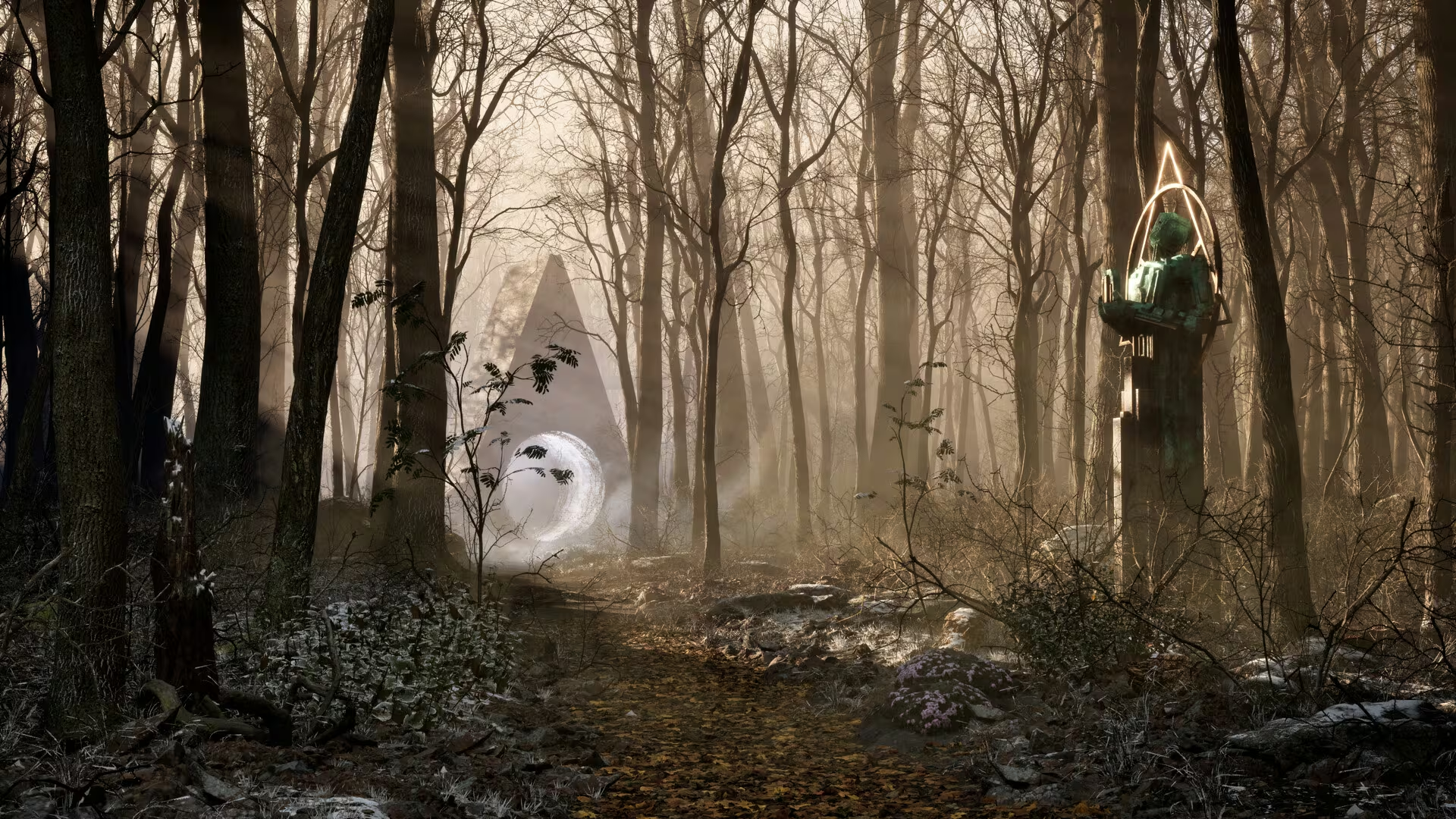
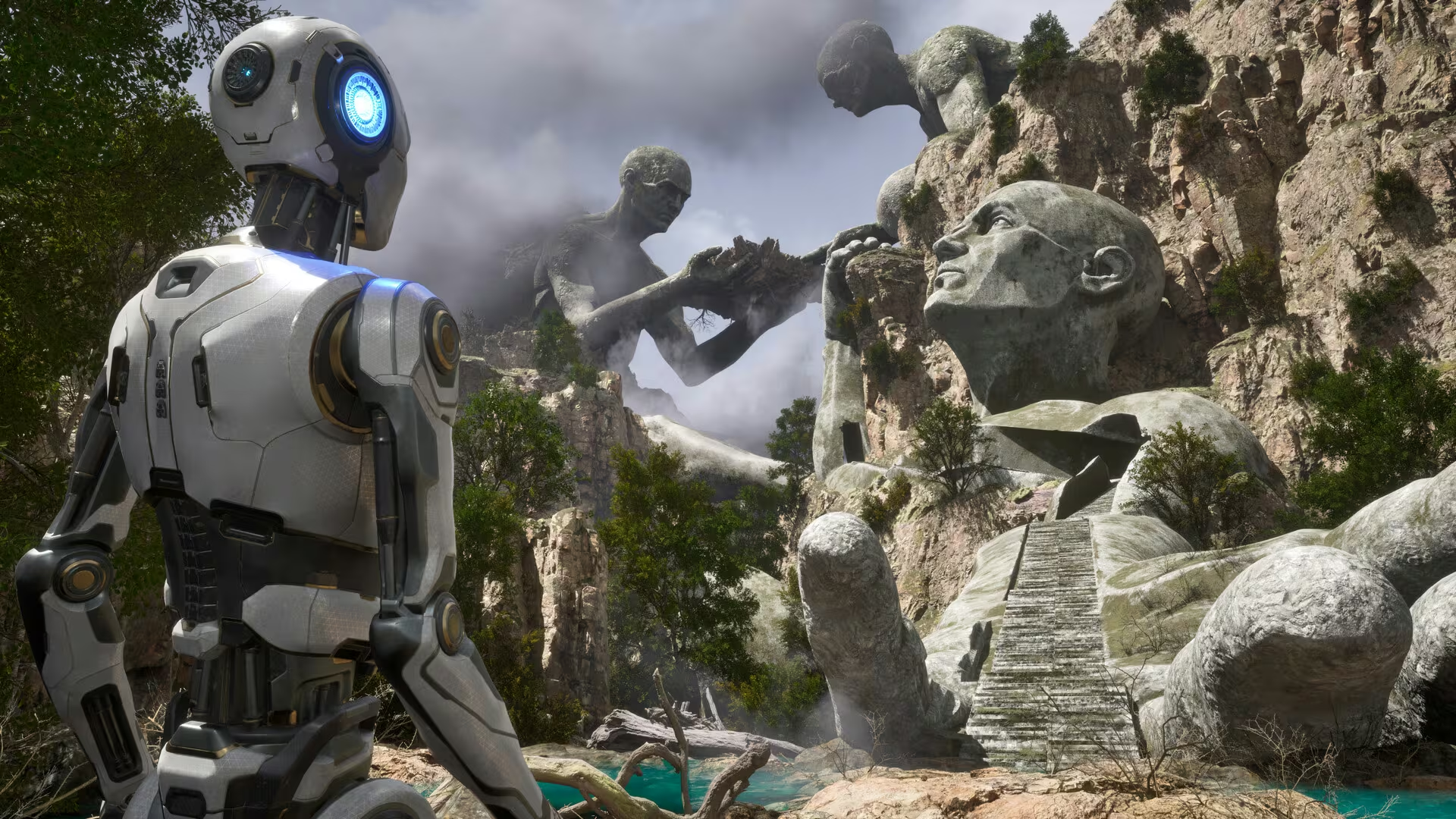
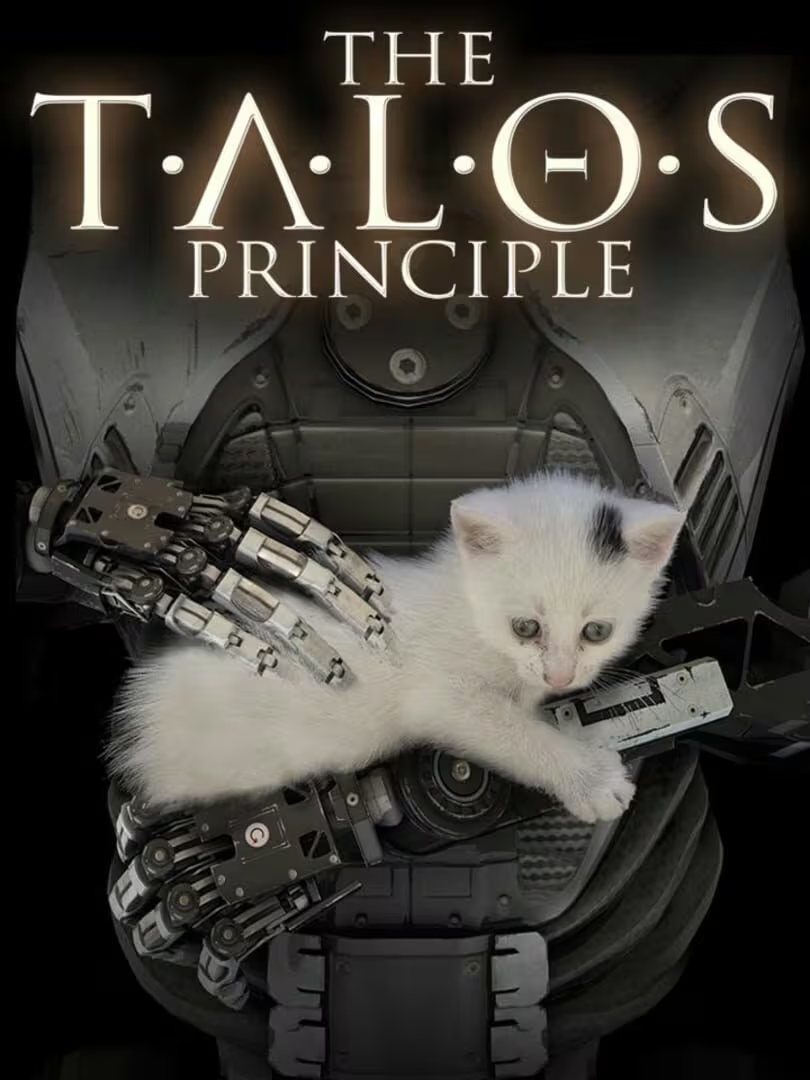
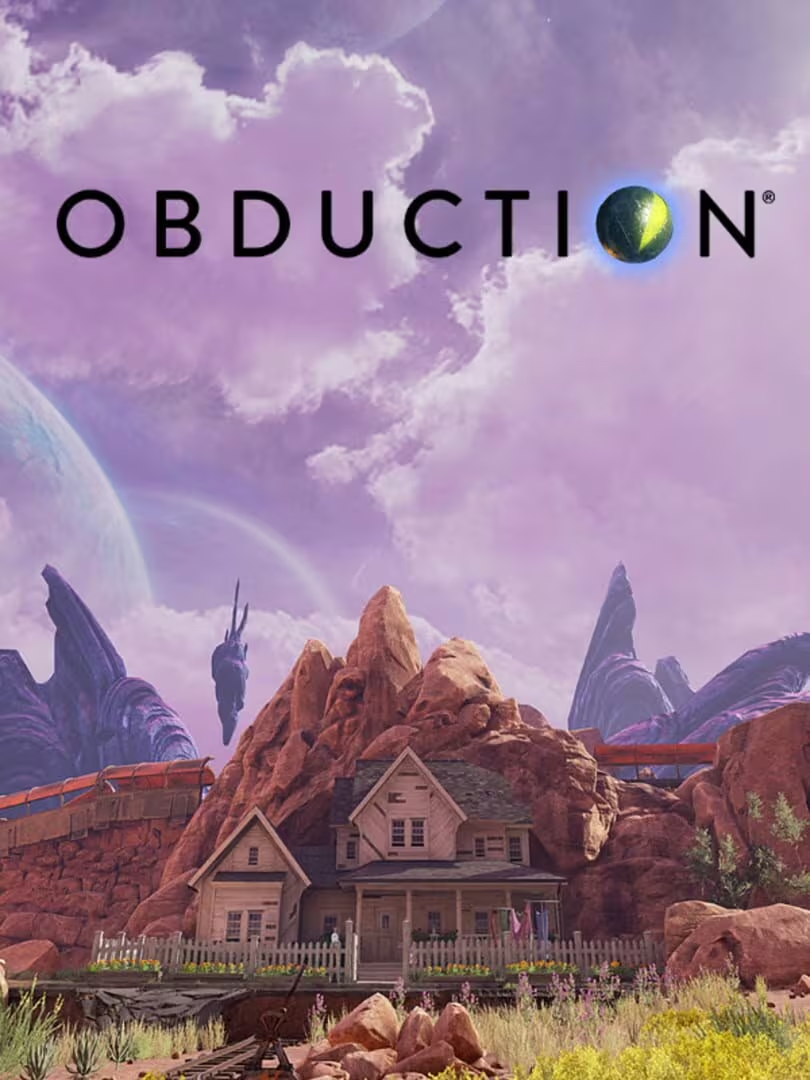
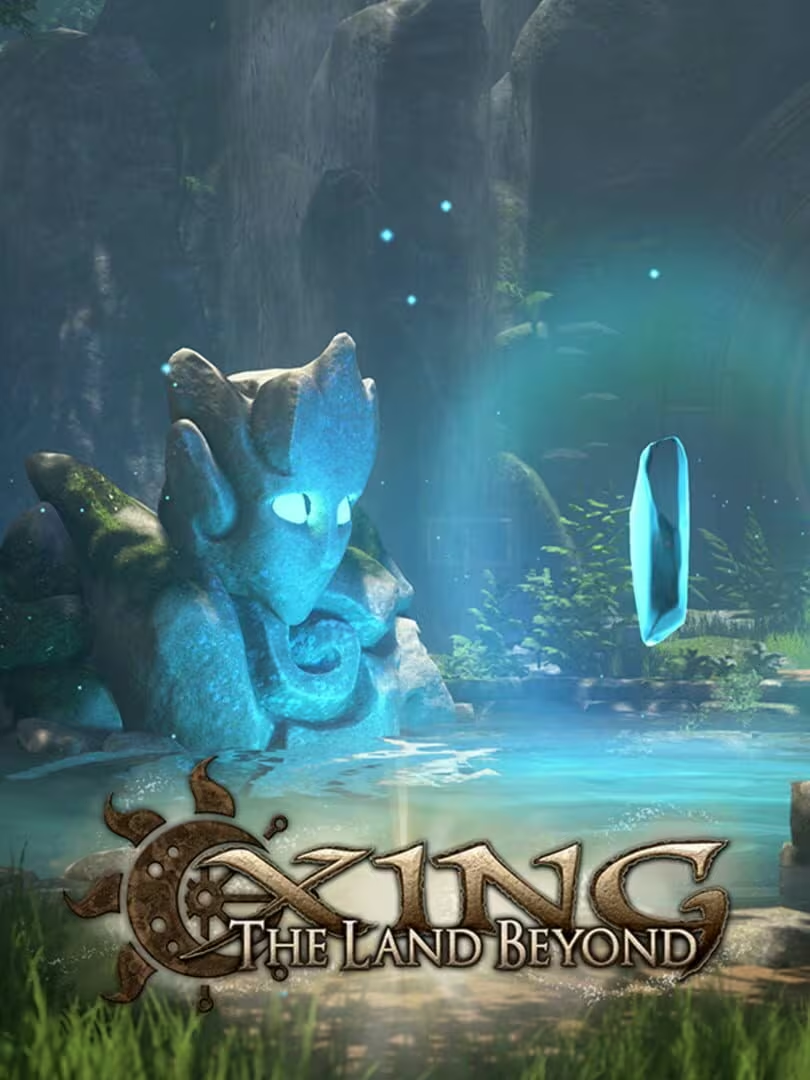
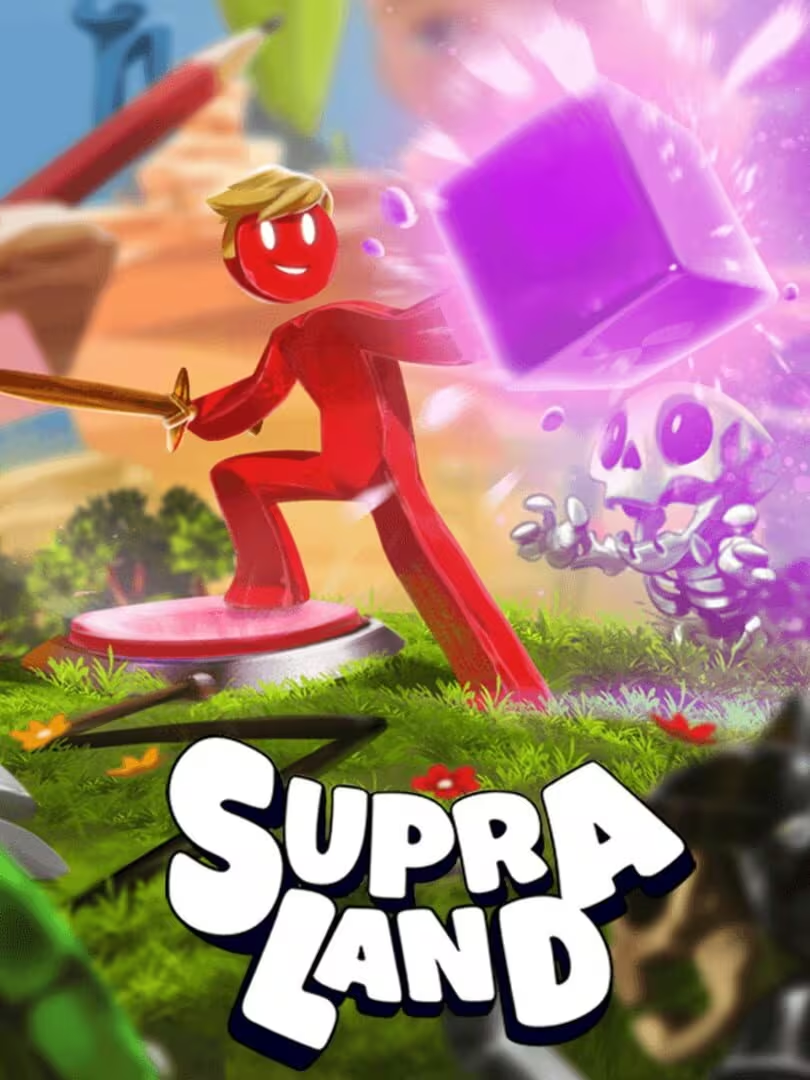
The Talos Principle 2 Thumbnail

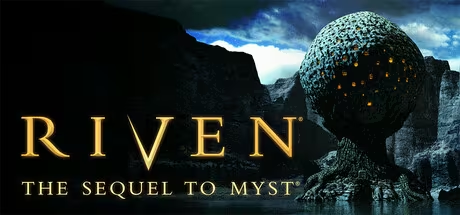
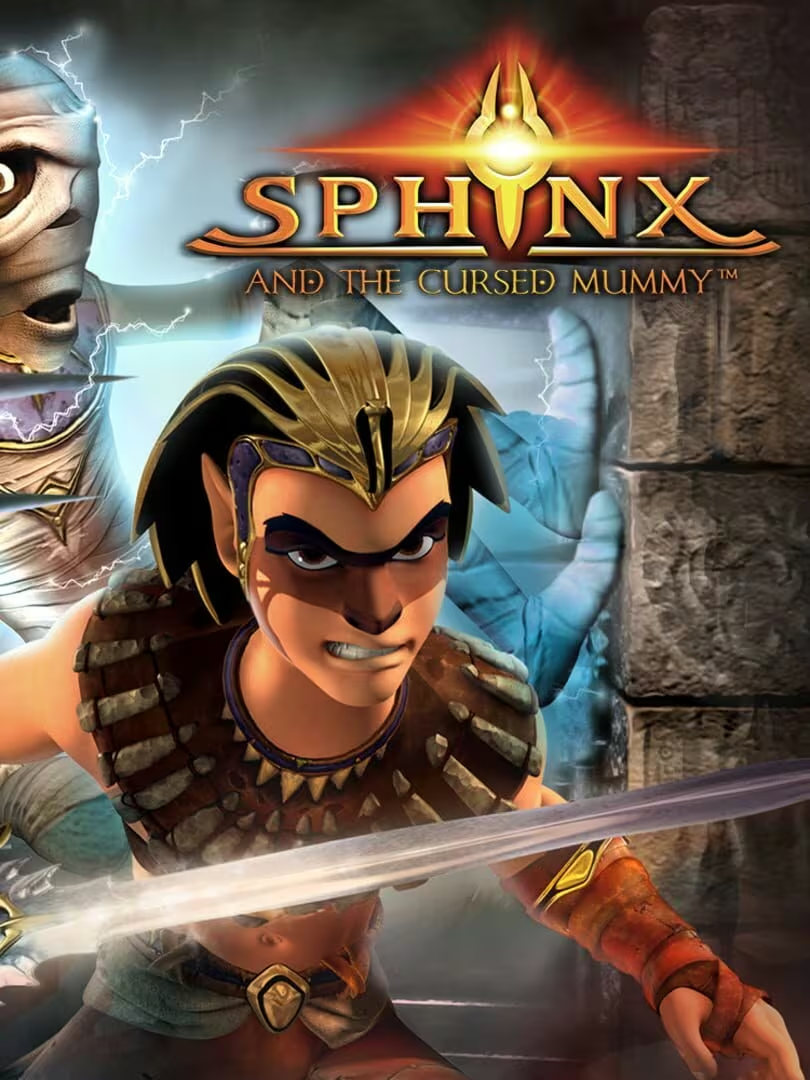
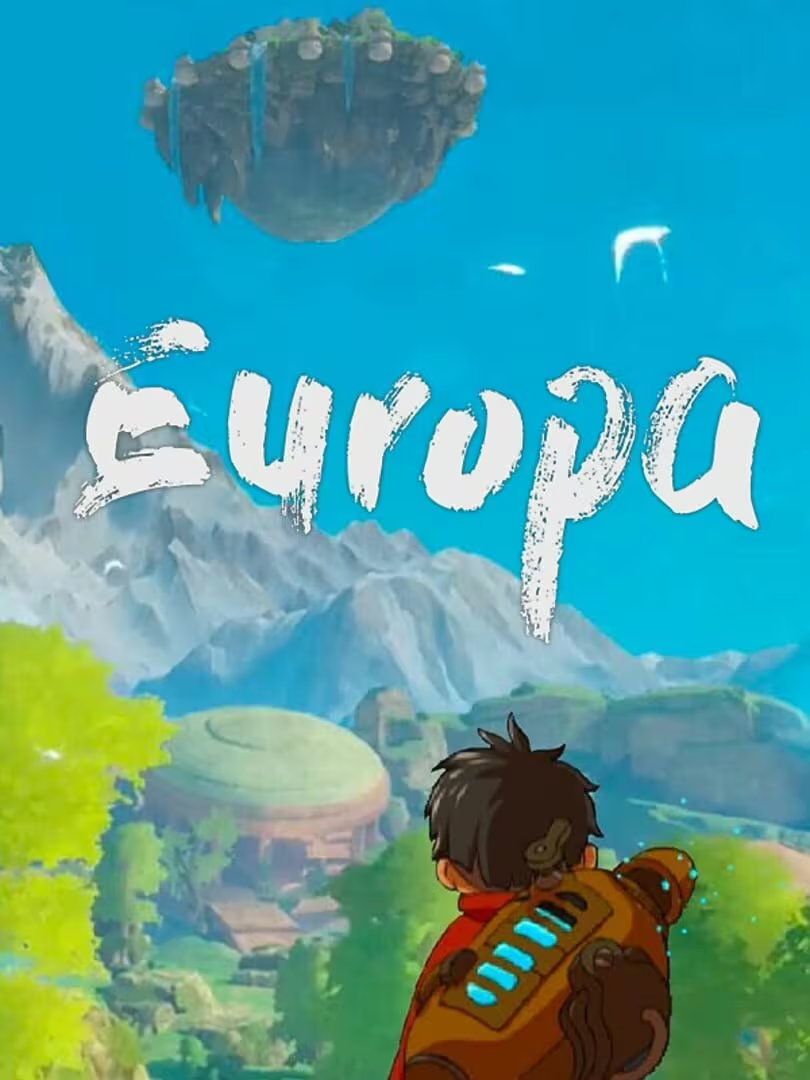
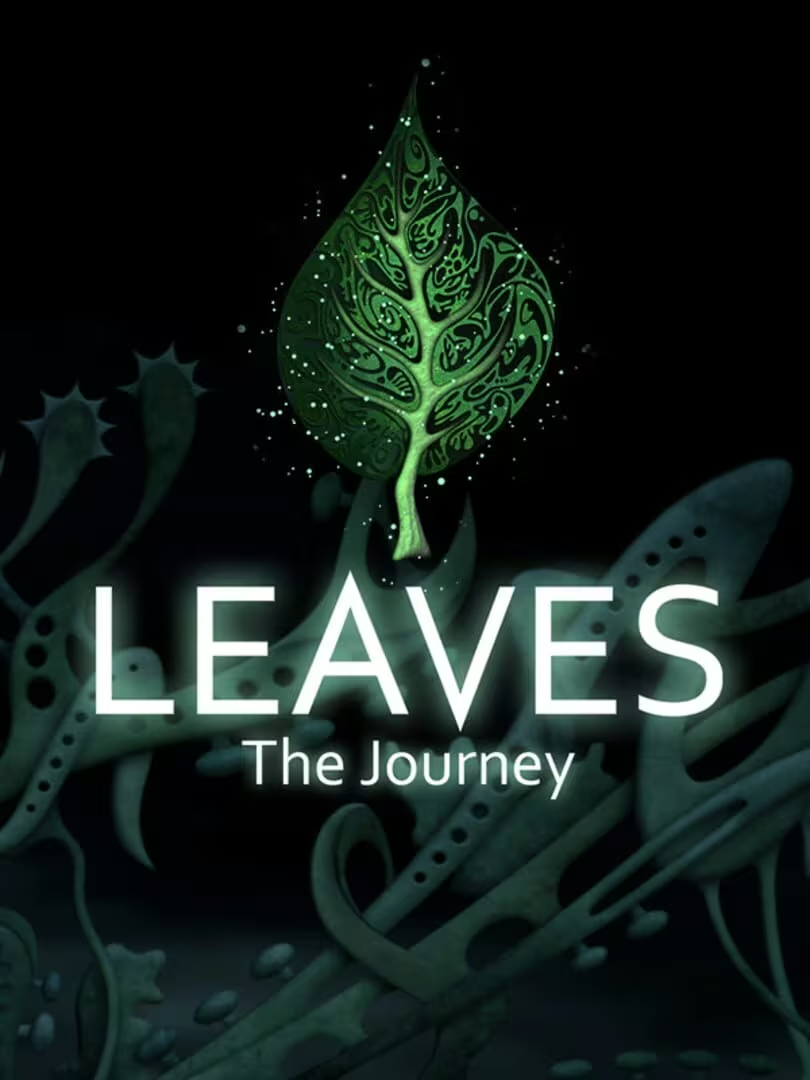
The Talos Principle 2 similar games & best alternatives
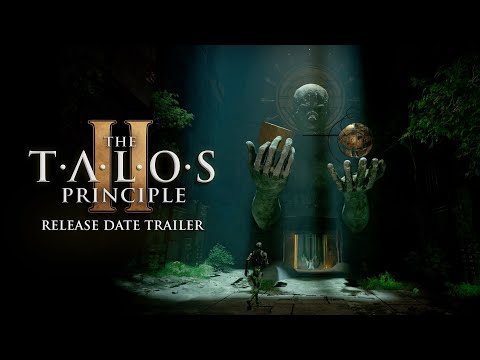
The Talos Principle 2

PC (Microsoft Windows), Xbox Series X|S, PlayStation 5 • 2023

Related articles

Quick resume

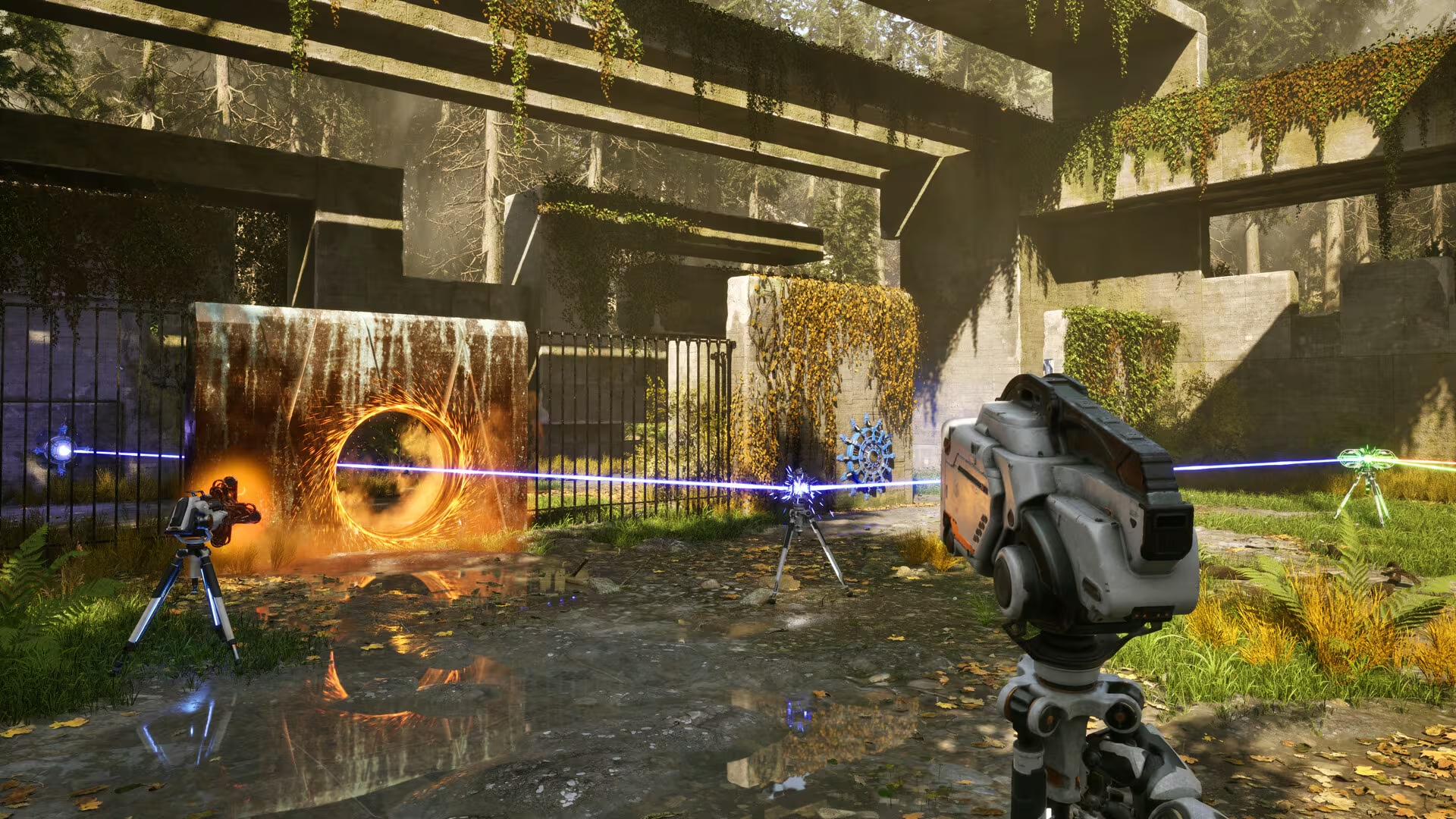
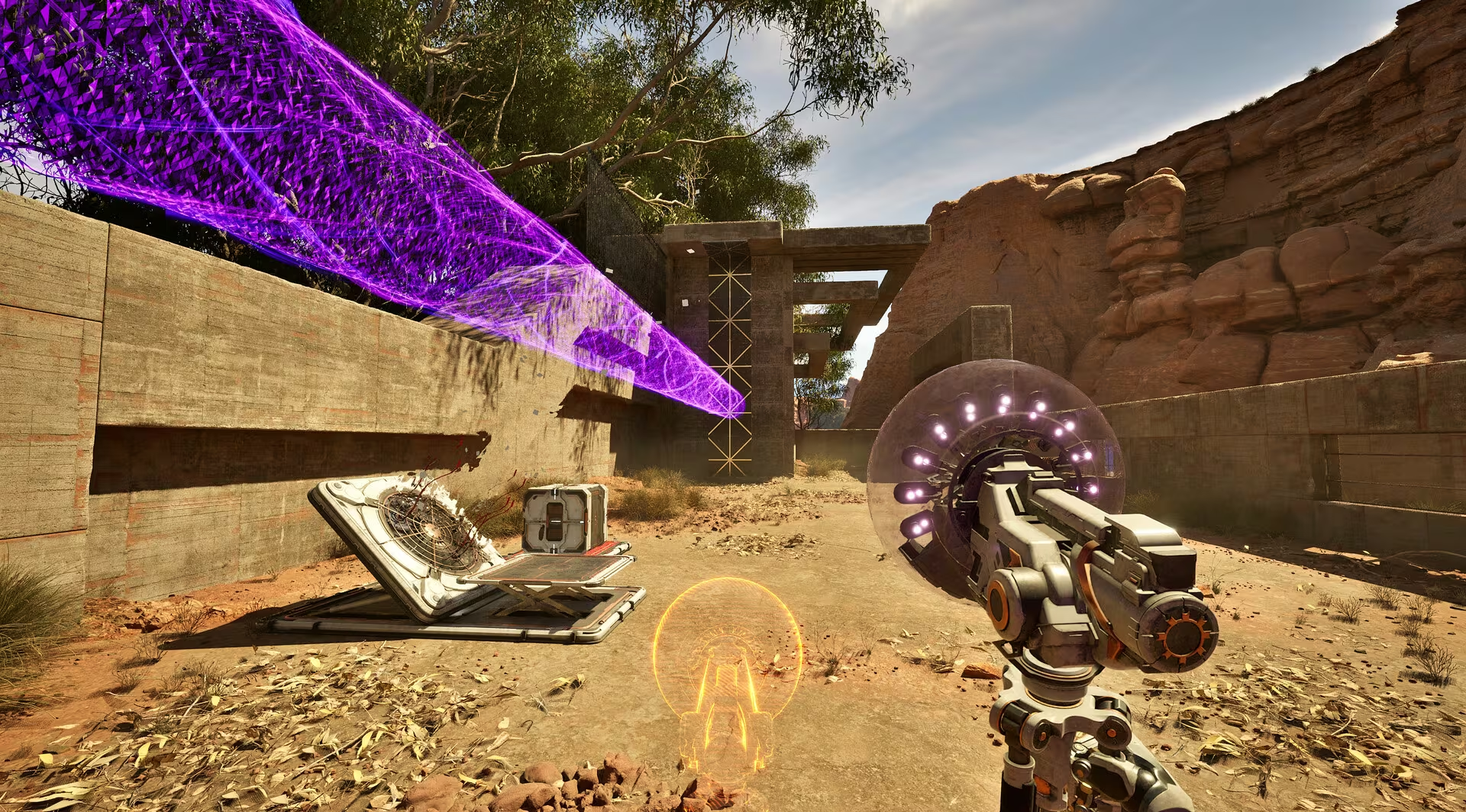
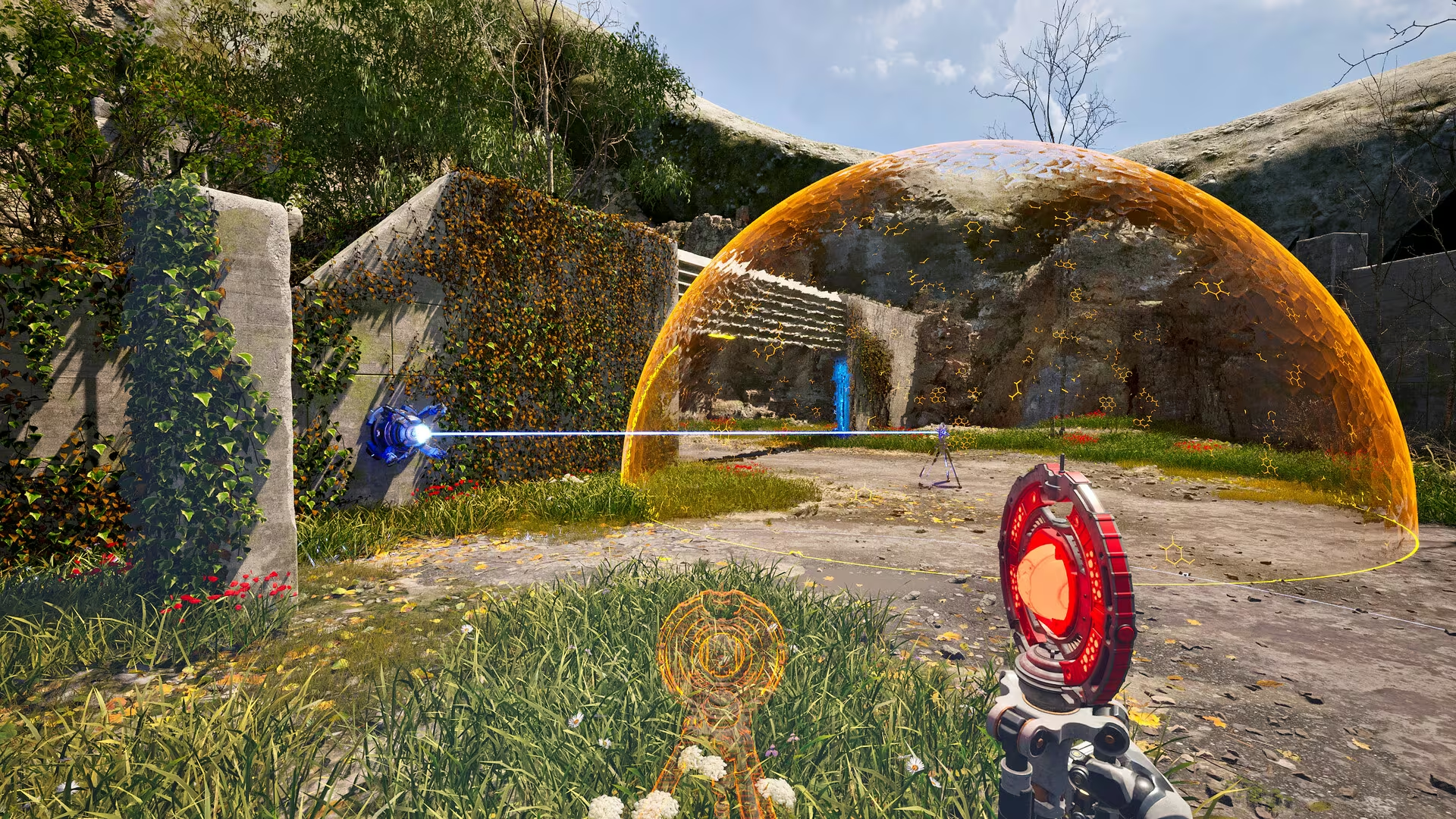
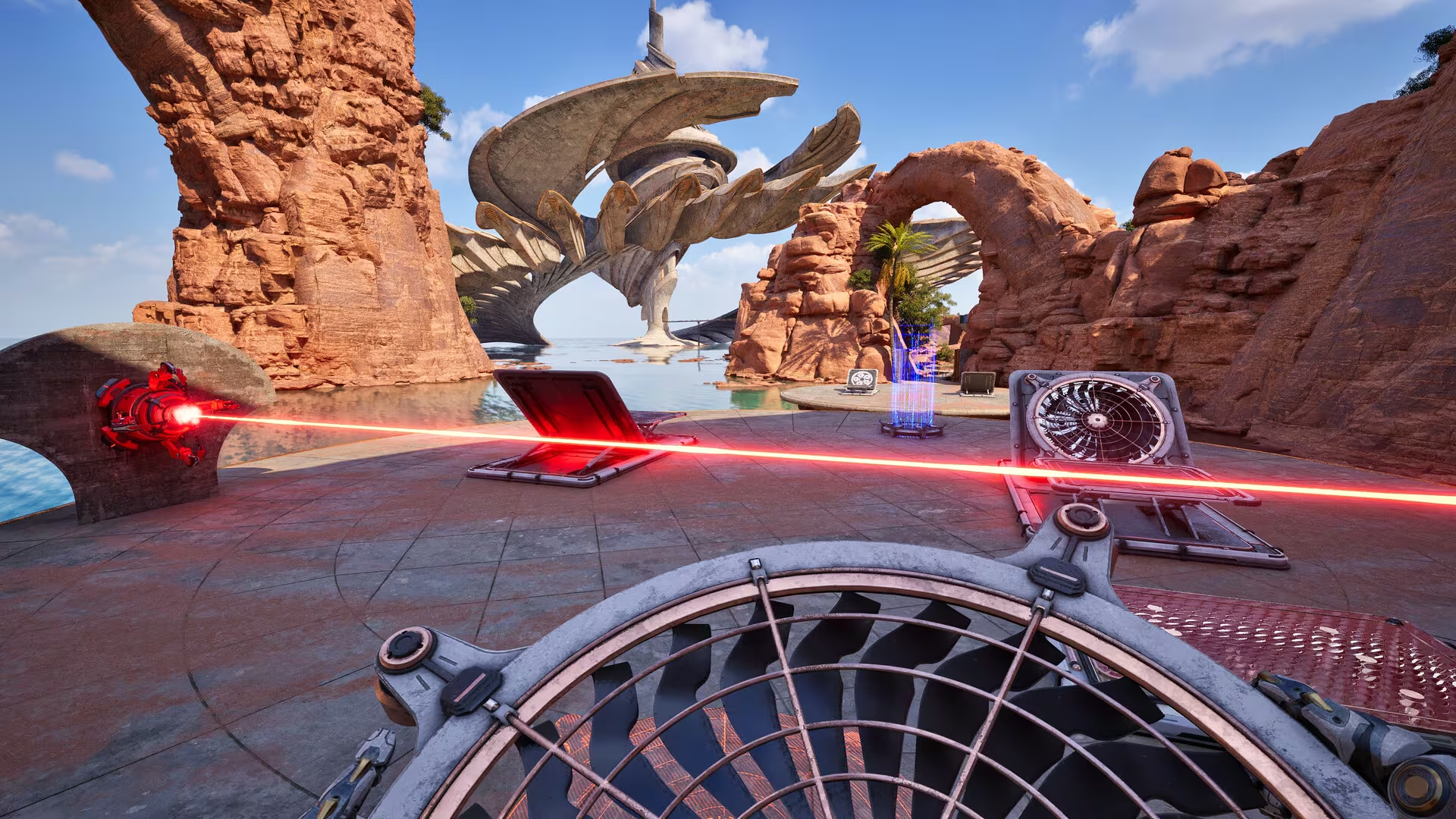
The Talos Principle 2 is a thought-provoking first-person puzzle experience that greatly expands on the first game's philosophical themes and stunning environments with increasingly mind-bending challenges.

Global score

95/100

Genres

Action, Adventure, Indie, Puzzle

Similar games

    Pros

    • Deep and challenging puzzles
    • Beautiful, expansive environments
    • Thought-provoking philosophical narrative
    • Highly polished and bug-free
    • Excellent soundtrack and voice acting

    Cons

    • Large maps require extensive walking
    • Some puzzles considered easier than first game
    • Story and dialogue not appealing to all
    • Performance demanding on some hardware
    • Limited avatar customization

    Analysis

    Broadly representative of its motivational profile, with a few distinct shifts. Motivations that often define this kind of title include Survival, Violence, Fellowship, Expression. Here, the score leans higher than usual among comparable games on Continuation, Strategy, Value.

    How to use the graph
    Similar games map

    Each dot is a game. They are arranged from the same motivation profile as in the “Motivations” section below. Closer dots usually mean more similar reasons to play (exploration, competition, relaxation, etc.)—not that one game is “better” than another.

    • Larger dot with a light outline: the game you are viewing.
    • Colour: groups of games with comparable motivation patterns (statistical clusters).
    • Hover a dot to see the game name; click to open its page.
    • Scroll or double-click the chart to zoom out and see more games.

    Why don’t the axes read like a score? This view uses t-SNE: it only keeps who is close to whom. The scales are not “good to bad” or hours played—they separate groups on the map. Read distance between dots, not the axis numbers.

    Motivations

    • Autonomy
      4

      "Players have freedom to explore large open-world environments, choose puzzle order, and make story decisions."

    • Competence
      3

      "Puzzles provide mental challenges with increasing complexity and new mechanics, rewarding problem solving."

    • Competition
      -4

      "Focus is on individual puzzle solving and personal progress without competitive elements or leaderboards."

    • Continuation
      4

      "Players report long play sessions, deep engagement, and desire to complete all puzzles and story content."

    • Cooperation
      -3

      "Gameplay is primarily single-player puzzle solving with limited social interaction, though story involves NPCs."

    • Creativity
      4

      "Players experiment with new puzzle mechanics and explore large environments, encouraging creative problem solving."

    • Domination
      -5

      "No evidence of exerting control over others; interactions are respectful and story-driven."

    • Escapism
      4

      "Players use the game to immerse themselves in philosophical themes and beautiful worlds, escaping real life."

    • Expectation
      -4

      "Players engage voluntarily out of intrinsic interest and love for the series and puzzle genre."

    • Experimenting
      4

      "Game encourages trying new puzzle mechanics and exploring environments in novel ways."

    • Exploration
      5

      "Large, detailed worlds with secrets and collectibles encourage curiosity-driven exploration."

    • Expression
      -2

      "Limited customization options; some desire for more avatar personalization but mostly standardized presentation."

    • Fantasy
      3

      "Fictional sci-fi setting with philosophical narrative and robot characters, blending imaginative elements."

    • Fellowship
      -3

      "Primarily solo play with minimal social connection; some story-driven NPC interactions but no multiplayer."

    • Growth
      4

      "Players develop problem-solving skills and engage with complex philosophical ideas, promoting learning."

    • Health
      -4

      "Sedentary gameplay with no physical activity or health-related features."

    • Idle
      -3

      "Requires focused attention and sustained engagement to solve puzzles and follow story."

    • Intimacy
      -4

      "Limited to surface-level interactions with NPCs; no evidence of close relationship formation."

    • Leadership
      -5

      "No leadership or group management roles; gameplay is individual and self-directed."

    • Progression
      3

      "Players accumulate puzzle completions, unlock new areas and story content, and collect stars."

    • Relaxation
      3

      "Calming music and exploration balance puzzle challenge, providing moments of flow and relaxation."

    • Sensation
      3

      "Beautiful visuals and soundtrack provide sensory stimulation and emotional enjoyment."

    • Status
      -4

      "Achievements and progress are personal; no social recognition or competitive status systems."

    • Story
      4

      "Strong narrative immersion with philosophical themes, character interactions, and multiple endings."

    • Strategy
      4

      "Puzzles require logical reasoning, planning, and problem solving with evolving mechanics."

    • Thrill
      -2

      "Game emphasizes thoughtful challenge over suspense or risk; low emotional tension."

    • Value
      5

      "Players perceive excellent value for price with high quality, content, and polish."

    • Violence
      -5

      "No violent or destructive gameplay; focus is on constructive puzzle solving and exploration."

    • Survival
      -5

      "No survival or threat avoidance mechanics; stable, low-risk gameplay environment."

    Last update: 29/04/2026