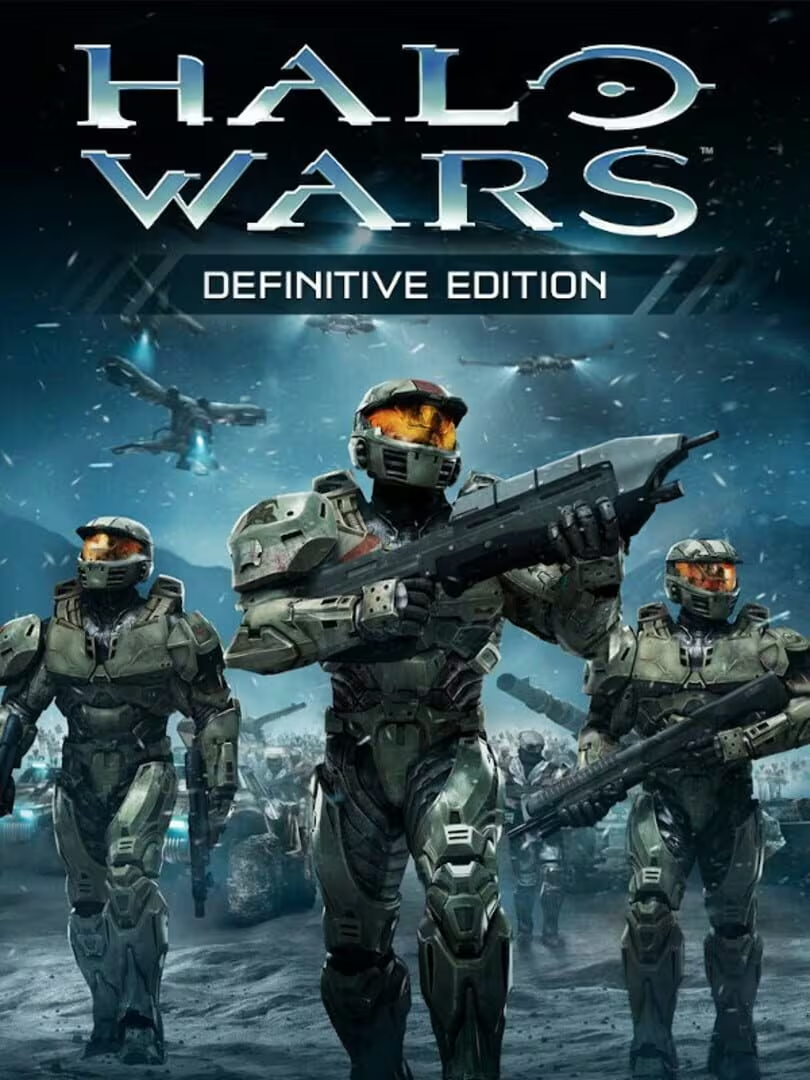
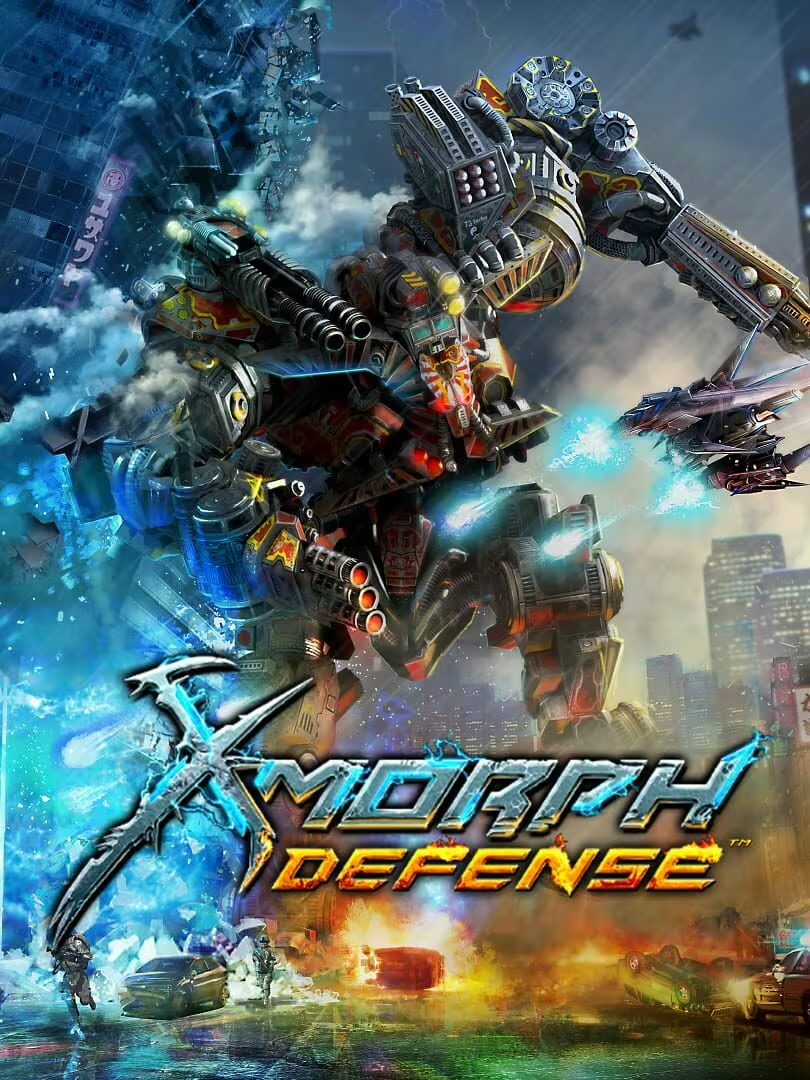
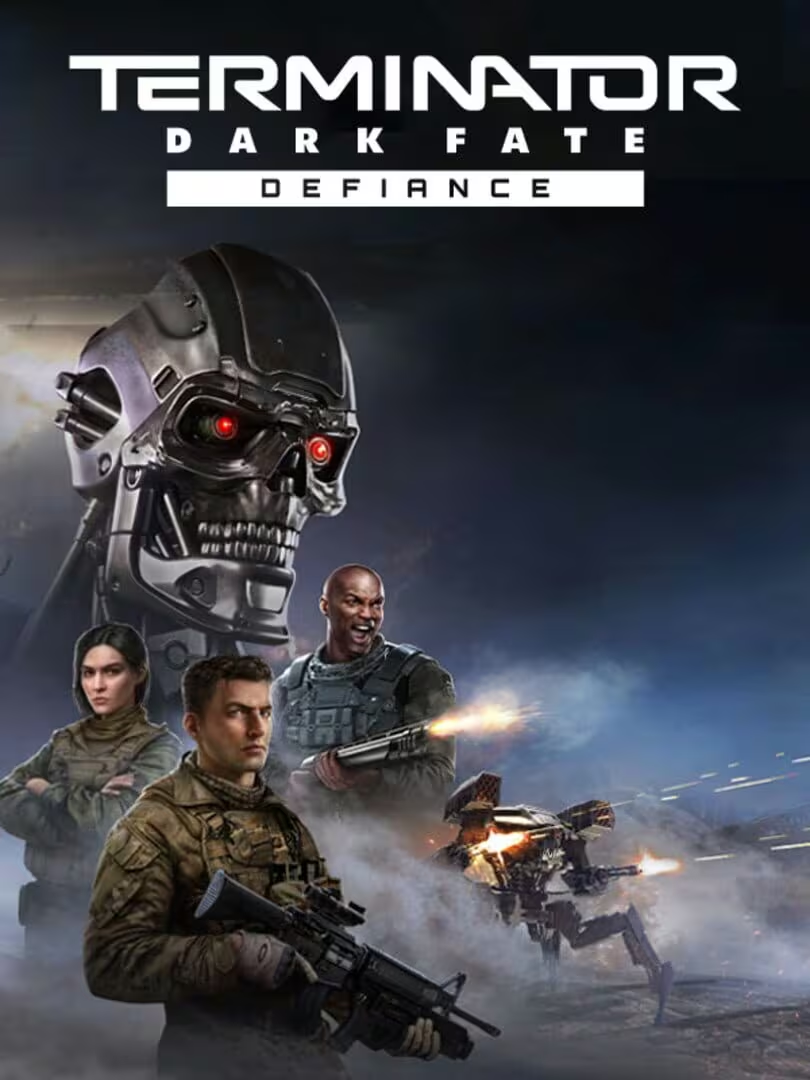
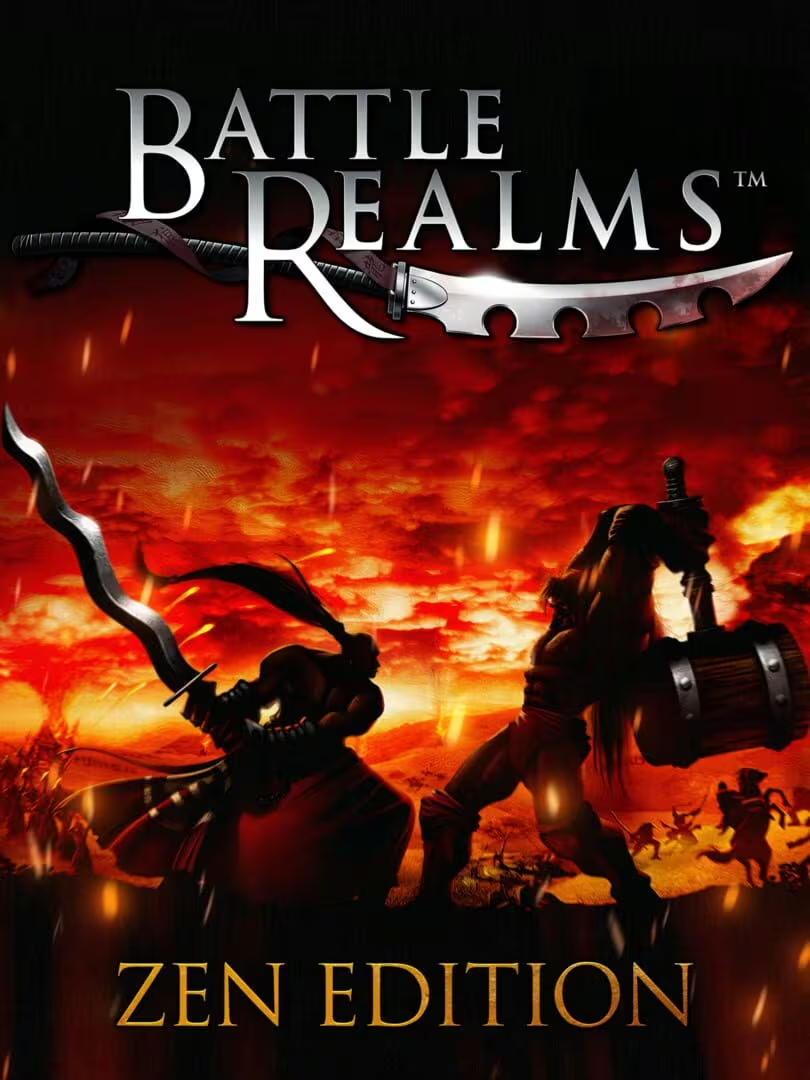
Command & Conquer 3 Tiberium Wars™ Thumbnail

Command & Conquer 3 Tiberium Wars™ similar games & best alternatives
Command & Conquer 3 Tiberium Wars™

PC (Microsoft Windows), Xbox 360, Mac • 2009

Related articles

Quick resume

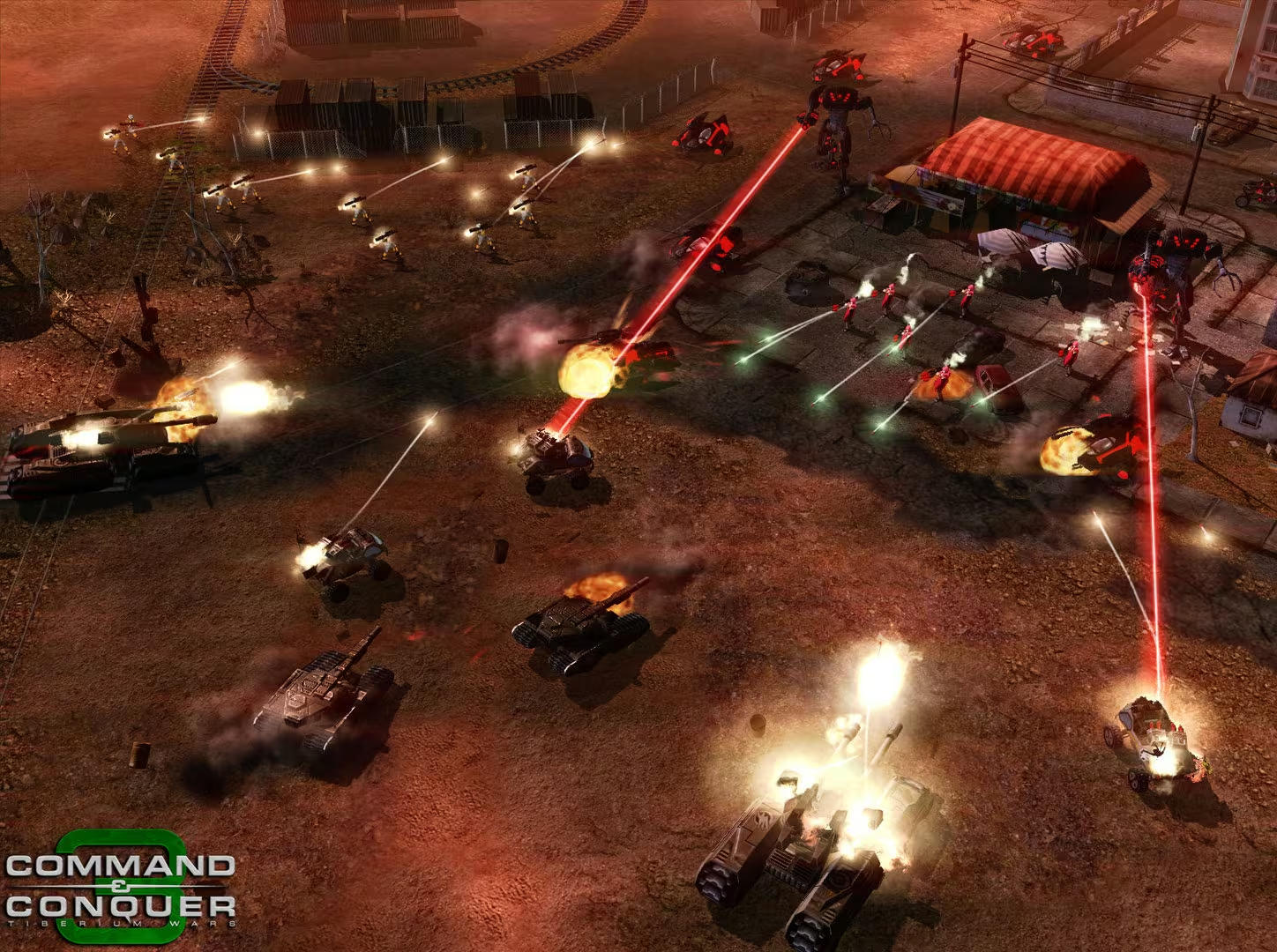
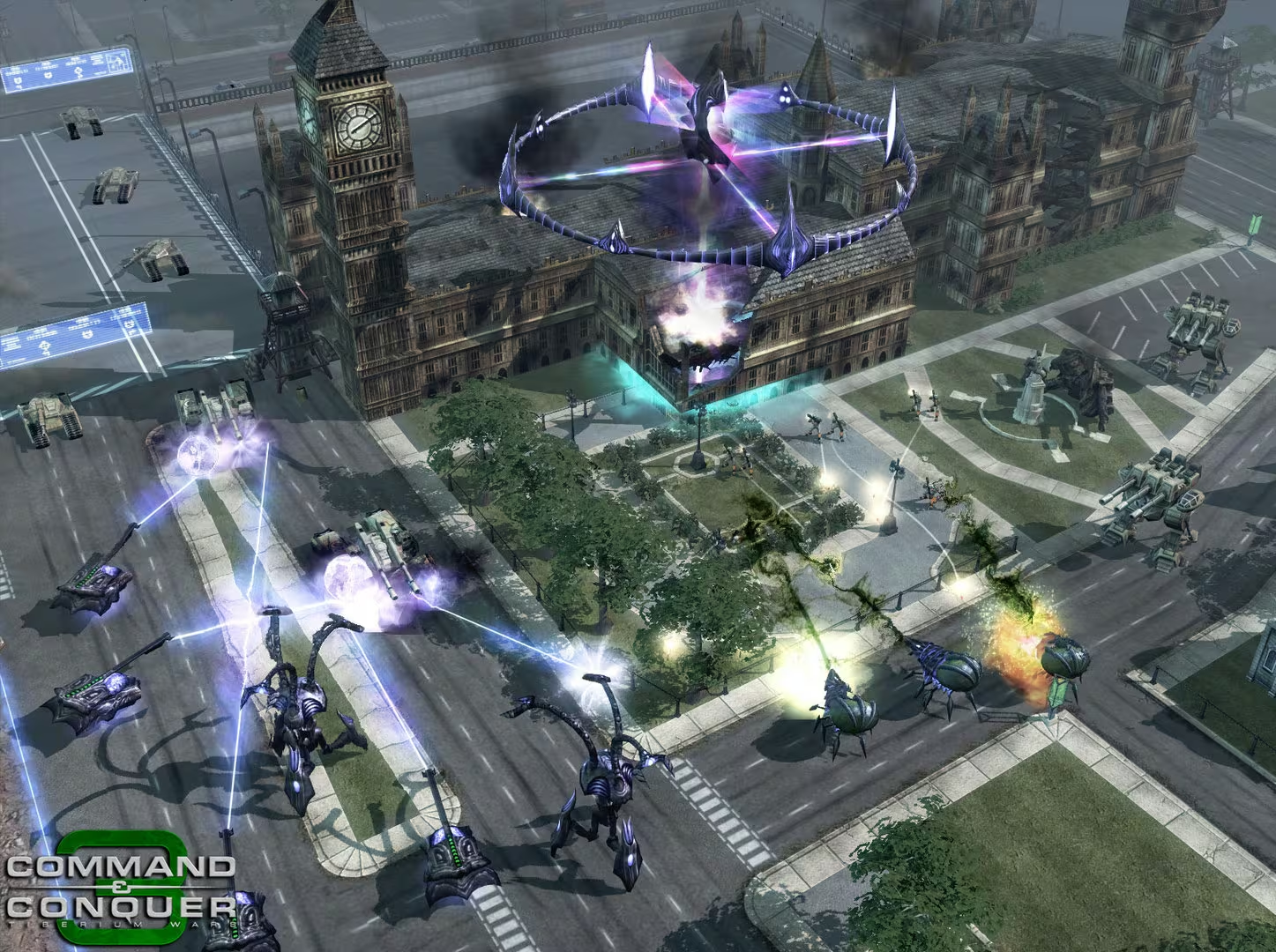
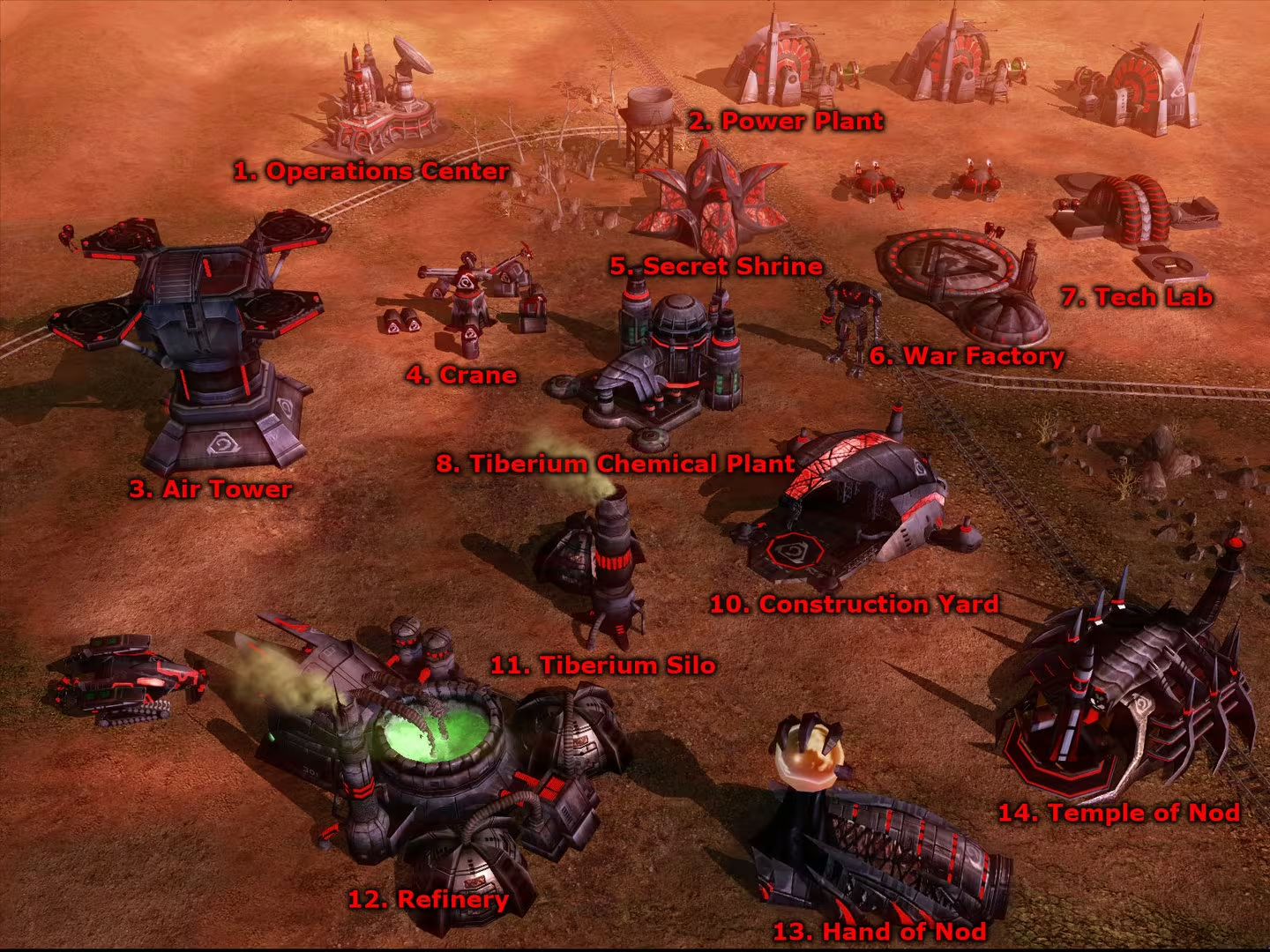
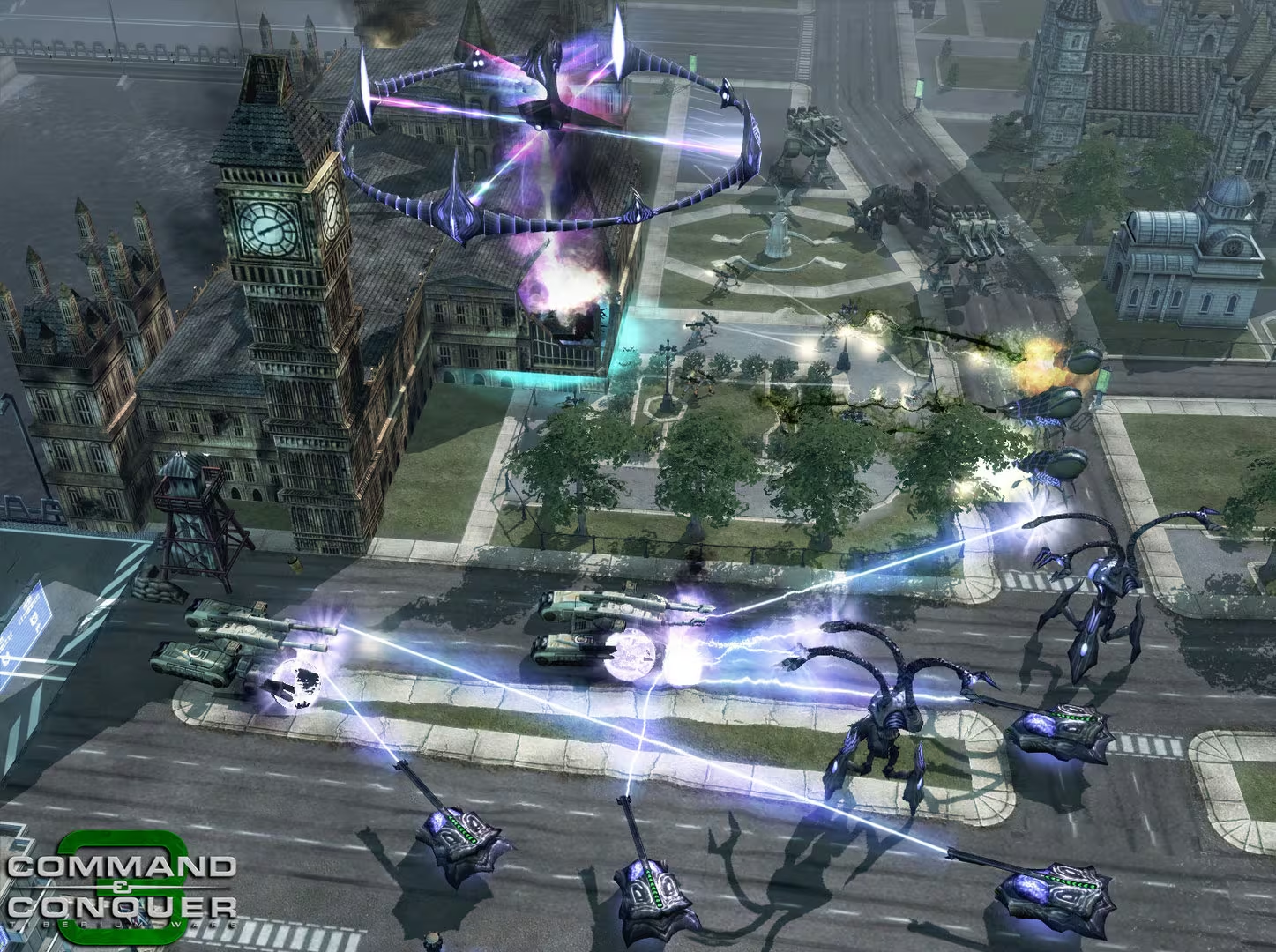
The year is 2047. A massive nuclear fireball explodes high in the night sky, marking the dramatic beginning of the Third Tiberium War and the long-awaited return of the most groundbreaking Real-Time Strategy franchise of all time

Global score

90/100

Genres

Action, Strategy, Real Time Strategy (RTS), Simulator

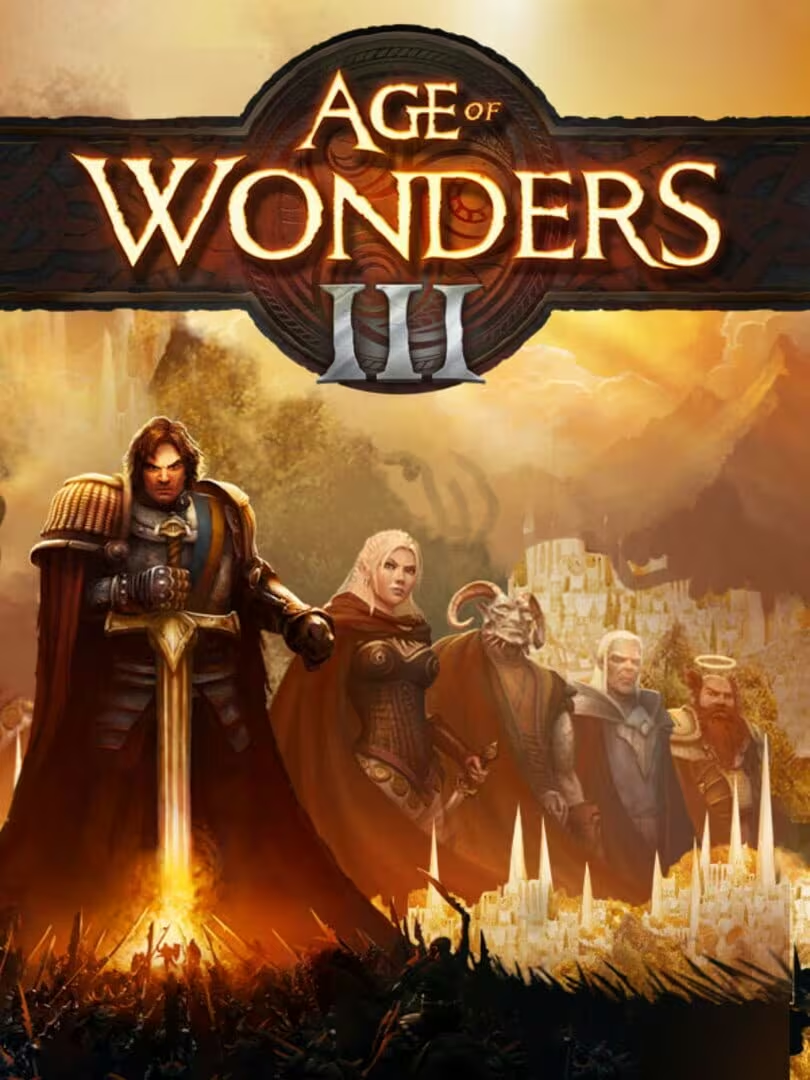
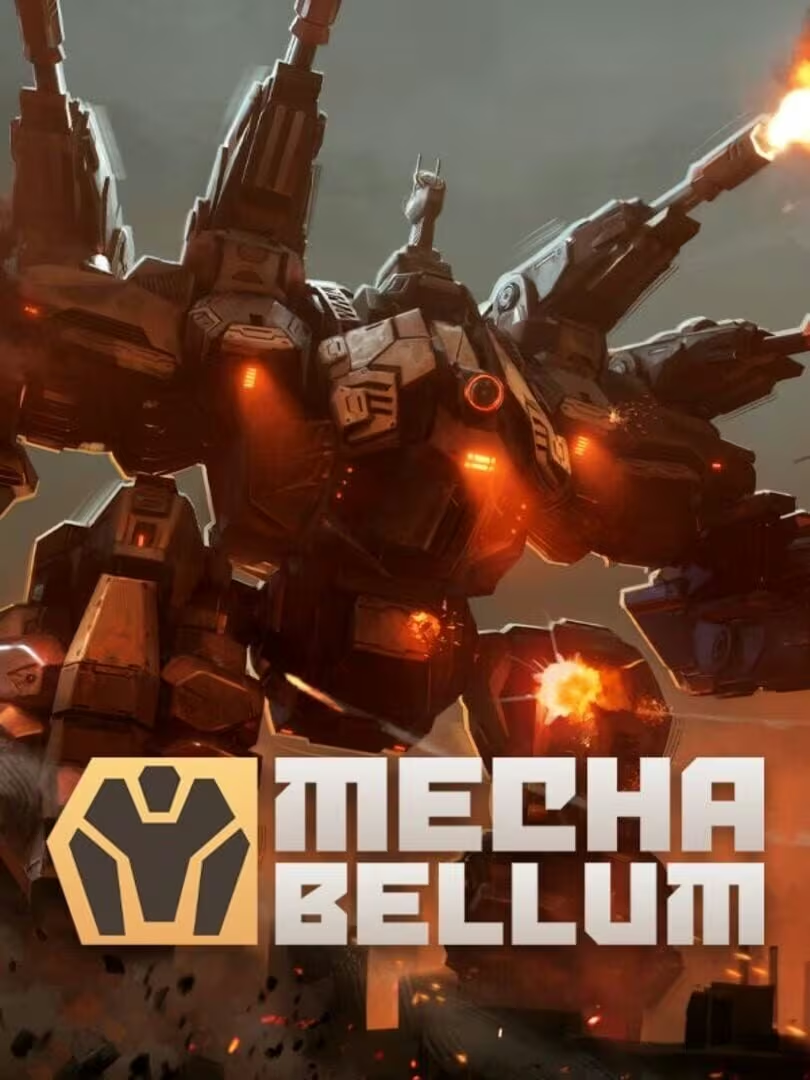
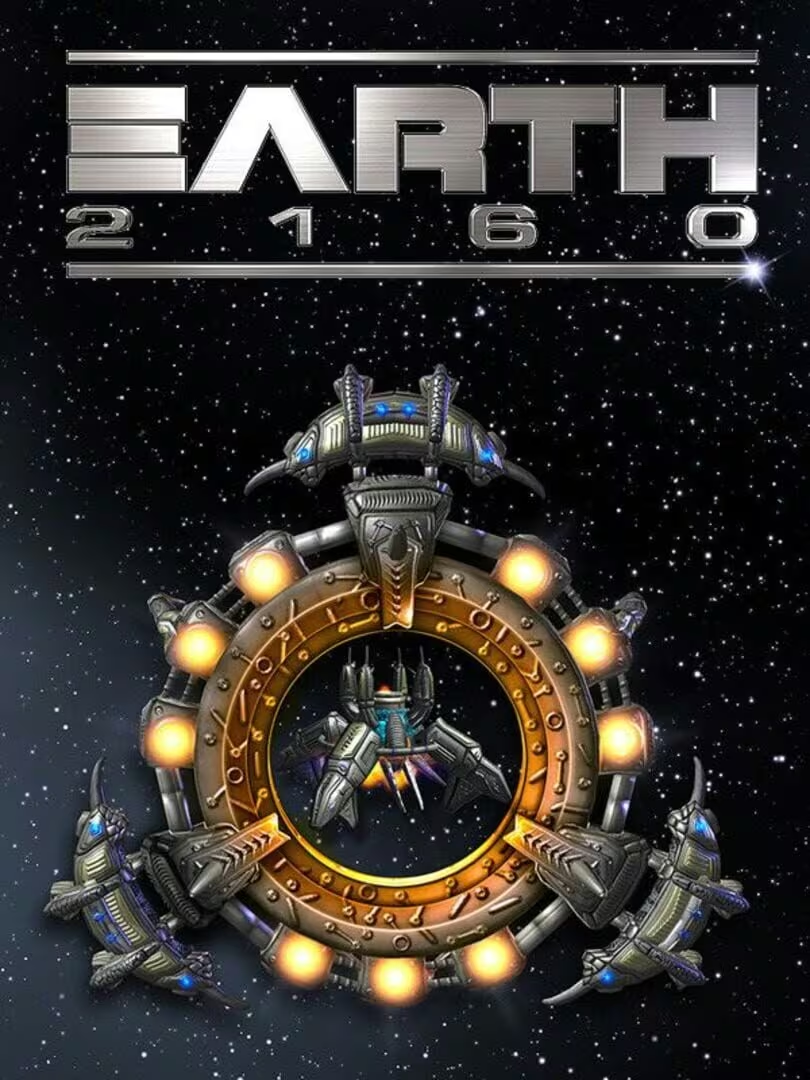
Similar games

    Pros

    • Engaging campaigns with strong story and live-action cutscenes
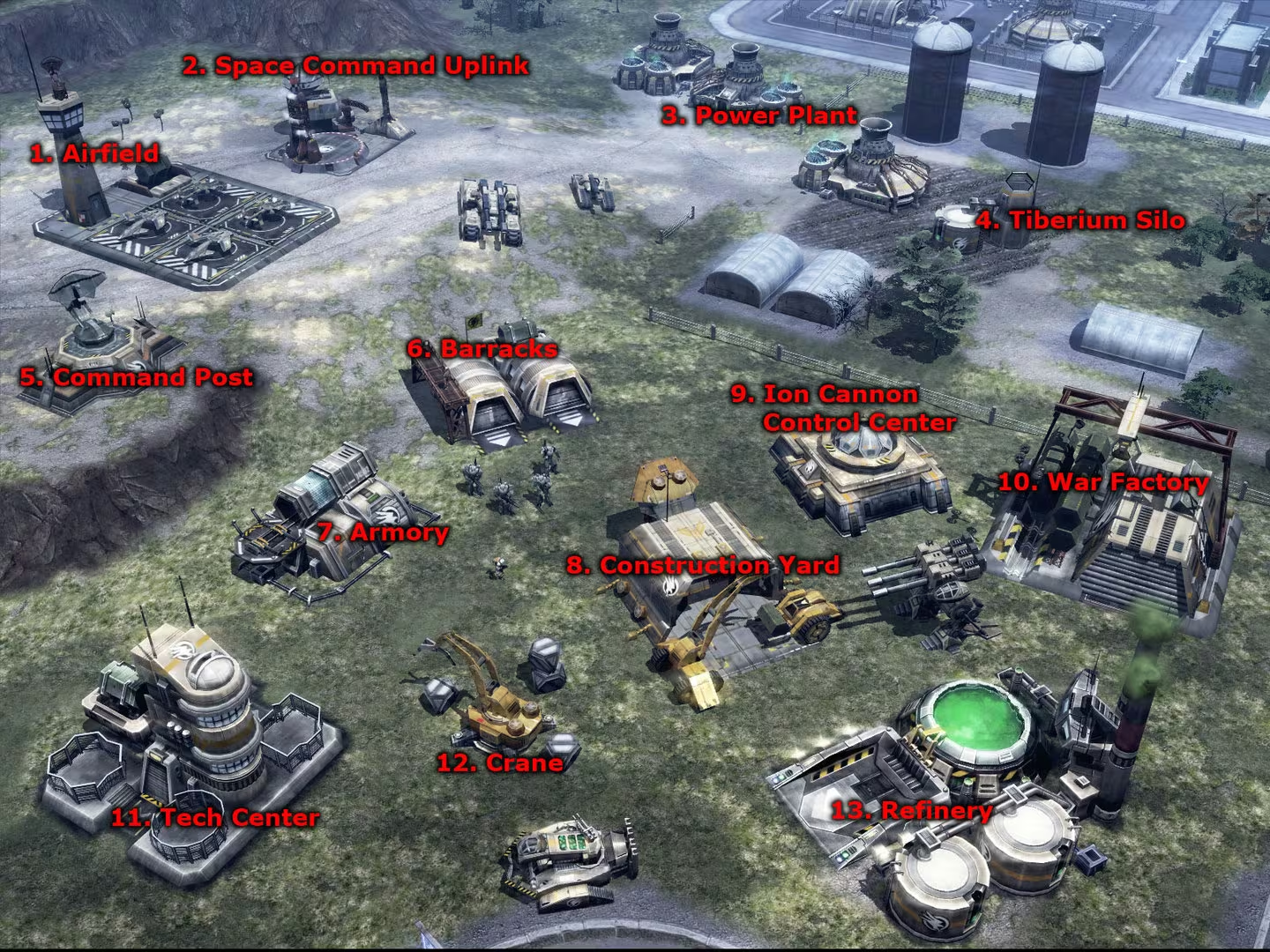
    • Three distinct factions with unique units and strategies
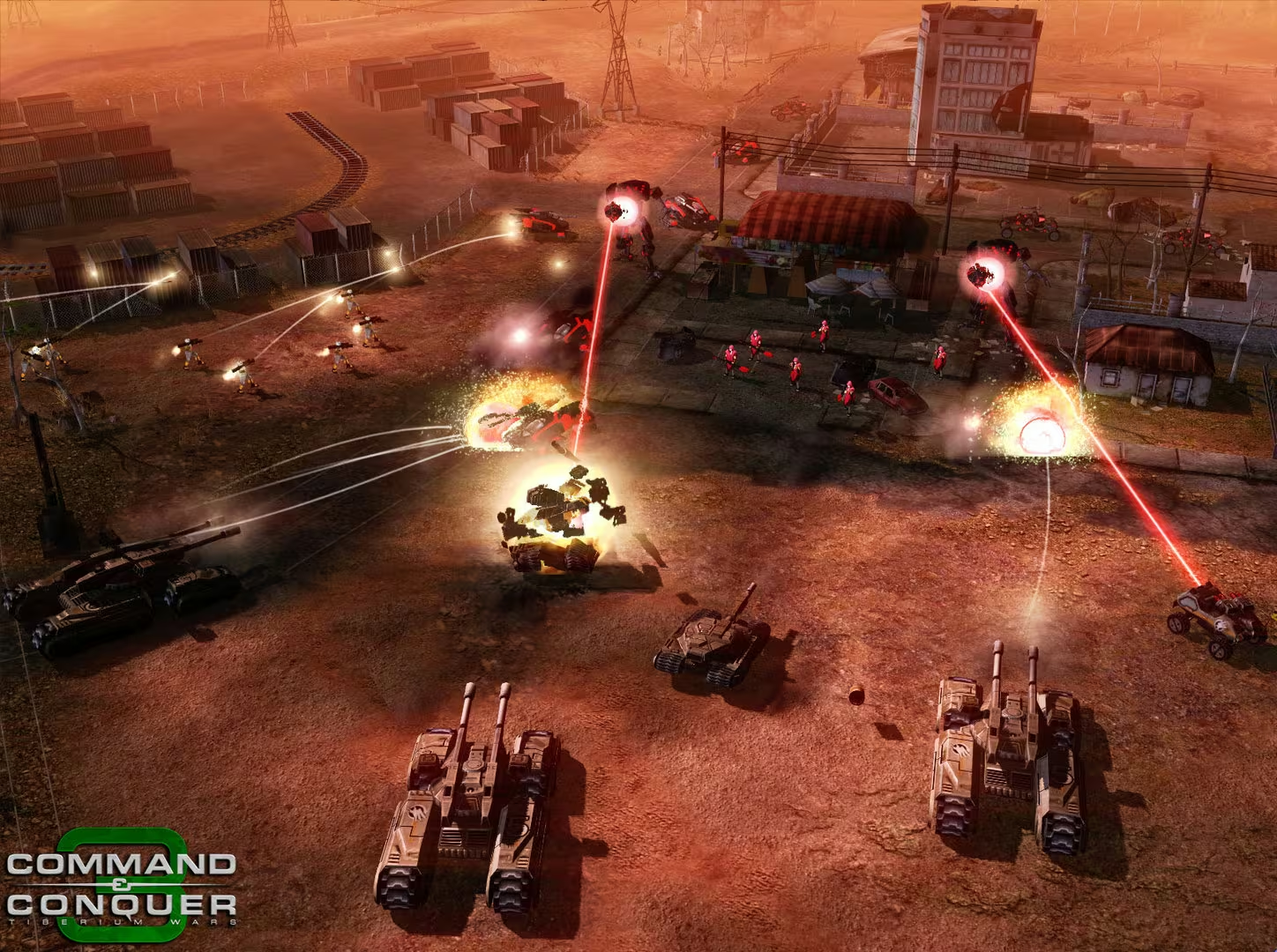
    • No unit limits allowing large-scale battles
    • Active modding community and map editor
    • Balanced and challenging ai

    Cons

    • Multiplayer servers officially shut down, requiring third-party solutions
    • Some ai quirks and difficulty spikes in campaign
    • Occasional pathfinding and unit control issues
    • Limited character customization
    • Windows 10 compatibility issues for some users

    Analysis

    Broadly representative of its motivational profile, with a few distinct shifts. Motivations that often define this kind of title include Competition, Fellowship, Domination, Status. Here, the score leans higher than usual among comparable games on Story. It leans lower than usual among comparable games on Intimacy, Relaxation.

    How to use the graph
    Similar games map

    Each dot is a game. They are arranged from the same motivation profile as in the “Motivations” section below. Closer dots usually mean more similar reasons to play (exploration, competition, relaxation, etc.)—not that one game is “better” than another.

    • Larger dot with a light outline: the game you are viewing.
    • Colour: groups of games with comparable motivation patterns (statistical clusters).
    • Hover a dot to see the game name; click to open its page.
    • Scroll or double-click the chart to zoom out and see more games.

    Why don’t the axes read like a score? This view uses t-SNE: it only keeps who is close to whom. The scales are not “good to bad” or hours played—they separate groups on the map. Read distance between dots, not the axis numbers.

    Motivations

    • Autonomy
      4

      "Players have freedom to build bases, choose factions, and direct their own strategies with no unit limits."

    • Competence
      4

      "Game offers challenging AI, skill-based unit management, and strategic depth requiring player skill."

    • Competition
      3

      "Includes multiplayer with ranked modes and community servers, encouraging competition among players."

    • Continuation
      4

      "Players report hundreds of hours played, with modding and custom maps extending longevity."

    • Cooperation
      1

      "Some multiplayer and team play possible, but mostly focused on individual control and objectives."

    • Creativity
      2

      "Map editor and mod support allow creation and customization beyond base game content."

    • Domination
      2

      "Competitive multiplayer and faction warfare imply exerting superiority over opponents."

    • Escapism
      3

      "Players use the game to immerse in a sci-fi war setting, escaping real life through engaging campaigns."

    • Expectation
      -3

      "Players engage voluntarily out of interest and nostalgia, not obligation or external pressure."

    • Experimenting
      3

      "Varied factions, unit abilities, and modding encourage trying new tactics and strategies."

    • Exploration
      1

      "Campaigns and maps offer some discovery, but mostly structured RTS environments."

    • Expression
      1

      "Limited character customization, but modding and map editing provide some self-expression."

    • Fantasy
      4

      "Fictional sci-fi setting with aliens, futuristic tech, and supernatural elements."

    • Fellowship
      2

      "Community and multiplayer foster social connections, though many play solo or skirmish."

    • Growth
      3

      "Players develop strategic skills and learn faction strengths; units gain experience and level up."

    • Health
      -4

      "Typical sedentary gameplay with no physical activity involved."

    • Idle
      -3

      "Requires focused attention and continuous engagement during matches."

    • Intimacy
      -4

      "Social interactions are mostly surface-level multiplayer; no emphasis on close relationships."

    • Leadership
      3

      "Players command armies and make strategic decisions, leading their forces to victory."

    • Progression
      4

      "Players accumulate units, upgrades, and unlock new abilities through gameplay and campaigns."

    • Relaxation
      -2

      "Fast-paced and challenging gameplay creates tension rather than relaxation."

    • Sensation
      3

      "Engaging visuals, sound effects, and music provide stimulating sensory experience."

    • Status
      2

      "Multiplayer rankings and community recognition offer social status opportunities."

    • Story
      4

      "Strong narrative with live-action cutscenes and engaging campaigns for multiple factions."

    • Strategy
      5

      "Core gameplay revolves around tactical planning, resource management, and countering opponents."

    • Thrill
      3

      "Intense battles and risk of losing units create suspense and excitement."

    • Value
      4

      "High replay value with campaigns, multiplayer, and modding offers good return on investment."

    • Violence
      4

      "Combat-focused gameplay with destruction of units and bases central to experience."

    • Survival
      3

      "Players must manage resources and defend bases to avoid defeat and stay alive."

    Last update: 29/04/2026