Supreme Commander similar games & best alternatives
Supreme Commander
2011
Related articles
Quick resume
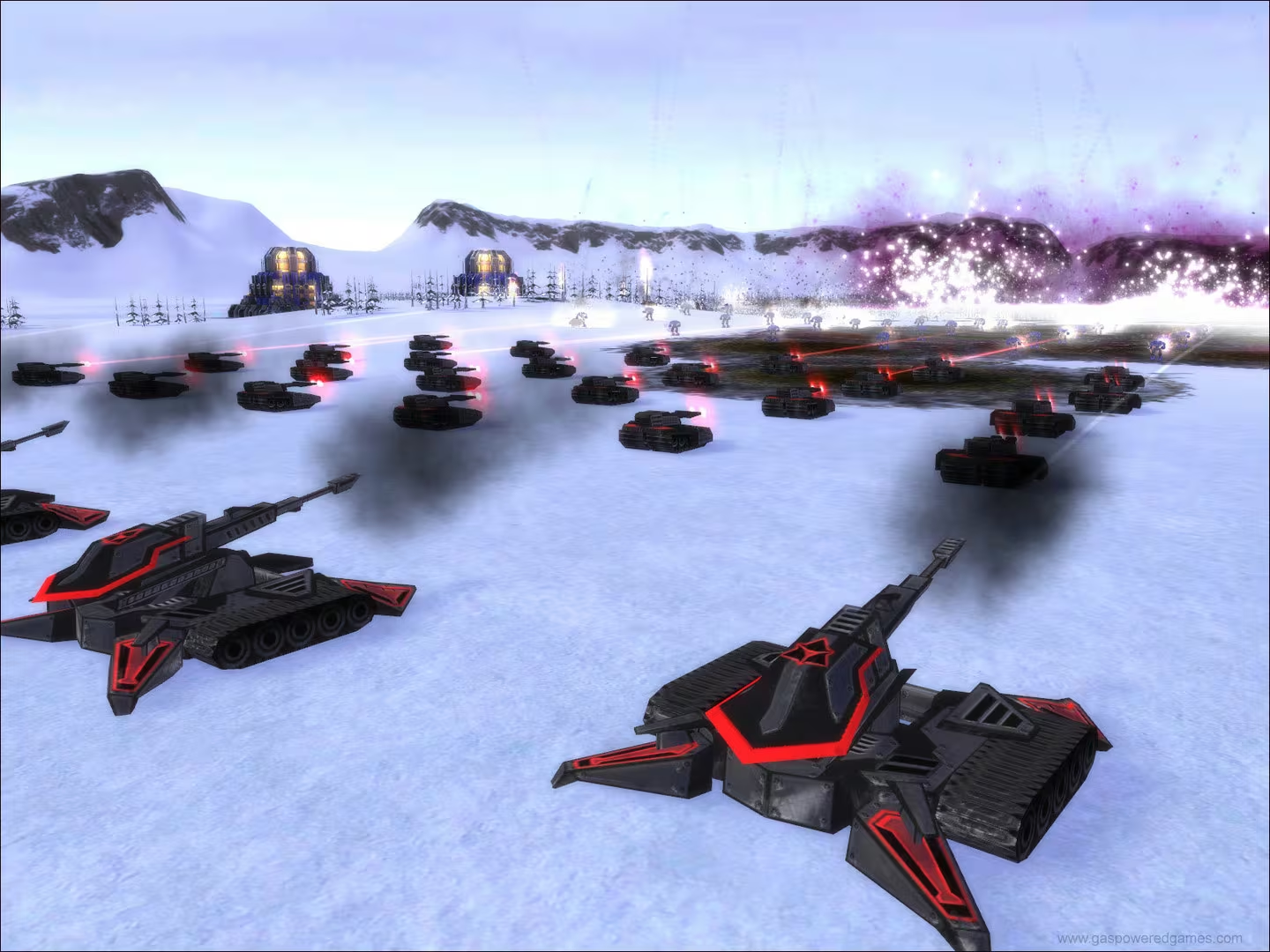
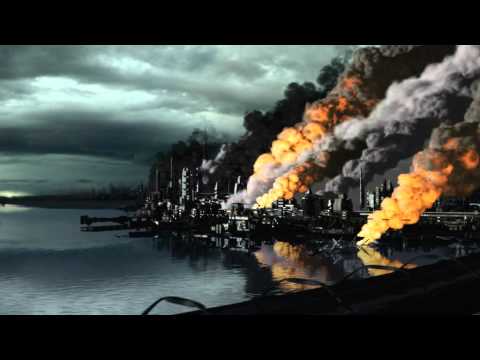
For a thousand years, three opposing forces have waged war for what they believe is true. There can be no room for compromise: their way is the only way. Dubbed The Infinite War, this devastating conflict has taken its toll on a once-peaceful galaxy and has only served to deepen the hatred between the factions.
Global score
89/100
Genres
Strategy, Real Time Strategy (RTS), Simulator
Similar games
Pros
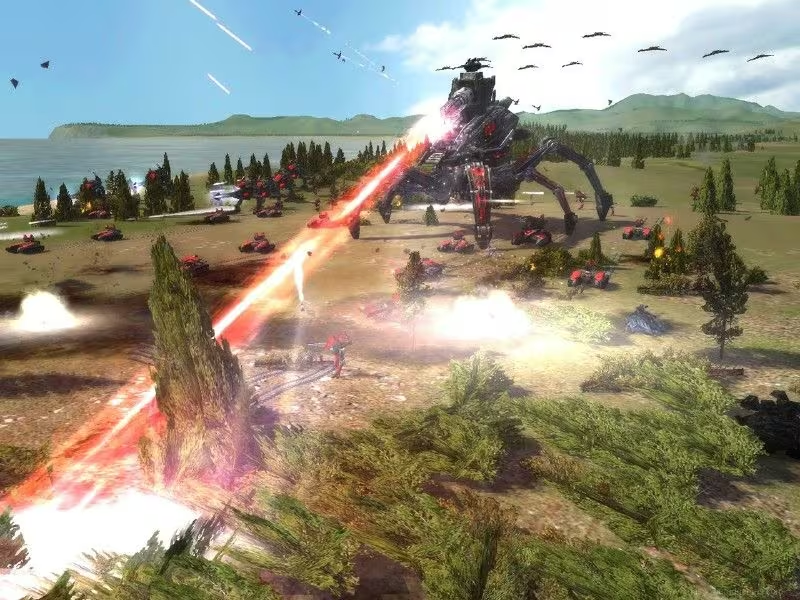
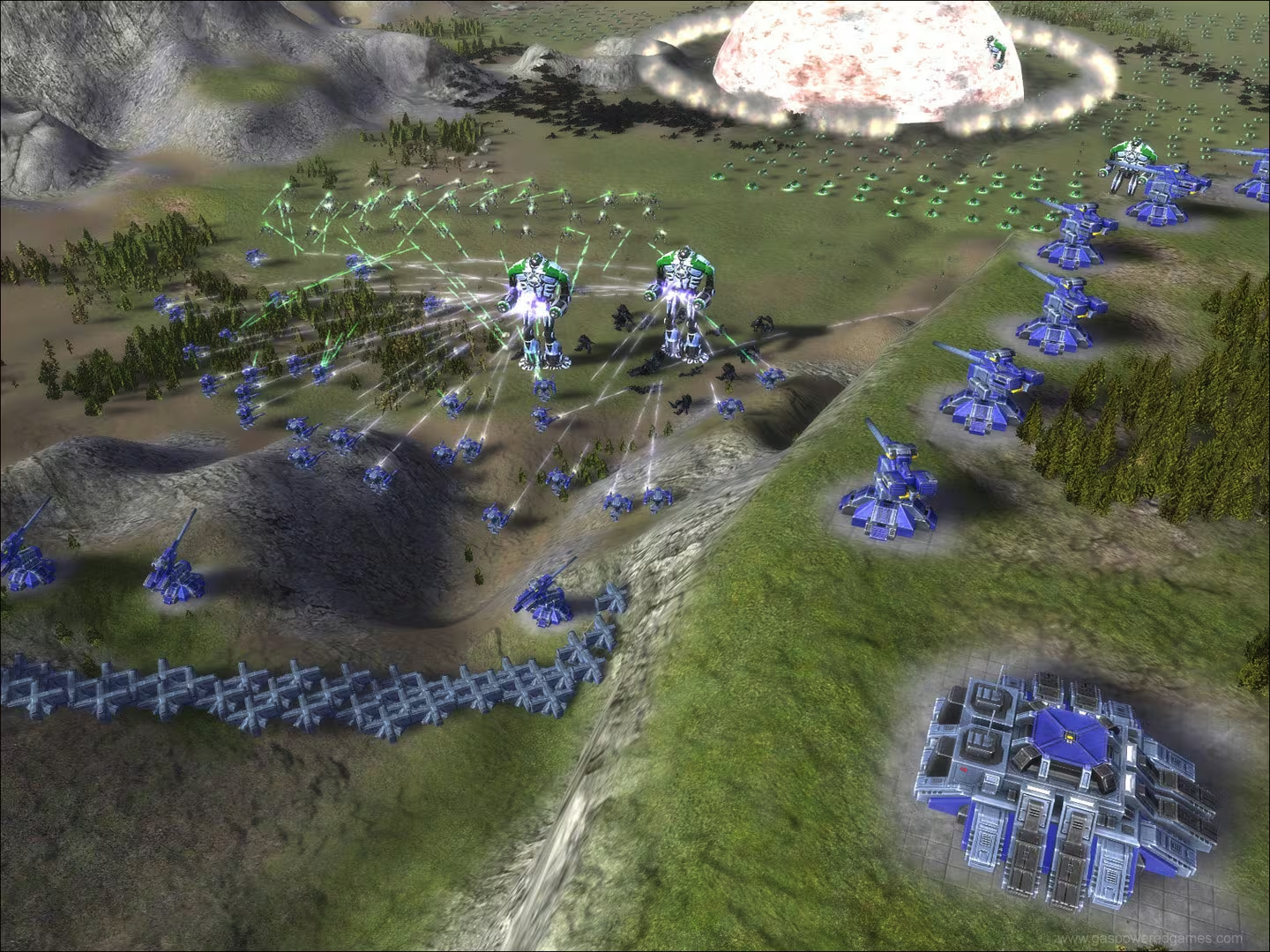
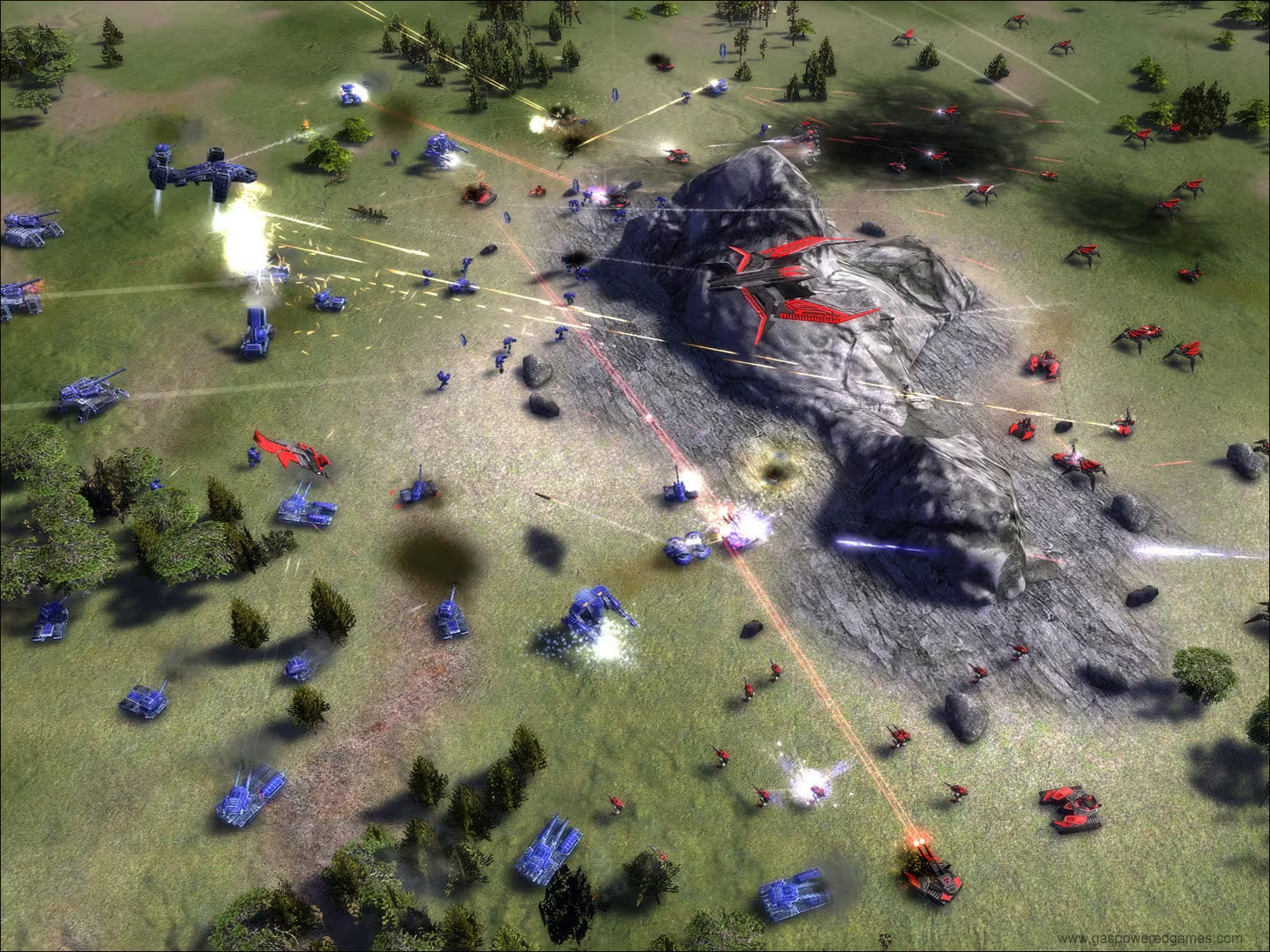
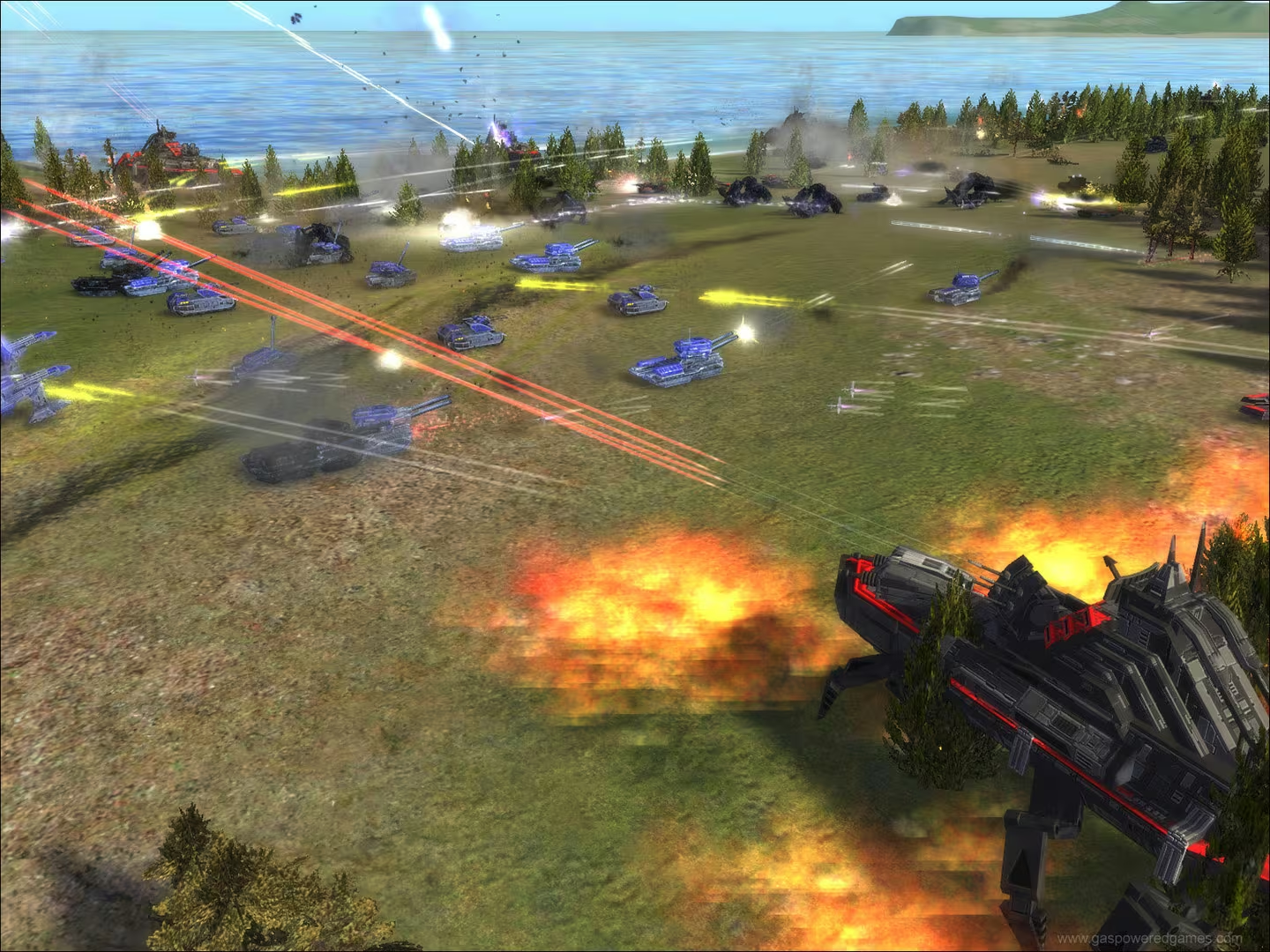
- Massive scale battles with hundreds of units
- Deep and complex strategic gameplay
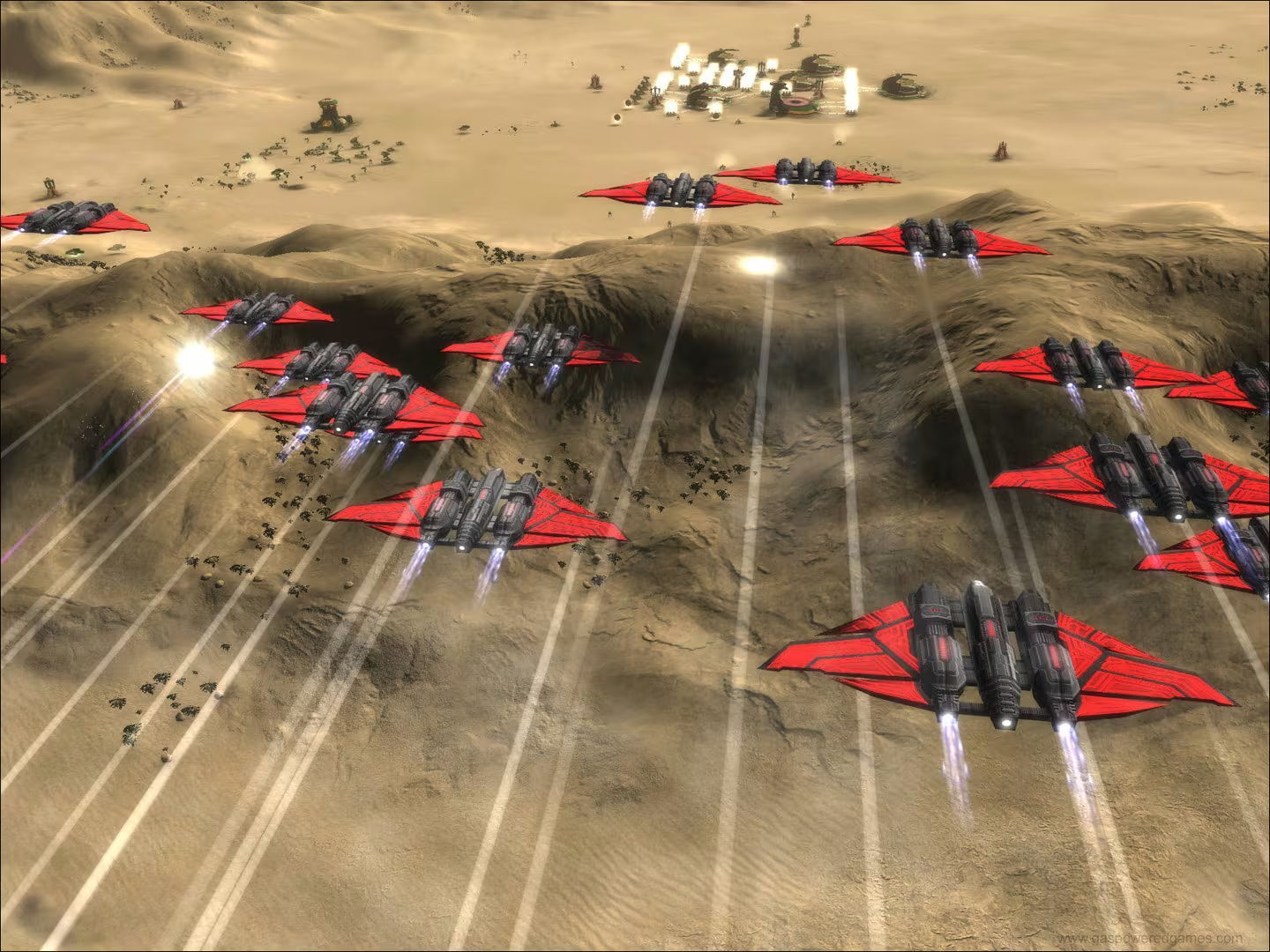
- Three distinct factions with unique units
- Strong community and multiplayer support (especially forged alliance)
- High replayability and nostalgic value
Cons
- Dated graphics and clunky unit pathfinding
- Long and sometimes tedious missions
- Steep learning curve for new players
- Limited cosmetic customization
- Some instability issues on modern systems
Analysis
A very typical example of its motivational profile. Motivations that often define this kind of title include Competition, Fellowship, Domination, Status. Here, the score leans higher than usual among comparable games on Story, Fantasy, Leadership.
How to use the graph
Similar games map
Each dot is a game. They are arranged from the same motivation profile as in the “Motivations” section below. Closer dots usually mean more similar reasons to play (exploration, competition, relaxation, etc.)—not that one game is “better” than another.
- Larger dot with a light outline: the game you are viewing.
- Colour: groups of games with comparable motivation patterns (statistical clusters).
- Hover a dot to see the game name; click to open its page.
- Scroll or double-click the chart to zoom out and see more games.
Why don’t the axes read like a score? This view uses t-SNE: it only keeps who is close to whom. The scales are not “good to bad” or hours played—they separate groups on the map. Read distance between dots, not the axis numbers.
Motivations
-
Autonomy4
"Players have significant control over strategic decisions, unit production, and tactics, with freedom to build bases and armies as they see fit."
-
Competence4
"The game requires mastering complex resource management, large-scale army control, and strategic planning, providing a strong sense of skill and effectiveness."
-
Competition3
"Multiplayer and skirmish modes encourage competition against others, though some reviews note a smaller active community."
-
Continuation4
"Many players report long sessions, habitual play, and nostalgia-driven returns even years after release."
-
Cooperation3
"Supports cooperative multiplayer modes and team play, with players working together against AI or other players."
-
Creativity3
"Players can customize strategies, build diverse unit compositions, and experiment with different tactics and base layouts."
-
Domination2
"Some competitive multiplayer involves exerting superiority, but community and cooperation aspects balance this."
-
Escapism4
"Players use the game to immerse themselves in large-scale sci-fi battles and escape daily life, often with nostalgic attachment."
-
Expectation-4
"Players engage voluntarily out of personal interest and intrinsic motivation rather than obligation or pressure."
-
Experimenting4
"The game encourages trying new strategies, unit combinations, and adapting to dynamic battlefields."
-
Exploration2
"Maps expand during missions and players explore new areas, though exploration is more tactical than open-world."
-
Expression1
"Limited cosmetic customization, but players express themselves through strategic choices and faction selection."
-
Fantasy4
"Set in a sci-fi universe with giant robots, lasers, and superweapons, offering a strong imaginative experience."
-
Fellowship3
"Community and multiplayer interactions foster a sense of belonging among fans and players."
-
Growth4
"Players develop skills in macro and micro management, resource balancing, and strategic thinking."
-
Health-5
"The game is a sedentary PC experience with no physical activity components."
-
Idle-3
"Requires sustained attention and focus during long matches; not suited for casual or background play."
-
Intimacy1
"Some social interaction in multiplayer and community, but limited to strategic collaboration rather than close personal relationships."
-
Leadership3
"Players lead armies and coordinate units, sometimes guiding teammates in cooperative modes."
-
Progression4
"Players accumulate resources, build and upgrade units, and develop their bases over time."
-
Relaxation1
"While some find flow in gameplay, the strategic depth and long matches can create tension and challenge."
-
Sensation3
"Visual and auditory effects of large battles and explosions provide stimulating sensory feedback."
-
Status2
"Competitive multiplayer and community recognition provide some social status, though the player base is niche."
-
Story2
"The game features a narrative with campaigns and lore, though some find the story less compelling than gameplay."
-
Strategy5
"Highly strategic gameplay requiring planning, resource management, and tactical decision-making."
-
Thrill3
"Players experience suspense and excitement from large-scale battles and high-stakes engagements."
-
Value4
"Players report high entertainment value and replayability relative to cost."
-
Violence4
"Combat and destruction are central, with large battles, nukes, and superweapons."
-
Survival3
"Players must manage resources and defend against threats to avoid defeat, emphasizing survival elements."
Last update: 29/04/2026