Damned Thumbnail

Damned similar games & best alternatives
Damned

PC (Microsoft Windows) • 2014

Related articles

Quick resume

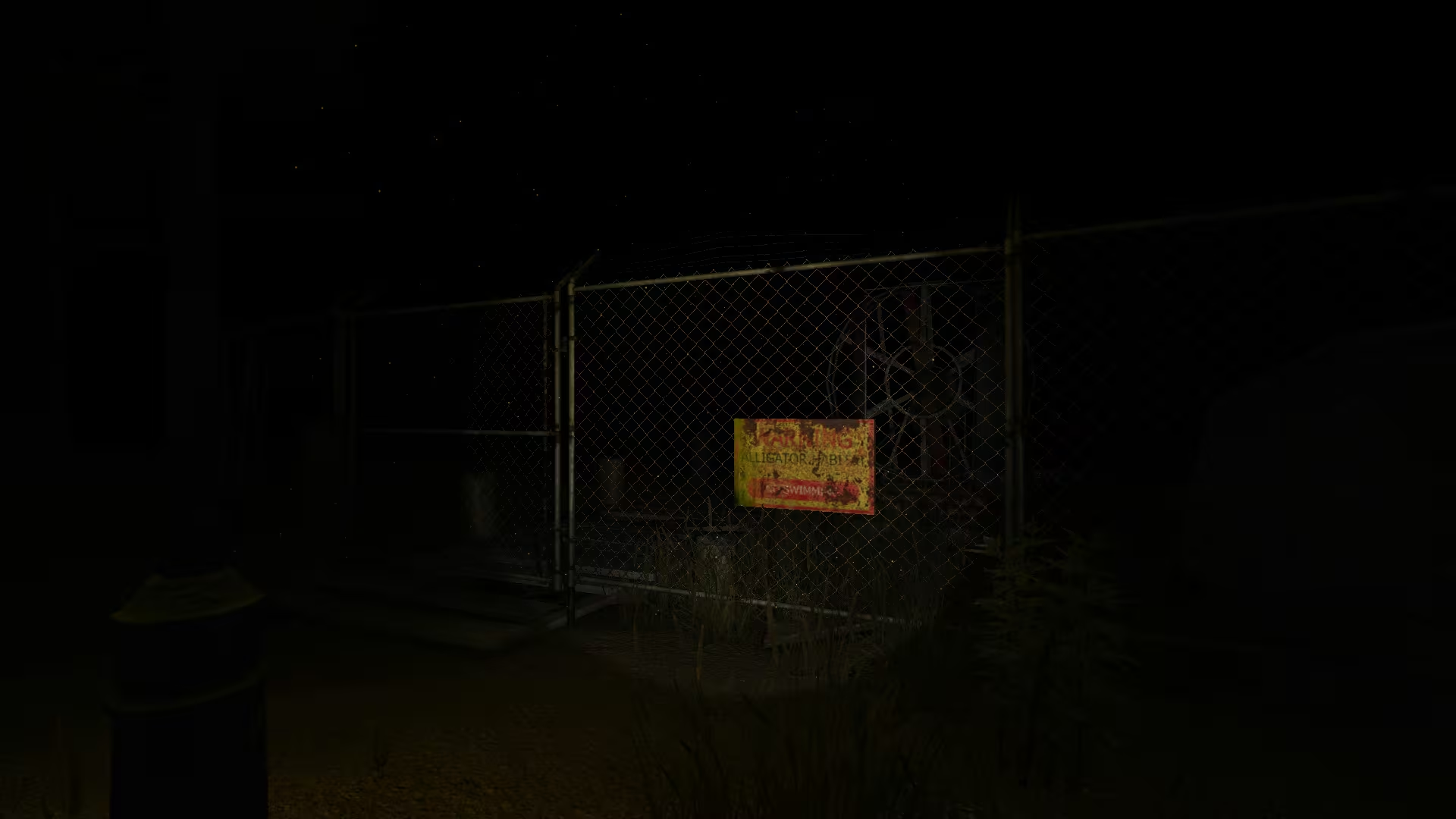
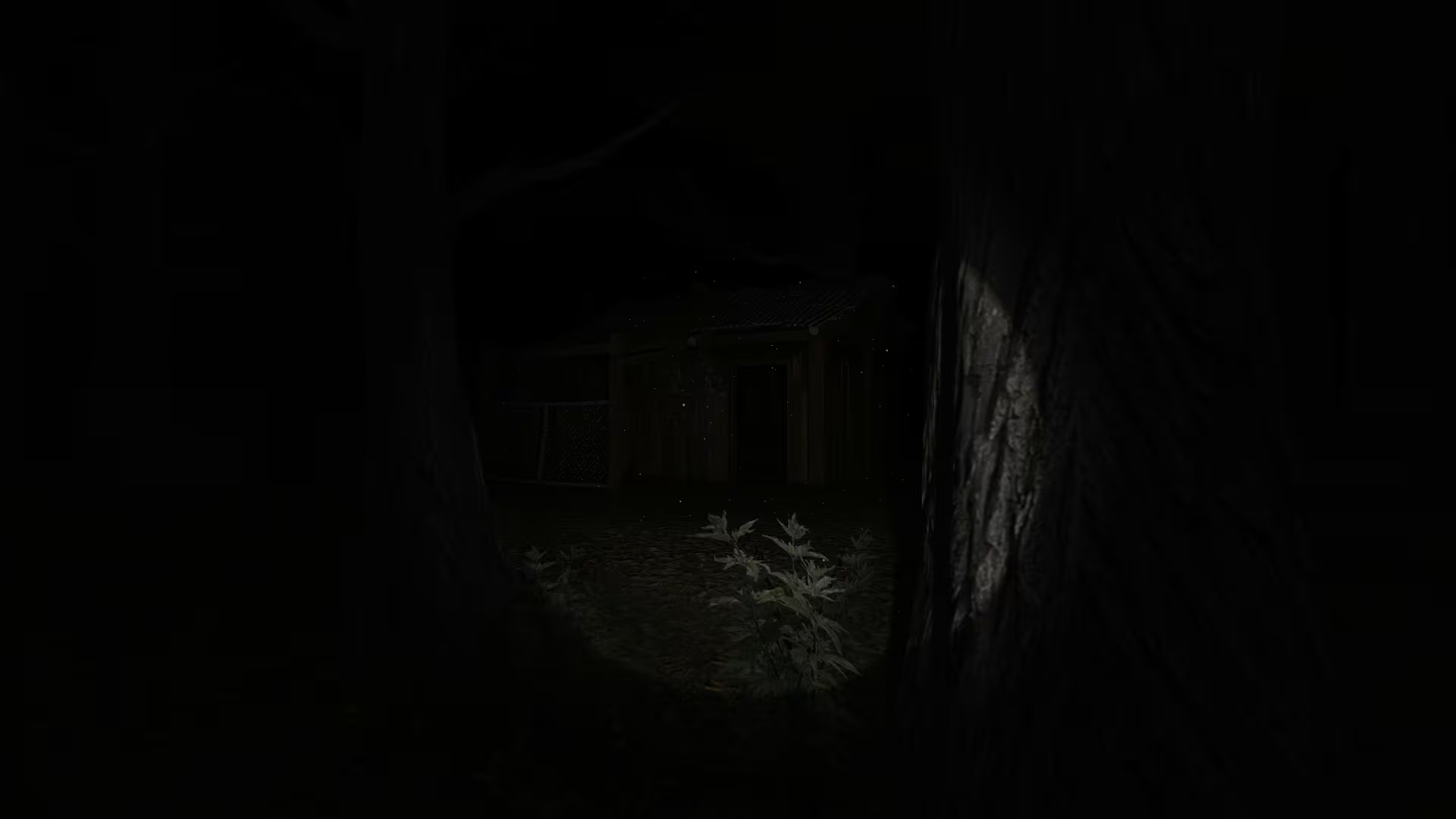
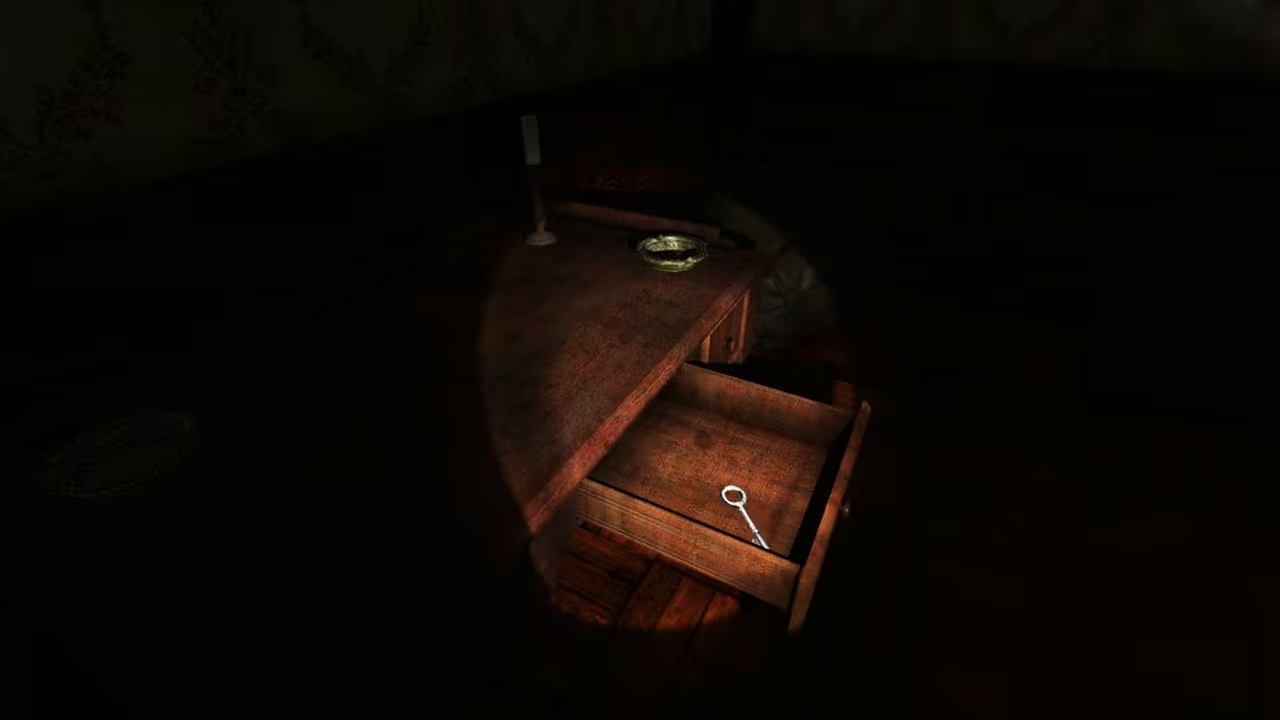
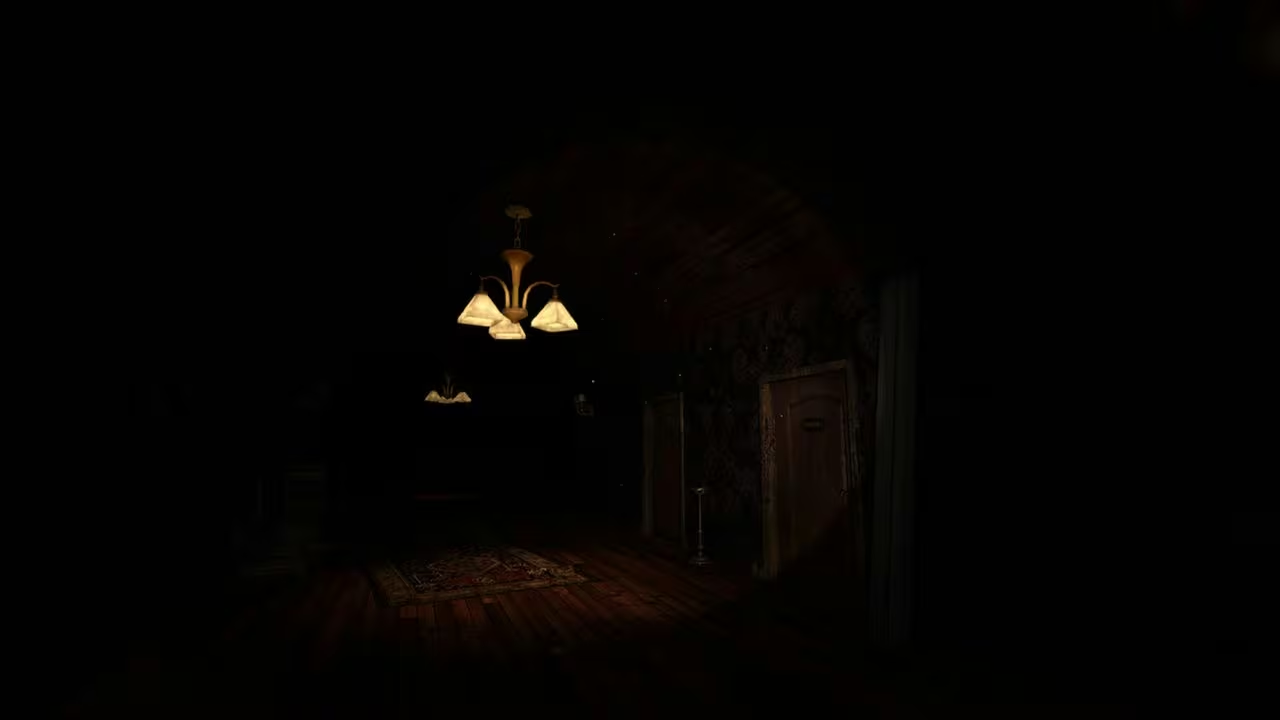
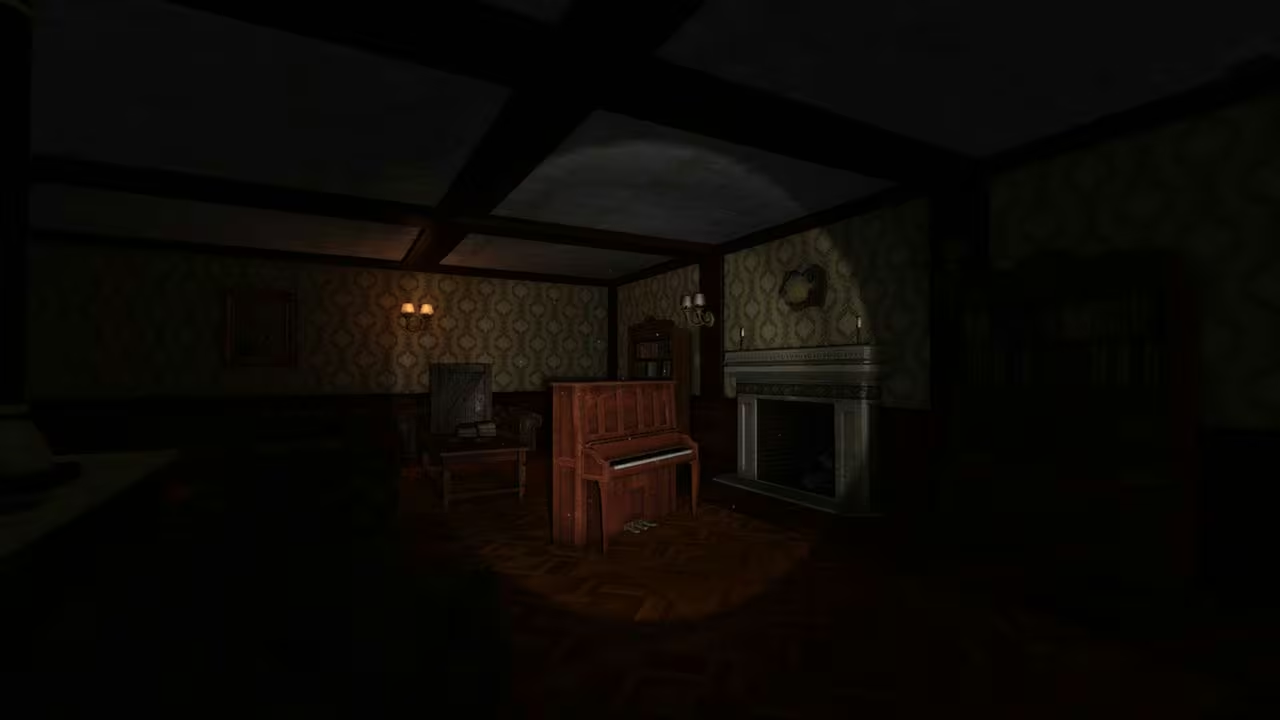
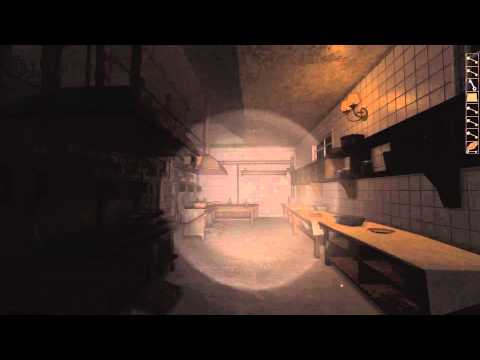
Damned is a randomized online horror game for up to 5 players (4 survivors and 1 monster). You’ll be able to play as one of four people trapped in different haunted places (hotels, hospitals, etc).

Global score

71/100

Genres

Adventure, Indie

Similar games

    Pros

    • Unique multiplayer horror experience
    • Strong atmosphere and suspense
    • Fun monster vs survivor gameplay
    • Encourages teamwork and communication
    • High replayability with randomized maps

    Cons

    • Frequent bugs and crashes
    • Small and dying player base
    • Steep learning curve
    • Limited character customization
    • Some imbalance between monsters and maps

    Analysis

    Broadly representative of its motivational profile, with a few distinct shifts. Motivations that often define this kind of title include Competition, Fellowship, Domination, Status. It leans lower than usual among comparable games on Expression, Status, Relaxation.

    How to use the graph
    Similar games map

    Each dot is a game. They are arranged from the same motivation profile as in the “Motivations” section below. Closer dots usually mean more similar reasons to play (exploration, competition, relaxation, etc.)—not that one game is “better” than another.

    • Larger dot with a light outline: the game you are viewing.
    • Colour: groups of games with comparable motivation patterns (statistical clusters).
    • Hover a dot to see the game name; click to open its page.
    • Scroll or double-click the chart to zoom out and see more games.

    Why don’t the axes read like a score? This view uses t-SNE: it only keeps who is close to whom. The scales are not “good to bad” or hours played—they separate groups on the map. Read distance between dots, not the axis numbers.

    Motivations

    • Autonomy
      4

      "Players have freedom to choose roles (monster or survivor) and use different strategies; monster players decide when to switch forms and set traps."

    • Competence
      3

      "Players develop skills in stealth, trap avoidance, and monster tactics; game has a learning curve and requires skillful play to succeed."

    • Competition
      2

      "Some competitive elements exist in player vs player monster vs survivors, but focus is more on survival and cooperation than ranking."

    • Continuation
      3

      "Players report long sessions and habitual play with friends despite bugs and crashes, indicating desire to keep playing."

    • Cooperation
      4

      "Survivors must work together to find keys and escape; teamwork and communication are emphasized for success."

    • Creativity
      2

      "Players experiment with different monster tactics and survivor strategies; limited map randomization adds some novelty."

    • Domination
      3

      "Monster players enjoy exerting control and scaring survivors; some trash talk and playful taunting reported."

    • Escapism
      4

      "Players use the game as a way to experience fear and adrenaline, escaping real life stress through horror gameplay."

    • Expectation
      -4

      "Players engage voluntarily for fun and scares; no indication of obligation or pressure to play."

    • Experimenting
      3

      "Players try different monsters, tactics, and map routes; trial and error is part of learning the game."

    • Exploration
      3

      "Maps have randomized key locations and multiple rooms to explore; players must discover paths and secrets."

    • Expression
      -3

      "Limited character customization; players mostly use preset characters and aesthetics."

    • Fantasy
      4

      "Game features supernatural monsters and horror fiction elements, creating an imaginative experience."

    • Fellowship
      4

      "Strong emphasis on playing with friends and community interaction; social play is core to experience."

    • Growth
      3

      "Players improve skills over time, learning monster mechanics and map layouts."

    • Health
      -4

      "Primarily sedentary gameplay with no physical activity involved."

    • Idle
      -3

      "Requires focused attention and continuous engagement during matches."

    • Intimacy
      2

      "Players form social bonds through voice chat and cooperative play, though emotional sharing is limited."

    • Leadership
      2

      "Some players take lead roles in coordinating survivors or monster tactics, but shared decision-making is common."

    • Progression
      3

      "Players collect keys and items to progress through maps; progression is central to gameplay."

    • Relaxation
      -3

      "Game induces tension and stress rather than relaxation or flow."

    • Sensation
      4

      "Strong sensory stimulation through scary sounds, visuals, and jump scares."

    • Status
      -2

      "Limited social recognition or ranking systems; focus is on gameplay rather than status."

    • Story
      2

      "Some narrative elements through atmosphere and monster lore, but gameplay is mostly context-free survival."

    • Strategy
      4

      "Players must plan routes, avoid traps, and use monster abilities strategically."

    • Thrill
      5

      "High suspense and adrenaline from being hunted and escaping monsters."

    • Value
      2

      "Players feel the game offers good entertainment value especially when playing with friends, despite bugs."

    • Violence
      4

      "Enjoyment of combat and killing as monster is core to gameplay."

    • Survival
      5

      "Central motivation is avoiding death and escaping threats."

    Last update: 29/04/2026