Doors: Paradox Thumbnail

Doors: Paradox similar games & best alternatives

Doors: Paradox

PC (Microsoft Windows), iOS, PlayStation 4, Xbox One, Android, Xbox Series X|S, Nintendo Switch, PlayStation 5 • 2022

Related articles

Quick resume

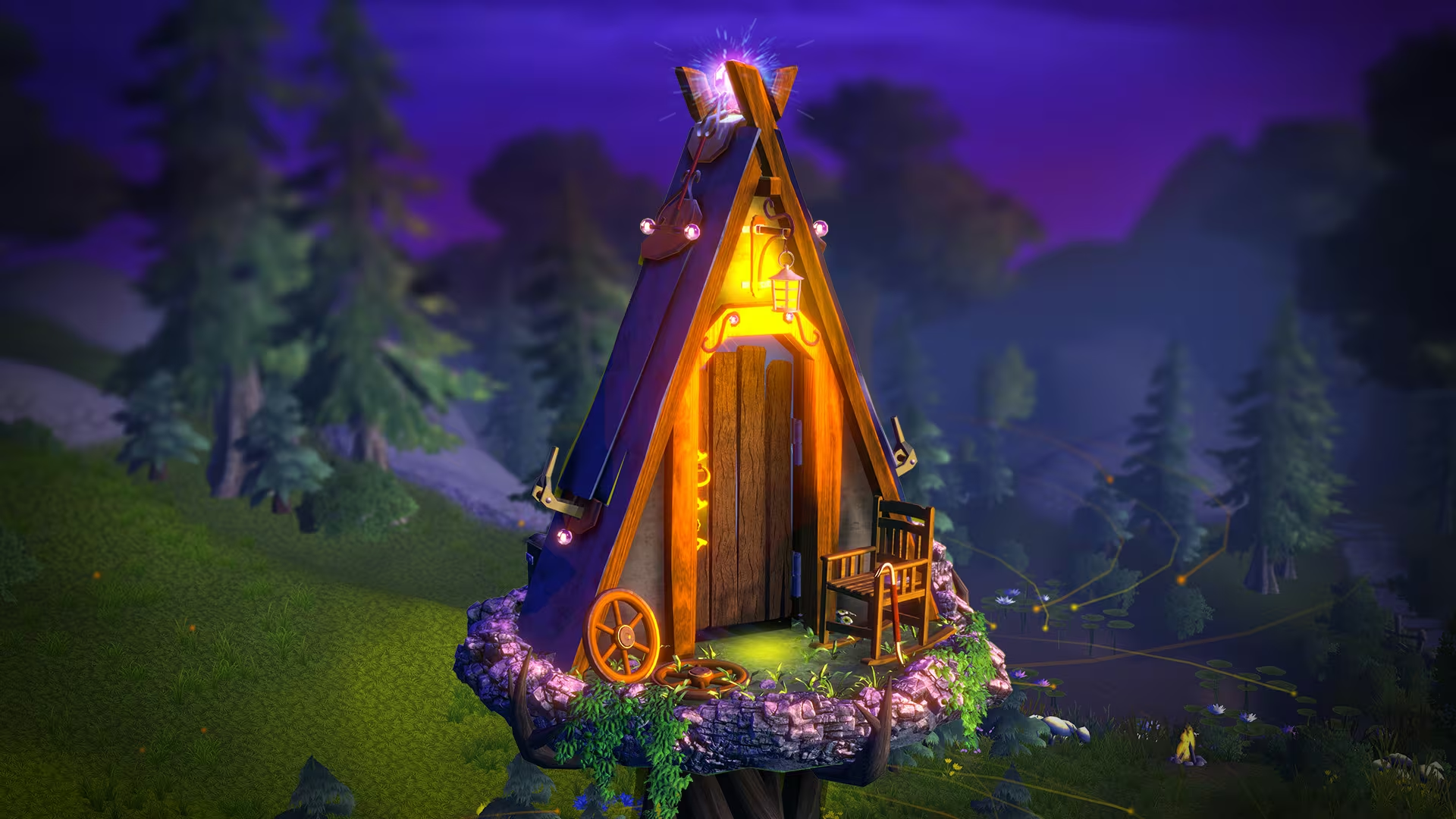
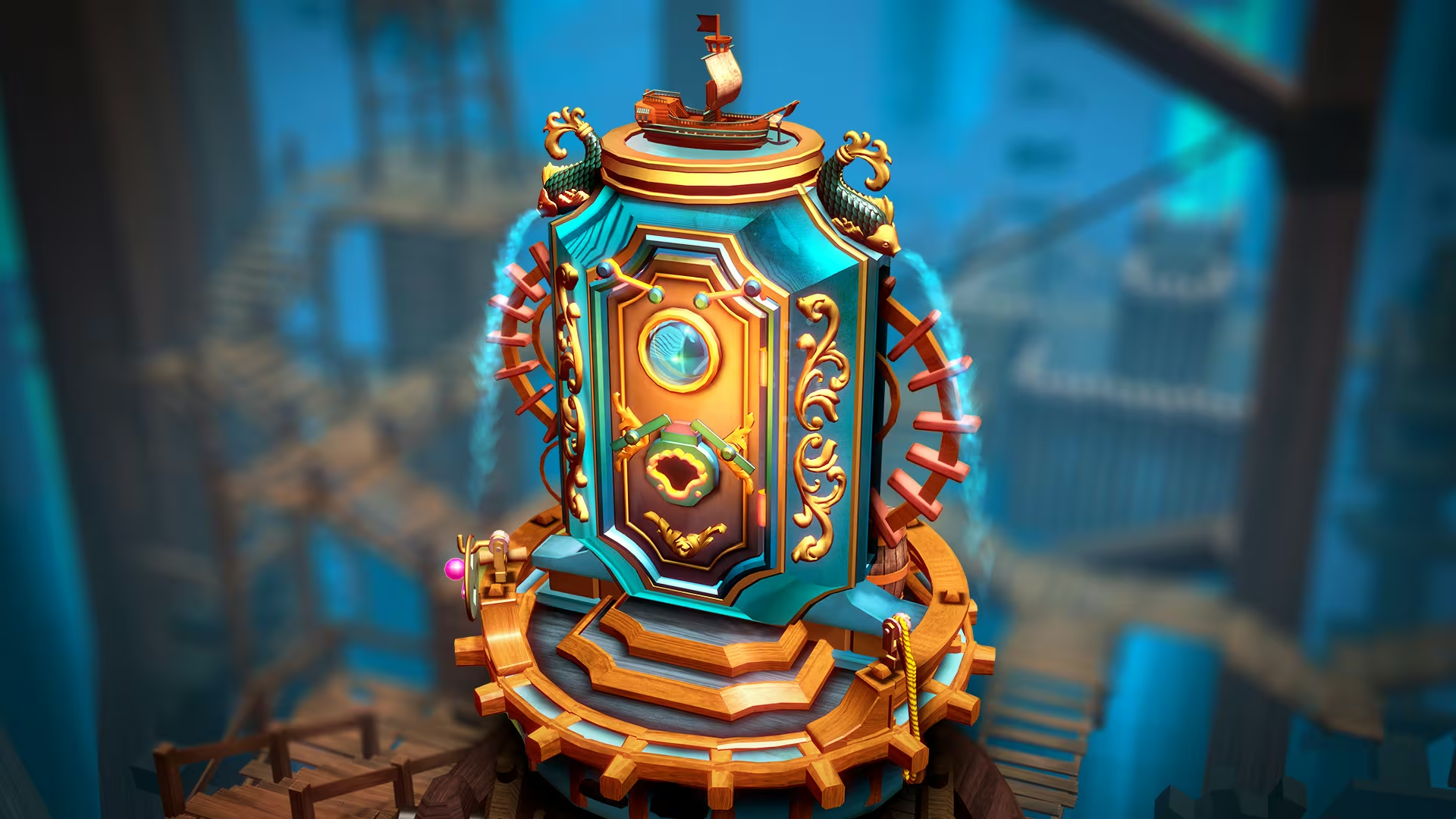
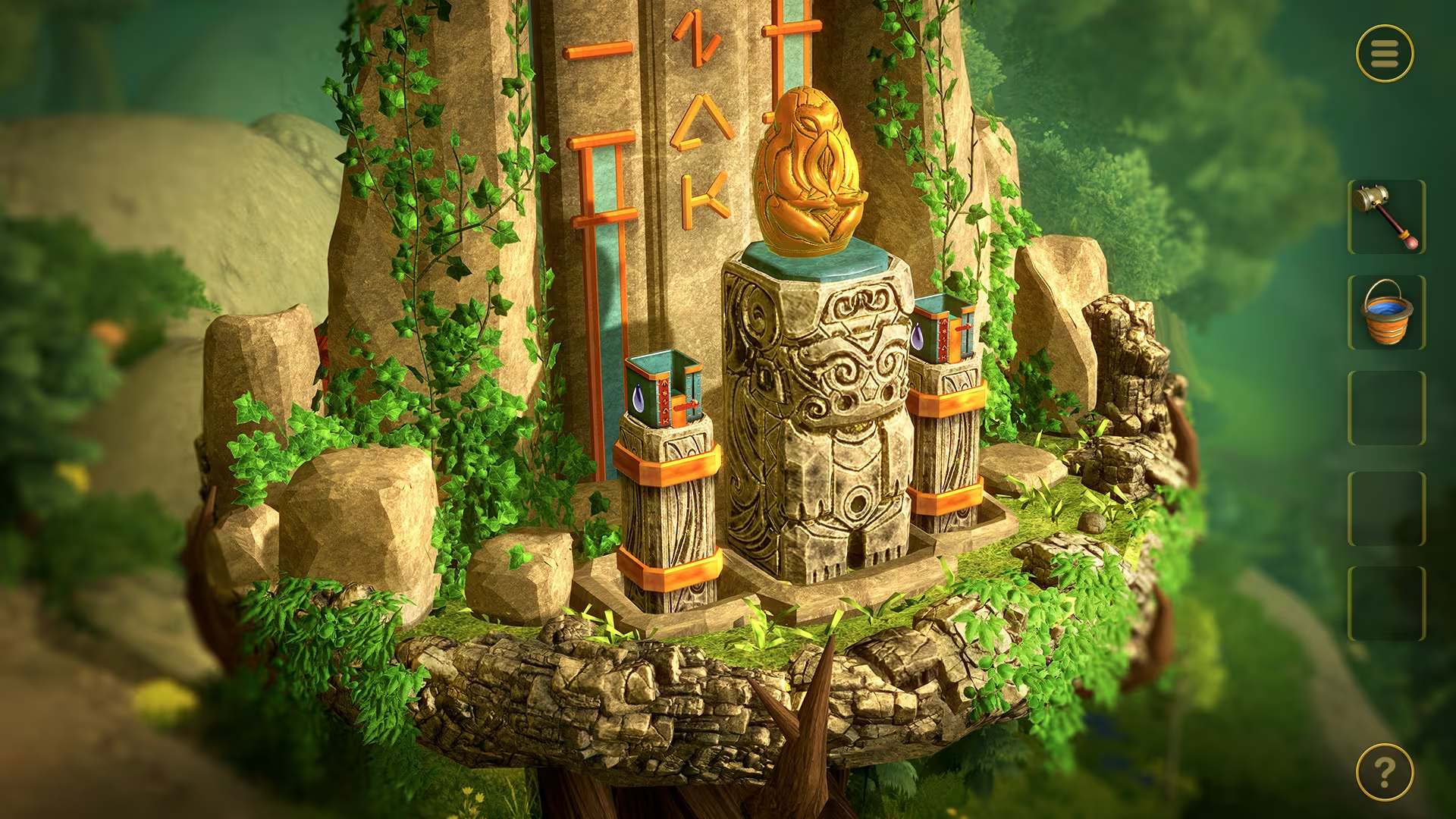
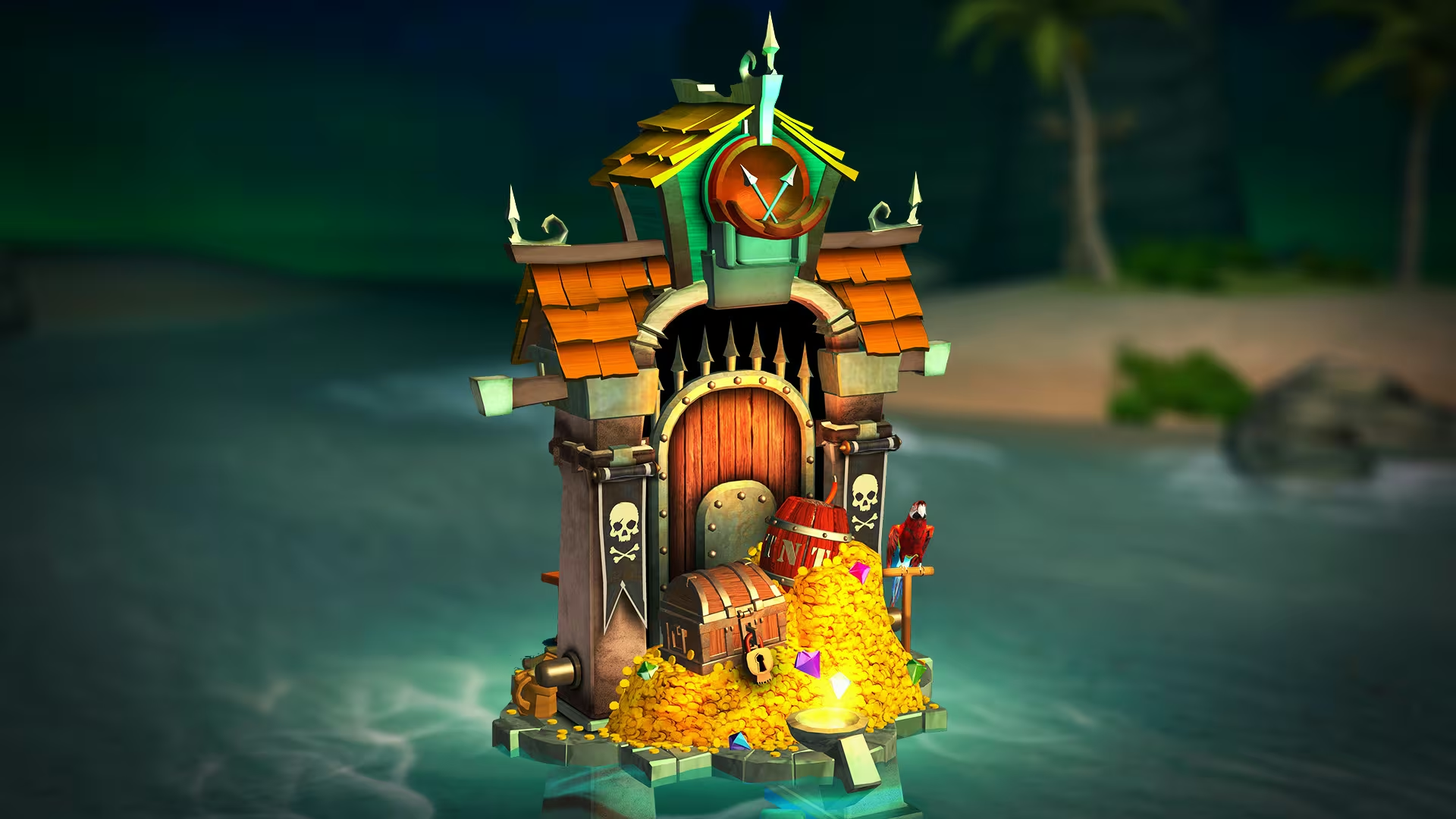
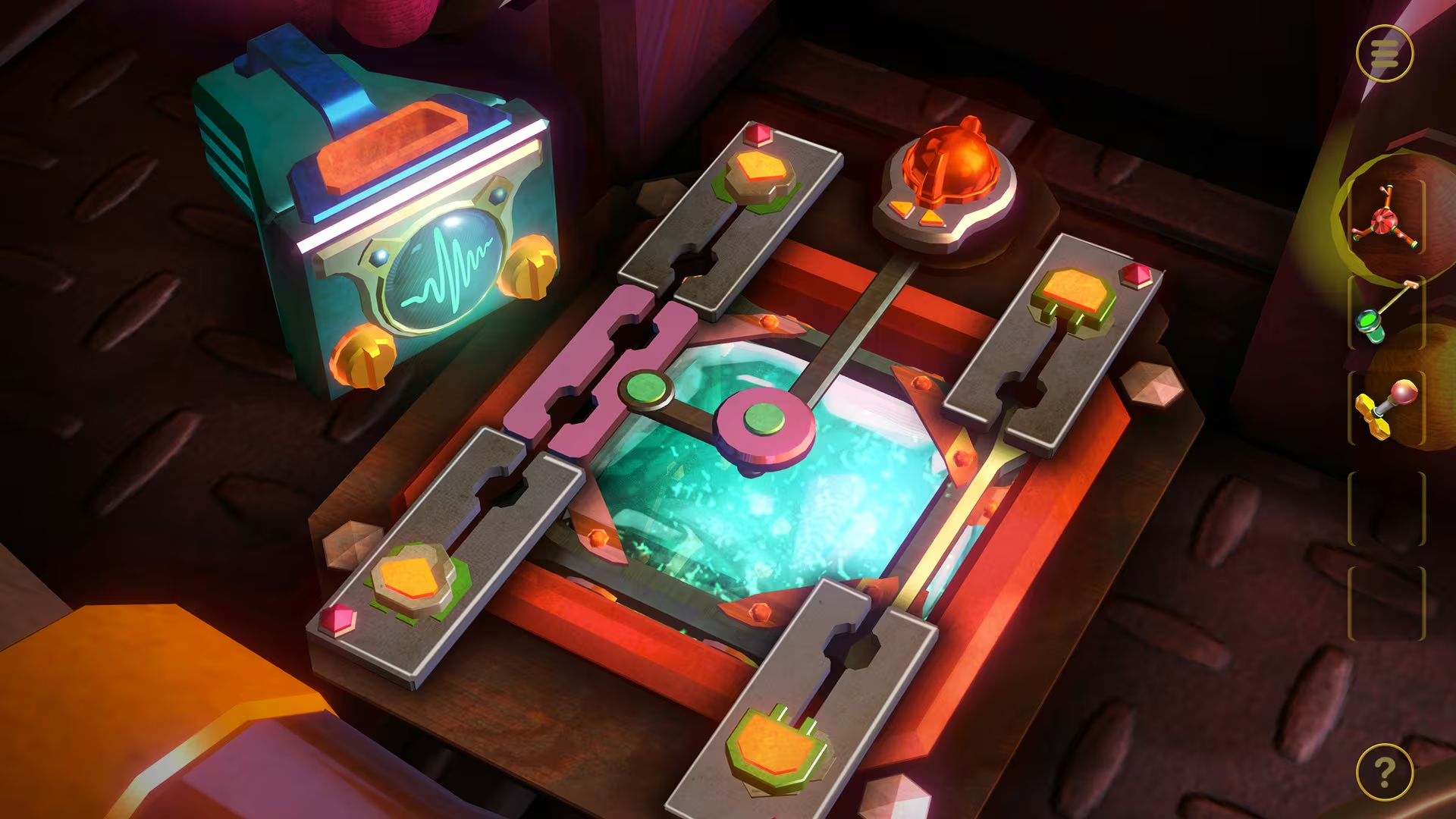
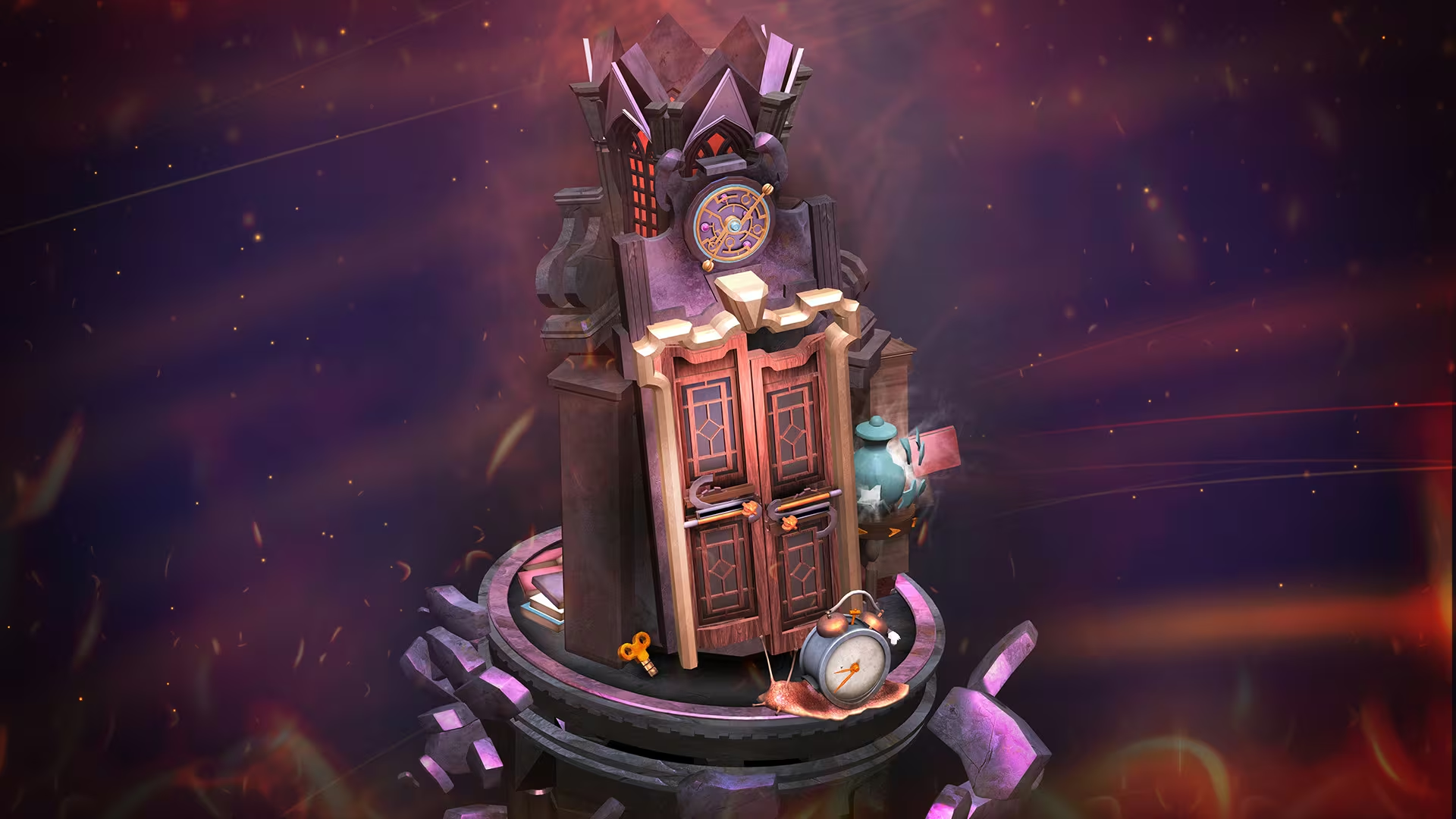
A relaxing puzzle escape game! Make your way through a variety of hand-crafted 3D dioramas, look for useful objects, find hidden clues and solve fun puzzles! Unravel this mysterious adventure about chaos, order and the surreal.

Global score

91/100

Genres

Adventure, Casual, Indie, Point-and-click, Puzzle

Similar games

    Pros

    • Beautiful and varied puzzle dioramas
    • Relaxing and accessible gameplay
    • Short bite-sized levels suitable for casual play
    • Free hint and skip options
    • Pleasant audiovisual presentation

    Cons

    • Puzzles generally easy with low challenge
    • Minimal story and narrative depth
    • Limited replay value
    • Some minor bugs and occasional unclear puzzle instructions
    • Lack of customization or social features

    Analysis

    Broadly representative of its motivational profile, with a few distinct shifts. Motivations that often define this kind of title include Survival, Violence, Fellowship, Expression. It leans lower than usual among comparable games on Story, Thrill, Expression.

    How to use the graph
    Similar games map

    Each dot is a game. They are arranged from the same motivation profile as in the “Motivations” section below. Closer dots usually mean more similar reasons to play (exploration, competition, relaxation, etc.)—not that one game is “better” than another.

    • Larger dot with a light outline: the game you are viewing.
    • Colour: groups of games with comparable motivation patterns (statistical clusters).
    • Hover a dot to see the game name; click to open its page.
    • Scroll or double-click the chart to zoom out and see more games.

    Why don’t the axes read like a score? This view uses t-SNE: it only keeps who is close to whom. The scales are not “good to bad” or hours played—they separate groups on the map. Read distance between dots, not the axis numbers.

    Motivations

    • Autonomy
      4

      "Players freely explore and interact with puzzle dioramas at their own pace, with options to skip puzzles and replay levels."

    • Competence
      2

      "Puzzles are generally easy to moderate, with some requiring timing and precision, offering light skill challenges."

    • Competition
      -5

      "No competitive elements; focus is on individual puzzle solving without comparison to others."

    • Continuation
      3

      "Players often engage in multiple short sessions and some report difficulty stopping due to enjoyable bite-sized puzzles."

    • Cooperation
      -5

      "Entirely single-player experience with no cooperative gameplay or social collaboration."

    • Creativity
      3

      "Players experiment with mechanisms and interact with diverse puzzle designs, though within predefined dioramas."

    • Domination
      -5

      "No elements of exerting control over others; purely personal puzzle experience."

    • Escapism
      4

      "Many players use the game as a relaxing, stress-relieving diversion from real life."

    • Expectation
      -4

      "Players engage voluntarily for enjoyment and relaxation, not out of obligation or pressure."

    • Experimenting
      3

      "Players try different puzzle solutions and explore interactive elements, though puzzles are mostly designed with fixed solutions."

    • Exploration
      2

      "Players discover new themed puzzle rooms and hidden collectibles, but environments are small and self-contained."

    • Expression
      -4

      "Limited customization or self-expression; players interact with preset puzzles and environments."

    • Fantasy
      2

      "The game features imaginative and varied themed puzzle environments with some fantasy and sci-fi elements."

    • Fellowship
      -5

      "No social or community features; experience is solitary."

    • Growth
      1

      "Some learning and skill development in puzzle solving, but puzzles are generally accessible and not deeply challenging."

    • Health
      -5

      "Sedentary gameplay with no physical activity or health-related features."

    • Idle
      -3

      "Requires focused attention to solve puzzles; not designed for passive or background play."

    • Intimacy
      -5

      "No social interactions or relationship-building elements."

    • Leadership
      -5

      "No leadership or group management roles; single-player experience."

    • Progression
      3

      "Players collect gems and scrolls to unlock bonus levels and track progress through chapters."

    • Relaxation
      4

      "Widely described as a relaxing and calming puzzle experience with soothing music and visuals."

    • Sensation
      3

      "Enjoyable audiovisual presentation with pleasing animations and sound effects enhances sensory experience."

    • Status
      -5

      "No social recognition or status systems present."

    • Story
      0

      "Minimal and vague narrative through collectible scrolls; story is not a strong focus."

    • Strategy
      1

      "Some puzzles require logical thinking and problem solving, but overall difficulty and complexity are low."

    • Thrill
      -3

      "Low risk and tension; game is designed to be calm rather than suspenseful or thrilling."

    • Value
      1

      "Generally considered good value for casual puzzle fans, especially when purchased on sale."

    • Violence
      -5

      "No violence; gameplay focuses on constructive puzzle interaction."

    • Survival
      -5

      "No survival or threat avoidance mechanics; stable and safe puzzle environments."

    Where to buy

    Last update: 29/04/2026