GNOG Thumbnail

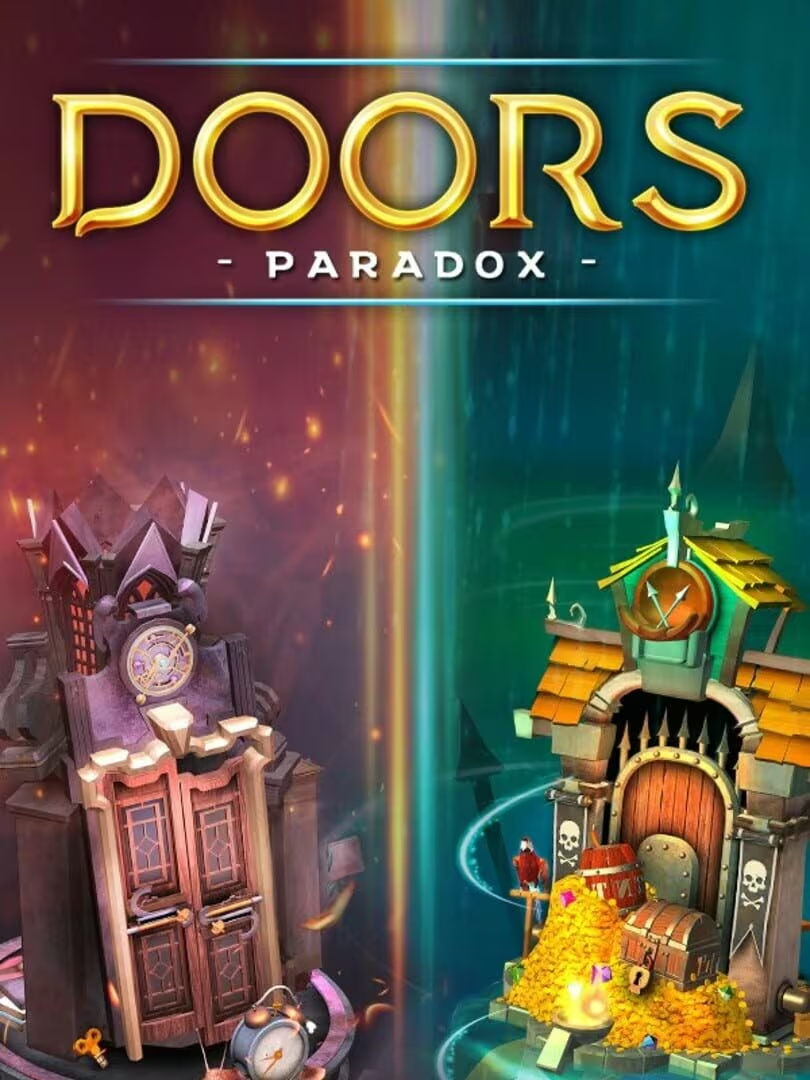
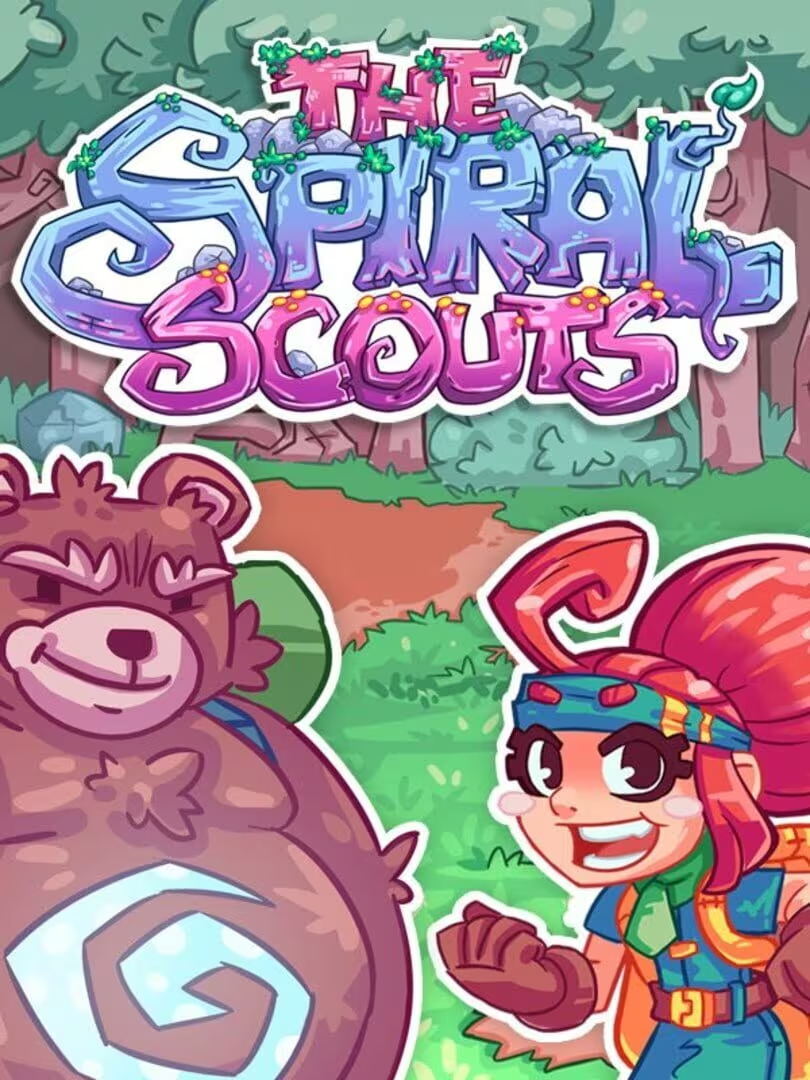
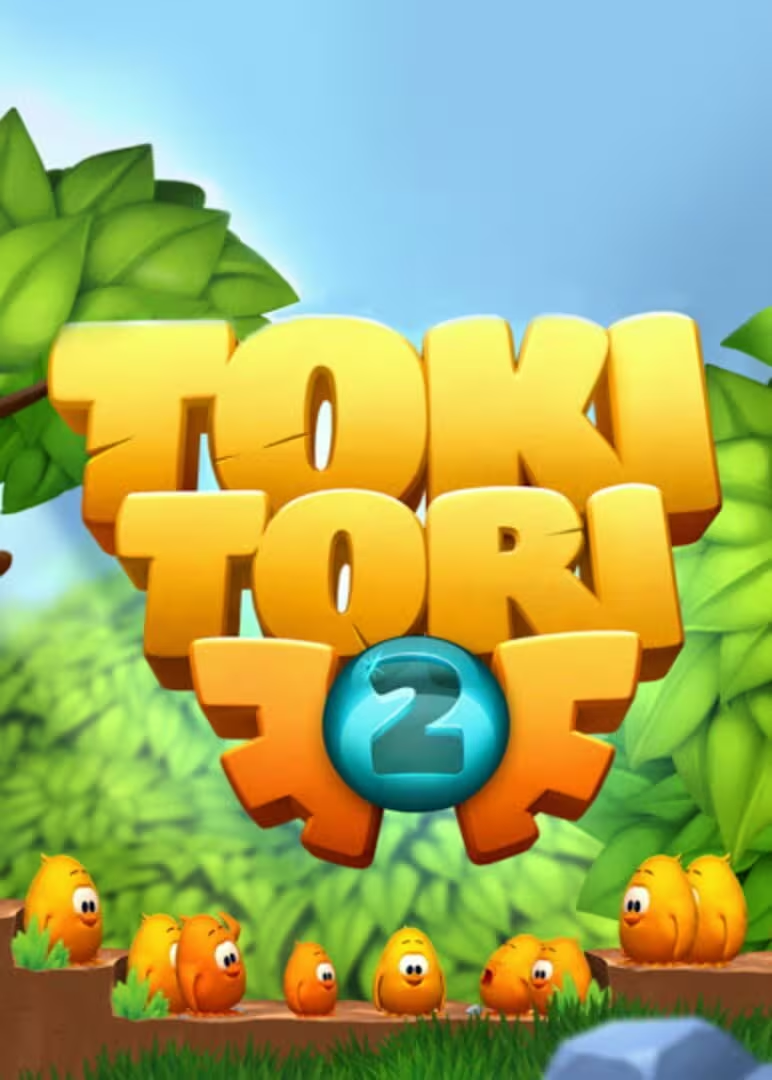
GNOG similar games & best alternatives
GNOG

PC (Microsoft Windows), Mac, PlayStation VR, SteamVR, PlayStation 4, iOS, Oculus Rift • 2018

Related articles

Quick resume

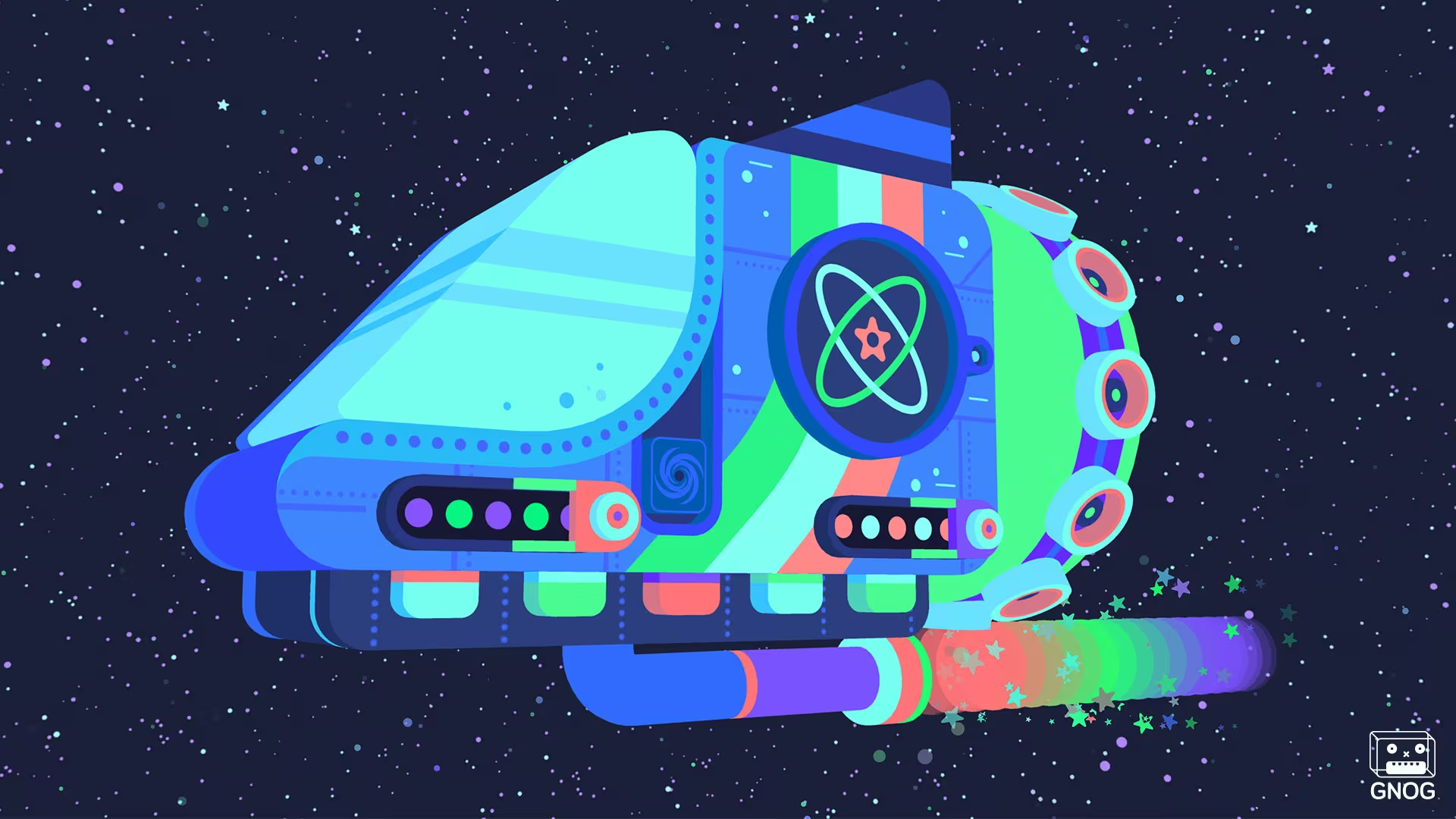
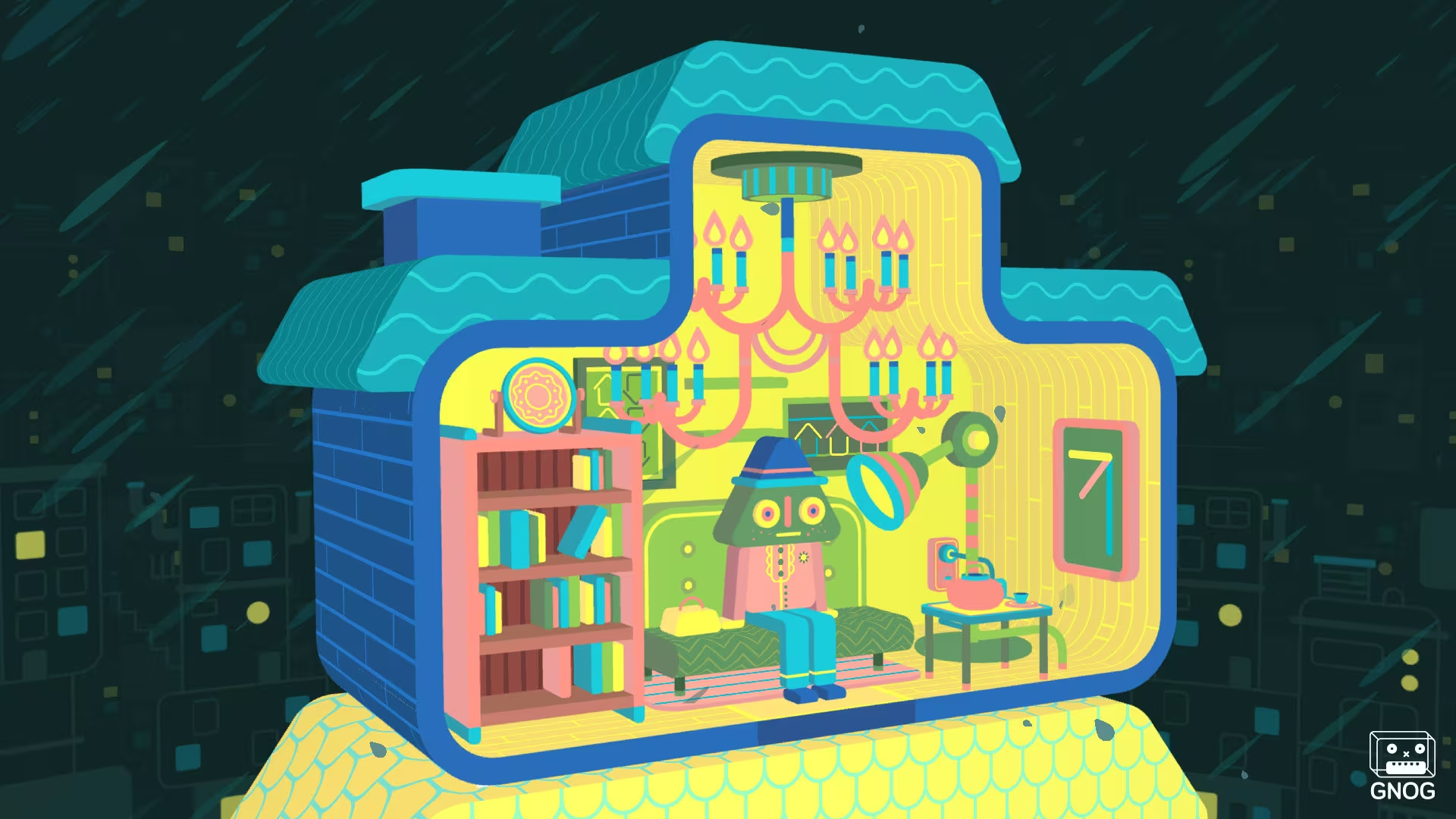
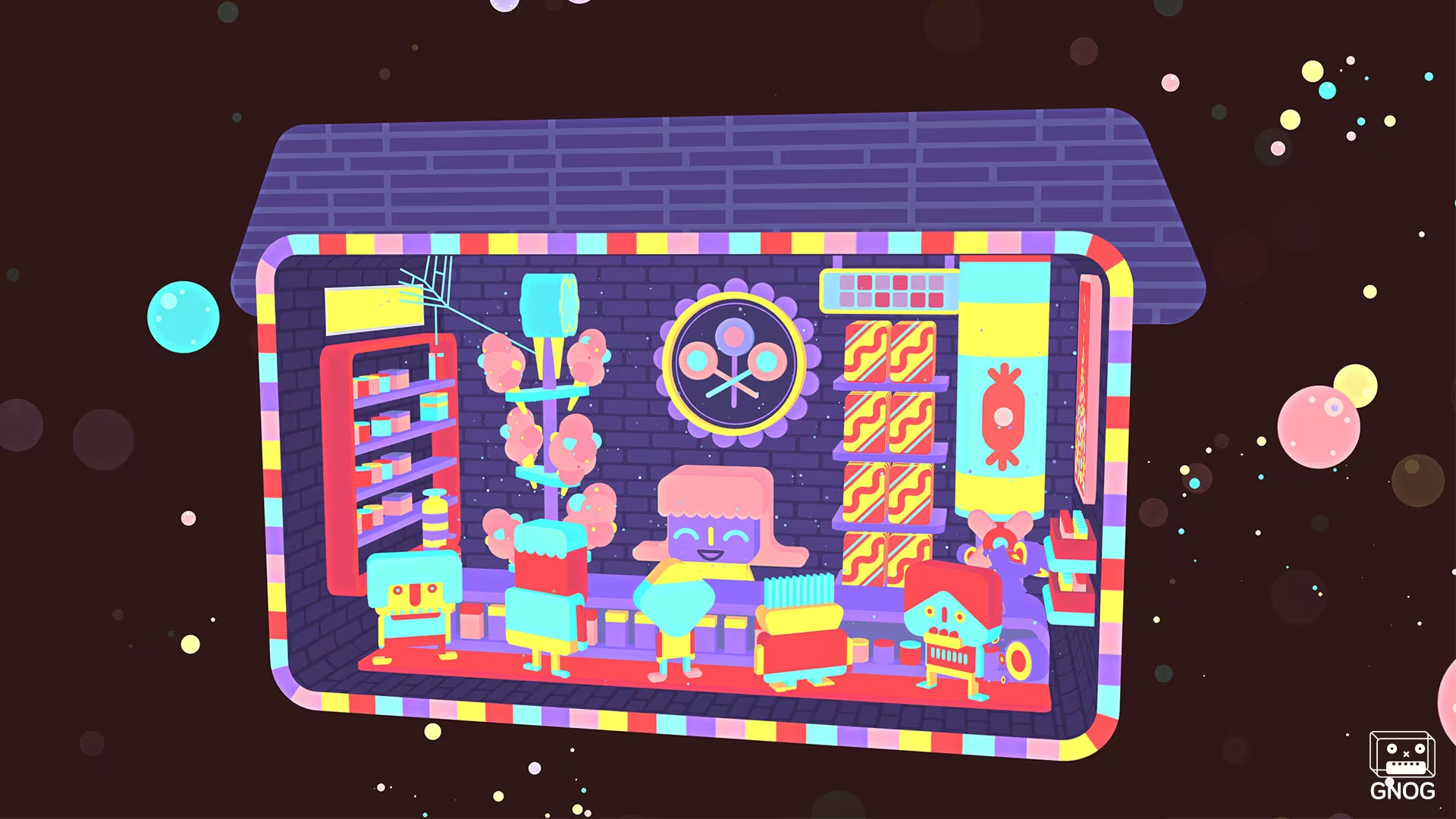
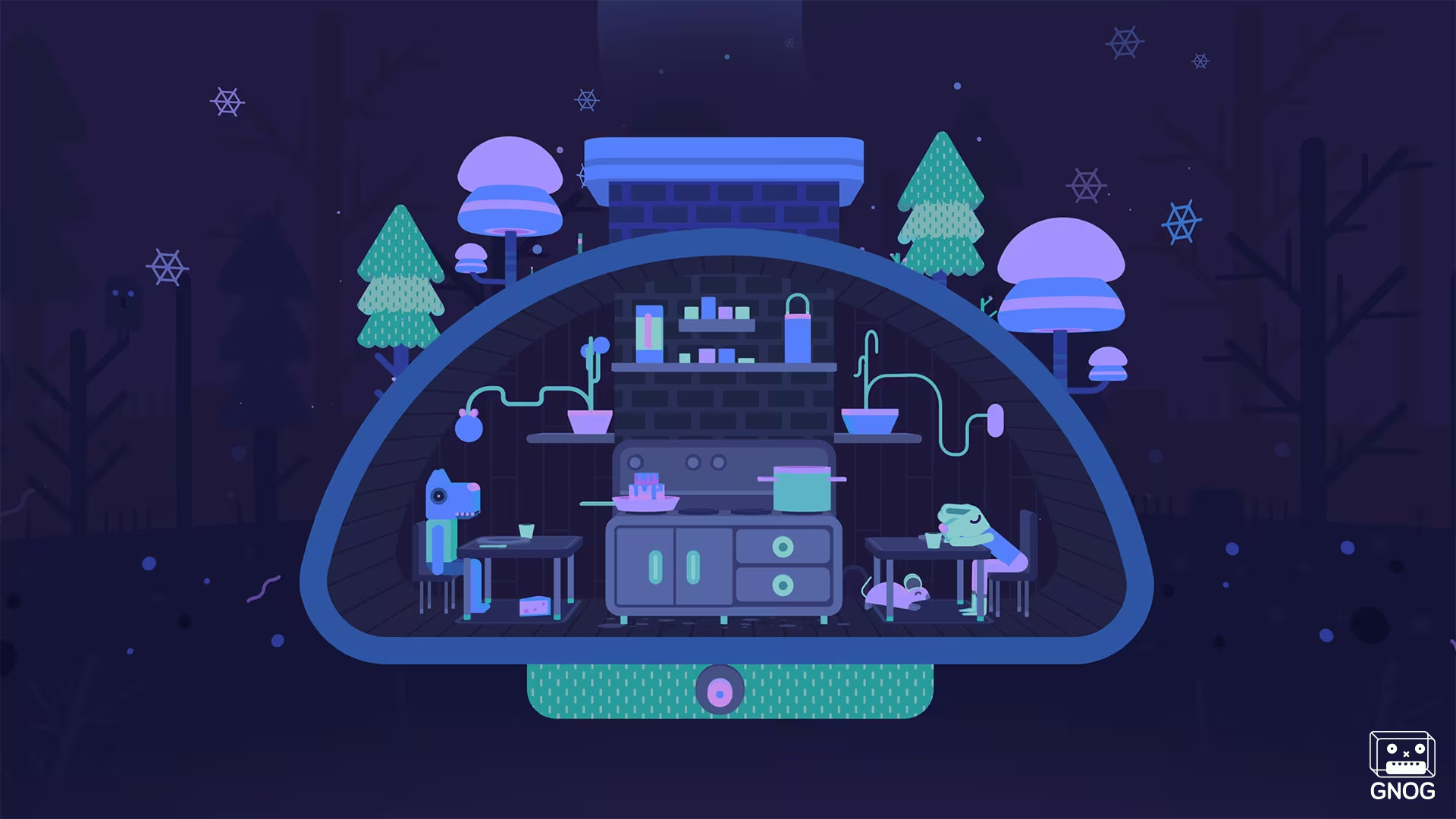
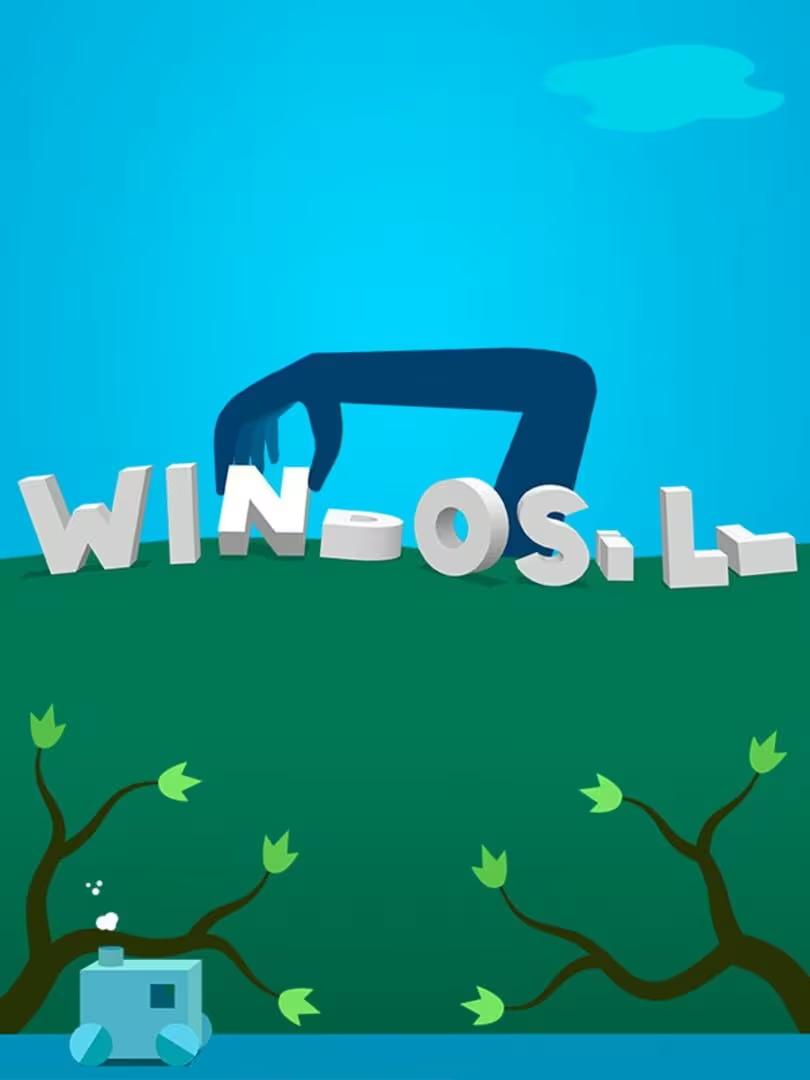
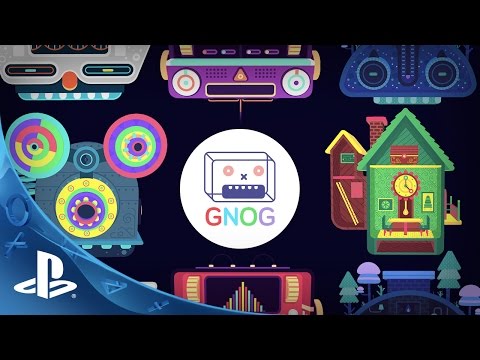
GNOG is a tactile 3D puzzle game about exploring whimsical monster heads and the secret worlds inside them. Filled with eye-catching designs, lively interactions, and a rich, reactive soundtrack, the hand-crafted heads come to life as you grab, poke, spin, pull, and play with each charming contraption.

Global score

92/100

Genres

Adventure, Casual, Indie, Point-and-click, Music, Puzzle

Similar games

    Pros

    • Unique and charming art style
    • Soothing music and sound design
    • Engaging tactile puzzle mechanics
    • Accessible difficulty suitable for casual players
    • Immersive and whimsical experience especially in vr

    Cons

    • Short game length with limited replayability
    • Some awkward or unintuitive controls especially on non-vr platforms
    • Lack of narrative depth or story engagement
    • Minimal challenge for experienced puzzle players
    • No multiplayer or social features

    Analysis

    Less representative of its motivational profile, with noticeable differences. Motivations that often define this kind of title include Survival, Violence, Fellowship, Expression. Here, the score leans higher than usual among comparable games on Sensation. It leans lower than usual among comparable games on Continuation, Thrill.

    How to use the graph
    Similar games map

    Each dot is a game. They are arranged from the same motivation profile as in the “Motivations” section below. Closer dots usually mean more similar reasons to play (exploration, competition, relaxation, etc.)—not that one game is “better” than another.

    • Larger dot with a light outline: the game you are viewing.
    • Colour: groups of games with comparable motivation patterns (statistical clusters).
    • Hover a dot to see the game name; click to open its page.
    • Scroll or double-click the chart to zoom out and see more games.

    Why don’t the axes read like a score? This view uses t-SNE: it only keeps who is close to whom. The scales are not “good to bad” or hours played—they separate groups on the map. Read distance between dots, not the axis numbers.

    Motivations

    • Autonomy
      4

      "Players freely explore and manipulate puzzle boxes with no explicit guidance, encouraging self-directed experimentation."

    • Competence
      2

      "Puzzles are generally easy to moderate, providing satisfying but not highly challenging problem solving."

    • Competition
      -5

      "No competitive elements; focus is on individual puzzle solving at own pace."

    • Continuation
      -3

      "Short game length (~2 hours) and limited replay value lead to low habitual or extended play."

    • Cooperation
      -5

      "Single-player experience with no multiplayer or cooperative gameplay."

    • Creativity
      4

      "Players interact with unique, colorful puzzle boxes and discover solutions through experimentation and exploration."

    • Domination
      -5

      "No social dominance or power dynamics; purely personal puzzle experience."

    • Escapism
      4

      "Highly immersive, whimsical, and sensory-rich experience providing a pleasant escape from reality."

    • Expectation
      -4

      "Players engage voluntarily for enjoyment and curiosity without external pressure or obligation."

    • Experimenting
      5

      "Core gameplay revolves around trying different interactions and exploring puzzle mechanics without explicit instructions."

    • Exploration
      4

      "Encourages discovery of new puzzle elements and hidden achievements within diverse themed boxes."

    • Expression
      -3

      "Limited customization; focus is on interacting with predefined artistic puzzle environments."

    • Fantasy
      4

      "Features imaginative, surreal, and colorful worlds inside puzzle boxes with whimsical characters."

    • Fellowship
      -5

      "No social or community features; solo play only."

    • Growth
      2

      "Players develop puzzle-solving skills and observational abilities, though puzzles are not highly complex."

    • Health
      -5

      "Sedentary gameplay with no physical activity or health-related features."

    • Idle
      -4

      "Requires focused attention to solve puzzles; not suited for background or casual idle play."

    • Intimacy
      -5

      "No social or emotional relationship building; purely individual experience."

    • Leadership
      -5

      "No leadership or group management elements."

    • Progression
      3

      "Progression through unlocking and completing puzzle boxes with some optional achievements."

    • Relaxation
      4

      "Calming, zen-like atmosphere with soothing music and gentle puzzle difficulty."

    • Sensation
      5

      "Strong sensory appeal through vibrant visuals, colorful art style, and immersive sound design."

    • Status
      -5

      "No social recognition or status systems."

    • Story
      1

      "Minimal narrative elements; focus is on puzzle interaction rather than story immersion."

    • Strategy
      1

      "Puzzles require some logical thinking but mostly rely on observation and experimentation rather than deep strategy."

    • Thrill
      -3

      "Low suspense or risk; experience is relaxing rather than thrilling."

    • Value
      2

      "Generally considered good value on sale for quality and uniqueness despite short length."

    • Violence
      -5

      "No violent content; gameplay centers on constructive puzzle interaction."

    • Survival
      -5

      "No survival or threat elements; stable, low-risk environment."

    Last update: 29/04/2026