Dungeon Tycoon: Prologue Thumbnail

Dungeon Tycoon: Prologue similar games & best alternatives

Dungeon Tycoon: Prologue

PC (Microsoft Windows) • 2024

Related articles

Quick resume

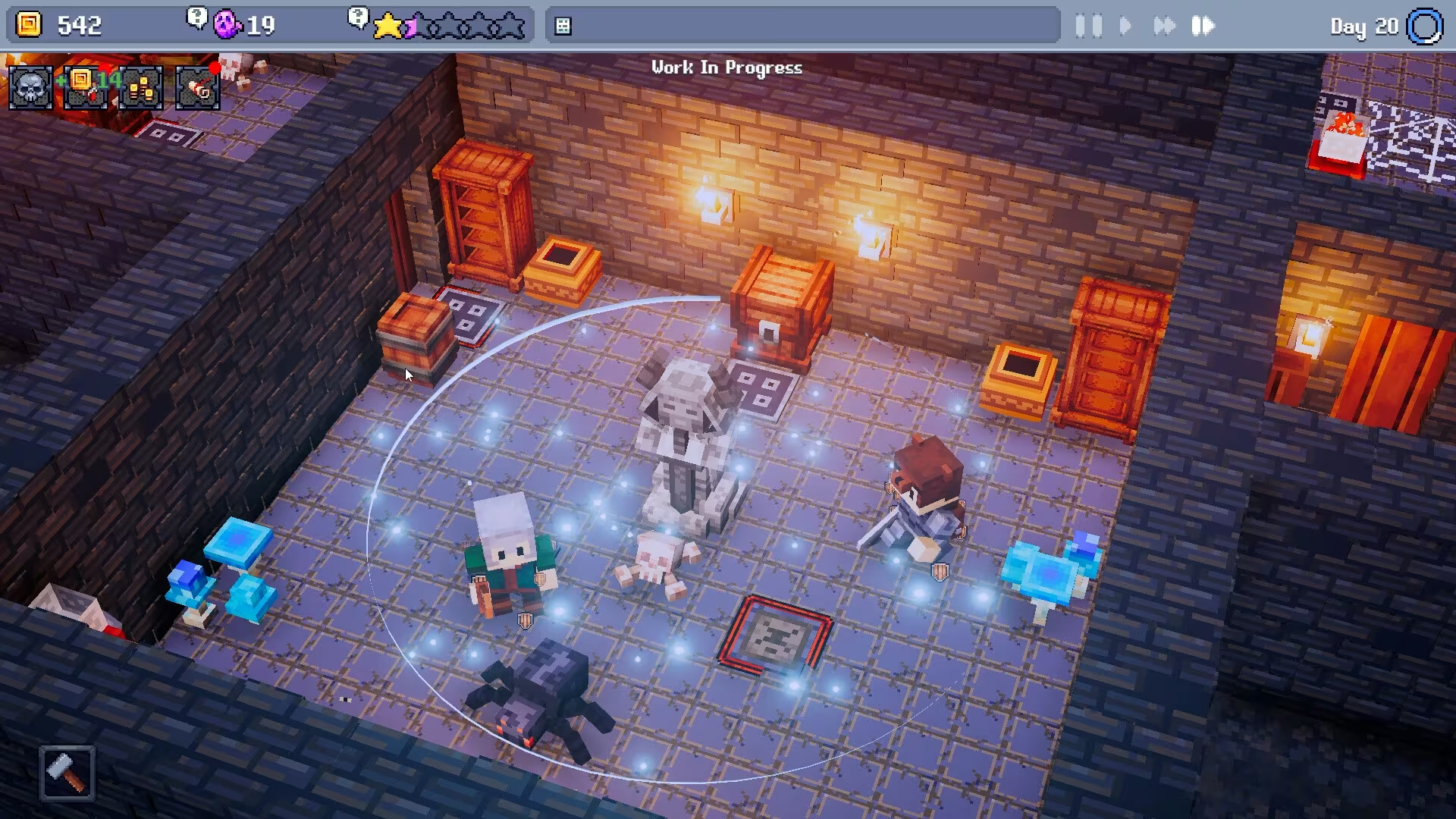
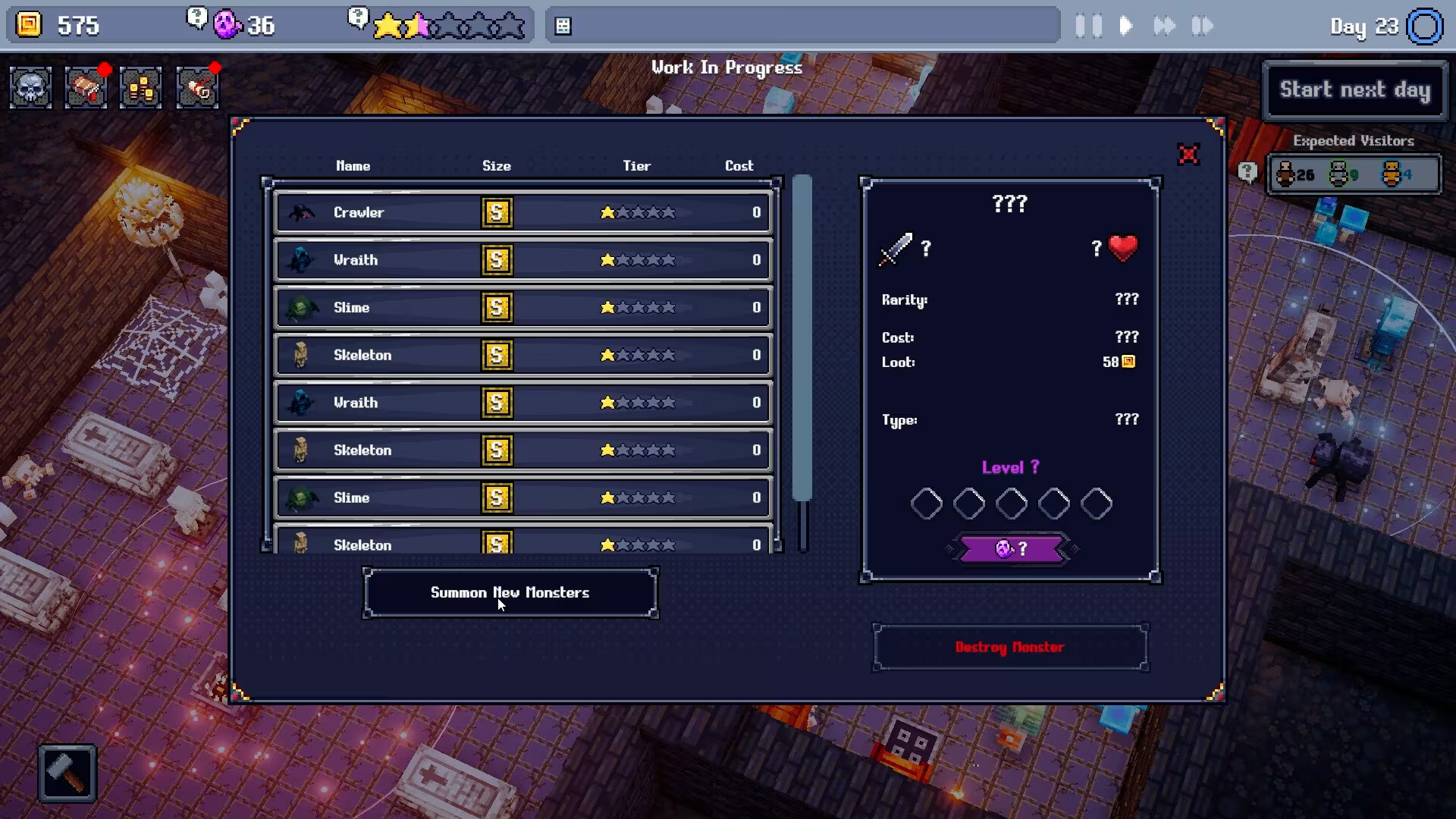
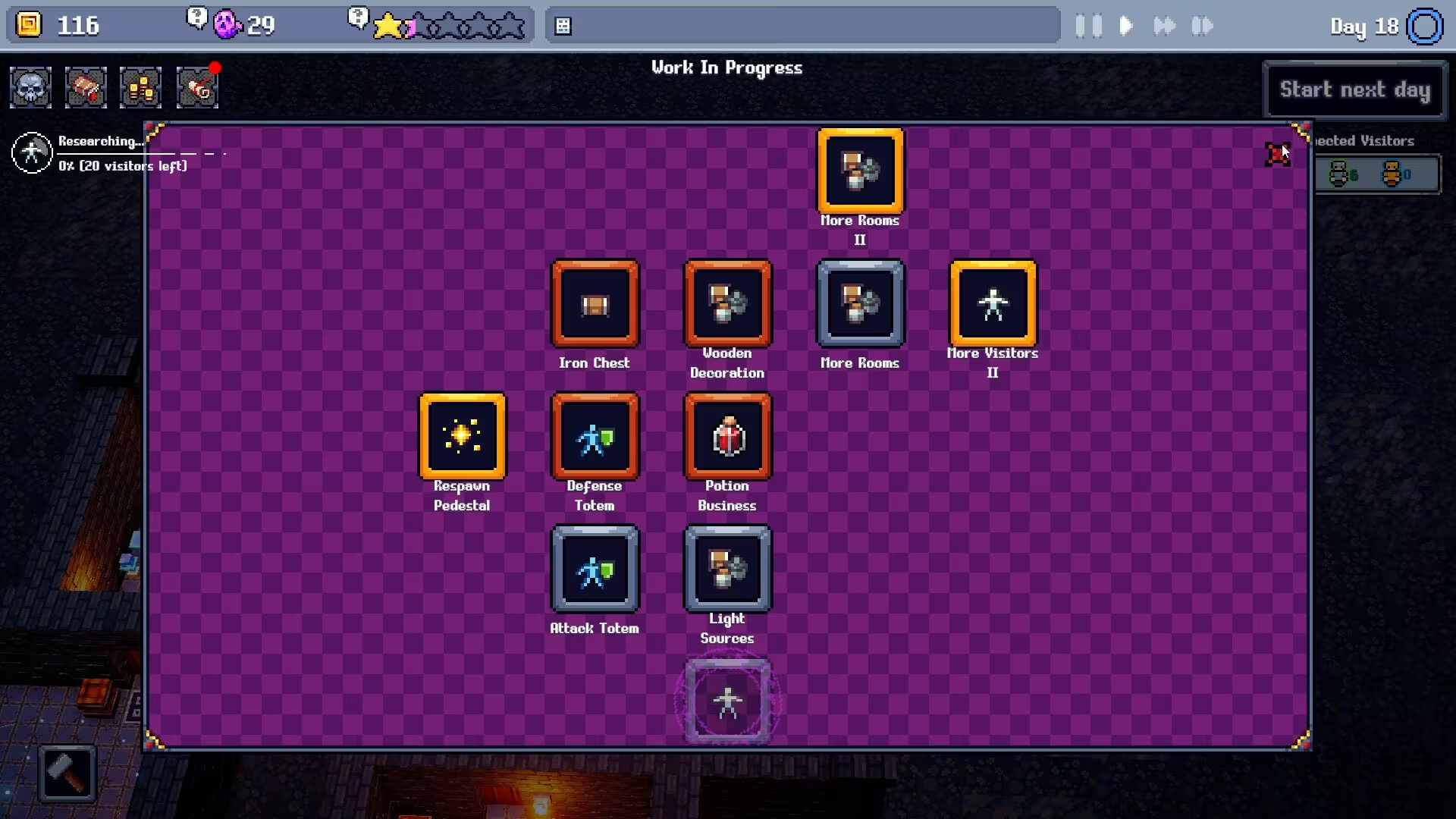
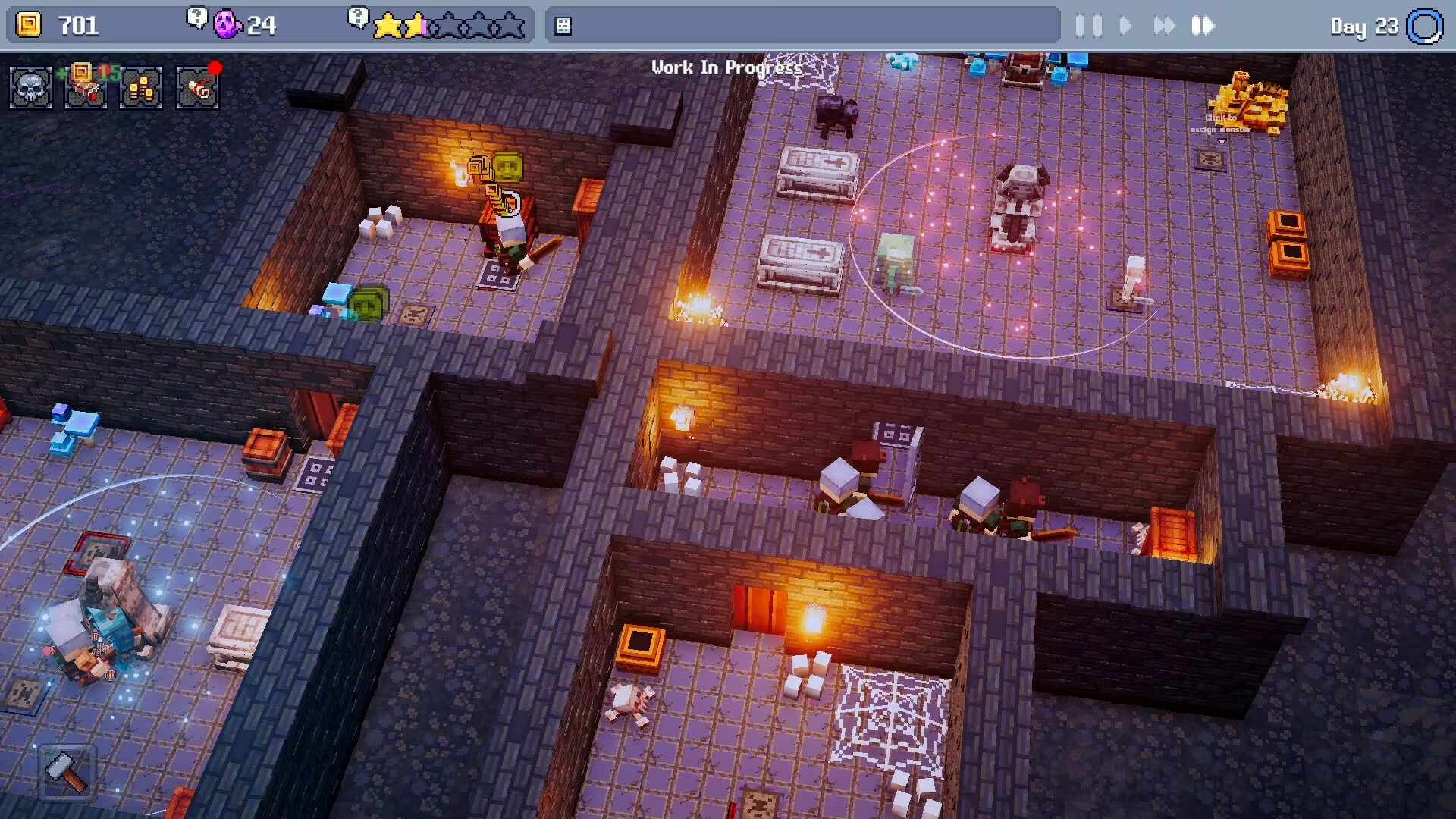
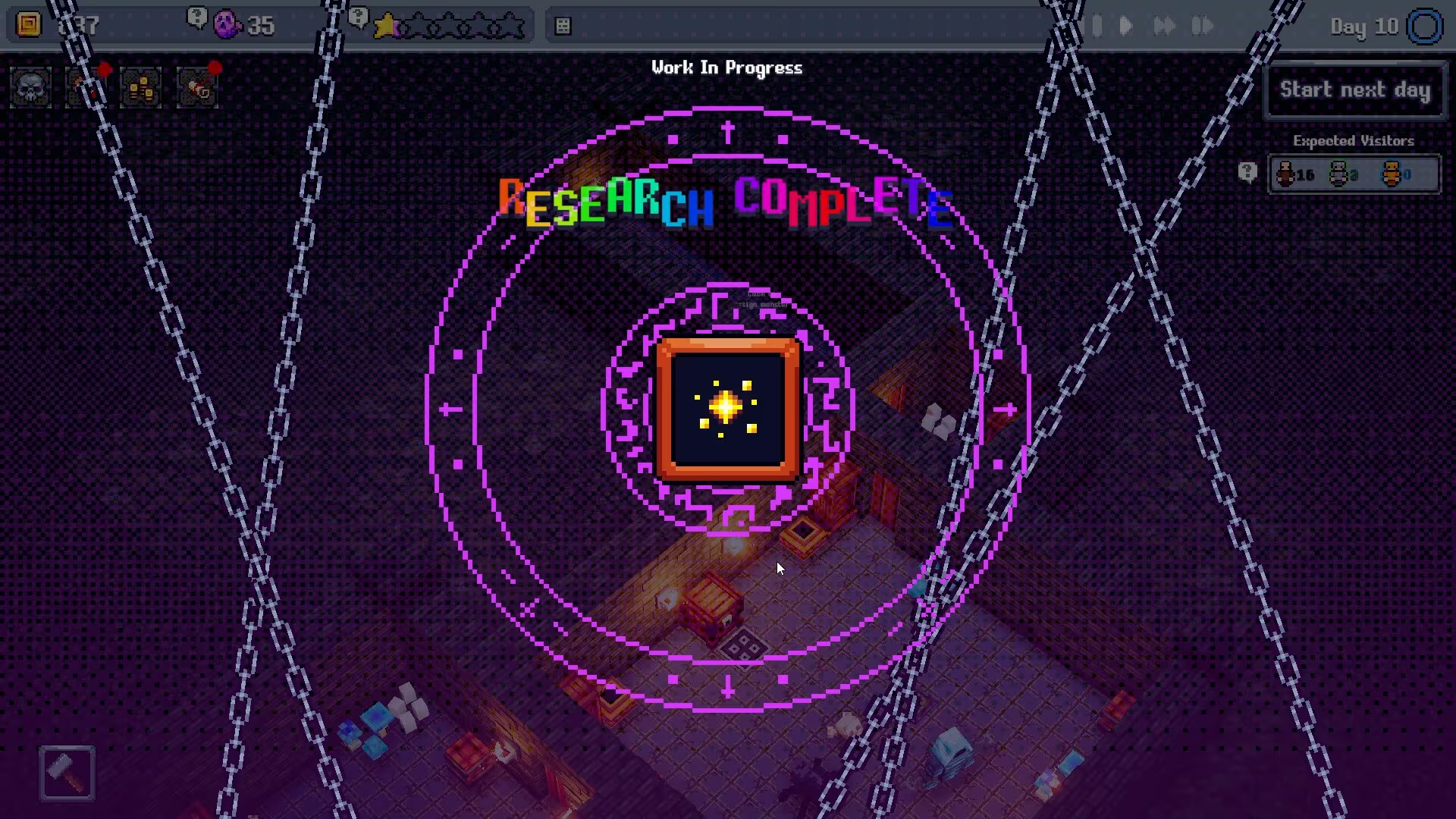
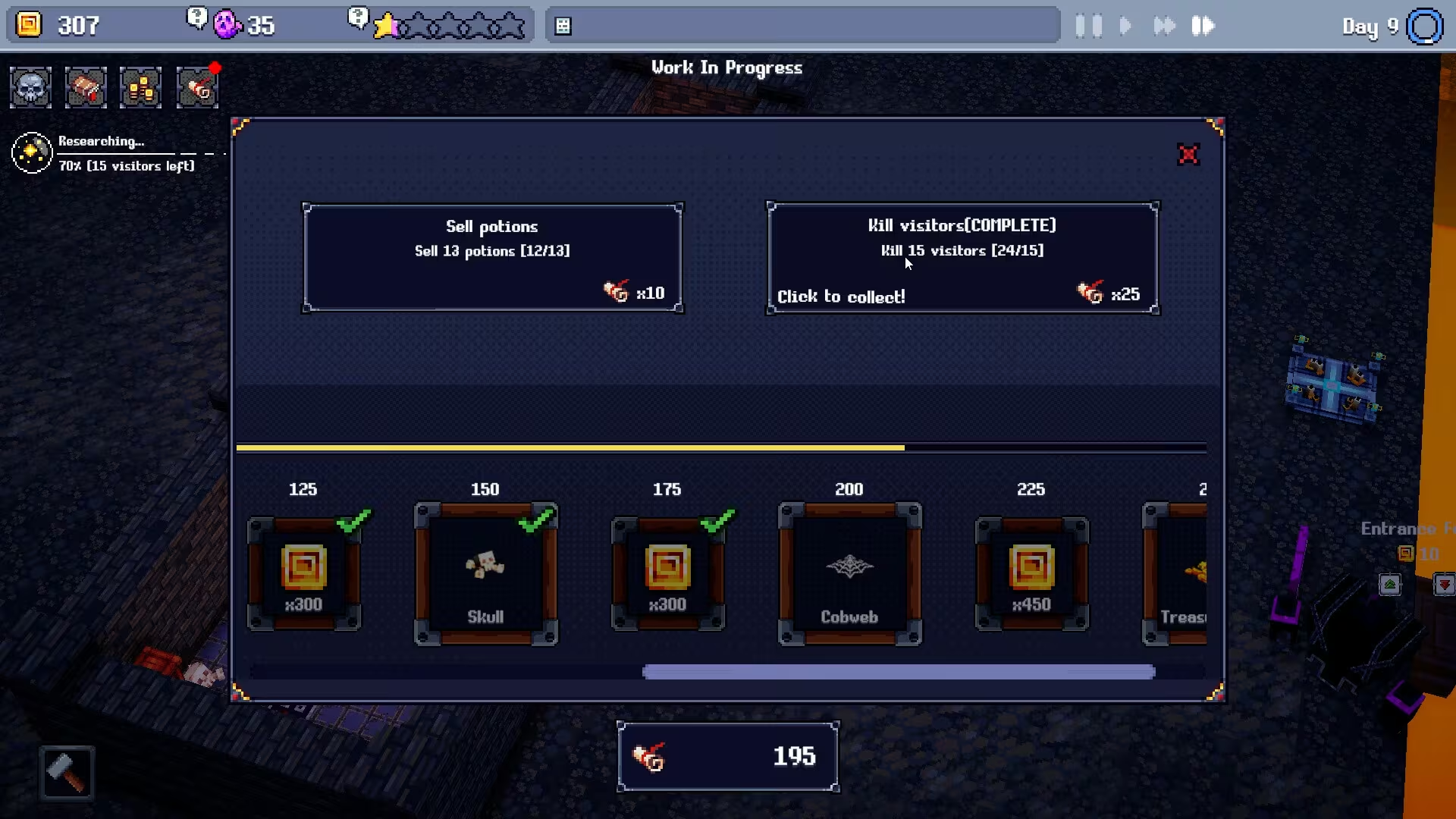
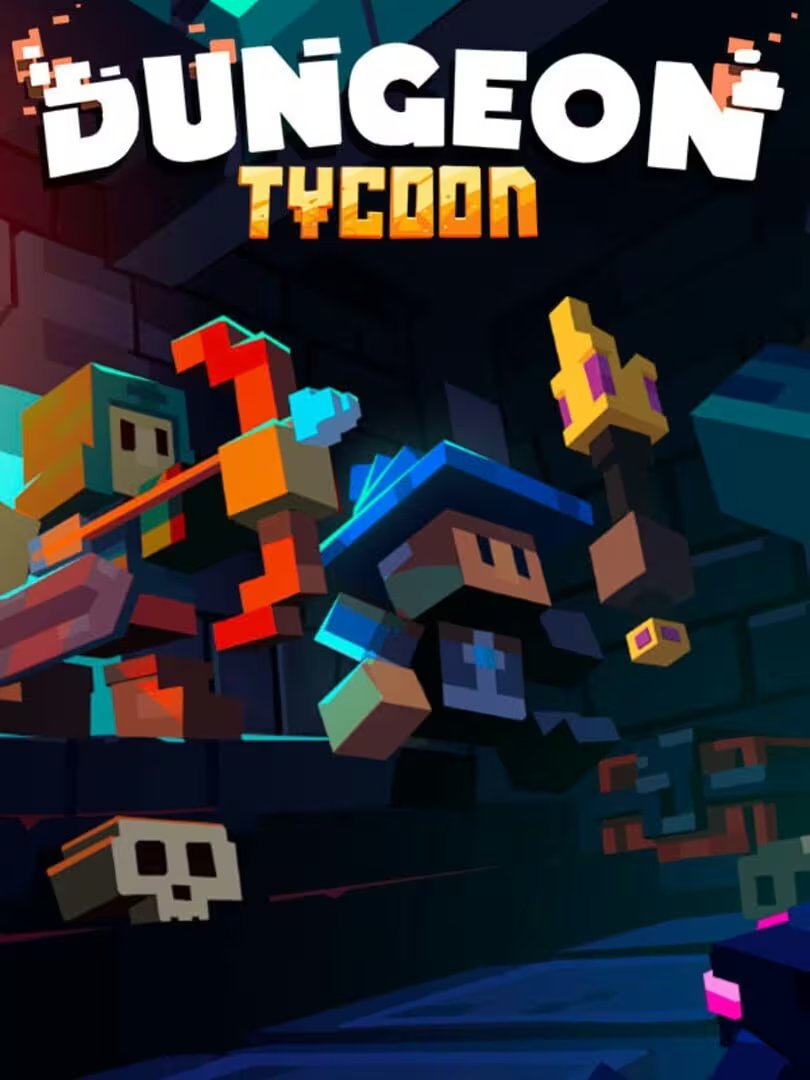
Build your own dungeon and attract heroes from all over the realm in this free version of Dungeon Tycoon. Grow your business by exploiting every facet of your visitors' dungeon exploration experience. Will you be able to keep your evil dungeon business going?

Global score

96/100

Genres

Simulator, Strategy, Free To Play

Similar games

    Pros

    • Creative and flexible dungeon building
    • Engaging and strategic gameplay
    • Relaxing and charming atmosphere
    • Good progression and research systems
    • Accessible and easy to learn

    Cons

    • Demo limited to 14 days playtime
    • Minor bugs and ai pathing issues
    • Some players find graphics simplistic
    • Lack of multiplayer or social features
    • Potential for repetitive gameplay

    Analysis

    A very typical example of its motivational profile. Motivations that often define this kind of title include Fellowship, Cooperation, Leadership, Violence. Here, the score leans higher than usual among comparable games on Expression, Relaxation, Creativity.

    How to use the graph
    Similar games map

    Each dot is a game. They are arranged from the same motivation profile as in the “Motivations” section below. Closer dots usually mean more similar reasons to play (exploration, competition, relaxation, etc.)—not that one game is “better” than another.

    • Larger dot with a light outline: the game you are viewing.
    • Colour: groups of games with comparable motivation patterns (statistical clusters).
    • Hover a dot to see the game name; click to open its page.
    • Scroll or double-click the chart to zoom out and see more games.

    Why don’t the axes read like a score? This view uses t-SNE: it only keeps who is close to whom. The scales are not “good to bad” or hours played—they separate groups on the map. Read distance between dots, not the axis numbers.

    Motivations

    • Autonomy
      4

      "Players have freedom to design and modify their dungeon layout creatively with no fixed way to play."

    • Competence
      3

      "Game involves strategic decisions on monster leveling, research, and balancing dungeon difficulty, requiring skillful management."

    • Competition
      -3

      "Focus is on personal dungeon building and management without evidence of ranked or PvP competition in the prologue."

    • Continuation
      4

      "Players express desire to keep playing beyond the 14-day demo limit, indicating strong engagement and habitual play."

    • Cooperation
      -4

      "Gameplay centers on individual dungeon management; multiplayer or cooperative features are not present in the prologue."

    • Creativity
      5

      "High creativity in dungeon construction, monster naming, and layout customization with ability to reshape dungeon freely."

    • Domination
      -4

      "Interactions with adventurers are indirect and balanced; no evidence of exerting control or superiority over other players."

    • Escapism
      4

      "Players use the game as a relaxing, immersive escape with charming visuals and satisfying gameplay."

    • Expectation
      -4

      "Players engage voluntarily out of intrinsic interest and enjoyment, not out of obligation or pressure."

    • Experimenting
      4

      "Players try different dungeon designs, monster setups, and research paths to explore game mechanics."

    • Exploration
      2

      "Some discovery in research and monster combinations, though environment is limited to dungeon layout."

    • Expression
      4

      "Players express themselves through dungeon design, monster naming, and aesthetic choices."

    • Fantasy
      4

      "Game features imaginative dungeon setting with monsters and adventurers in a fantasy theme."

    • Fellowship
      -4

      "Minimal social connection; mostly solo play with no strong community interaction in prologue."

    • Growth
      3

      "Players develop skills in dungeon management and strategic planning, with progression through research and leveling."

    • Health
      -5

      "No physical activity involved; typical sedentary gameplay."

    • Idle
      -3

      "Requires active management and attention during play sessions; not a background or idle game."

    • Intimacy
      -5

      "No evidence of forming close relationships or emotional sharing within the game."

    • Leadership
      -4

      "Player manages dungeon independently without leading or directing other players."

    • Progression
      4

      "Players accumulate upgrades, research, and monster levels to improve their dungeon over time."

    • Relaxation
      4

      "Game is described as chill, cozy, and relaxing with a good balance of challenge and flow."

    • Sensation
      2

      "Visuals and sounds are pleasant but not highly stimulating; blocky Minecraft-like style provides moderate sensory input."

    • Status
      -4

      "No social recognition or leaderboard status; focus is on personal dungeon success."

    • Story
      1

      "Some narrative elements and humor present but story is minimal and not central."

    • Strategy
      4

      "Requires planning dungeon layout, monster placement, and resource management strategically."

    • Thrill
      1

      "Some tension from balancing dungeon difficulty but overall experience is calm and controlled."

    • Value
      4

      "Players perceive good value in gameplay depth and enjoyment despite demo limitations."

    • Violence
      3

      "Combat against adventurers is a core mechanic, involving monster attacks and traps."

    • Survival
      2

      "Players manage threats from adventurers and balance dungeon defenses to avoid failure."

    Last update: 29/04/2026