SCARLET NEXUS similar games & best alternatives
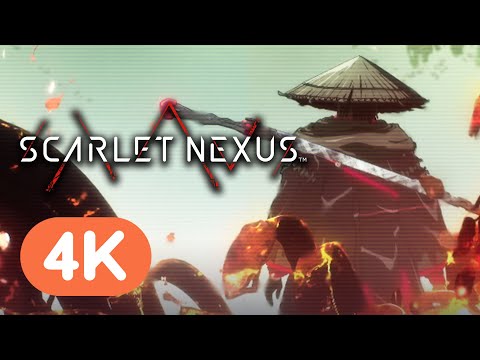
SCARLET NEXUS
2021
Related articles
Quick resume
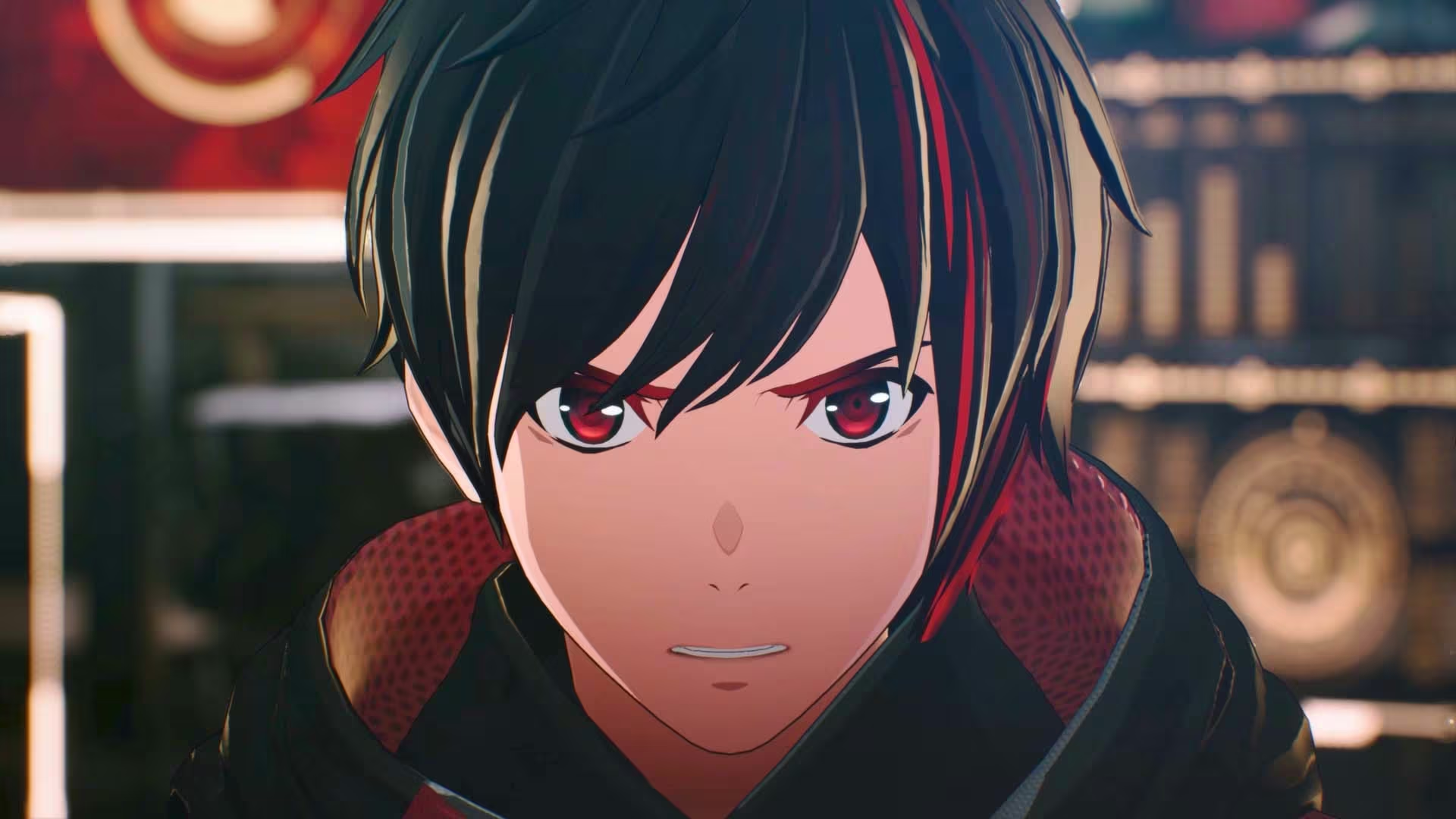
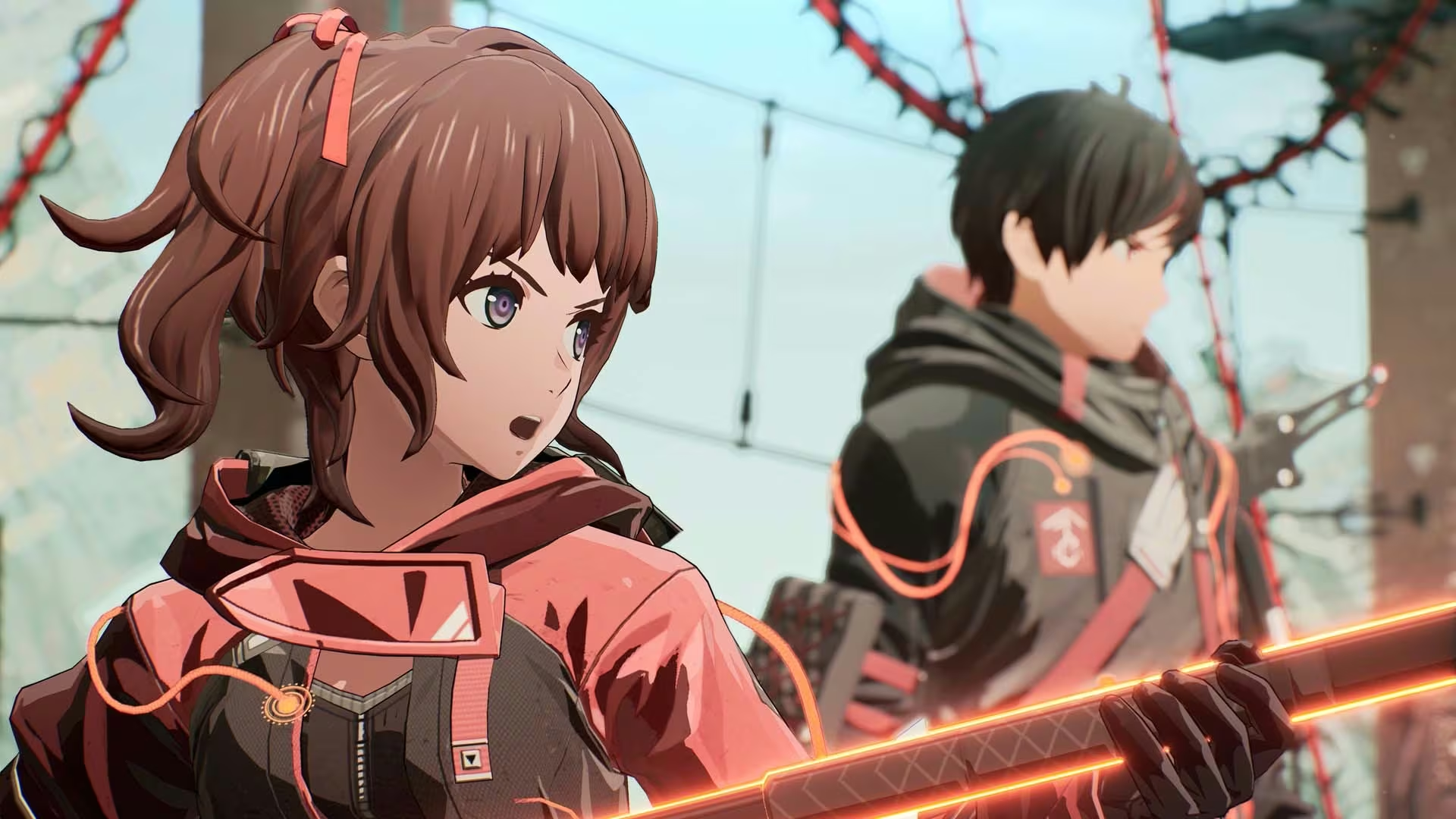
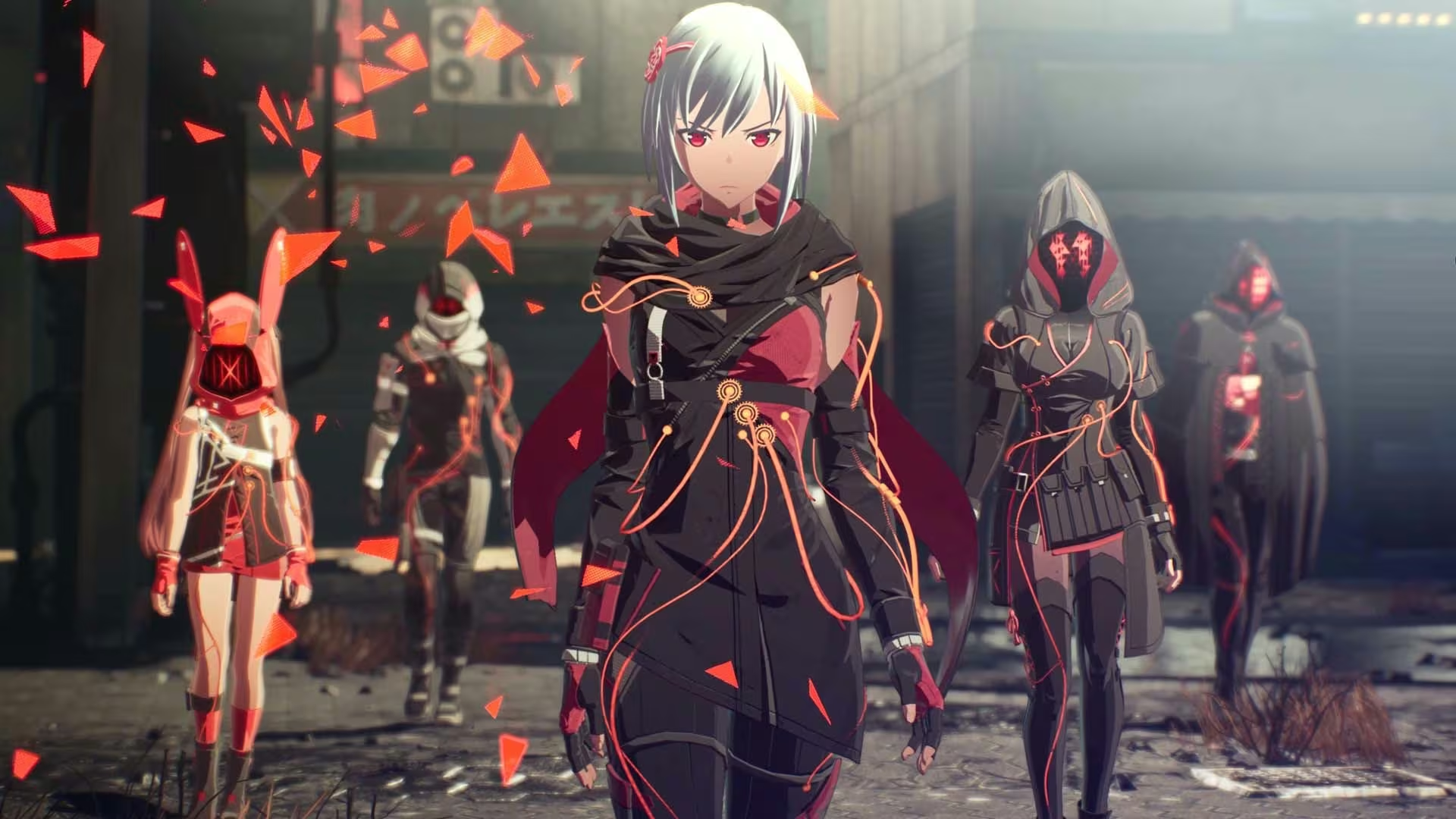
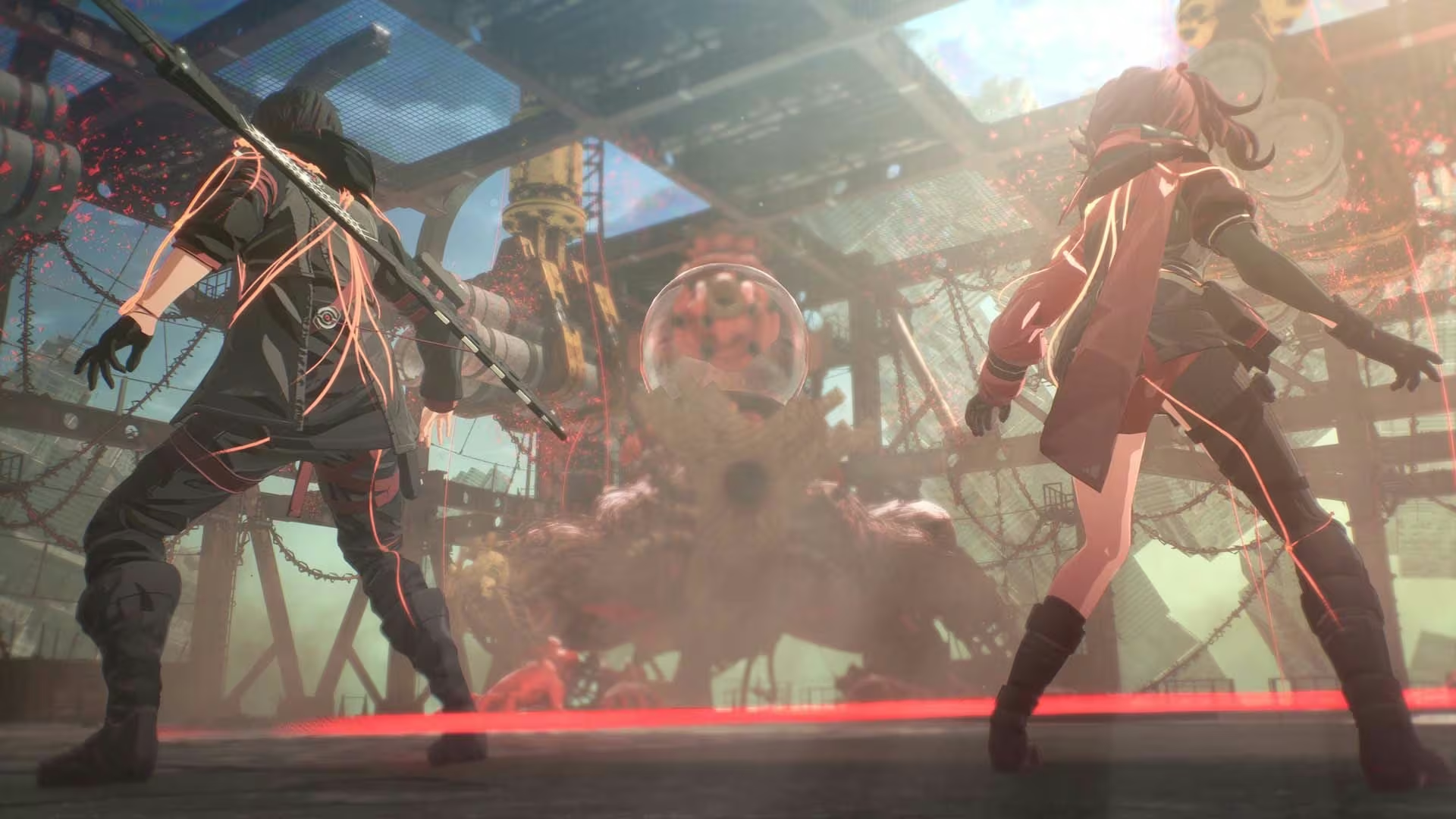
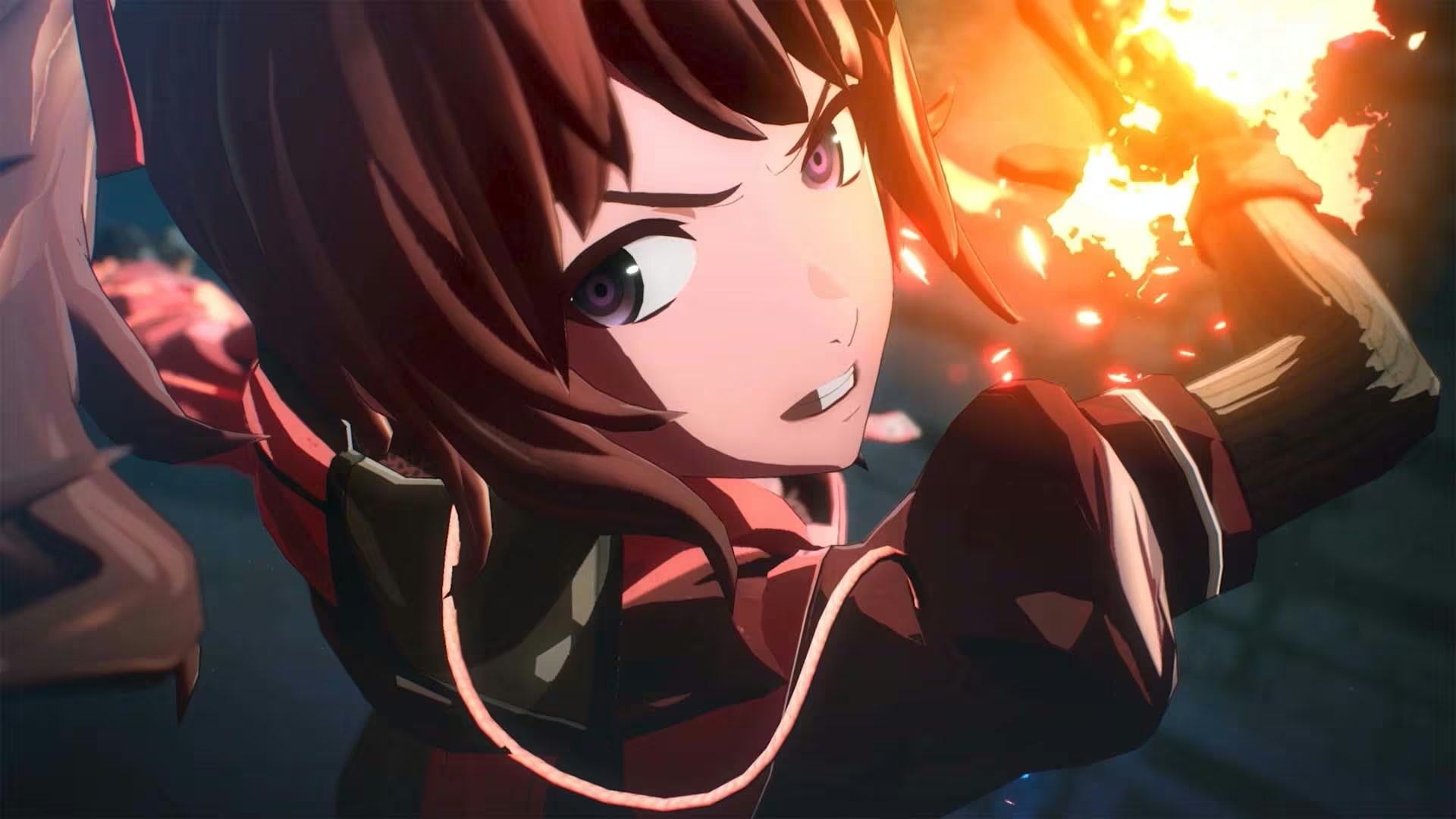
Choose between Yuito and Kasane, elite psionics each armed with a talent in psychokinesis and their own reason to fight. Complete both of their stories to unlock all the mysteries of a Brain Punk future caught between technology and psychic abilities.
Global score
81/100
Genres
Action, Adventure, Role-playing (RPG)
Similar games
Pros
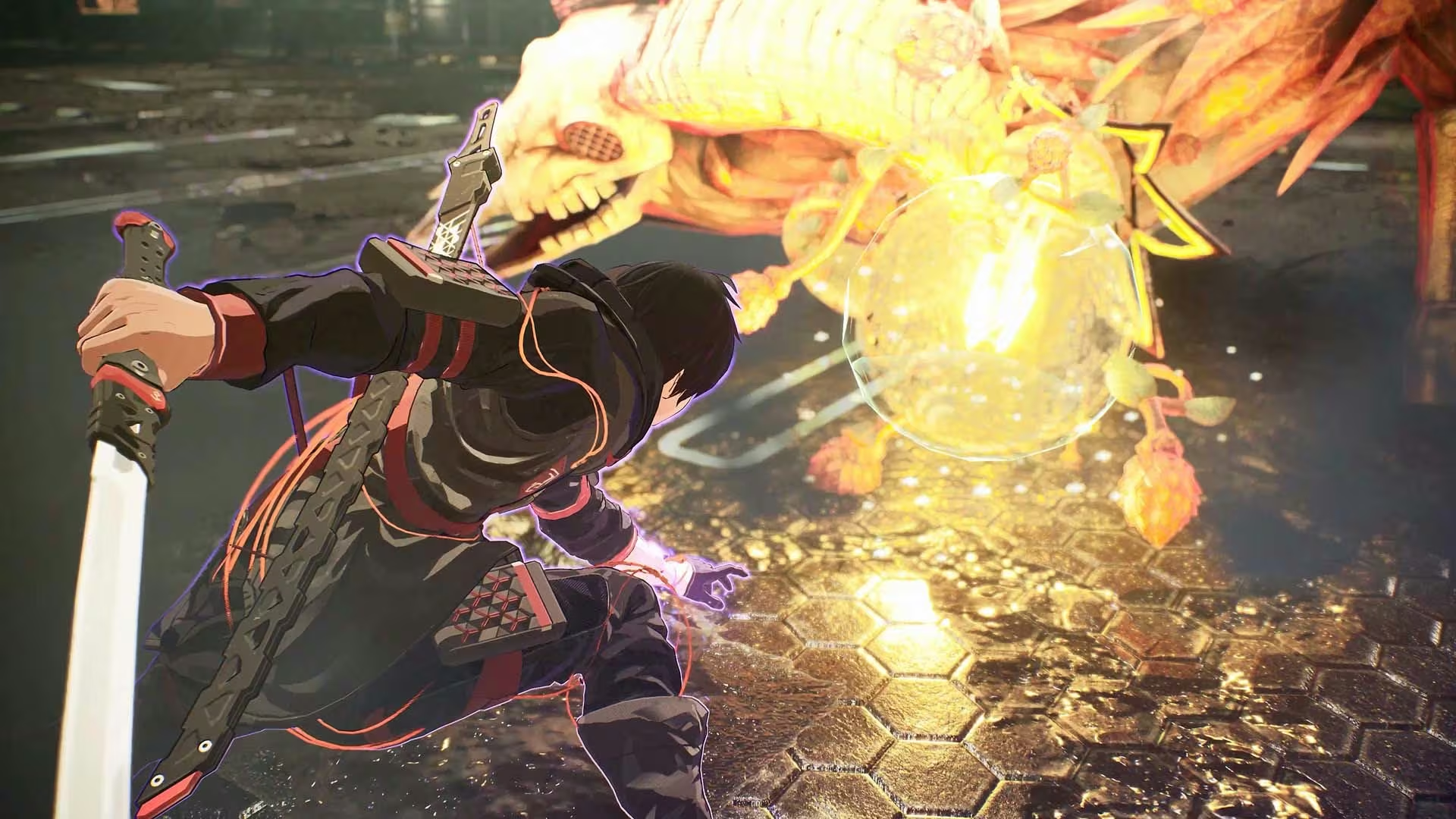
- Stylish and fluid combat system
- Engaging dual protagonist storylines
- Unique brain-punk anime aesthetic
- Deep character bonds and customization
- Dynamic soundtrack enhancing atmosphere
Cons
- Repetitive environments and side quests
- Linear level design limiting exploration
- Some pacing issues and excessive dialogue
- Combat difficulty spikes causing frustration
- Limited multiplayer or social interaction
Analysis
Less representative of its motivational profile, with noticeable differences. Motivations that often define this kind of title include Fellowship, Cooperation, Leadership, Violence. Here, the score leans higher than usual among comparable games on Intimacy, Cooperation. It leans lower than usual among comparable games on Exploration.
How to use the graph
Similar games map
Each dot is a game. They are arranged from the same motivation profile as in the “Motivations” section below. Closer dots usually mean more similar reasons to play (exploration, competition, relaxation, etc.)—not that one game is “better” than another.
- Larger dot with a light outline: the game you are viewing.
- Colour: groups of games with comparable motivation patterns (statistical clusters).
- Hover a dot to see the game name; click to open its page.
- Scroll or double-click the chart to zoom out and see more games.
Why don’t the axes read like a score? This view uses t-SNE: it only keeps who is close to whom. The scales are not “good to bad” or hours played—they separate groups on the map. Read distance between dots, not the axis numbers.
Motivations
-
Autonomy3
"Players choose between two protagonists and customize combat abilities via skill trees and SAS powers, allowing personal playstyle direction."
-
Competence4
"Combat requires skillful timing, combo chaining, and strategic use of abilities; boss fights are challenging and demand mastery."
-
Competition-3
"Focus is on single-player experience with no mention of PvP or leaderboards; play is at personal pace without social comparison."
-
Continuation3
"Players report long play sessions, multiple playthroughs for full story, and engagement with DLC content indicating sustained attachment."
-
Cooperation-2
"Gameplay centers on single-player with AI companions; cooperation is simulated rather than involving other human players."
-
Creativity3
"Players customize combat styles through skill trees and SAS abilities; gift giving and hideout decoration add creative expression."
-
Domination-4
"Interactions emphasize equal party member bonds and teamwork; no evidence of exerting control or superiority over others."
-
Escapism4
"Players use the game to immerse in a futuristic anime world with psychic powers, escaping real life through story and combat."
-
Expectation-4
"Players engage voluntarily for enjoyment; no indication of obligation or external pressure to play."
-
Experimenting3
"Combat encourages trying different combos, powers, and strategies; players experiment with abilities and team setups."
-
Exploration-2
"Game is mostly linear with reused environments; exploration is limited and not a major focus."
-
Expression3
"Players customize characters with gifts, outfits, and weapon skins; hideout decoration reflects player choices."
-
Fantasy5
"Strongly imaginative fiction with psychic powers, futuristic setting, and anime-style storytelling."
-
Fellowship-3
"Social interaction limited to single-player bonds with AI companions; minimal multiplayer or community engagement."
-
Growth4
"Players develop skills through combat mastery, leveling, and unlocking abilities; bond episodes deepen character understanding."
-
Health-5
"Sedentary gameplay with no physical activity or health-related mechanics."
-
Idle-4
"Requires continuous attention during combat and story; not designed for background or casual intermittent play."
-
Intimacy2
"Bond episodes and gift giving foster emotional connection with AI companions, though limited to scripted interactions."
-
Leadership-3
"Player leads own character but party members act autonomously; no leadership over other players or group management."
-
Progression4
"Strong emphasis on leveling, skill unlocking, equipment upgrades, and collecting gifts and cosmetics."
-
Relaxation1
"Combat can be satisfying and fluid but also includes tense boss fights and difficulty spikes causing frustration."
-
Sensation4
"Vibrant visuals, flashy combat effects, and dynamic soundtrack provide strong sensory stimulation and excitement."
-
Status-4
"Achievements and leaderboards are minimal; recognition is mostly personal and outside social evaluation."
-
Story3
"Narrative immersion through dual protagonists, character development, and extensive cutscenes, though some find pacing uneven."
-
Strategy3
"Combat and ability management require planning and tactical thinking; players must adapt to enemy weaknesses and timing."
-
Thrill2
"Some suspense in boss fights and combat challenges, but also frustration from difficulty spikes and repetitive encounters."
-
Value2
"Players appreciate content volume, DLC additions, and replay value, especially when purchased on sale."
-
Violence4
"Combat focused on defeating enemies with psychic powers and weapons; destruction and combat are central gameplay elements."
-
Survival2
"Players must avoid damage and manage health in challenging fights; survival is important but not extreme or constant."
Where to buy
Last update: 29/04/2026