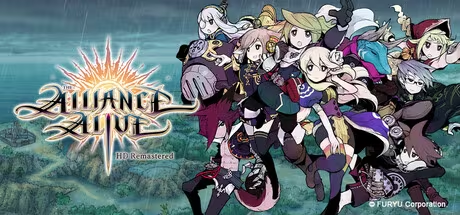
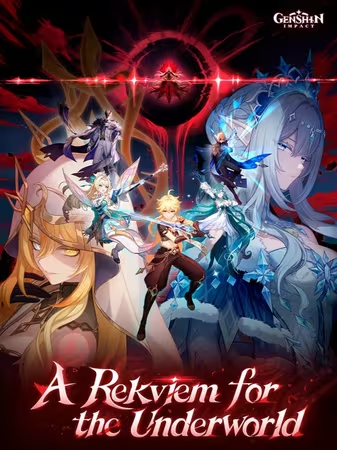
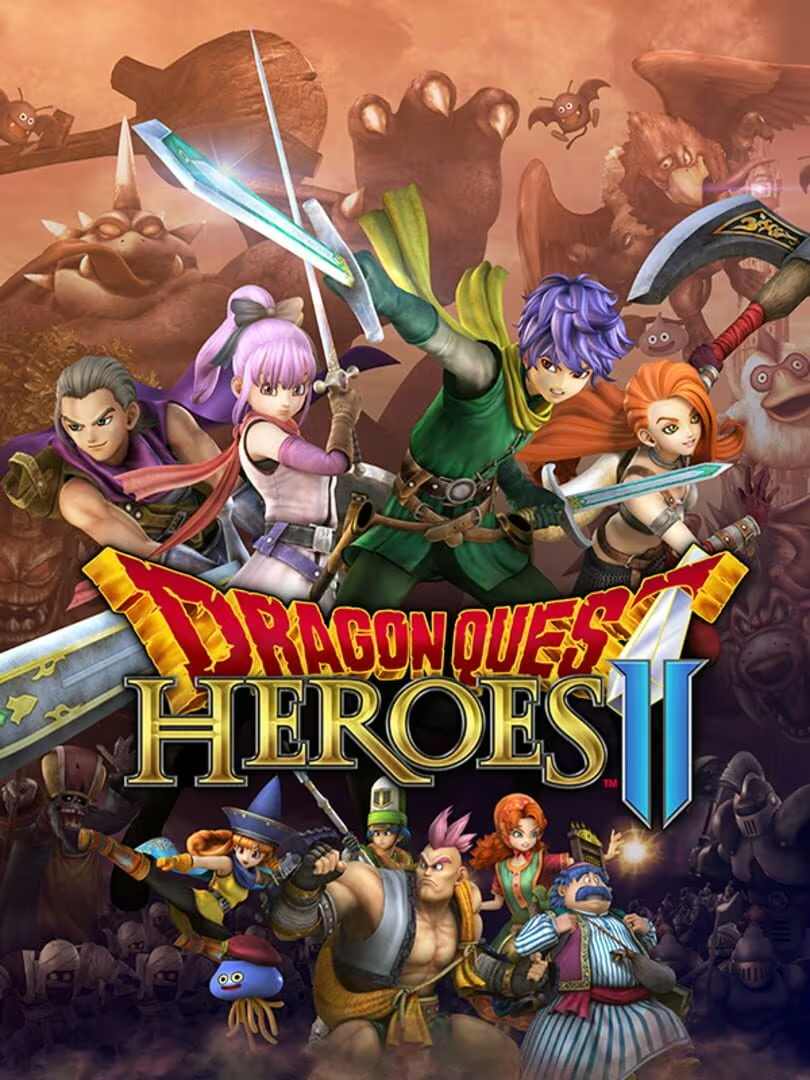
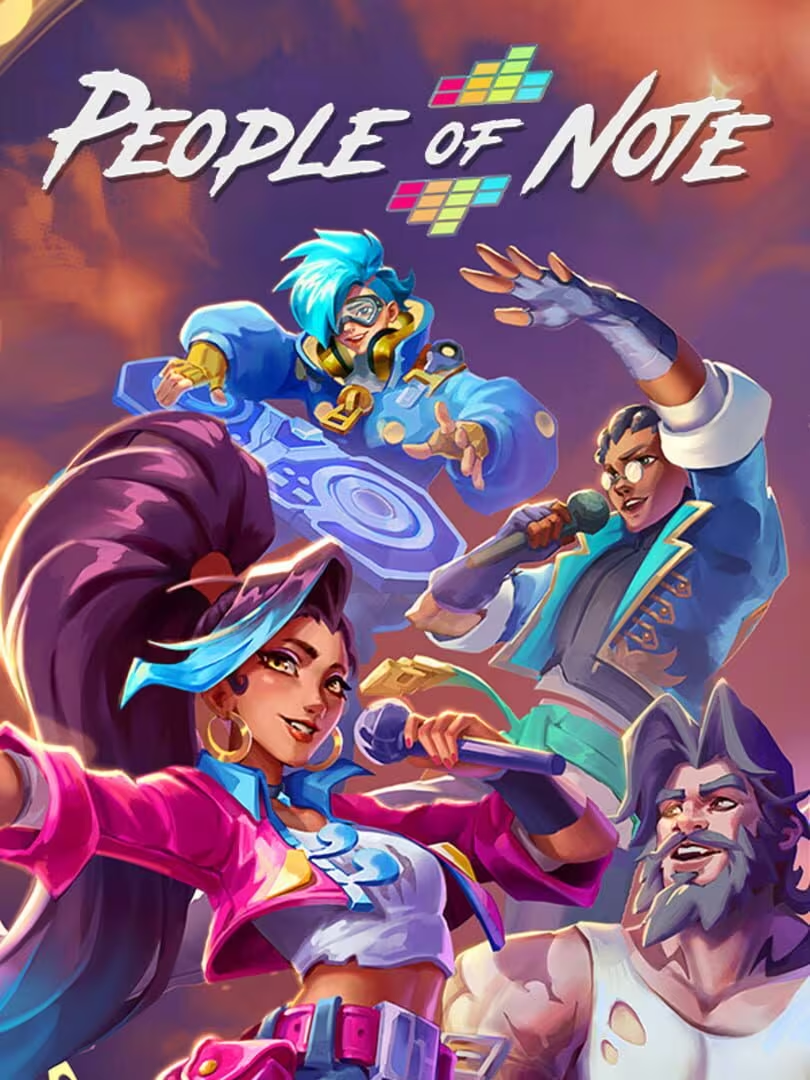
Trials of Mana Thumbnail

Trials of Mana similar games & best alternatives
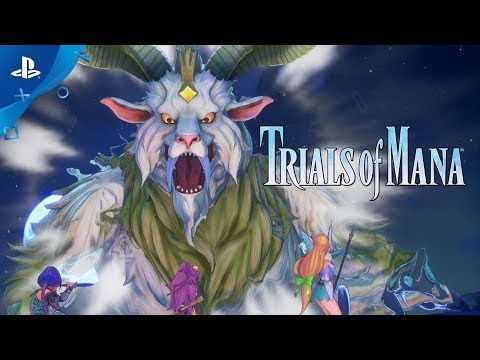
Trials of Mana

PC (Microsoft Windows), iOS, PlayStation 4, Android, Xbox Series X|S, Nintendo Switch • 2020

Related articles

Quick resume

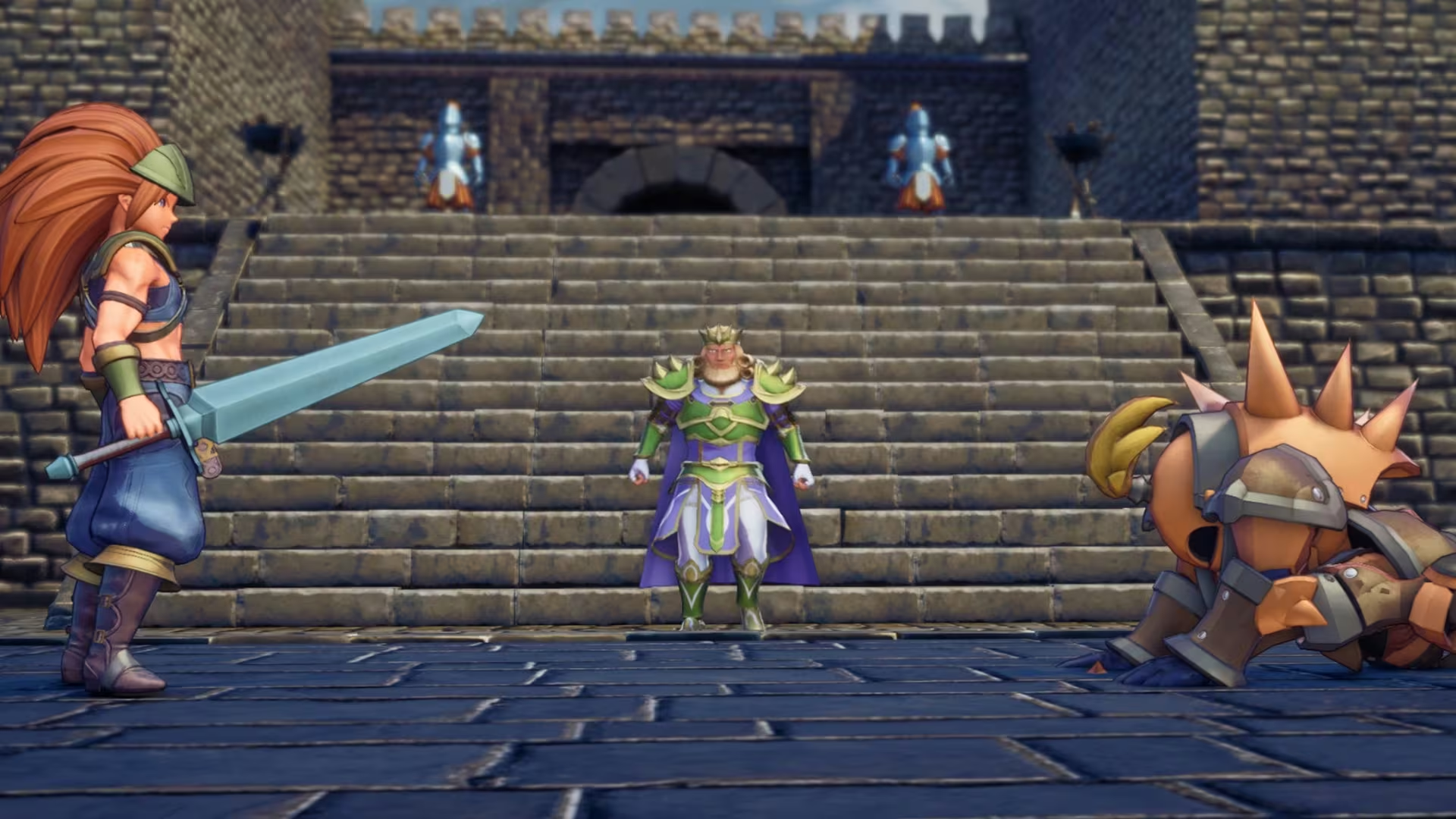
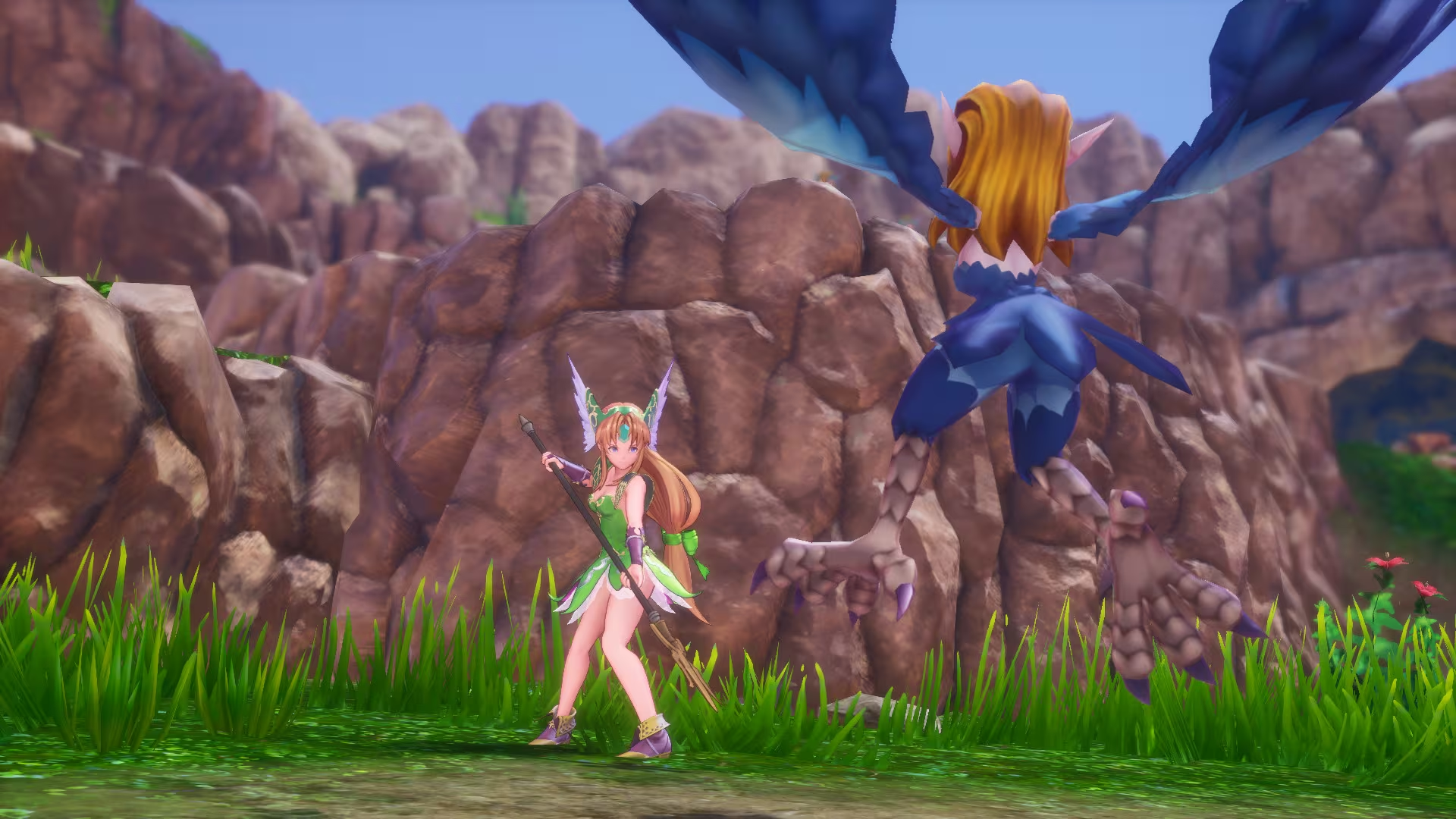
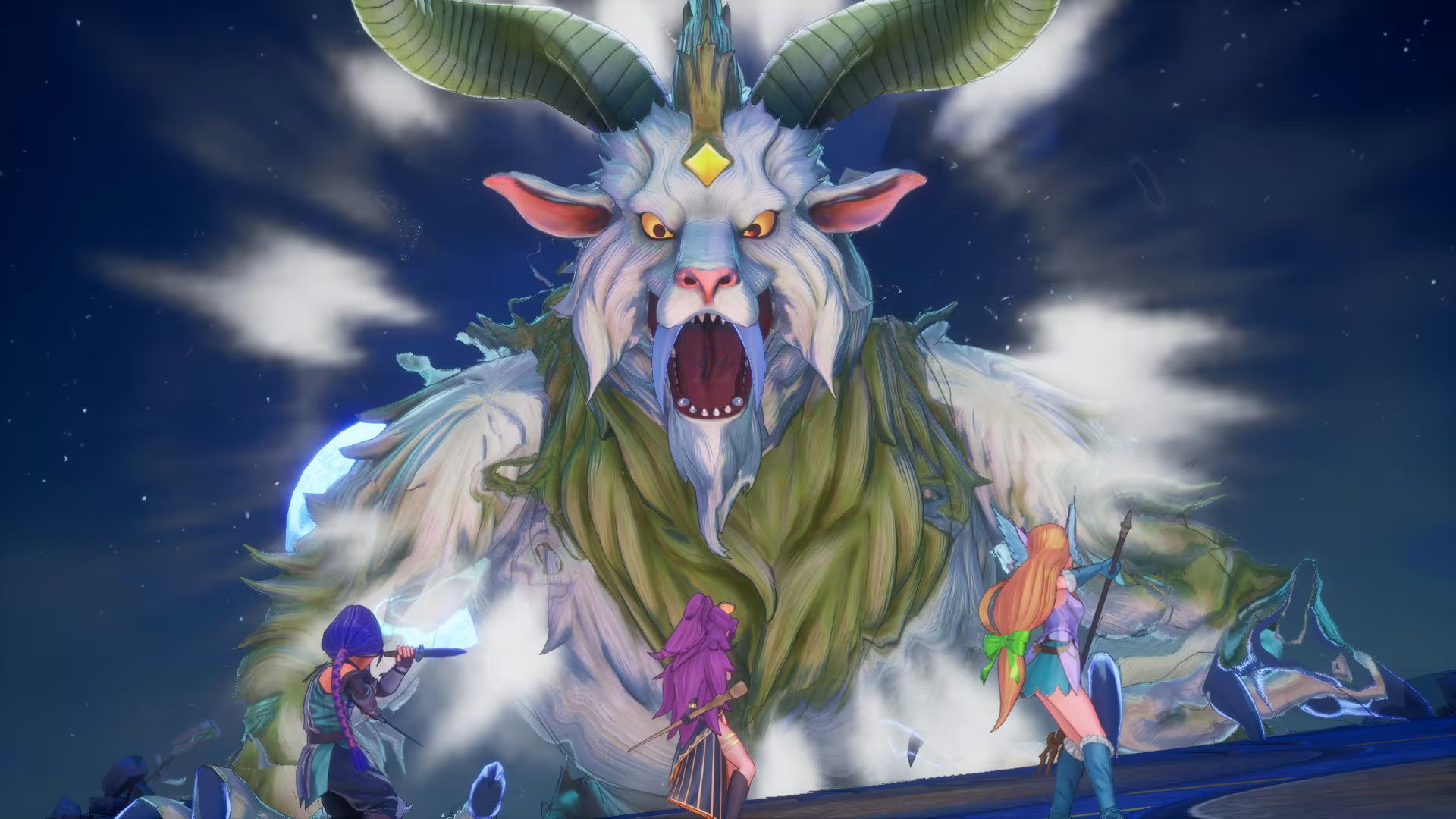
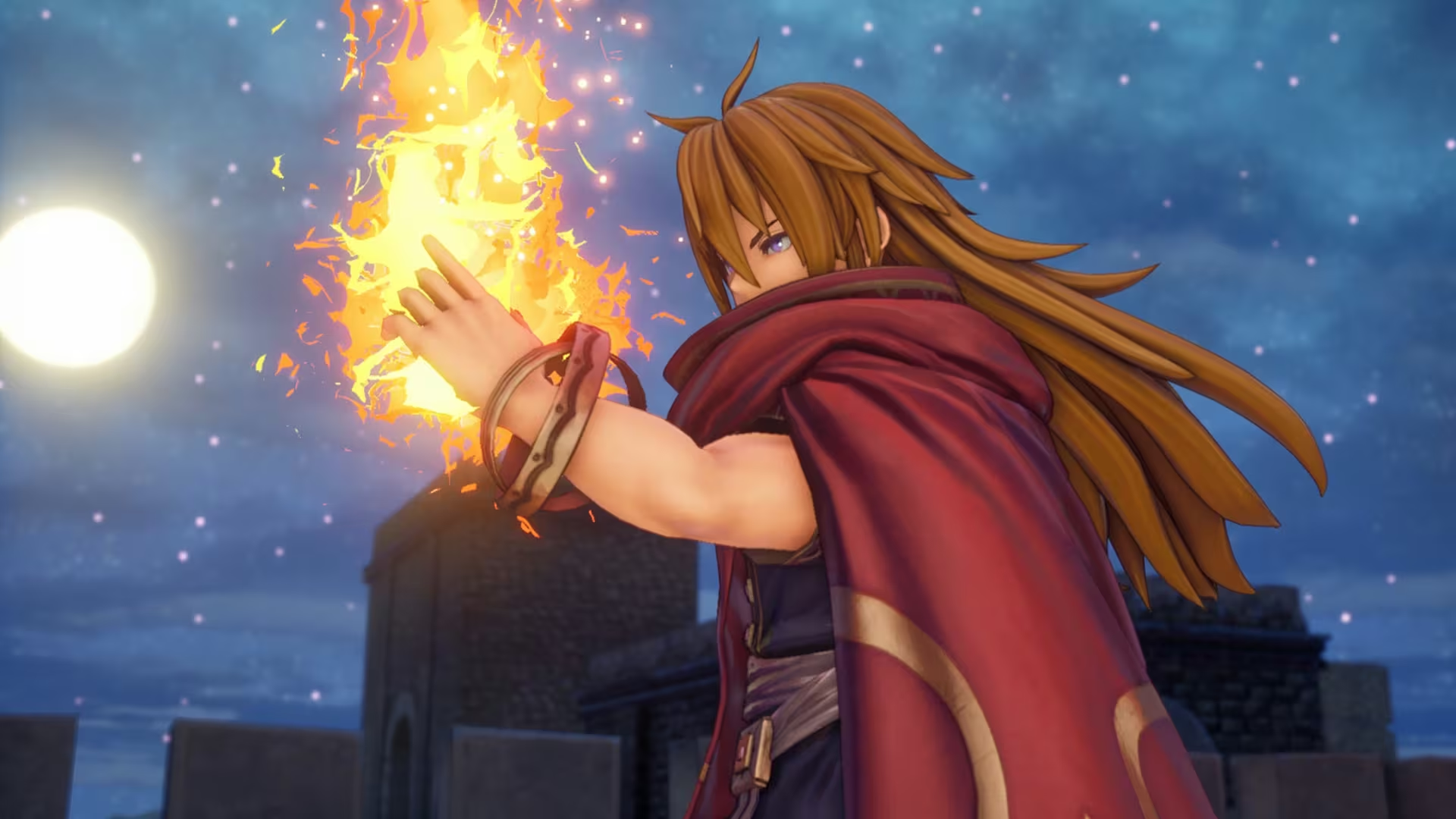
Trials of Mana is a modern revival of the 3rd game in the seminal Mana series. The game, originally released in Japan as Seiken Densetsu 3, has been fully rebuilt from the ground up in 3D.

Global score

91/100

Genres

Role-playing (RPG), Adventure

Similar games

    Pros

    • Faithful and beautiful remake
    • Engaging combat and class system
    • Multiple characters and story routes
    • Excellent music and art style
    • High replayability and customization

    Cons

    • Poor ai companions
    • English voice acting criticized
    • Story is simple and sometimes cheesy
    • Lack of multiplayer or co-op
    • Some difficulty balancing issues

    Analysis

    A very typical example of its motivational profile. Motivations that often define this kind of title include Fellowship, Cooperation, Leadership, Violence. Here, the score leans higher than usual among comparable games on Expression, Violence, Fantasy.

    How to use the graph
    Similar games map

    Each dot is a game. They are arranged from the same motivation profile as in the “Motivations” section below. Closer dots usually mean more similar reasons to play (exploration, competition, relaxation, etc.)—not that one game is “better” than another.

    • Larger dot with a light outline: the game you are viewing.
    • Colour: groups of games with comparable motivation patterns (statistical clusters).
    • Hover a dot to see the game name; click to open its page.
    • Scroll or double-click the chart to zoom out and see more games.

    Why don’t the axes read like a score? This view uses t-SNE: it only keeps who is close to whom. The scales are not “good to bad” or hours played—they separate groups on the map. Read distance between dots, not the axis numbers.

    Motivations

    • Autonomy
      4

      "Players choose main character and party members, customize classes and stats, and decide play style freely."

    • Competence
      3

      "Combat is accessible but requires skillful dodging and strategy especially on higher difficulties; some boss fights require planning."

    • Competition
      -3

      "Focus is on personal progression and story; no mention of ranked modes or leaderboards."

    • Continuation
      4

      "High replayability with multiple characters, classes, and story routes encourages multiple playthroughs."

    • Cooperation
      -4

      "Single player with AI companions; no multiplayer or co-op; AI often criticized as poor."

    • Creativity
      4

      "Class system with multiple evolutions and ability customization allows creative builds and experimentation."

    • Domination
      -4

      "No evidence of exerting control over others; gameplay is cooperative with AI companions."

    • Escapism
      4

      "Players use the game to relax, enjoy a charming fantasy world, and escape real life stress."

    • Expectation
      -4

      "Players engage voluntarily out of interest and nostalgia; no indication of obligation or pressure."

    • Experimenting
      4

      "Players try different party combinations, class builds, and strategies; encourages replay and exploration."

    • Exploration
      3

      "Exploration of colorful, varied environments with hidden items and secrets; some backtracking."

    • Expression
      3

      "Character customization through class changes and costume changes allows some self-expression."

    • Fantasy
      5

      "Strong fantasy setting with magic, mythical creatures, and classic JRPG storytelling."

    • Fellowship
      -3

      "Mostly single player experience with limited social interaction; no multiplayer or community features."

    • Growth
      4

      "Players develop characters through leveling, stat allocation, and unlocking abilities; learning combat mechanics."

    • Health
      -4

      "Typical sedentary gaming experience with no physical activity elements."

    • Idle
      -3

      "Requires focused attention during combat and exploration; not a casual idle game."

    • Intimacy
      -4

      "Limited to scripted character interactions; no deep social or emotional connections reported."

    • Leadership
      -4

      "No player leadership over others; AI companions act independently with limited player control."

    • Progression
      5

      "Strong emphasis on character progression, class upgrades, item collection, and new abilities."

    • Relaxation
      3

      "Generally relaxing and enjoyable gameplay; some tension in boss fights but overall accessible."

    • Sensation
      3

      "Colorful visuals, engaging music, and satisfying combat provide sensory enjoyment."

    • Status
      -4

      "No social status or recognition systems; focus is on personal achievement."

    • Story
      2

      "Simple JRPG narrative with multiple perspectives; story is serviceable but not deep."

    • Strategy
      3

      "Combat and class customization require planning and tactical thinking, especially on higher difficulties."

    • Thrill
      2

      "Some suspense in boss fights and combat encounters; overall moderate emotional intensity."

    • Value
      4

      "Good perceived value due to replayability, content, and quality of remake."

    • Violence
      3

      "Combat involves fighting monsters and bosses; typical fantasy action violence."

    • Survival
      2

      "Players must avoid damage and manage resources in combat; some challenge in boss fights."

    Last update: 29/04/2026