Ghostwire: Tokyo similar games & best alternatives
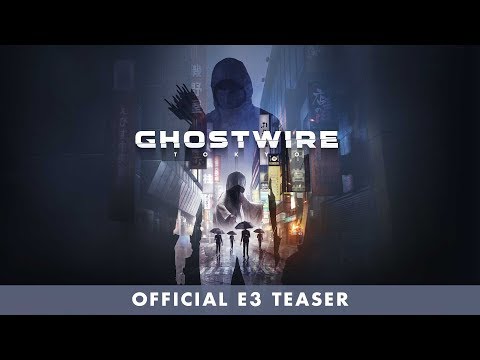
Ghostwire: Tokyo
2022
Related articles
Quick resume
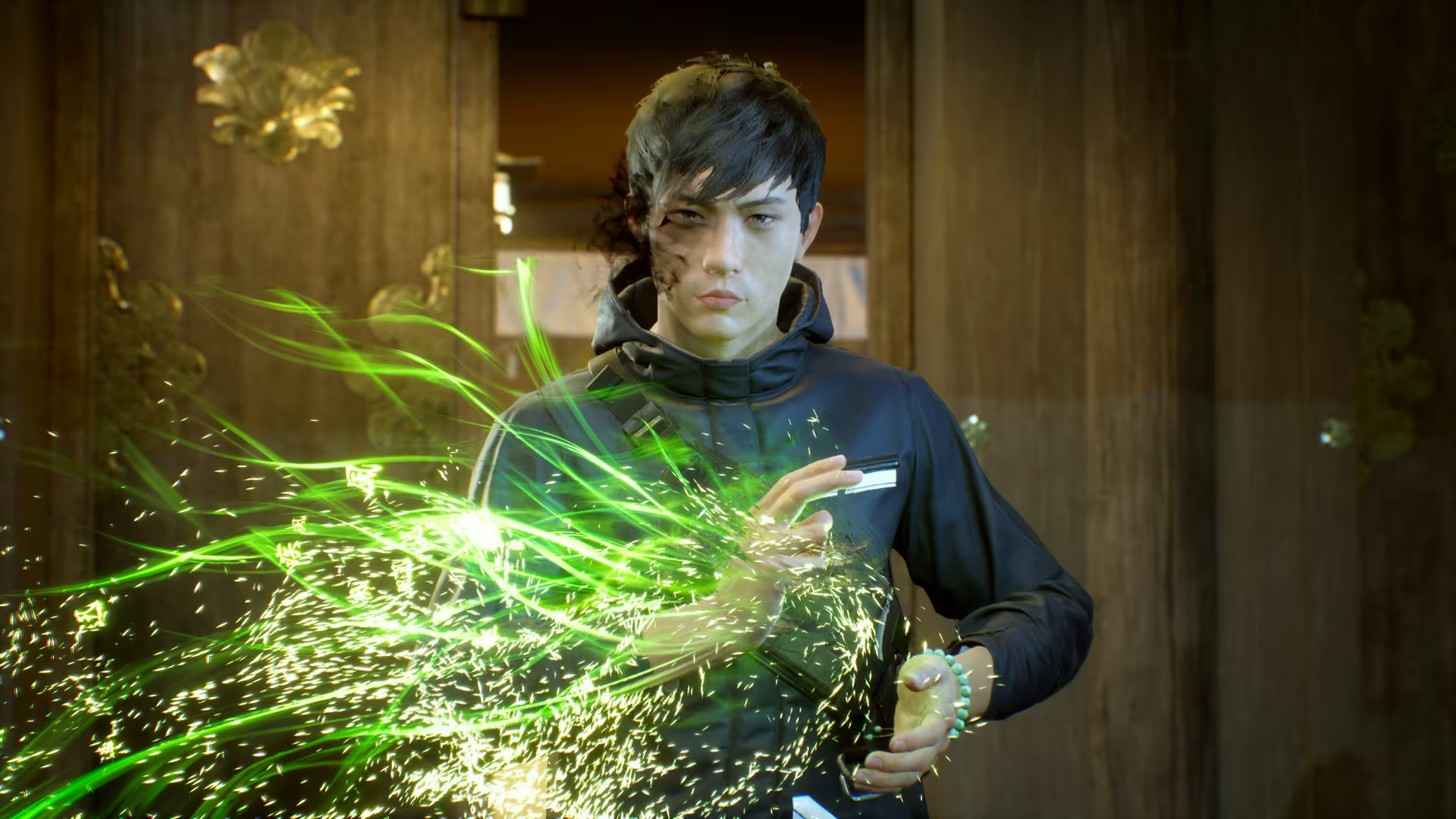
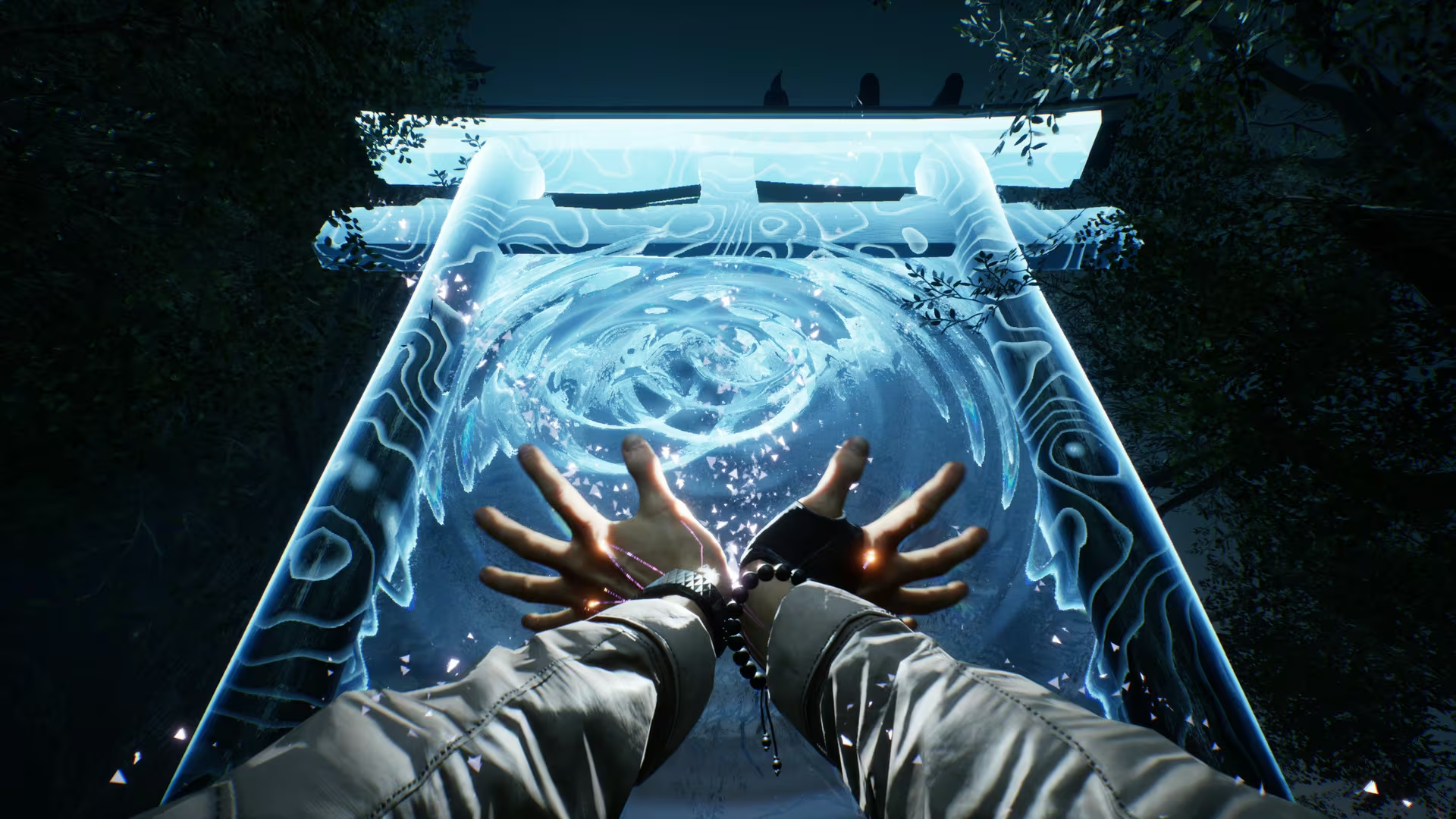
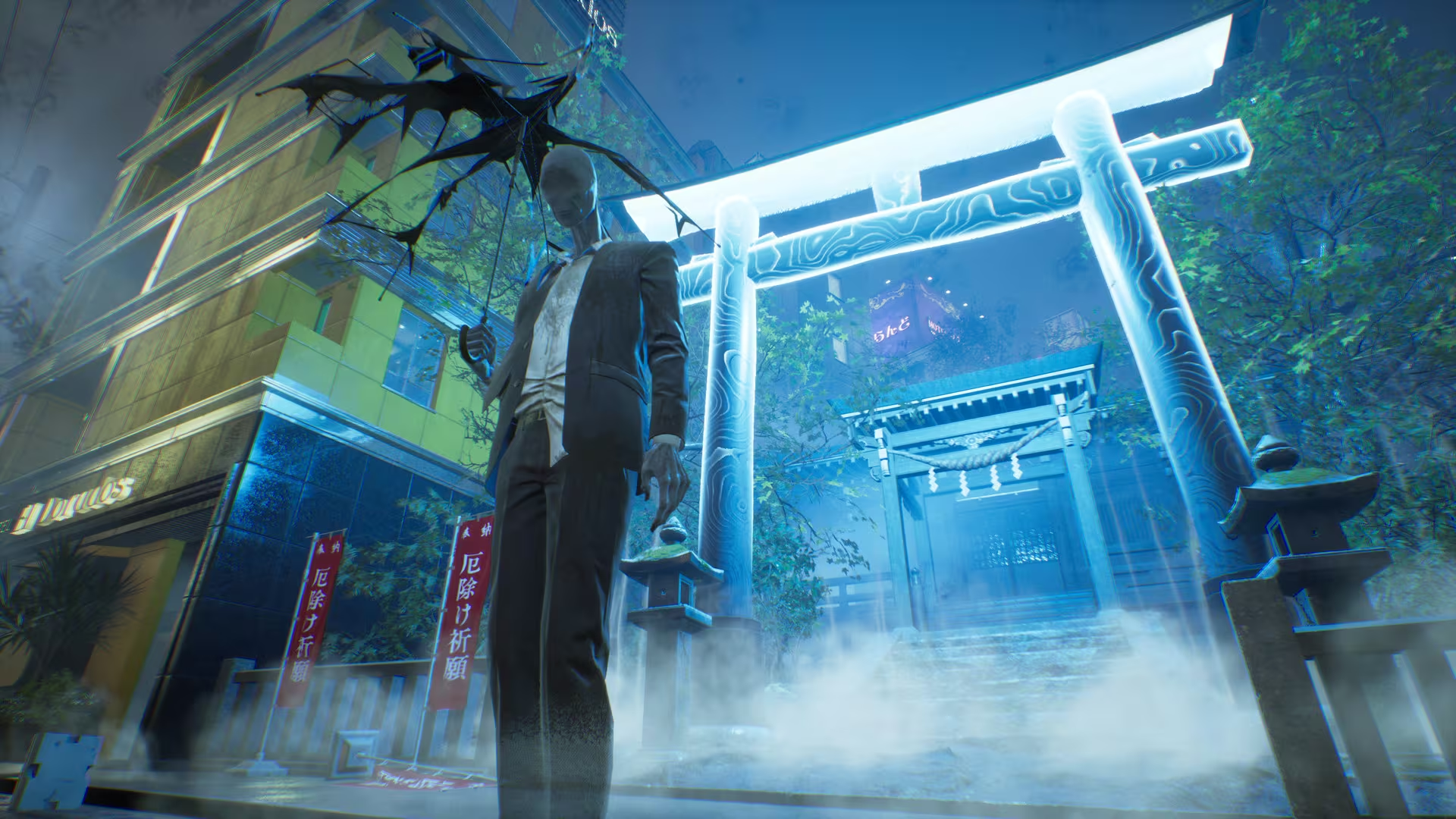
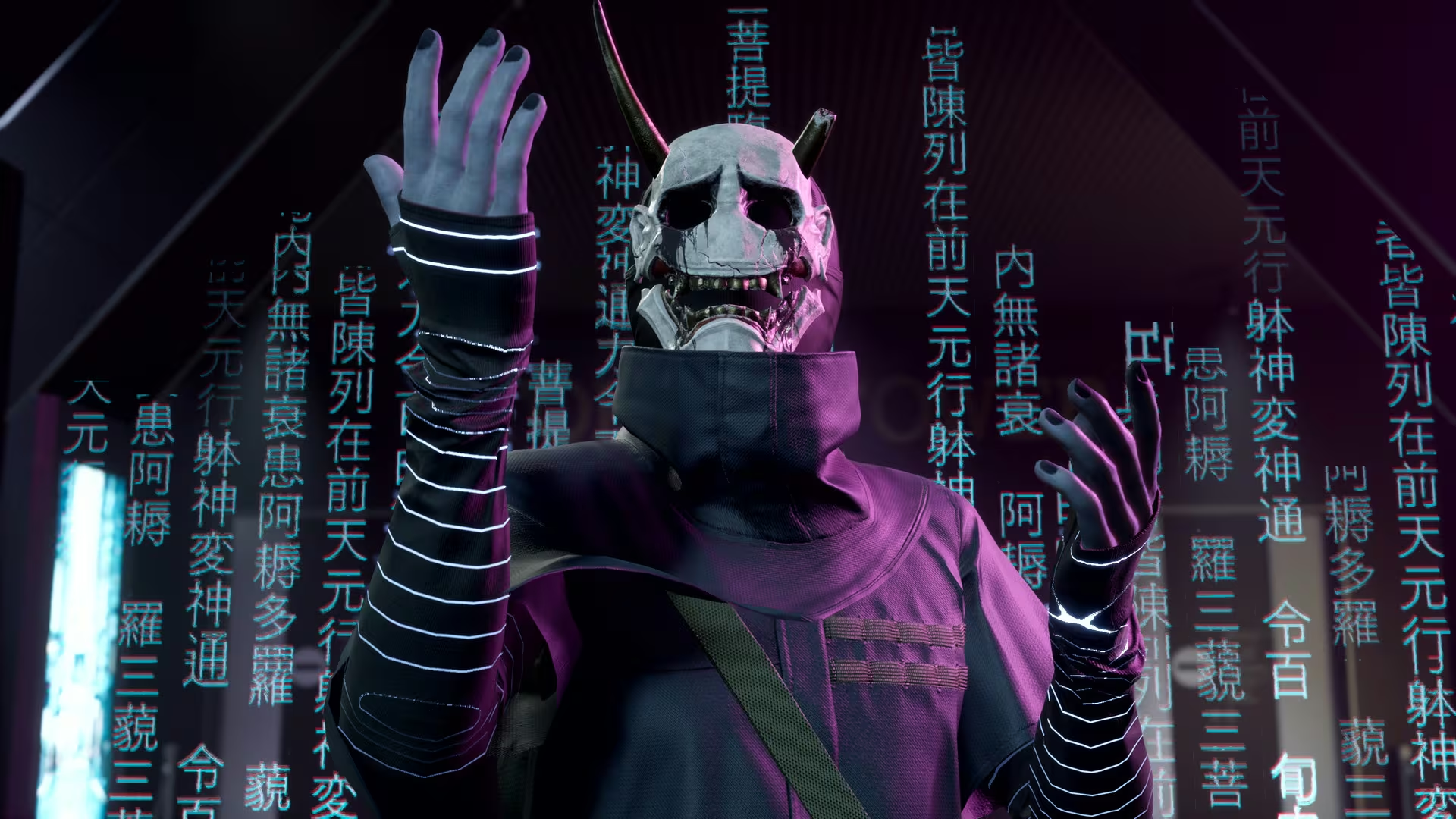
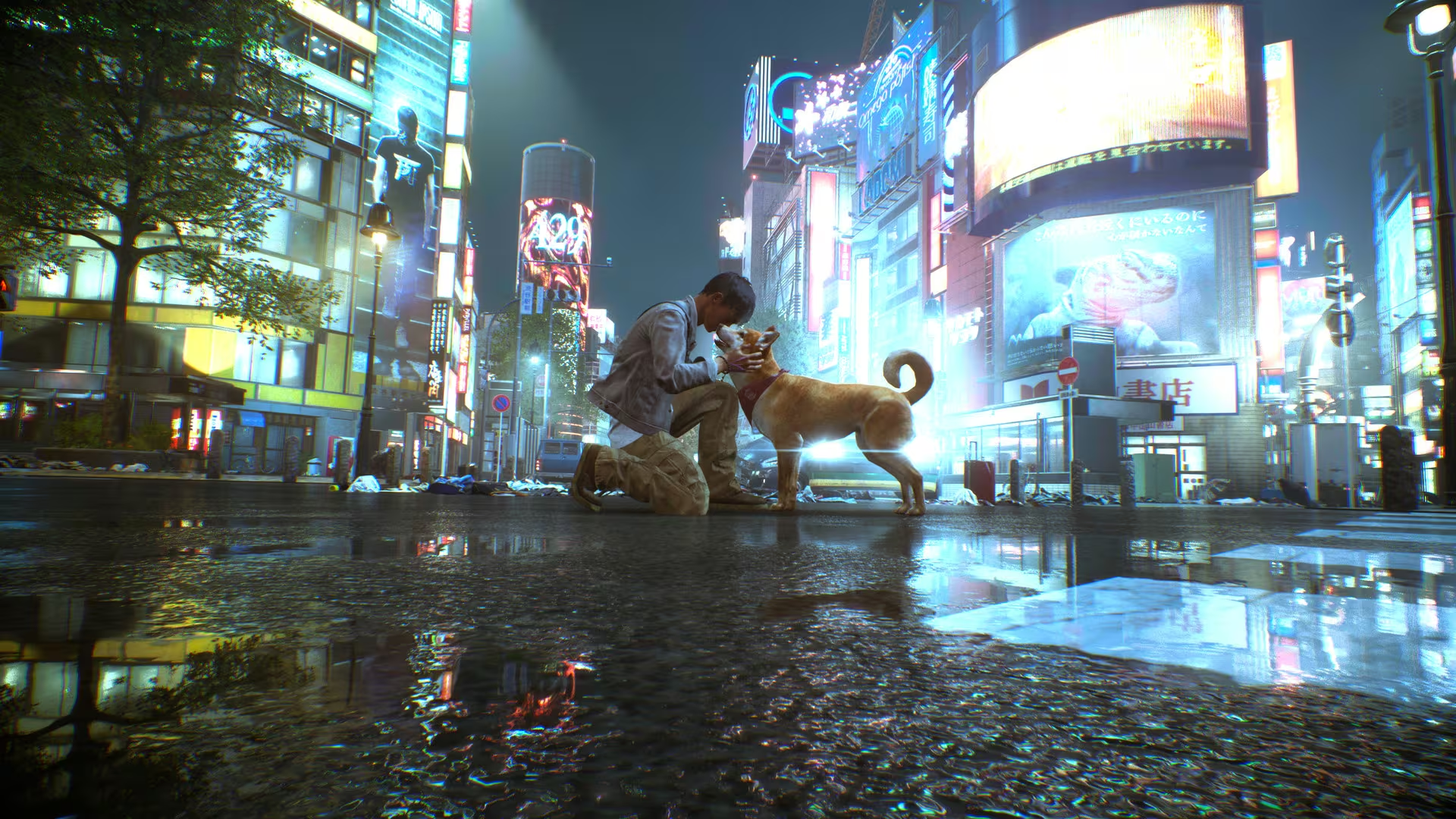
Tokyo's population has vanished, and deadly supernatural forces prowl the streets. Use an arsenal of elemental abilities to unravel the truth behind the disappearance and save Tokyo.
Global score
83/100
Genres
Action, Adventure
Similar games
Pros
- Beautiful and detailed tokyo setting
- Immersive japanese folklore and supernatural atmosphere
- Engaging exploration and collectibles
- Unique elemental combat system
- Petting and feeding cats and dogs
Cons
- Combat can be repetitive and simple
- Story pacing uneven and somewhat short
- Side quests sometimes feel like busywork
- Some technical issues and performance drops reported
- Lack of multiplayer or social features
Analysis
Less representative of its motivational profile, with noticeable differences. Motivations that often define this kind of title include Fellowship, Cooperation, Leadership, Violence. Here, the score leans higher than usual among comparable games on Exploration. It leans lower than usual among comparable games on Value, Strategy.
How to use the graph
Similar games map
Each dot is a game. They are arranged from the same motivation profile as in the “Motivations” section below. Closer dots usually mean more similar reasons to play (exploration, competition, relaxation, etc.)—not that one game is “better” than another.
- Larger dot with a light outline: the game you are viewing.
- Colour: groups of games with comparable motivation patterns (statistical clusters).
- Hover a dot to see the game name; click to open its page.
- Scroll or double-click the chart to zoom out and see more games.
Why don’t the axes read like a score? This view uses t-SNE: it only keeps who is close to whom. The scales are not “good to bad” or hours played—they separate groups on the map. Read distance between dots, not the axis numbers.
Motivations
-
Autonomy3
"Players can explore an open world Tokyo freely, choose when and where to do side quests and collectibles, and upgrade abilities in a skill tree, allowing personal control over progression."
-
Competence2
"Combat involves skillful timing and aiming with elemental powers, but is described as relatively simple and repetitive, with moderate challenge especially on higher difficulties."
-
Competition-4
"The game focuses on single-player experience without competitive modes or leaderboards; players progress at their own pace without social comparison."
-
Continuation3
"Many players report long playtimes with side quests and collectibles, indicating habitual engagement and attachment to the game world."
-
Cooperation-5
"The game is strictly single-player with no cooperative multiplayer or teamwork elements."
-
Creativity2
"Players can customize character outfits and upgrade skills, but gameplay mostly follows predefined structures and combat patterns."
-
Domination-5
"No evidence of exerting control over others; interactions are individual and cooperative dominance is absent."
-
Escapism4
"Players use the game to immerse in a detailed supernatural Tokyo setting, escaping real life through exploration, story, and atmosphere."
-
Expectation-4
"Players engage voluntarily out of interest in Japanese folklore, story, and exploration rather than obligation or external pressure."
-
Experimenting2
"Players experiment with different elemental powers and skill upgrades, but combat and exploration follow familiar open-world RPG patterns."
-
Exploration5
"Strong emphasis on discovering new areas, secrets, collectibles, and lore throughout a detailed open-world Tokyo."
-
Expression2
"Character outfit customization and some cosmetic options allow personal expression, though limited to available presets."
-
Fantasy5
"The game is steeped in Japanese supernatural folklore, yokai, and ghost hunting with imaginative and mythical elements."
-
Fellowship-4
"Minimal social interaction; the experience is primarily solitary with limited emotional connection beyond NPC banter."
-
Growth3
"Players develop skills, learn combat mechanics, and gain knowledge of Japanese folklore, supporting personal development."
-
Health-5
"Typical sedentary gaming experience with no physical activity or health-related gameplay."
-
Idle-3
"Requires focused attention during combat and exploration; not designed for background or casual intermittent play."
-
Intimacy-4
"Social interactions are limited to scripted NPC dialogues and banter, lacking deep emotional or relationship building."
-
Leadership-5
"No leadership or group management roles; gameplay is individual without guiding others."
-
Progression4
"Players accumulate experience, skills, items, and upgrades through quests and exploration, showing clear progression."
-
Relaxation3
"Atmospheric exploration and story provide moments of flow and relaxation, though combat can add tension."
-
Sensation4
"Visually stunning graphics, detailed environments, and immersive sound design provide strong sensory stimulation."
-
Status-4
"No social status or recognition systems; achievements and progress are personal and not publicly ranked."
-
Story3
"Narrative immersion with character interactions and a supernatural plot, though some find story pacing uneven."
-
Strategy1
"Combat requires some tactical use of elemental powers and timing, but overall strategy depth is limited."
-
Thrill2
"Some suspense and tension from supernatural encounters and boss fights, but horror elements are mild."
-
Value1
"Mixed opinions on value; some find it worth full price for story and exploration, others recommend waiting for sale."
-
Violence3
"Combat involves magical attacks on hostile spirits and enemies, emphasizing destruction and combat."
-
Survival1
"Players manage health and resources to survive encounters, but overall difficulty is moderate and forgiving."
Last update: 29/04/2026