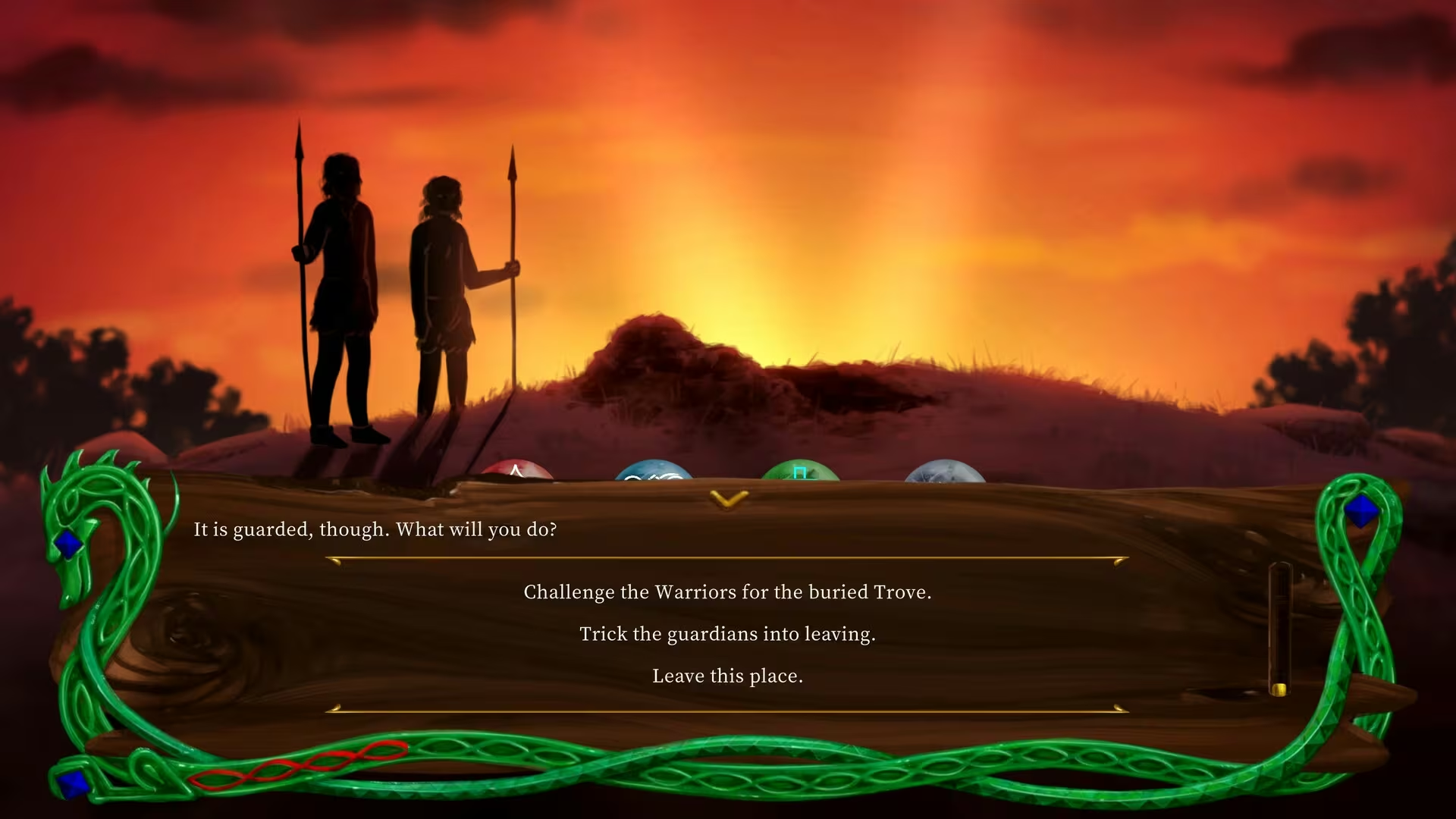
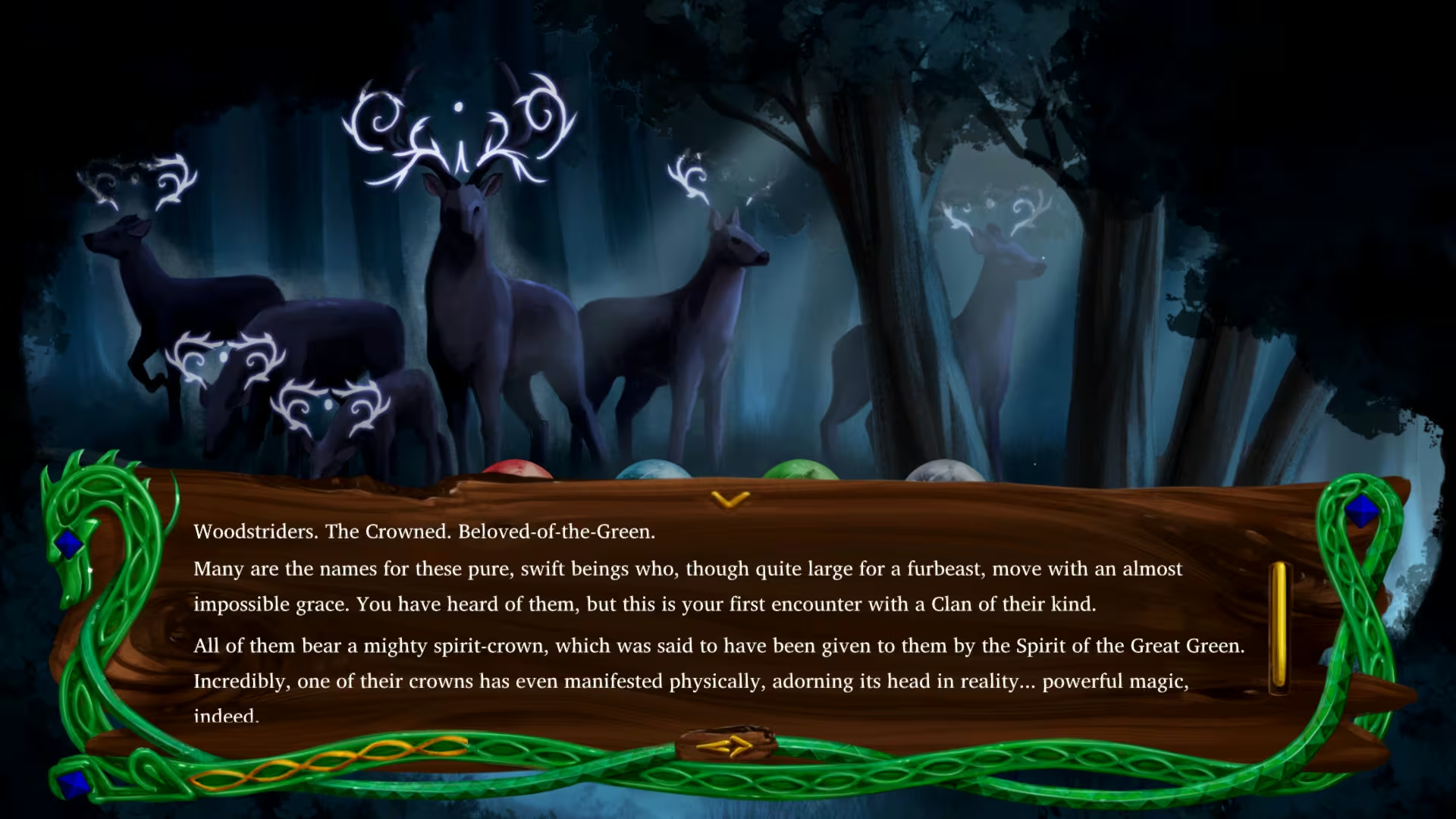
Golden Treasure: The Great Green Thumbnail

Golden Treasure: The Great Green similar games & best alternatives
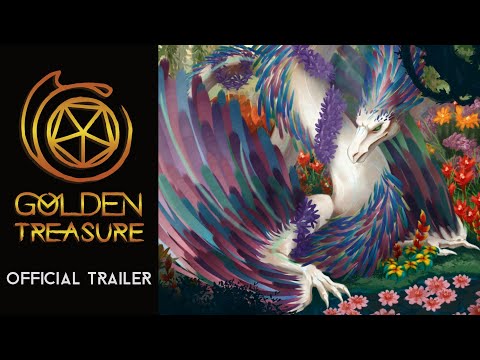
Golden Treasure: The Great Green

PC (Microsoft Windows) • 2019

Related articles

Quick resume

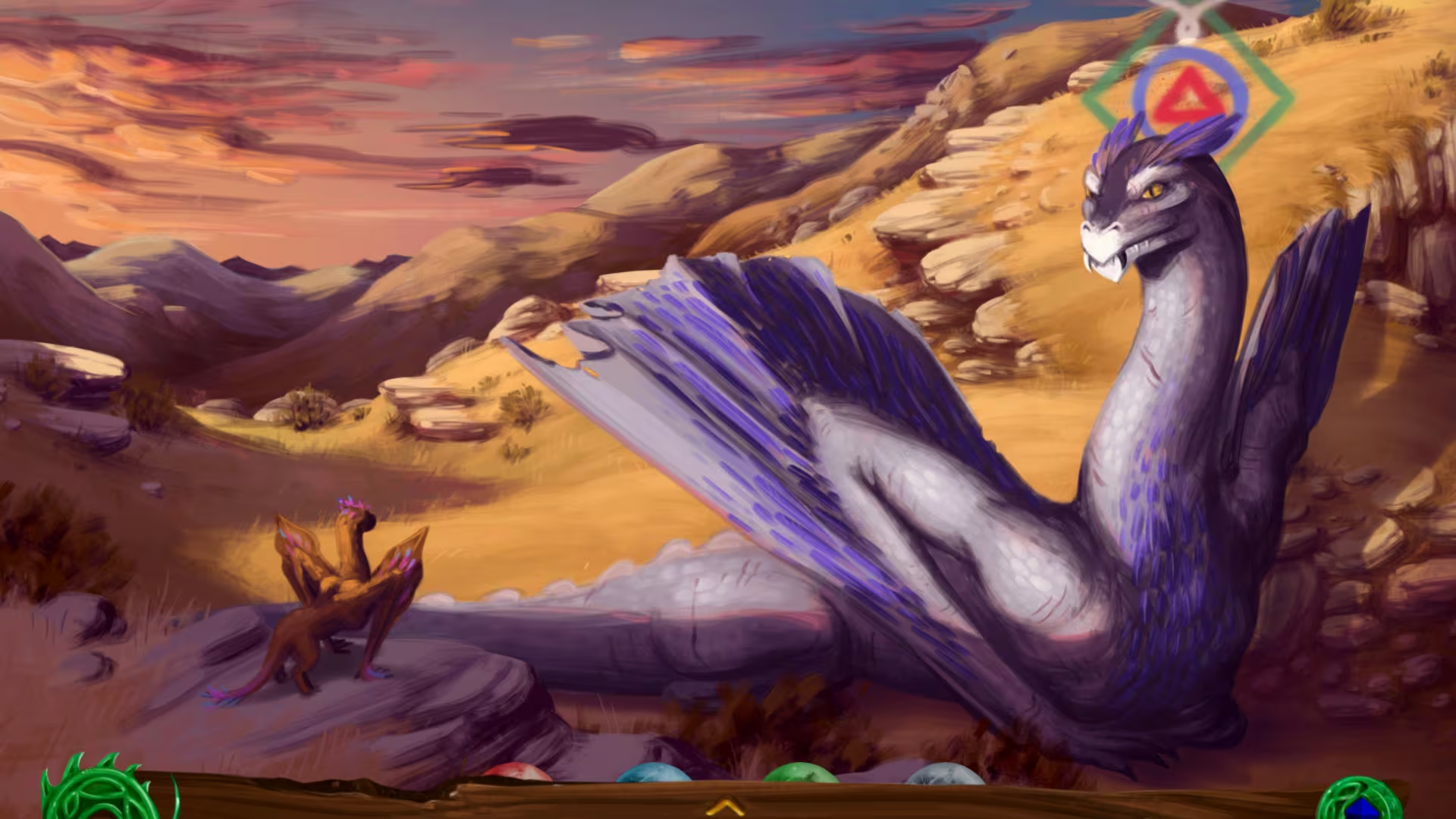
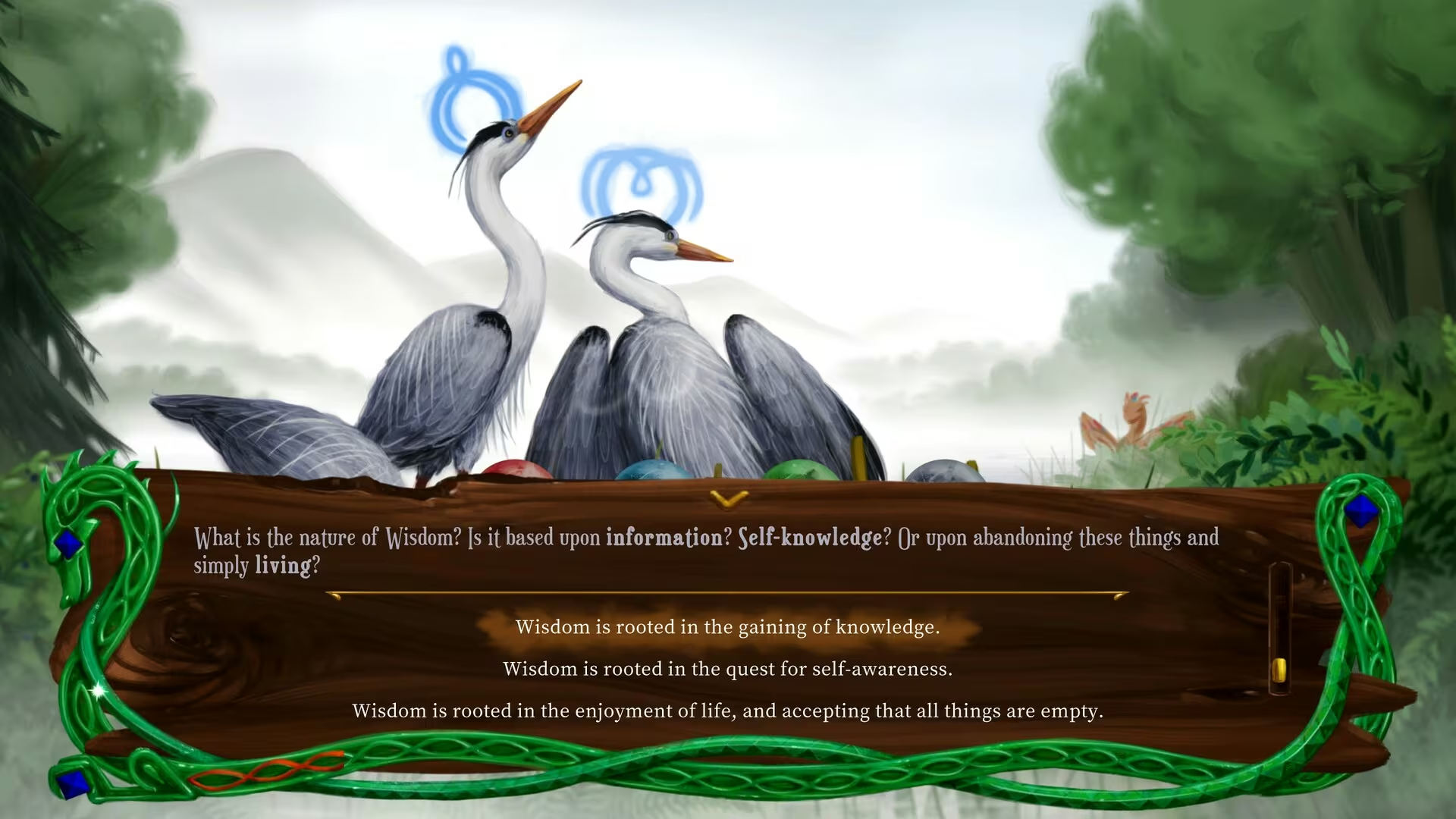
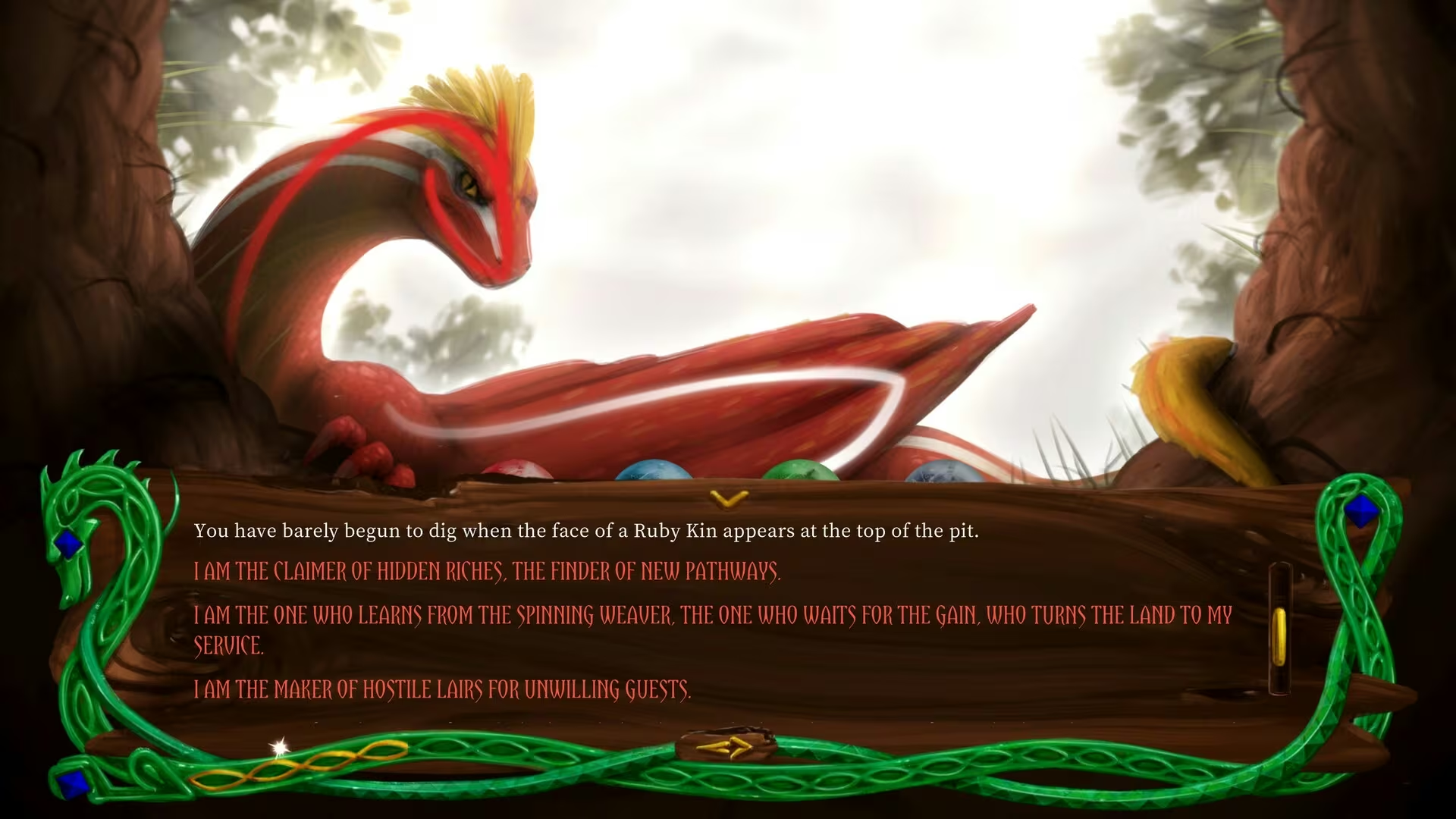
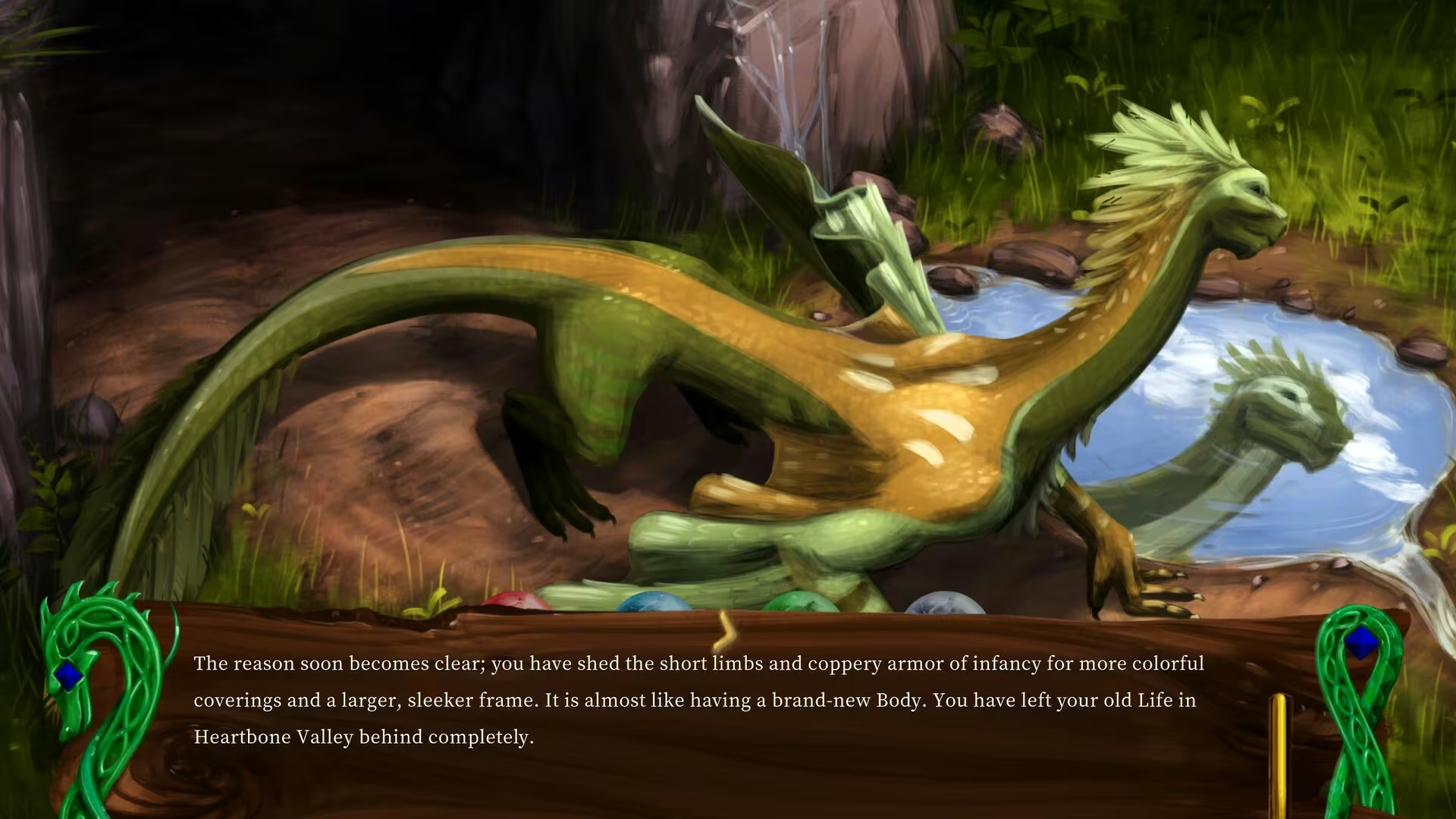
Golden Treasure is a game for those who carry dragons in their hearts. Hunt, explore, survive, and become Great among the True Children of Sun and Earth.

Global score

96/100

Genres

Adventure, Indie, Role-playing (RPG), Simulator

Similar games

    Pros

    • Beautiful writing and storytelling
    • Immersive dragon perspective
    • Rich lore and philosophy
    • High replayability with multiple endings
    • Stunning art and music

    Cons

    • Challenging difficulty and permadeath may frustrate some
    • Limited visual customization
    • Some repetitive gameplay elements (hunting, mazes)
    • Combat is simple and sometimes unbalanced
    • Lack of save/load flexibility

    Analysis

    Broadly representative of its motivational profile, with a few distinct shifts. Motivations that often define this kind of title include Fellowship, Cooperation, Leadership, Violence. Here, the score leans higher than usual among comparable games on Story. It leans lower than usual among comparable games on Expression, Violence.

    How to use the graph
    Similar games map

    Each dot is a game. They are arranged from the same motivation profile as in the “Motivations” section below. Closer dots usually mean more similar reasons to play (exploration, competition, relaxation, etc.)—not that one game is “better” than another.

    • Larger dot with a light outline: the game you are viewing.
    • Colour: groups of games with comparable motivation patterns (statistical clusters).
    • Hover a dot to see the game name; click to open its page.
    • Scroll or double-click the chart to zoom out and see more games.

    Why don’t the axes read like a score? This view uses t-SNE: it only keeps who is close to whom. The scales are not “good to bad” or hours played—they separate groups on the map. Read distance between dots, not the axis numbers.

    Motivations

    • Autonomy
      4

      "Players have freedom to make many choices shaping their dragon's personality, actions, and growth, reflecting high personal control."

    • Competence
      3

      "The game features challenging skill checks, combat, hunting, and puzzles requiring learning and mastery, rewarding player skill development."

    • Competition
      -2

      "While there is combat against other dragons, the focus is more on personal survival and growth rather than direct competition or leaderboards."

    • Continuation
      4

      "High replayability with multiple endings and secrets encourages long-term engagement and habitual play."

    • Cooperation
      -3

      "Gameplay centers on individual dragon's journey with limited social or cooperative multiplayer elements."

    • Creativity
      2

      "Players can shape their dragon's elemental affinities and make narrative choices, but visual customization is limited."

    • Domination
      -4

      "Interactions emphasize mutual respect and coexistence rather than exerting control or superiority over others."

    • Escapism
      5

      "Strong narrative immersion and emotional impact provide a deep escape from real-life stresses."

    • Expectation
      -4

      "Players engage voluntarily driven by intrinsic interest in dragons, story, and philosophy."

    • Experimenting
      4

      "Multiple playthroughs with different choices, exploration of secrets, and learning from failure encourage experimentation."

    • Exploration
      4

      "Players explore new areas, uncover secrets, and discover lore throughout the game world."

    • Expression
      -2

      "Limited options for visual customization; expression mainly through narrative choices and elemental affinities."

    • Fantasy
      5

      "The game immerses players in a richly imagined dragon-centric fantasy world with mythical elements."

    • Fellowship
      -3

      "Focus is on solitary dragon experience with minimal social or community interaction."

    • Growth
      5

      "Strong emphasis on learning, personal development, and acquiring knowledge and skills across playthroughs."

    • Health
      Insufficient data
    • Idle
      -4

      "Requires focused attention with limited background or casual play elements."

    • Intimacy
      -4

      "Interactions are mostly surface-level or narrative-driven without deep emotional social bonds."

    • Leadership
      -3

      "Players act independently without managing or leading groups."

    • Progression
      4

      "Players accumulate items, artifacts, and elemental masteries that persist across playthroughs."

    • Relaxation
      3

      "The slow pace, beautiful art, and music create a relaxing atmosphere despite some challenging gameplay."

    • Sensation
      3

      "The game offers rich sensory stimulation through detailed visuals, music, and immersive writing."

    • Status
      -3

      "Achievements and progress are mostly personal with limited social recognition or competition."

    • Story
      5

      "Narrative immersion is central, with rich lore, character perspectives, and philosophical themes."

    • Strategy
      4

      "Players engage in planning, resource management, and tactical combat requiring thoughtful decision-making."

    • Thrill
      2

      "There is tension from survival challenges and permadeath, but overall the experience is contemplative rather than adrenaline-driven."

    • Value
      4

      "Players perceive strong value from the game's depth, replayability, and emotional impact relative to price."

    • Violence
      -1

      "Combat exists but is not glorified; the game also emphasizes survival and coexistence."

    • Survival
      4

      "Survival mechanics and resource management are key gameplay elements with real consequences."

    Last update: 29/04/2026