GoNNER Thumbnail

GoNNER similar games & best alternatives

GoNNER

PC (Microsoft Windows), Mac, PlayStation 4, Nintendo Switch, Linux • 2016

Related articles

Quick resume

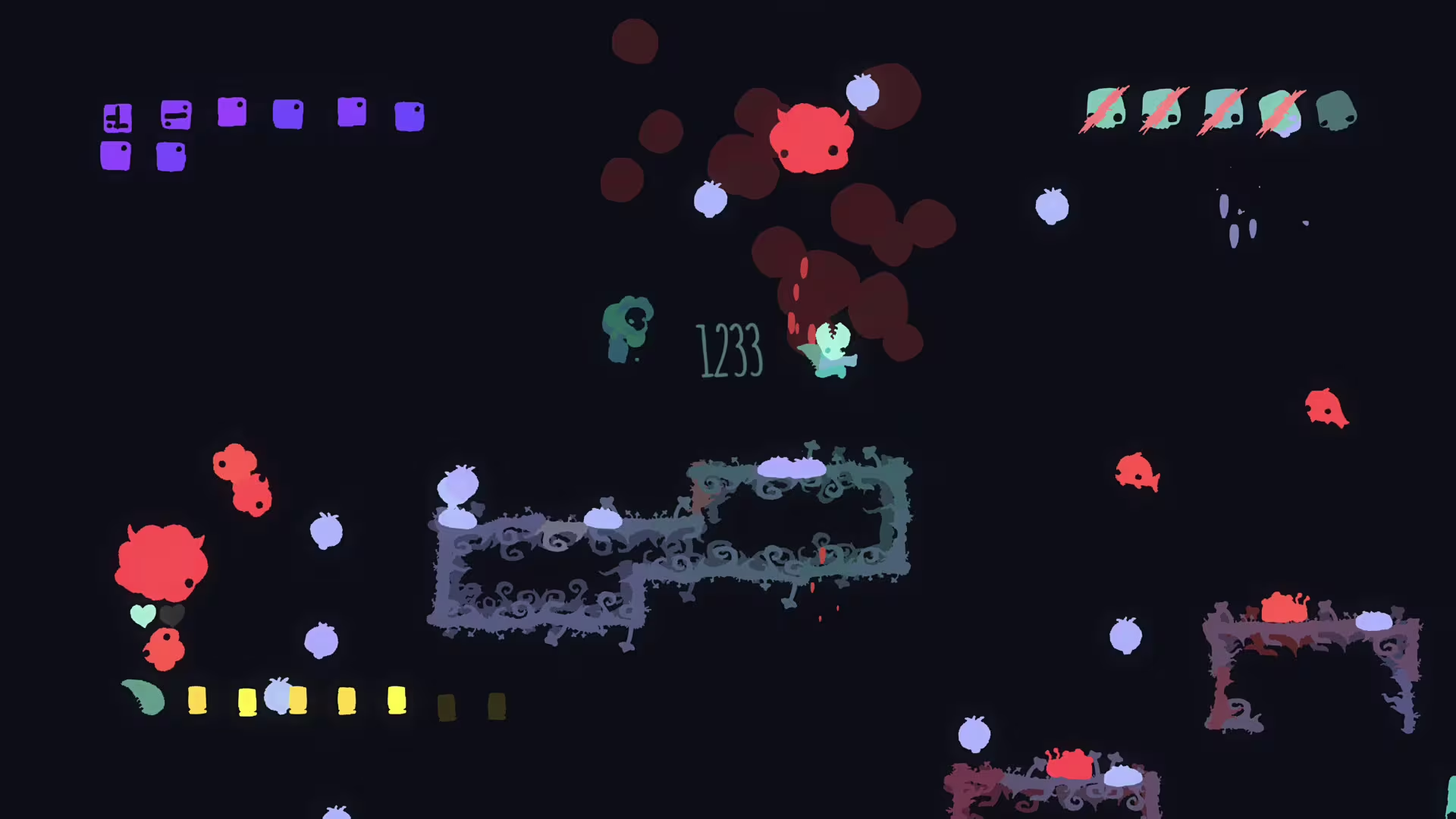
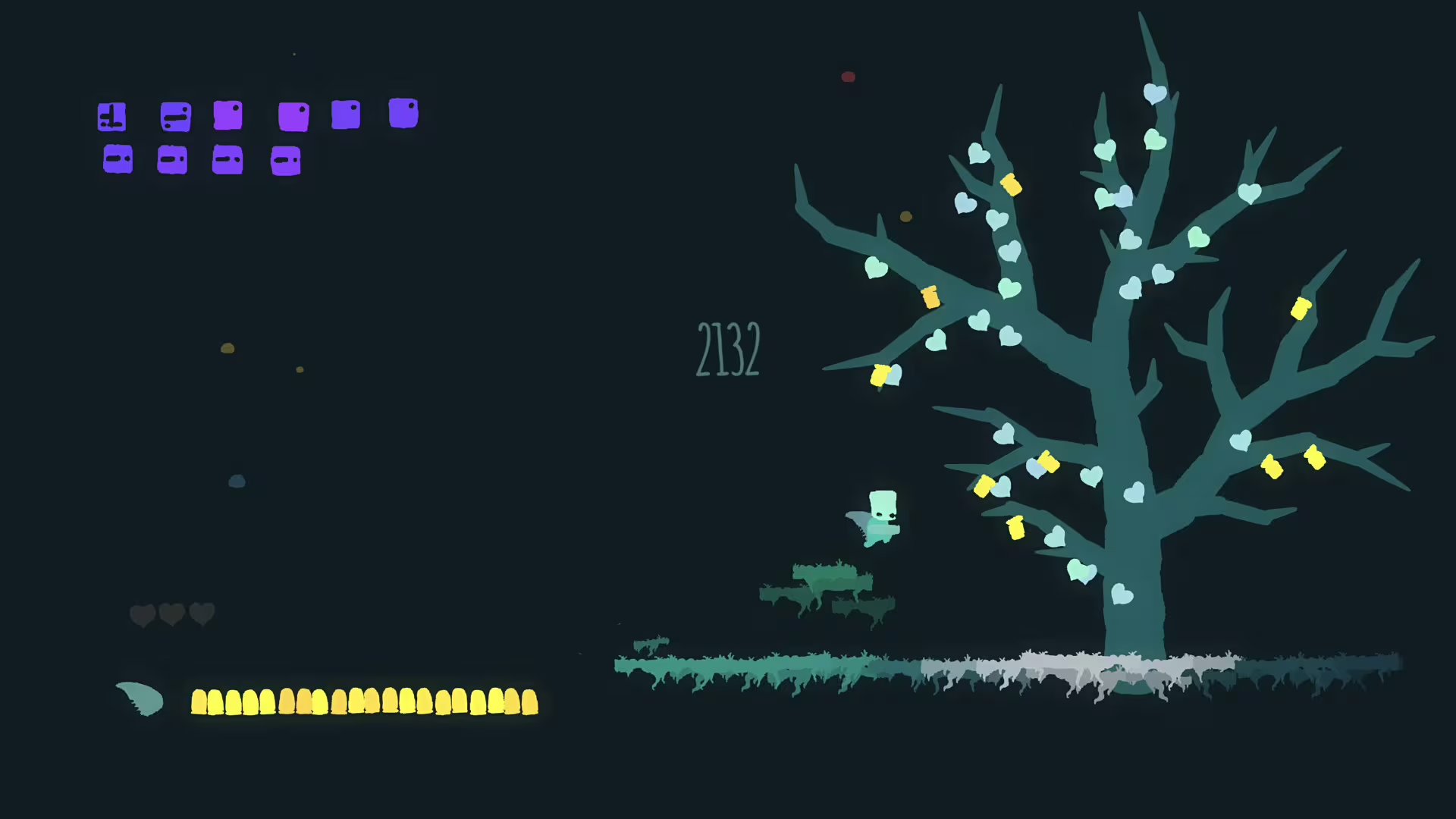
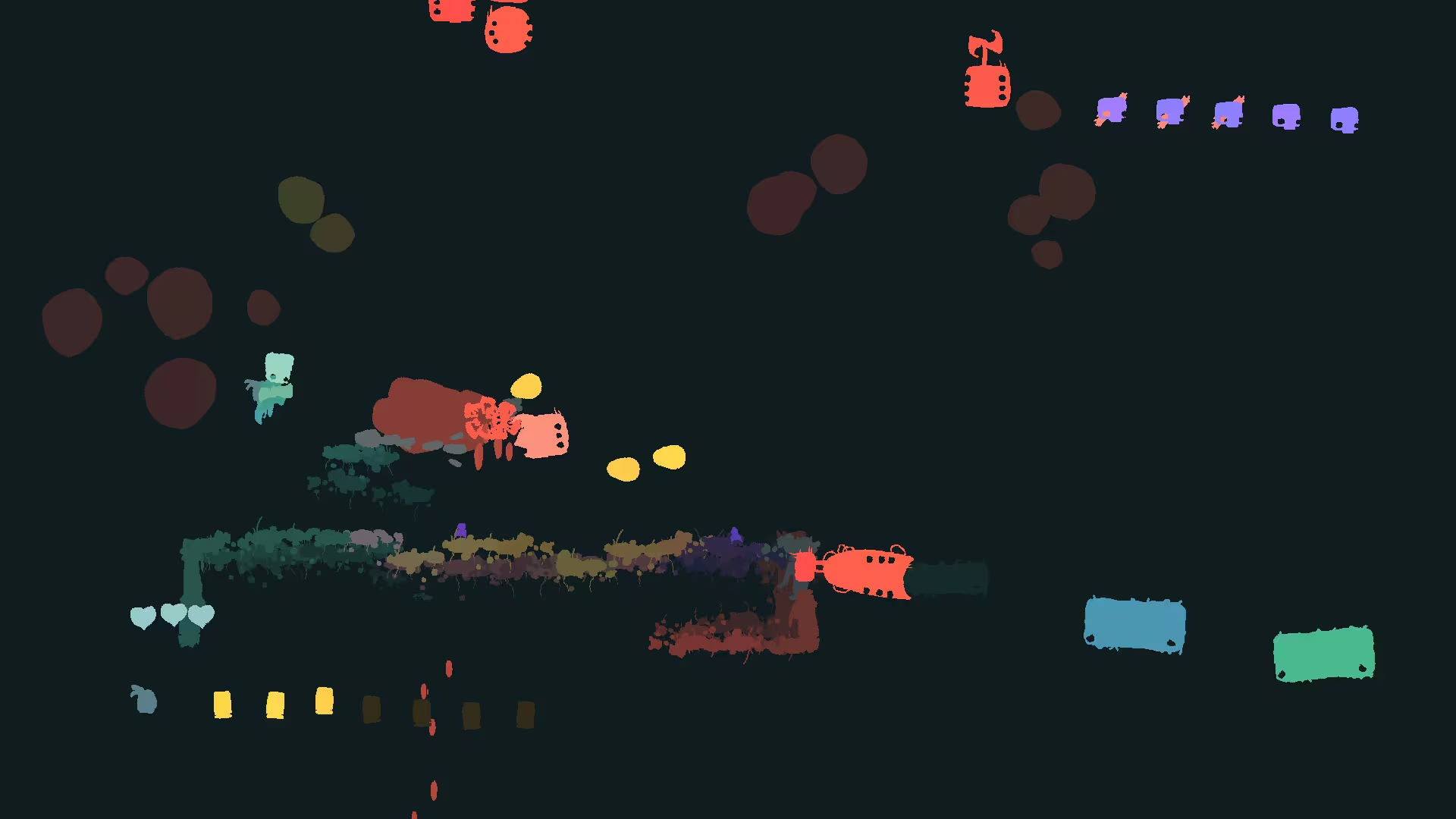
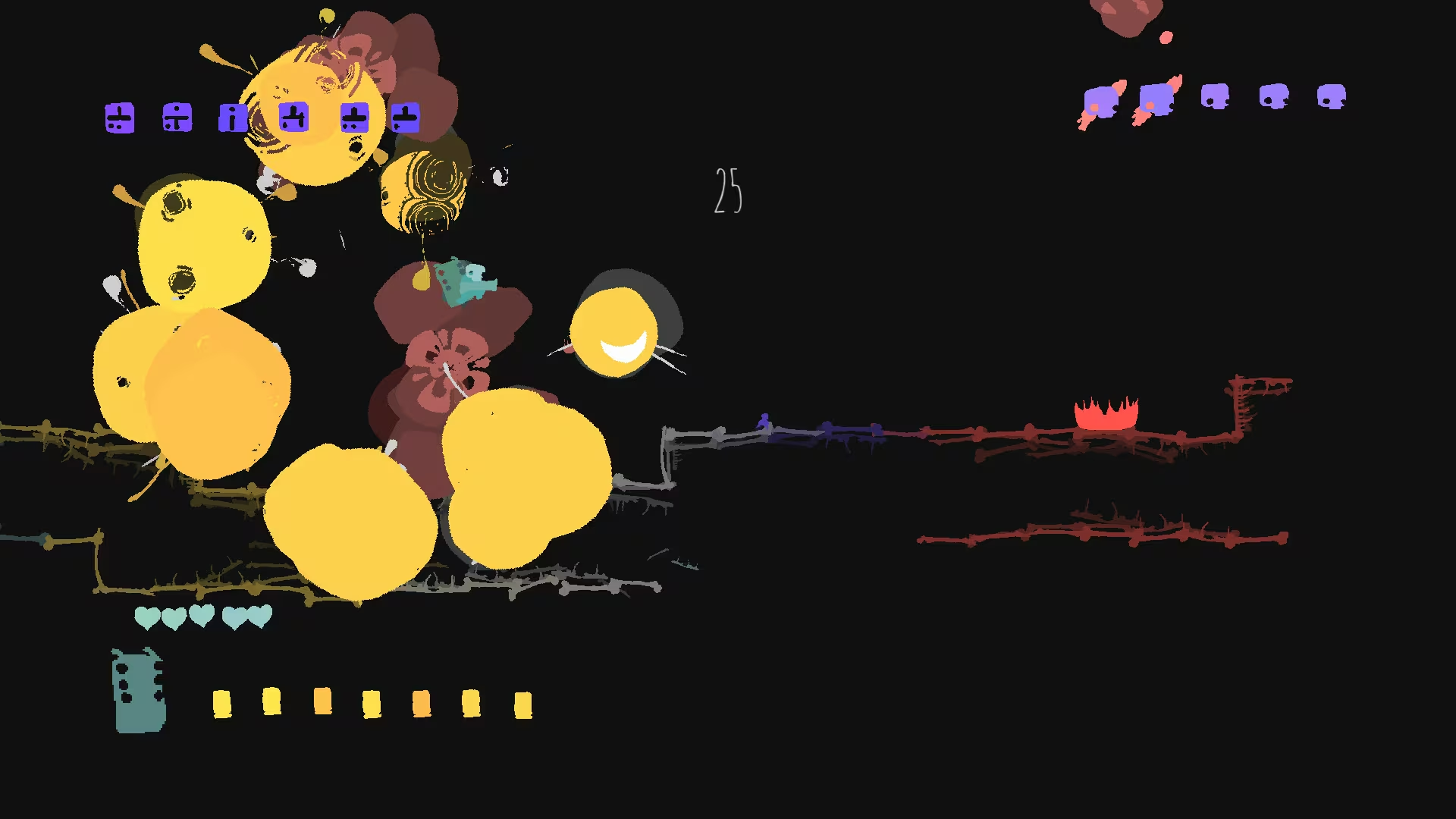
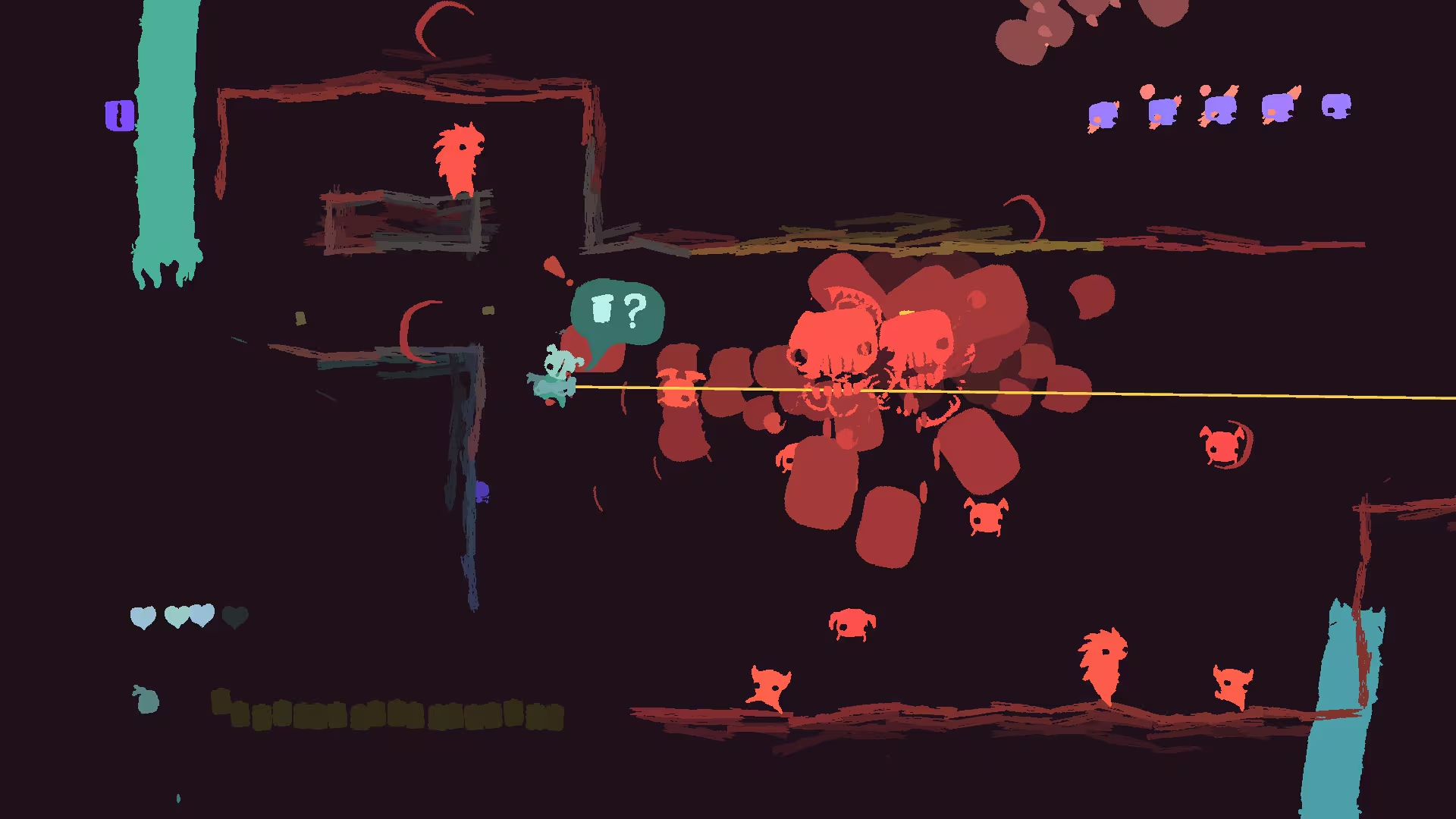
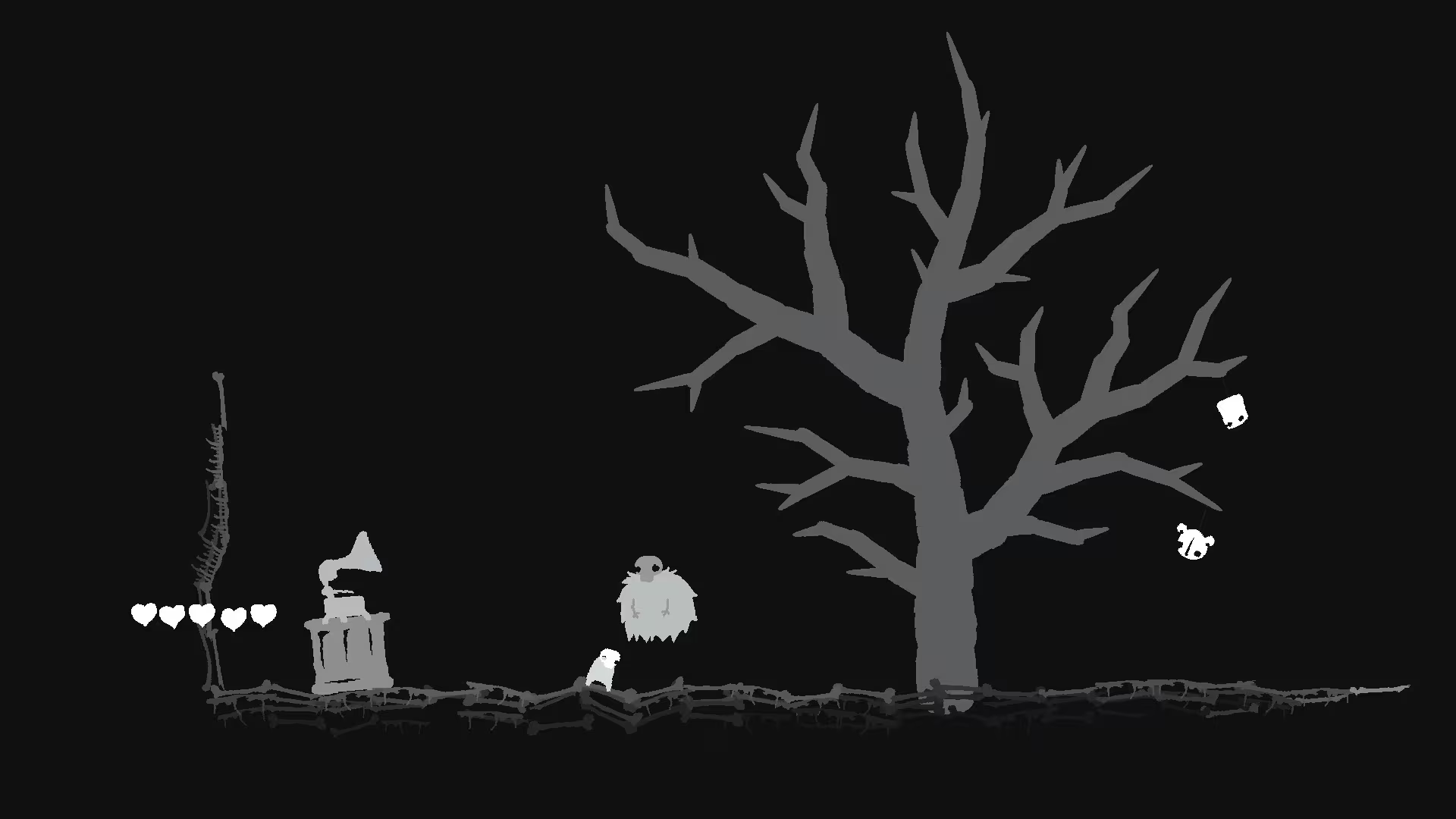
GoNNER is a tough as hell procedurally-generated 2D platformer with roguelike elements, following the largely misunderstood and altruistic Ikk on a journey to cheer up his only friend in this world - a giant landbound whale named Sally - by searching for just the right trinket in the deep and dark places nearby.

Global score

81/100

Genres

Indie, Adventure, Platform, Shooter, Arcade

Similar games

    Pros

    • Unique and appealing art style
    • Engaging and challenging gameplay
    • Excellent soundtrack and sound design
    • Addictive combo system
    • Frequent developer updates

    Cons

    • Steep difficulty curve may frustrate some
    • Limited level variety and content length
    • Lack of tutorial or in-game explanations
    • Controls limited to horizontal shooting
    • Some visual clutter during gameplay

    Analysis

    A very typical example of its motivational profile. Motivations that often define this kind of title include Competition, Status, Story, Expression. Here, the score leans higher than usual among comparable games on Violence. It leans lower than usual among comparable games on Fellowship, Cooperation.

    How to use the graph
    Similar games map

    Each dot is a game. They are arranged from the same motivation profile as in the “Motivations” section below. Closer dots usually mean more similar reasons to play (exploration, competition, relaxation, etc.)—not that one game is “better” than another.

    • Larger dot with a light outline: the game you are viewing.
    • Colour: groups of games with comparable motivation patterns (statistical clusters).
    • Hover a dot to see the game name; click to open its page.
    • Scroll or double-click the chart to zoom out and see more games.

    Why don’t the axes read like a score? This view uses t-SNE: it only keeps who is close to whom. The scales are not “good to bad” or hours played—they separate groups on the map. Read distance between dots, not the axis numbers.

    Motivations

    • Autonomy
      4

      "Players choose their loadouts of weapons, heads, and backpacks before runs, allowing personal control over playstyle."

    • Competence
      4

      "Game is challenging with skill-based platforming and combat; players improve through repeated attempts and mastery."

    • Competition
      3

      "Includes leaderboards and daily challenges encouraging comparison with others, though many play casually."

    • Continuation
      3

      "Addictive gameplay and combo system encourage repeated play sessions despite difficulty and some repetitiveness."

    • Cooperation
      -5

      "Single-player focused with no multiplayer or cooperative elements mentioned."

    • Creativity
      3

      "Players experiment with different combinations of heads, weapons, and backpacks to create unique builds."

    • Domination
      -3

      "Competitive but no evidence of aggressive or dominating social behavior; focus is on personal skill."

    • Escapism
      4

      "Players describe the game as a psychedelic, immersive experience that offers distraction and stress relief."

    • Expectation
      -4

      "Players engage voluntarily out of interest and enjoyment, not obligation or external pressure."

    • Experimenting
      4

      "Encouraged to try new item combinations and discover game mechanics through exploration and experimentation."

    • Exploration
      2

      "Some procedural generation and secrets encourage discovery, though level variety is limited."

    • Expression
      2

      "Customization through loadout choices allows some self-expression, but no cosmetic personalization."

    • Fantasy
      3

      "Surreal, psychedelic world with abstract story elements and imaginative characters."

    • Fellowship
      -4

      "Primarily a solo experience with minimal social interaction or community involvement."

    • Growth
      3

      "Players develop skills and understanding of mechanics through repeated play and learning enemy patterns."

    • Health
      -4

      "Typical sedentary gameplay with no physical activity or health-related features."

    • Idle
      -3

      "Requires focused attention and active engagement due to difficulty and fast-paced gameplay."

    • Intimacy
      -5

      "No evidence of close social relationships or emotional sharing; experience is individual."

    • Leadership
      -5

      "No leadership or group management roles; purely single-player gameplay."

    • Progression
      3

      "Players unlock and accumulate items and upgrades that persist between runs, aiding progression."

    • Relaxation
      2

      "Some players find it relaxing and flow-inducing despite the challenge; others find it tense."

    • Sensation
      4

      "Strong sensory appeal from vivid visuals, dynamic music, and satisfying sound design."

    • Status
      2

      "Leaderboards and achievements provide some social recognition, though not a dominant feature."

    • Story
      1

      "Story is minimal, abstract, and cryptic, presented visually with little direct narrative."

    • Strategy
      3

      "Players plan loadouts and tactics to optimize combos and survival, requiring strategic thinking."

    • Thrill
      3

      "High difficulty and risk of death create tension and excitement during gameplay."

    • Value
      3

      "Generally considered good value especially on sale; praised for quality and developer support."

    • Violence
      3

      "Combat involves shooting and destroying enemies, with satisfying violent feedback."

    • Survival
      3

      "Players must avoid death and manage health carefully; permadeath and revive mechanics emphasize survival."

    Last update: 29/04/2026