Half-Life 2: Episode Two Thumbnail

Half-Life 2: Episode Two similar games & best alternatives

Half-Life 2: Episode Two

PC (Microsoft Windows), Mac, Xbox 360, PlayStation 3, Linux • 2007

Related articles

Quick resume

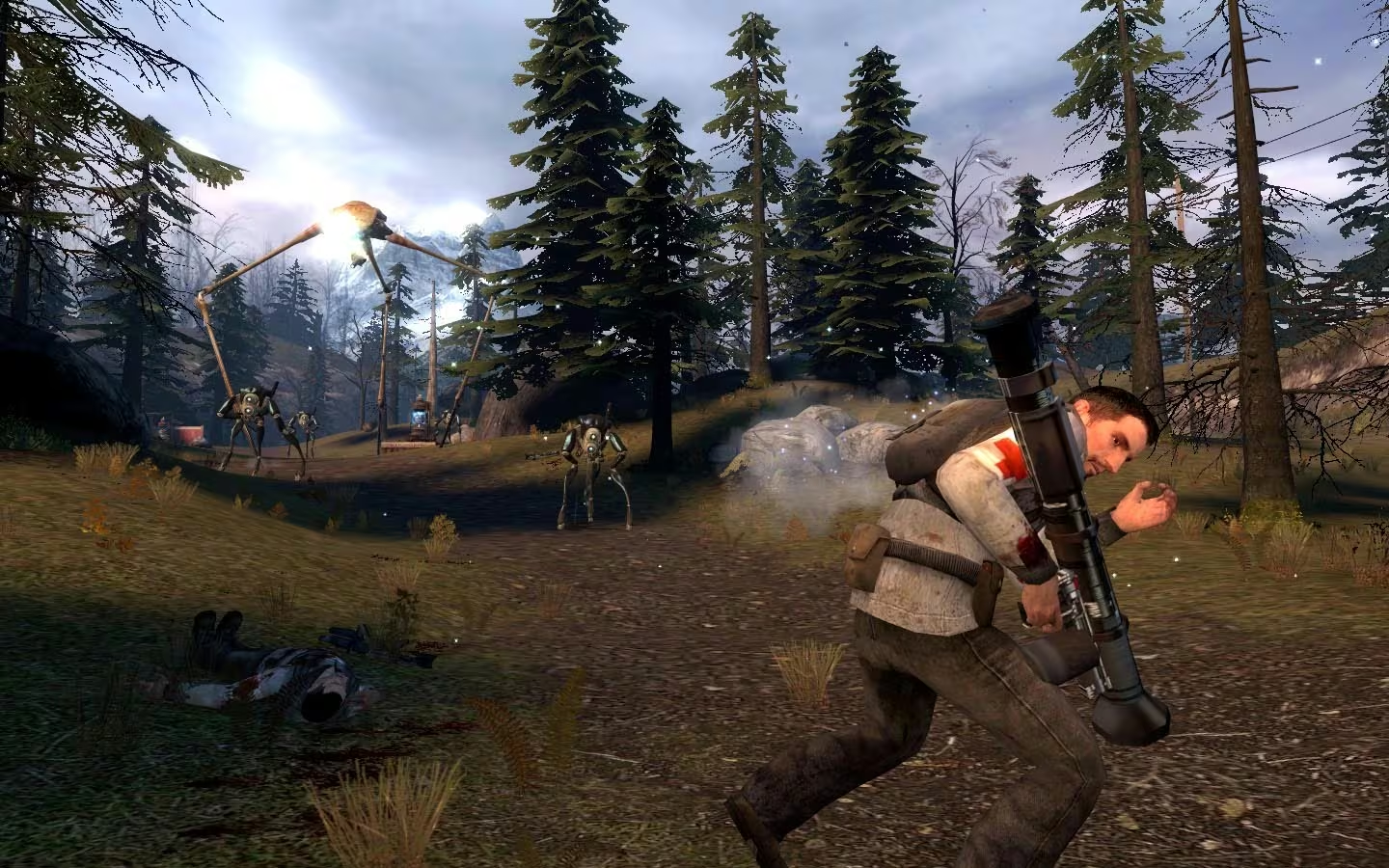
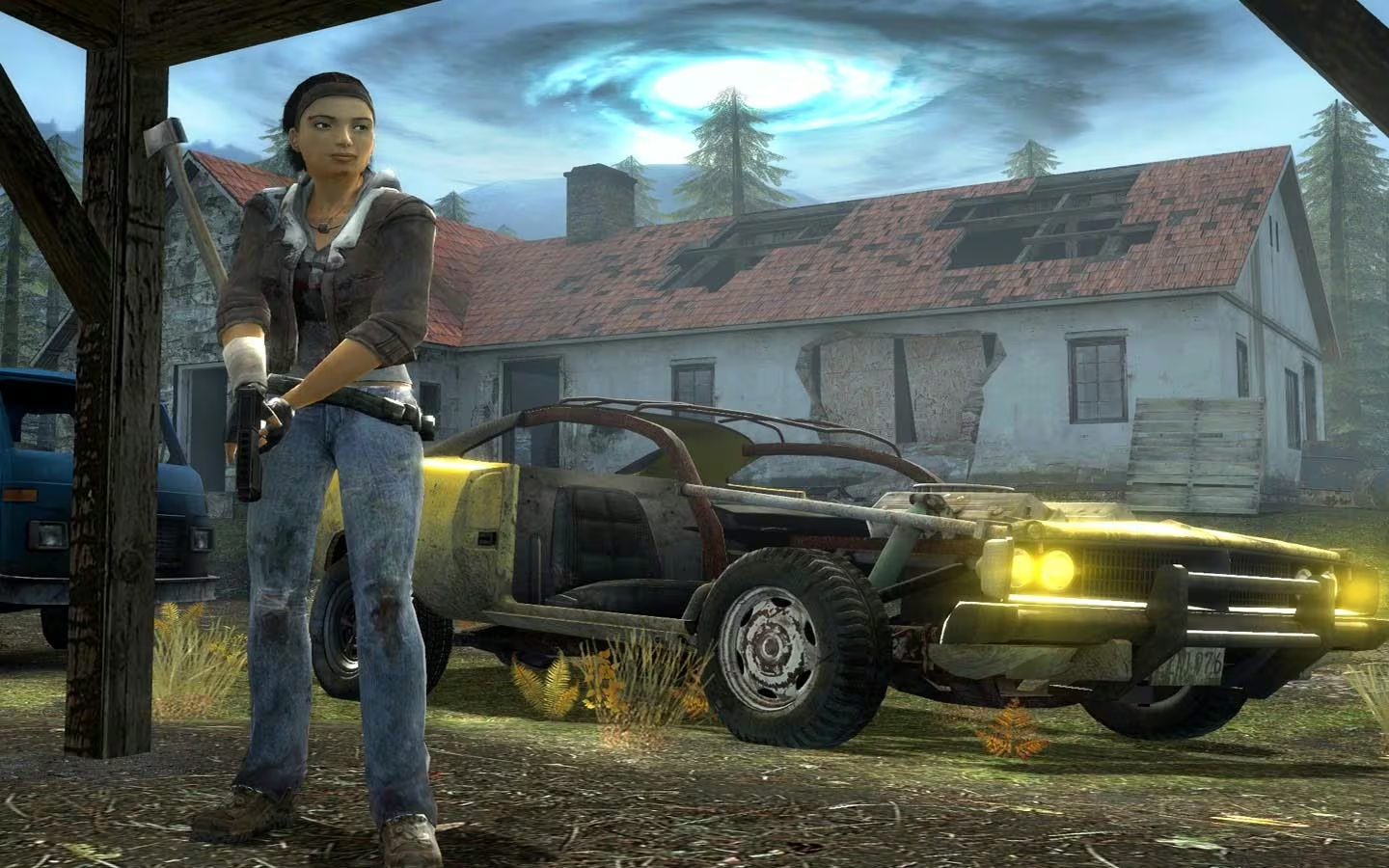
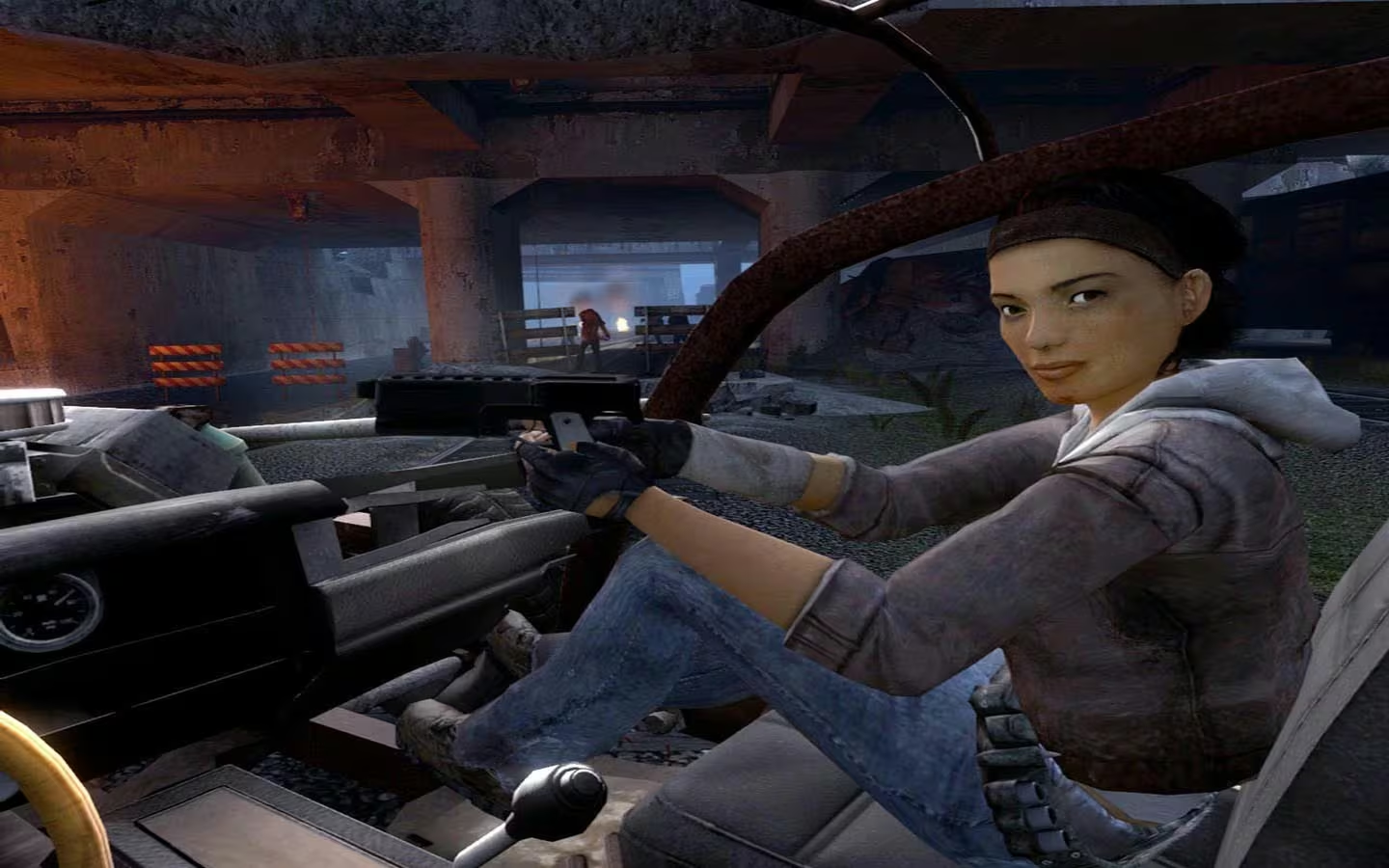
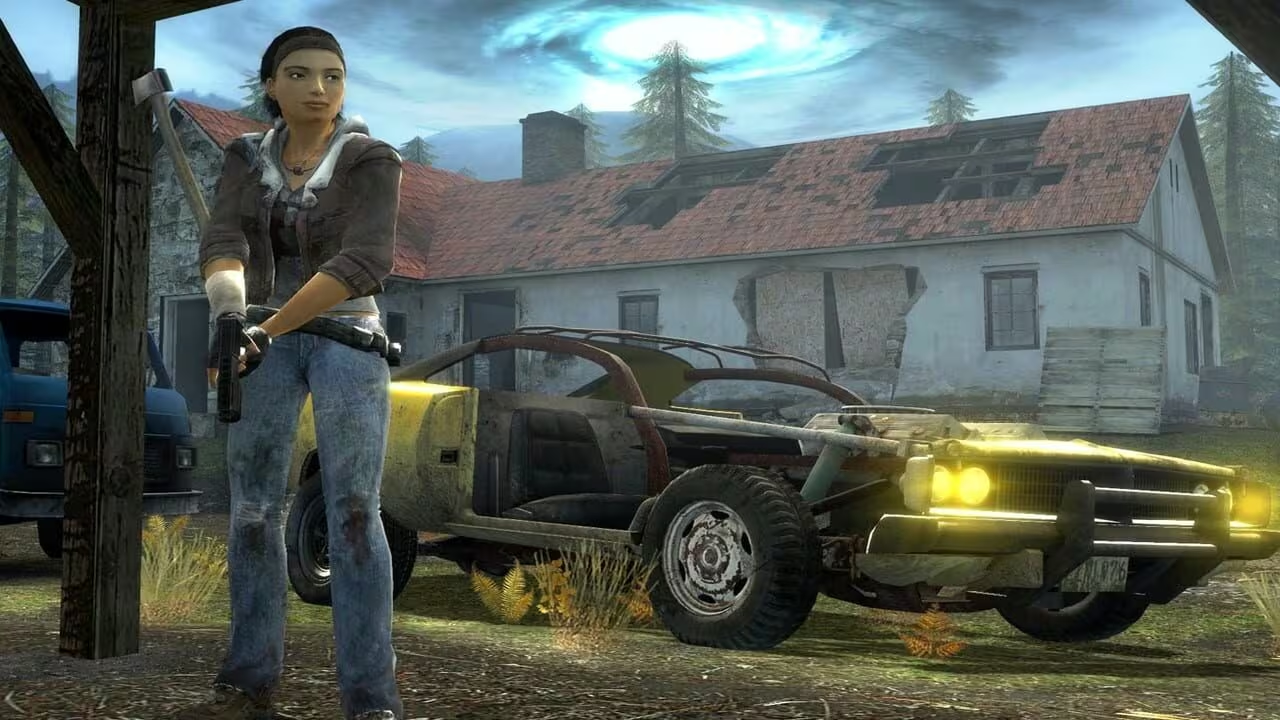
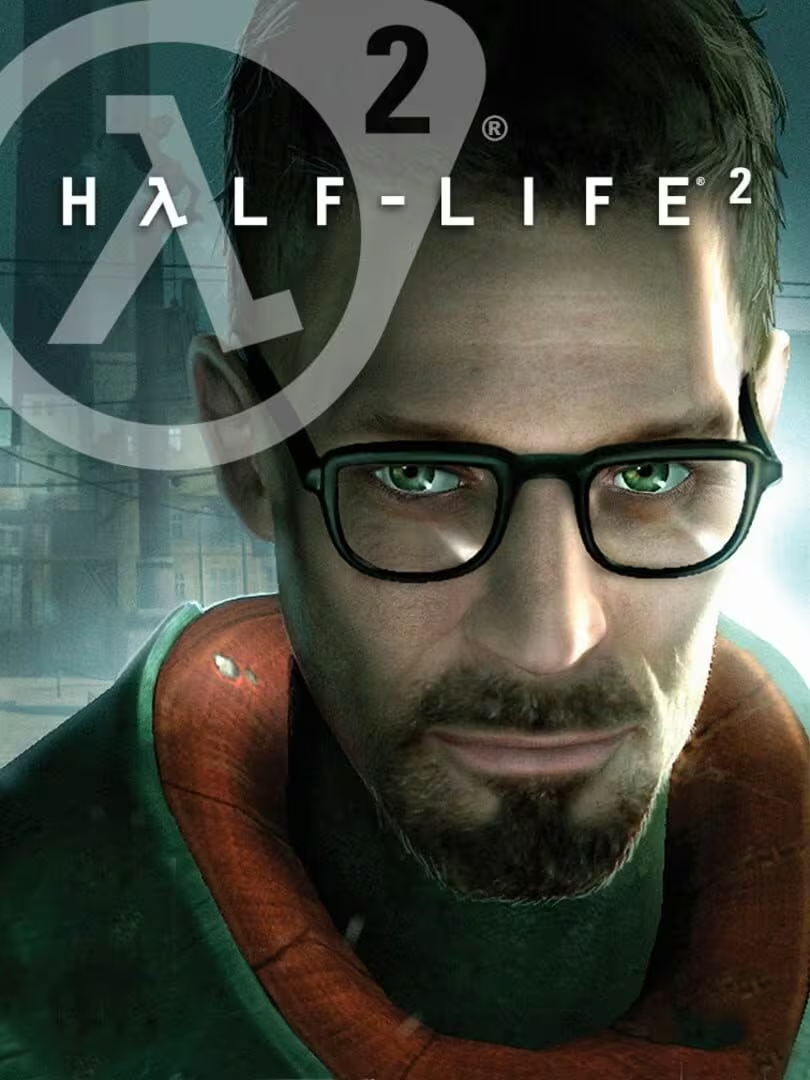
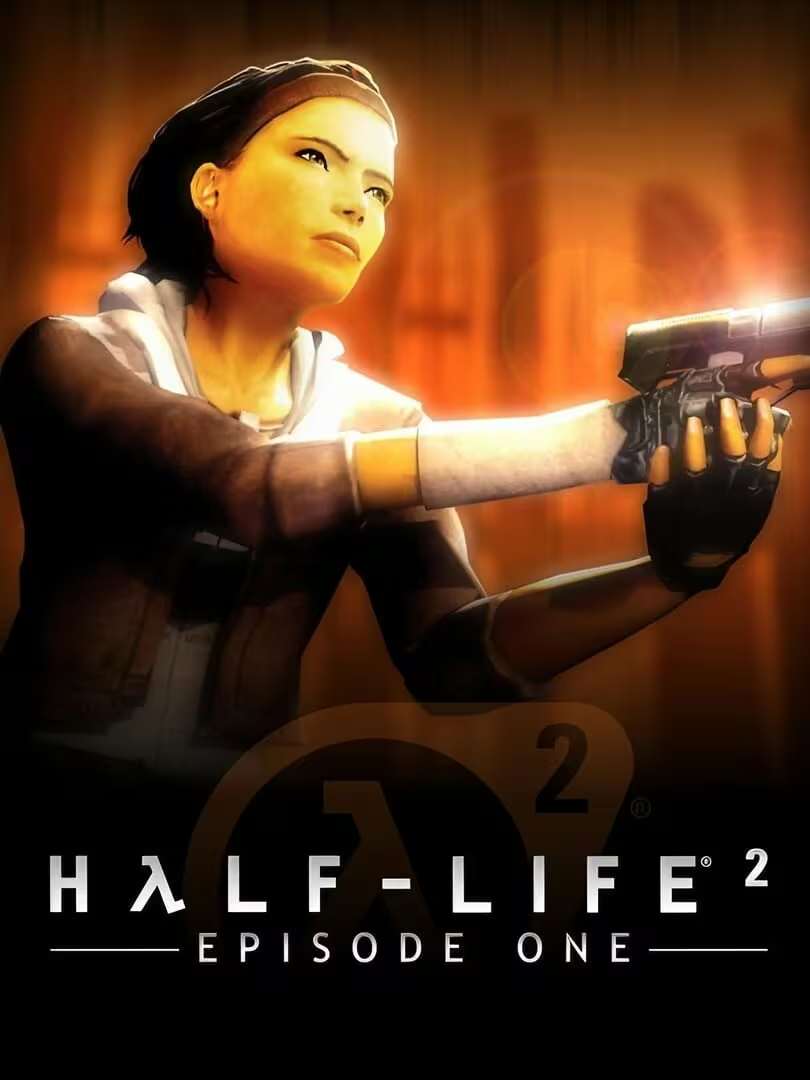
Half-Life® 2: Episode Two is the second in a trilogy of new games created by Valve that extends the award-winning and best-selling Half-Life® adventure. As Dr. Gordon Freeman, you were last seen exiting City 17 with Alyx Vance as the Citadel erupted amidst a storm of unknown proportions.

Global score

97/100

Genres

Action, Shooter, Puzzle

Similar games

    Pros

    • Engaging story and characters
    • Innovative physics-based gameplay
    • High-quality level design and environments
    • Challenging combat and puzzles
    • Strong emotional impact

    Cons

    • Ends on unresolved cliffhanger
    • Short game length
    • No multiplayer or cooperative modes
    • Some frustrating achievement challenges
    • Limited customization options

    Analysis

    Broadly representative of its motivational profile, with a few distinct shifts. Motivations that often define this kind of title include Fellowship, Cooperation, Leadership, Violence. Here, the score leans higher than usual among comparable games on Story, Violence. It leans lower than usual among comparable games on Expression.

    How to use the graph
    Similar games map

    Each dot is a game. They are arranged from the same motivation profile as in the “Motivations” section below. Closer dots usually mean more similar reasons to play (exploration, competition, relaxation, etc.)—not that one game is “better” than another.

    • Larger dot with a light outline: the game you are viewing.
    • Colour: groups of games with comparable motivation patterns (statistical clusters).
    • Hover a dot to see the game name; click to open its page.
    • Scroll or double-click the chart to zoom out and see more games.

    Why don’t the axes read like a score? This view uses t-SNE: it only keeps who is close to whom. The scales are not “good to bad” or hours played—they separate groups on the map. Read distance between dots, not the axis numbers.

    Motivations

    • Autonomy
      3

      "Players have freedom to explore environments, choose combat tactics, and experiment with physics-based gameplay, though within a structured narrative."

    • Competence
      4

      "The game offers challenging combat, puzzles, and skill-based encounters that require player effectiveness and mastery."

    • Competition
      -4

      "Focus is on single-player experience without competitive or ranked multiplayer elements."

    • Continuation
      4

      "Many players report habitual replay and long-term attachment despite the game's relatively short length."

    • Cooperation
      -5

      "Entirely a single-player experience with no multiplayer or cooperative gameplay."

    • Creativity
      3

      "Players creatively use physics and environment to solve puzzles and combat challenges, though within predefined levels."

    • Domination
      -5

      "No social dominance or power over others; purely single-player narrative focus."

    • Escapism
      5

      "Strong immersion in a fictional sci-fi world provides escape from real-life stress and problems."

    • Expectation
      -4

      "Players engage out of intrinsic interest and personal desire, not obligation or external pressure."

    • Experimenting
      3

      "Encourages experimentation with physics and combat tactics within the game’s mechanics."

    • Exploration
      3

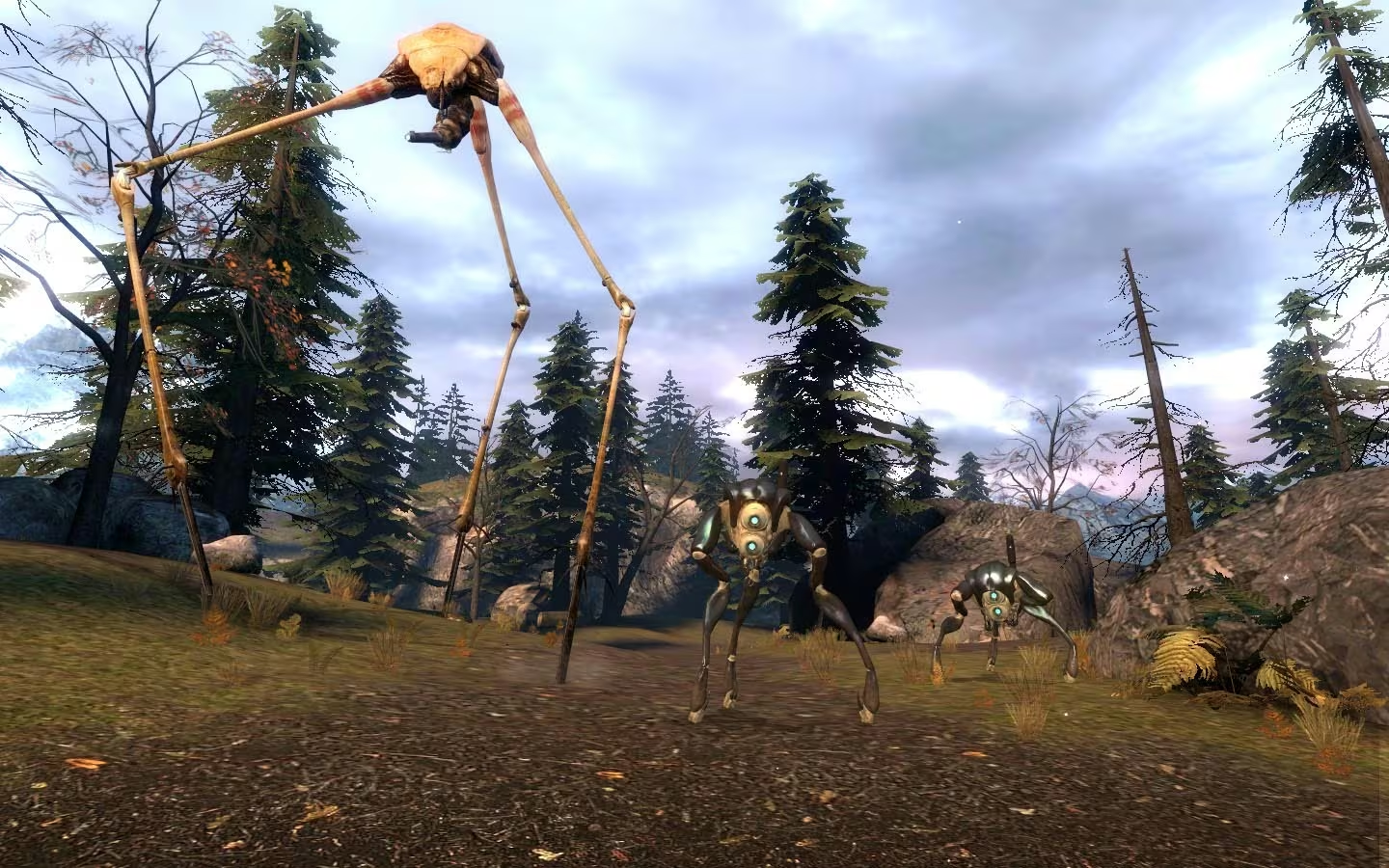
      "Players explore new environments like forests and mines, discovering new enemies and secrets."

    • Expression
      -3

      "Limited customization or avatar personalization; mostly standardized character presentation."

    • Fantasy
      5

      "Strongly rooted in imaginative sci-fi fiction with alien enemies, supernatural elements, and narrative."

    • Fellowship
      -5

      "Single-player experience with minimal social interaction or community involvement."

    • Growth
      4

      "Players develop skills in combat, puzzle-solving, and strategic thinking throughout the game."

    • Health
      -5

      "Sedentary gameplay typical of first-person shooters; no physical activity or health rehab elements."

    • Idle
      -4

      "Requires focused attention and continuous engagement; not suited for idle or background play."

    • Intimacy
      -4

      "Limited to narrative character relationships; no player-driven social or emotional connections."

    • Leadership
      -5

      "No leadership or group management roles; single-player narrative focus."

    • Progression
      4

      "Players accumulate weapons, upgrades, and story progression through gameplay."

    • Relaxation
      2

      "Balanced pacing with moments of tension and relief, providing flow and engagement."

    • Sensation
      3

      "Enjoyable audiovisual presentation with immersive sound design and atmospheric environments."

    • Status
      -5

      "No social recognition or popularity mechanics; individual single-player experience."

    • Story
      5

      "Highly praised narrative immersion with strong characters, plot, and emotional impact."

    • Strategy
      4

      "Requires tactical combat decisions, puzzle solving, and planning to overcome challenges."

    • Thrill
      4

      "Suspenseful combat encounters and cliffhanger ending create emotional tension and excitement."

    • Value
      4

      "Players perceive strong value for time spent due to quality gameplay and story."

    • Violence
      4

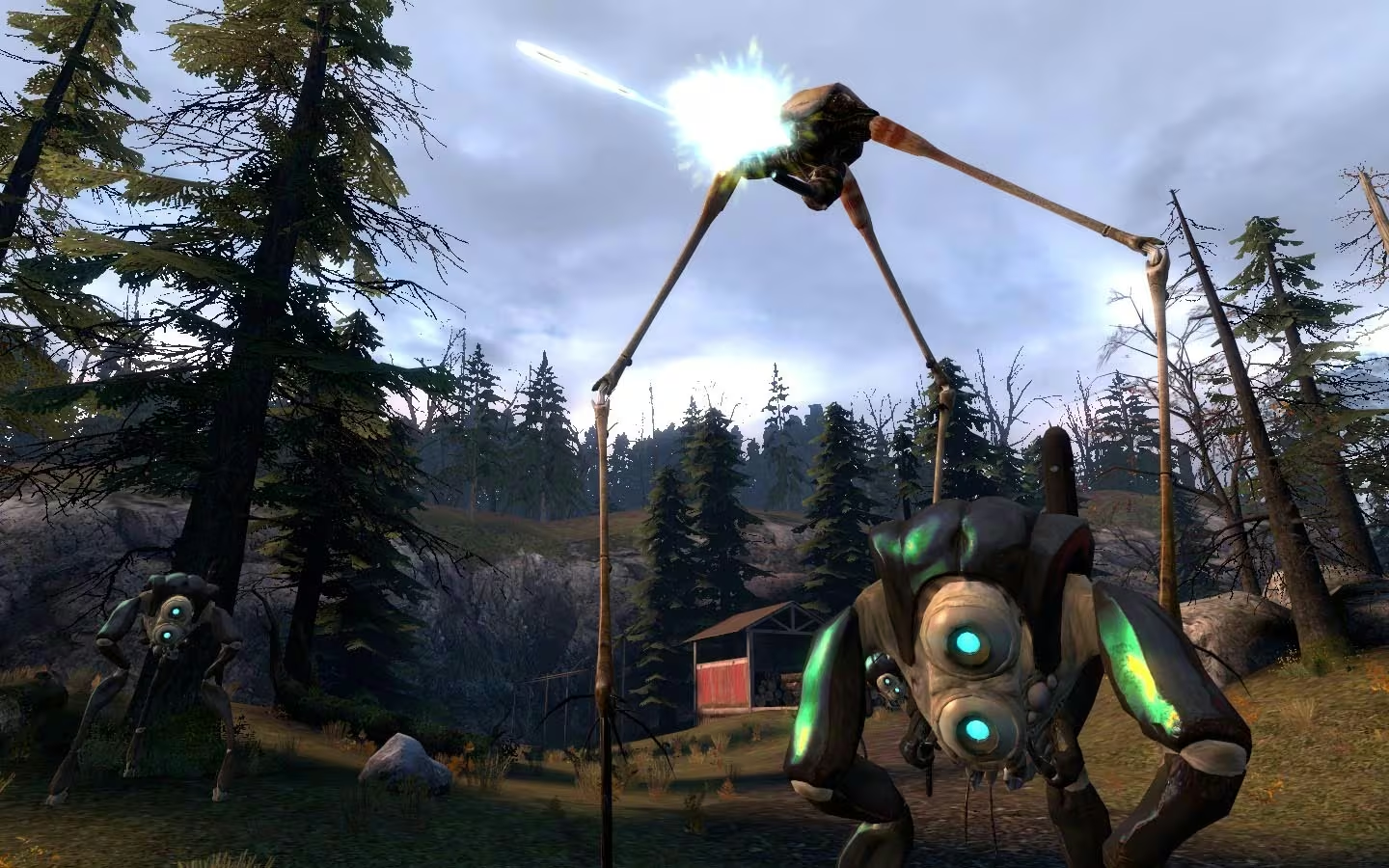
      "Combat against alien enemies involves shooting and destruction, typical of FPS games."

    • Survival
      3

      "Players manage resources like ammo and health to survive against threats."

    Last update: 29/04/2026