Homebody Thumbnail

Homebody similar games & best alternatives
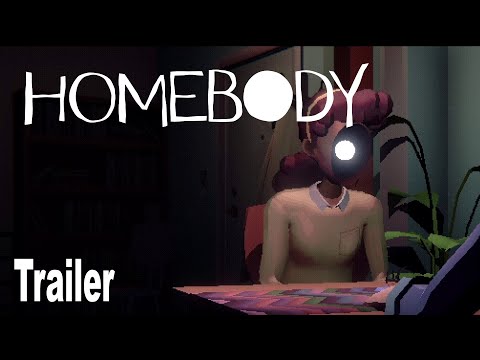
Homebody

PC (Microsoft Windows), Xbox One, PlayStation 4, Xbox Series X|S, Nintendo Switch, PlayStation 5 • 2023

Related articles

Quick resume

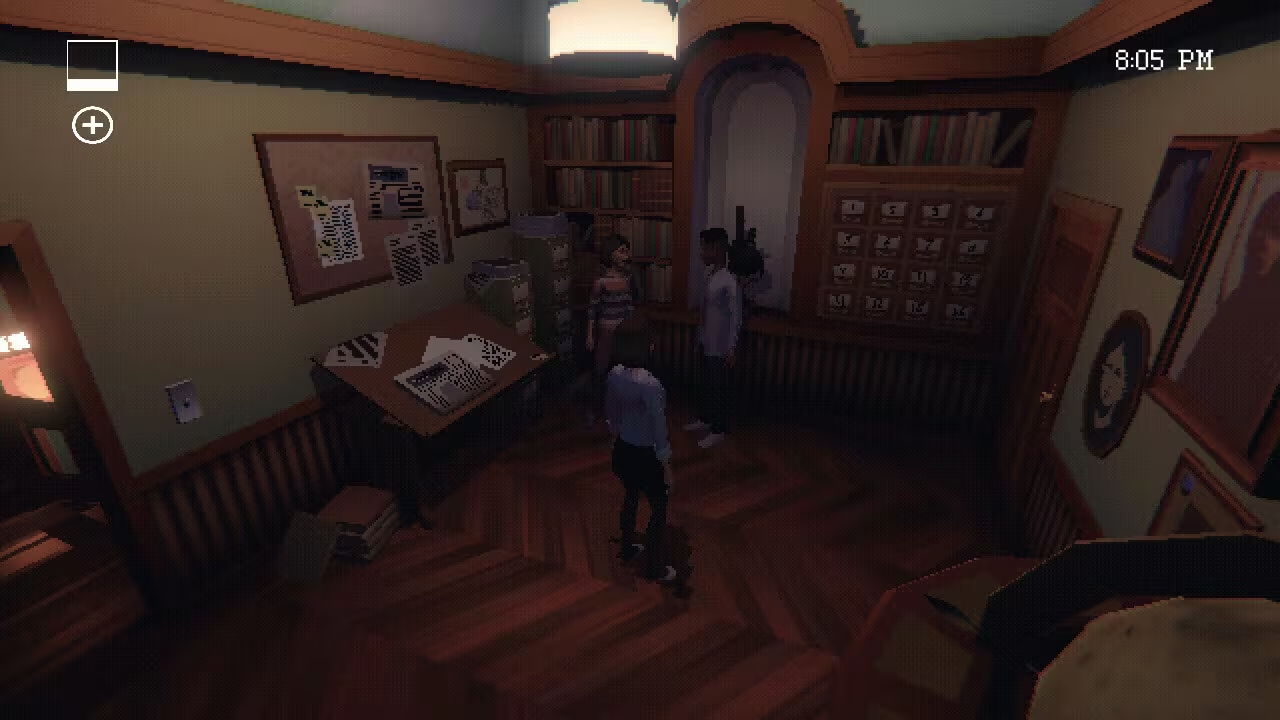
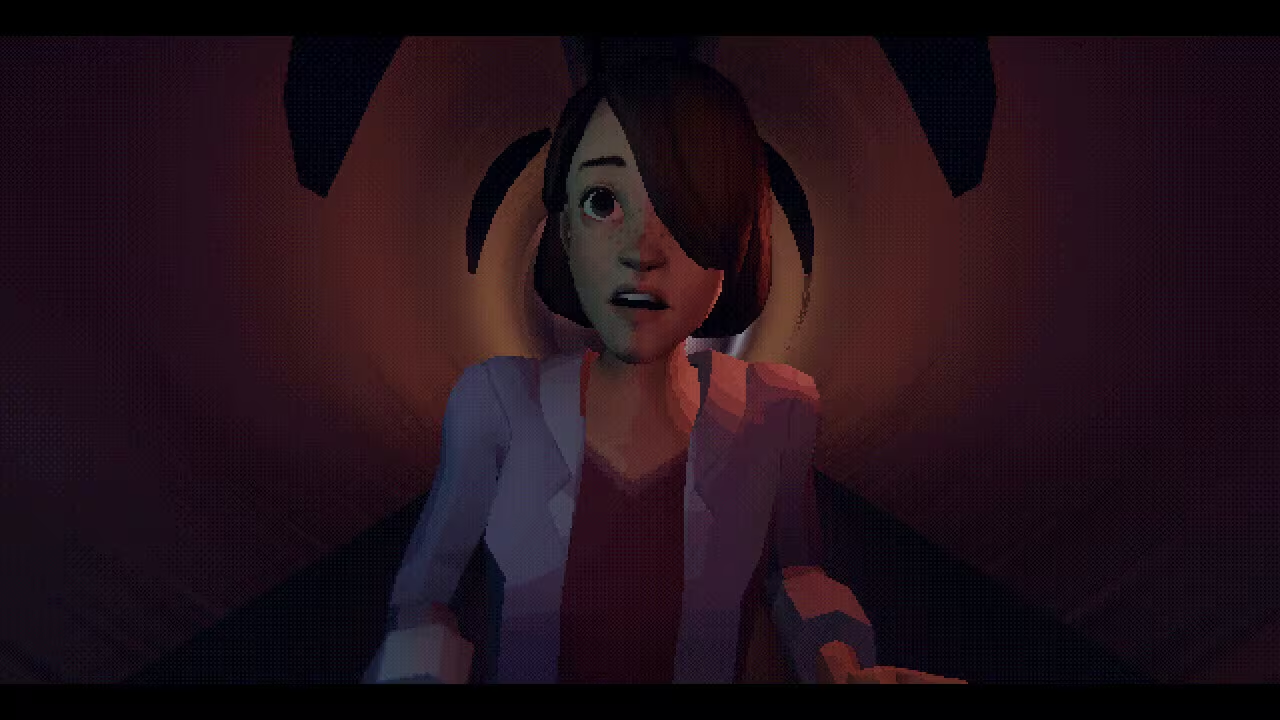
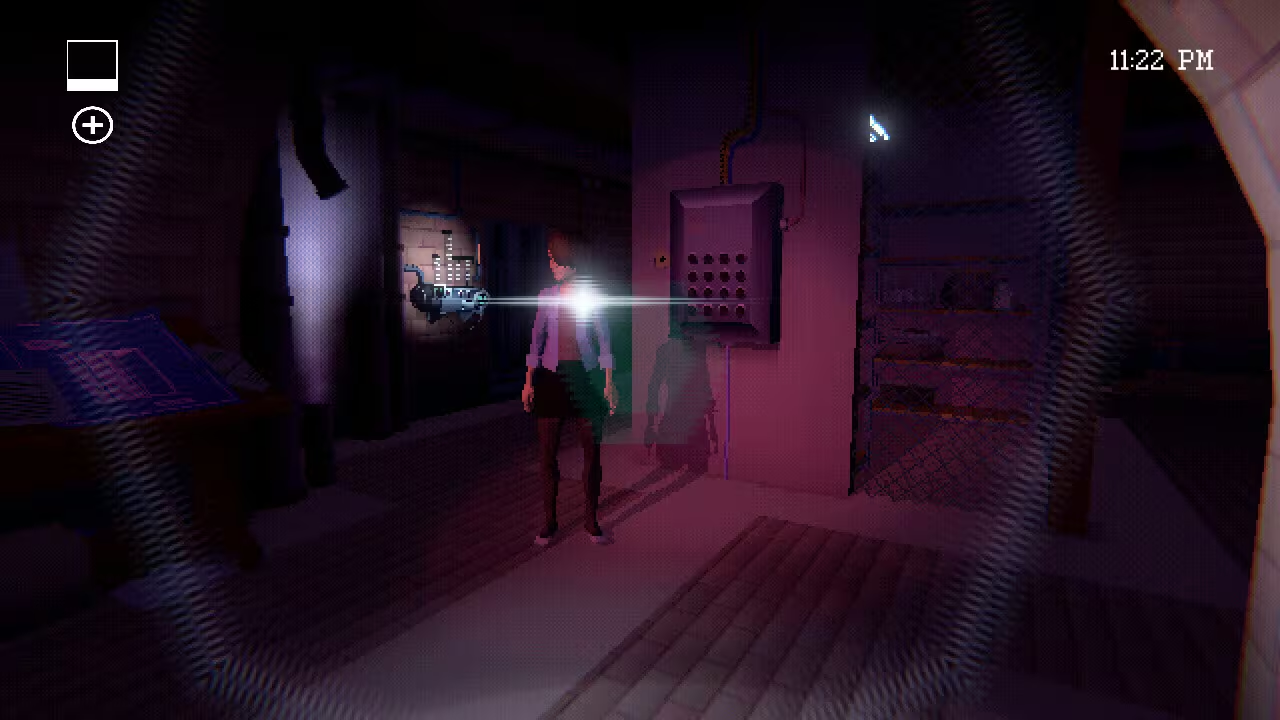
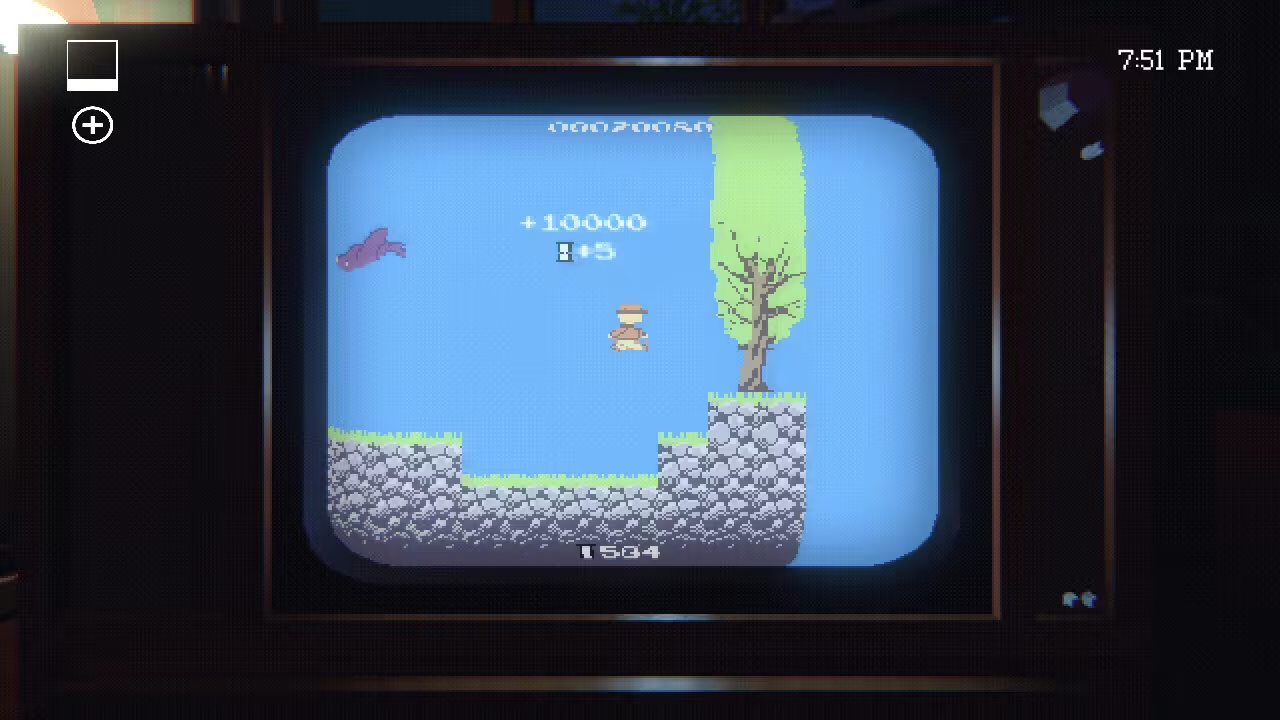
An interactive thriller about a group of friends haunted by the memories of their past while being hunted by a relentless killer. From The Game Grumps (Dream Daddy)

Global score

93/100

Genres

Adventure, Indie, Puzzle

Similar games

    Pros

    • Engaging and challenging puzzles
    • Strong narrative and character development
    • Atmospheric retro horror style
    • Innovative time loop mechanic
    • Thoughtful depiction of mental health themes

    Cons

    • Some obtuse or repetitive puzzles
    • Fixed camera and control quirks
    • Story pacing issues in later parts
    • Limited replay value
    • Forced dialogue hints can reduce player agency

    Analysis

    A very typical example of its motivational profile. Motivations that often define this kind of title include Relaxation, Survival, Violence, Fellowship. Here, the score leans higher than usual among comparable games on Story. It leans lower than usual among comparable games on Expression, Status.

    How to use the graph
    Similar games map

    Each dot is a game. They are arranged from the same motivation profile as in the “Motivations” section below. Closer dots usually mean more similar reasons to play (exploration, competition, relaxation, etc.)—not that one game is “better” than another.

    • Larger dot with a light outline: the game you are viewing.
    • Colour: groups of games with comparable motivation patterns (statistical clusters).
    • Hover a dot to see the game name; click to open its page.
    • Scroll or double-click the chart to zoom out and see more games.

    Why don’t the axes read like a score? This view uses t-SNE: it only keeps who is close to whom. The scales are not “good to bad” or hours played—they separate groups on the map. Read distance between dots, not the axis numbers.

    Motivations

    • Autonomy
      3

      "Players have freedom to explore the mansion and solve puzzles at their own pace, but some time constraints and fixed puzzle solutions limit full autonomy."

    • Competence
      4

      "The game features challenging puzzles requiring skill and logical thinking, with feedback and incremental progress rewarding competence."

    • Competition
      -4

      "Focus is on personal puzzle solving and narrative experience without competitive elements or player comparison."

    • Continuation
      3

      "Players often engage in multiple loops and extended play sessions to solve puzzles and uncover story, showing habitual engagement."

    • Cooperation
      -5

      "The game is a solo experience with no multiplayer or cooperative gameplay."

    • Creativity
      2

      "Players creatively solve puzzles and piece together clues, though within predefined game structures and solutions."

    • Domination
      -5

      "No elements of exerting control or superiority over others; interactions are narrative-driven and equal."

    • Escapism
      4

      "The game offers a psychological horror experience that allows players to escape into a tense, surreal narrative world."

    • Expectation
      -4

      "Players engage voluntarily driven by curiosity and intrinsic interest in puzzles and story, not obligation."

    • Experimenting
      3

      "Players explore different puzzle approaches and experiment with clues, though solutions are fixed."

    • Exploration
      4

      "Exploration of the mansion and discovery of clues and secrets is a core gameplay element."

    • Expression
      -4

      "Limited customization or self-expression; players interact with fixed characters and environments."

    • Fantasy
      3

      "The game features surreal, psychological horror and time loop fiction, blending imaginative and metaphorical elements."

    • Fellowship
      -4

      "Experience is primarily solitary with minimal social connection or community involvement."

    • Growth
      4

      "Players develop problem-solving skills and gain understanding of narrative and characters through gameplay."

    • Health
      -5

      "Sedentary gameplay with no physical activity or health-related mechanics."

    • Idle
      -4

      "Requires focused attention and continuous engagement to solve puzzles and progress."

    • Intimacy
      -3

      "Some emotional connection to characters through narrative, but limited to surface-level interactions."

    • Leadership
      -5

      "No leadership or group management roles; player acts independently."

    • Progression
      4

      "Progression through solving puzzles, unlocking new areas, and advancing story is central."

    • Relaxation
      -2

      "Tense atmosphere and time pressure create sustained tension rather than relaxation."

    • Sensation
      3

      "Atmospheric visuals, sound design, and suspense provide sensory stimulation and emotional engagement."

    • Status
      -5

      "No social recognition or status systems; experience is private and individual."

    • Story
      5

      "Strong narrative immersion with character development, thematic depth, and unfolding plot."

    • Strategy
      4

      "Requires logical reasoning, planning, and problem solving to complete puzzles and progress."

    • Thrill
      3

      "Suspense and tension from stalking killer and time limits create moments of thrill and relief."

    • Value
      4

      "Players perceive good value from engaging puzzles, story, and atmosphere relative to game length and price."

    • Violence
      2

      "Violence is present as a horror element with a stalking killer, but combat is absent and violence is more thematic."

    • Survival
      4

      "Core gameplay involves avoiding death and surviving loops by managing time and threats."

    Where to buy

    Last update: 29/04/2026