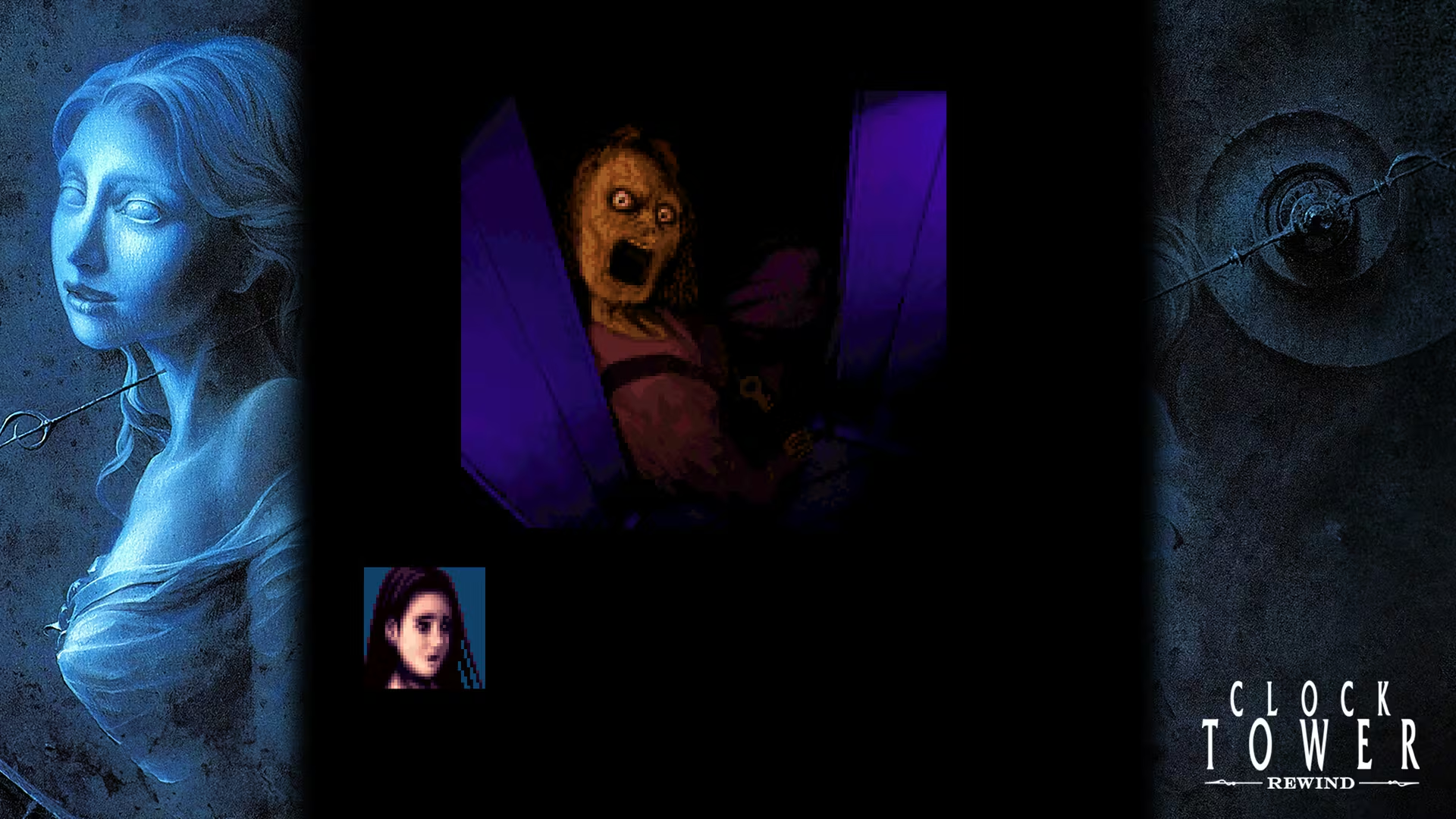
Clock Tower: Rewind Thumbnail

Clock Tower: Rewind similar games & best alternatives

Clock Tower: Rewind

PC (Microsoft Windows), Xbox One, PlayStation 4, Xbox Series X|S, Nintendo Switch, PlayStation 5 • 2024

Related articles

Quick resume

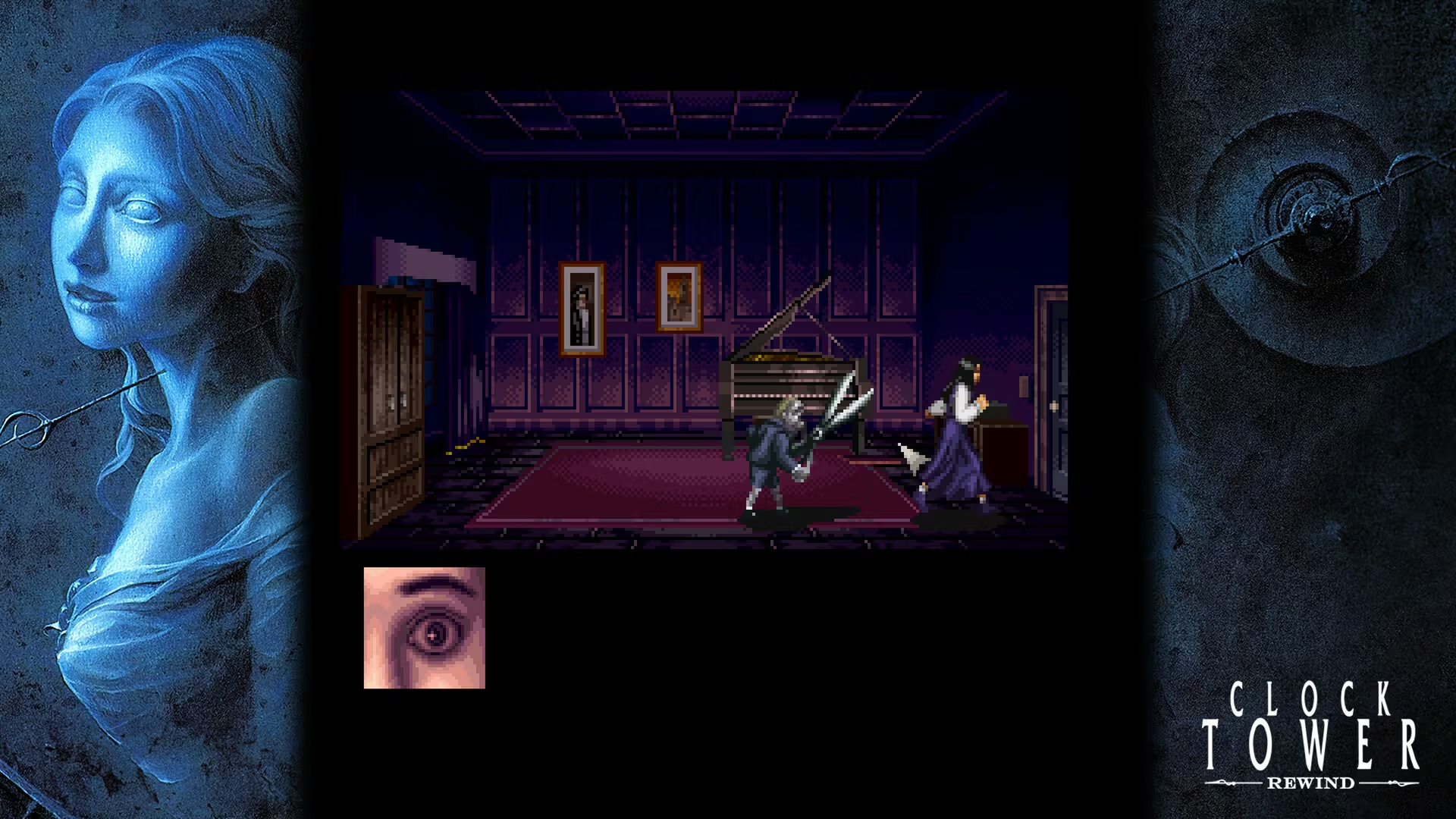
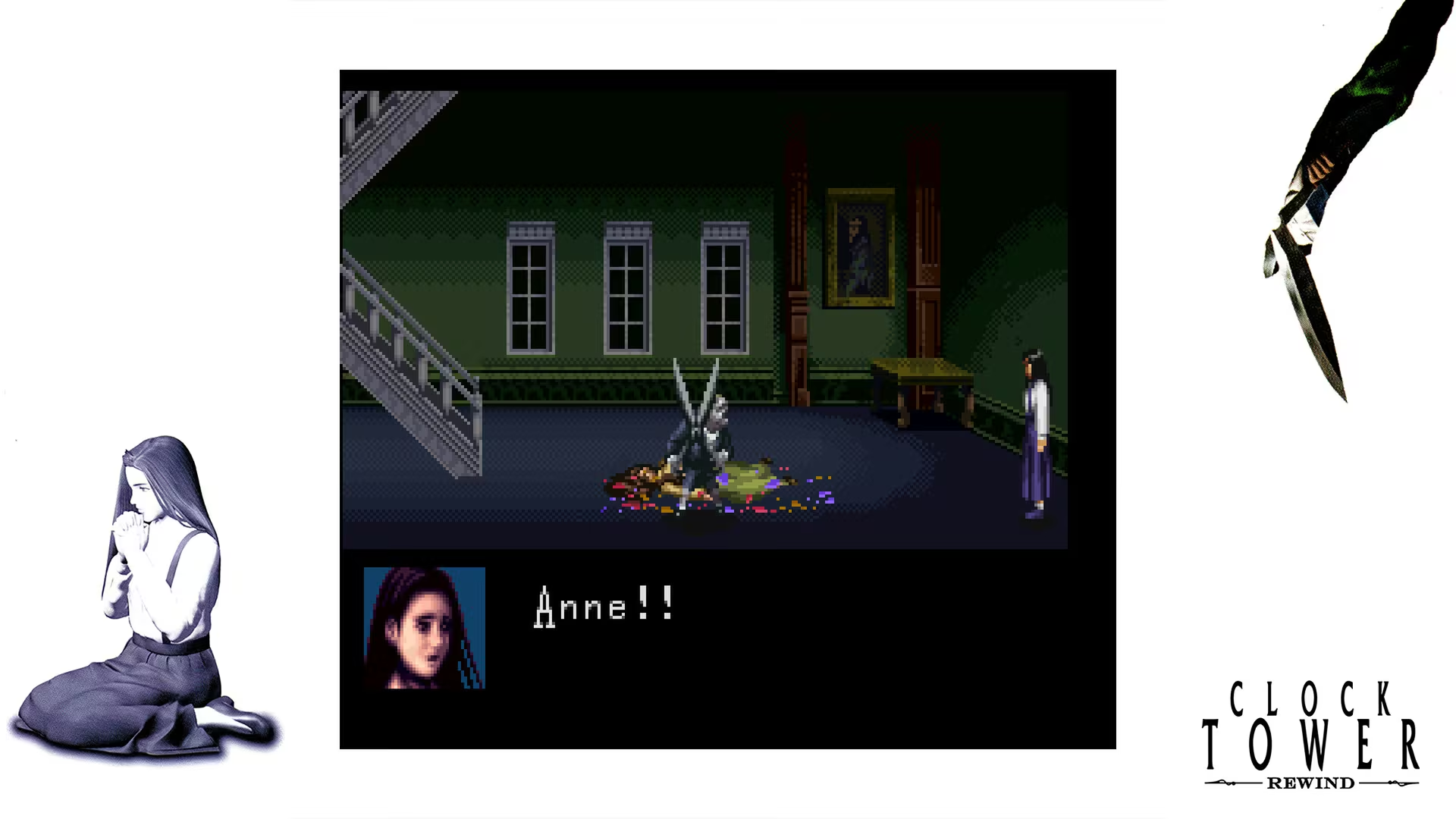
The 16-bit nightmare returns. Survive, hide, and avoid the deadly Scissorman in this legendary horror classic.

Global score

88/100

Genres

Adventure, Puzzle, Point-and-click

Similar games

    Pros

    • Faithful preservation of a survival horror classic
    • Multiple endings and randomized elements increase replayability
    • Quality of life improvements like rewind and save states
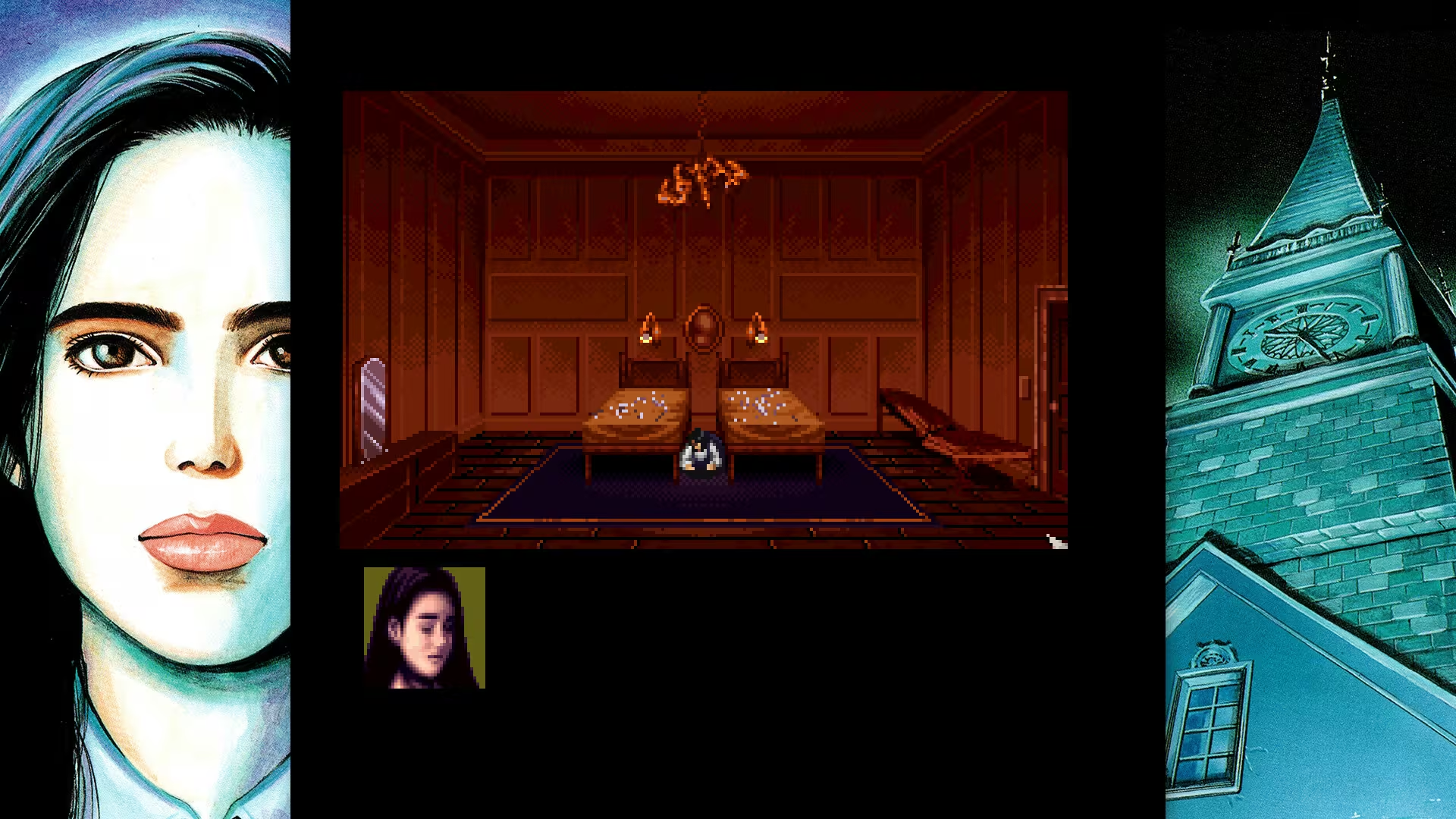
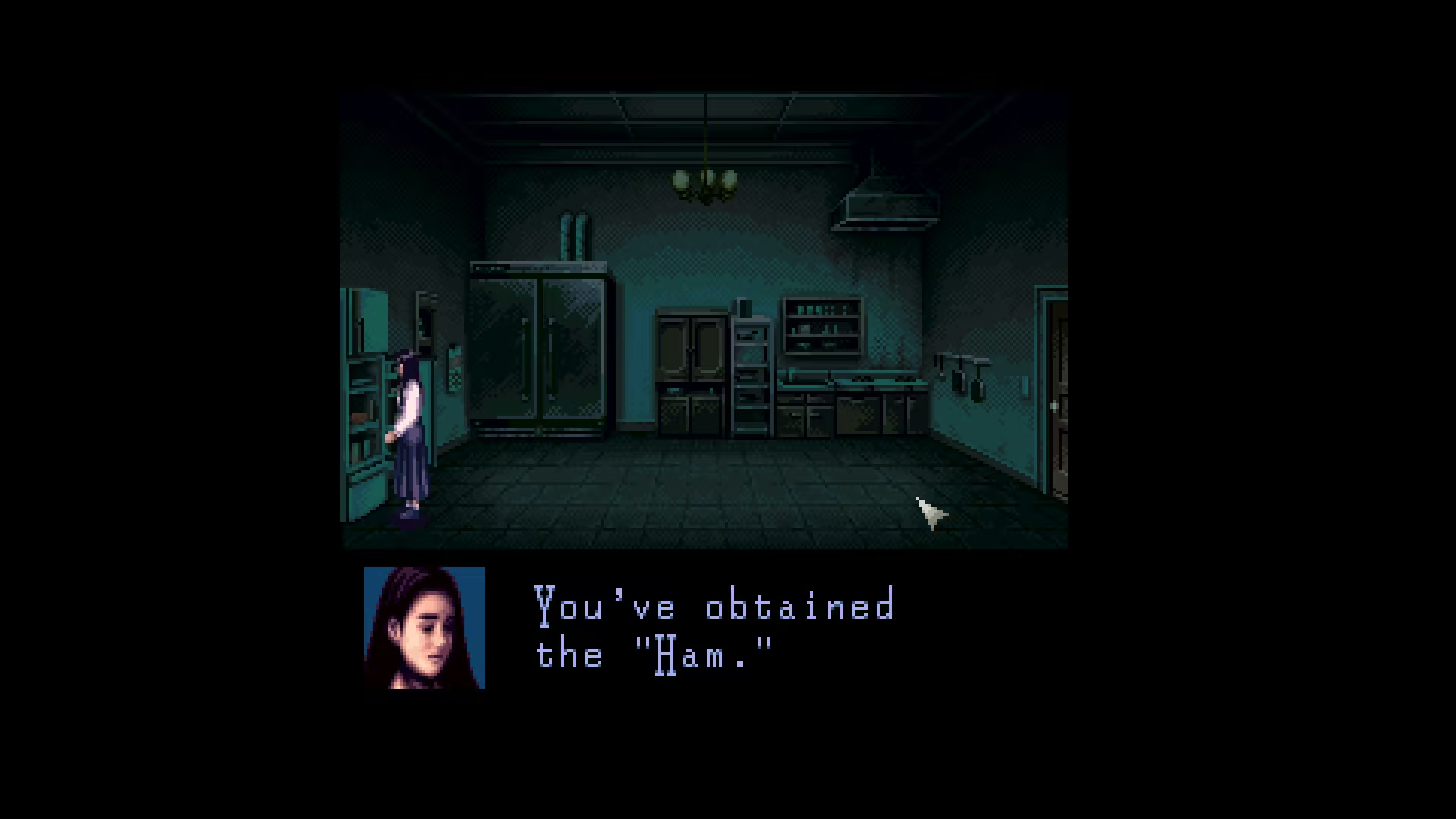
    • Atmospheric sound design and pixel art
    • Extra content including motion comics and interviews

    Cons

    • Slow and sometimes tedious pacing
    • Clunky point-and-click controls and ui issues
    • Some obtuse puzzle logic requiring guides
    • Graphical glitches and occasional lag
    • Price considered high by some for a retro port

    Analysis

    Broadly representative of its motivational profile, with a few distinct shifts. Motivations that often define this kind of title include Expression, Fellowship, Cooperation, Competition. Here, the score leans higher than usual among comparable games on Exploration. It leans lower than usual among comparable games on Expression, Relaxation.

    How to use the graph
    Similar games map

    Each dot is a game. They are arranged from the same motivation profile as in the “Motivations” section below. Closer dots usually mean more similar reasons to play (exploration, competition, relaxation, etc.)—not that one game is “better” than another.

    • Larger dot with a light outline: the game you are viewing.
    • Colour: groups of games with comparable motivation patterns (statistical clusters).
    • Hover a dot to see the game name; click to open its page.
    • Scroll or double-click the chart to zoom out and see more games.

    Why don’t the axes read like a score? This view uses t-SNE: it only keeps who is close to whom. The scales are not “good to bad” or hours played—they separate groups on the map. Read distance between dots, not the axis numbers.

    Motivations

    • Autonomy
      3

      "Players have freedom to explore the mansion, choose actions and endings, but gameplay is constrained by point-and-click mechanics and some obtuse puzzle requirements."

    • Competence
      2

      "Requires learning map, puzzle solving, and evasion skills, but some tasks are repetitive and trial-and-error based."

    • Competition
      -5

      "No competitive elements or player comparison; focus is on personal survival and exploration."

    • Continuation
      3

      "Multiple endings and randomized elements encourage replay and habitual play, though some find slow pace tedious."

    • Cooperation
      -5

      "Single-player experience with no multiplayer or cooperative gameplay."

    • Creativity
      1

      "Players can experiment with different endings and item uses, but gameplay follows predefined puzzles and story paths."

    • Domination
      -5

      "No elements of exerting control over others; player is mostly evading a relentless AI enemy."

    • Escapism
      4

      "Strong atmosphere and suspense provide immersive escape from reality, evoking childhood fears and horror nostalgia."

    • Expectation
      -3

      "Players engage voluntarily out of interest and nostalgia rather than obligation."

    • Experimenting
      3

      "Encouraged to try different strategies and endings, with randomized item locations adding novelty."

    • Exploration
      4

      "Exploring mansion rooms, discovering secrets, and randomized layouts support curiosity-driven play."

    • Expression
      -5

      "No character customization or avatar personalization; presentation is fixed."

    • Fantasy
      3

      "Engages with fictional horror narrative and surreal elements, though grounded in plausible mansion setting."

    • Fellowship
      -5

      "No social or community features; experience is solitary."

    • Growth
      3

      "Players learn map, enemy patterns, and puzzle solutions through repeated play and trial-and-error."

    • Health
      -5

      "Sedentary gameplay with no physical activity involved."

    • Idle
      -3

      "Requires focused attention due to tense chases and puzzle solving; slow pace but not background play."

    • Intimacy
      -5

      "No social or emotional relationship building; limited to single-player narrative."

    • Leadership
      -5

      "No leadership or group management elements."

    • Progression
      3

      "Progression through item collection, unlocking new areas, and achieving multiple endings."

    • Relaxation
      -2

      "Tense atmosphere and sudden scares create sustained suspense rather than relaxation."

    • Sensation
      3

      "Atmospheric sound design and pixel art visuals provide sensory engagement and emotional tension."

    • Status
      -5

      "No social recognition or status systems."

    • Story
      4

      "Narrative driven with multiple endings, character interactions, and lore explored through gameplay and extras."

    • Strategy
      3

      "Requires planning routes, managing stamina, and timing to evade enemy and solve puzzles."

    • Thrill
      4

      "Random enemy encounters and tense chases create suspense and adrenaline moments."

    • Value
      1

      "Mixed opinions on price; some find it worth it for preservation and extras, others suggest buying on sale."

    • Violence
      2

      "Player avoids violence; enemy is violent but player mostly evades or temporarily stuns."

    • Survival
      4

      "Core gameplay revolves around avoiding death, managing stamina, and escaping threats."

    Where to buy

    Last update: 29/04/2026