Slender Threads: Prologue Thumbnail

Slender Threads: Prologue similar games & best alternatives

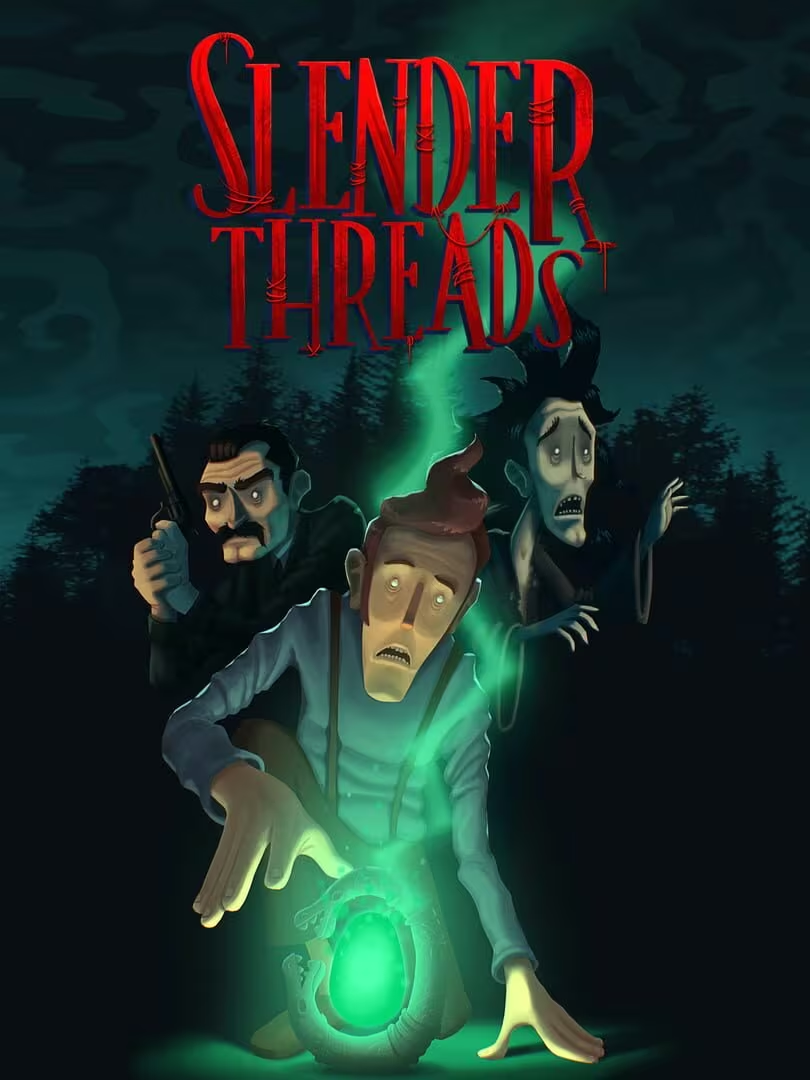
Slender Threads: Prologue

PC (Microsoft Windows) • 2021

Related articles

Quick resume

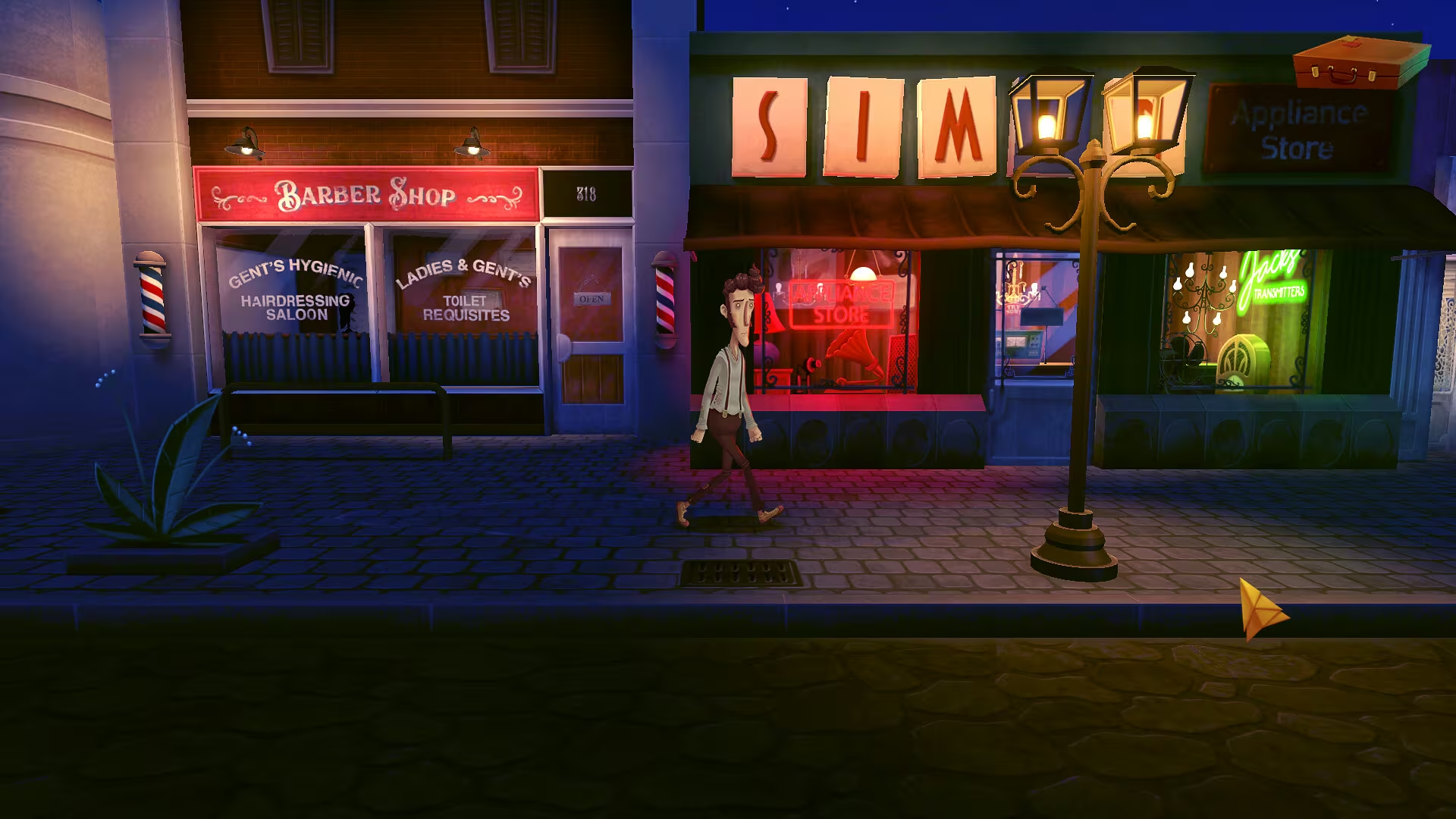
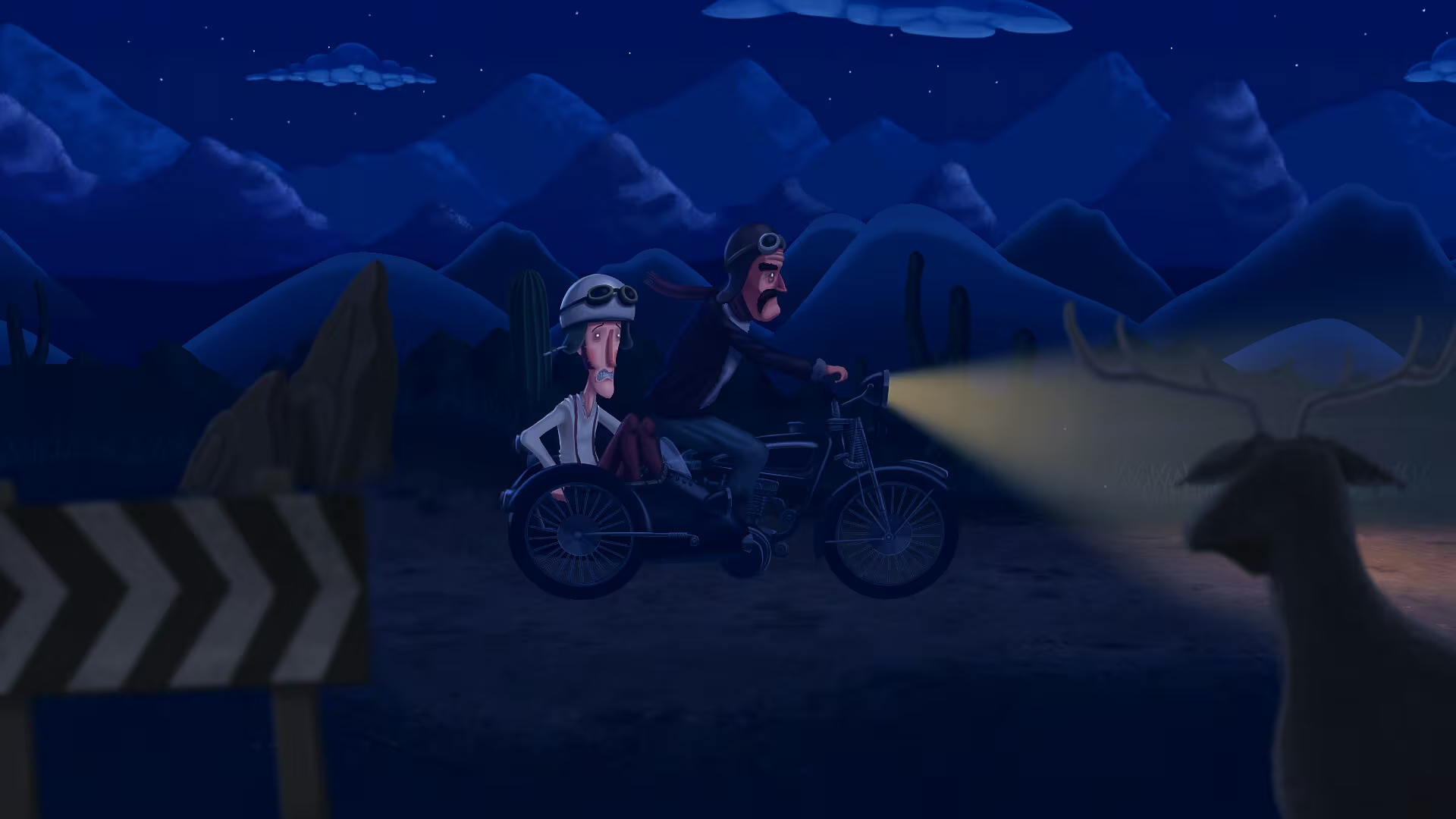
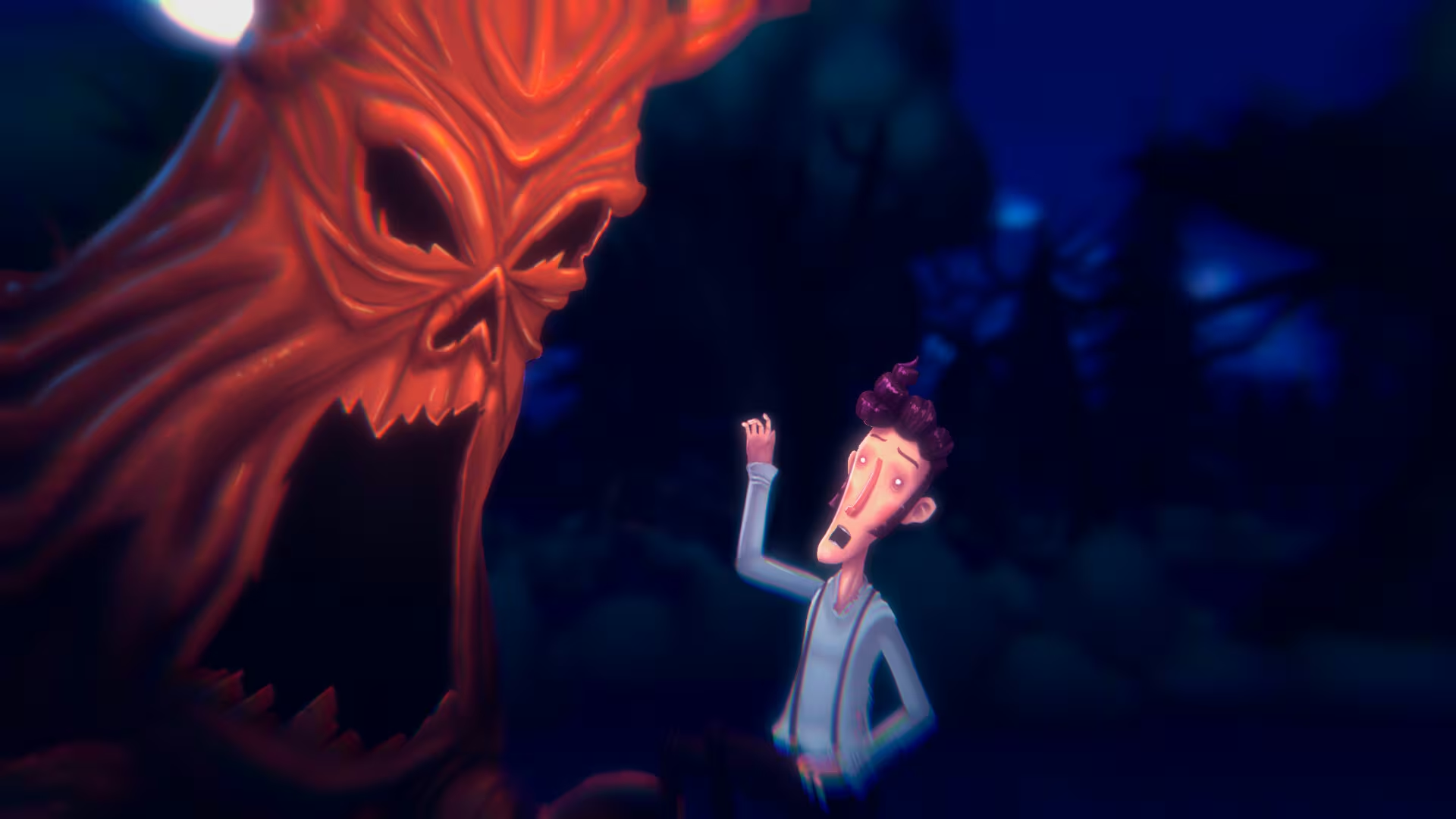
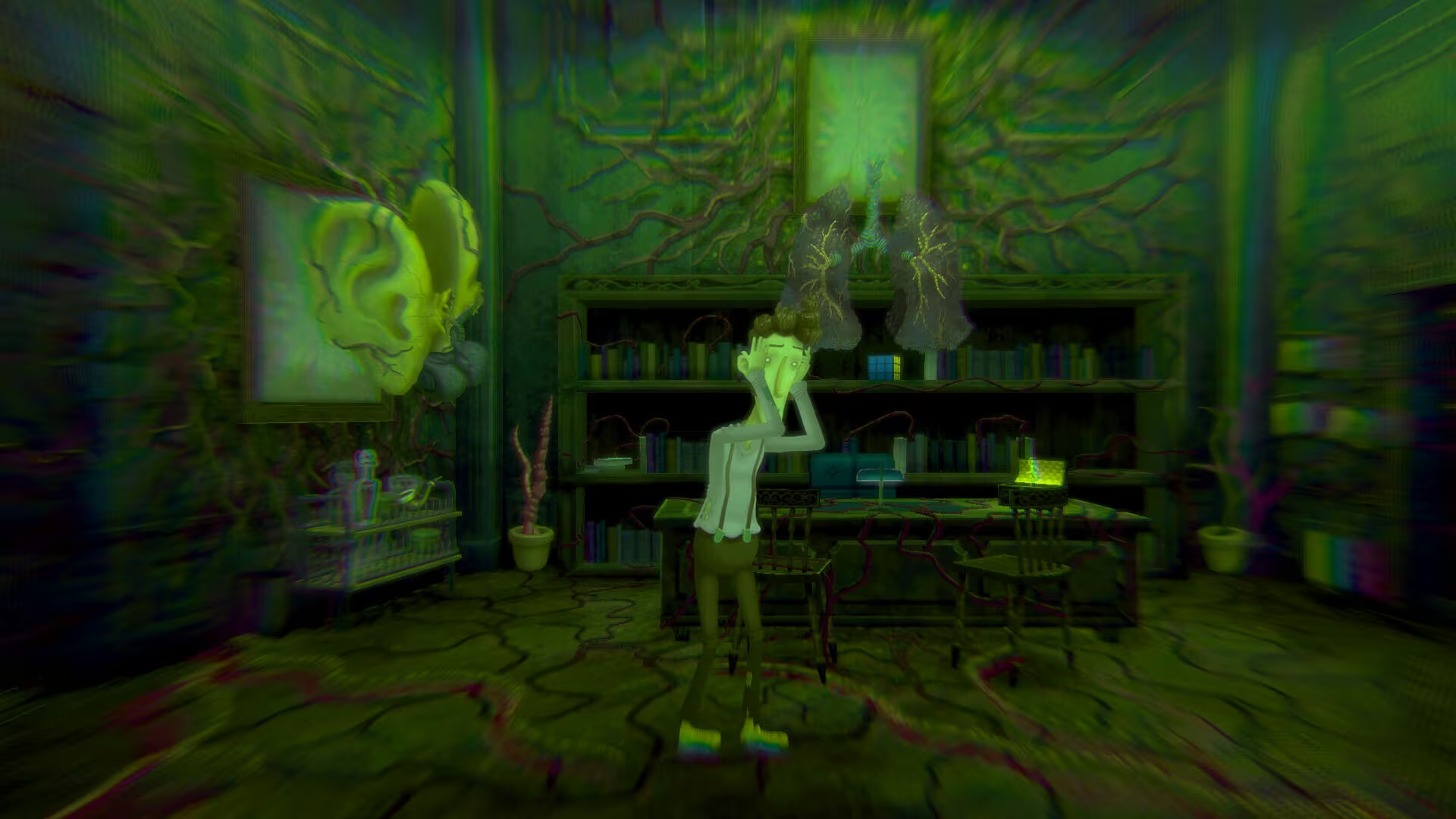
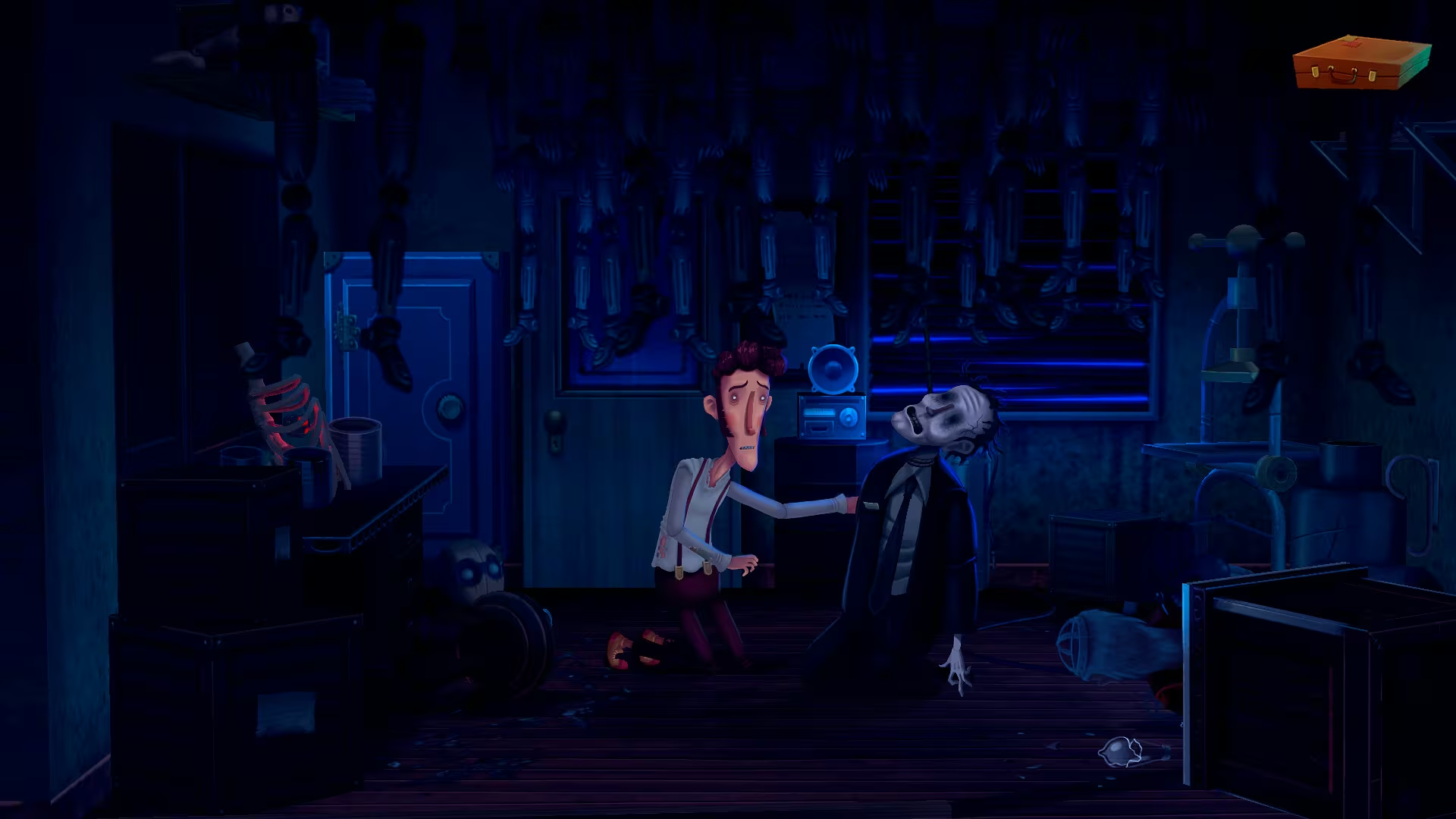
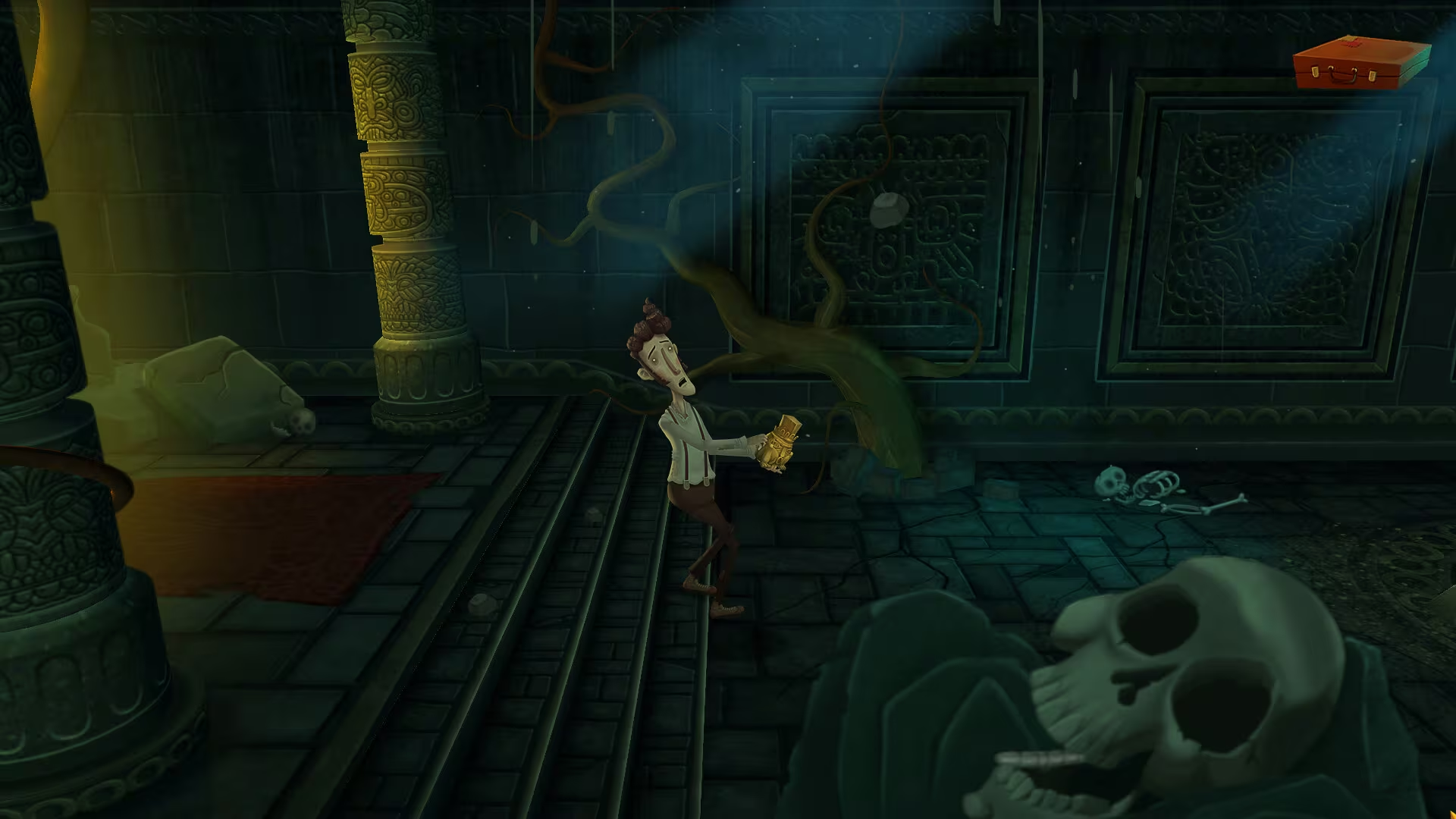
In this paranormal point-and-click adventure, a traveling salesman races to stop a string of horrific deaths in a quiet seaside town—before he’s next.

Global score

98/100

Genres

Adventure, Indie, Free To Play

Similar games

    Pros

    • Engaging and intriguing story
    • Beautiful and unique art style
    • High-quality voice acting
    • Well-designed puzzles with logical solutions
    • Convenient fast travel and intuitive interface

    Cons

    • Prologue is short and leaves players wanting more
    • Some puzzles may be too easy or obscure without hints
    • Occasional technical issues like crashes and sound lag
    • Lack of customization or multiplayer features
    • Pacing can feel slow or uneven at times

    Analysis

    Broadly representative of its motivational profile, with a few distinct shifts. Motivations that often define this kind of title include Survival, Violence, Fellowship, Expression. Here, the score leans higher than usual among comparable games on Violence, Thrill, Continuation.

    How to use the graph
    Similar games map

    Each dot is a game. They are arranged from the same motivation profile as in the “Motivations” section below. Closer dots usually mean more similar reasons to play (exploration, competition, relaxation, etc.)—not that one game is “better” than another.

    • Larger dot with a light outline: the game you are viewing.
    • Colour: groups of games with comparable motivation patterns (statistical clusters).
    • Hover a dot to see the game name; click to open its page.
    • Scroll or double-click the chart to zoom out and see more games.

    Why don’t the axes read like a score? This view uses t-SNE: it only keeps who is close to whom. The scales are not “good to bad” or hours played—they separate groups on the map. Read distance between dots, not the axis numbers.

    Motivations

    • Autonomy
      4

      "Players freely explore the town, interact with many objects and characters, and solve puzzles with multiple approaches, indicating high player control and decision-making."

    • Competence
      3

      "Puzzles require logical thinking and problem solving, providing a rewarding challenge without being overly difficult."

    • Competition
      -5

      "No evidence of competitive elements; gameplay focuses on individual exploration and puzzle solving."

    • Continuation
      4

      "Players express strong attachment and desire to continue playing the full game after the prologue, indicating habitual engagement."

    • Cooperation
      -5

      "Game is single-player focused with no cooperative or multiplayer elements mentioned."

    • Creativity
      2

      "Players combine items and experiment with puzzle solutions, but within predefined structures and narrative."

    • Domination
      -5

      "No evidence of exerting control or superiority over others; interactions are balanced and narrative-driven."

    • Escapism
      4

      "Players use the game to immerse in a mysterious, eerie world, providing distraction and stress relief."

    • Expectation
      -4

      "Players engage voluntarily out of intrinsic interest and curiosity about the story and puzzles."

    • Experimenting
      3

      "Encourages trying different puzzle solutions and exploring various dialogue options."

    • Exploration
      4

      "Strong emphasis on discovering new locations, secrets, and interacting with the environment."

    • Expression
      -3

      "No customization or avatar personalization; players experience a fixed protagonist and world."

    • Fantasy
      3

      "Game features supernatural and mysterious elements, creating an imaginative fictional experience."

    • Fellowship
      -4

      "Focus on solo play and individual narrative experience; minimal social or community interaction."

    • Growth
      3

      "Players develop problem-solving skills and learn puzzle mechanics throughout gameplay."

    • Health
      -5

      "Typical sedentary point-and-click gameplay with no physical activity elements."

    • Idle
      -4

      "Requires focused attention and active problem solving; not designed for background or idle play."

    • Intimacy
      -4

      "Interactions are limited to scripted dialogues with NPCs; no close relationship building."

    • Leadership
      -5

      "No leadership or group management elements present."

    • Progression
      3

      "Players collect and combine items to progress through puzzles and story."

    • Relaxation
      3

      "Atmospheric music and art style create a mood that balances tension with enjoyable flow."

    • Sensation
      3

      "Visuals, voice acting, and music provide engaging sensory stimulation and emotional tone."

    • Status
      -5

      "No social recognition or ranking systems; focus is on personal experience."

    • Story
      5

      "Strong narrative immersion with engaging characters, voice acting, and plot development."

    • Strategy
      3

      "Puzzles require logical thinking and planning, though not highly complex strategy."

    • Thrill
      3

      "Includes suspenseful and eerie moments that provide mild thrills and jump scares."

    • Value
      4

      "Free prologue with high production values and engaging content provides strong perceived value."

    • Violence
      1

      "Some horror and unsettling elements, but violence is minimal and not a core gameplay focus."

    • Survival
      -4

      "No survival mechanics or threat avoidance; gameplay is stable and puzzle-focused."

    Last update: 29/04/2026