Hypogea Thumbnail

Hypogea similar games & best alternatives
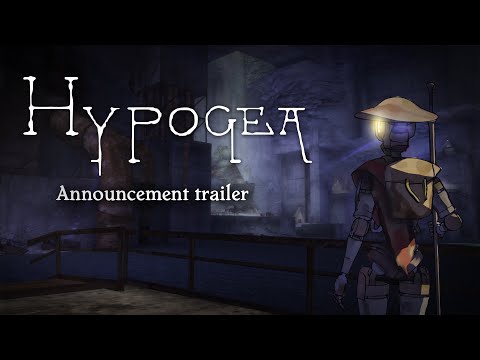
Hypogea

PC (Microsoft Windows) • 2025

Related articles

Quick resume

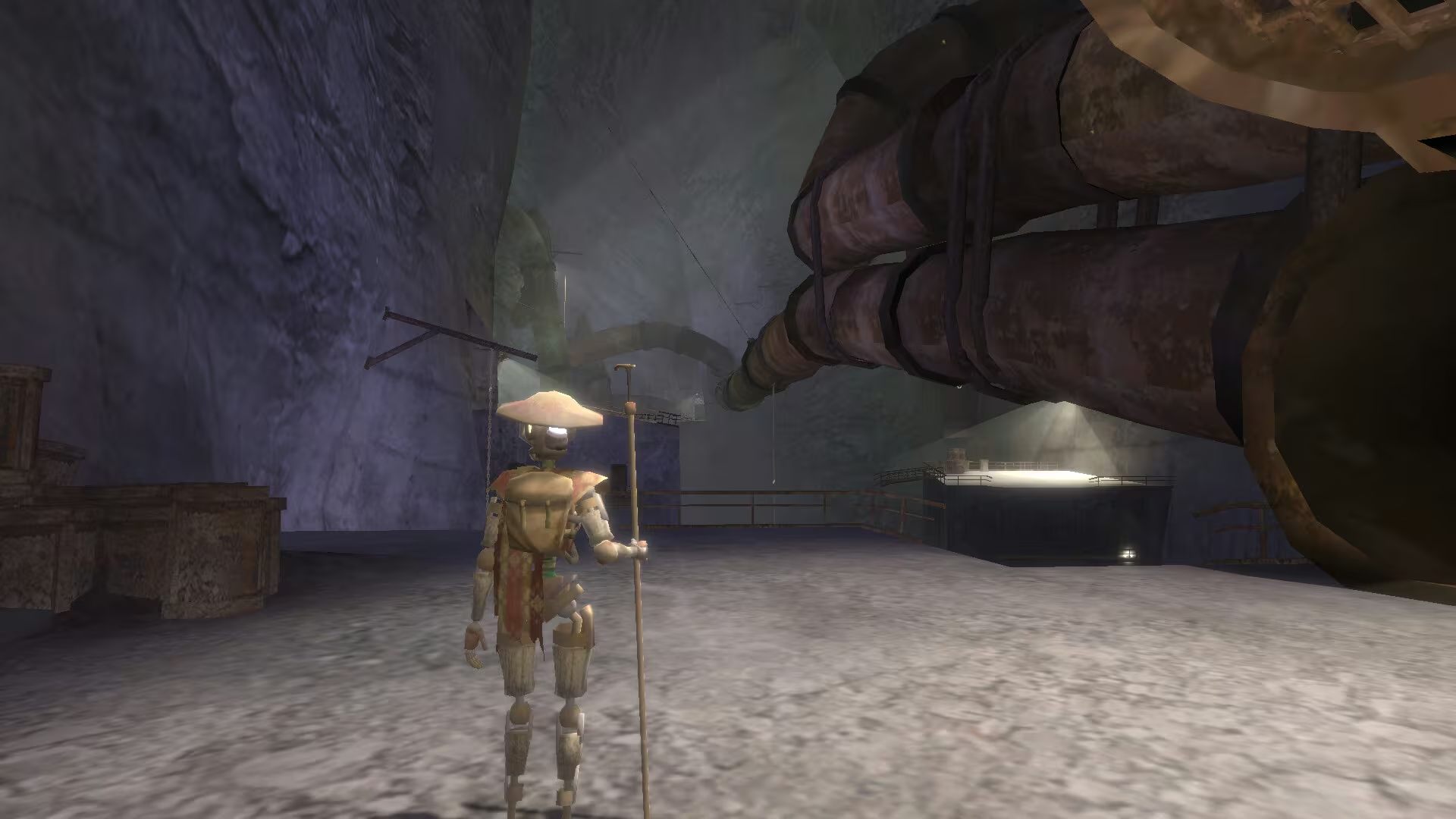
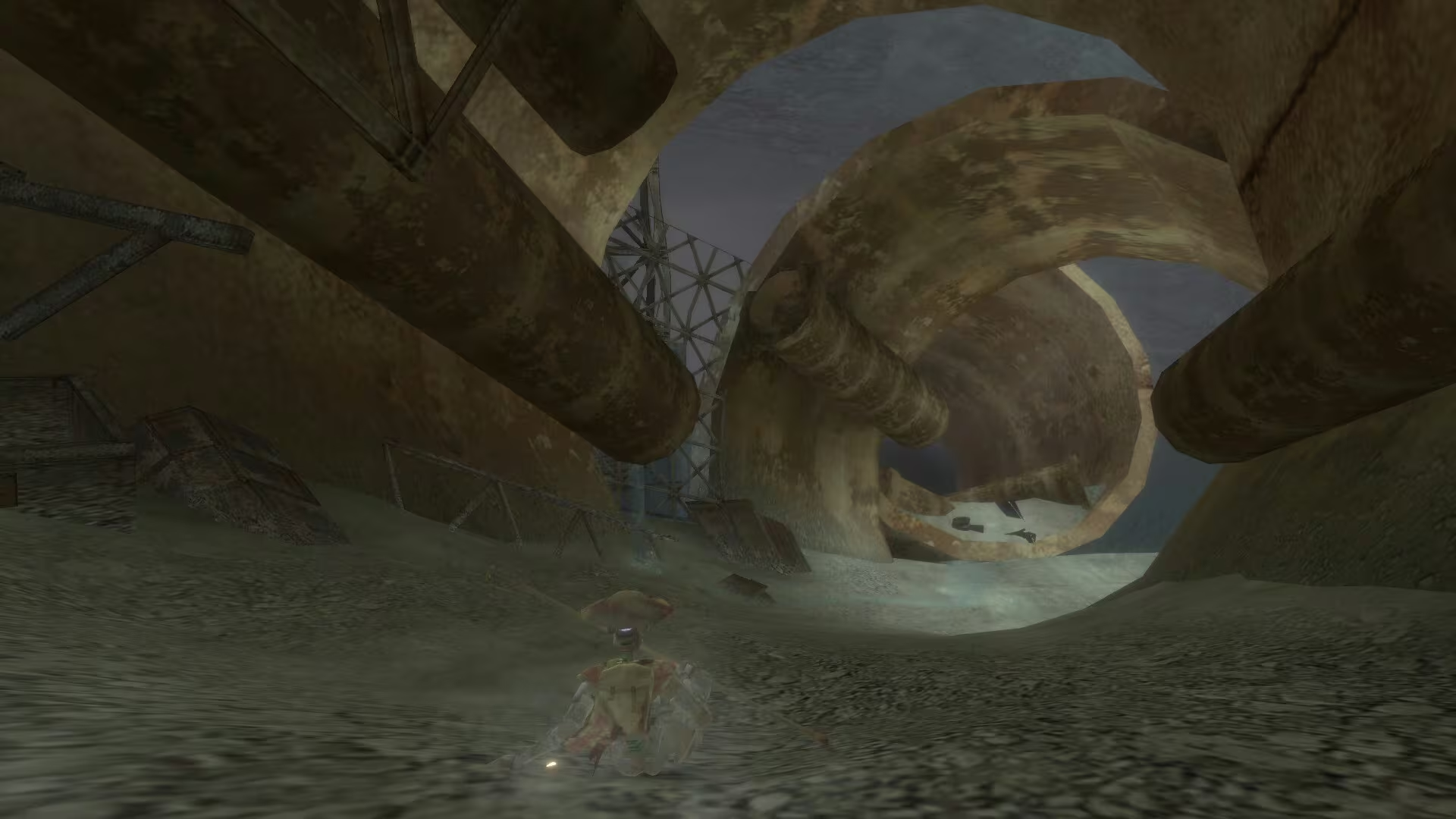
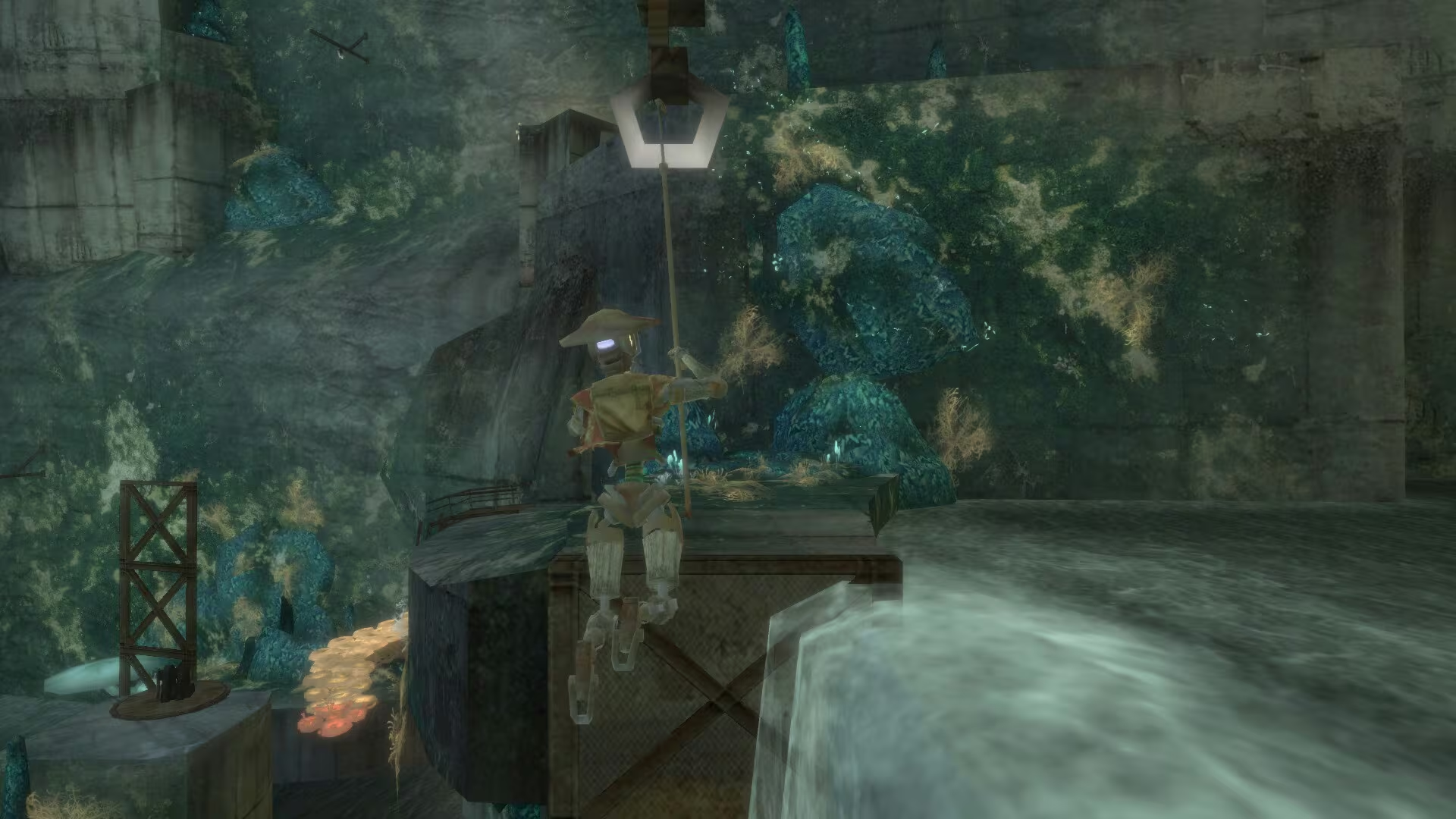
Escape from a mysterious underground megastructure in this short atmospheric 3d-platformer.

Global score

98/100

Genres

Adventure, Indie, Platform

Similar games

    Pros

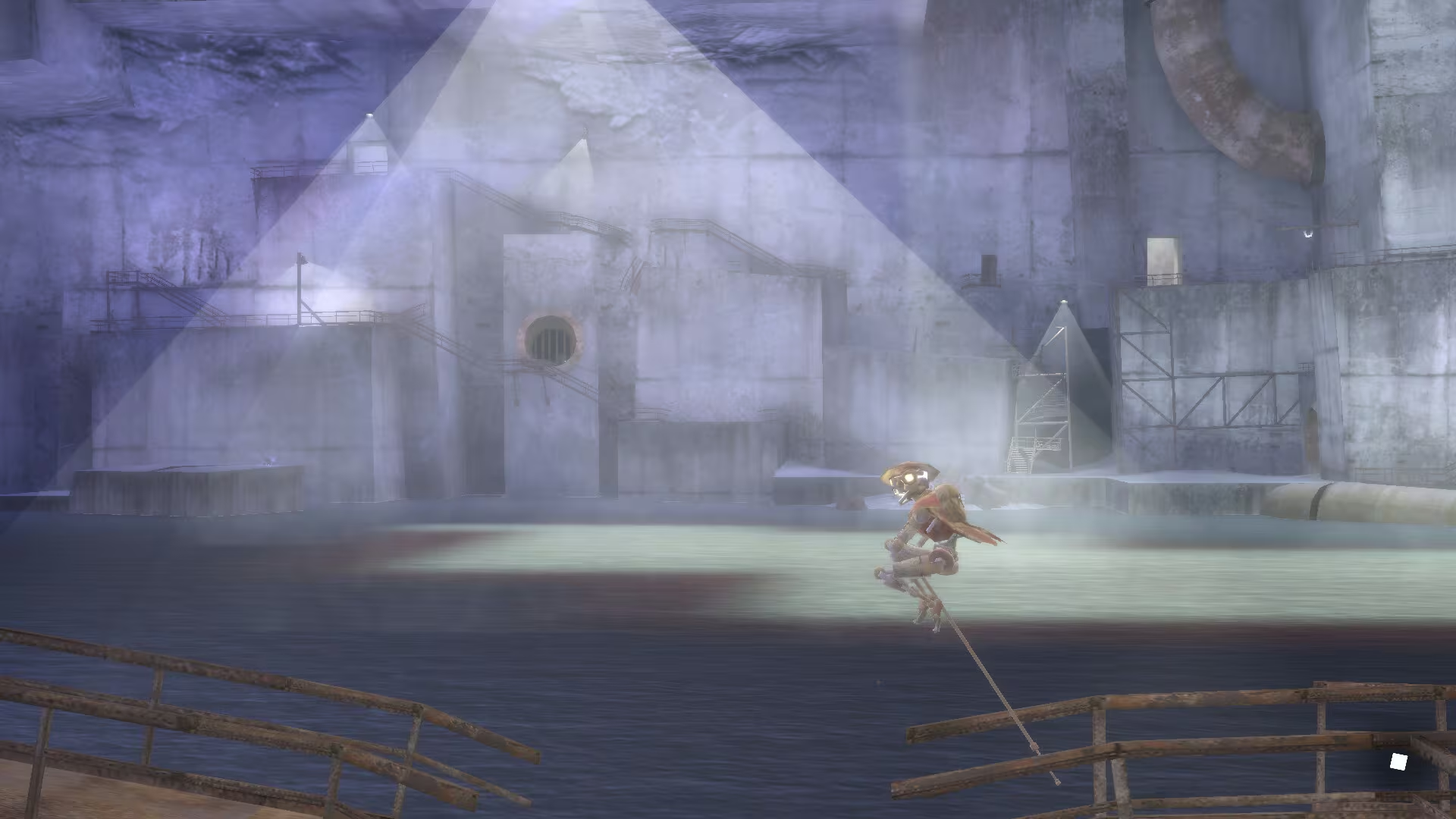
    • Unique and satisfying movement mechanics
    • Strong atmospheric and audiovisual design
    • Engaging environmental storytelling without dialogue
    • Well-paced short experience
    • Affordable price and good value

    Cons

    • Short game length
    • Some janky or imprecise controls
    • Minor bugs and occasional softlocks
    • Linear level design with limited replayability
    • Lack of polish in some animations and sound effects

    Analysis

    Less representative of its motivational profile, with noticeable differences. Motivations that often define this kind of title include Survival, Violence, Fellowship, Expression. Here, the score leans higher than usual among comparable games on Thrill, Experimenting, Value.

    How to use the graph
    Similar games map

    Each dot is a game. They are arranged from the same motivation profile as in the “Motivations” section below. Closer dots usually mean more similar reasons to play (exploration, competition, relaxation, etc.)—not that one game is “better” than another.

    • Larger dot with a light outline: the game you are viewing.
    • Colour: groups of games with comparable motivation patterns (statistical clusters).
    • Hover a dot to see the game name; click to open its page.
    • Scroll or double-click the chart to zoom out and see more games.

    Why don’t the axes read like a score? This view uses t-SNE: it only keeps who is close to whom. The scales are not “good to bad” or hours played—they separate groups on the map. Read distance between dots, not the axis numbers.

    Motivations

    • Autonomy
      4

      "Players have freedom to explore large environments at their own pace with minimal handholding and no artificial signposting."

    • Competence
      3

      "Platforming and traversal mechanics require skill and mastery, with some light puzzles and challenges that provide feedback and a sense of accomplishment."

    • Competition
      -4

      "No evidence of competitive modes or player comparison; focus is on solo exploration and personal progression."

    • Continuation
      2

      "Players often replay to find collectibles and enjoy movement mechanics; short length limits extended habitual play but encourages multiple sessions."

    • Cooperation
      -5

      "Entirely single-player experience with no multiplayer or cooperative elements."

    • Creativity
      2

      "Players experiment with unique pole vaulting mechanics and movement options, though level design is mostly linear with limited creation or modification."

    • Domination
      -5

      "No social dominance or power exertion; interactions are friendly and equal among robotic characters."

    • Escapism
      5

      "Strong emphasis on immersive atmosphere, mood, and exploration that allows players to escape into a mysterious megastructure world."

    • Expectation
      -5

      "Players engage voluntarily out of intrinsic interest and appreciation for the game’s unique mechanics and atmosphere."

    • Experimenting
      4

      "Players try new traversal techniques and experiment with pole vaulting and ledge grabbing mechanics throughout the game."

    • Exploration
      4

      "Game encourages discovery of new areas, secrets, and collectibles within large, atmospheric megastructure environments."

    • Expression
      -3

      "Limited customization; players experience a fixed protagonist and environment aesthetics without personalization."

    • Fantasy
      3

      "Set in a fictional world with robots and megastructures, evoking imaginative and atmospheric fiction."

    • Fellowship
      -4

      "Focus on solo play with minimal social interaction; robotic companions provide narrative but no social gameplay."

    • Growth
      3

      "Players develop skill in mastering unique movement mechanics and solving environmental puzzles."

    • Health
      -5

      "Standard sedentary gameplay with no physical activity or health-related features."

    • Idle
      -3

      "Requires focused attention and continuous engagement during platforming; not suited for passive or background play."

    • Intimacy
      -4

      "Minimal emotional connection through nonverbal robotic interactions; no close social relationships formed."

    • Leadership
      -5

      "No leadership or group management elements; single-player experience."

    • Progression
      3

      "Players collect artifacts and batteries to advance, with some upgrades to traversal abilities."

    • Relaxation
      3

      "Generally calm and atmospheric with moments of flow in movement; some tension from platforming challenges."

    • Sensation
      3

      "Enjoyable audiovisual atmosphere with moody music and satisfying movement feedback."

    • Status
      -5

      "No social recognition or status systems present."

    • Story
      4

      "Narrative delivered through environmental storytelling, collectibles, and character gestures without dialogue."

    • Strategy
      1

      "Light puzzle solving and route finding require some planning but mostly straightforward platforming."

    • Thrill
      1

      "Some moments of tension in platforming challenges, but overall a controlled and calm experience."

    • Value
      4

      "Highly praised for quality and experience relative to short length and affordable price."

    • Violence
      -5

      "No combat or destructive gameplay; focus on exploration and traversal."

    • Survival
      -4

      "No threats or survival mechanics; stable environment with low risk."

    Last update: 29/04/2026