Kind Words (lo fi chill beats to write to) Thumbnail

Kind Words (lo fi chill beats to write to) similar games & best alternatives

Kind Words (lo fi chill beats to write to)

PC (Microsoft Windows) • 2019

Related articles

Quick resume

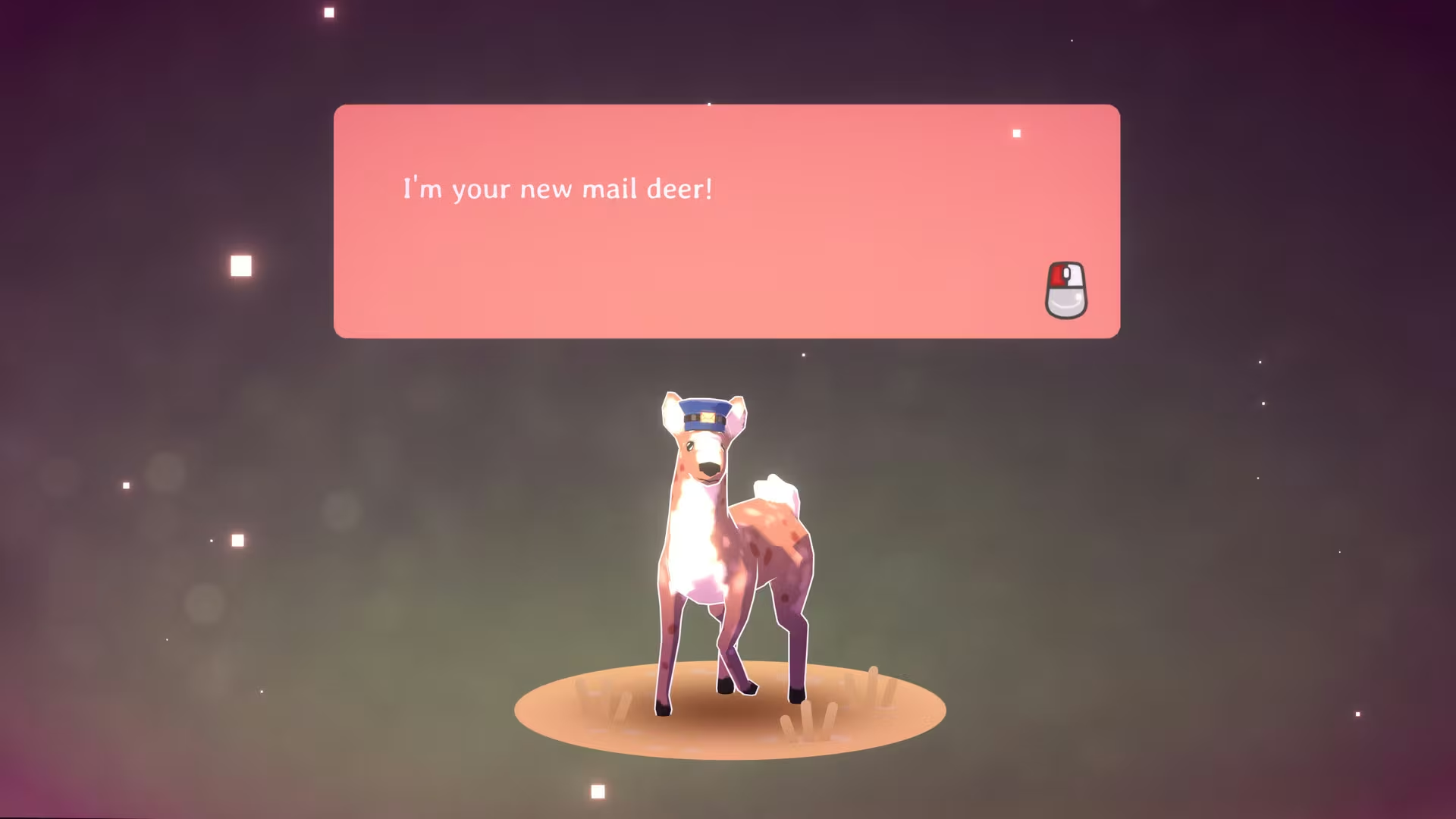
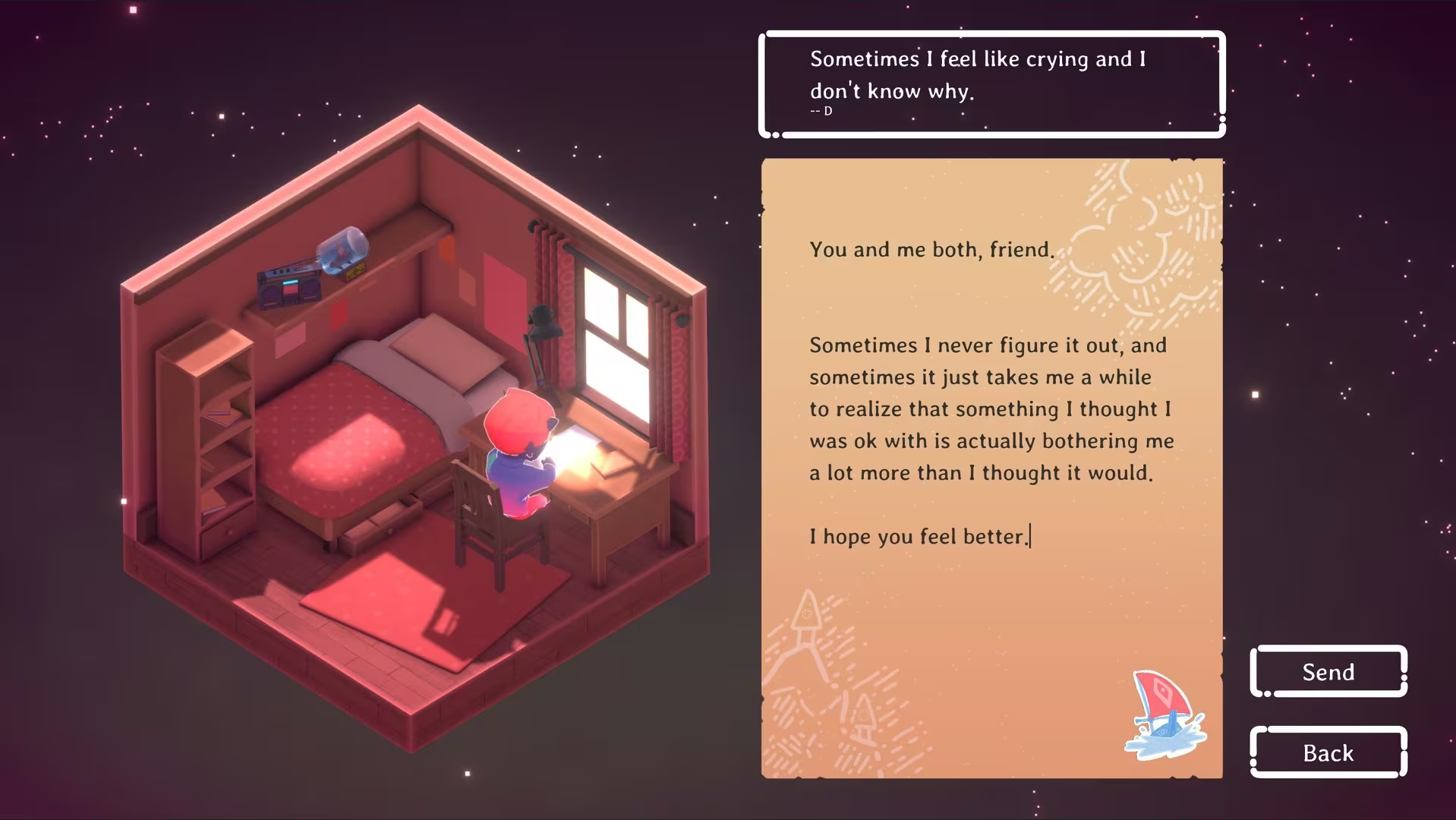
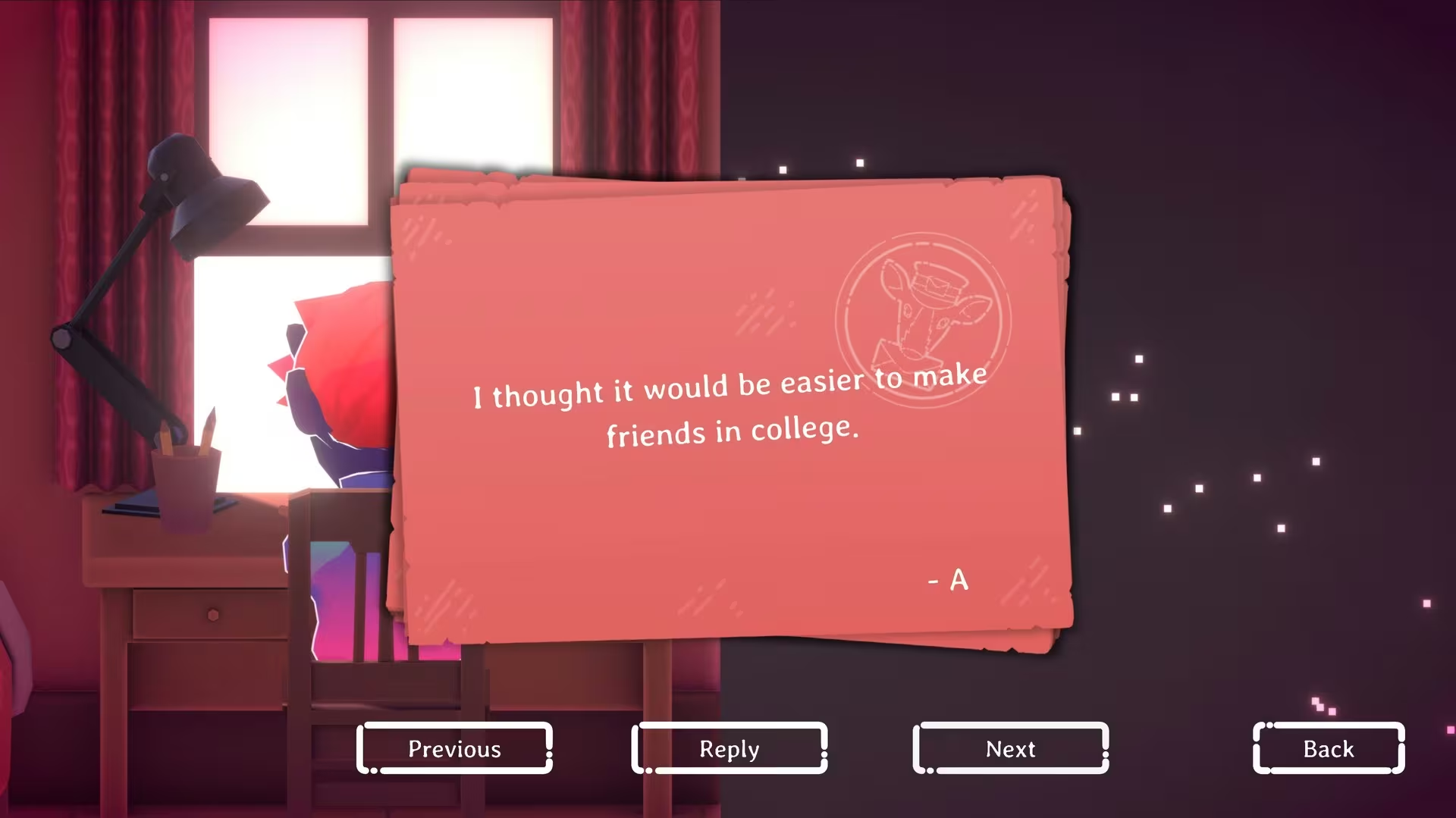
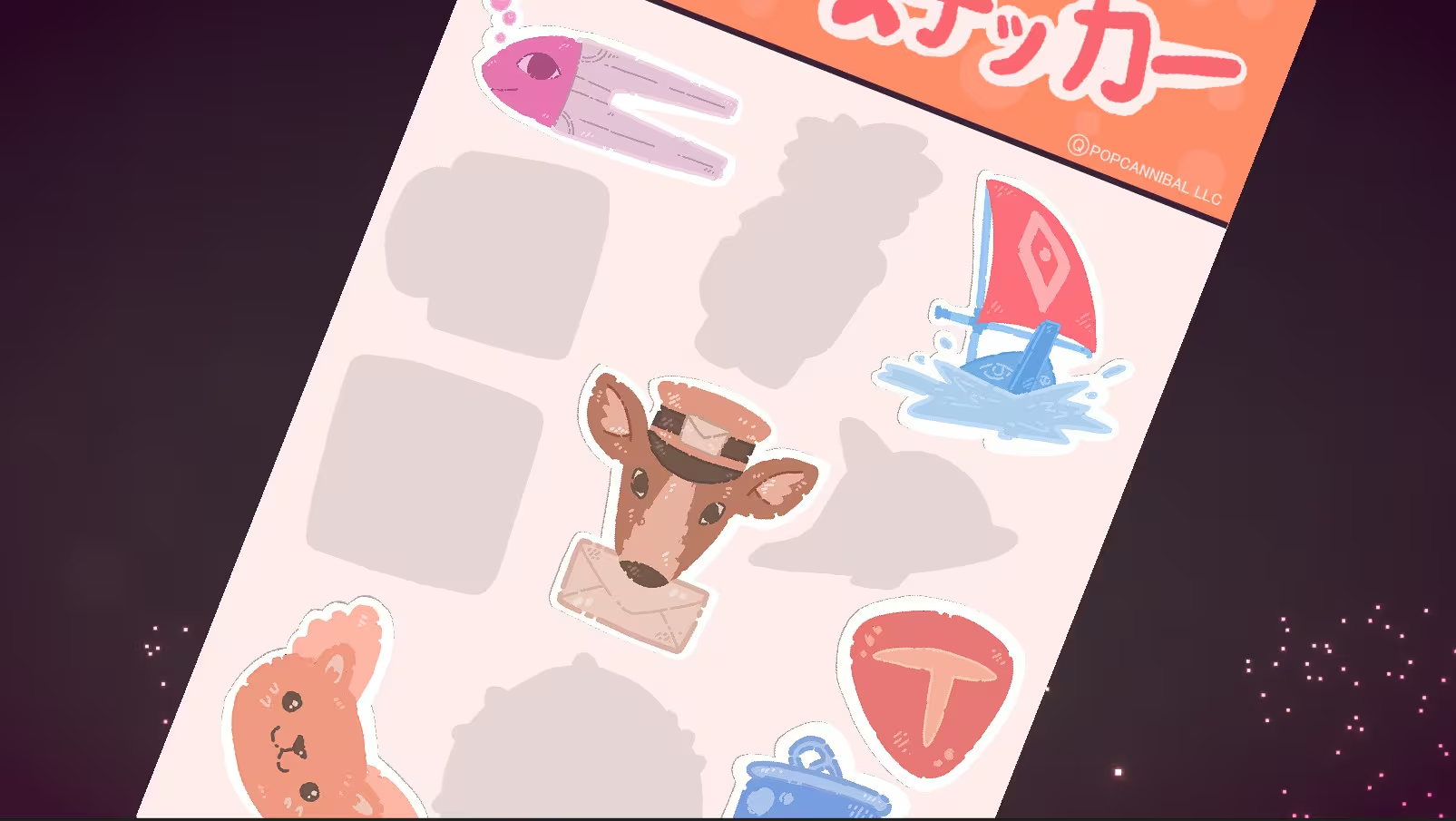
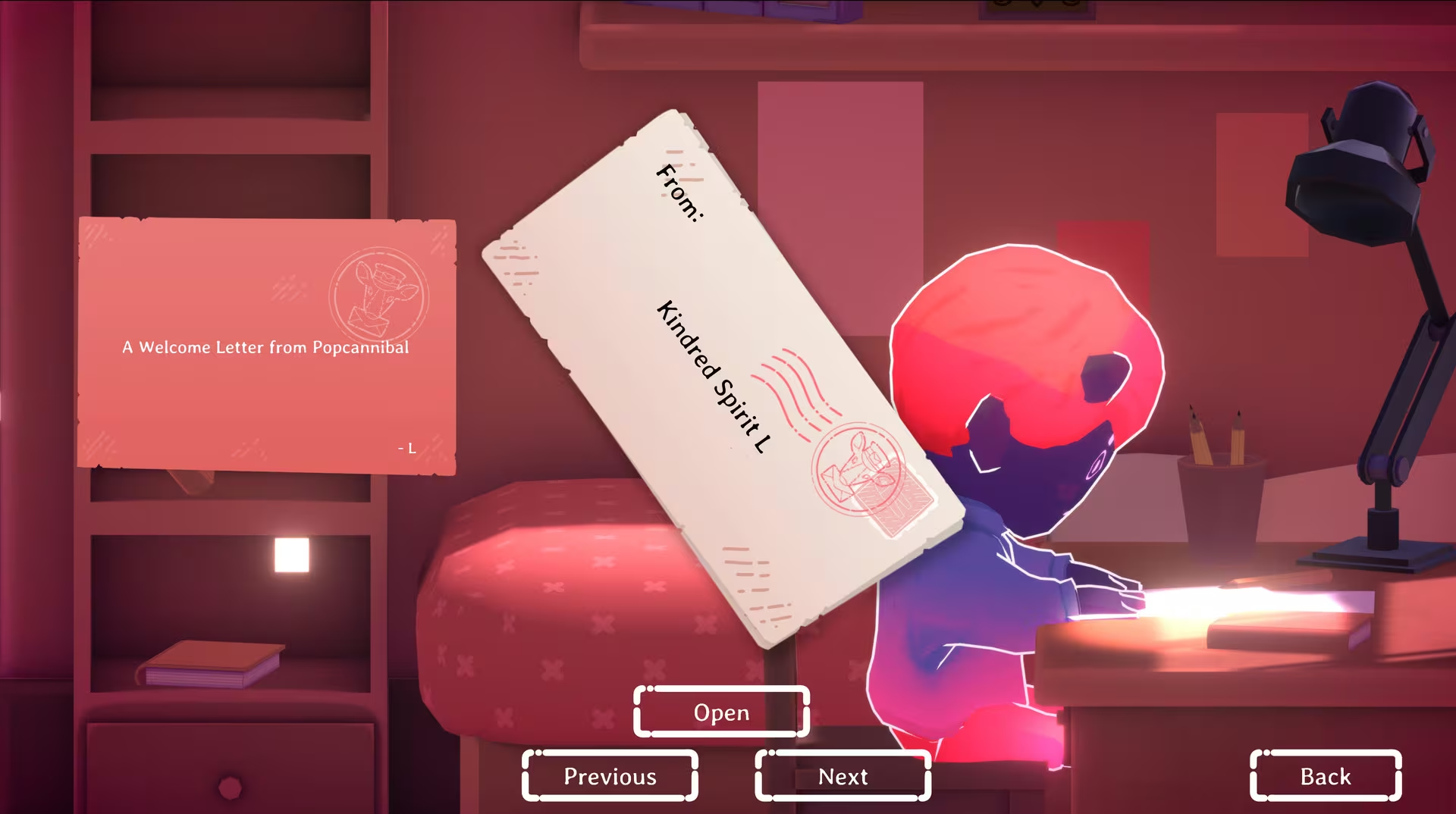
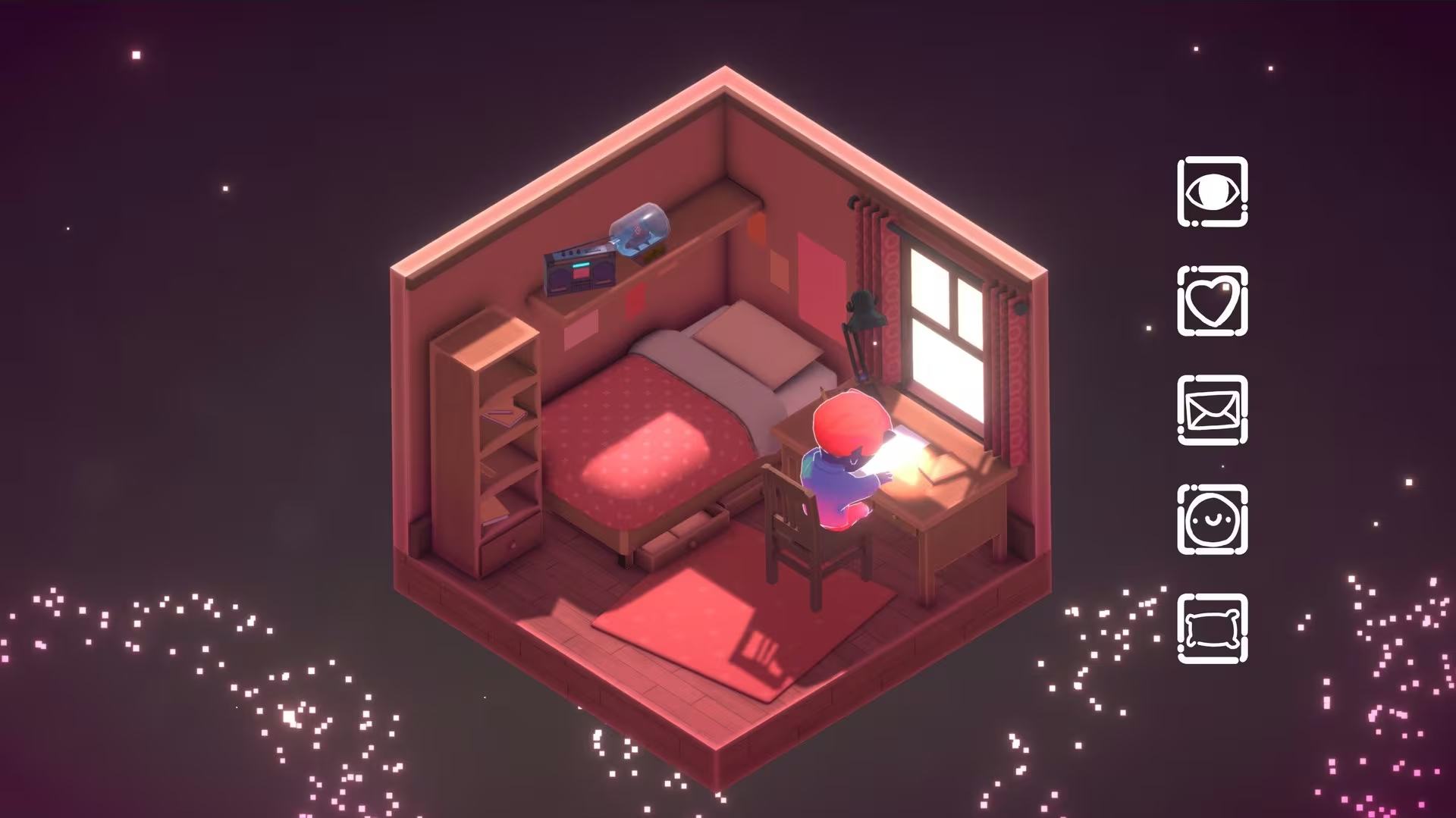
A game about writing nice letters to real people. Write and receive encouraging letters in a cozy room. Trade stickers and listen to chill music. We're all in this together. Sometimes all you need are a few kind words.

Global score

98/100

Genres

Casual, Indie

Similar games

    Pros

    • Wholesome and supportive community
    • Anonymous and safe emotional expression
    • Calming music and cozy visuals
    • Meaningful social connection
    • Rewarding sticker collection and room decoration

    Cons

    • Limited interaction format (no ongoing conversations)
    • Potential emotional strain for sensitive users
    • Not a substitute for professional therapy
    • Limited exploration and gameplay depth
    • Some users report exposure to heavy or distressing topics

    Analysis

    Less representative of its motivational profile, with noticeable differences. Motivations that often define this kind of title include Fantasy, Violence, Story, Thrill. Here, the score leans higher than usual among comparable games on Intimacy, Fellowship, Cooperation.

    How to use the graph
    Similar games map

    Each dot is a game. They are arranged from the same motivation profile as in the “Motivations” section below. Closer dots usually mean more similar reasons to play (exploration, competition, relaxation, etc.)—not that one game is “better” than another.

    • Larger dot with a light outline: the game you are viewing.
    • Colour: groups of games with comparable motivation patterns (statistical clusters).
    • Hover a dot to see the game name; click to open its page.
    • Scroll or double-click the chart to zoom out and see more games.

    Why don’t the axes read like a score? This view uses t-SNE: it only keeps who is close to whom. The scales are not “good to bad” or hours played—they separate groups on the map. Read distance between dots, not the axis numbers.

    Motivations

    • Autonomy
      4

      "Players freely write anonymous letters and choose which requests to respond to, with no ongoing dialogue or imposed routines."

    • Competence
      2

      "Engaging in thoughtful writing and emotional support requires skill and empathy, but no technical or mechanical challenges."

    • Competition
      -5

      "No competitive elements; focus is on personal expression and support without comparison."

    • Continuation
      3

      "Many players return repeatedly over long periods for emotional support and to help others, though sessions are often short and voluntary."

    • Cooperation
      4

      "Players work together by exchanging supportive messages and advice, forming a cooperative anonymous community."

    • Creativity
      2

      "Players create personalized letters and decorate rooms with collected stickers, allowing some creative expression."

    • Domination
      -5

      "Interactions are anonymous and equal; no power or authority is exerted over others."

    • Escapism
      4

      "Players use the game to escape real-life stress and find emotional relief through anonymous support."

    • Expectation
      -4

      "Engagement is voluntary and driven by intrinsic desire to give or receive kindness, not obligation."

    • Experimenting
      1

      "Players can try different ways of expressing support or venting, but the format is consistent and limited."

    • Exploration
      -3

      "Environment is limited to a few rooms and letter exchanges; exploration is minimal and familiar."

    • Expression
      3

      "Players express themselves through anonymous letters and room decoration with stickers."

    • Fantasy
      -5

      "The game is grounded in realistic emotional support and human connection without fictional elements."

    • Fellowship
      5

      "Strong sense of community and shared experience among anonymous players offering mutual support."

    • Growth
      3

      "Players develop empathy, emotional insight, and writing skills through interactions."

    • Health
      Insufficient data
    • Idle
      -3

      "Requires active reading and writing; not designed for passive or background play."

    • Intimacy
      4

      "Anonymous but emotionally intimate exchanges foster feelings of connection and understanding."

    • Leadership
      -5

      "No leadership roles; all participants engage equally without hierarchy."

    • Progression
      2

      "Players collect stickers and unlock music tracks, providing a mild sense of progression."

    • Relaxation
      5

      "Calming music, cozy visuals, and supportive messages create a relaxing, soothing experience."

    • Sensation
      2

      "Pleasant auditory and visual stimuli from music and room decoration, but subtle and gentle."

    • Status
      -5

      "Anonymous interactions prevent social status or recognition; focus is on kindness, not visibility."

    • Story
      -5

      "No narrative or plot; interactions are context-free and focused on emotional support."

    • Strategy
      -4

      "Minimal planning or problem solving; responses are spontaneous and empathetic rather than strategic."

    • Thrill
      -5

      "No suspense or risk; experience is safe, predictable, and emotionally stable."

    • Value
      4

      "Highly valued by users for emotional support and community, providing meaningful return on time and money."

    • Violence
      -5

      "No violence; focus is on constructive, supportive communication."

    • Survival
      -5

      "No survival or threat elements; environment is stable and safe."

    Last update: 29/04/2026